
Key Takeaways
1. TSMC is set to begin mass production of its 2nm process, N2, in 2025, ahead of its original 2030 timeline.
2. The company reported a revenue increase of over 40% in Q3 2025, driven by demand for AI technology and high-end smartphones.
3. TSMC plans to invest $42 billion in expanding its manufacturing capabilities in Taiwan and abroad in 2025.
4. The Arizona plant is being upgraded for 2nm production, aiming to become a major semiconductor center outside Asia.
5. TSMC targets to produce around 100,000 wafers per month from its Arizona facility, supporting U.S. efforts for more domestic chip production.
TSMC is getting ready for the worldwide competition in the semiconductor field. The chip maker has shared that it will begin mass production of its 2nm process, known as N2, sooner than it originally planned.
Production Timeline Adjustments
TSMC aims to kick off production of its N2 node in 2025, with a gradual increase in output anticipated for 2026. This change brings the schedule ahead by several years from the initial target of 2030. Executives at the company have indicated that early yields are looking good. They have already commenced work on a better version called N2P, which is set to be released in late 2026.
Financial Growth Driven by AI
This accelerated timeline follows TSMC’s impressive Q3 2025 results. The semiconductor giant reported revenues of $33.1 billion, which is more than a 40 percent increase compared to the same time last year. TSMC’s success has been largely fueled by the demand for AI technology and high-end smartphones, with substantial orders coming from clients like Nvidia and Apple.
Expansion Plans in Manufacturing
The company is also set to invest heavily in boosting its manufacturing capabilities, both in Taiwan and abroad, with a significant $42 billion allocated for this purpose in 2025.
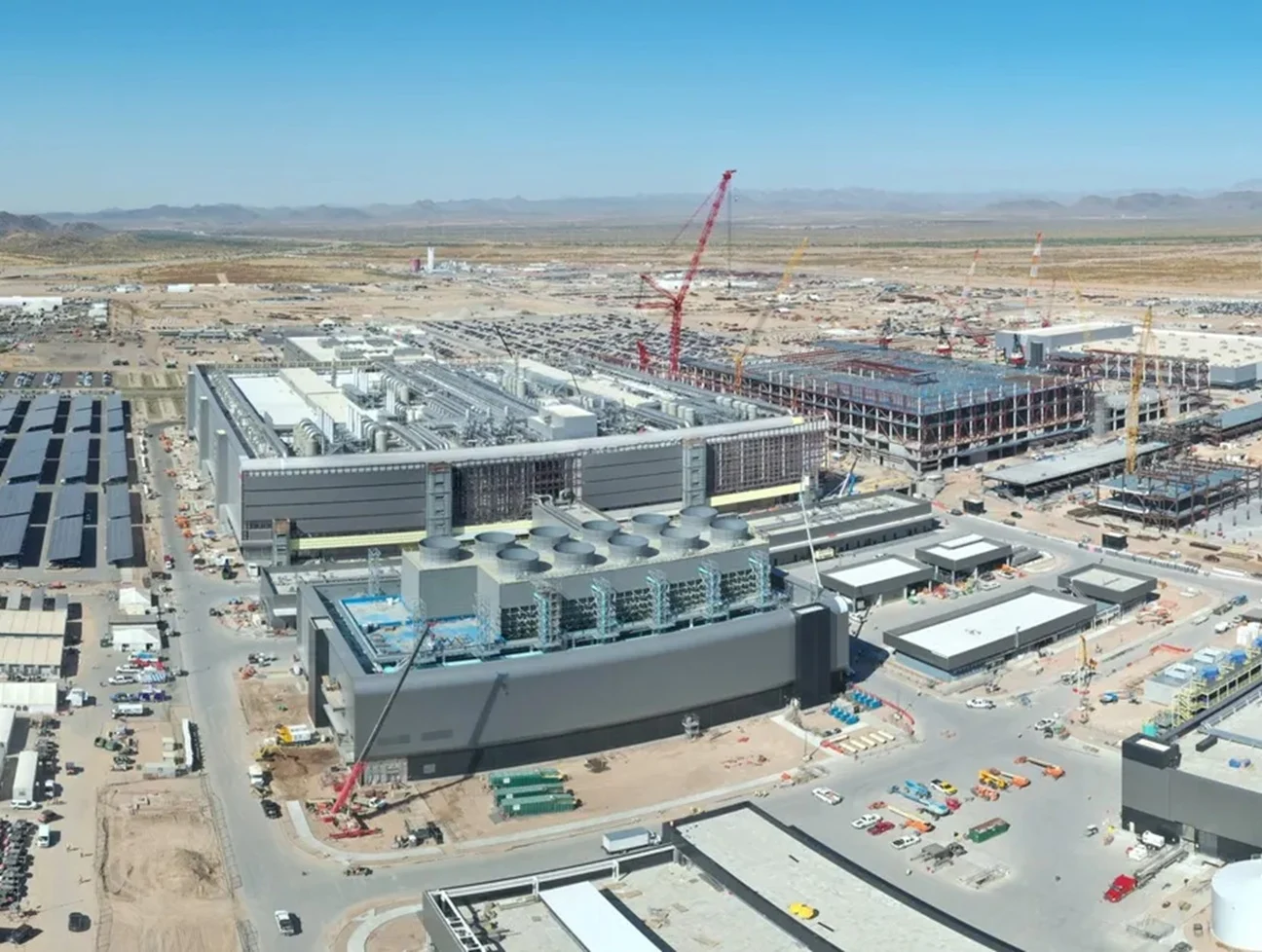
TSMC has also shared news regarding its Arizona plant. The facility is undergoing upgrades from 3 nm and 4 nm technology to accommodate 2 nm production. This site is expected to be ready for future A16-class manufacturing. TSMC believes this plant could become one of the leading semiconductor centers outside Asia, targeting a 30 percent share of the company’s next-generation output.
Arizona Production Goals
The plan is to produce approximately 100,000 wafers each month from the Arizona facility. TSMC is working on establishing the necessary infrastructure for packaging, testing, and suppliers, and is currently exploring options for acquiring additional land. This expansion comes at a crucial time as the United States strives for more domestic chip production and aims to lessen its dependence on foreign manufacturers.
The competition remains fierce in the global AI and national security arena, but TSMC is positioning itself to lead the charge in the development of next-generation semiconductors for advanced computing.
Source:
Link
Leave a Reply