Tag: Xiaomi

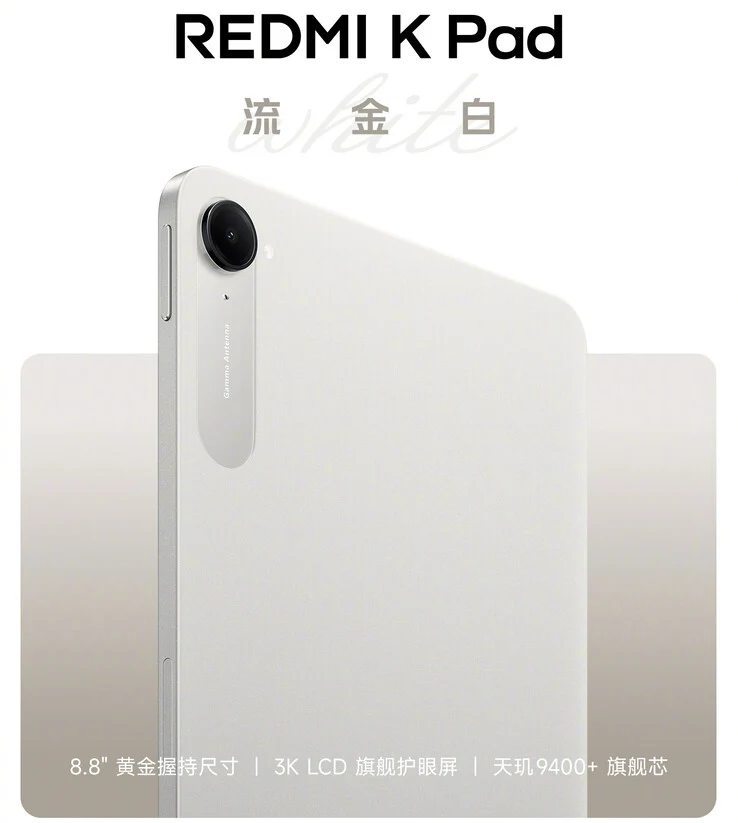
  • Xiaomi Launches New Redmi K Pad in Golden White Color

    Xiaomi Launches New Redmi K Pad in Golden White Color

    Key Takeaways

    1. Xiaomi will launch the Redmi K90 series and Watch 6 on October 23, 2025, in China.
    2. A new color option, Golden White, will be introduced for the Redmi K Pad, while specifications remain unchanged.
    3. The Redmi K Pad features a Dimensity 9400+ processor and an 8.8-inch display with a 165 Hz refresh rate.
    4. The Redmi K Pad’s limited availability is a drawback, but it has been rebranded as the Xiaomi Pad Mini for broader market reach.
    5. It is unclear if the Golden White color will be available for the rebranded Xiaomi Pad Mini.


    Xiaomi is preparing to unveil several new devices in China, including the Redmi K90 series. They have also confirmed the launch of the Watch 6 at the same event, scheduled for October 23, 2025, in China. Additionally, the company has announced a new color option for the Redmi K Pad that will be introduced during this event.

    New Colorway for Redmi K Pad

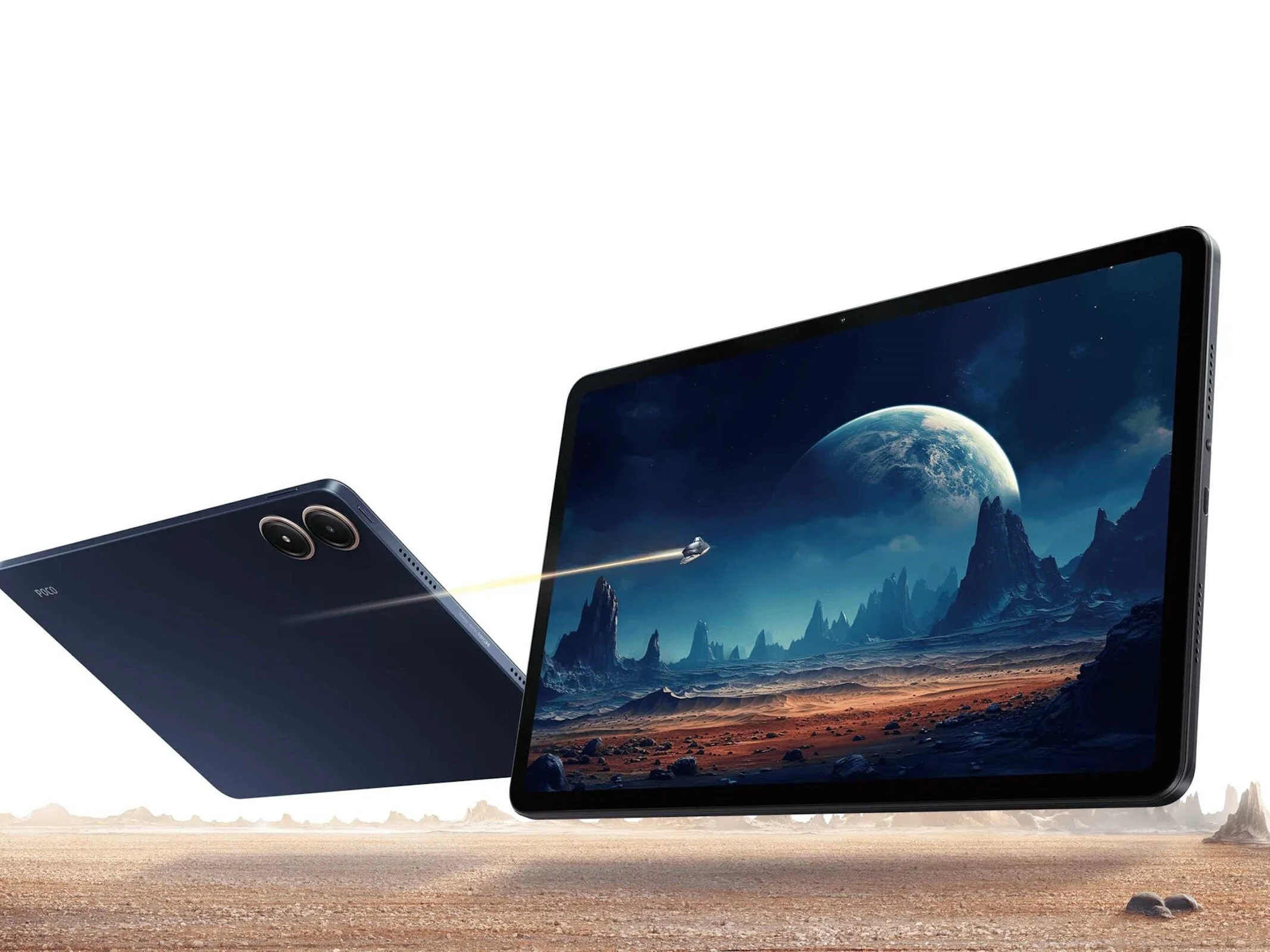
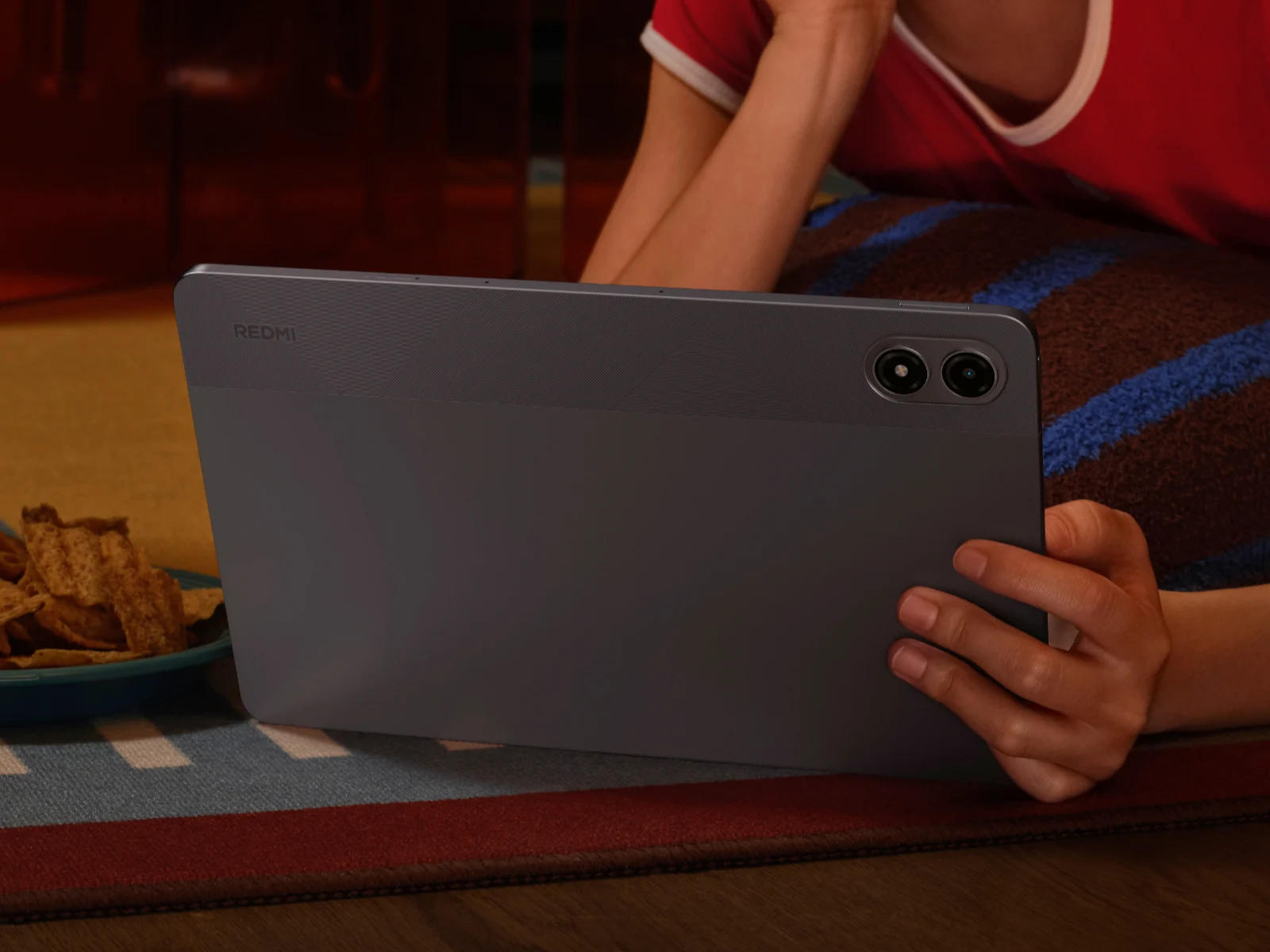
    This fresh color option is named Golden White, and from the images shared, it appears this updated version of the sub-$400 tablet will align with the Flowing Gold White color scheme of the Redmi K90 Pro Max. Other than the aesthetics, all specifications will remain unchanged from the colors offered at the initial launch.

    Specs of the Redmi K Pad

    For those keen on details, the Redmi K Pad is equipped with the Dimensity 9400+, a previous-generation flagship SoC. Our review highlighted its vibrant 8.8-inch display boasting a 165 Hz refresh rate. The compact size of this sub-flagship tablet enhances its portability, and we were also quite pleased with its battery performance.

    Availability and Rebranding

    In our assessment, we pointed out that the limited availability of the Redmi K Pad was a drawback (it’s available on TradingShenzhen), but a positive aspect is its rebranding as the Xiaomi Pad Mini. This change has allowed the tablet to reach more markets than before. Nonetheless, it is still uncertain if the Golden White color option will also be offered for the rebranded model.

    Source:
    Link


  • Xiaomi Launches Redmi Watch 6 with Enhanced Design Features

    Xiaomi Launches Redmi Watch 6 with Enhanced Design Features

    Key Takeaways

    1. Xiaomi has launched the Redmi Watch 6, which is budget-friendly and feature-rich.
    2. The design includes an extra button on the right side, similar to non-Ultra Apple Watch models.
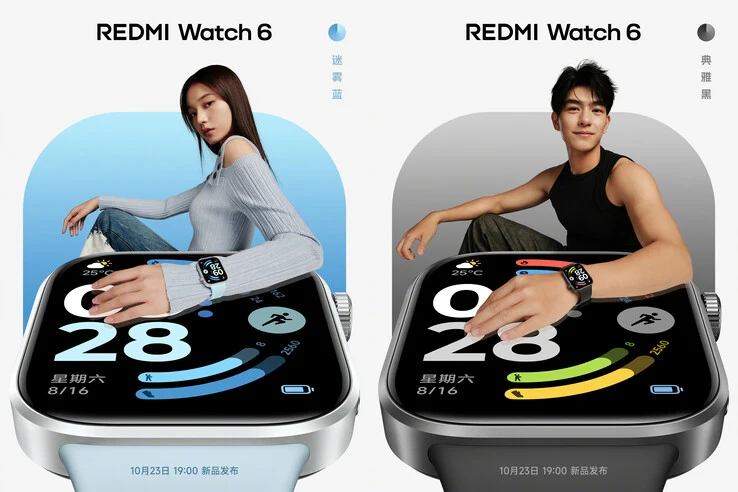
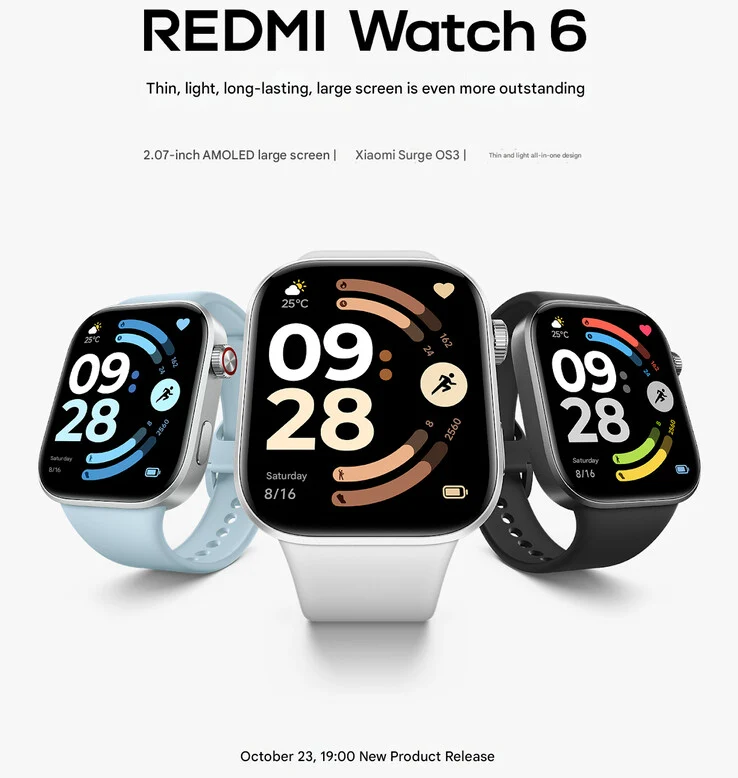
    3. The smartwatch features a 2.07-inch AMOLED display and is available in three colors: Bright Moon Silver, Elegant Black, and Mist Blue.
    4. The mid-frame is made of high-strength aluminum for durability.
    5. More specifications will be revealed on October 23, 2025, with the previous model having a battery life of 24 days.


    Xiaomi has launched the Redmi Watch 6, a new addition to their line of smartwatches. This series is known for being budget-friendly yet packed with features. From the official images, it looks like the design has been slightly adjusted for this latest model.

    Design Changes

    In particular, Xiaomi has introduced an extra button on the right side, located just below the crown. This design choice resembles that of the latest non-Ultra Apple Watch versions. However, it’s still uncertain what specific functions this new button will have.

    Display and Features

    The company has confirmed that the Redmi Watch 6 will come with a 2.07-inch display, same as its predecessor (currently priced at $113 on Amazon). The new teasers suggest that it will also feature an AMOLED screen.

    In addition to this, official teasers indicate that the smartwatch will be available in three colors: Bright Moon Silver, Elegant Black, and Mist Blue. The mid-frame will be made of “high-strength aluminum,” which is claimed to be both sturdy and durable. Xiaomi emphasizes that the Redmi Watch 6 will have a sleek and elegant design.

    Specifications and Release Date

    Regarding other specifications, details remain undisclosed, but it’s notable that the previous model boasted a battery life of 24 days. It also included 5-system GNSS, Bluetooth calling support, and a linear motor to enhance haptic feedback. More information about the Redmi Watch 6 will be unveiled on October 23, 2025, in China, which coincides with the launch date for the K90 series.

    Source:
    Link


  • Stable HyperOS 3 Update Released for Six Xiaomi and Redmi Phones

    Stable HyperOS 3 Update Released for Six Xiaomi and Redmi Phones

    Key Takeaways

    1. Xiaomi has launched stable versions of HyperOS 3, based on Android 16, for select smartphones including the Xiaomi 15 series and Redmi K80 range.
    2. The OTA update will initially roll out to a limited number of devices, with broader availability expected in the coming weeks.
    3. The update size is between 7.5GB and 8GB, introducing features like Xiaomi Hyperland, performance enhancements, and AI-driven tools.
    4. Key improvements include better notification grouping, Live Updates, a predictive back gesture, and enhanced security features.
    5. Global users will receive stable updates for over 15 Xiaomi and Redmi models from October to November, including popular series like Redmi Note 14 and POCO F7.


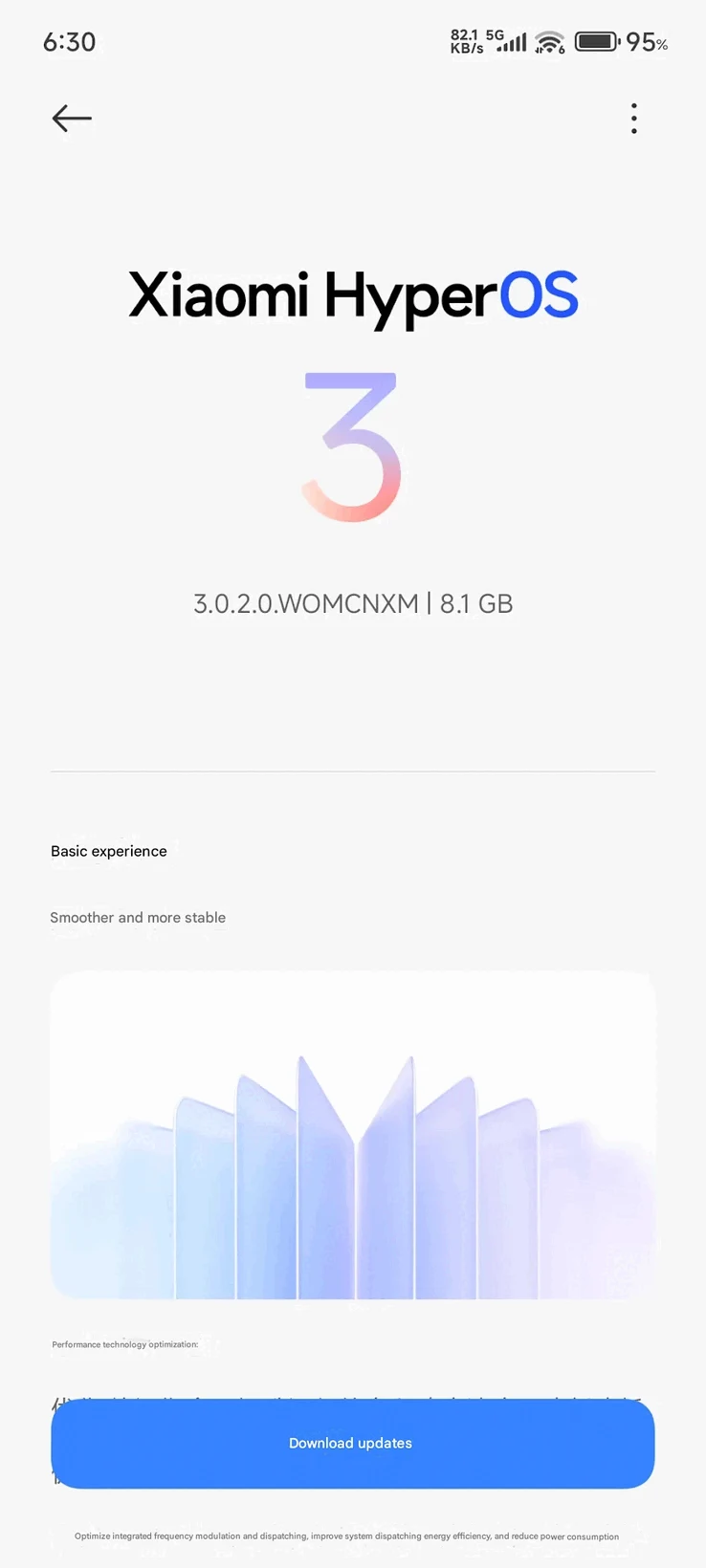
    After several weeks of testing in beta, Xiaomi has at last launched the stable versions of HyperOS 3, which is based on Android 16, for its initial set of smartphones. This includes six flagship models from the Xiaomi 15 series and the Redmi K80 range. The release is first targeting Chinese variants, with international versions expected to follow later this month.

    OTA Update for Users

    If you own a Xiaomi 15, Xiaomi 15 Pro, 15S Pro, 15 Ultra, or a Redmi K80 Pro or Ultra with a Chinese ROM, be on the lookout for an OTA update arriving in the next few days. This update is being rolled out in phases, meaning that only a limited number of devices will get the update at first. If everything goes as planned, the update will be expanded to include more devices in the upcoming weeks.

    Update Details

    The update size ranges from 7.5GB to 8GB, and you can see the build numbers below (thanks to XiaomiTime):

    HyperOS 3 introduces a range of new features and improvements. Notably, it has a version of the iPhone’s Dynamic Island called Xiaomi Hyperland, along with an iOS 16-like lockscreen. Xiaomi is also claiming significant performance enhancements with optimizations to the kernel and graphics rendering pipeline. For devices that support it, the new software includes AI-driven writing tools, voice recognition, and smart translation capabilities. Additionally, users can expect enhancements specific to Android 16, such as improved notification grouping, Live Updates, the predictive back gesture, and security features like Trade-in Mode and Advanced Protection.

    Timely Rollout

    Xiaomi had assured users that a stable update would be available for these devices by October 15, and the HyperOS 3 rollout seems to be right on target. Global users won’t have to wait long either, as the company plans to release the stable update for over 15 Xiaomi and Redmi models between October and November. This will include well-liked devices such as the Redmi Note 14 series, POCO F7 series, and POCO X7 / X7 Pro.

    Source:
    Link


  • Poco F8 Ultra Features: Redmi K90 Pro vs. Xiaomi 17 Series

    Poco F8 Ultra Features: Redmi K90 Pro vs. Xiaomi 17 Series

    Key Takeaways

    1. Xiaomi is set to launch the Redmi K90 series soon in China, with the Redmi K90 Pro expected to be released globally as the Poco F8 Ultra.
    2. The Redmi K90 Pro will feature the Qualcomm Snapdragon 8 Elite Gen 5 processor and offer impressive battery life with 100 W fast charging.
    3. The phone aims to connect the Redmi K-series with Xiaomi’s flagship models, targeting a premium device experience.
    4. A high-end camera system is anticipated, including a top main camera sensor and a periscope zoom lens.
    5. The Redmi K90 Pro is expected to include advanced features like haptics, an under-display fingerprint scanner, and superior audio quality.


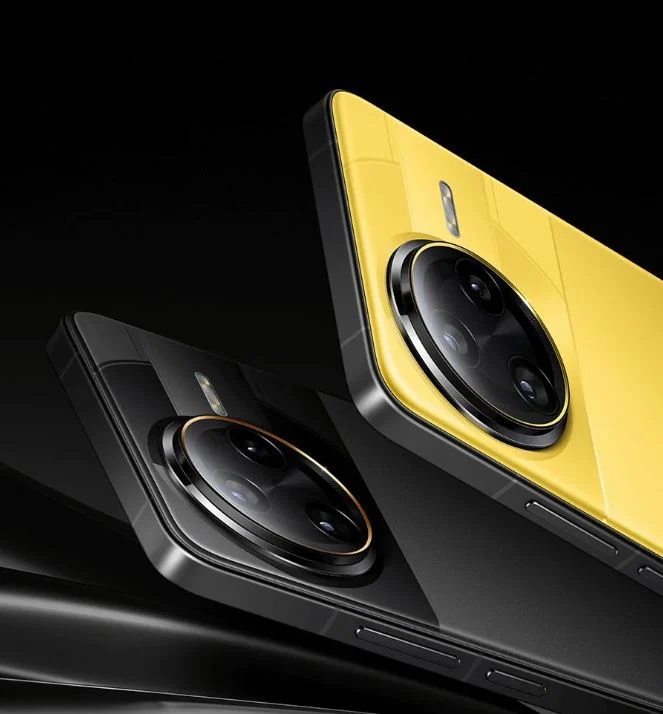
    By many people’s view, Xiaomi is getting ready to launch the Redmi K90 series very soon in China. The Redmi K90 Pro is likely to be released globally under the name Poco F8 Ultra, and a fresh leak has just revealed some of the phone’s main features.

    Key Features Revealed

    According to Digital Chat Station on Weibo, the Redmi K90 Pro will connect the Redmi K-series with Xiaomi’s primary flagship models, aiming to be a genuine premium device similar to the Xiaomi 17 series smartphones. Like those devices, the Redmi K90 Pro will run on Qualcomm’s latest Snapdragon 8 Elite Gen 5 and boast impressive battery life along with 100 W fast charging capabilities.

    Premium Camera Expectations

    As mentioned earlier, the Redmi K90 Pro, and by extension the Poco F8 Ultra, is anticipated to be the first in the lineup to come with a truly top-notch camera system. There are rumors about a high-end main camera sensor and a periscope zoom lens. Furthermore, the source suggests that the phone will include “flagship-level peripherals,” which likely points to advanced features such as haptics and an under-display fingerprint scanner, along with superior audio quality.

    Source:
    Link


  • Xiaomi Set to Launch New Poco Tablet Globally Soon

    Xiaomi Set to Launch New Poco Tablet Globally Soon

    Key Takeaways

    1. Trustworthy leaks often come from internal sources and government databases, like the FCC, which monitor device compliance.
    2. Three new entries in the GSMA database may refer to a single Xiaomi device with model numbers 25128PC17L, 25128PC17G, and 25128PC17I.
    3. These models are likely targeted at different regions: Latin America, the global market, and India.
    4. Each model is expected to support a SIM card slot, indicating cellular connectivity.
    5. Xiaomi may launch these devices under the Poco brand, possibly named Poco Pad SE, Poco Pad 4G, or Poco Pad 5G, with a potential release soon or next year.


    Relatively trustworthy leaks come from both inside sources and from government-maintained databases, like those that keep track of device compliance declarations. A prominent example is the Federal Communications Commission (FCC). In simple terms, devices that use radio technology need to demonstrate that they do not interfere with other wireless data transmissions. There are specifications that govern this, and such databases are usually open for public access.

    New Entries in GSMA Database

    A recent media report indicates that three new entries have appeared in the GSMA database, specifically for devices with the model numbers 25128PC17L, 25128PC17G, and 25128PC17I. According to XiaomiTime, these three models likely refer to a single device but targeted at different regions: Latin America, the global market, and India. While these certifications don’t include detailed technical specifications, it is evident that each model will support a SIM card slot, suggesting that they will all feature cellular connectivity.

    Manufacturer and Possible Launch Name

    Xiaomi is identified as the maker set to launch these devices, and the Poco brand is also mentioned. XiaomiTime speculates, based on leaked internal model names, that these devices might be released under the names Poco Pad SE, Poco Pad 4G, or Poco Pad 5G. The listing hints at a potential launch in the near future, although a release next year is also a possibility.

    Source:
    Link


  • Xiaomi Releases Global Updates for Redmi Pad 2 Pro and More

    Xiaomi Releases Global Updates for Redmi Pad 2 Pro and More

    Key Takeaways

    1. Xiaomi has started releasing HyperOS updates after a pause due to the National Day holiday in China.
    2. The Xiaomi 17 is receiving HyperOS 3.0.17.0.WPCCNXM in China.
    3. The Redmi Pad 2 Pro launched with HyperOS 2 and will not upgrade to HyperOS 3 until next month.
    4. The Redmi 13 and Poco M6 are getting updates for HyperOS 2 and will receive HyperOS 3 in a future batch.
    5. Over 20 other devices will not receive HyperOS 3 updates, with details provided separately.


    Xiaomi has begun the process of releasing HyperOS updates for a new set of devices. To give some background, the company paused its software updates due to the recent National Day Golden Week holiday in China. With that holiday wrapping up on October 8, Xiaomi is now seen providing HyperOS 3.0.17.0.WPCCNXM specifically for the Xiaomi 17 in China.

    Update Details

    The Xiaomi 17 originally launched with HyperOS 3, but the same can’t be said for the Redmi Pad 2 Pro. As mentioned during last month’s introduction, the Redmi Pad 2 Pro came out with HyperOS 2, just like its predecessor, the Redmi Pad 2, which is curr. $179.99 on Amazon. Sadly, this month’s update for the Redmi Pad 2 Pro does not upgrade it to HyperOS 3. Currently, Xiaomi plans to start rolling out HyperOS 3 to the Redmi Pad 2 Pro no sooner than next month.

    Other Devices

    In addition, the Redmi 13 is now getting new updates for HyperOS 2, along with the Poco M6. Both smartphones are expected to receive HyperOS 3 in the second batch of updates from Xiaomi, similar to the Redmi Pad 2 Pro. However, more than 20 other devices will not be getting HyperOS 3, and we have shared detailed information about those exclusions separately.

    XiaomiTime

    Source:
    Link


  • Xiaomi Unveils New Curved Gaming Monitor Priced at $197

    Xiaomi Unveils New Curved Gaming Monitor Priced at $197

    Key Takeaways

    1. The Redmi G34WQ 2026 is priced at approximately $197 and is currently available in China, with international release details pending.
    2. It features a 34-inch curved screen with a resolution of 3,440 x 1,440 pixels and a 21:9 aspect ratio, but lacks mini-LED or OLED technology.
    3. The monitor supports a refresh rate of up to 180 Hz and has a gray-to-gray response time of one millisecond, along with FreeSync technology.
    4. Connectivity options include two DisplayPort 1.4 ports and two HDMI 2.0 ports, plus an RGB lighting ring on the rear.
    5. The monitor is designed to appeal to gamers and professionals seeking an immersive experience at an attractive price.


    The Redmi G34WQ 2026 has recently been unveiled in China, priced at about $197, which is still a discounted rate. Details regarding its release in other countries are yet to be announced. Given Xiaomi’s history of distributing monitors worldwide, it’s reasonable to expect that an international release is on the horizon.

    Display Features

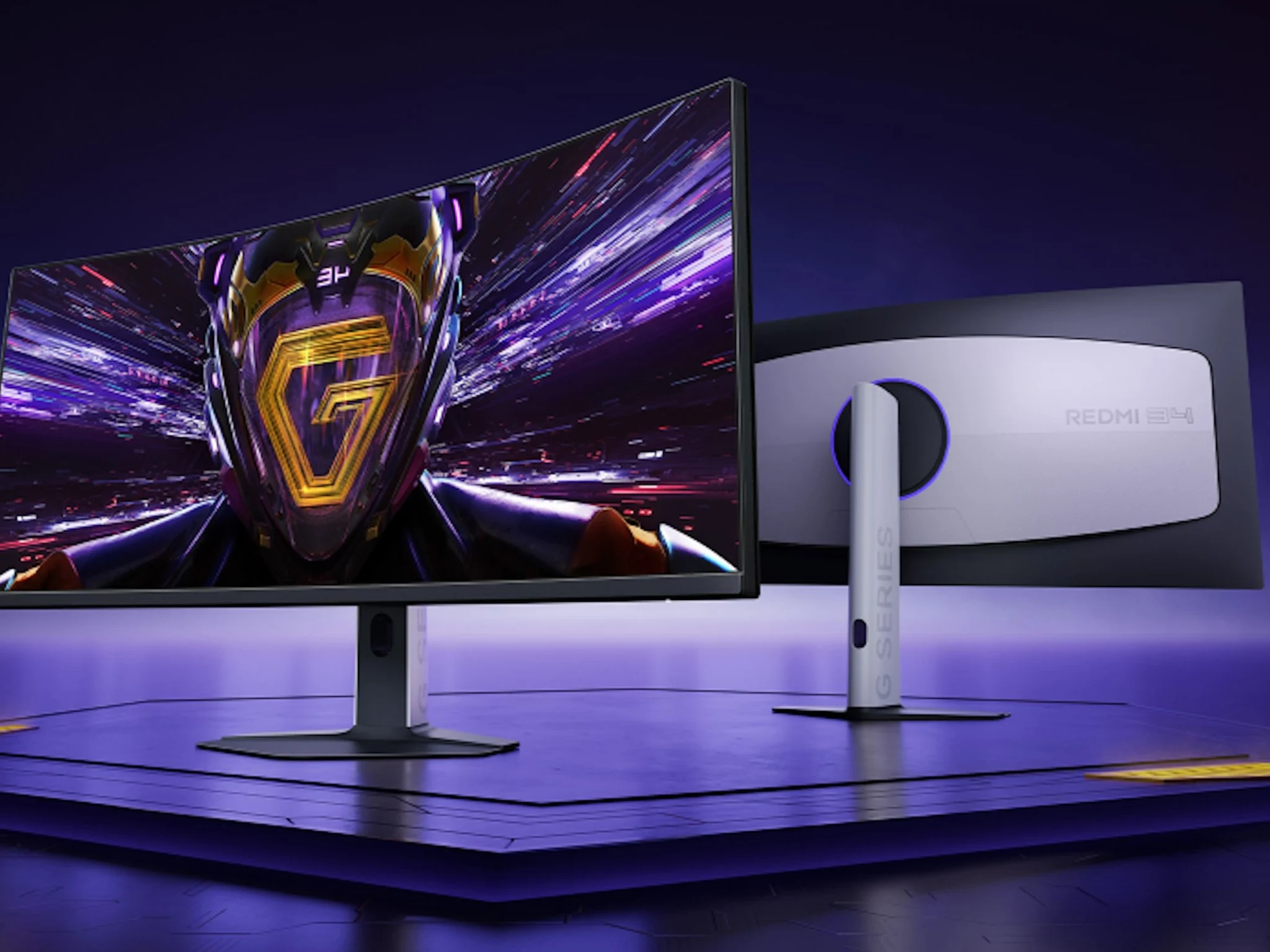
    This model boasts a 34-inch curved screen with a curvature radius of 1,500 millimeters, aimed at enhancing comfort and providing a more immersive viewing experience. The resolution is set at 3,440 x 1,440 pixels, coupled with a 21:9 aspect ratio. While it doesn’t feature mini-LED or OLED technology, it does offer a standard brightness of 400 cd/m² and a contrast ratio of 3,500:1. Thus, HDR visuals may not appear as striking as they would on an OLED display.

    Performance Specifications

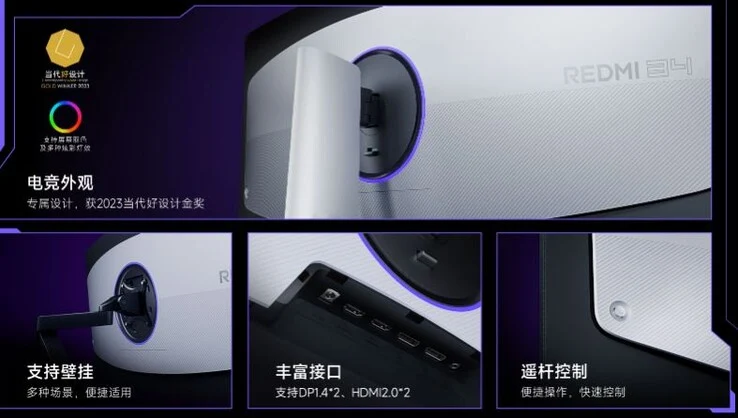
    The monitor claims to support a refresh rate of up to 180 Hz, alongside a gray-to-gray response time of just one millisecond. It also includes FreeSync technology, allowing for the synchronization of the output image with the display. The connections to the monitor can be made through two DisplayPort 1.4 ports and two HDMI 2.0 ports. Additionally, there’s an RGB lighting ring on the rear side.

    Final Thoughts

    Xiaomi’s latest offering in the monitor market seems promising, especially with its appealing price point and impressive specifications. As we await news on its availability outside of China, this model could potentially attract gamers and professionals alike looking for an immersive display experience.

    Source:
    Link


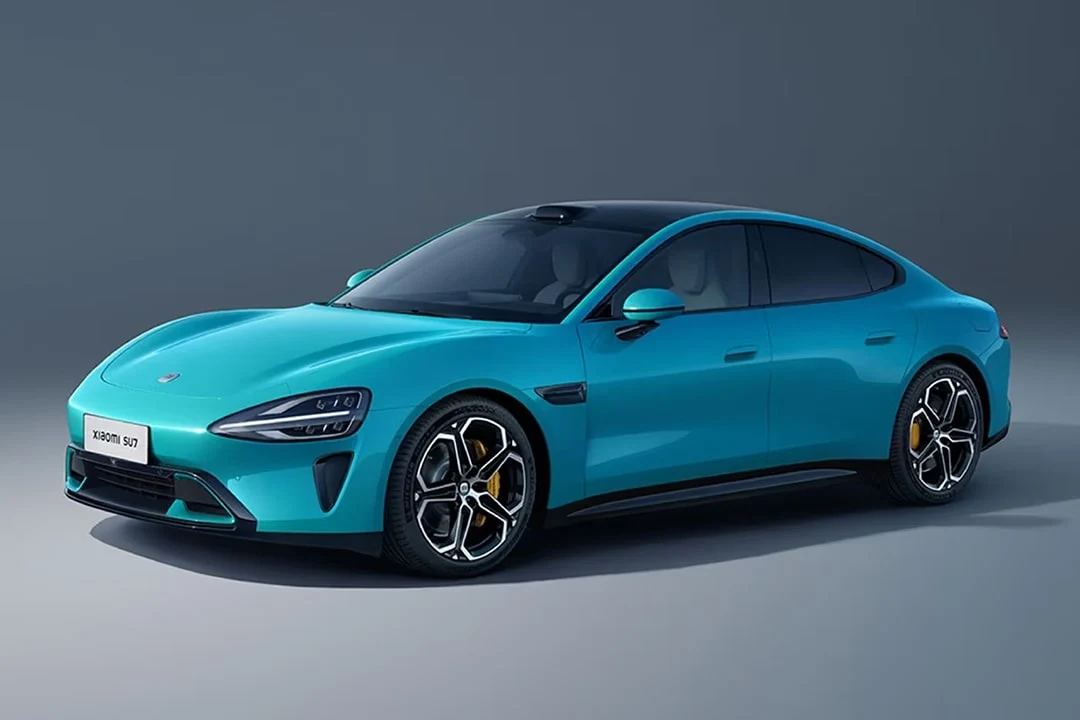
  • Xiaomi Addresses SU7 Incident That Alarmed EV Owner

    Xiaomi Addresses SU7 Incident That Alarmed EV Owner

    Key Takeaways

    1. Xiaomi is taking precautions with its self-driving technology after a recall related to an incident involving one of its vehicles.
    2. A SU7 vehicle unexpectedly drove away from a parked position, leading to an investigation by Xiaomi after the owner reported the incident.
    3. The movement of the vehicle was traced back to a remote parking command sent from the owner’s iPhone 15 Pro Max, not a malfunction in the vehicle itself.
    4. Miscommunication from customer service added confusion, as a representative incorrectly identified the device involved in the incident.
    5. The incident has raised concerns about the need for stricter safeguards to prevent unintended activations of the driver-assist system.


    Xiaomi is taking every precaution with its self-driving electric car technology following a recall linked to a tragic incident involving one of its vehicles. This action comes after a peculiar situation arose that its Advanced Driver-Assistance System (ADAS) had not been tested for, which might have contributed to the unfortunate event.

    Quick Reaction to Incident

    The company swiftly acted to investigate when a SU7 owner reported that their vehicle unexpectedly drove away from its parking spot in front of their home. The owner claimed there was no interaction from them to make the SU7 move, and at the time, no one was inside the car.

    The footage shared by the owner showed the vehicle was parked when the incident occurred, while he and a woman were inside. When the car suddenly took off, the woman screamed, prompting the owner to run after it. The owner later told a reporter that when he contacted Xiaomi’s customer service, they suggested he might have mistakenly activated the car via his phone. However, he disagreed and released the full video evidence, emphasizing he did not touch his phone when the car started moving.

    Explanation from Xiaomi

    Xiaomi confirmed that the electric sedan did autonomously start moving, but after reviewing the logs, they informed the owner that the action was triggered by a command from an iPhone 15 Pro Max. “The backend data of the vehicle aligns with the operation logs of the iPhone 15 Pro Max, including response times and commands to exit, indicating no quality issues with the vehicle,” Xiaomi stated.

    The owner was initially doubtful of this explanation and wanted to see the complete logs. Upon examining the logs together with Xiaomi, it became clear that the company was indeed correct. An iPhone 15 Pro Max linked to the owner’s account had sent a remote parking command. Xiaomi’s driver-assist technology has a feature similar to Tesla’s Smart Summon, which can autonomously park the vehicle or “summon” it from its spot.

    Miscommunication and Future Safeguards

    It was this summoning command that was inadvertently triggered by the owner’s iPhone, causing the Xiaomi SU7 to move from its parked position, which understandably startled the owner, as shown in the video below.

    According to Xiaomi, an initial mistake by a customer service representative added to the confusion surrounding the incident. They stated, “During the investigation, with the user’s approval, we accessed vehicle data and operation logs from both phones that had control permissions (the female owner’s iPhone 16 Pro and the male owner’s iPhone 15 Pro Max). The backend data indicates that during the described timeframe, a parking assist command was sent from the iPhone 15 Pro Max, activating the parking assist feature, which requires the vehicle to be within Bluetooth range of the phone.” They noted that a customer service rep mistakenly identified the model of the device, which led to misunderstanding. They apologized for the error and pledged to enhance their service.

    Despite the clarification, the incident has sparked discussions about the necessity for more stringent safeguards to prevent unintended activation of Xiaomi’s driver-assist system when no one is inside the vehicle.

    Source:
    Link


  • Xiaomi EV Sets Record with 40,000 Cars Delivered in September

    Xiaomi EV Sets Record with 40,000 Cars Delivered in September

    Key Takeaways

    1. Xiaomi’s electric vehicle division delivered over 40,000 cars in September, marking a record for the company.
    2. The SU7 sedan and YU7 SUV are designed to compete directly with Tesla’s Model 3 and Model Y, respectively.
    3. The YU7 saw a significant increase in demand, with deliveries nearly tripling from July to August.
    4. New buyers face long wait times of up to 38 weeks for the SU7 and 48 weeks for the YU7 due to high demand and maximum factory capacity.
    5. Xiaomi plans to increase production and adjust delivery schedules to reduce wait times for customers.


    Xiaomi’s electric vehicle division achieved a significant milestone in September by delivering over 40,000 cars to customers in China. This is the first occasion the company has reached such a high number in a single month, showing its rapid progress in the competitive electric vehicle market of the country.

    Competing with Tesla

    The SU7 sedan, which was introduced in March, is designed to compete with Tesla’s Model 3. Alongside it, the YU7 SUV, which launched in June, targets the same market segment as Tesla’s Model Y. The interest in the YU7 has been particularly remarkable, with deliveries nearly tripling in August compared to July, contributing to Xiaomi’s record-breaking month.

    Production Challenges Ahead

    Due to the high demand, the factory is operating at maximum capacity. New buyers of the SU7 are facing wait times of up to 38 weeks, while those ordering the YU7 may have to wait as long as 48 weeks. Nonetheless, Xiaomi’s representatives have stated that they are increasing production and are working on adjusting the delivery schedules to reduce these waiting periods.

    The September deliveries follow a total of 36,396 cars sold in August. Although Xiaomi has not specified the breakdown of these numbers by model, this achievement underscores the company’s rapid ascent in the Chinese market, with global expansion plans anticipated in the near future.

    Source:
    Link


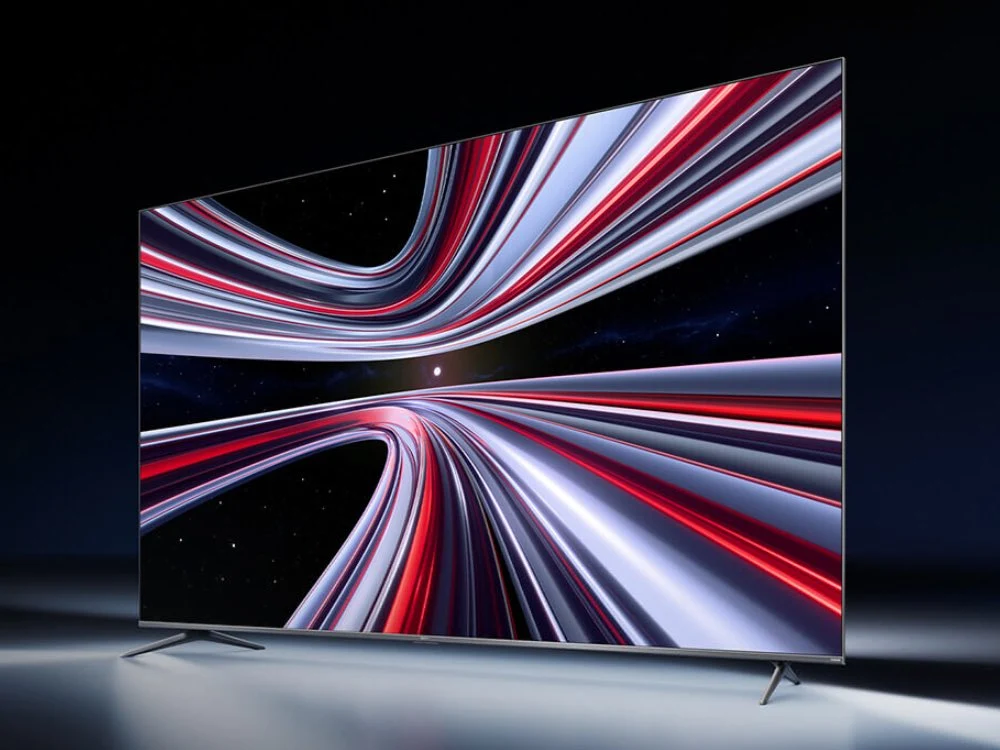
  • Xiaomi Redmi TV X 2026: Mini LED, 288Hz Refresh Rate, 1200 Nits

    Xiaomi Redmi TV X 2026: Mini LED, 288Hz Refresh Rate, 1200 Nits

    Key Takeaways

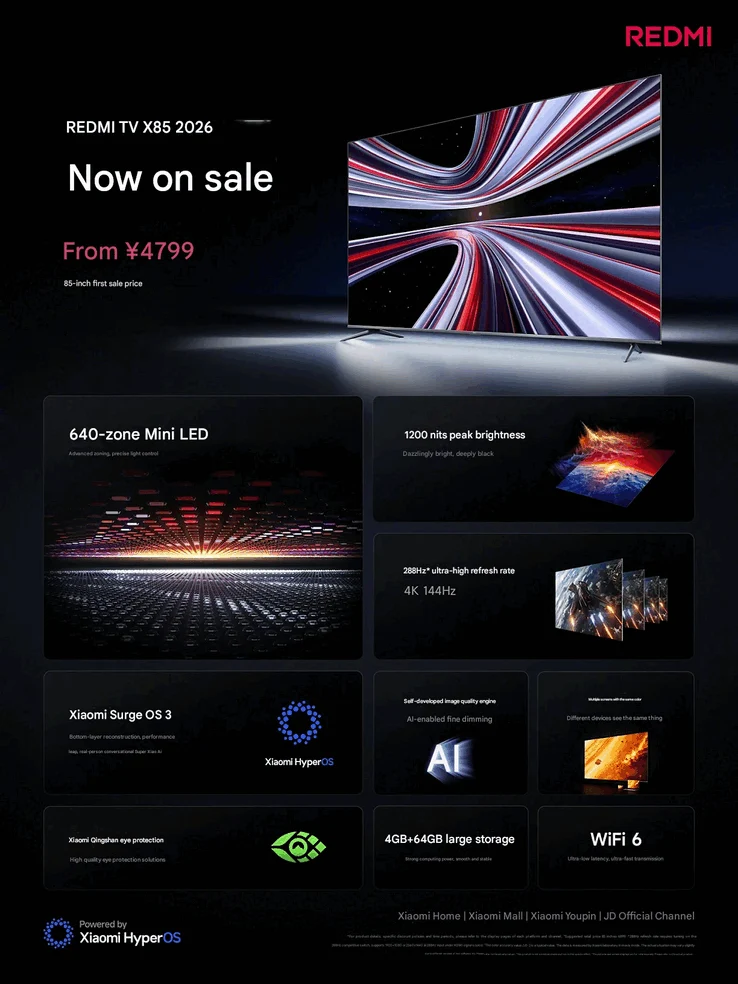
    1. Mini LED Display: The Redmi TV X 2026 features an 85-inch Mini LED display with 640 local dimming zones and a peak brightness of 1,200 nits, offering enhanced contrast and color quality.

    2. Filmmaker Mode: It includes a Filmmaker Mode that disables post-processing features for a more authentic viewing experience.

    3. Gaming Specs: The TV has a native refresh rate of 4K 144Hz, supports VRR, includes a Game Mode, and is certified for AMD FreeSync Premium, ensuring low latency for gamers.

    4. Consistent Processing Power: It uses the same MediaTek MT9655 quad-core processor as the previous model, with 4GB of RAM and 64GB of internal storage, running on Xiaomi’s new HyperOS 3 interface.

    5. Pricing and Availability: Currently available in China for 4,800 yuan (around $674), the TV is only offered in the 85-inch size, with no details on global release yet.


    The Redmi TV X 2026 is the latest addition to Xiaomi’s lineup of 4K TVs, designed to make Mini LED technology more accessible to everyone. It serves as the direct successor to the Redmi TV X 2025 from last year and comes packed with impressive features for its price point.

    Stunning Mini LED Display

    One of the standout features of the Redmi TV X 2026 is its Mini LED display, marking a first for the Redmi series. The 85-inch screen includes 640 local dimming zones and can reach a peak brightness of 1,200 nits, offering deep blacks and bright colors comparable to OLED. Additionally, the TV is equipped with a new light sensor that adjusts the brightness and color temperature based on the surrounding light. It also includes a Filmmaker Mode that aims to provide a more authentic viewing experience by disabling post-processing features like motion smoothing, AI upscaling, and noise reduction.

    Gamer-Friendly Specs

    For gaming enthusiasts, the Redmi TV X 2026 comes with impressive specifications. It features a native refresh rate of 4K 144Hz, which can be boosted to 288Hz in a special mode, although the resolution in this mode reaches 2560 x 1440. The TV supports VRR (variable refresh rate), includes a Game Mode with settings for various gaming styles, and holds AMD FreeSync Premium certification, ensuring ultra-low latency of just 4ms. Dolby Vision Gaming support is also part of the package.

    Similar Processing Power

    The processing setup in the Redmi TV X 2026 appears to remain consistent with last year’s version, still utilizing a MediaTek MT9655 quad-core processor that has four Arm Cortex-A73 cores along with a Mali-G52 MC1 GPU. It includes 4GB of RAM and 64GB of internal storage. Out of the box, the TV runs on Xiaomi’s new HyperOS 3 interface.

    The Redmi TV X 2026 is currently on sale in China for 4,800 yuan (approximately $674). It is only available in the 85-inch size, and there’s no information yet about its global release. Given that previous X series models found their way to international markets under different names, this model is likely to follow suit.

    Source:
    Link