Tag: Xiaomi

  • Xiaomi HyperOS 3 Beta for 15+ Devices Launching Soon

    Xiaomi HyperOS 3 Beta for 15+ Devices Launching Soon

    Key Takeaways

    1. Xiaomi HyperOS 3 beta program is now open for users outside China, with the first international update expected on September 24, 2025.
    2. The specific global models for the initial HyperOS 3 beta update have not been announced, but a list has been compiled based on the Chinese program.
    3. The rollout of the Android 16 test firmware will occur in phases, starting with a few devices and expanding to more smartphones over time.
    4. Users interested in the beta version must register through the Xiaomi Community app.
    5. It’s recommended to back up important files before installing the beta update due to potential issues with unstable firmware.


    The Xiaomi HyperOS 3 beta program has been ongoing in China for some time now, with several devices already testing the Android 16 firmware. Recently, the company announced that users outside of China can now register for this program, with the first international beta update projected to arrive on September 24, 2025.

    Expected Devices for Update

    While Xiaomi has not disclosed which global models will be the first to receive the HyperOS 3 beta update, XiaomiTime has compiled a list based on the existing Chinese program and their firmware database. According to this source, these are likely to be the initial smartphones in Europe and worldwide to get the Android 16 test update:

    Rollout Plan

    Similar to the beta program in China, the worldwide Android 16 test firmware is anticipated to be released in phases. Therefore, after the first devices receive the update, more global smartphones will follow suit until Xiaomi completes its stable update rollout strategy.

    For those eager to experience HyperOS 3 in its beta version, they must sign up for the program via the Xiaomi Community app. However, before proceeding with the beta Android 16 update, it’s wise to back up any crucial files, as issues can arise with unstable firmware.

    Source:
    Link


  • Xiaomi Launches Stable HyperOS 3 Update for 20+ Devices in October 2025

    Xiaomi Launches Stable HyperOS 3 Update for 20+ Devices in October 2025

    Key Takeaways

    1. HyperOS 3 beta testing has started in China following the launch of Xiaomi’s Android 16 interface.
    2. Global users with compatible devices can now access the HyperOS 3 testing firmware.
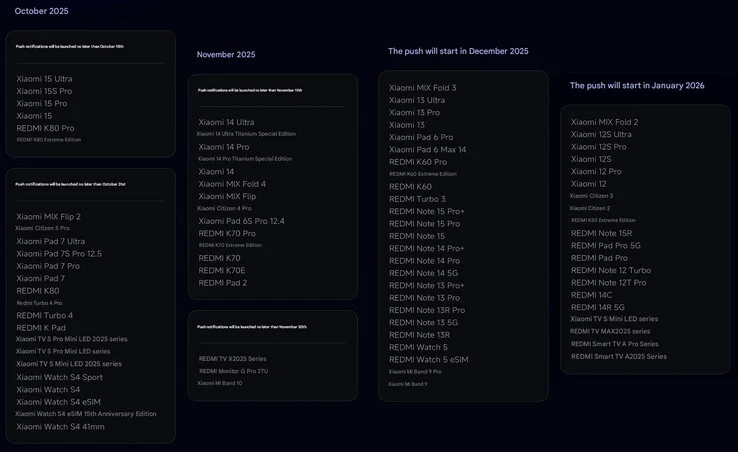
    3. Xiaomi plans to roll out the stable HyperOS 3 update to 24 devices by the end of October 2025 in China.
    4. An additional 17 devices are scheduled for updates by the end of November 2025.
    5. A total of 26 devices are expected to receive the update by the end of 2025, with more products planned for rollout by January 2026.


    The HyperOS 3 beta testing began in China shortly after Xiaomi launched its new Android 16 interface. The company has announced that global users with compatible devices can now get access to the testing firmware.

    Stable Version Rollout

    Xiaomi has recently shared the first list of devices that will get the complete Android 16 update. According to their announcement, 24 of Xiaomi’s products are set to receive the stable HyperOS 3 update by the end of October 2025 in China.

    Future Updates

    In addition, Xiaomi confirmed that 17 more devices will be updated by the end of November 2025. Furthermore, a total of 26 devices are expected to receive the update by the end of 2025. The company has plans to include even more products in the rollout by the end of January 2026.

    Source:
    Link


  • Xiaomi Recalls 117,000 SU7 Electric Sedans for Safety Issues

    Xiaomi Recalls 117,000 SU7 Electric Sedans for Safety Issues

    Key Takeaways

    1. Xiaomi is recalling 116,887 SU7 electric sedans in China due to issues with its smart driving feature.
    2. The recall affects Standard Edition models made between February 6, 2024, and August 30, 2025.
    3. The defect may prevent proper recognition and management of extreme navigation situations, increasing crash risk.
    4. A complimentary over-the-air software update will be provided to fix the issue, along with an upgrade to Xiaomi HyperOS 1.10.0.
    5. Despite the recall, the SU7 has sold approximately 340,000 units since March 2024, indicating strong market performance.


    High-flying EV maker Xiaomi is calling back a significant number of its popular electric sedan in China. The problem, linked to its smart driving feature, impacts 116,887 SU7s.

    Recall Details

    This recall includes the Standard Edition models made from February 6, 2024, to August 30, 2025. China’s State Administration for Market Regulation (SAMR) noted that some vehicles might not adequately recognize, alert, or manage extreme navigation situations when the advanced driver assistance system (ADAS) is engaged. This defect could lead to a crash if the driver does not respond swiftly.

    Solution Offered

    Xiaomi plans to resolve this issue with a complimentary software update that will be sent over-the-air. Additionally, the company shared on social media that both the SU7 and the YU7 SUV will be upgraded to the newest Xiaomi HyperOS 1.10.0 system.

    Market Performance

    The Xiaomi SU7 continues to enjoy strong sales in the Chinese market, with approximately 340,000 units sold since its introduction in March 2024. The sedan comes in three variants: Standard, Pro, and Max.

    Safety Concerns

    The safety of Xiaomi’s autonomous driving technology was highlighted in March when a Standard SU7 collided with a guardrail on the highway, resulting in the tragic loss of three lives.

    Source:
    Link


  • Xiaomi Unveils Affordable Redmi 15 with UK Pricing

    Xiaomi Unveils Affordable Redmi 15 with UK Pricing

    Key Takeaways

    1. The Redmi 15 is priced at $204.99 and is now available in the UK, but it should not be confused with the Redmi 15 5G.
    2. It is powered by the Qualcomm Snapdragon 685 chipset, which is less powerful than the Snapdragon 6s Gen 3 in the Redmi 15 5G.
    3. The phone features a large 7,000 mAh battery with 33 W wired charging support.
    4. It has a 6.9-inch IPS display with 1080p resolution, 144 Hz refresh rate, and peak brightness of 850 nits.
    5. The starting price is £159 for 6 GB RAM and 128 GB storage, with a higher option of 8 GB RAM and 256 GB storage for an additional £30.


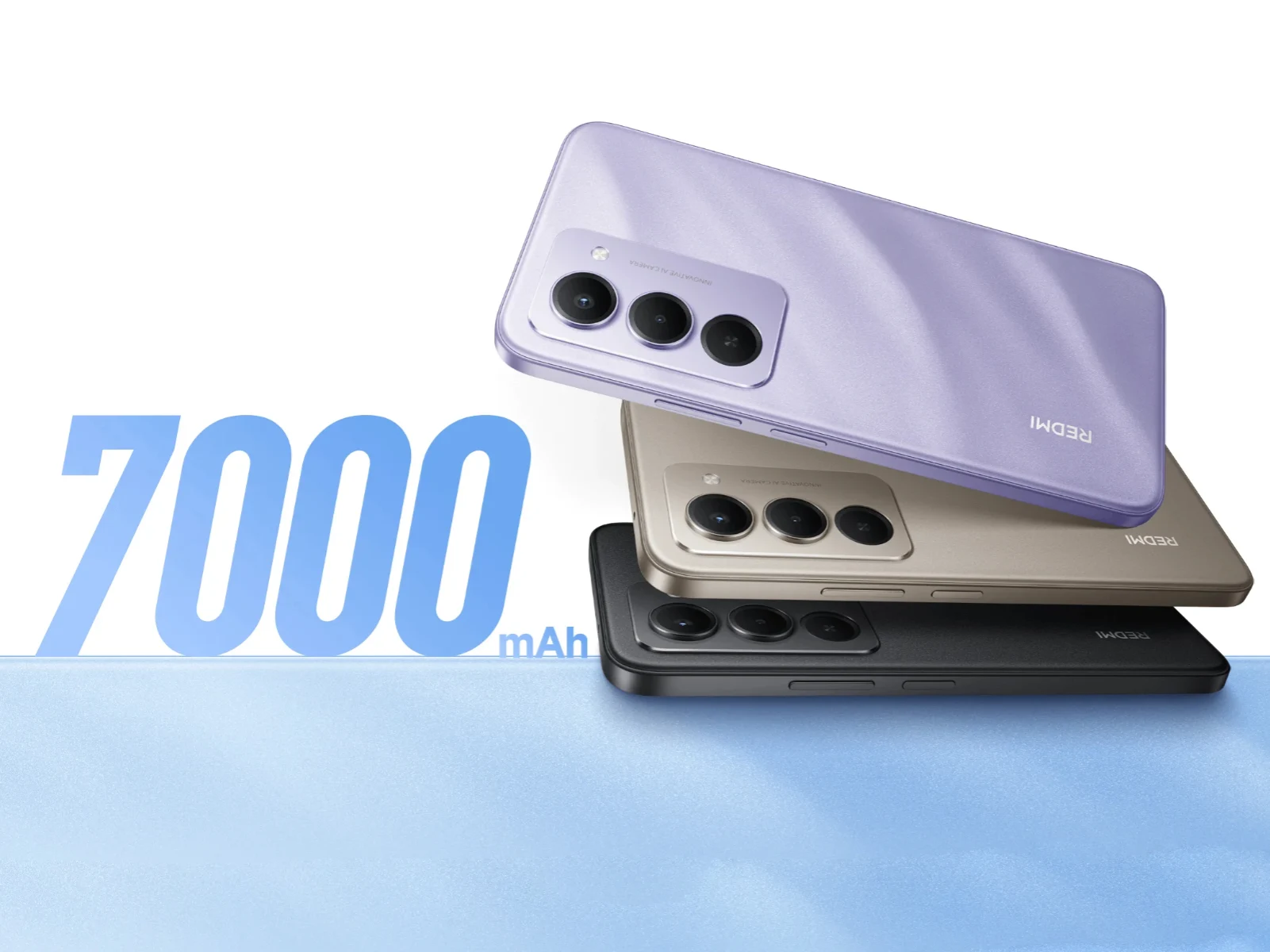
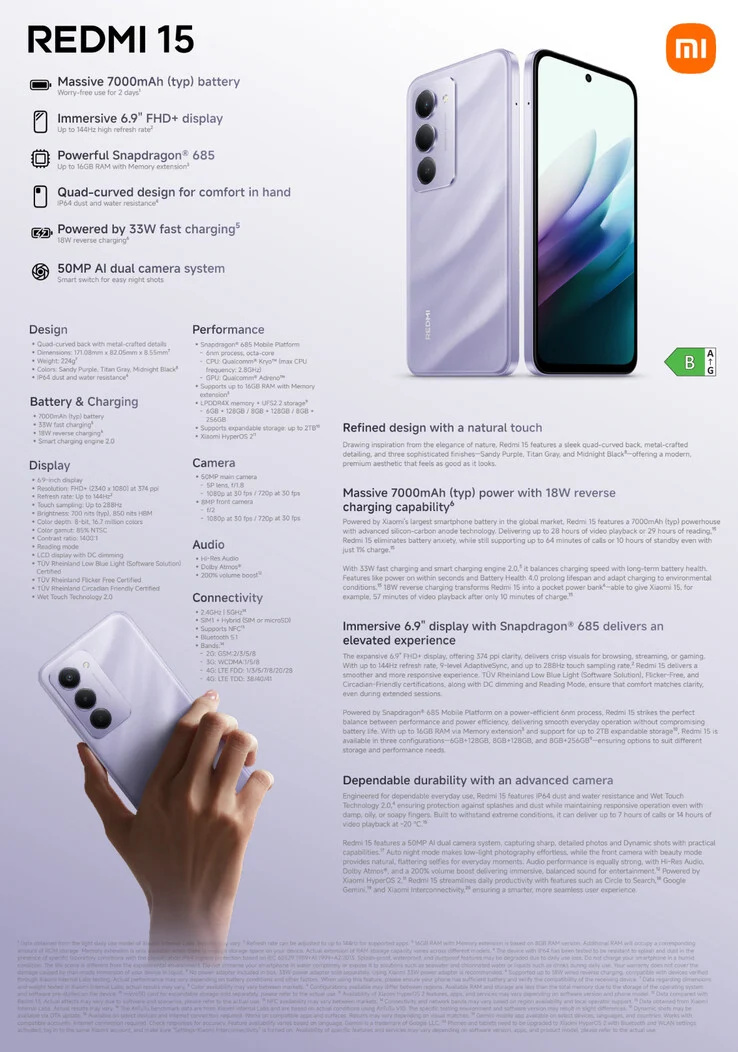
    Xiaomi has begun offering the Redmi 15 in the UK after it was first introduced last month, currently priced at $204.99 on Amazon. It’s important to note that this model should not be confused with the Redmi 15 5G. While they share a similar design, the Redmi 15 is equipped with a notably less powerful chipset compared to the 5G version. The one-pager below points out that the Redmi 15 is powered by the Qualcomm Snapdragon 685 chipset, which we have seen in several Xiaomi devices over the years.

    Performance Comparison

    For context, the Snapdragon 685 does not compare favorably to the Snapdragon 6s Gen 3 found in the Redmi 15 5G according to our benchmark tests. Nevertheless, the Redmi 15 features an impressive 7,000 mAh battery that supports 33 W wired charging. Additionally, the phone boasts a 6.9-inch IPS display capable of 1080p resolution, with a refresh rate of 144 Hz, peak brightness of 850 nits, and DC dimming support.

    Camera and Pricing Details

    Despite its looks, Xiaomi only promotes the Redmi 15 as having a 50 MP main camera, along with an 8 MP front camera. Xiaomi has stated that the starting price for the Redmi 15 will be £159, which comes with 6 GB of RAM and 128 GB of internal storage. Alternatively, customers can opt for a model with 8 GB of RAM and 256 GB of storage for an additional £30. However, the company has not disclosed when the Redmi 15 will have a full release, and it is currently not listed on Xiaomi’s UK website. For further information regarding the Redmi 15, please check Xiaomi’s global website.

    Source:
    Link


  • Xiaomi Accelerates HyperOS 3 Beta Rollout to More Devices

    Xiaomi Accelerates HyperOS 3 Beta Rollout to More Devices

    Key Takeaways

    1. Xiaomi introduced HyperOS 3 in late August 2025, launching a beta program for eight devices.
    2. The beta program was expanded on September 15, allowing more users to participate.
    3. Users can sign up for the beta update via the Xiaomi Community app.
    4. The program will extend again on September 30, adding nine more devices.
    5. A launch event is scheduled for September 24 to discuss the stable release of HyperOS 3 and the 15T series.


    Xiaomi introduced HyperOS 3 in late August 2025. Shortly after its reveal, the company launched a beta program that was available for eight of its smartphones and tablets. Originally, the second group of devices was meant to receive the beta update on September 17, but an announcement made on September 15 indicated that the program would be expanded.

    Update Rollout

    Following the announcement, users with devices in the second batch began receiving the beta update. For those who didn’t catch our earlier report, the second batch eligible for the HyperOS 3 beta program includes the following devices:

    Users who have the devices listed above can sign up for the HyperOS 3 beta update via the Xiaomi Community app. Additionally, it’s important to note that the company plans to further extend the program again on September 30, adding nine more devices to the eligibility list.

    Upcoming Launch Event

    Regarding the stable release, Xiaomi has planned a launch event for September 24 to introduce the 15T series. During this event, the company is likely to provide additional information on when users can look forward to receiving the stable version of the HyperOS 3 update. For more details about this Android 16 update, be sure to check our initial coverage of the launch.

    Source:
    Link


  • Xiaomi Unveils Redmi Pad 2 Pro with Battery Upgrade, Launching Sept 24

    Xiaomi Unveils Redmi Pad 2 Pro with Battery Upgrade, Launching Sept 24

    Key Takeaways

    1. The Redmi Pad 2 Pro features the same IPS display as the previous year’s model, with a peak brightness of 600 nits.
    2. The new model has a larger battery capacity of 12,000 mAh, an increase of 25% compared to the Redmi Pad Pro.
    3. Wired charging power has decreased from 33 W to 27 W in the Redmi Pad 2 Pro.
    4. Accessories include the returning Redmi Smart Pen and a detachable keyboard, but the keyboard lacks a built-in trackpad.
    5. The Redmi Pad 2 Pro will be available in both 5G and non-5G versions, powered by the Qualcomm Snapdragon 7s Gen 4 processor.


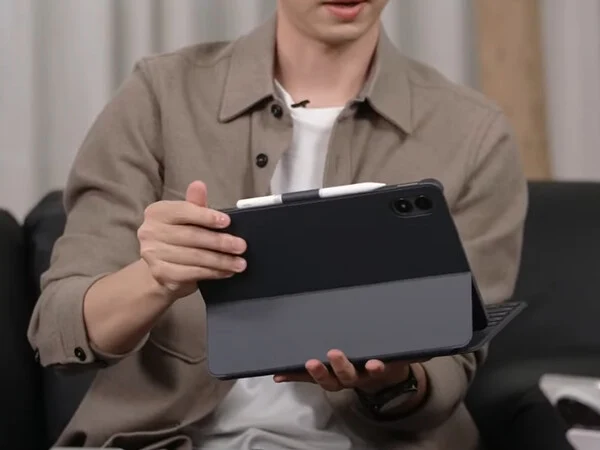
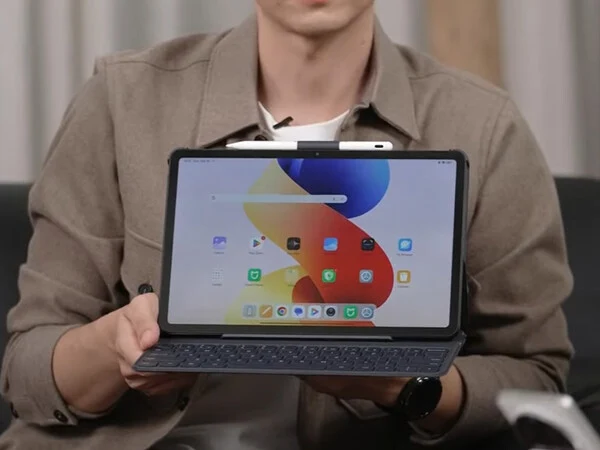
    On the surface, it appears that Xiaomi is using the same display as the previous year’s Redmi Pad Pro, featuring an IPS panel that can reach a peak brightness of 600 nits. However, the Redmi Pad 2 Pro boasts a battery that is 25% bigger, now reaching a total capacity of 12,000 mAh. One downside is that the wired charging power has decreased from 33 W to 27 W when comparing the Redmi Pad Pro to the Redmi Pad 2 Pro.

    Features and Accessories

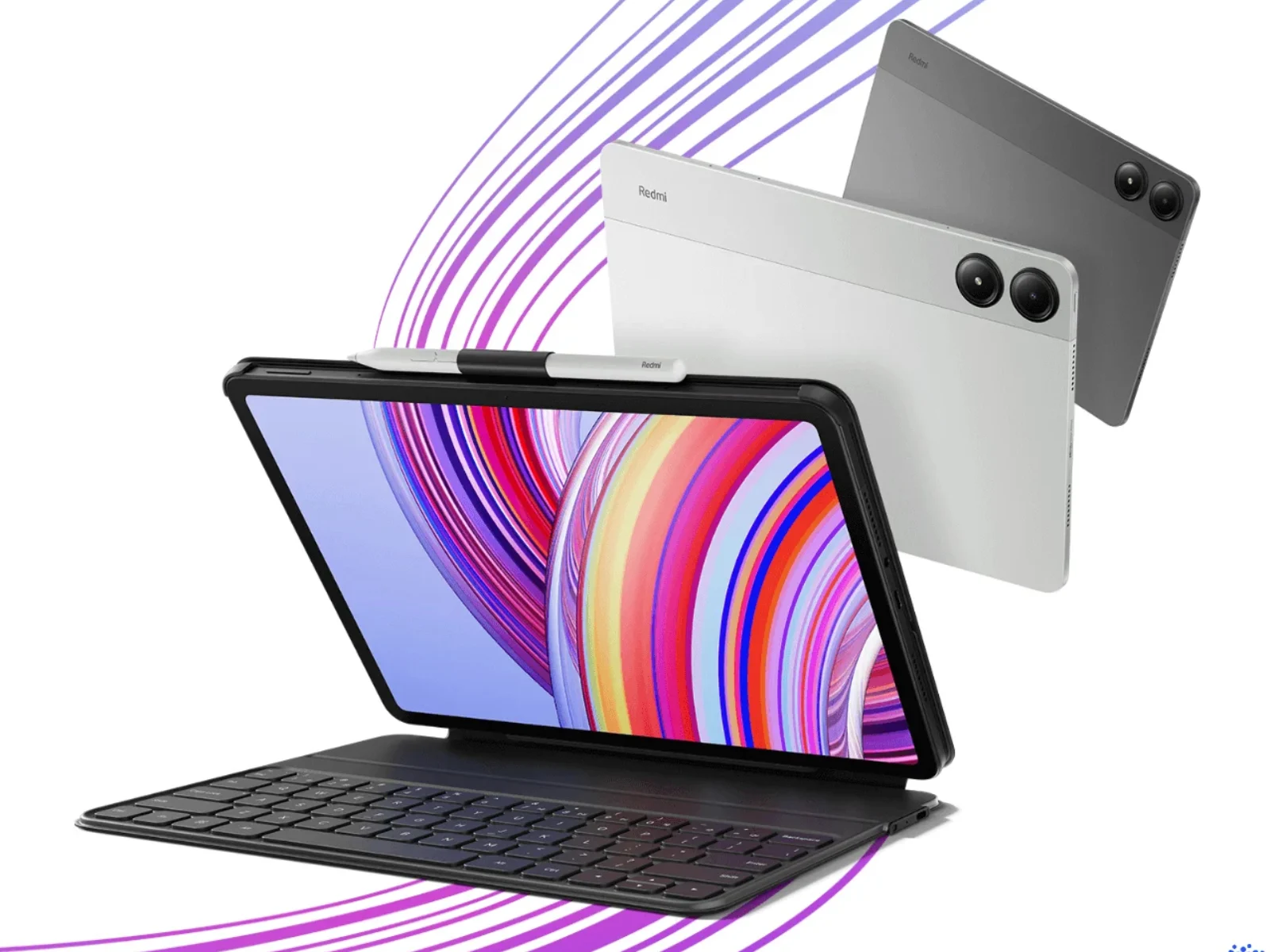
    The Redmi Smart Pen makes a comeback alongside a detachable keyboard, which unfortunately does not include a built-in trackpad. Additionally, the Redmi Pad 2 Pro has a single rear camera just like its predecessor, the Redmi Pad Pro. According to recent rumors, Xiaomi is expected to offer the Redmi Pad 2 Pro in both 5G and non-5G versions, all powered by the latest Qualcomm Snapdragon 7s Gen 4 processor.

    Conclusion

    Overall, while there are some improvements in the new model, such as a larger battery and the inclusion of familiar accessories, the drop in charging speed and the unchanged camera setup may be a concern for some users. Xiaomi seems to be aiming to cater to a wider audience with its new offerings, balancing features and specifications.

    Source:
    Link


  • Xiaomi Launches New Magnetic Power Bank with Stand Worldwide

    Xiaomi Launches New Magnetic Power Bank with Stand Worldwide

    Key Takeaways

    1. Xiaomi has launched the Magnetic Power Bank 10000, featuring a built-in stand and capable of charging three devices simultaneously.

    2. The power bank supports up to 33W output via USB-C and has a wireless charging pad offering up to 15W output, with strong magnetic support.

    3. It includes pass-through charging, safety features, and an adjustable stand that opens to an 80° angle, making it user-friendly.

    4. The power bank is powered by a 10,000 mAh battery, allowing for 1.3 charges for a Xiaomi 15 and two charges for an iPhone 16 Pro.

    5. Availability and pricing in other regions are still unclear, but it may be priced similarly to the Xiaomi Magnetic Power Bank 6000mAh in Europe.


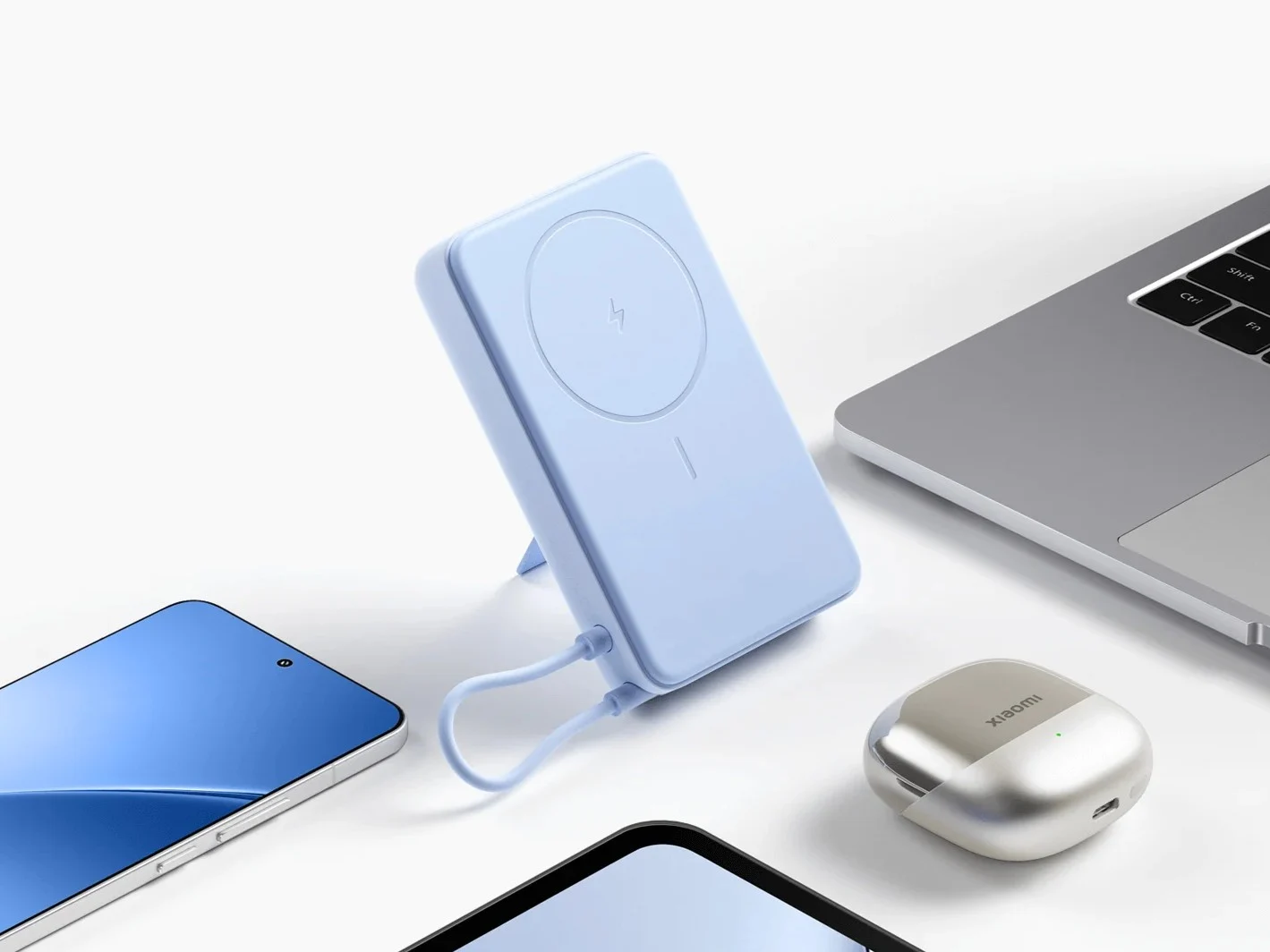
    Xiaomi has unveiled the Magnetic Power Bank 10000 with a built-in stand on its global website. This suggests that the product will soon be available in various markets over the next few weeks. It has already been launched in China, where it first appeared in August 2025.

    Charging Capabilities

    The Magnetic Power Bank 10000 is capable of charging three devices at the same time. It comes with a built-in USB-C cable featuring an L-shaped connector, alongside a USB-C port, both providing up to 33W output. On its front side, the device has a wireless charging pad that offers up to 15W output, with a phone securely held in place by a 13N magnetic force, which can support up to seven times the weight of the iPhone 16. When using both wired and wireless outputs together, the maximum total output is 15W.

    Features and Specifications

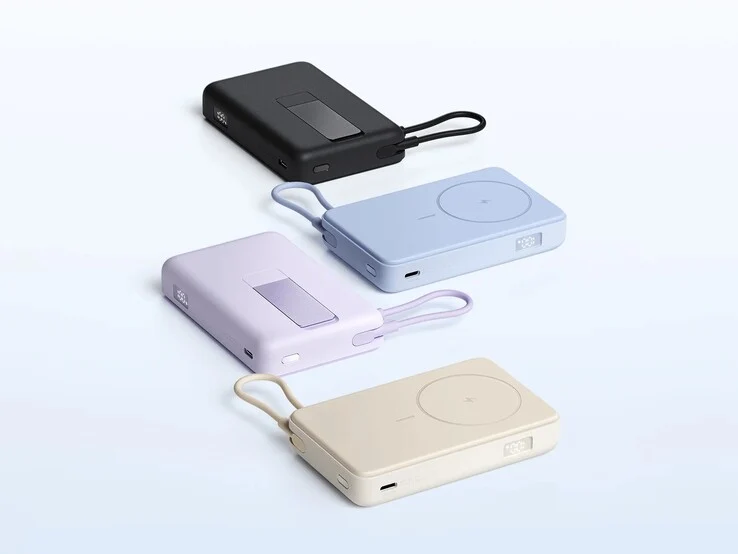
    Xiaomi’s Magnetic Power Bank 10000 includes pass-through charging and various safety features. The integrated stand can open to an angle of 80°, allowing you to adjust your phone’s viewing angle while it is charging. It is powered by a 10,000 mAh battery, which can recharge a Xiaomi 15 approximately 1.3 times or an iPhone 16 Pro around two times. Additionally, it has a display that indicates the remaining battery level, plus indicators for wireless charging, wired charging, and errors. The product weighs 229 g (about 8.1 oz), with dimensions of 108.8 × 68.9 × 20.3 mm (around 4.3 x 2.7 x 0.8 inches), and is available in four colors: blue, purple, beige, and black.

    Availability and Pricing

    At this time, it is not clear when the Xiaomi Magnetic Power Bank 10000 will be available in other regions or its pricing. If it gets released in Europe, it might be priced similarly to the Xiaomi Magnetic Power Bank 6000mAh, which currently costs €44.99 at the Mi Store.

    Source:
    Link


  • Xiaomi Smart Camera C500 with Motion Tracking Launches Worldwide

    Xiaomi Smart Camera C500 with Motion Tracking Launches Worldwide

    Key Takeaways

    1. The Xiaomi Smart Camera C500 features 3.5K UHD video quality with a resolution of 3,200 x 1,800 and a 6MP lens for clear imaging.
    2. It includes smart tracking capabilities, recognizing humans and pets, and features a bidirectional gimbal stand for movement tracking.
    3. The camera supports night vision with eight infrared lights and has privacy features like a physical shutter and two-way voice calls.
    4. Connectivity options include dual-band Wi-Fi 6, Bluetooth 5.0, and compatibility with HyperOS Connect for integration with other Xiaomi devices.
    5. The camera’s release date and price are not confirmed, but it may be priced similarly to the Smart Camera C500 Pro, which retails for €69.99.


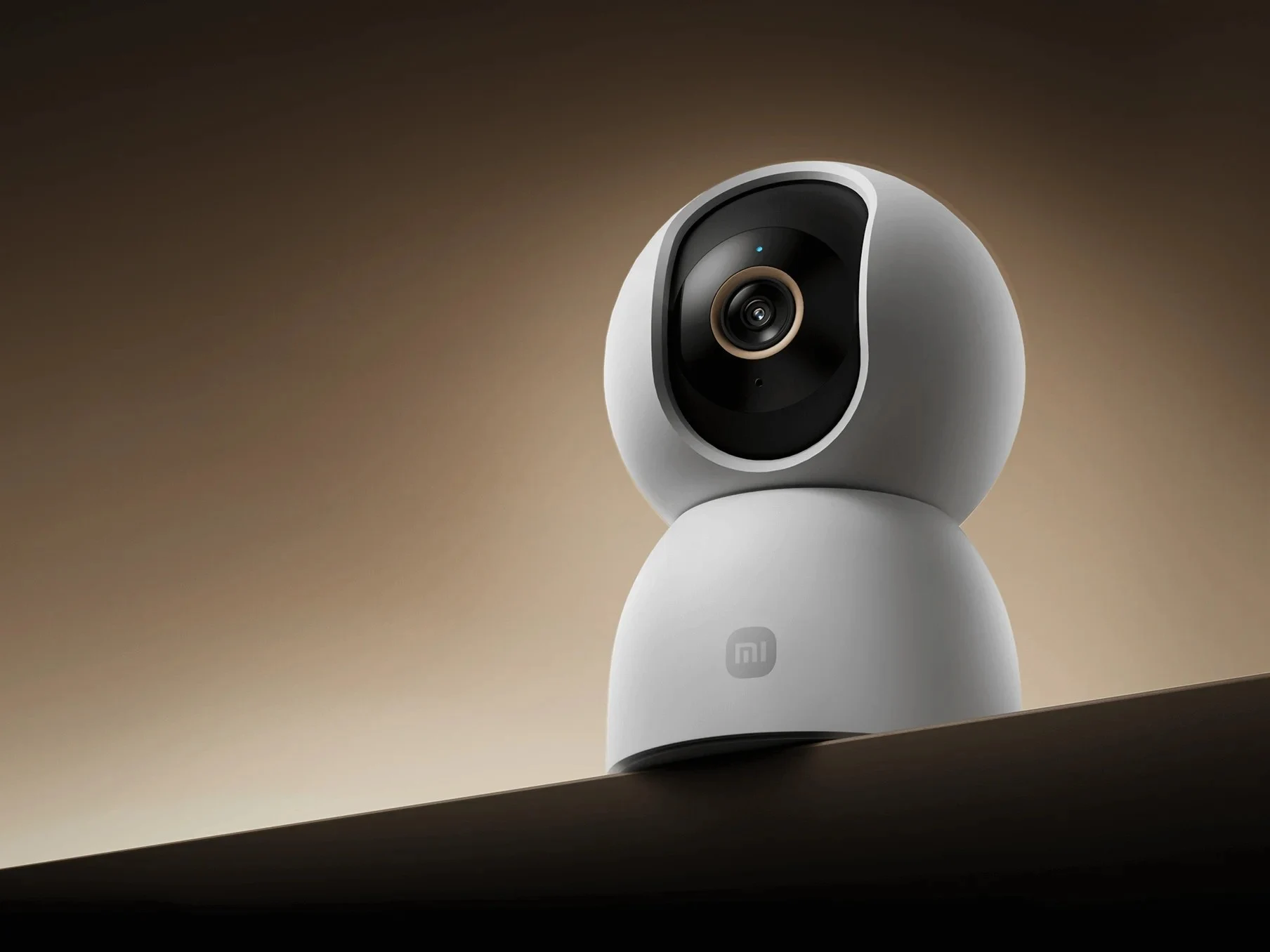
    Xiaomi has unveiled the Smart Camera C500 for global consumers. On its international website, the company refers to this device as a “3.5K UHD imaging smart home guardian.”

    Impressive Video Quality

    The Xiaomi Smart Camera C500 provides video at a resolution of 3,200 x 1,800, made possible by a “professional” 6MP lens with a f/1.6 aperture. This camera is promoted as offering 360° panoramic coverage of any room, with a vertical view of 116°. Additionally, the 1/2.45-inch image sensor is claimed to improve performance in dim lighting, and it also features night vision powered by eight 940 nm infrared lights.

    Smart Tracking Features

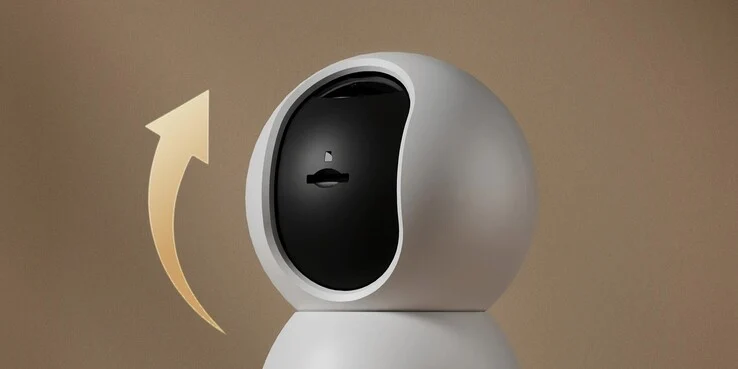
    Xiaomi states that the Smart Camera C500 can recognize both humans and pets. It includes an integrated bidirectional gimbal stand that enables the camera to track movement and automatically return to its starting position when the subject is no longer in view. Other capabilities of this indoor security camera feature two-way voice calls and a physical shutter that can be activated or scheduled for added privacy. It runs on an MJA1 security chipset and supports dual-band Wi-Fi 6 (2.4GHz/5GHz) along with Bluetooth 5.0. Video can be saved on an up to 256 GB microSD card, or you can opt for cloud storage or NAS networked storage.

    Connectivity and Control Options

    The Smart Camera C500 is compatible with HyperOS Connect, which allows it to integrate with other Xiaomi smart home devices. It can also be controlled remotely via voice commands using Amazon Alexa or Google Assistant. The camera comes in a white finish and measures 79 x 79 x 119 mm (approximately 3.1 x 3.1 x 4.7 inches). It remains uncertain when the Xiaomi Smart Camera C500 will hit the market and what its price will be. If it becomes available in Europe, it might be priced close to the Smart Camera C500 Pro, which is currently available for €69.99 (or €49.99 at the Mi Store).

    Source:
    Link


  • Xiaomi Redmi Pad 2 Pro Launching Globally with 5G Model

    Xiaomi Redmi Pad 2 Pro Launching Globally with 5G Model

    Key Takeaways

    1. Xiaomi is set to release the Pad 7 and Pad 7 Pro in China later this month, while global release dates for the Pad 8 series remain unknown.
    2. Xiaomi is developing the higher-end Redmi Pad 2 Pro, which will use the Qualcomm Snapdragon 7s Gen 4 chipset for better performance.
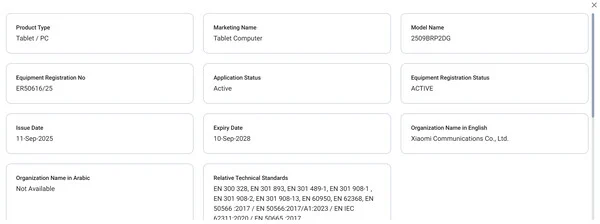
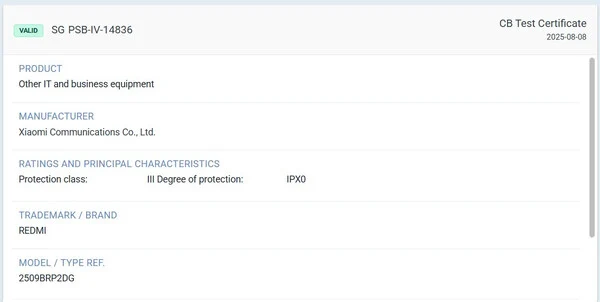
    3. The model 2509BRP2DG has been certified in Singapore and the UAE, identified as the 5G version of the Redmi Pad 2 Pro.
    4. Xiaomi plans to market the Redmi Pad 2 Pro 5G as a separate model, similar to the previous Redmi Pad Pro 5G.
    5. Both versions of the Redmi Pad 2 Pro are expected to come with an optional keyboard accessory, but global launch dates are still unclear.


    Xiaomi is anticipated to unveil the next versions of the Pad 7 and Pad 7 Pro (currently priced at $679 on Amazon) later this month in China. While the global release dates for the Pad 8 or Pad 8 Pro are still unknown, details for the latter have just surfaced on Geekbench, which we have discussed separately. Additionally, it looks like Xiaomi may also have several Redmi-branded tablets in the pipeline.

    New Developments in Redmi Tablets

    To summarize, Digital Chat Station hinted last month that Xiaomi is working on a Redmi Pad 2 Pro as a higher-end option to the Redmi Pad 2 that was released in June. Soon after, information suggested that Xiaomi is planning to utilize the Qualcomm Snapdragon 7s Gen 4 chipset, which is the same as that in the Redmi Note 15 Pro Plus.

    Even though the Snapdragon 7s Gen 4 is basically an enhanced version of the Snapdragon 7s Gen 3, it would still allow the Redmi Pad 2 Pro to significantly outperform its predecessor. Recently, Xiaomi has been seen certifying the model 2509BRP2DG across Singapore and the United Arab Emirates (UAE). From previous IMEI database findings, the 2509BRP2DG is actually not the standard Redmi Pad 2 Pro.

    The 5G Variant

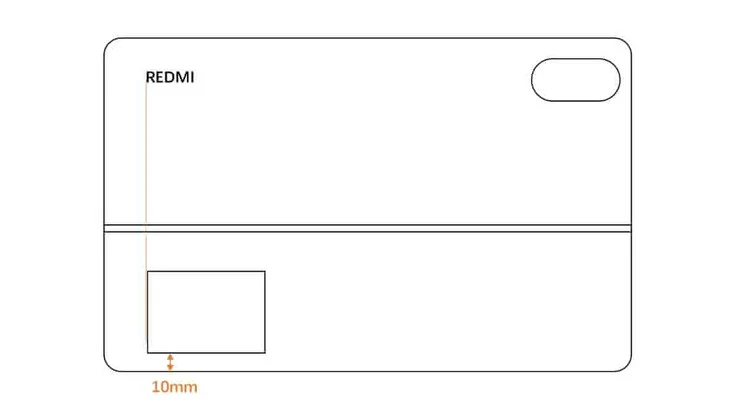
    Instead, the 2509BRP2DG is reported to be the specific 5G version of the tablet, which Xiaomi will likely market as a separate model known as the Redmi Pad 2 Pro 5G, similar to the earlier Redmi Pad Pro 5G. Furthermore, recent information indicates that Xiaomi aims to offer both versions of the Redmi Pad 2 Pro with an optional keyboard accessory. Unfortunately, it is still unclear when the Redmi Pad 2 Pro or the Redmi Pad 2 Pro 5G will be launched globally.

    Source:
    Link


  • Xiaomi Redmi Note 15 Pro and Pro Plus Leaked Before Global Launch

    Xiaomi Redmi Note 15 Pro and Pro Plus Leaked Before Global Launch

    Key Takeaways

    1. Sudhanshu Ambhore revealed new certification papers for two upcoming global Redmi smartphones from Xiaomi.
    2. Xiaomi recently launched the Redmi Note 15 series in China, including the Note 15, Note 15 Pro, and Note 15 Pro Plus.
    3. The Redmi Note 15 Pro Plus Satellite Messaging Version may not be available internationally.
    4. Certification details suggest that the Redmi Note 15 Pro will have different regional versions, with global and Thai variants identified.
    5. The global Redmi Note 15 Pro Plus will feature a 6,500 mAh battery, 100 W wired charging, and a Samsung ISOCELL S5KHPE camera, differing from the Chinese version.


    Leaker Sudhanshu Ambhore has uncovered new certification papers regarding two upcoming global Redmi smartphones from Xiaomi. To summarize, Xiaomi introduced the Redmi Note 15, Redmi Note 15 Pro, and Redmi Note 15 Pro Plus at the same time in China last month. While these models are likely to be released outside of China eventually, it appears that the Redmi Note 15 Pro Plus Satellite Messaging Version may not be available internationally.

    Certification Details

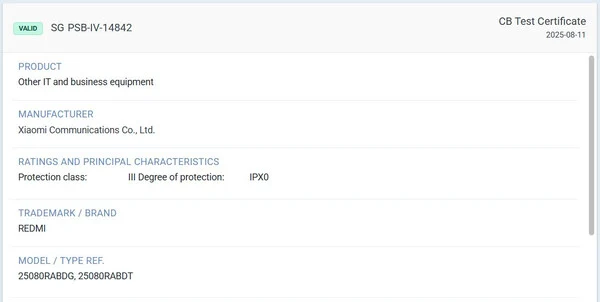
    Ambhore has found that Xiaomi is subtly certifying the models 25080RABDG, 25080RABDT, 2510ERA8BG, and 2510ERA8BT with TÜV SÜD in Singapore. To clarify, 25080RABDG and 25080RABDT are different regional versions of the same phone, much like 2510ERA8BG and 2510ERA8BT. Although the PSB certification does not explicitly state this, it is believed that 25080RABDG and 25080RABDT are the global and Thai versions of the Redmi Note 15 Pro, respectively. With Xiaomi also working on a Redmi Note 15 Pro 4G model, it’s likely that the Redmi Note 15 Pro will be marketed as the Redmi Note 15 Pro 5G outside of China.

    Global Variants

    On the other hand, 2510ERA8BG and 2510ERA8BT pertain to the global and Thai variants of the Redmi Note 15 Pro Plus. Recent leaks indicate that Xiaomi plans to differentiate the global version of the Redmi Note 15 Pro Plus from the one sold in China, similar to what was done with the Redmi Note 14 Pro Plus (currently priced at $377 on Amazon). At the moment, the Redmi Note 15 Pro Plus is set to be launched globally featuring a 6,500 mAh battery that supports 100 W wired charging along with a Samsung ISOCELL S5KHPE primary camera. In contrast, the OmniVision OV50M telephoto camera found in the Chinese version will not be included.

    Source:
    Link