Tag: Xiaomi

  • Xiaomi Super Slim Power Bank Launches in Europe Now Available

    Xiaomi Super Slim Power Bank Launches in Europe Now Available

    Key Takeaways

    1. The Xiaomi Super Slim Magnetic Power Bank 5000 is now available in Europe, starting in Spain for €21.99 (around $25).
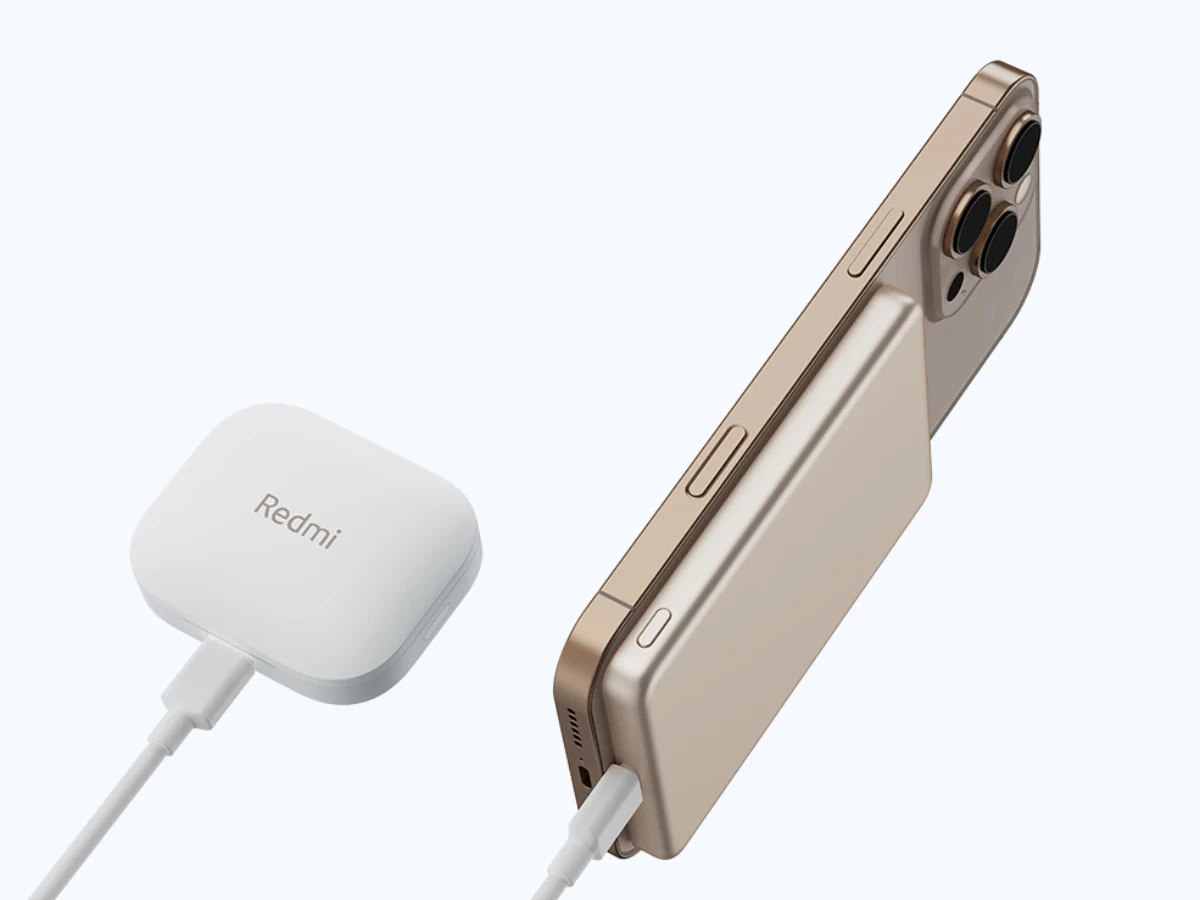
    2. The power bank features a wireless charging pad with up to 15W output and can charge one or two devices simultaneously.
    3. It includes 17 neodymium magnets for secure attachment, capable of holding over five times the weight of an iPhone 16.
    4. The device has a 5,000 mAh battery that retains over 80% capacity after 300 charge cycles and features temperature monitoring to prevent overheating.
    5. More European countries may see the product launch soon, as Xiaomi aims to expand its market presence.


    Xiaomi’s Super Slim Magnetic Power Bank 5000 is beginning to be available in Europe. This new accessory was added to the brand’s global website in July 2025, after its initial release in China earlier that same year.

    Pricing and Availability

    You can now purchase the Xiaomi Super Slim Magnetic Power Bank 5000 in Spain for €21.99 (around $25). At the moment, it’s only offered in black, although images on the product page show three other colors: blue, gold, and purple. Support pages in countries like the UK, France, and Italy suggest that this accessory will be launched more broadly across Europe soon. Additionally, it can be found in some Asian markets, such as Hong Kong, where it is priced at HK$189 (approximately $24).

    Features and Specifications

    The Xiaomi Super Slim Magnetic Power Bank 5000 is capable of charging one or two devices simultaneously. The front side features a wireless charging pad that can deliver up to 15W output. It includes 17 neodymium magnets designed to secure your phone, providing a magnetic force that can hold more than five times the weight of the iPhone 16. Moreover, at the bottom, there is a USB-C port that offers up to 22W.

    The power bank comes equipped with a 5,000 mAh lithium cobalt oxide battery, which is said to maintain over 80% of its initial capacity even after 300 charge cycles. There are integrated LEDs near the USB-C input/output that show the remaining battery level, while dual NTC sensors monitor the temperature to avoid overheating. Furthermore, the device has a sleek aluminum body, measuring 102 x 69.6 x 8.7 mm (about 4.0 x 2.7 x 0.3 inches) and weighing 122 g (approximately 4.3 oz). It’s uncertain when the Xiaomi Super Slim Magnetic Power Bank 5000 will be available in other parts of Europe.

    Future Prospects

    Xiaomi’s new accessory is expected to gain more traction in the European market. As it expands its reach, consumers will likely appreciate the combination of functionality and design that this power bank offers. Keep an eye out for updates on its availability in your country!

    Source:
    Link


  • Xiaomi Releases Global OTA Update for HyperOS 3 Launcher

    Xiaomi Releases Global OTA Update for HyperOS 3 Launcher

    Key Takeaways

    1. Xiaomi is launching a global update for its HyperOS launcher, improving performance and stability for Xiaomi, Redmi, and Poco smartphones.
    2. The new launcher version (RELEASE-6.01.02.1321-10302137) enhances user experience with faster app transitions, animations, and memory management.
    3. The update is available via over-the-air (OTA) rollout and works well on both Global and China versions of HyperOS.
    4. Users can find the update through the System app updater in Settings, with availability varying by region and device model.
    5. Future enhancements for HyperOS 3 are in development, including a revamped control center, dynamic icons, and AI-driven app grouping, expected in early 2026.


    Xiaomi is currently launching a fresh global update for its HyperOS launcher, enhancing both performance and stability for its Xiaomi, Redmi, and Poco smartphones. The update, identified as RELEASE-6.01.02.1321-10302137, is now accessible through an over-the-air (OTA) rollout and is functioning well on both Global and China versions of HyperOS.

    Enhanced User Experience

    Early users have noted that the new launcher version is quicker and more responsive. Improvements can be seen in app transitions, animations, and memory management. Testers have also mentioned faster app switching, particularly on devices that utilize the Snapdragon 7 Gen 1 and MediaTek Helio chipsets.

    Recent Developments

    This update comes after the company’s recent advancements in broadening the support for HyperOS 3. As mentioned by Notebookcheck, Xiaomi began distributing its stable Android 16-based firmware to an additional 20 models earlier this month.

    To find the new launcher update, users can go to the System app updater or head to Settings → About phone → System apps updater. The update is being rolled out gradually, so its availability could differ depending on the region and the model of the device.

    Future Enhancements

    Xiaomi is said to be working on more improvements for HyperOS 3, such as a revamped control center, dynamic icons, and AI-driven app grouping. Internal testing suggests that these features are under development and might be released in early 2026.

    Source:
    Link


  • Xiaomi Launches Stable Android 16 HyperOS 3 Update for 20 Devices

    Xiaomi Launches Stable Android 16 HyperOS 3 Update for 20 Devices

    Key Takeaways

    1. Xiaomi started distributing stable HyperOS 3 globally in late October 2025, with several devices already receiving the Android 16 firmware.
    2. Current devices with stable HyperOS 3 include the Xiaomi 15T series, Xiaomi 15 series, Poco F7 Ultra, and Xiaomi Pad 7 Pro.
    3. Additional Xiaomi devices are expected to receive the update within a week, as firmware versions have been spotted.
    4. Many global smartphones and tablets are projected to get the stable HyperOS 3 update by December 2025.
    5. A complete list of devices scheduled for the update will be available by March 2026.


    Xiaomi began distributing the stable HyperOS 3 to global devices in late October 2025, and until now, several international smartphones and one tablet have received the Android 16 firmware. The company has previously indicated that many more devices are scheduled to get the update throughout November 2025.

    Upcoming Devices

    As noticed by XiaomiTime, updated firmware versions for several Xiaomi devices have appeared, indicating that they will receive the stable HyperOS 3 update shortly. The devices that are currently in focus are:

    For those curious, Xiaomi has already launched stable HyperOS 3 for the global Xiaomi 15T series, Xiaomi 15 series, Poco F7 Ultra, and Xiaomi Pad 7 Pro (12/512 GB currently priced at $600.61 on TradingShenzhen). Regarding the devices mentioned previously, since their firmware numbers have reportedly surfaced, they might receive the Android 16 update in about a week or so.

    Future Rollouts

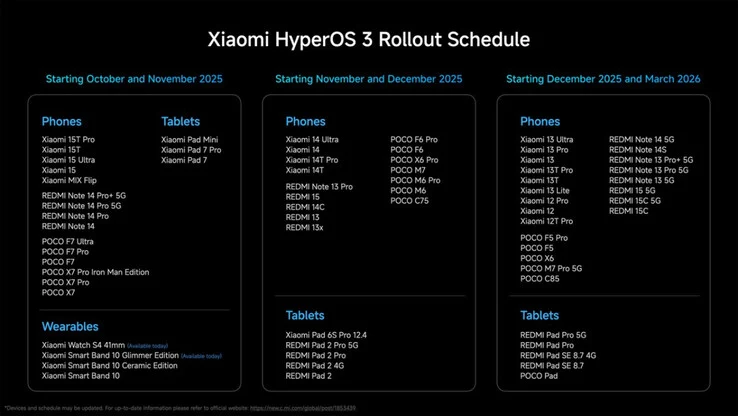
    It is also important to highlight that many global smartphones and tablets are expected to receive the stable HyperOS 3 update by December 2025, with the complete list anticipated by March 2026. Refer to the chart below for more details on the rollout schedule.

    Source:
    Link


  • Xiaomi Mijia Smart Evaporative Humidifier Pro for Dry Air Relief

    Xiaomi Mijia Smart Evaporative Humidifier Pro for Dry Air Relief

    Key Takeaways

    1. The Mijia Smart Evaporative Humidifier Pro helps boost indoor humidity levels and is designed for larger spaces with a water vapor output of 600 milliliters per hour.
    2. It features a 5-liter water tank and a filter to reduce microbiological contamination, with both the filter and water pump being detachable.
    3. The device includes a display on the top and can be integrated into smart home systems, compatible with Google Home and Alexa.
    4. Control is based on setting a target humidity level instead of manually selecting power levels.
    5. The humidifier operates at a low noise level, rated at 30.7 dBA.


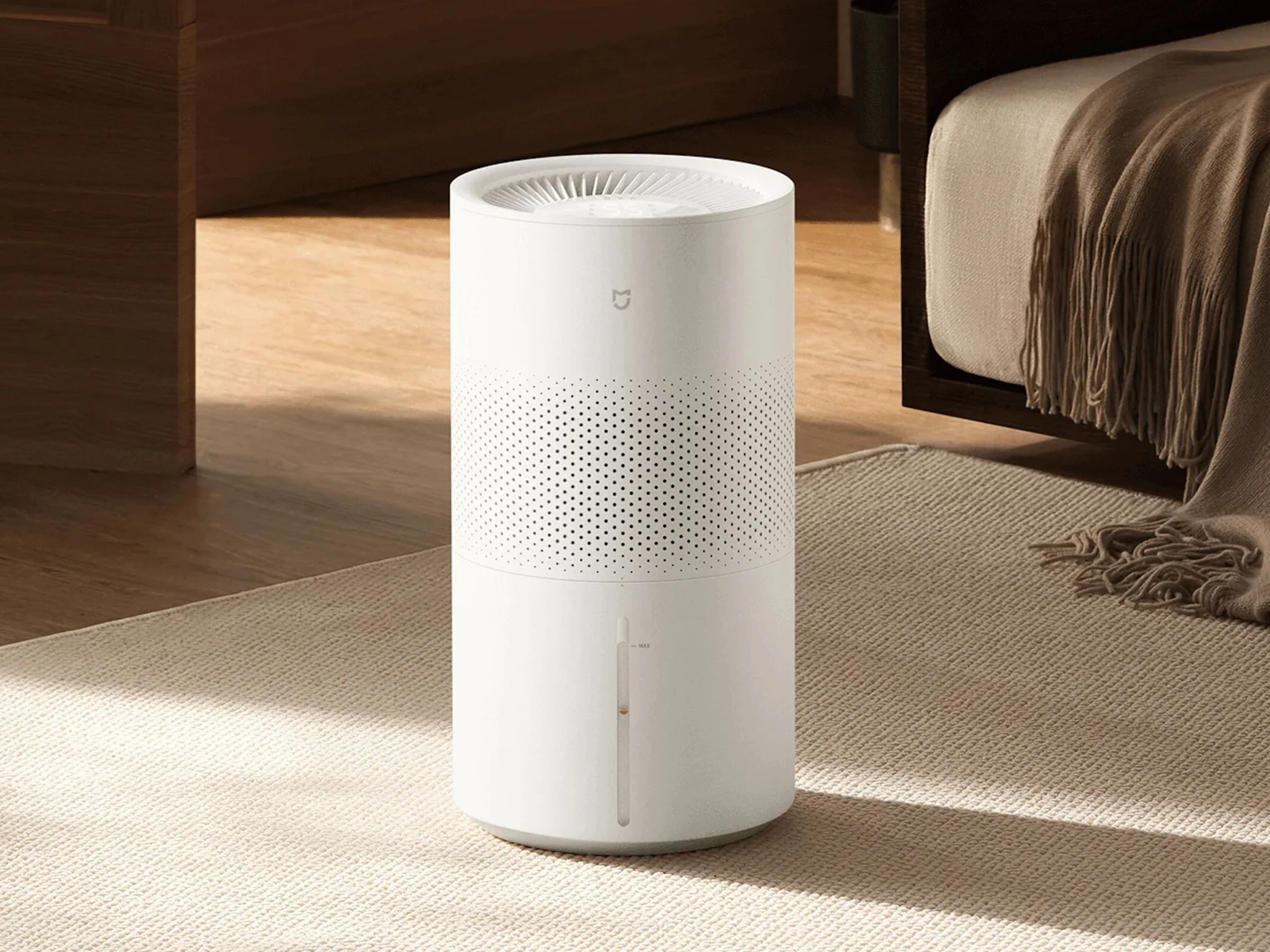
    A new smart home device from Xiaomi, called the Mijia Smart Evaporative Humidifier Pro, is now listed on the global Xiaomi website. Yet, details about its price and when it will be available are still unclear.

    Humidity Management

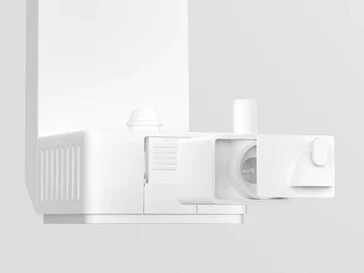
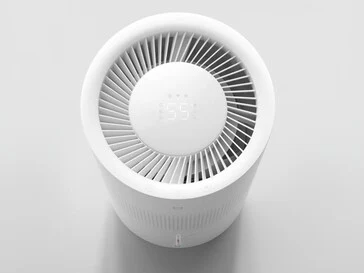
    This product functions as a humidifier aimed at boosting indoor humidity levels. By mapping air temperature alongside relative humidity on a graph, you can see the range of comfortable indoor air conditions. Ideally, a humidifier should adjust the humidity to a comfortable level. Xiaomi claims that the Mijia Smart Evaporative Humidifier Pro can turn as much as 600 milliliters of water into vapor each hour, making it perfect for bigger spaces. It comes with a 5-liter water tank.

    Features and Compatibility

    The device includes a filter designed mainly to minimize or at least lower microbiological contamination. Both the filter and water pump are detachable. On the top of the 230 x 432 mm unit, there is a display, and it can be integrated into smart home systems, as it works with Google Home and Alexa. Instead of manually selecting a power level, the control is focused on setting a target humidity level, which acts as a benchmark. The noise level is rated at 30.7 dBA.

    Source:
    Link


  • Redmi Bluetooth Speaker 2: Waterproof Mini Speaker for $35

    Redmi Bluetooth Speaker 2: Waterproof Mini Speaker for $35

    Key Takeaways

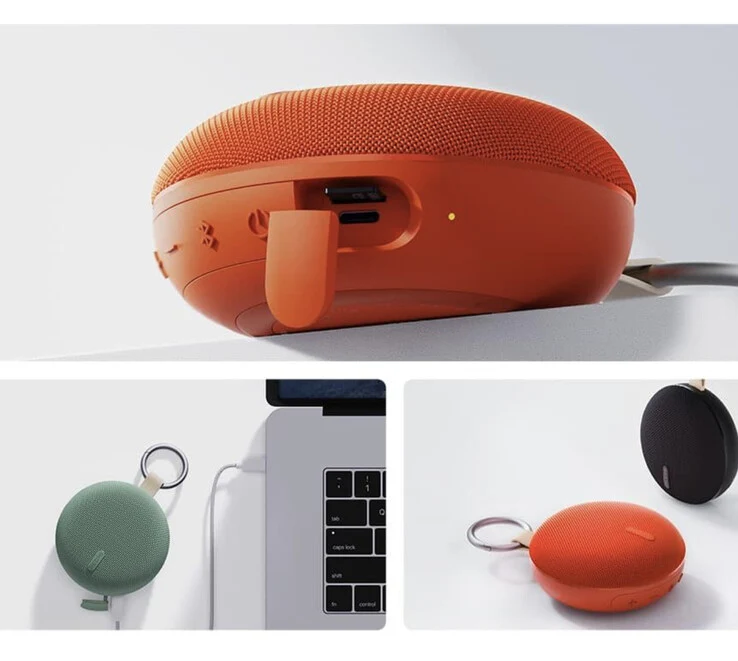
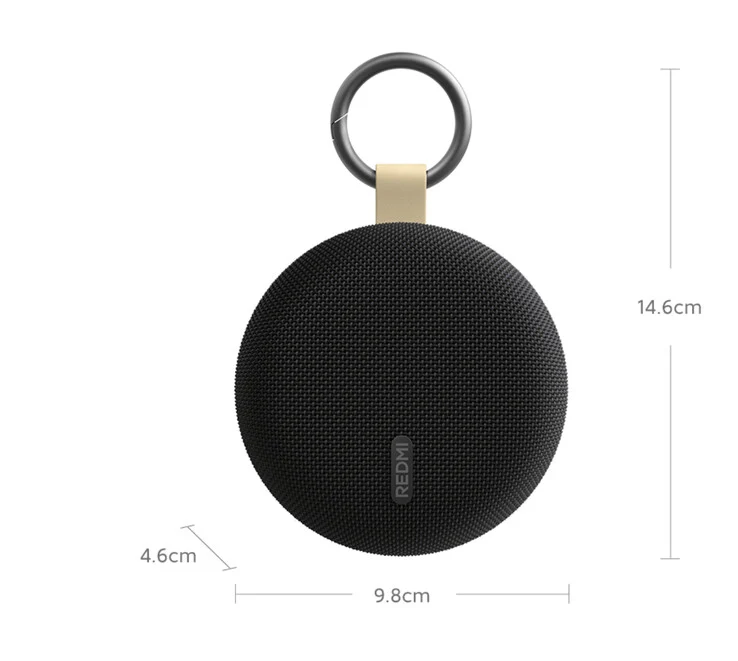
    1. The Redmi Bluetooth Speaker 2 is a compact wireless speaker measuring 146 x 98 x 46 mm, featuring a built-in loop and metal buckle.
    2. It is currently available through resellers on AliExpress, with prices starting around $35, excluding discount codes.
    3. The speaker includes a 1.5-inch driver that delivers 5 W of power and has a battery life of about 5 hours at 80% volume.
    4. It offers multiple connectivity options, including Bluetooth 5.3, microSD card support, and USB Type-C, with an IP67 rating for water and dust resistance.
    5. Users can pair two units for stereo sound, and it’s unclear if Xiaomi will officially sell the speaker outside of its home country.


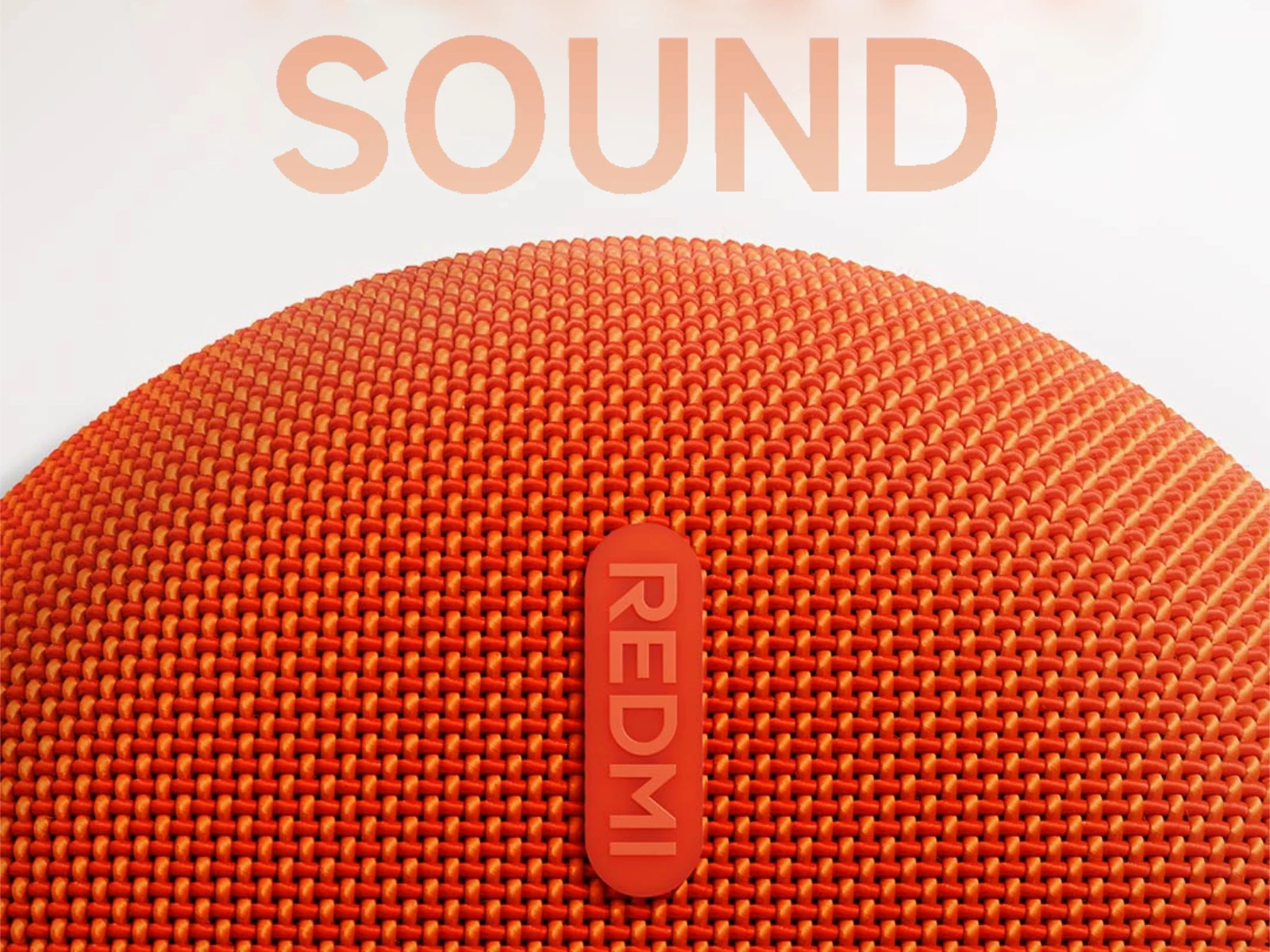
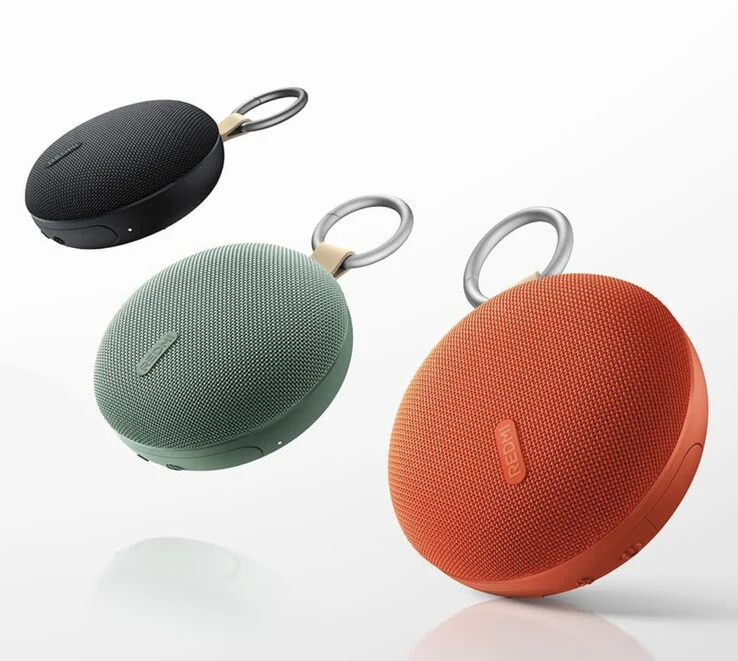
    Last month, Xiaomi expanded its wide range of accessories by introducing the Redmi Bluetooth Speaker 2, a compact wireless speaker that is just 146 x 98 x 46 mm in size, featuring a built-in loop and metal buckle. Now, this speaker is available worldwide, but not through official retailers.

    Availability and Pricing

    A few well-known resellers are currently listing the Redmi Bluetooth Speaker 2 on AliExpress. The most affordable option at the moment is Mi House Trader, which has the speaker in all its launch colors: Black, Green, and Orange. As of now, the price for the Redmi Bluetooth Speaker 2 is around $35, not including any of the numerous discount codes or coupons available on AliExpress.

    Specifications and Features

    To summarize, the Redmi Bluetooth Speaker 2 comes with a 1.5-inch speaker driver that produces 5 W of power. Reportedly, the speaker can run for about 5 hours on its 1,000 mAh battery at roughly 80% volume. However, Xiaomi hasn’t shared battery life information for when the speaker is used at maximum volume.

    Connectivity Options

    In any case, the Redmi Bluetooth Speaker 2 has an IP67 rating and allows music playback via Bluetooth 5.3, a microSD card, or a USB Type-C connection. Additionally, it’s possible to pair two Redmi Bluetooth Speaker 2 units for a stereo sound experience. At this point, it’s not known if Xiaomi intends to officially sell the Redmi Bluetooth Speaker 2 outside of its home country, similar to the Sound Pocket Portable 5W speaker, which is currently priced at $25 on Amazon. For further information, you can check out our original article on the launch of the Redmi Bluetooth Speaker 2.

    Source:
    Link


  • Xiaomi Redmi Note 15 4G and Pro 4G Leak Ahead of Global Launch

    Xiaomi Redmi Note 15 4G and Pro 4G Leak Ahead of Global Launch

    Key Takeaways

    1. Xiaomi has launched the Redmi Note 15 series in China but has not announced international availability.
    2. Regulatory filings indicate that the Redmi Note 15 4G and its variants are being prepared for global release.
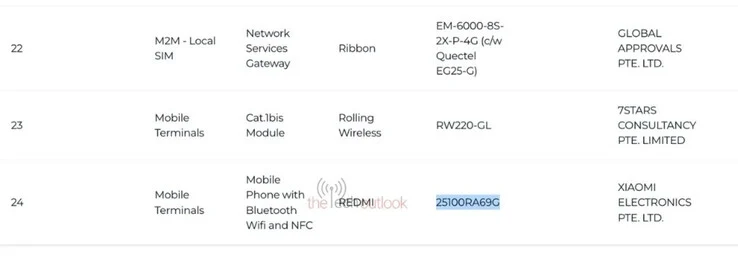
    3. The model numbers 2510DRA23G and 25100RA69G are expected to replace the Redmi Note 14 4G and Redmi Note 14 Pro 4G.
    4. The global release of the Redmi Note 15 4G series may occur in January 2026, based on previous release patterns.
    5. More detailed information about the Redmi Note 15 4G models is expected to emerge by late November or during the holiday season.


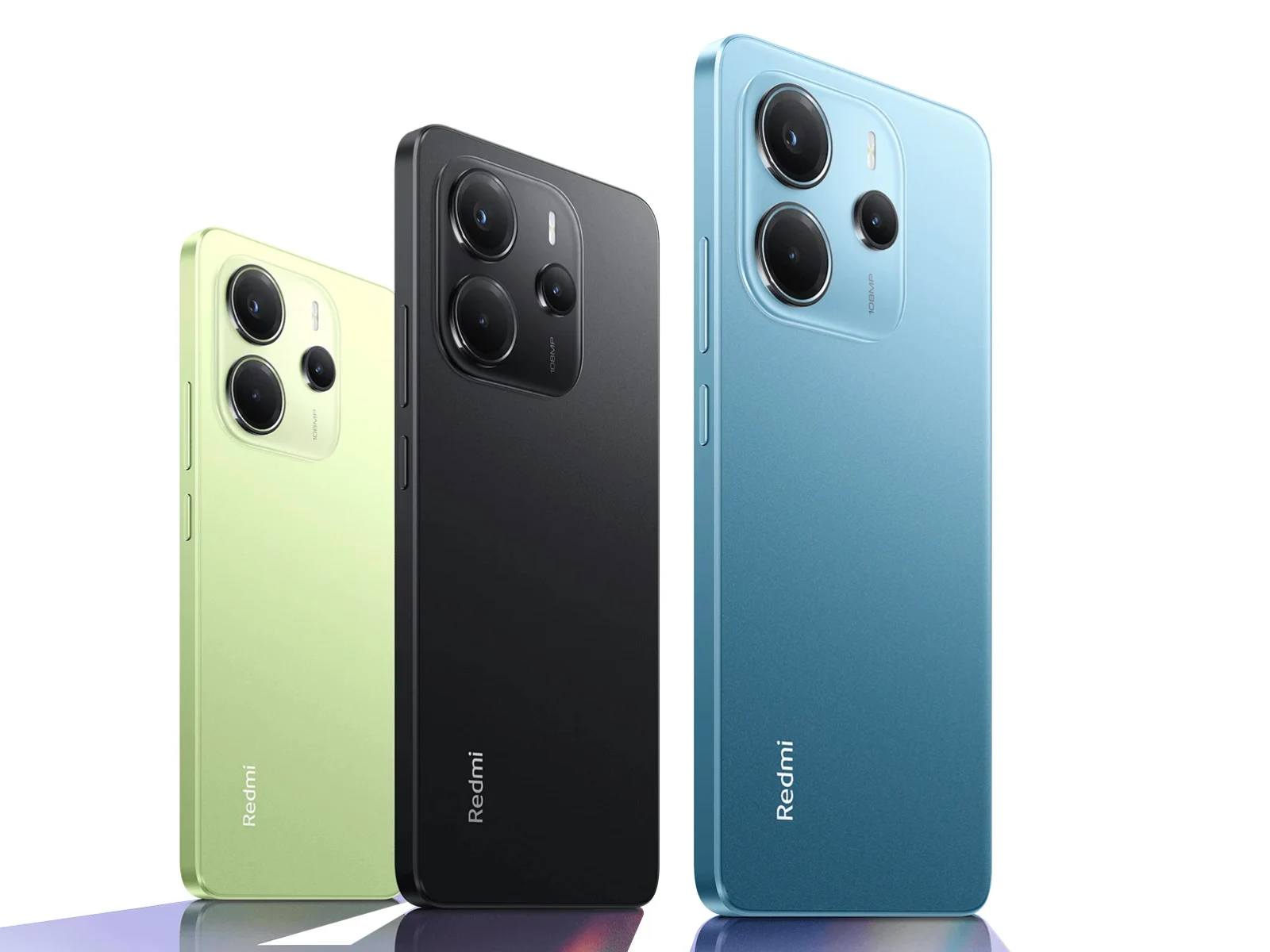
    Xiaomi has launched the Redmi Note 15, Redmi Note 15 Pro, and Redmi Note 15 Pro Plus in China. Still, the company hasn’t revealed when these phones will be available elsewhere. Despite this, there is significant information indicating that Xiaomi is planning to release all three models internationally.

    New Regulatory Filings

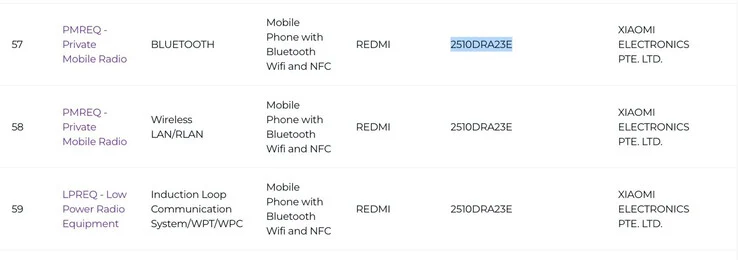
    Recently, the supposed Redmi Note 15 4G has appeared in a new filing with a regulatory body. The model number 2510DRA23G was seen in August on the Eurasian Economic Commission (EEC) along with the 25100RA69G and some regional versions. Now, the Infocomm Media Development Authority (IMDA) has approved the 2510DRA23E for sale in Singapore, which corresponds to the regional variant of the 2510DRA23G. Interestingly, the same applies to the 25100RA69G, which was also spotted on the same regulatory site earlier this month.

    What’s Next for the Redmi Note Series?

    At the moment, the 2510DRA23G and 25100RA69G are believed to replace the Redmi Note 14 4G and Redmi Note 14 Pro 4G (currently $252 on Amazon), respectively. It is not clear when the Redmi Note 15 4G or Redmi Note 15 Pro 4G will be globally released. Based on Xiaomi’s past release patterns for the Redmi Note 13 and 14 series, the two new 4G models might arrive in January 2026. If this happens, we can expect more detailed leaks about the Redmi Note 15 4G and Redmi Note 15 Pro 4G to surface by late November or around the holiday season.

    Source:
    Link


  • Xiaomi Launches Stable HyperOS 3 Update for Poco Devices Worldwide

    Xiaomi Launches Stable HyperOS 3 Update for Poco Devices Worldwide

    Key Takeaways

    1. Xiaomi began rolling out HyperOS 3 for global devices in October 2025, starting with Xiaomi 15 and Xiaomi 15T smartphones.
    2. The Poco F7 Ultra has received its global firmware update as part of the HyperOS 3 rollout, scheduled for November 2025.
    3. Other Poco devices are expected to receive the Android 16 update in the first half of November 2025.
    4. Xiaomi plans to update several tablets, including the Pad Mini, Pad 7, and Pad 7 Pro, before December 2025.
    5. The update for the Poco F7 Ultra is version OS3.0.3.0.WOMEUXM and is over 7 GB in size, with variations depending on the device.


    Xiaomi began the stable rollout of HyperOS 3 for global devices in October 2025. Currently, the Xiaomi 15 and Xiaomi 15T smartphones have been updated to Android 16. Now, the company seems to be turning its attention to Poco devices. Specifically, the Poco F7 Ultra has just received its updated global firmware.

    Poco F7 Ultra Update

    The Poco F7 Ultra was one of the first global phones slated for the HyperOS 3 update in November 2025. Other Poco devices listed to receive the update include several models that were also on the schedule.

    It’s likely that the remaining Poco smartphones will start getting the Android 16 update during the first half of November 2025. Xiaomi has also mentioned plans to roll out HyperOS 3 for some tablets shortly. Specifically, the Pad Mini, Pad 7, and Pad 7 Pro are expected to receive their updates before December 2025.

    Details of the Update

    Returning to the update for the Poco F7 Ultra, XiaomiTime reports that it carries the version number OS3.0.3.0.WOMEUXM. The file size is more than 7 GB, though this can differ by device. Additionally, several Redmi smartphones are anticipated to receive the Android 16 update before the end of November 2025. For more details, check the rollout schedule provided below.

    Source:
    Link


  • Top Budget Smartphone: Key Advantages for Affordable Buyers

    Top Budget Smartphone: Key Advantages for Affordable Buyers

    Key Takeaways

    1. The Xiaomi Redmi 15C 4G offers a strong battery performance with a 6,000 mAh capacity, lasting nearly 21 hours on Wi-Fi.
    2. It includes essential features such as a 3.5 mm audio jack, NFC support, and a fingerprint sensor, enhancing user convenience.
    3. The device promises six years of software updates, which is notable for a budget smartphone.
    4. Compromises in build quality and camera performance are evident, as the phone does not support 5G and has an average overall design.
    5. Priced just above $100, the Redmi 15C 4G effectively balances cost with valuable features, making it suitable as a secondary phone.


    With a price tag slightly exceeding $100, smartphone designers face a tough challenge: what features can be omitted, and which ones should be emphasized? How can they provide valuable options while keeping costs low?

    Overview of the Xiaomi Redmi 15C 4G

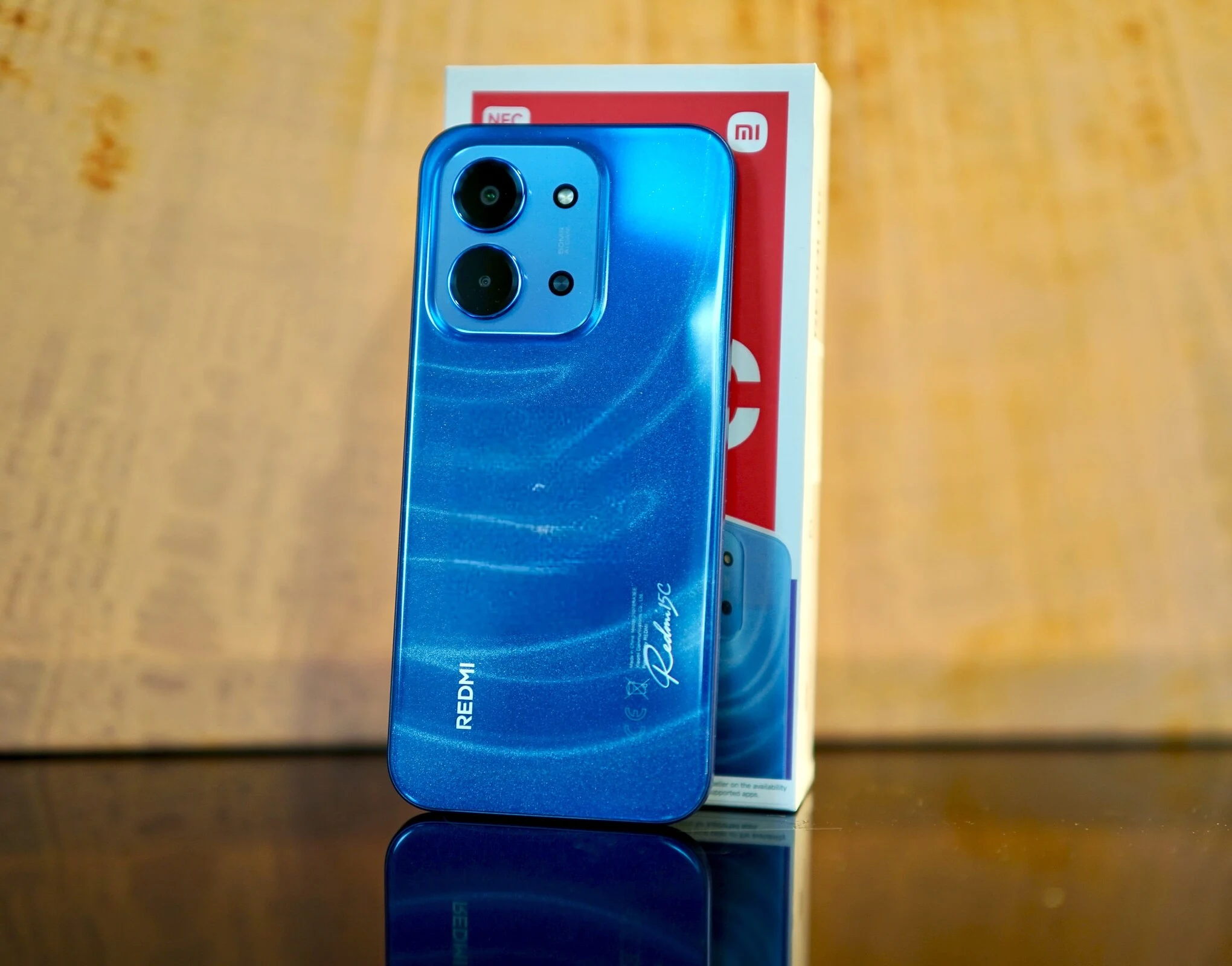
    The Xiaomi Redmi 15C 4G, which we have recently examined, navigates this challenge quite effectively. For just above $100, users receive a substantial battery, a reasonably bright display without PWM flicker, and a commendable update commitment.

    Battery Performance and Charging

    Diving deeper into our findings, during our real-life Wi-Fi assessment, the Redmi 15C 4G lasted just shy of 21 hours. This duration is sufficient for multiple days of usage without needing to recharge, making it great for those who enjoy binge-watching shows or films. In case of emergencies, its 33-watt charging capability is also quite impressive.

    The extended battery life is attributed to a 6,000 mAh power source, which is uncommon for phones in this price range. Thanks to innovations in battery technology, this device isn’t heavier than other models with smaller batteries.

    Features and Build Quality

    If having a 3.5 mm audio jack is important to you, rest assured, it is included. There’s also NFC support for mobile payments and an ID app, plus a fingerprint sensor for quick unlocking. We were pleasantly surprised by the promise of six years of updates. It will be interesting to see if this commitment holds true for such a budget-friendly device.

    As indicated by its name, this economical smartphone does not support 5G. Xiaomi also had to make some compromises with the body design. While it features an eye-catching back cover with a shimmering wave pattern, the overall build quality is quite average. The camera performance and audio quality are also not top-notch.

  • 2026 Xiaomi Redmi A24: Affordable 24″ Monitor with 144Hz Refresh Rate

    2026 Xiaomi Redmi A24: Affordable 24″ Monitor with 144Hz Refresh Rate

    Key Takeaways

    1. Xiaomi launched the budget-friendly Redmi A24 monitor in August with a new ergonomic model available only in China.
    2. The monitor features height and tilt adjustments for user comfort and is VESA compatible for mounting options.
    3. It has a 23.8-inch display with a resolution of 1920 x 1080 pixels and a refresh rate of 144Hz, considered low-resolution by today’s standards.
    4. The panel offers a native color depth of 6-bit, covers 99% of the sRGB color space, and has a color deviation of Delta E < 1 for accurate colors. 5. Connectivity options include HDMI 2.0 and DisplayPort 1.4, but it lacks USB Type-C and other high-end features.


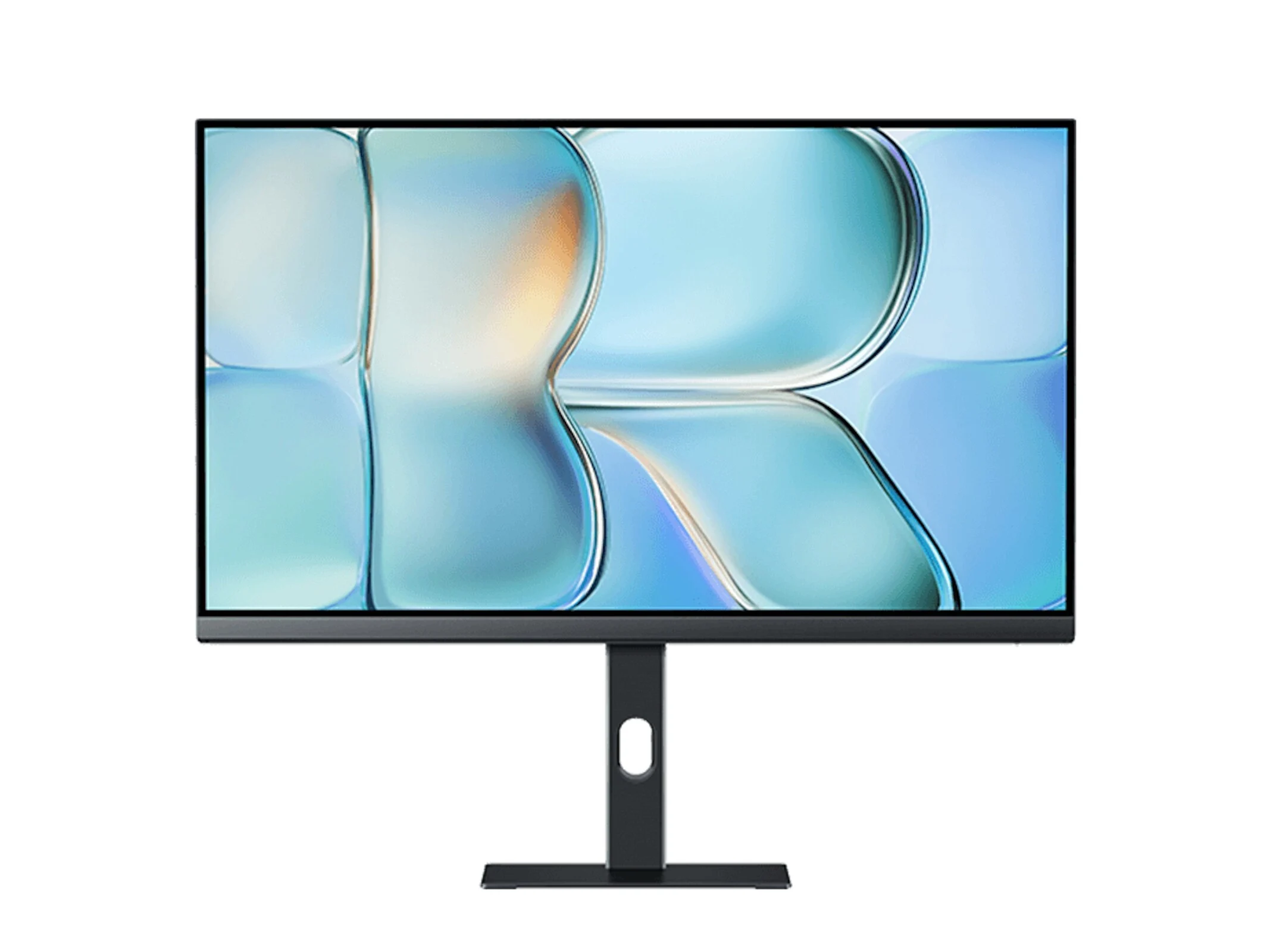
    Xiaomi launched the budget-friendly Redmi A24 monitor in August this year. Now, they’ve added a new model with an ergonomic stand, but only in China for now. This monitor is priced at about $75, though it’s uncertain when it will be available internationally.

    Ergonomic Features

    The new stand offers height and tilt adjustments, making it more comfortable to use. The 24-inch display is also VESA compatible (75 x 75 mm), allowing users to mount it on a desk or wall for added versatility. Nevertheless, the Xiaomi Redmi A24 2026 is still considered low-resolution by today’s standards, featuring a 23.8-inch panel with 1920 x 1080 pixels and a 144Hz refresh rate.

    Color and Brightness

    This panel has a native color depth of 6-bit and uses FRC technology to show a wider range of colors. Xiaomi claims that it covers 99% of the sRGB color space. Additionally, the color deviation is noted to be Delta E < 1, indicating that the colors are quite accurate. Other specs include a typical brightness of 300 nits, which is standard for entry-level IPS panels. The affordable Xiaomi monitor also includes HDMI 2.0 and DisplayPort 1.4 for connectivity, but it lacks USB Type-C and other high-end features.

    Source:
    Link


  • Xiaomi Redmi K90: Strong Mid-Range Phone with Snapdragon 8 Elite

    Xiaomi Redmi K90: Strong Mid-Range Phone with Snapdragon 8 Elite

    Key Takeaways

    1. The Redmi K90 is now available for purchase through TradingShenzhen, with expectations for a wider release beyond China soon.
    2. Buyers should be aware of potential shipping fees, longer delivery times, and limited local warranty protections when importing.
    3. The global version lacks Android Auto, LTE band 20, and eSIM card compatibility, despite having access to the Play Store.
    4. Pricing for the Redmi K90 starts below $450 for the base model and goes up to $694 for the top-tier version with 1,024 GB of storage.
    5. The phone features a Snapdragon 8 Elite chip, a 6.59-inch OLED display with a 120 Hz refresh rate, a 50 MP primary camera, and a 7,100 mAh battery with 100-watt fast charging.


    Xiaomi has recently introduced the Redmi K90, and it’s expected to reach markets beyond China soon. However, eager Xiaomi enthusiasts can already purchase the device through the specialized import seller, TradingShenzhen. Buyers should be aware that, in addition to shipping fees and extended delivery times, local warranty protections may not apply. Nevertheless, TradingShenzhen provides its own warranty. While the global version of the Redmi K90 does have access to the Play Store, it lacks Android Auto and the important LTE band 20. There’s also no guarantee of eSIM card compatibility. The starting price for the base model (12/256 GB) is just below $450, while upgrading to 16 GB of RAM costs $508, the 16 GB and 512 GB version is priced at $612, and the top-tier model with 1,024 GB of storage will set you back $694.

    Performance and Display

    Even though the Snapdragon 8 Elite isn’t Qualcomm’s latest flagship chip, it still packs a significant punch in terms of performance. The K90 is equipped with a vibrant 6.59-inch OLED screen that boasts a 120 Hz refresh rate, a resolution of 2,510 x 1,156, and can achieve a maximum brightness of 3,500 cd/m². On the camera front, there’s a 50 MP primary sensor, complemented by a telephoto lens capable of 2.5x optical zoom. However, the ultra-wide-angle camera has a relatively modest resolution of 8 MP.

    Specifications and Battery

    When it comes to the smartphone’s design, it measures approximately 8 millimeters in thickness, weighs around 210 grams, and houses a robust 7,100 mAh battery. This battery supports fast charging at 100 watts and can also charge other devices at a maximum rate of 22.5 watts.

    TradingShenzhen is a viable option for those looking to get the Redmi K90, but potential buyers should carefully consider the implications of importing the phone.

    Source:
    Link