Tag: Valve

  • Valve Steam Machine Release Date Update After Memory Shortage Delay

    Valve Steam Machine Release Date Update After Memory Shortage Delay

    Key Takeaways

    1. The release date for the Steam Machine has been delayed from early 2026 due to storage and memory shortages.
    2. SteamDB has noted changes indicating potential updates for SteamOS, Steam Frame, and the controller, but the new hardware is still marked as “coming soon.”
    3. Valve’s vague wording about shipping in 2026 raises uncertainty about the actual release timeline.
    4. Rising component prices due to AI demand may impact the Steam Machine’s final pricing, particularly for memory and storage.
    5. The Steam Frame VR headset shows promise but depends on the availability of upgraded, pricier components, which could affect its launch.


    On February 4th, Valve made an announcement that the release date for the Steam Machine has been pushed back from early 2026. Concerns over a shortage in storage and memory have raised questions about the system’s future. Nevertheless, SteamDB has observed some potentially encouraging signs regarding the SteamOS cube, Steam Frame, and controller.

    Monitoring the Situation

    SteamDB keeps track of app and package IDs along with various data connected to Valve’s marketplace. On March 5th, it spotted altered assets ahead of more substantial updates the next day. The Store Release Date for all the new hardware is now labeled as “coming soon.” Prior to these updates, the pages had not seen any changes since November 18th, 2025.

    Uncertain Future

    It’s unclear if this “coming soon” label indicates that gamers will soon receive an official announcement regarding the Steam Machine release date. Many followers have noted that the company might have been compelled to modify its status. By certain standards, March has already moved beyond the initial early 2026 estimate.

    Historically, Valve has used the term “coming soon” pretty loosely. However, when they did confirm a delay in the past, they stayed focused on launching their new items in the first half of 2026. Fans are likely to keep a close watch on social media for more precise shipping information.

    Mixed Signals from Valve

    Another cautionary note arose from a Valve blog post dated March 6th. Discussing the new product lineup, the post stated, “We hope to ship in 2026.” This statement might not exactly boost confidence about a near launch.

    Another issue to consider is how the memory shortage could affect the pricing of the Steam Machine. The rising demand from AI data centers has led to soaring prices for many components essential to the system. Specifications include 16GB DDR5 RAM and either a 512GB or 2TB SSD. The final costs for consumers might hinge on how much storage and memory Valve was able to secure before the situation deteriorated.

    The Bigger Picture

    While there’s a lot of talk about how the mini PC might disrupt the console market, it’s easy to overlook the Steam Frame. This VR headset brings significant advancements compared to the Index, especially with its capability to function independently. Unfortunately, this independence relies partly on the now pricier upgraded memory and storage.

    Fans who are feeling frustrated have been asking why Valve can’t at least get its updated controller out the door. However, it seems likely that the company wants to coordinate its arrival with the launch of the Steam Machine.

    Source:
    Link



  • Deadlock Reaches 125K Players After Old Gods, New Blood Update

    Deadlock Reaches 125K Players After Old Gods, New Blood Update

    Key Takeaways

    1. Surging Player Count: Deadlock reached over 125,000 active users in February 2026, competing closely with popular titles like Overwatch 2, despite being invite-only.

    2. Unique Gameplay Elements: The game combines features from Dota 2 and Team Fortress 2, including lane management, custom item builds, and advanced movement techniques within a steampunk-themed setting.

    3. Recent Updates: The “Old Gods, New Blood” update in January 2026 added six new heroes and a new game mode, increasing player engagement after a drop due to limited content in its early access state.

    4. Limited Marketing: Valve has not actively promoted Deadlock; access is currently by invitation only, yet player interest remains high.

    5. Ongoing Development: Deadlock is still in early development with no set release date, as Valve continues to refine the game before making it available to the general public.


    Valve’s unreleased third-person MOBA shooter, Deadlock, is making waves on the Steam leaderboards, even though the wider Steam community can’t access it yet.

    Player Count Surges

    Over the weekend, Deadlock saw its player count soar past 100,000, hitting a peak of 125,000 active users on February 22, 2026. This performance put it in direct competition with Marvel Rivals, coming very close to Overwatch 2’s peak of 136,000 players during the same period.

    This is quite remarkable given that both Overwatch 2 and Marvel Rivals are free-to-play games, while Deadlock is currently restricted to invite-only access and is far from its official launch.

    Unique Gameplay Features

    The gameplay of Deadlock is an exciting blend of several beloved Valve titles. It includes intricate systems similar to Dota 2, like three-lane splits that players must manage, custom item builds, and advanced movement techniques akin to Team Fortress 2.

    The game mechanics are well within Valve’s expertise, featuring two teams of six players who either attack or defend to control lanes on a large steampunk-themed map set in New York.

    In a style reminiscent of Dota 2, players choose a hero, push lanes alongside NPC troops, and gather souls as a form of currency to buy upgrades, all while aiming to defeat the enemy team’s supernatural beings, known as “Patrons”: the Archmother and the Hidden King, situated within the Uptown and Downtown bases.

    Updates and Future Plans

    Deadlock launched on Steam in August 2024, reaching a peak of 171,000 players. However, player numbers dropped due to its early access state and limited content. Recently, in 2026, Valve released the “Old Gods, New Blood” update in January, which introduced six new heroes, expanding the roster to 38, a new 4v4 Street Brawl mode, and reworked Patrons, along with various quality-of-life improvements.

    What’s even more astonishing about this increase in players is that Valve has not actively marketed or promoted the game; the only way to access Deadlock right now is through invitation from existing players.

    Current Status and Future Outlook

    As of now, Deadlock’s Steam page indicates that the game is still in early development. There’s no release date set, and Valve appears to have no immediate intentions to make the game accessible to the general public.

    It looks like the gaming giant is taking its time, continuing to refine and test Deadlock at its own pace before opening it up to a wider audience.

    Deadlock has the potential to become a staple competitive MOBA shooter in today’s unpredictable live-service environment, especially with legendary lead designers like Dota 2’s IceFrog, who is rumored to be using the name Yoshi, still hard at work on the game.

    Source:
    Link


  • Valve Faces Lawsuit Over Loot Box Gambling in Steam Games

    Valve Faces Lawsuit Over Loot Box Gambling in Steam Games

    Key Takeaways

    1. The legality of loot boxes in gaming is under scrutiny, with a current lawsuit against Valve by New York Attorney General Letitia James.
    2. James alleges that Valve violates state laws, claiming that paid cosmetic items in games like Counter-Strike 2 can lead to addiction and financial loss among players.
    3. Minors are particularly at risk, often using their parents’ cards to purchase loot boxes without permission.
    4. If the lawsuit is successful, Valve may face significant fines and players could receive restitution.
    5. The debate over whether loot boxes constitute gambling continues, with arguments around the value of in-game items and their ability to be bought and sold on marketplaces.


    Courts are still looking into whether loot boxes are legal in areas where gambling laws apply. The newest lawsuit is against Valve, the company behind popular Steam titles like Counter-Strike 2 and Dota 2. The New York Attorney General, Letitia James, believes that the paid cosmetic items in these games are particularly damaging to kids.

    Allegations Against Valve

    As reported by Reuters, James has accused Valve of breaking multiple state laws. Even though gambling is banned in New York, there are a few exceptions that allow for regulated sports betting. Nonetheless, there aren’t any similar protections for gamers who find it hard to resist the temptation of loot boxes.

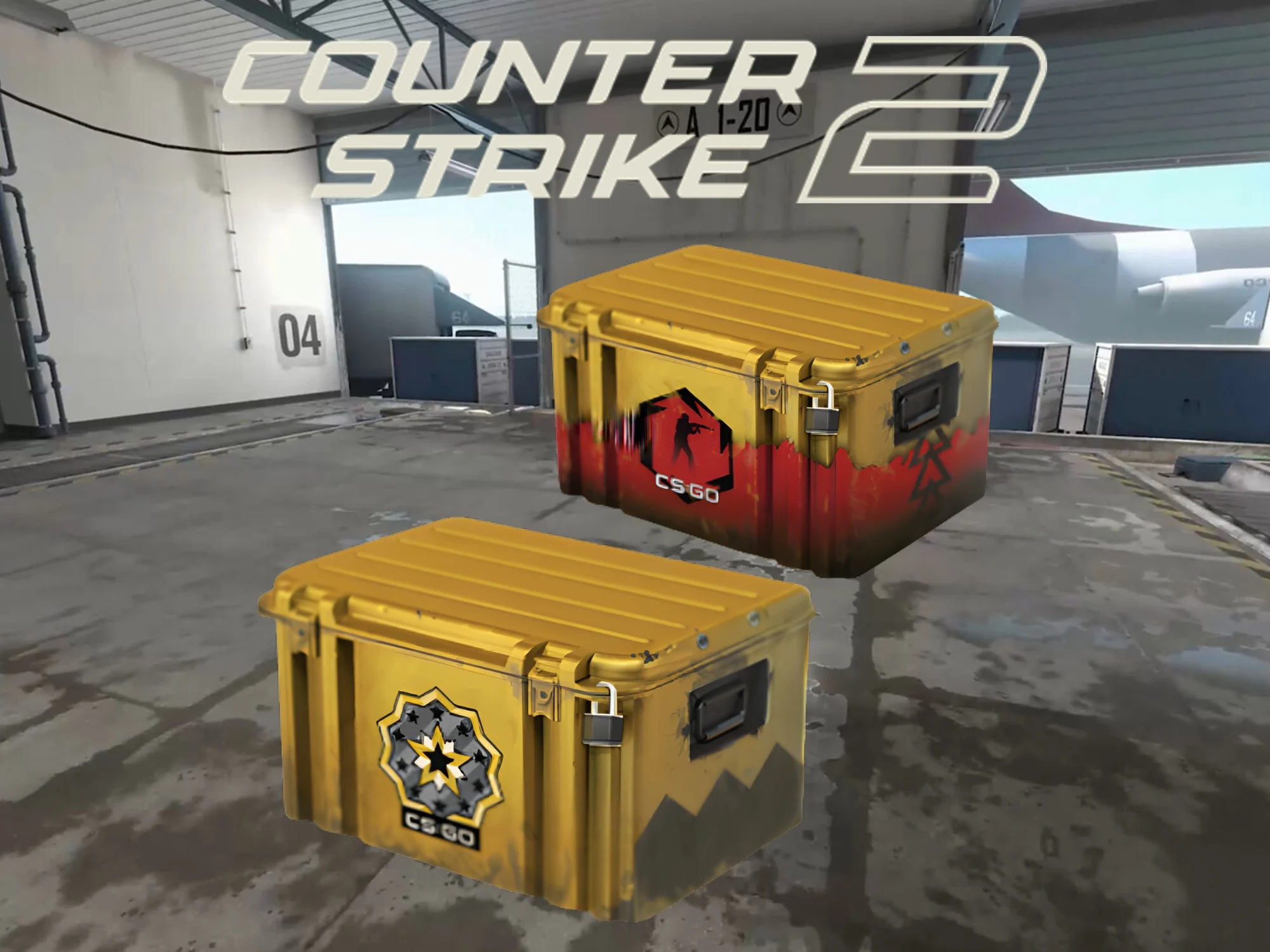
    In Counter-Strike 2, which is free to play, users spend money on cases in hopes of getting rare cosmetic items. The keys needed to open these boxes can be bought easily in-game. Attorney General James claims that the low chances of winning sought-after items lead to disappointment. Gamers often become frustrated and may develop an addiction, resulting in significant debts.

    Minors at Risk

    James also refers to research indicating that young players are especially vulnerable when it comes to chasing after weapon skins. Without permission, they might use their parents’ credit or debit cards to support their habits. Other games on Steam, like Dota 2, do have loot boxes but are more open about what items are inside and the odds of winning.

    If New York wins its case against Valve, players could receive restitution, and the company might be hit with hefty fines. While some businesses have managed to dodge penalties in the past, they have experienced major losses too. In both 2021 and 2023, Epic Games settled for large amounts due to unfair practices in games like Rocket League and Fortnite.

    Ongoing Debate

    The argument about what counts as gambling in the gaming industry continues to stir up controversy. Publishers argue that, unlike other gambling scenarios, players at least get a low-value item for their money. A more debatable point is that these winnings have no value outside the gaming environment. However, players often have the ability to buy and sell items on various marketplaces, both official and unofficial.

    Source:
    Link


  • Global Steam Deck Shortage Deepens Amid AI Memory Crisis

    Global Steam Deck Shortage Deepens Amid AI Memory Crisis

    Key Takeaways

    1. Global Shortage: The Steam Deck is experiencing stock shortages not just in the U.S., but also in Canada, Europe, and parts of Asia due to memory and storage part shortages.

    2. Production Halt: The LCD version of the Steam Deck has stopped production, contributing to its unavailability, while current models are also affected by ongoing supply issues.

    3. AI Demand Impact: The rise in AI infrastructure has increased demand for memory and storage, leading chip manufacturers to prioritize AI orders over consumer products like the Steam Deck.

    4. Rising Costs: Prices for RAM modules and SSDs have surged significantly, impacting various tech products, including laptops from major brands, due to component shortages.

    5. Uncertain Recovery: There is no clear timeline for when stock levels will normalize, with some predictions suggesting improvements in specific markets by the end of the month.


    The Steam Deck portable gaming console is becoming harder to find, and this isn’t just a problem in the U.S. After several weeks of inconsistent availability in the U.S. and parts of Asia, the shortage has now extended to Canada and Europe.

    Cause of Shortages

    Valve has stated that the situation is due to shortages in memory and storage parts in specific areas. What started as small stock issues is now evolving into a larger global supply problem.

    According to reports from GamingOnLinux and checks on various regional pages of the Valve official store, the Steam Deck is currently out of stock in Germany, Austria, Poland, France, and various other countries in the EU, as well as in Canada and Japan. At the time of writing, however, stock is still available in Australia, the U.K., Hong Kong, South Korea, and Taiwan.

    Production Issues

    There’s an important detail to note: the LCD version of the Steam Deck has stopped production, which is why that specific model is sold out everywhere. Nevertheless, the ongoing availability problems also affect the current models.

    When stock will return to normal in the impacted regions remains uncertain. Valve’s East Asian partner, Komodo Station, predicts that stock levels in its markets could return by the end of the month, but no global timeline has been shared.

    Impact of AI on Supply

    Regarding the reasons for the shortage, Valve briefly mentioned that the Steam Deck OLED may be intermittently out of stock in some areas due to memory and storage issues.

    The current shortage of memory and storage is being fueled by a boom in AI infrastructure, as major tech firms and hyperscalers are investing billions into data centers that house large amounts of AI GPUs. These systems need significant amounts of high-bandwidth memory (HBM) and NAND storage.

    Since AI companies are ready to pay higher prices, chip manufacturers are prioritizing their orders. This situation leaves less capacity for consumer products — including the Steam Deck. In essence, gaming handhelds are now in direct competition with AI clusters for the same memory and storage chips.

    Broader Market Effects

    The Steam Deck isn’t the only device feeling the effects of this issue. RAM modules and SSDs were affected earlier, with their prices rising by 2× to 5× compared to last year. Laptop makers followed suit, with brands like Dell, Lenovo, and Framework announcing price increases tied to component costs. Even Apple has warned that memory limitations will heavily impact its Q2 earnings as it seeks to secure supplies.

    While the Steam Deck may be the first gaming handheld to face such severe difficulties, it likely won’t be the last if these supply issues continue.

    Source:
    Link


  • Valve Targets Vague Performance Reviews with New Steam Beta Update

    Valve Targets Vague Performance Reviews with New Steam Beta Update

    Key Takeaways

    1. Users can now attach their hardware specifications when writing or editing game reviews on Steam, helping to clarify performance issues.
    2. Valve introduced an optional feature to share anonymized framerate data to improve game compatibility insights without linking to user accounts.
    3. The framerate data collection targets devices using SteamOS, like the Steam Deck, where performance discussions are common.
    4. It is currently unclear how much of the attached hardware specifications will be visible to other users during the beta phase.
    5. The update also includes various improvements, such as fixes for streaming issues, offline mode for Linux/Proton, and options for Steam Deck users to comment on Deck Verified ratings.


    Valve has begun implementing a new update for the Steam Client Beta that allows users to attach their hardware specifications when they write or edit a review on a game’s store page.

    Purpose of the Update

    The concept is quite simple: when users have performance issues like stuttering, crashes, or low frame rates, it’s difficult to evaluate these problems without knowing the reviewer’s hardware setup. With this new beta feature, users can easily include their specs without needing to type them manually into the review.

    Additional Features

    In this same beta release, Valve has also introduced an optional setting that allows users to share “anonymized framerate data.” According to Valve, this gameplay FPS information is “stored without connection to your Steam account” and will be used to “gain insights on game compatibility and enhance Steam.”

    This FPS collection feature currently targets devices using SteamOS, which includes hardware similar to the Steam Deck, where issues regarding performance and compatibility are frequently discussed.

    Display of Attached Specs

    One complication is that, at least in the early stages of the beta, it’s unclear how much of the attached specifications will be visible to other users. Reports from third parties indicate that while the feature is present in the review process, the hardware details may not be accessible to readers during the beta phase.

    Valve’s update notes do not clarify which specific fields will be displayed (other than “hardware specs”) or if the display will change before it becomes part of the stable client.

    To join the Steam Client Beta and make use of the new hardware review functionalities, users can:

    Valve has combined the review/specs feature and FPS options with other updates to the client, which includes tweaks to Steam Families navigation. This update addresses a streaming issue that could limit downloads after streaming has stopped, a fix for offline mode in Linux/Proton for very large libraries, and a prompt for Steam Deck users who disagree with a Deck Verified rating to optionally state their reasons.

    Source:
    Link


  • Steam Deck Availability Affected by RAM and Storage Shortage

    Steam Deck Availability Affected by RAM and Storage Shortage

    Key Takeaways

    1. Valve is experiencing supply chain problems, affecting the availability of the Steam Deck.
    2. The Steam Deck OLED may be out of stock in some areas due to shortages of RAM and internal storage.
    3. All Steam Deck models are currently sold out in the US, but they are still available in Australia and the UK.
    4. The basic Steam Deck model with an LCD screen and 256 GB of storage is no longer being produced.
    5. There is uncertainty regarding the release of a new version of the Steam Deck, with no clear details available.


    Availability of the Steam Deck has been changing a lot recently. Valve has now officially said that they are facing supply chain problems, which means the Steam Deck might not always be available. The company mentioned that the Steam Deck OLED could be out of stock in some places due to a lack of both RAM and internal storage. As of now, all models seem to be sold out in the US, but they can still be found in Australia and the UK. For other places, users can check the official product page for updates.

    Production Issues

    Moreover, Valve has confirmed that the basic Steam Deck with the LCD screen and 256 GB of storage is no longer being produced, so it will be out of stock once existing supplies run out. There is one exception to this: Valve is also selling refurbished units at slightly lower prices. Yet, the availability of these refurbished models can also change quickly.

    Future of the Steam Deck

    Finally, it’s still uncertain if, when, and at what price a possible new version of the Steam Deck will come out. The details around this remain vague, leaving many fans guessing.

    Source:
    Link


  • Steam Moderation Issues: Developers Highlight Bigotry in Reviews

    Steam Moderation Issues: Developers Highlight Bigotry in Reviews

    Key Takeaways

    1. Hate speech and bigotry are increasingly affecting Steam game reviews and forums, creating challenges for developers.
    2. Developers, like Nathalie Lawhead, face personal attacks and harassment, often without sufficient support from Valve’s moderation.
    3. Curator lists can influence public opinion, leading to negative reviews that may not relate to the game’s quality, impacting sales.
    4. Forums are overwhelmed with irrelevant and abusive comments, detracting from constructive discussions among gamers.
    5. Valve’s moderation system is criticized for being lenient and understaffed, failing to effectively manage harmful content and TOS violations.


    Valve encourages gaming communities where fans can share their thoughts freely. However, hate speech is increasingly infesting reviews and forums related to Steam games. A report from The Guardian sheds light on the challenges that developers are facing as they confront bigotry that has nothing to do with the quality of their games.

    Developers’ Frustrations

    The issues raised by these creators revolve around forums, rating systems, and curator lists. Nathalie Lawhead, a designer, found reviews that questioned her sexual assault allegations from 2019. In addition, some comments included personal insults and antisemitic statements. Even though Valve’s rules ban abusive language, moderators often choose not to intervene.

    Lawhead urged social media users to report these reviews, leading to the removal of one rating. To address the other comments, she had to reach out to a Valve employee. Many other game developers might not have the same support or connections, leaving them dependent on the company’s frequently lenient supervision.

    Curators and Their Influence

    Curator lists serve as a way for individuals to recommend Steam games. These lists assist gamers with similar interests in discovering new titles. A person with a large following can encourage fans to criticize a project they dislike. Ethan, who developed the retro shooter Coven, faced backlash from supporters of Charlie Kirk, a right-wing activist who was assassinated.

    Ethan witnessed a surge of negative reviews on Steam that accused him of celebrating the death of the political figure. Despite the off-topic comments that didn’t pertain to gameplay or visuals, Valve support chose to leave them online. Negative reviews can significantly impact a game’s visibility and sales potential.

    The State of Forums

    Forums can be an excellent tool for gamers seeking advice, but many have become flooded with bigotry and disputes. Users often link a game’s characters or storylines to conflicting political views. Such remarks are of little help to players dealing with bugs or challenging missions.

    Unlike reviews, studios can hire moderators to oversee message boards. Nevertheless, critics argue that Valve needs to take a more active role. TOS violations and irrelevant discussions frequently go unnoticed. Reports indicate that while Steam is achieving record revenues, it remains severely understaffed to effectively supervise active forums.

    Source:
    Link


  • Steam Deck OLED Out of Stock in U.S. Amid Memory Shortage Fears

    Steam Deck OLED Out of Stock in U.S. Amid Memory Shortage Fears

    Key Takeaways

    1. The Steam Deck OLED has become unavailable in many regions, including the U.S., following the discontinuation of the less expensive LCD version at the end of 2025.
    2. In the U.K. and Australia, some storage options of the Steam Deck OLED are still available, but refurbished models are no longer on sale in the U.S.
    3. Speculation on Reddit suggests that Valve is struggling to meet demand due to ongoing shortages of storage and memory components.
    4. Concerns exist among U.S. gamers that the Steam Deck OLED may not return at its original price, especially with rising costs for RAM and SSDs.
    5. Rumors indicate that the Steam Deck 2 may not be released until 2028 or later, leaving the OLED model as Valve’s only mobile gaming option for now.


    After Valve discontinued the less expensive LCD version at the end of 2025, the Steam Deck OLED has become unavailable in various areas. In the United States, all versions of this gaming device are currently out of stock on the official website. With the ongoing memory shortage pushing back the Steam Machine’s release, there are growing fears of a potential price hike.

    Availability in Other Regions

    In some countries, like the UK and Australia, Steam Deck OLED models with storage options of 512GB and 1TB are still available. However, it’s quite rare to witness multiple SKUs in a key market being sold out at the same time. Additionally, refurbished models are also off the table on the U.S. site now.

    Speculations on Reddit

    Valve hasn’t offered any insight into why the stock has suddenly disappeared. Nevertheless, fans of the handheld have been speculating on Reddit. One popular idea suggests that the manufacturer is struggling to keep up with demand due to the ongoing shortages of storage and memory.

    The Steam Deck OLED is equipped with 16GB of LPDDR5 RAM, which has experienced significant price increases due to the surge in AI. The cost of SSDs is also on the rise as data centers are increasing their capabilities. This situation has created uncertainty surrounding the launch dates for the Steam Machine, Steam Frame VR headset, and a new controller.

    Concerns for U.S. Gamers

    Gamers in the U.S. are apprehensive that the handheld might not return at its initial MSRP. With features like an enhanced 90Hz display and better battery longevity, the 2023 model quickly gained popularity. Since the LCD version is no longer available, it stands as the sole mobile option from Valve.

    As rumors suggest that the Steam Deck 2 might not come until 2028 or later, fans are eagerly awaiting news regarding its predecessor. More OLED Windows competitors are set to arrive with SteamOS in the future, such as the Legion Go 2. Sadly, the price of the Steam Deck OLED remains significantly more budget-friendly.

    Source:
    Link


  • Valve Confirms Steam Machine Release on Track for Early 2026

    Valve Confirms Steam Machine Release on Track for Early 2026

    Key Takeaways

    1. The tech industry is experiencing a crisis in memory and storage due to high demand from artificial intelligence, leading to rising prices for PC hardware.
    2. Valve’s product release timeline for the Steam Machine, Steam Frame, and Steam Controller is still set for the first half of 2026, despite challenges.
    3. The company has not provided specific pricing or launch dates due to the unpredictable availability and costs of key components.
    4. Valve aims to avoid disadvantaging consumers by being cautious with pricing commitments amidst fluctuating memory and storage prices.
    5. The Steam community will receive regular updates as Valve continues to monitor the situation and develop its products.


    The tech industry is facing an increasing crisis related to memory and storage, which is largely fueled by the ongoing surge in artificial intelligence. The demand for memory chips and storage parts has caused prices to rise across the PC hardware sector, influencing everything from graphics cards to everyday gadgets. Despite these obstacles, Valve has announced that its objectives for the new devices, including the Steam Machine, Steam Frame, and Steam Controller, are still on track, a statement echoed by AMD’s CEO recently.

    Product Announcement Timeline

    Valve initially revealed these devices back in November of last year, but they did not disclose a specific date for their release. They mentioned that the products would be available sometime in the first half of 2026. While this timeline remains intact, Valve has shared the reasons behind the lack of specific pricing and launch information.

    In a recent update on Steam, the company acknowledged that it had hoped to finalize pricing and shipping timelines by now. However, the situation regarding the availability of memory and storage has deteriorated more quickly than anticipated.

    Challenges with Costs and Availability

    Valve clarified that the limited availability and rising prices for crucial components have complicated their ability to confirm exact pricing and launch dates, especially for the Steam Machine and Steam Frame. Nevertheless, the company emphasized that the overall release goal is still the same. They want to tread carefully when determining these specifics, particularly considering how swiftly memory and storage prices can fluctuate. Committing to prices too soon could potentially disadvantage consumers or necessitate future adjustments, which is something Valve aims to prevent.

    As per Valve’s statements, all three products are still set to be released in the first half of 2026. The company continues to work on establishing precise pricing and launch schedules and will provide updates when their plans are confirmed.

    Community Engagement

    Valve has reassured its community that they are actively monitoring the situation and will keep everyone informed. The Steam community can expect more news as the company moves forward with its product development.

    Source:
    Link


  • Dataminer: Half-Life 3 Release Not Linked to Steam Machine Launch

    Dataminer: Half-Life 3 Release Not Linked to Steam Machine Launch

    Key Takeaways

    1. Valve typically does not synchronize the release of hardware and software, meaning delays in the Steam Machine won’t necessarily delay Half-Life 3.
    2. The situation mirrors the launch of Half-Life: Alyx, which was delayed from 2019 to 2020 despite initial expectations.
    3. Speculations suggest that the SteamOS might be the last to launch, with some insiders doubting its scheduled release in Q1 2026.
    4. Rising memory prices could impact the budget for the Steam Machine, potentially causing Valve to consider delaying its release.
    5. Gabe Follower remains optimistic about Half-Life 3’s development, indicating it is nearing completion despite previous rumors of announcements not materializing.


    Insider Gaming’s Mike Straw has suggested that the anticipated Half-Life 3 may launch alongside the Steam Machine. Nevertheless, Gabe Follower, a dataminer and content creator within the Valve community, does not agree with this perspective. In a recent video, he elaborates on how delays in the system, attributed to high memory costs, are unlikely to affect the release of the beloved shooter.

    Valve’s Coordination on Releases

    Gabe Follower points out that Valve usually doesn’t synchronize hardware and software launches. Different teams are working separately on Half-Life 3 and the Steam Machine. Since these teams follow distinct schedules, a delay in the release of the Steam Machine would not automatically mean a delay for the game.

    Comparing to Half-Life: Alyx

    The dataminer draws parallels between the current situation and the launch of Half-Life: Alyx. Initially, gamers anticipated this title to arrive with the Index VR headset in 2019. Unfortunately, it didn’t come out until 2020, when it was offered free to those who owned the hardware.

    Future Speculations

    A similar scenario might occur with Half-Life 3 and the Steam Machine, although it’s possible that the SteamOS could be the last to launch. Scheduled to be released in Q1 2026, some insiders, including Moore’s Law is Dead, doubt these timelines.

    Impact of Rising Memory Prices

    Increasing memory prices have put pressure on the budgets of both desktop and laptop users. The escalating cost of DDR5 RAM poses a risk of increasing the MSRPs for consoles like the PS5 and Switch 2. With the Steam Machine already expected to be more expensive than these options, Valve might consider delaying its release.

    Optimism for Half-Life 3 Development

    Gabe Follower remains optimistic about the development of Half-Life 3, believing it is nearing completion. While rumors of an announcement in 2025 did not come to fruition, he likens last year to 2019. Similar to Alyx, updates on other Valve games have slowed down, indicating that the team’s focus is primarily on the shooter. Reports suggest that some developers have even started working on new projects.

    New Technological Developments

    The YouTube video also discusses exciting new technology that players might encounter in the game. Datamined code referring to “HLX” in other Valve software hints at a new gravity system that will change how bullets behave. Additionally, NPCs are expected to act more realistically, and real-time ray tracing could be an option for players.

    Source:
    Link