Tag: Valve

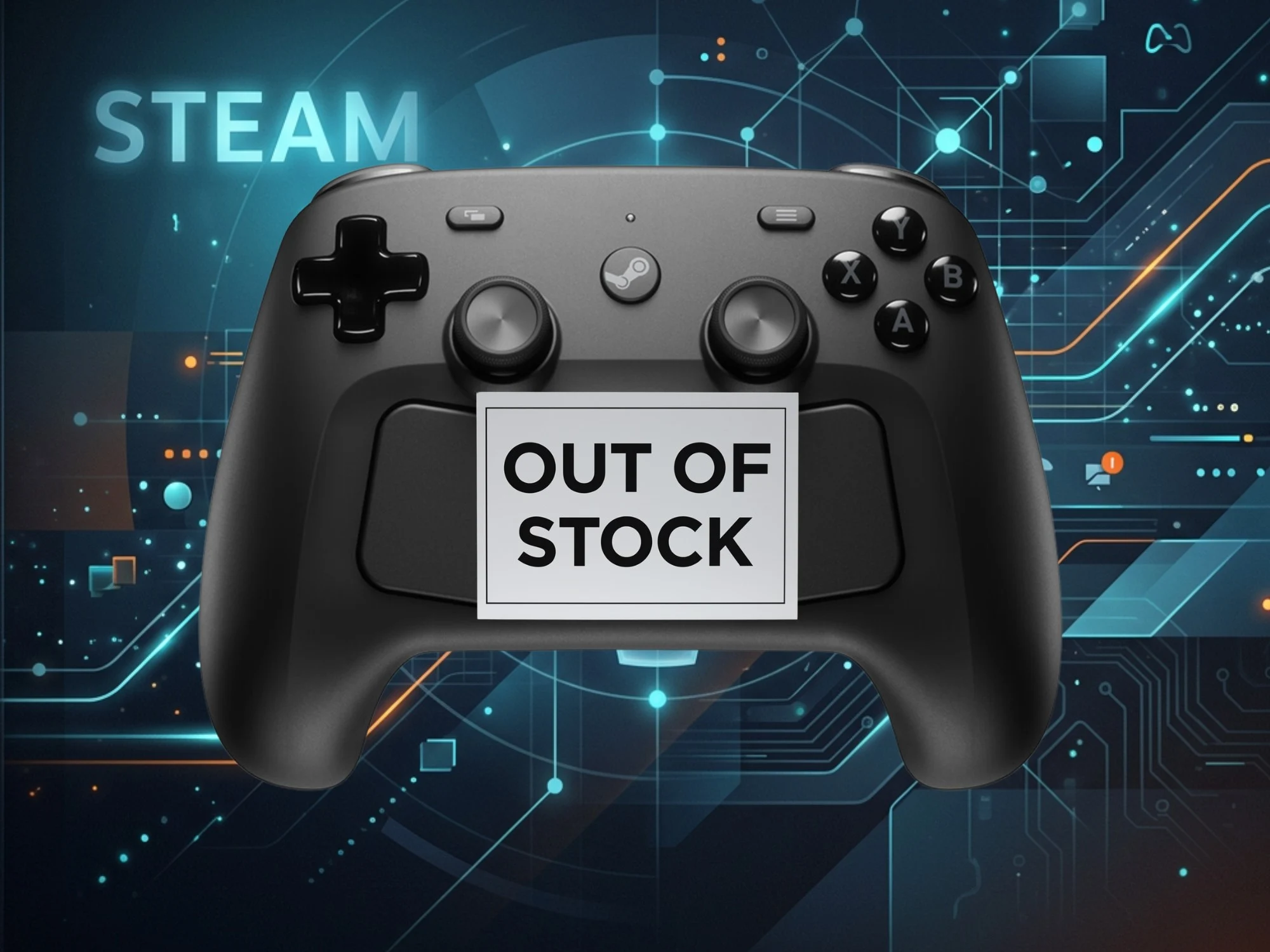
  • Steam Controller Sold Out at Launch as Scalpers Inflate Price to $250

    Steam Controller Sold Out at Launch as Scalpers Inflate Price to $250

    Key Takeaway

    1. High demand and immediate sell-out led to website crashes and purchase errors during the Steam Controller launch.
    2. The controller is currently unavailable in the U.S., with limited availability in Europe and Asia.
    3. Scalpers are reselling the controller at over twice the retail price due to scarcity.
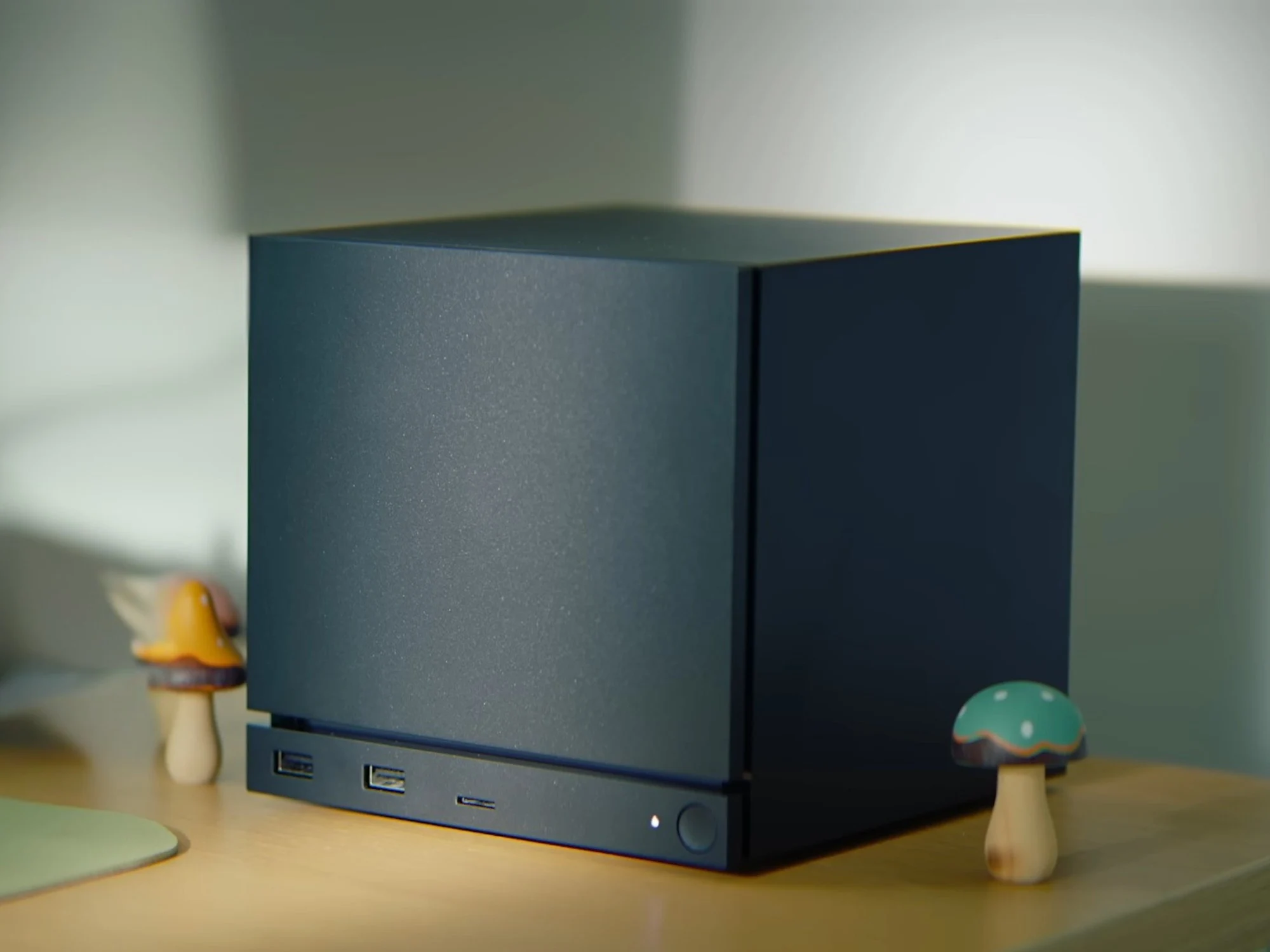
    4. The launch excitement raises concerns about future Valve hardware releases, like the Steam Machine and Frame VR headset.
    5. Valve appears to have managed supply issues better for the Steam Controller compared to recent hardware, suggesting possible ongoing stock reinforcement.

    High Demand Leads to Quick Sold-Out Status

    Even though the price of the Steam Controller is higher than some people thought, the demand for this gadget still is quite strong. Within just an hour of being up for sale, many gamers saw warning that the products were sold out. Even those who managed to buy one faced many errors from Valve’s online shop, which were quite frustrating for many.

    Early Launch and Technical Glitches

    Fans were set to buy the controller at 1PM ET/6PM GMT, but it actually went live a few minutes early — causing some chaos. The excitement was soon replaced with irritation when users tried to pay for their orders and kept hitting error messages that said “error initializing or updating your transaction.” The chaos continued, with some users finally getting through after trying repeatedly, but others couldn’t get their orders to go through at all.

    Availability and Scalp Prices

    Right now, you can’t get the PC controller from the U.S. store at all, but it might appear again for a short time in the future. European buyers could get a little longer window before stocks run out. Meanwhile, in Asia, the high traffic overloading Valve’s servers caused the Komodo Station site to crash entirely.

    Scalping and Resale Market Rising

    With so many folks refreshing to check stock, many say selling prices on eBay are already way above the normal retail price, sometimes more than double. Sellers who bought multiple units are flipping them for profit, making it super hard for regular fans to get one at retail price.

    Excitement Surrounds Valve’s New Hardware

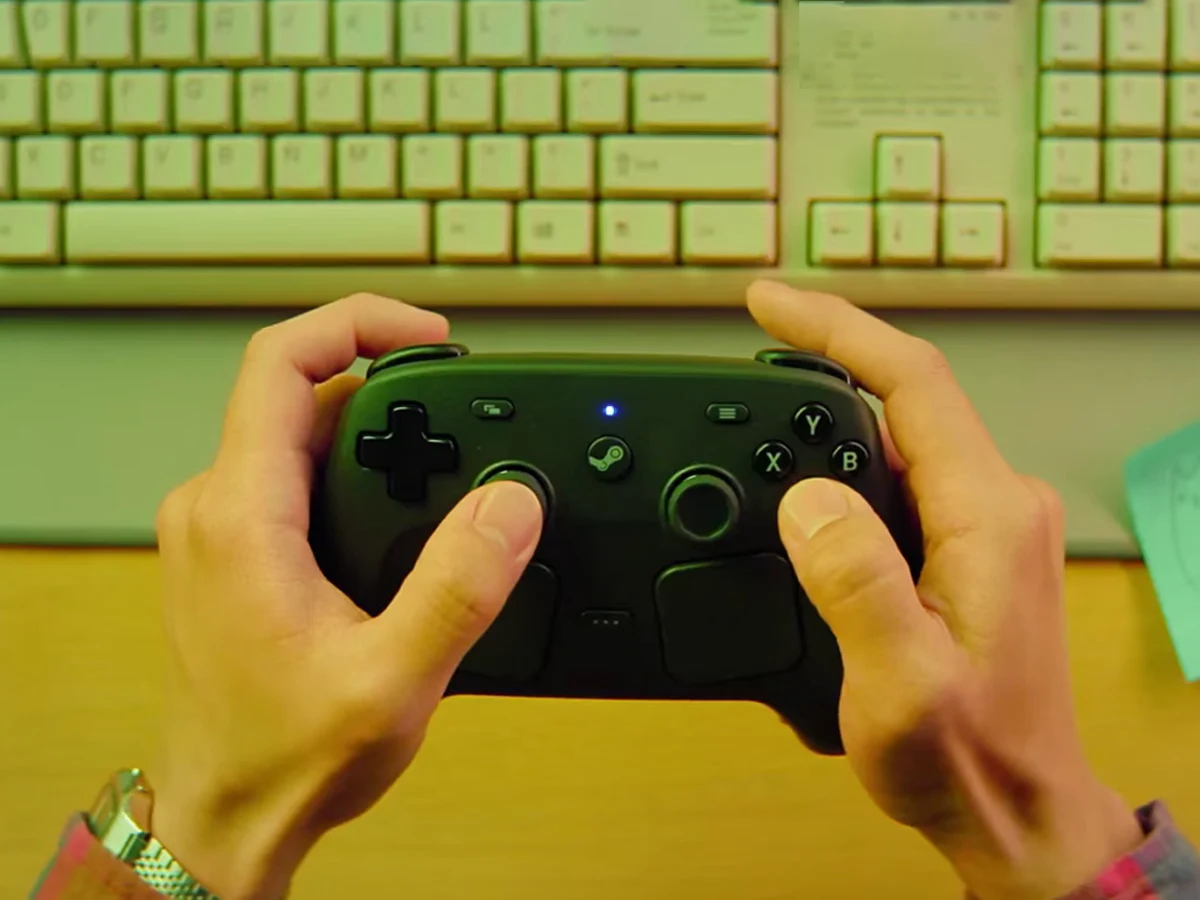
    The Steam Controller is especially noteworthy because it features dual trackpads, marking one of Valve’s biggest hardware releases since the Steam Deck OLED in 2023. But, given the rough start, fans are now worried about upcoming products like the Steam Machine and Frame VR headset. Those items could also be expensive, especially the mini PC setup, which is catching a lot of excitement.

    Looking Forward to Restocks

    The good thing is, the Steam Controller probably won’t get as impacted by memory shortages, and Valve might already be working to restock the device soon. Fans hopeful for another chance need to stay patient and keep an eye on the store pages for updates.
    Sources
  • Steam Controller Won’t Support Xbox Game Pass on Launch, Frustrating PC Gamers

    Steam Controller Won’t Support Xbox Game Pass on Launch, Frustrating PC Gamers

    Key Takeaway

    1. The Steam Controller has limited functionality outside Steam, especially with Xbox Game Pass games, due to reliance on Steam Input and compatibility issues.
    2. The high price of $99 may deter many users, especially when cheaper Xbox controllers offer broader marketplace compatibility.
    3. Valve could improve compatibility by adopting XInput or DirectInput, but current limitations may require third-party solutions for full functionality.
    4. The Steam Controller’s unique features, like trackpads, are its main advantages, but broader adoption depends on software and marketplace compatibility.

    Valve has announced a new Steam Controller that comes with a higher than expected price tag. Although some gamers might hope for a versatile device, early reviews show it mainly works within the Steam ecosystem, limiting its wider usability.

    Pricing and Compatibility Concerns

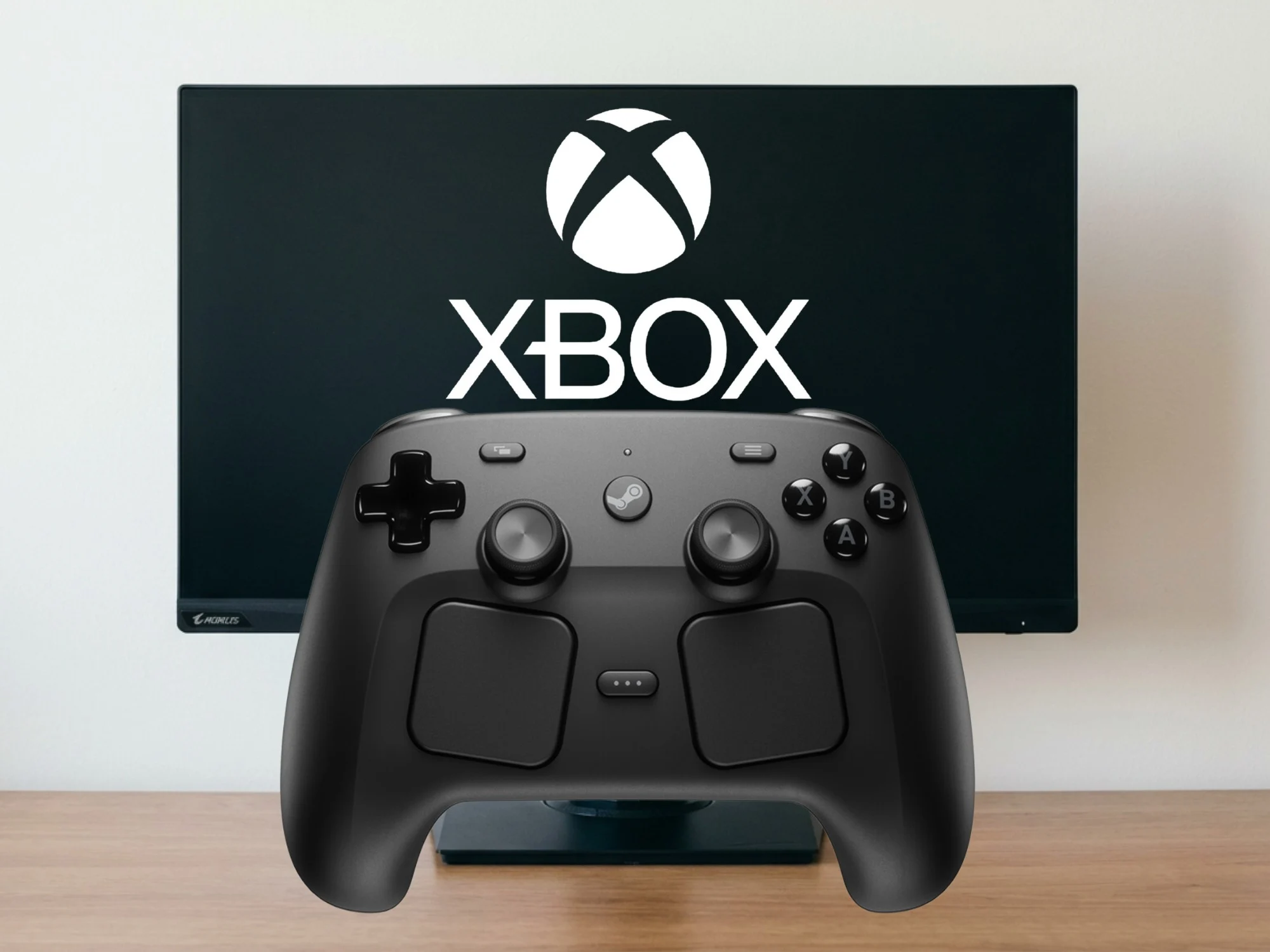
    The controller is priced at $99, which might be too expensive for folks just wanting a good all-round gaming controller. Many gamers notice it doesn’t work well outside of Steam, especially with popular services like Xbox Game Pass. As per Windows Central, unless Valve releases a driver update, the controller relies heavily on Steam Input, making it necessary to have Steam’s launcher for any basic use plus extra features like the dual trackpads that look and act like a mouse.

    Limitations with Xbox Game Pass and Non-Steam Games

    Adding other game platforms isn’t straightforward either, because Windows and UWP permissions interfere with some services like Xbox Game Pass. The Xbox app can link to other games, but it doesn’t seem to improve the controller’s compatibility outside Steam. That leaves users with only limited options unless they explore third-party tools or workaround solutions that some gamers have previously used with older controllers from Valve.

    Price, Features, and Market Comparison

    • The $99 price point might put off many PC users, especially when there are cheaper options like the Xbox controller, which costs around $64.99 or less.
    • Unlike some budget controllers, the Steam Controller has advanced features like the trackpads, offering better comfort and control for couch gaming on PCs, which is a significant plus for enthusiasts.
    • However, for broad compatibility and ease of use across various platforms and stores, standard controllers from brands like Xbox are more practical and widely supported, especially without need for extra configuration.

    Market and Future Prospects

    The Steam Machine aims to grab a spot in the growing market for living room mini PCs, but owners of competing devices will need SteamOS or related Valve software to access the full potential of the Steam Controller. If Valve and Microsoft improve support via XInput or DirectInput, it will become more appealing. Until then, many will have to rely on third-party solutions or specific gaming setups, knowing that current compatibility is quite limited.

  • Steam Machine Launches After Steam Controller Delay: Valve Explains Reasons

    Steam Machine Launches After Steam Controller Delay: Valve Explains Reasons

    Key Takeaway

    1. The Steam Controller will be launched on May 4 for $99, while the Steam Machine’s release is delayed to 2026 due to RAM shortages.
    2. The Steam Controller’s earlier release is primarily because it has no RAM, unlike the Steam Machine.
    3. Valve’s development of the Steam Controller took over ten years, focusing on ergonomics over design.
    4. The Steam Controller is compatible with Steam Deck, Windows PCs, and Macs, beyond just the Steam Machine market.

    Valve Announced Release Date for Steam Controller

    Valve has today confirmed that the Steam Controller will be launched on May 4 and will be offered for a recommended retail price of $99. But, still no signs of the Steam Machine, as the company states that the Linux console will only be available sometime in 2026. In an interview with Polygon, Valve’s hardware engineer Steve Cardinali commented on the delay of the Steam Machine’s launch.

    Reasons Behind the Launch Timing

    He explained that the Steam Controller’s early release compared to the Steam Machine was because it doesn’t contain any RAM components, so Valve didn’t see a reason to delay it. The company has once again pointed out that the ongoing DRAM crisis is behind the delay of the Steam Machine, as RAM prices are currently sky-high and its stock is quite scarce, making it difficult for small manufacturers like Valve to acquire enough to build their products.

    Design Choices and Compatibility

    Interestingly, Valve never intended to sell the Steam Controller and Steam Machine simultaneously. The main internal requirement was simply that the gamepad should come out before the console. Since the Steam Controller is compatible with Steam Deck as well as Windows PCs and Macs with Steam, it’s not just a product for Steam Machine fans. Valve mentioned that developing the Steam Controller took over ten years, and its angular shape was chosen mainly to prioritize ergonomics over aesthetics.


    Sources

  • Steam Controller Leak Sparks Debate After PS5 DualSense Comparison

    Steam Controller Leak Sparks Debate After PS5 DualSense Comparison

    Key Takeaway

    1. The Steam Controller is expected to launch in Japan on May 4, 2026.
    2. It appears larger and wider than the Sony DualSense, raising potential comfort and reachability concerns.
    3. The controller’s design resembles the Steam Deck, with familiar control placement but may seem less intuitive compared to Xbox controllers.
    4. Full reviews are anticipated soon, which will provide clearer insights into usability and comfort.

    Leakings About The Steam Controller Are In Full Swing

    There has been a bunch of rumors and leaks floating around the internet about the new Steam Controller, with the latest info coming from a slip-up review on 4Gamer that was available accidentally. That leak notes that the wireless controller is planned to be out in Japan by May 4, 2026. So, it’s just about the corner now, and fans are eagerly awaiting its arrival. The details are getting clearer as more information leaks out, and many are curious about how it will stand among other big controllers.

    Pictures Show The Controller Comparing With Others

    New real-world pictures have now emerged thanks to that same 4Gamer review, and they include a clear comparison with popular controllers like the Sony DualSense and Xbox One. The pictures give us a much better sense of the size of the Steam Controller, as Valve already gave rough dimensions back in November 2025. But these comparison shots makes us see more clearly just how big or small the new device really is. It looks larger than the DualSense, with a width that might affect how comfortable it feels during long gameplay sessions. Especially for folks with smaller hands, this raised some eyebrows on reachability.

    Design and Usability Insights

    Though these images don’t officially confirm everything, Valve did show the controller being held by different people to demonstrate how it fits in different hands. The official promotional images didn’t show anything that suggests it will be hard to use, and the general layout feels familiar to those who own the Steam Deck. Audience reactions so far suggest that it’s designed with comfort in mind, but practical testing will be the true test soon enough. The layout feels similar, and it should be easy for longtime Steam users to adapt to it despite the size.

    Comparison with Other Controllers

    For gamers used to the Xbox Wireless Controller, especially the Elite Series 2 priced at $149.99, the side-by-side pictures show that the Steam Controller might not seem as natural at first glance. The button placement and overall look can feel a little unfamiliar to some. Nonetheless, with the launch approaching, many are counting days until thorough reviews drop. Those reviews should show how well Valve’s design choices work when actually gaming, and give clear opinions on comfort, usability, and performance.

    Sources
  • Steam Machine Release Date and Price Announced Soon

    Steam Machine Release Date and Price Announced Soon

    Key Takeaway

    1. Valve is close to confirming the release of its Steam Machine, with ongoing internal debates over pricing and potential short-term losses.
    2. The product faces challenges due to heightened memory shortages and high component costs, delaying its anticipated launch to sometime in 2026.
    3. While positioned as an alternative to high-end consoles like the PS5 Pro, its performance may be limited by hardware constraints such as 8GB VRAM and reliance on upscaling.
    4. The system is aimed at a more premium market, indicated by features like the $100 Steam Controller, but details about separate shipping for the Steam Machine and VR headset remain unclear.

    Leaks hinting at a new Steam Controller and possible Steam Machine release

    Recently, a leak about the Steam Controller along with its pricing has gotten a lot of attention that suggests a new Steam Machine release date might not be far away. According to insider reports by Mike Straw, the company appears to be getting ready to confirm the release details soon. The delay in making an official announcement seems to be tied to internal debates over how much to charge for the new mini PC.

    Pricing disputes and market challenges

    In an article, Straw explained that Valve has been having a back-and-forth internally over the pricing strategy, including the possibility of absorbing some costs to make it more attractive at launch. This approach is surprising because Valve previously stated they wouldn’t be subsidizing the device like traditional consoles. Instead, the idea was to offer a product with good value, but at a price comparable to a gaming PC with similar features.

    Impact of market shortages and consumer expectations

    The challenge for Valve is growing due to ongoing shortages in memory and components since their November 2025 reveal. High costs for storage and DDR5 RAM have made sourcing parts for a comparable alternative more difficult. Fans who expected the Steam Machine earlier this year have been awaiting its arrival, but the shortage pushed the release window to sometime in 2026.

    Design similarities and consumer interest

    While Valve has tried to avoid calling it a console, it’s hard not to compare the Steam Machine to traditional gaming consoles. Its dual trackpads and extensive game library make it appealing for living room setups. Some PlayStation and Xbox fans are eager for more news, showing strong interest especially as console prices rise.

    Price considerations and performance expectations

    The new PS5 and PS5 Pro consoles are more expensive, making a higher-priced Steam Machine seem more acceptable. Still, there are questions about whether its performance will match Sony’s flagship, which costs around $900. One key concern is the 8GB of VRAM; recent game releases like Pragmata have shown that GPUs with the same memory size sometimes require compromises at 1440p resolution.

    Specs, upscaling, and TV compatibility

    Valve says that most games available on its marketplace should run at 4K/60fps on the mini PC. It will likely rely on upscaling, similar to the PS5 Pro, but will use an older version of FSR (FidelityFX Super Resolution). How well the device’s specs work with modern TVs could influence its market success, especially if prices are similar.

    Target market and additional hardware

    The $100 Steam Controller suggests the system is aimed at somewhat premium buyers. It remains unclear whether the Steam Machine and Frame VR headset will be launched together or separately, leaving some questions about their future availability.

    Sources
  • Valve Launches New Developer Tools for Steam Deck Framerate and Feedback Monitoring

    Valve Launches New Developer Tools for Steam Deck Framerate and Feedback Monitoring

    Key Takeaway

    1. Valve now provides developers with detailed performance data from real player sessions, including average framerate over the past 30 days.
    2. Developers can access player survey feedback on the reliability of a game’s Verified status, highlighting issues like input problems or performance drops.
    3. These tools enable developers to monitor the impact of updates and optimize their games for Steam Deck more effectively, with plans to expand beyond Verified games.

    Valve’s New Features for Steam Deck Developers

    Valve has rolled out some new features that helps developers with their games on the Steam Deck. The company now offers detailed data about game performance through its partner dashboard, giving developers a clearer picture of how their games are running on the handheld console. Once a long time, many people complained about the Verified system for the Steam Deck. This system labels games as “Verified,” implying they runs smoothly, but this isn’t always happening. Sometimes, games marked Verified face lag or problem with stability, which makes players less trustful of the label.

    Inside the Performance Data

    To tackle this issue, Valve is sharing average framerate info from the last 30 days gathered from real player sessions, but only from users who opted to share their stats. This data let developers see how their game performs in real world scenarios, instead of just internal testing. Valve also indicated that more details about stability and how much framerate varies might be added later. This new data helps developers better understand how their games perform in actual Use.

    Community Feedback and Surveys

    Developers are also receiving access to survey results submitted by players. After about 10 minutes of gameplay, players are asked if they agree or disagree with the game’s Verified status. If they disagree, they can specify particular problems like input lag, readability troubles, or performance drops. These survey results are now available for the past 30 days, allowing developers to see how recent updates affect the game performance and stability. It helps them quickly spot if a new patch is good or bad, and respond faster with fixes and improvements.

    Future Expansion and Availability

    The new features are in beta and currently available only for Steam Deck Verified games. Valve has said they want to make it available for more titles, including those classified as Playable. This continuous expansion aims to make the development process even smoother and trustworthy for all Steam Deck titles in the near future. Players and developers both will benefit from this ongoing improvements, ensuring a better gaming experience overall.


    Sources

  • Steam to Introduce 30-Day Price History for Games, Valve Reports

    Steam to Introduce 30-Day Price History for Games, Valve Reports

    Key Takeaway

    1. Steam may soon integrate a native 30-day game price history feature.
    2. Currently, users rely on third-party tools like SteamDB to track price fluctuations.
    3. This addition would make it easier for players to determine if they are getting a good deal directly within Steam.
    4. Valve has not officially confirmed the release, and the feature is still in testing without a clear timeline.

    Tracking Game Prices Now and in Future

    Buying the right game at the right price has always been a quest for many players, especially when it comes to knowing if they getting a deal or if they should wait for prices to drop more. right no, Steam don’t offer this option directly, but there’s some news that suggest it might happen soon since a new update was discovered in the Steam app’s code.

    Current Tools for Price Checking

    Most people use third-party websites or apps to see how prices change over time, like SteamDB. It’s a handy tool that shows how a game’s price fluctuates, which helps players to decide the best time to buy. But, it’s an extra step, as you have to leave Steam and visit another site which is not very ideal.

    Potential New Feature on the Horizon

    There’s a good chance that Valve, the company behind Steam, might add this feature directly into the platform. This info came from LambdaGen based on data they found on SteamDB, where Valve’s changes are tracked. They hint that Steam could soon display a 30-day price history for games, making it easier for consumers to track prices without looking elsewhere.

    What This Means for Gamers

    If this feature do get released, players could instantly see if the current price is low or if it’s better to wait, saving time and improving shopping experience. It means more trasparency and convenience for Steam users who want to make smarter buying decisions without depending on third-party tools.

    Status and Future prospects

    At this point, Valve hasn’t officially said anything about it yet. The feature still seems like it’s in the testing phase, and no one knows exactly when it might be available to the public. If Valve do decide to implement this update, it will be a big help for those who want to know the full story behind the prices of the games they love to buy.


    Sources

  • Gabe Newell Left Portal 2 After Developer Feedback Issues

    Gabe Newell Left Portal 2 After Developer Feedback Issues

    Key Takeaway

    1. Gabe Newell values being hands-on and collaborative but faced challenges in actively participating in game development due to his leadership position.
    2. His imposing demeanor sometimes hindered open disagreement from team members, leading him to step back from direct involvement.
    3. Over time, Newell recognized the importance of allowing teams to follow their creative vision, delegating decisions while still showing support and concern for team members.

    Gabe Newell’s Journey in Gaming

    Gabe Newell, famous for creating Half-Life and the gaming platform Steam, is one of the most succesful personalities in the gaming industry. Despite his success, he also faced challenges in his career. A recent interview has revealed that after Portal 2, he decided to leave game developement because he couldn’t find team members willing to oppose his ideas. The story was shared by Portal 2’s lead designer, Josh Weier, on Kiwi Talkz about four years ago. He remembered that Newell loved working closely with his team and brainstorming new ideas. But as the co-founder and president of Valve, his role made this difficult sometimes.

    Gabe’s Leadership Style and Team Dynamics

    Weier mentioned, “He always wanted to be part of the team, but being Gabe and in his position, that just didn’t work out. People would just accept what he said, but he wanted to contribute ideas and be involved.” He added that this made it hard for people to say no to him. According to Weier, “If you haven’t met him, Gabe is a very tall and imposing guy, his mannerisms can make him seem even more intimidating. When I was about 20, working on Half-Life 2, and he took me out for lunch to discuss ideas, I was pretty nervous, calling him ‘Mr. Newell!’”

    His Realization and Changing Approach

    Looking back, Weier shared a laugh and said, “I was totally freaking out, but as time went on, Gabe realized that he should let the game teams do their work. So, he started to observe more and give feedback without overriding everything.” This shift was noticeable during the development of Portal 2. The team wanted to redesign GLaDOS to make her more prominent, but Newell had his views on her appearance. The developers argued with him for a while about the new design, but eventually, he allowed them to continue with their vision. Weier explained, “We debated with him for some time, then he said, ‘Alright, you guys know what you’re doing. I trust you.’ After that, he would check in personally, asking how we were doing and if we were stressed.”

    Sources
  • Steam Games Estimate FPS on Store to Predict Steam Machine Performance

    Steam Games Estimate FPS on Store to Predict Steam Machine Performance

    Key Takeaway

    1. Valve is exploring ways to provide real-world performance data, such as estimated frame rates, based on user configurations to help buyers make informed decisions.
    2. Features include allowing users to input their PC specs for game performance estimates and attaching hardware details to Steam reviews.
    3. These tools aim to improve game compatibility understanding and enhance the shopping experience, especially for hardware like the Steam Deck and Steam Machines.

    Recent Developments in Steam Performance Tracking

    Even if developers release recommended PC requirements, there’s still no good substitute for actual testing in the real-world. Recently, Valve started asking owners of SteamOS devices if they agree to anonymous FPS tracking. This move could lead to showing this data directly on store pages for Steam games to help buyers make better decisions.

    Code Insights and Features

    Found by Dex3108 on ResetEra forums, an interesting update was spotted in the Steam client’s code. One line mentioned, “Select an App and a PC config to get a chart of estimated frame rates, based on the frame rates of other users.” This indicates players might soon be able to input their specs—like CPU, GPU, and RAM—to see how well a game will run on their hardware.

    Existing Performance Measurements

    Valve already rolled out a beta feature that tracks performance during gameplay in the background. This is designed to “learn about game compatibility and improve Steam,” collecting system info without linking to user accounts. However, this feature was mainly for SteamOS hardware such as the Steam Deck and new Steam Machines.

    Enhancing User Reviews and Compatibility Data

    Furthermore, users can now add their system specs directly to Steam reviews. Before, they had to manually type out their setup whenever they experienced drops in frame rate, making reviews more descriptive and useful. This change aims to offer more context for performance comments.

    Future Possibilities and Challenges

    It remains uncertain if Valve will show average FPS counts in Windows or other Steam clients. Knowing this is crucial especially for the Steam Deck, since its Verified program only uses basic metrics. The Steam Machine, being more powerful, can handle more demanding titles, but some of those games could stress the mini PC.

    Hardware Diversity and Performance Variability

    With the broad variety of hardware in gaming PCs, comparing results becomes more complex. Performance depends heavily on settings and mods, like DLSS or FSR upscaling, which can raise FPS but often at the cost of image quality. These factors make standard benchmarks less straightforward.

    Community Response and Market Impact

    Despite these hurdles, most gaming fans are positive about these changes. Ideally, this will help buyers find titles that are better suited to their specific hardware, making shopping for games more efficient.


    Sources

  • 600 Hours of RTS on Steam Deck Showcases Valve’s Greatest Handheld Success

    600 Hours of RTS on Steam Deck Showcases Valve’s Greatest Handheld Success

    Key Takeaway

    1. The Steam Deck remains the best handheld for strategy games, especially RTS titles, due to its optimized controls, trackpads, and customizable buttons.
    2. Valve has effectively addressed traditional control issues for RTS games, making complex titles manageable on a handheld device.
    3. Single-player RTS games like Stronghold Crusader, Spellforce, and Stellaris are highly playable and enjoyable on the Steam Deck, offering a relaxed gaming experience outside of PC.

    The Steam Deck has been around for over four years now, and during this time, newer gaming handhelds like the Asus ROG Xbox Ally X, which costs around $1,199, have come into the market with more impressive specs, better screens and bigger batteries. Nevertheless, there’s one type of game that the Steam Deck still dominates, which is strategy games.

    Popular Games on the Steam Deck

    The list of the hundred most played games on the Steam Deck mainly consists of indie titles that are controller-friendly, such as Slay the Spire 2, Stardew Valley, and Balatro. Though, it also includes major role-playing games like Baldur’s Gate 3 and Cyberpunk 2077. Surprisingly, real-time strategy (RTS) games are quite rare on the list, with only the turn-based game Civilization VI entering the top 100.

    Why RTS Games Are Rare on Handhelds

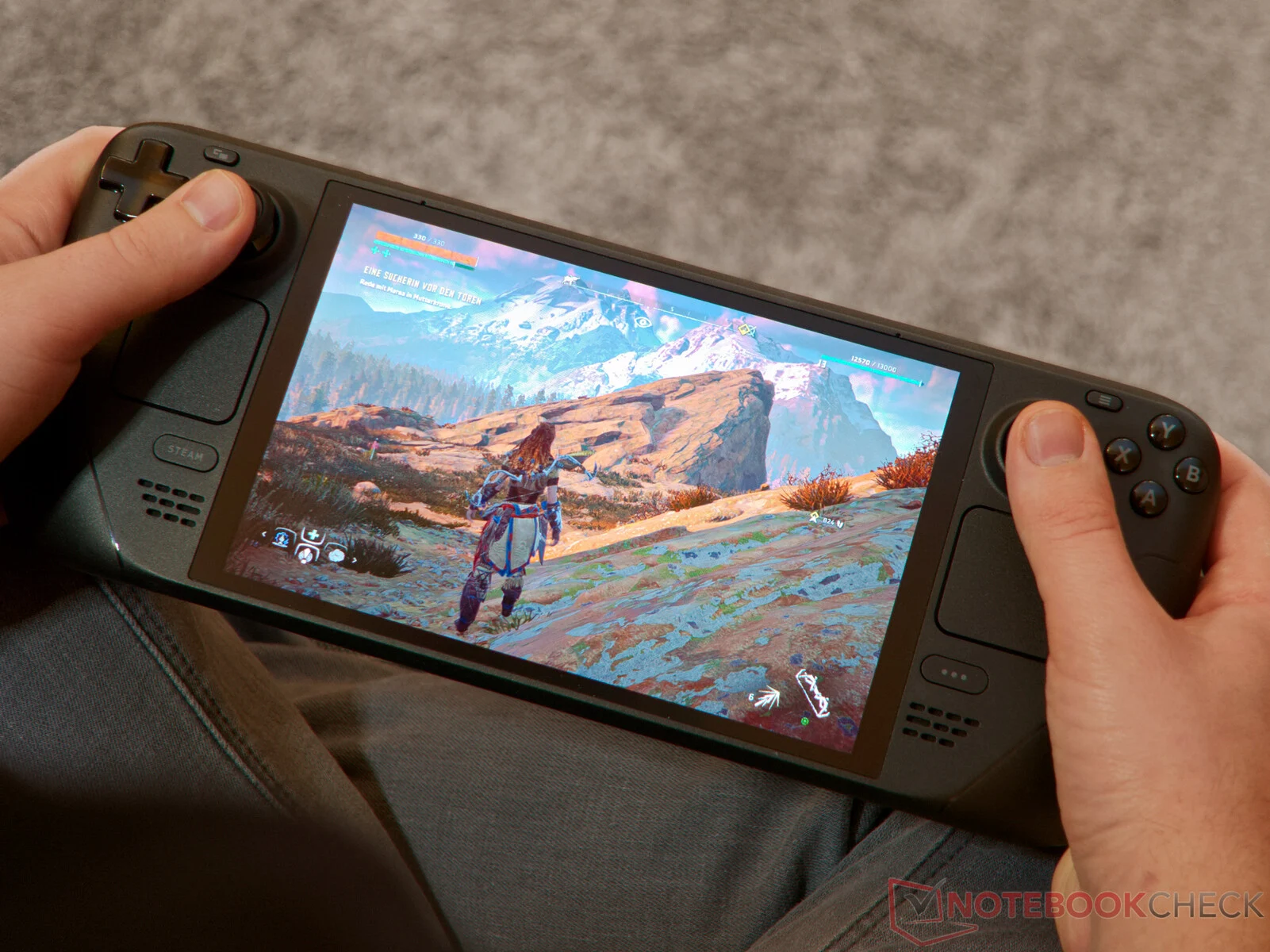
    This trend is not shockin’, considering that consoles, controllers, and handheld devices were, for ages, thought to be incompatible with RTS games. Using analog sticks to select small units or buildings is tedious and frustrating, and many handhelds lack the necessary function keys. Even navigating menus was once difficult without proper controller support. But after these four years, Valve’s Steam Deck has proved these obstacles are now tackled. The device’s trackpads, four customizable back buttons, and individually programmable controls for each game make managing even complex RTS titles much more achievable.

    Playing RTS Games on the Steam Deck

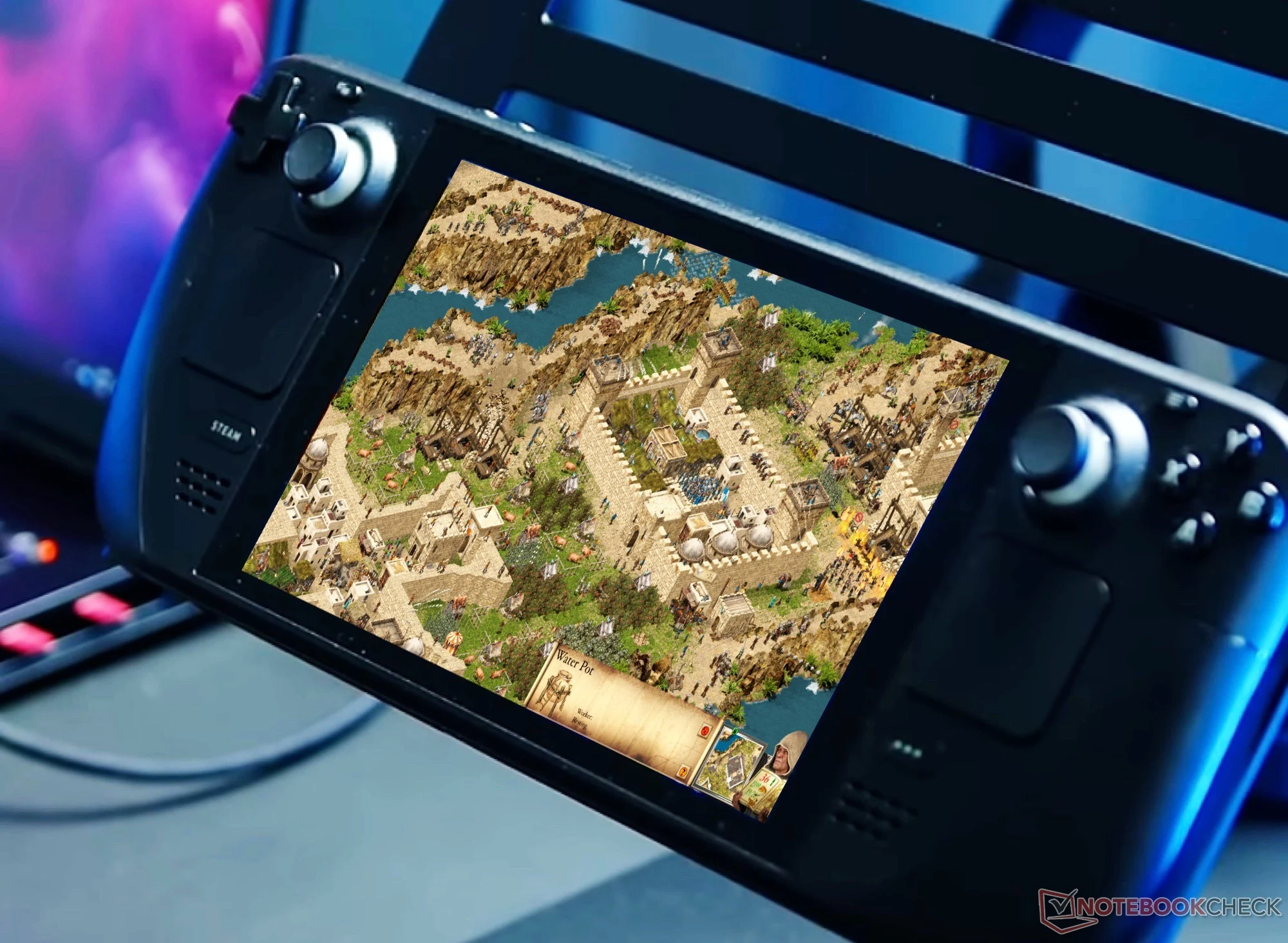
    Throughout 172 hours of trying, I managed to play Stronghold Crusader: Definitive Edition fully on the Steam Deck, completing all campaigns and experimenting with workshop content. The D-pad simplifies controlling game speed, which is vital because probably you’re a bit slower than usual when you play on portable. Shoulder buttons rotate the camera, triggers act as left and right mouse buttons, and the camera is maneuvered with an analog stick. The touchpad serves as a mouse, while the back buttons let you quickly select troop recruitment buildings.

    Extended RTS Experience

    From spending over 190 hours with Spellforce Platinum, 62 hours on Diplomacy is Not an Option, and 38 hours with Stellaris, I can confidently say that single-player RTS games run smooth on the Steam Deck. These experiences show it’s no longer just playable; it’s enjoyable and relaxing to play RTS games on the couch after a long workday instead of sitting in front of a PC.

    Comparison to Other Handhelds

    Other handheld consoles, like the Zotac Zone or Lenovo Legion Go, do feature trackpads as well, but those are neither as large nor as comfortable to use as those on the Steam Deck. Valve’s haptic feedback also enhances control, making in-game interactions more precise. Games like Frostpunk, which require less precision, or RTS titles with good controller support such as The Wandering Village, can also be controlled on other handhelds. But for someone passionate about strategy games, I truly recommend the Steam Deck for this genre.


    Sources