Tag: game development

  • Crimson Desert DLC and Switch 2 Port in Development by Pearl Abyss

    Crimson Desert DLC and Switch 2 Port in Development by Pearl Abyss

    Key Takeaway

    1. Pearl Abyss plans to expand Crimson Desert with DLC and platform releases, including potential Switch 2 support.
    2. The game has achieved significant revenue (~$179 million USD), primarily from North America and EU markets.
    3. Despite mixed reviews of its storyline, the development team remains committed, providing ongoing updates, content, and optimizations.

    Crimson Desert’s Ongoing Success and Future Plans

    Since its launch in March, Crimson Desert has been on the way to great success. Pearl Abyss has been busy improve the game by adding new features, fixing bugs, and taking lots of feedback from players to make it better. During their recent earnings call for the first quarter of 2026, they talked about what they achieved and what they plan for the future of the game.

    Plans for DLC and Expansion

    In the earnings presentation, under the section titled “New Pipelines and Growth Strategy,” the company clearly mentioned that they have plans to release DLCs. These downloadable contents are seen as a way to make the game even more exciting and to bring it to the next level. They said, “In addition, we are currently exploring various ways to broaden the game to the next level, including DLC.” This is good news since earlier, around March and April, DLCs hadn’t been a main focus for them. It shows Pearl Abyss thinks Crimson Desert is now ready to get more content added for players to enjoy.

    Potential Switch 2 Port and Market Expansion

    The company also has their eyes on reaching more players by possibly bringing Crimson Desert to other platforms, like the upcoming Switch 2. The earnings report states “platform expansion,” is a method they want to use to sell more copies and grow the game’s audience. The idea of a Switch 2 port isn’t completely new, as Pearl Abyss mentioned they started research and development shortly after the game’s original release. However, they pointed out that due to hardware limitations of the Switch 2, certain parts of the game might need to be adjusted or sacrificed to make it work on the new hardware.

    Financial Performance and Player Engagement

    By the end of Q1 2026, Crimson Desert earned approximately KRW 266.5 billion, which is about $179 million USD. The majority of this income comes from North America and Europe. Despite some criticisms regarding the game’s storyline, it has turned out to be a massive hit for Pearl Abyss. The developers remain committed, continuously offering regular updates, new content, and improving game performance, all to keep the players engaged and the game fresh.

    Sources
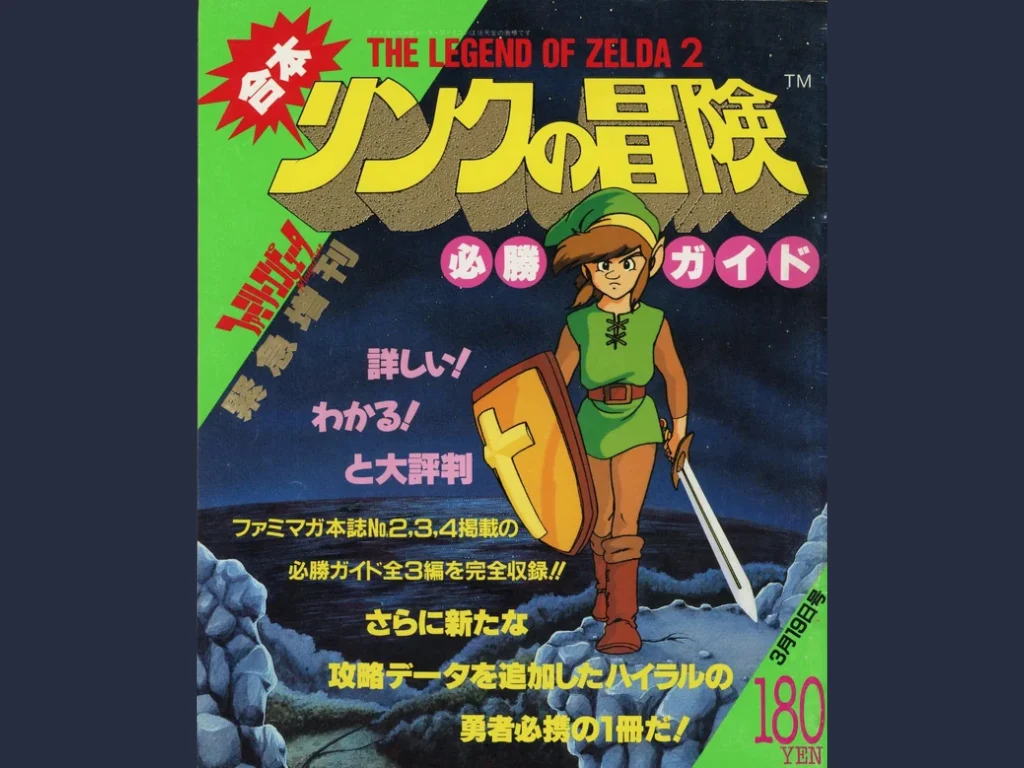
  • Miyamoto Calls Zelda II a “Sort of a Failure” in Recent Interview

    Miyamoto Calls Zelda II a “Sort of a Failure” in Recent Interview

    Key Takeaway

    1. Shigeru Miyamoto considers *Zelda II: The Adventure of Link* “sort of a failure” and views *A Link to the Past* as the true sequel to the original *Zelda*.
    2. Miyamoto acknowledges that *Zelda II* was developed by a different team and remained largely unchanged during development, contrasting with his typical iterative process.
    3. Despite its commercial success, *Zelda II* is often ranked lower in fan polls and considered less representative of the main series compared to other Zelda titles.

    Shigeru Miyamoto’s Perspective on Zelda series Evolution

    Miyamoto’s opinions on his own work are often a mix of pride and critique, which is rare among famous creators. His thoughts about Zelda II saying it was “sort of a failure” shows he’s not shy about being honest, even about his early projects which gained a lot of attention. The developer sees A Link to the Past as the true sequel to the original Zelda that came out in 1986, highlighting how he views the series’ evolution more critically. But some fans might look at Zelda II differently, seeing it as innovative as well as challenging.

    Details of the Original Game and Development Insight

    Back in 2003, Miyamoto openly discussed how Zelda II came to be. He shared that it was originally his idea, but another team actually developed the game. Unlike his usual process, where ideas keep evolving during development, Zelda II stayed pretty much the same from start to finish, which Miyamoto described as “a failure.” His honesty about the development process highlights how different it was compared to the main entries, which usually improve as they go along.

    Impact and Reception of Zelda II

    Zelda II, released in 1987 for the NES, tried to do something different after the massive success of the first game. It kept the overhead exploring style but added side-scrolling battles, RPG elements like experience points, leveling up, and magic spells. These changes divided the players – some loved the fresh approach, but others disliked the increased difficulty and different controls. Despite being a commercial success selling millions of copies, it’s often ranked low on fan polls compared to other Zelda games, possibly because of its challenging gameplay and stark departure from the original.

    Sources
  • Microsoft Plans to Retire Xbox Copilot AI Feature

    Microsoft Plans to Retire Xbox Copilot AI Feature

    Key Takeaway

    1. Xbox is winding down development of AI assistant features like Copilot on mobile and console, citing concerns over impact on gameplay and community feedback.
    2. The move suggests a shift towards prioritizing traditional gameplay experiences over AI-guided assistance that may diminish engagement.
    3. Microsoft’s renewed focus on gamer-first initiatives and improvements to Windows 11 indicate a strategic emphasis on strengthening Xbox and PC gaming platforms.

    The Introduction of AI Assist Features in Modern Gaming

    One feature that many folks find kinda controversial but most are not really talking about openly is the AI assistant stuff being added into games. Xbox Gaming Copilot on PC, mobile, and consoles is the prime example of this. The little bit of drama around it comes from single-player games where an AI might help you solve a puzzles quicker than you could do on your own, or even worse, copy answers from guides online that might do the same thing. Communities that focus on FAQs and walkthroughs didn’t really like this because it could make their resources less valuable.!

    Xbox’s Decision to Discontinue Copilot

    Even though the reaction to Copilot was kinda mixed, the folks at Xbox who own the studios decided to act. The new Xbox CEO, Asha Sharma, even came out and said that they are going to faze out Copilot first on mobile and then completely stop working on it for the consoles. This move was seen as a good one by many, as it helps keep the game experience more fair and fun for players who want to figure things out on their own. While there’s no word about the PC version of the feature, many see this as a positive step forward for gaming integrity.

    The Future of AI and Gaming Enhancement

    Using AI to assist can sometimes spoil the experience and take away some of the challenges that make gaming fun. When players use AI guides for something they couldn’t have gotten past without help, it might hurt the overall enjoyment of the game. Plus, if AI makes walkthrough sites obsolete, those communities might suffer. Therefore, moving away from AI helpers in certain areas seems like a practical and smart decision for Xbox, especially since they are making lots of other changes lately intended to improve the gaming experience for all.

    Xbox’s Position and Future Prospects

    It’s still early days to tell whether Xbox will bounce back to rival PlayStation 6, but their recent efforts show they reallly care about gamers. Microsoft is investing a lot into fresh updates for Windows 11 geared at gaming and launching new initiatives like Project Helix, which promises a ton of new game releases. These moves provide hope that Xbox and PC gaming might get better and more exciting, more than the down phase seen in the Xbox One to Series X transition. Things are looking slightly better for Xbox gamers now.

    Sources
  • Xbox Might Sacrifice Profits to Promote Play Anywhere Over Steam or PlayStation

    Xbox Might Sacrifice Profits to Promote Play Anywhere Over Steam or PlayStation

    Key Takeaway

    1. Microsoft is offering increased revenue shares to encourage developers to optimize and publish games on the Windows Store, including via Xbox Play Anywhere.
    2. The company faces challenges convincing developers to favor its marketplace over Steam and the PlayStation Store due to existing preferences and platform differences.
    3. Xbox Play Anywhere is seen as a strategic move to support Project Helix, a hybrid Windows-based system, with a goal of broad compatibility across devices, though competition remains strong.
    4. Despite having over 1000 Play Anywhere titles, Microsoft’s market share remains limited compared to Steam and Sony, with developer hesitation about managing cross-platform features being a barrier.

    Microsoft’s Strategy to Boost Xbox Play Anywhere Adoption

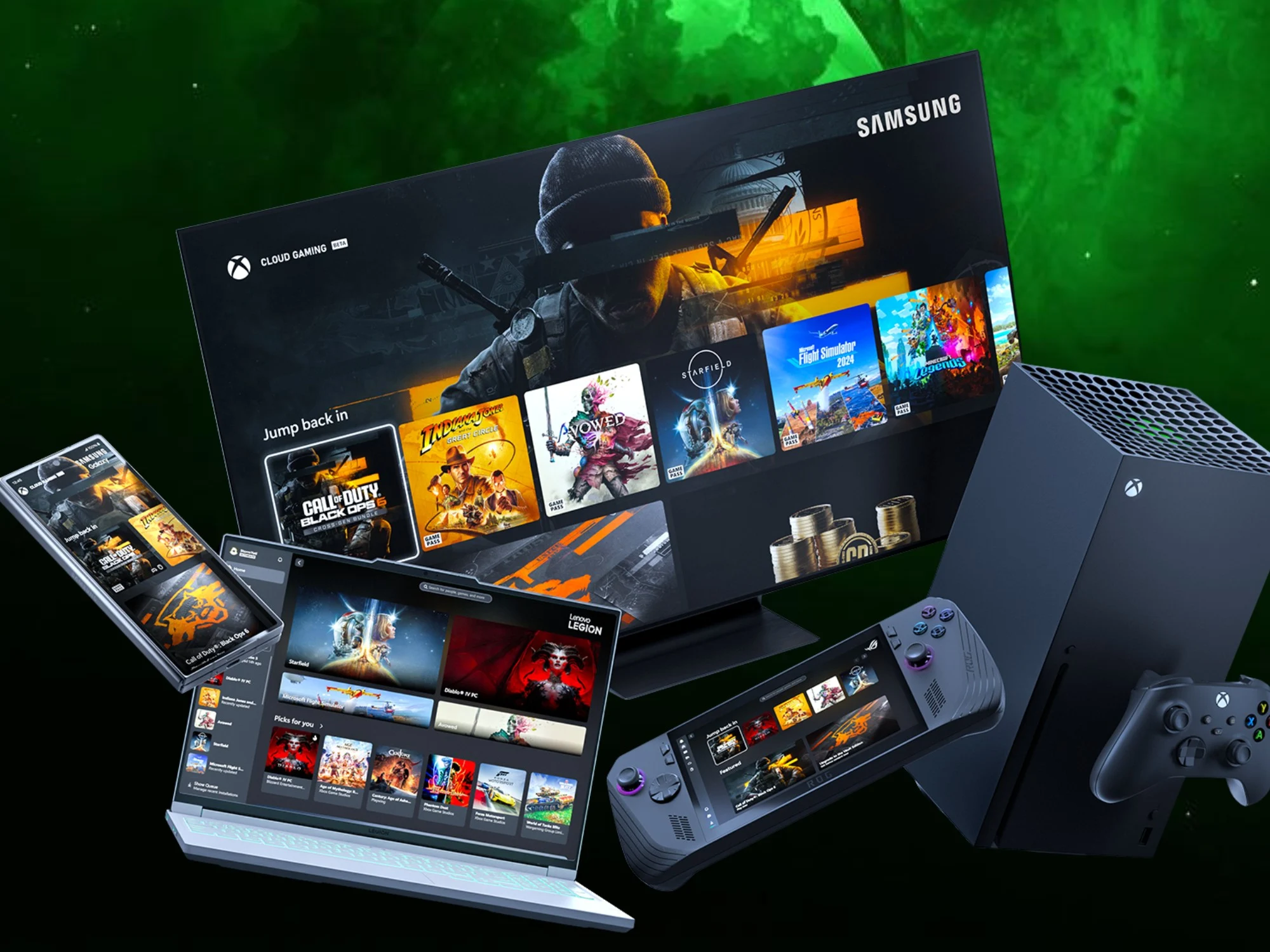
    Microsoft is trying to make the Xbox Play Anywhere feature more attractive to game developers. They are now offer more profit share to studios that release games compatible with both Xbox and Windows. This is in response to the flat sales of the ROG Xbox Ally, a portable gaming device, which has made the company look for ways to enhance the ecosystem. The new deal offers a higher revenue share for the first million in sales through the Windows Store, hoping to encourage more developers to optimize their titles for Windows handheld devices.

    Market Challenges and Developer Hesitations

    From what insider Moore’s Law Is Dead has learned, there’s a concern that many game creators prefer other platforms like Steam or the PlayStation Store to reach their audiences. These platforms have loyal users and are seen as more appealing for publishing upcoming titles. Without convincing these skeptics, the success of the new Xbox console might be in question, as developers are hesitant to commit unless there’s a clear benefit. The push for more cross-platform titles seems to be part of a broader strategy to unify the gaming experience across devices.

    Upcoming Projects and Compatibility Plans

    Looking ahead, Microsoft appears to laying a stronger foundation for Project Helix, a new gaming system expected to run on a customized version of Windows. Although details are still emerging, Xbox Play Anywhere will continue to be involved. The set-up at GDC 2026 suggests that developers may have the option to code exclusively for Helix, offering minimal extra work for PC compatibility but without making it obligatory. The goal is to make games accessible on Helix, portable gaming PCs, and other Windows devices, while keeping the door open for competitors like Steam and Sony’s PS Store.

    Potential Industry Impacts and Developer Concerns

    • Microsoft’s eagerness to bring publishers into its store may come at a cost, as it might reduce earnings or scare some developers away.
    • Even with over 1,000 Play Anywhere titles, this number remains small compared to the vast libraries on Steam and PlayStation. This limited selection, combined with the extra effort to support multiple versions of games, can scare developers from fully committing to the initiative.
    • Furthermore, maintaining different versions for multiple platforms with unique features could be a daunting task, leading to hesitation among developers to take full advantage of the cross-platform strategy.

    All in all, Microsoft’s initiatives show a clear effort to strengthen its gaming ecosystem, but success depends on overcoming the considerable hurdles relating to developer preferences and market competition.

    Sources
  • Gabe Newell Left Portal 2 After Developer Feedback Issues

    Gabe Newell Left Portal 2 After Developer Feedback Issues

    Key Takeaway

    1. Gabe Newell values being hands-on and collaborative but faced challenges in actively participating in game development due to his leadership position.
    2. His imposing demeanor sometimes hindered open disagreement from team members, leading him to step back from direct involvement.
    3. Over time, Newell recognized the importance of allowing teams to follow their creative vision, delegating decisions while still showing support and concern for team members.

    Gabe Newell’s Journey in Gaming

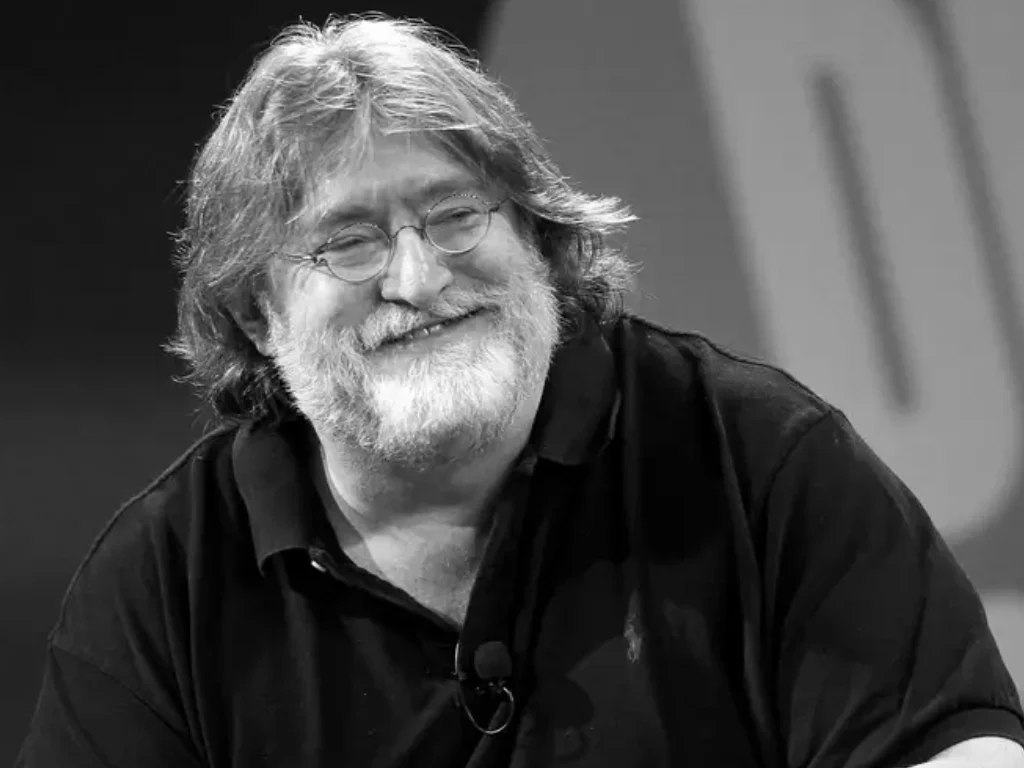
    Gabe Newell, famous for creating Half-Life and the gaming platform Steam, is one of the most succesful personalities in the gaming industry. Despite his success, he also faced challenges in his career. A recent interview has revealed that after Portal 2, he decided to leave game developement because he couldn’t find team members willing to oppose his ideas. The story was shared by Portal 2’s lead designer, Josh Weier, on Kiwi Talkz about four years ago. He remembered that Newell loved working closely with his team and brainstorming new ideas. But as the co-founder and president of Valve, his role made this difficult sometimes.

    Gabe’s Leadership Style and Team Dynamics

    Weier mentioned, “He always wanted to be part of the team, but being Gabe and in his position, that just didn’t work out. People would just accept what he said, but he wanted to contribute ideas and be involved.” He added that this made it hard for people to say no to him. According to Weier, “If you haven’t met him, Gabe is a very tall and imposing guy, his mannerisms can make him seem even more intimidating. When I was about 20, working on Half-Life 2, and he took me out for lunch to discuss ideas, I was pretty nervous, calling him ‘Mr. Newell!’”

    His Realization and Changing Approach

    Looking back, Weier shared a laugh and said, “I was totally freaking out, but as time went on, Gabe realized that he should let the game teams do their work. So, he started to observe more and give feedback without overriding everything.” This shift was noticeable during the development of Portal 2. The team wanted to redesign GLaDOS to make her more prominent, but Newell had his views on her appearance. The developers argued with him for a while about the new design, but eventually, he allowed them to continue with their vision. Weier explained, “We debated with him for some time, then he said, ‘Alright, you guys know what you’re doing. I trust you.’ After that, he would check in personally, asking how we were doing and if we were stressed.”

    Sources
  • Eidos Montreal Cancels $100M+ Game After 7 Years in Development

    Eidos Montreal Cancels $100M+ Game After 7 Years in Development

    Key Takeaway

    1. Eidos Montreal laid off 124 employees due to the cancellation of the nearly seven-year, multi-million dollar project ‘Wildlands.’
    2. ‘Wildlands’ was close to completion, in the debugging phase, and set to release later this year, making its cancellation unexpected.
    3. The game’s development faced challenges, including multiple engine changes and narrative uncertainties, leading to its significant budget overruns and the cancellation of other projects like a new Deus Ex installment.
    4. Footage described of ‘Wildlands’ resembled another canceled game, WiLD, featuring open-world, mythical themes, but remains unreleased publicly.

    Recent layoffs at Eidos Montreal spark concerns around their game development strategies

    Recently, Eidos Montreal has announced another round of layoffs, citing “changing project needs.” This move resulted in the dismissal of 124 employees, highlighting recent struggles within the studio. The reason behind this decision was linked to the cancelation of a massive project that had been on the studio’s table for about seven years and involved costs reaching into the nine-figure range.

    Background of the ‘Wildlands’ project

    This ambitious project was named ‘Wildlands’ and, according to sources cited by Insider Gaming, has been in the works since 2019. Throughout its development, the game underwent numerous shifts, including switching between four different game engines. Teams at the studio faced ongoing challenges to keep the project on track, especially when trying to settle on a compelling narrative direction. The budget surpassed one hundred million dollars, leading to the cancellation of other in-progress titles, including a new installment for the well-known Deus Ex franchise.

    Development status and unexpected cancellation

    Even though the game was nearing its completion stage and was reportedly in the debugging phase, its sudden cancellation comes as a surprise to many. The game was expected to be released later this year, which makes the decision to scrap it quite unexpected. The setback reflects the unpredictable nature of high-budget game development, especially when project scopes expand beyond initial plans.

    Imagery and gameplay details

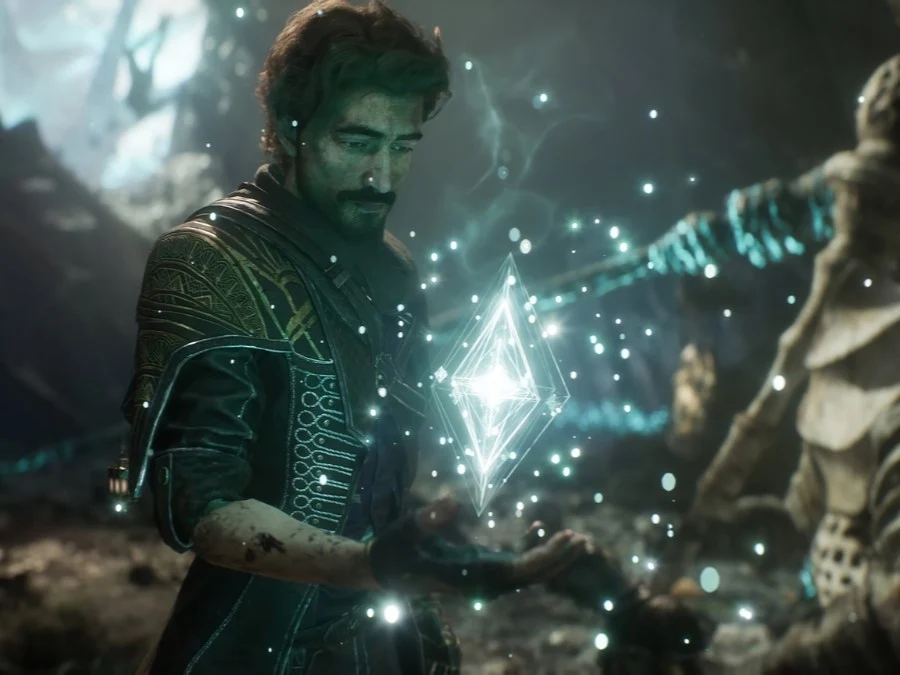
    Footage of ‘Wildlands’ allegedly showcased an open-world, third-person action adventure. The visuals bore a resemblance to another canceled game, WiLD by Wild Sheep Studio. In the game, players followed River, a teen from the group named Spiritbounds, who could harness magic and ride mythical creatures. Sadly, Insider Gaming reports that they cannot share the footage publicly, as their source prefers to keep it discreet.

    • Cost of the project: Over $100 million
    • Development duration: About 7 years
    • Number of layoffs: 124 employees
    • Game status before cancelation: Near completion, in debugging phase
    Sources
  • The Last of Us Part 3 Teased by Creator: What We Know

    The Last of Us Part 3 Teased by Creator: What We Know

    Key Takeaway

    1. Neil Druckmann may be hinting at the development of The Last of Us Part III through a social media post referencing “a few stops that remain” on the journey.
    2. There is no official confirmation or detailed update about the next installment, but fans speculate that a reveal or teaser could occur later this year.
    3. The franchise has expanded with two seasons of a TV show and multiple projects, but the focus for Druckmann appears to be shifting back toward the next game.

    Big News from Neil Druckmann about the Future of The Last of Us

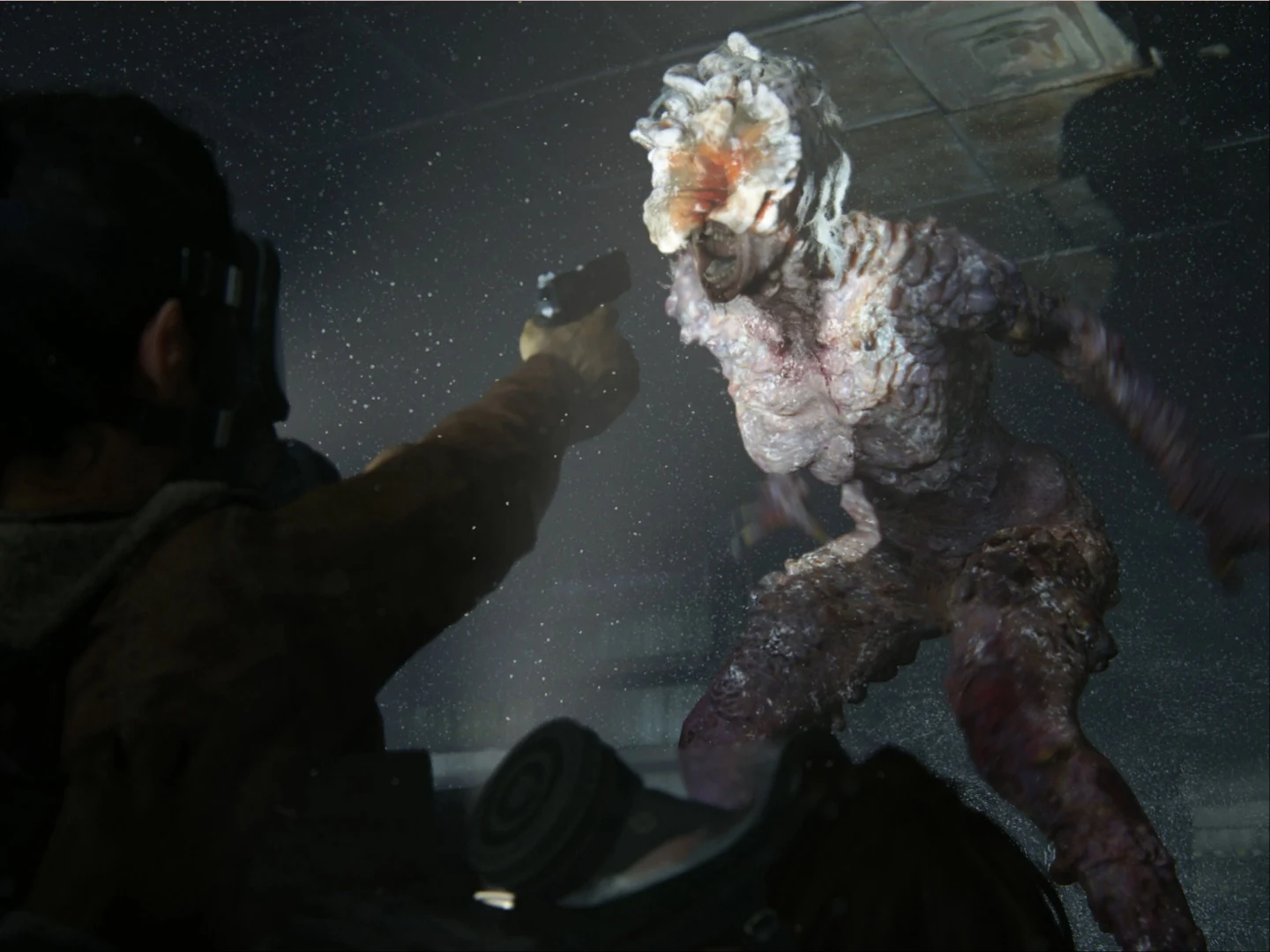
    Nearly six years have passed since The Last of Us Part II was released, and now even the remastered version is getting old at over two years. Fans have always wondered if a third part will ever come, but there has never been an official statement to confirm it. Interestingly, the head of Naughty Dog, Neil Druckmann, seems to give a hint that some sort of new development is happening for the beloved franchise.

    The Artist’s New Clue

    Neil shared a post on Instagram showing early concept art from 2003 for what would later become The Last of Us series. Those doodles finally turned into a game released in 2013 exclusively for PlayStation 3. Fast forward seven years and the sequel, Part II, was released to much fan acclaim. Despite the ongoing projects, including two seasons of a TV show inspired by the game, the studio hasn’t announced any plans for a third game. However, Druckmann’s recent post seems to suggest that a new installment could be on the way.

    The Meaning Behind the Post

    The post reads, “Been a wild journey. Grateful for every part of it, especially the few stops that remain on the road ahead.” Fans interpret “few stops” as a teasing hint about the upcoming game, implying there’s more to come. While it’s not a direct announcement, some believe this could be a veiled message that the next part is being worked on. The phrase might also refer to the third season of the TV adaptation, yet Druckmann’s reduced involvement with the show could mean he’s focusing on finishing or starting the next game.

    What Could Be Next for Fans?

    Although nothing definite has been revealed, many hope for either a teaser or formal reveal soon. Speculation suggests that, considering it will be seven years since Part II’s launch in 2020, an official announcement might drop later this year. Fans are eager to see if the next chapter will continue Ellie and Joel’s story or take a new direction altogether. Whatever the case, all eyes are on Druckmann for more clues about the future of The Last of Us franchise.

    Sources
  • Steam Requires Developers to Disclose In-Game AI Features

    Steam Requires Developers to Disclose In-Game AI Features

    Key Takeaways

    1. Steam’s AI disclosure form now focuses on visible AI-generated content rather than behind-the-scenes AI tools for efficiency.
    2. Developers must indicate if generative AI is used to create game content, including art, audio, narratives, and promotional materials.
    3. A public note explaining the use of generative AI will be displayed on the game’s Steam store page in the “About This Game” section.
    4. Developers must disclose if their game generates AI content during gameplay, which requires additional precautions to manage.
    5. Valve emphasizes the responsibility of developers to prevent inappropriate or illegal AI-generated content, with potential consequences for non-compliance.


    Valve has subtly revised the AI disclosure form for Steam, making it more straightforward concerning what types of AI usage developers need to report on their store pages. The main emphasis of this disclosure is not on how AI enhances development efficiency, but rather on AI-generated content that players can see, hear, or engage with.

    Key Changes in AI Disclosure

    The most significant update is that Steam is now clearly stating that it does not care about AI tools that operate behind the scenes for improving efficiency, such as coding assistants or development applications that use AI in the background. Instead, the new form places its focus on two specific categories of AI usage that developers are required to disclose.

    Generative AI in Game Content

    Firstly, developers must indicate whether generative AI is utilized to produce content that is included with the game. This can encompass items like artwork, audio, narrative elements, localization, descriptions for the store page, or even promotional materials. If a game incorporates AI in this manner, developers must provide a brief note explaining its usage. This note will be publicly displayed on the game’s Steam store page in the “About This Game” section and can be modified whenever needed.

    AI Content During Gameplay

    Secondly, Steam requests that developers disclose if their game generates AI content during gameplay. This is relevant for games that dynamically create images, sounds, text, or other types of content while players are engaged. Since this content cannot be fully reviewed beforehand, Valve emphasizes that developers have added responsibility to implement appropriate safeguards.

    Valve also clarifies that developers must take measures to stop inappropriate or illegal AI-generated content from reaching players. Steam will provide tools allowing players to report issues through the Steam Overlay, but if developers do not effectively manage these systems, their game might be removed from the store.

    Source:
    Link


  • Clair Obscur: Expedition 33 Team Claims Double the Work Done

    Clair Obscur: Expedition 33 Team Claims Double the Work Done

    Key Takeaways

    1. Surprising Success: “Clair Obscur: Expedition 33” became a standout title of 2025, winning multiple awards and receiving acclaim for its immersive design and storytelling.

    2. Youthful Development Team: The studio, Sandfall Interactive, employed a young and inexperienced team, which contributed fresh ideas and perspectives to the project.

    3. Budget Constraints: The decision to hire younger developers was influenced by budget limitations, making it essential to bring in talent without prior expectations or negative habits.

    4. Increased Workload: The team’s innovative approach resulted in a heavier workload, as they had to create and test systems from scratch, facing challenges they had not encountered before.

    5. Collaboration for Growth: The producer emphasized the importance of collaborating with other studios to share ideas and incorporate best practices, enhancing the team’s development process.


    Clair Obscur: Expedition 33 emerged as one of the standout titles of 2025, catching many by surprise with its success. It garnered several awards at various events and received high praise for its immersive world design, compelling storytelling, engaging combat mechanics, and well-developed characters. The game made quite an impact, especially considering it was the studio’s first project. Yet, behind this triumph was a development journey that required much more effort than what is typical.

    Fresh Faces in Development

    Michel Nohra, the lead designer at Sandfall Interactive, recently shared insights with Edge Magazine about the youthful and relatively inexperienced team at the studio. He mentioned that these developers entered without preconceived notions about studio operations or game development. Their fresh viewpoints ultimately proved to be invaluable to the project.

    “The younger staff didn’t have any expectations about how a studio should be run and how a game should be made, and they brought fresh ideas that were very valuable for the rest of the project,” Nohra explained.

    A Necessary Strategy

    Nohra also emphasized that the decision to hire a younger team wasn’t purely voluntary. In the early stages of development, Sandfall Interactive lacked the budget to recruit many seasoned developers, making it essential to bring in younger talent. Nevertheless, he feels this choice was beneficial, as hiring younger developers positively impacted the project.

    Francois Meurisse, the game’s producer, added that the youthful composition of the team meant that no one arrived with negative habits learned from earlier experiences at other studios. Instead, everyone was on a shared learning journey, developing systems together and progressing at a uniform pace.

    Challenges of Innovation

    However, Meurisse did highlight a significant downside. Since the team was innovating and crafting numerous systems from the ground up, their workload was notably heavier than what a more experienced team might face. Each aspect had to be thoroughly researched, tested, and fine-tuned, as they were confronting challenges on a scale they had not previously encountered.

    “We were trying to create something new, and even new skills, from scratch.” He further added, “I’d say we basically did twice the work, because we were doing things for the first time to that scale.”

    Meurisse also mentioned that he invested considerable time collaborating with other studios in France, particularly in Montpellier, which is known for its concentration of game developers. He noted that sharing ideas and gaining insights from others enabled the team to grasp best practices and implement them effectively.

    Source:
    Link


  • Masahiro Sakurai: AAA Teams Make Game Development Frustrating

    Masahiro Sakurai: AAA Teams Make Game Development Frustrating

    Key Takeaways

    1. Masahiro Sakurai finds it frustrating to work in large teams due to the difficulty in recognizing individual contributions.
    2. He feels more fulfilled working alone, as it allows him to see the direct results of his efforts.
    3. Collaboration in big teams can lead to dissatisfaction, especially when discussing artistic styles and decisions.
    4. The sense of personal achievement diminishes as team sizes grow, making it harder to feel a connection to the final product.
    5. Sakurai expresses concerns about the sustainability of large AAA projects, suggesting that advancements like GenAI may be needed to manage resources and time effectively.


    Super Smash Bros. and Kirby creator, Masahiro Sakurai, has recently expressed his thoughts about the challenges of working on large games with many developers. He finds this process “really frustrating” because he believes that some work clearly showcases individual results, while other work does not.

    Individual Contributions

    Sakurai points out that when working in big teams, it becomes hard to see the contributions of individual developers. He feels a greater sense of fulfillment when he works alone rather than being part of a group. In a recent interview with the Japanese news outlet 47NEWS, he reflected on his extensive career in the video game industry, which began back in the early ’90s when games were typically created by smaller teams.

    The Satisfaction of Individual Work

    During the interview, he was asked about what he enjoys about being a game developer, and he shared a straightforward answer:

    He mentioned that it is very gratifying to witness the outcomes of your own labor. This satisfaction is often missing when collaborating with others, leading to frustration. For instance, when a pixel artist independently creates a piece, they can complete it on their own. However, when overseeing a team, it becomes challenging as discussions about the appropriate style of pixel art are needed.

    The Shift in Development Dynamics

    Sakurai believes that the larger the development team, the more difficult it becomes to feel a personal sense of achievement. He elaborated during the interview:

    It seems like this struggle is worsening with the rise of large-scale games. The number of staff is rapidly growing into the hundreds. The fulfillment from creating something on your own is not the same as what you feel when part of a group. The expectations of what one should do are also evolving.

    Over the years, the number of developers involved in Sakurai’s own games has changed significantly. For instance, his 1992 title, Kirby’s Dream Land, was developed by only 14 people, while the more recent Kirby and the Forgotten Land featured hundreds of developers credited.

    Concerns About AAA Projects

    This isn’t the first occasion Sakurai has raised alarms about the growing size of AAA projects. He has described this trend as unsustainable in terms of time and resources. In July 2025, he remarked that the outlook for large productions appears “dark,” hinting that GenAI may be necessary to keep projects feasible.

    Source:
    Link