Tag: memory crisis

  • Apple Confirms Mac Price Hike Due to Sky-High Memory Costs and Mac Shortages

    Apple Confirms Mac Price Hike Due to Sky-High Memory Costs and Mac Shortages

    Key Takeaway

    1. Supply-demand imbalance and a surge in AI-related demand are causing significant shortages and unavailability of Mac mini and Mac Studio.
    2. Global memory shortages, driven by AI server needs, are increasing memory costs and impacting product availability and pricing.
    3. Apple anticipates higher memory costs starting in the June quarter, which could lead to increased prices for high-performance Macs and other hardware.
    4. The broader hardware industry, including brands like Dell and Lenovo, is also experiencing price hikes due to the memory shortage.

    Supply Issues Hit Apple’s Product Line

    In recent news from Apple’s Q2 2026 earnings call, it’s clear that getting hold of their desktop lineup like the Mac mini and Mac Studio has been tough. CEO Tim Cook said that the supply and demand are still “several months” apart being balanced out. The unexpected jump in demand, especially from folks wanting Macs for artificial intelligence work, is causing quite a stir.

    Market Response and Availability

    The reaction from the market has been so strong that the basic Mac mini is now marked as “unavailable” on Apple’s official site. Additionally, Apple has stopped selling the 512GB RAM versions of the Mac Studio completely. The scarcity is a big change from previous availability, leaving many potential buyers in a lurch. The situation is driving home just how high the demand for high-end Macs really is.

    Global Memory Crisis Impact

    But the problem isn’t just about how popular Macs are—it’s tied to a larger global memory crisis. Because AI server demand dominates the chip production, the costs for memory components are soaring. This has caused a ripple effect across tech manufacturing. When companies like Apple see these cost pressures, they warn that higher expenses for memory are inevitable, starting from the June business quarter.

    Implications for Consumers and Industry

    To handle this, Apple is exploring various options to reduce the impact of rising costs. Still, the message is loud and clear: anyone in need of powerful Apple Silicon for AI projects will face longer wait times and possibly higher prices. The wider tech industry also feels the pinch. Well-known brands like Dell and Lenovo are already preparing for increased prices, as leading memory chip makers such as Samsung and SK Hynix prioritize AI server chips over regular consumer RAM. Smaller companies like Framework are also adjusting, hinting that budget-friendly laptops might become a thing of the past in the Windows segment too.

    Sources
  • Lenovo Legion Go 2 Price Hikes to $2,000

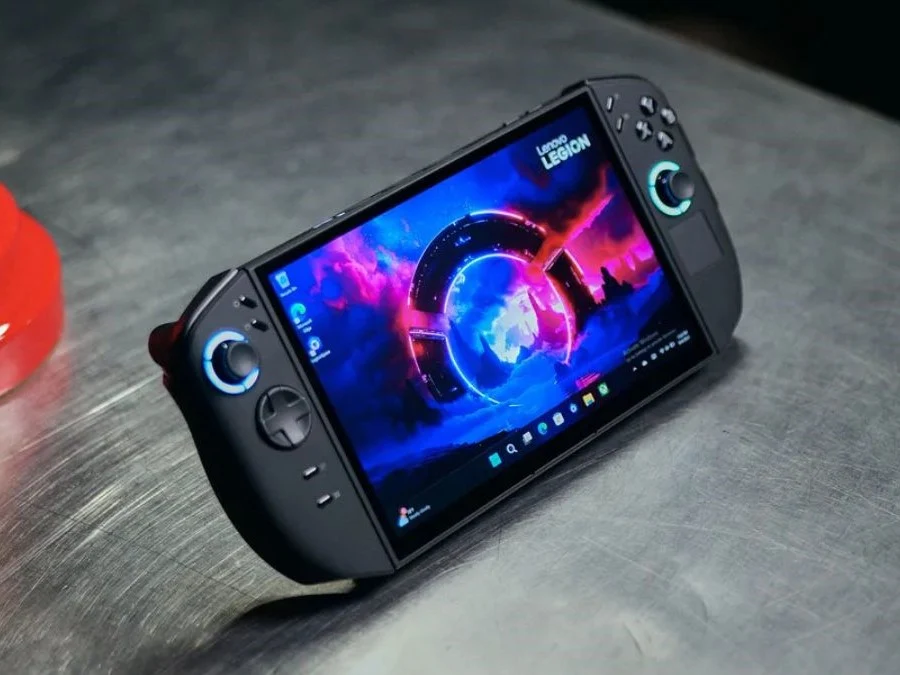
    Lenovo Legion Go 2 Price Hikes to $2,000

    Key Takeaway

    1. The Legion Go 2’s price has increased from $1,350 to $2,000 since its launch.
    2. Retailers like Best Buy and B&H are showing different prices, with the current market trend indicating ongoing price hikes.
    3. The main factor driving these price increases is the global memory shortage caused by high demand for AI data centers.

    Recent Information About Legion Go 2 Pricing

    So, the Legion Go 2 first appeared last September, priced at $1,350 for the Ryzen Z2 Extreme model. Since its debut, its cost has been getting higher and higher, and now its latest price is a hefty $2,000. Crazy, isn’t it?

    Retail Price Changes and Availability

    If you look at Best Buy, you’ll see that the device is listed at $1,999. That’s a large $150 increase from their previous listing of $1,850, and a shocking $650 jump from the original sticker price of $1,350. Right now, it’s marked as “unavailable,” and no one knows just yet when it will be back on the shelves. The retailer has not given any update about restocks.

    Other Retailers and Future Price Expectation

    B&H is still selling the device for $1,849.99, but this might just be leftovers from previous stock. Once they run out and new inventory arrives, the price might go up there also, just like at Best Buy. The ongoing increase is primarily because of the stressed supply chain, especially the high costs for memory chips like RAM and storage due to increased demand from AI data centers, which has made it difficult for companies to keep prices stable. A lot of manufacturers are forced to hike prices or delay releasing new devices based on how the market conditions unfold.


    Sources

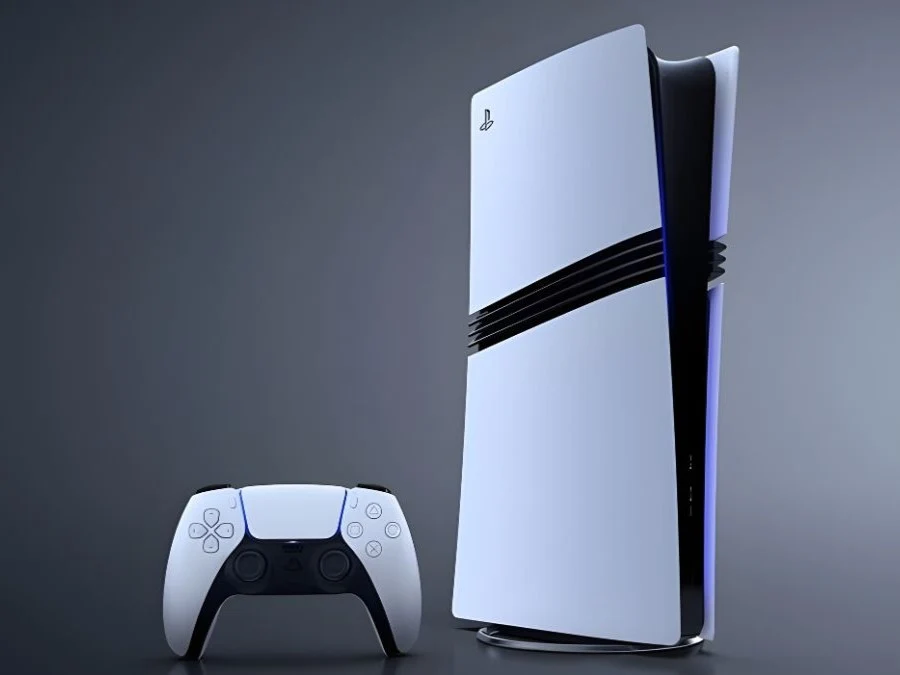
  • PS6 and PlayStation Handheld Set for Holiday 2027 Release

    PS6 and PlayStation Handheld Set for Holiday 2027 Release

    Key Takeaways

    1. The ongoing memory crisis is raising prices for memory parts, affecting tech companies and product launches.
    2. Sony plans to release the PS6 and a new handheld console by Holiday 2027, despite market challenges.
    3. Previous reports suggested potential delays for the next PlayStation until 2028 or 2029, but current information indicates otherwise.
    4. Industry experts believe delaying the console launch could cost Sony more than sticking to the planned schedule.
    5. Both Sony and Microsoft are reportedly maintaining their release timelines for the PS6, handheld, and Project Helix.


    The ongoing memory crisis has been impacting the tech world for quite a while now. The increasing prices of memory parts have led many companies to raise the costs of their products, and some have even postponed their upcoming devices to avoid releasing them in an unstable market. Yet, it seems that Sony’s plans for their next console are still on track as previously expected.

    Upcoming Console Plans

    A recent statement from industry insider KeplerL2 suggests that both the PS6 and Sony’s anticipated PlayStation handheld are aiming for a Holiday 2027 launch. This information was shared in a conversation on the NeoGAF forums, where the leaker noted that the release schedule hasn’t altered despite the challenging market conditions.

    Market Conditions vs. Launch Timelines

    This is particularly noteworthy since a prior report from Bloomberg mentioned that Sony might consider delaying the release of the next PlayStation console until 2028 or even 2029 due to the persistent memory shortage. Nevertheless, KeplerL2 asserts that both Sony and Microsoft are still targeting the same schedule for the PlayStation handheld, PS6, and Project Helix.

    Insights from Industry Experts

    This update aligns with earlier insights from Moore’s Law Is Dead, indicating that Sony is likely not to push the next PlayStation console too far into the future. Delaying the console could potentially cost the company more than launching it as planned. He stated that the console would “almost certainly” debut in 2027, with early 2028 being the farthest realistic timeframe, rather than 2029.

    KeplerL2 via NeoGAF

    Source:
    Link


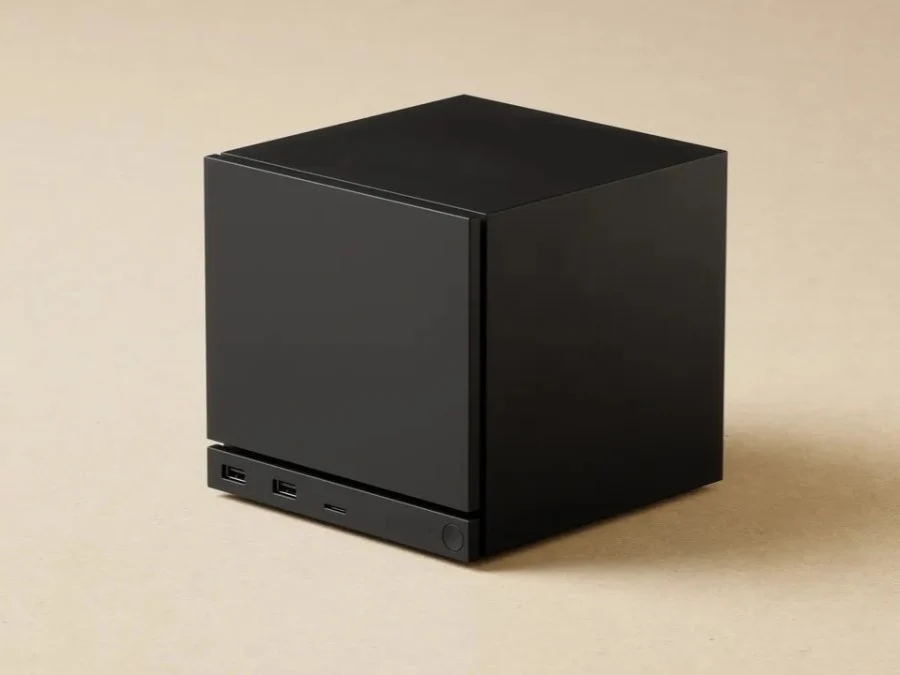
  • Valve Confirms Steam Machine Release on Track for Early 2026

    Valve Confirms Steam Machine Release on Track for Early 2026

    Key Takeaways

    1. The tech industry is experiencing a crisis in memory and storage due to high demand from artificial intelligence, leading to rising prices for PC hardware.
    2. Valve’s product release timeline for the Steam Machine, Steam Frame, and Steam Controller is still set for the first half of 2026, despite challenges.
    3. The company has not provided specific pricing or launch dates due to the unpredictable availability and costs of key components.
    4. Valve aims to avoid disadvantaging consumers by being cautious with pricing commitments amidst fluctuating memory and storage prices.
    5. The Steam community will receive regular updates as Valve continues to monitor the situation and develop its products.


    The tech industry is facing an increasing crisis related to memory and storage, which is largely fueled by the ongoing surge in artificial intelligence. The demand for memory chips and storage parts has caused prices to rise across the PC hardware sector, influencing everything from graphics cards to everyday gadgets. Despite these obstacles, Valve has announced that its objectives for the new devices, including the Steam Machine, Steam Frame, and Steam Controller, are still on track, a statement echoed by AMD’s CEO recently.

    Product Announcement Timeline

    Valve initially revealed these devices back in November of last year, but they did not disclose a specific date for their release. They mentioned that the products would be available sometime in the first half of 2026. While this timeline remains intact, Valve has shared the reasons behind the lack of specific pricing and launch information.

    In a recent update on Steam, the company acknowledged that it had hoped to finalize pricing and shipping timelines by now. However, the situation regarding the availability of memory and storage has deteriorated more quickly than anticipated.

    Challenges with Costs and Availability

    Valve clarified that the limited availability and rising prices for crucial components have complicated their ability to confirm exact pricing and launch dates, especially for the Steam Machine and Steam Frame. Nevertheless, the company emphasized that the overall release goal is still the same. They want to tread carefully when determining these specifics, particularly considering how swiftly memory and storage prices can fluctuate. Committing to prices too soon could potentially disadvantage consumers or necessitate future adjustments, which is something Valve aims to prevent.

    As per Valve’s statements, all three products are still set to be released in the first half of 2026. The company continues to work on establishing precise pricing and launch schedules and will provide updates when their plans are confirmed.

    Community Engagement

    Valve has reassured its community that they are actively monitoring the situation and will keep everyone informed. The Steam community can expect more news as the company moves forward with its product development.

    Source:
    Link