Tag: Lenovo

  • PC Market Growth Driven by Tariff Fears and DRAM Prices, Lenovo Leads

    PC Market Growth Driven by Tariff Fears and DRAM Prices, Lenovo Leads

    Key Takeaways

    1. The worldwide PC industry grew by 9.6% in Q4 2025, with an annual growth of 8.1%, totaling 284.7 million units sold.
    2. Key growth factors included the end of Windows 10 support, prompting upgrades, and uncertainties from US tariffs.
    3. Lenovo led the market with 70.8 million units sold and a 24.9% market share, followed by HP and Dell.
    4. The shortage of DRAM contributed to increased sales as consumers rushed to buy PCs before price hikes.
    5. Predictions for 2026 indicate potential volatility due to rising DRAM costs, affecting both prices and RAM availability for consumers.


    According to recent findings from the International Data Corporation (IDC), the worldwide PC industry saw a rise of 9.6% in the last quarter of 2025. Overall, the market experienced an annual growth of 8.1%, totaling 284.7 million units sold. This growth can be attributed mainly to two factors during the first half of the year: the conclusion of support for Windows 10, which led many users to upgrade their PCs, and the uncertainty caused by US tariffs.

    Market Trends

    As the year progressed, the shortage of DRAM became a key reason for the surge in sales; consumers aimed to secure PCs before anticipated price hikes made them less affordable. Lenovo continues to be the top PC maker globally, with 70.8 million units sold, achieving a market share of 24.9% and a growth rate of 14.5%.

    In second place is HP, with 57.5 million units sold, capturing a 20.2% share of the market. Dell follows in third with 41.1 million units sold and a 14.4% market share. Apple comes in fourth with 25.6 million Macs sold, making up 9.0% of the market, but the competition with Asus has tightened, as Asus sold 20.5 million PCs and holds a 7.2% market share.

    Future Predictions

    Looking ahead to 2026, IDC analysts foresee a period of considerable volatility. Rising costs of DRAM and a restricted supply of RAM chips might not only drive up prices but also result in laptops and desktops being sold with less RAM. While large corporations will have the advantage in negotiations with DRAM suppliers, individual consumers, especially those building their own PCs, may find themselves spending significantly more.

    Source:
    Link


  • Lenovo Yoga Slim 7i Ultra Aura: New 1100 Nit OLED Laptop

    Lenovo Yoga Slim 7i Ultra Aura: New 1100 Nit OLED Laptop

    Key Takeaways

    1. The Lenovo Yoga Slim 7i Ultra Aura Edition is now available for purchase, following its reveal at CES 2026.
    2. The laptop features a less powerful Core Ultra 7 355 processor with 8 cores and 4 Xe3 iGPUs, compared to the more powerful options available from Intel.
    3. Key specifications include a 75 Wh battery, 32 GB LPDDR5X RAM, and storage options of 1 TB or 2 TB, along with a 2.8K OLED display with a 120 Hz refresh rate.
    4. Pricing starts at £1,549 (~$2,086) for the 1 TB version, with the 2 TB version priced at £1,879 (~$2,531), including VAT.
    5. The laptop will be released on February 6, with Currys stating it will ship on January 27.


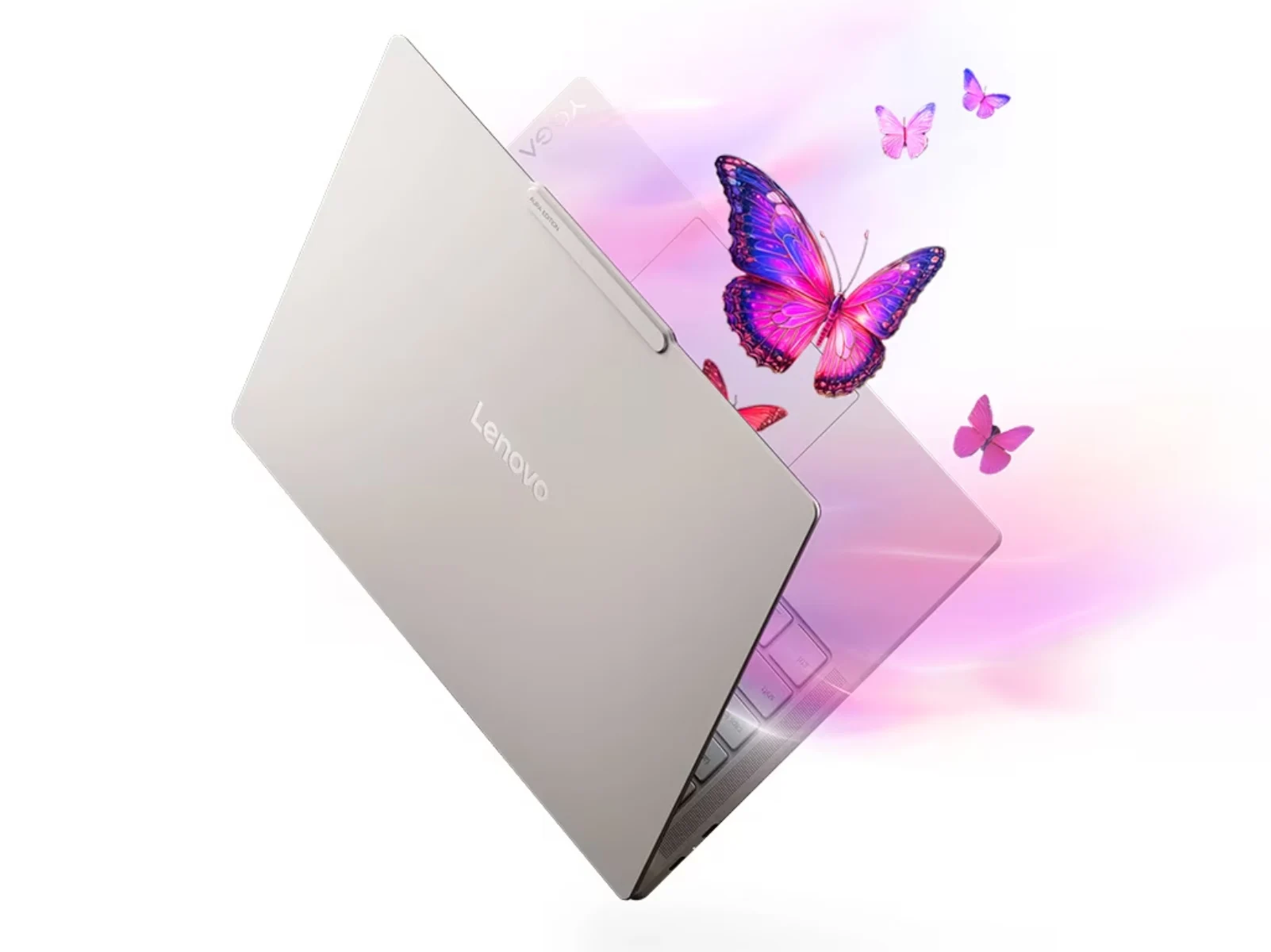
    Lenovo has officially begun selling the Yoga Slim 7i Ultra Aura Edition, just under a month after its initial reveal. To give some context, this laptop made its first appearance at CES 2026, where it was one of several Intel Panther Lake laptops showcased by the company in Las Vegas this year. Notably, this new model replaces the 14-inch Yoga Slim 7i Aura Edition with Lunar Lake (currently priced at $1,234 on Amazon) instead of its 15.3-inch counterpart that was launched a few months prior.

    Availability and Pricing

    When it was first announced, Lenovo didn’t share much about its availability or detailed pricing. Although the laptop is still marked as ‘coming soon’ in the US market, both Lenovo and Currys in the UK have already started making the device available for purchase. Even though the focus was on the Core Ultra X9 388H, Lenovo opted to launch the Yoga Slim 7i Aura Edition with the less powerful Core Ultra 7 355. This means the laptop is equipped with 8 processor cores (4+4) instead of the more powerful 16 (4+8+4), and it has 4 Xe3 iGPUs compared to 12 Xe3 cores that Intel promotes as the Arc B390.

    Specs and Features

    Aside from the processor options, the Yoga Slim 7i Aura Edition boasts a 75 Wh battery, 32 GB LPDDR5X RAM, and storage options of 1 TB or 2 TB using M.2 2242 format. Additionally, Lenovo includes a stunning 2.8K OLED display that offers a variable refresh rate of 120 Hz and peak brightness of 1,110 nits. It also covers 100% of the AdobeRGB and sRGB color spaces, all while being housed in a lightweight design weighing just 975 g and measuring 312 x 212 x 13.9 mm.

    Pricing Breakdown

    Currently, the Yoga Slim 7i Ultra Aura Edition starts at £1,549 (~$2,086) for the 1 TB storage option. Interestingly, Lenovo has set the price for the same configuration at £1,620 (~$2,182) and increased it to £1,879 (~$2,531) for the 2 TB version, which also includes a Windows 11 Pro license. Moreover, while Currys states that the Yoga Slim 7i Aura Edition will ship on January 27, Lenovo plans to release the laptop on February 6. It’s important to note that all the prices mentioned include VAT.

    Source:
    Link


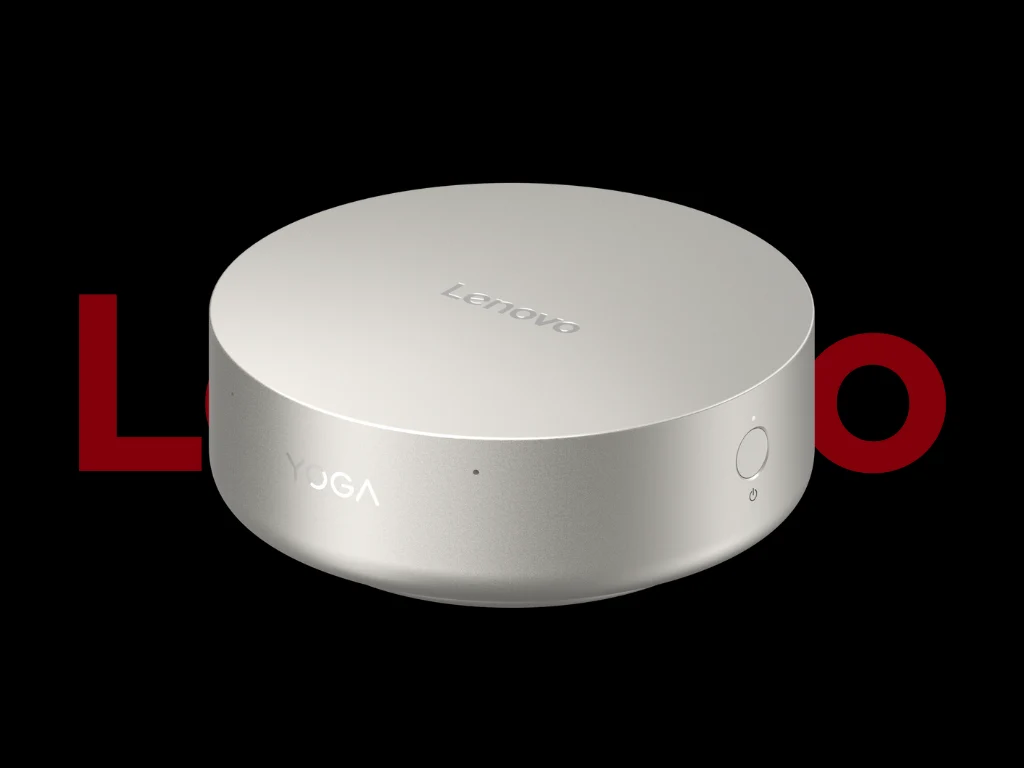
  • Lenovo Yoga Mini i: Compact Desktop PC with Intel Core Ultra X7

    Lenovo Yoga Mini i: Compact Desktop PC with Intel Core Ultra X7

    Key Takeaways

    1. Compact Design: The Yoga Mini i has a cylindrical aluminum casing, occupies 0.65 liters, and weighs about 600 grams, making it ideal for small spaces.

    2. Powerful Performance: It can be equipped with an Intel Core Ultra X7 358H processor, up to 32 GB of LPDDR5X RAM, and up to 2 TB of PCIe Gen 4 storage.

    3. AI-Driven Features: The device offers AI functionalities like real-time transcription, on-device summarization, and enhanced multitasking capabilities.

    4. Extensive Connectivity: It includes dual Thunderbolt 4 ports, multiple USB ports, HDMI 2.1, a 2.5G Ethernet port, and supports up to four high-resolution external displays.

    5. Advanced Wireless Support: The Yoga Mini i supports Wi-Fi 7 and Bluetooth 6.0, along with presence detection for automatic waking and basic notifications.


    At CES 2025, Lenovo is unveiling the Yoga Mini i, a small Windows 11 mini PC made for tight spaces like tiny offices, studios, and home work areas. The starting price for this device is set at $699.99, with plans to hit the market in June 2026.

    Design and Performance

    The Yoga Mini i features a cylindrical aluminum casing, occupying just 0.65 liters and weighing approximately 600 grams. Even though it’s compact, Lenovo claims it can be equipped with an Intel Core Ultra X7 358H processor, alongside up to 32 GB of LPDDR5X RAM and as much as 2 TB of PCIe Gen 4 storage.

    Graphics and AI Features

    For graphics, the device utilizes integrated Intel UMA. It is promoted as a Copilot+ PC, showcasing AI-driven functionalities like real-time transcription, on-device summarization, and enhanced multitasking for compatible applications, all without depending heavily on cloud services.

    Connectivity Options

    In terms of connectivity, the mini PC is fitted with dual Thunderbolt 4 ports, two USB-C 3.2 Gen 2 full-function ports, a USB-A port, an HDMI 2.1 TMDS, and a 2.5G Ethernet port. According to Lenovo, the device can manage up to four high-resolution external displays at once.

    In addition, it supports Wi-Fi 7 and Bluetooth 6.0 for wireless connections. The Yoga Mini i also includes presence detection through Wi-Fi sensing, allowing it to wake automatically and provide basic ambient notifications. Powering the device is a 100W USB-C adapter, and it comes in a stylish Seashell finish.

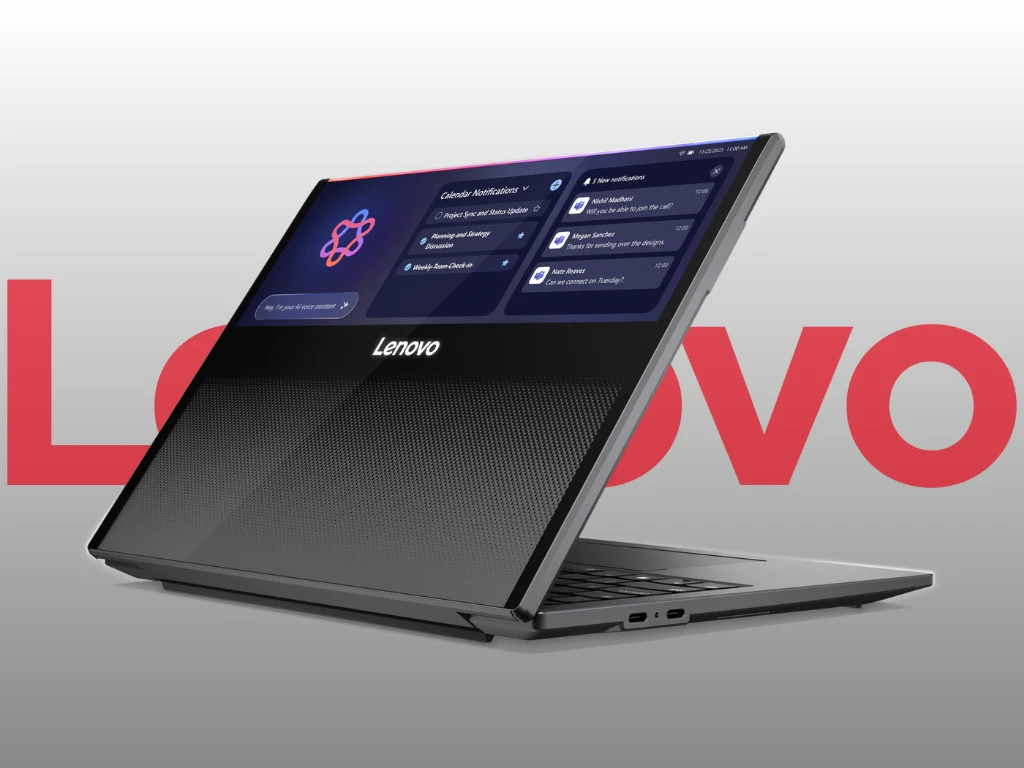
  • Lenovo Unveils ThinkPad Rollable XD: Concept with Adaptive Displays

    Lenovo Unveils ThinkPad Rollable XD: Concept with Adaptive Displays

    Key Takeaways

    1. Lenovo will showcase the ThinkPad Rollable XD as a proof-of-concept at CES 2026, focusing on adaptive hardware for flexible computing.
    2. The device features a rollable display that can extend vertically, enhancing workflows that require more vertical screen space while maintaining a compact size when closed.
    3. The ThinkPad Rollable XD is part of Lenovo’s research into context-sensitive form factors and is not intended for commercial release at this time.
    4. Lenovo continues to explore innovative display formats, building on past experiments with foldable and dual-screen prototypes.
    5. Details on specifications, pricing, and availability for the Rollable XD have not yet been provided, and durability testing of the rollable mechanism remains unclear.


    Lenovo has announced that it will present the ThinkPad Rollable XD as a proof-of-concept device at CES 2026, alongside its latest product lineup. This device marks Lenovo’s exploration into adaptive hardware that could enable more flexible and contextual computing in the future.

    Innovative Display Design

    According to the preview information, the ThinkPad Rollable XD Concept features a rollable display that extends vertically, allowing the screen size to adjust based on the user’s needs. This design aims to enhance workflows that benefit from additional vertical space, like document editing, coding, or multitasking, all while keeping the laptop’s size the same when it is closed.

    Research Focus

    Lenovo emphasizes that this device is part of its wider research into intelligent, context-sensitive form factors and is not intended as a commercial product at this time. Currently, no specifications, pricing, or details on availability have been released.

    Continued Exploration

    The concept aligns with Lenovo’s ongoing efforts to experiment with unique display formats, following previous foldable and dual-screen ThinkPad prototypes. Like those earlier initiatives, the Rollable XD’s primary aim is to showcase feasibility and ideas for user interaction. Lenovo has not clarified if the rollable mechanism has been tested for durability beyond concept showcases.

  • Lenovo May Delay Laptop Launches as Memory Prices Surge 45% in 2026

    Lenovo May Delay Laptop Launches as Memory Prices Surge 45% in 2026

    Key Takeaways

    1. Laptop manufacturers are facing rising memory prices, which could disrupt plans for new models at CES 2026.
    2. Companies are urgently securing DRAM supplies from major suppliers like Samsung, Micron, and SK Hynix to maintain prices.
    3. Projected increases in DDR5 RAM costs could reach 45% by the end of 2026, significantly impacting laptop manufacturing expenses.
    4. The AI sector’s demand for NAND memory is driving up SSD prices, contributing to overall cost pressures in laptop production.
    5. Some companies, like Maingear, are adapting by encouraging customers to provide their own memory modules, but this may not lead to substantial savings.


    CES 2026 is set to showcase a new wave of laptops for work and gaming from well-known brands like Lenovo and HP. However, the rising prices of memory could potentially disrupt their plans. A recent article in the Korean business paper, Chosun Biz, indicates that delays could be one of the solutions.

    Pricing Pressures

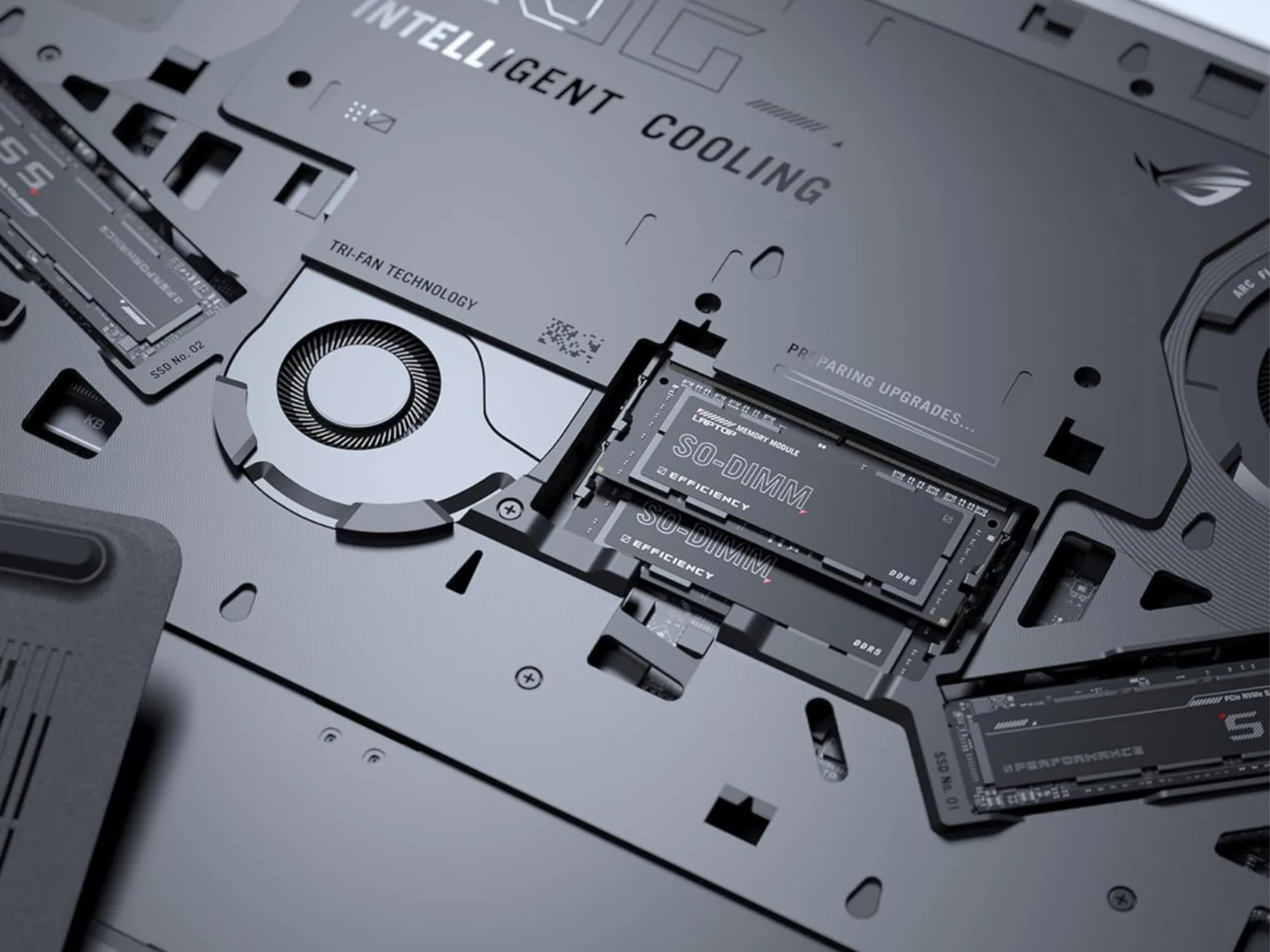
    To keep the MSRPs of their products from rising, laptop manufacturers are making urgent efforts to obtain more DRAM. According to sources from Chosun Biz, several companies have made preliminary agreements with major suppliers such as Samsung, Micron, and SK Hynix. Nevertheless, this might not stop DDR5 RAM costs from jumping a staggering 45% by the end of 2026.

    Supply Chain Challenges

    The situation worsens with the AI sector dominating the NAND market, leading to pricier SSDs that heighten the anxiety surrounding costs. TrendForce is cited in the report, projecting that memory and storage expenses could make up to 23% of the overall laptop manufacturing costs. An insider disclosed that one company is considering increasing the prices of its premium devices by as much as 30%.

    Before this memory crisis, PC sales were on the rise, largely due to mandatory Windows 11 updates. However, this trend may soon reverse in 2026, as consumers might shy away from Lenovo laptops and options from their competitors. As the decline in sales becomes apparent, delaying product launches could be a way forward.

    Industry Reactions

    Other brands like Dell and Framework have already communicated upcoming price increases. Still, different companies are responding in various ways to the surge in memory costs. Asus was rumored to be looking into manufacturing its own DDR5 RAM but later refuted that.

    Manufacturers lacking direct connections to the top three memory providers find themselves in a particularly risky position. For instance, Maingear, a U.S.-based company, is now suggesting that customers send in their own memory modules for custom builds. However, unless older parts are reused, this approach won’t offer significant savings to buyers.

    Source:
    Link


  • HP or Lenovo Reserve RAM from Suppliers, Report Claims

    HP or Lenovo Reserve RAM from Suppliers, Report Claims

    Key Takeaways

    1. HP and Lenovo have secured RAM supply deals with Samsung, SK Hynix, and Micron through 2026 amid a RAM crisis driven by high AI demand.
    2. Smaller PC manufacturers and DIY builders may struggle to negotiate similar supply agreements, worsening their situation in the RAM shortage.
    3. Lenovo has increased its memory stockpile by 50%, but still expects RAM price increases in 2026.
    4. TrendForce predicts DRAM and SSD prices will account for 23% of production costs for high-end laptops in 2026, with significant price variations expected.
    5. If Lenovo or HP maintain their RAM allocations, they may be less affected by price swings, but consumer benefits remain uncertain.


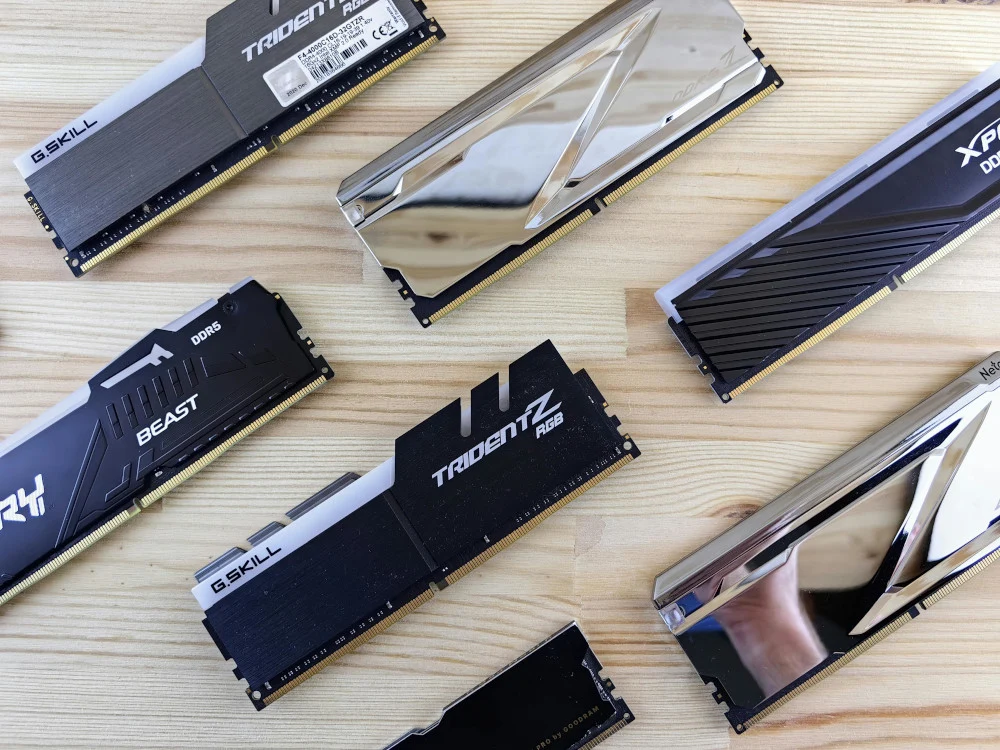
    If the reports are accurate, HP or Lenovo have managed to secure deals with Samsung, SK Hynix, and Micron to ensure a steady RAM supply through 2026. With the current RAM crisis driving memory prices up due to the high demand from AI, this decision seems reasonable. It’s somewhat reassuring that at least one major PC brand is locking in a portion of RAM supply, especially after OpenAI took an estimated 40% for itself.

    Pricing Challenges Ahead

    However, the situation regarding computer memory is already quite grim, which means this news might not be beneficial for everyone. Smaller PC manufacturers likely won’t be able to negotiate similar supply agreements with RAM producers, and independent builders or DIY fans have almost no options to fall back on. In response to the RAM shortage, for instance, Maingear introduced a Bring Your Own RAM initiative. Last month, it was reported that Lenovo had boosted its memory stockpile by 50%, but they are still anticipating price increases in 2026. If Lenovo is indeed the key player who secured this RAM deal with the three manufacturers, it paints a bleak picture for PC pricing, ranging from budget to premium segments in 2026.

    Future Predictions

    TrendForce, who highlighted this report from Yicai Global, estimates that DRAM and SSD prices will constitute 23% of the production costs for high-end laptops in 2026, with more significant price variations expected in the second quarter of that year. If Lenovo or HP truly obtained an exclusive RAM allocation extending into next year, those brands might be shielded from the worst price swings anticipated in the PC memory market. However, only time will tell how long this protection will endure or whether consumers purchasing those laptops will benefit from any potential savings. As a top source for laptop and PC news and reviews, we will certainly keep a close watch on how this situation unfolds, but the outlook isn’t very promising.

    Source:
    Link


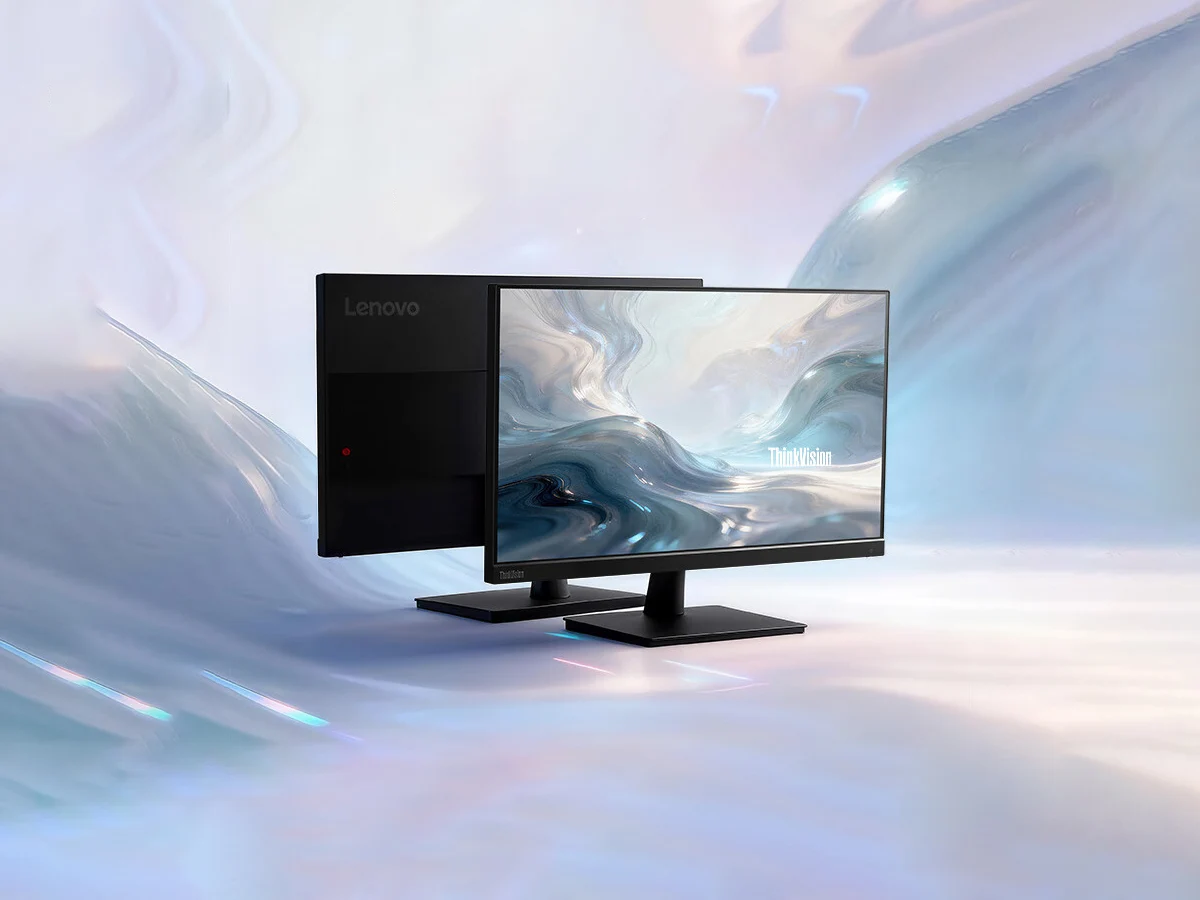
  • Lenovo Unveils Budget 24.5-Inch ThinkVision Monitor with 144Hz Refresh

    Lenovo Unveils Budget 24.5-Inch ThinkVision Monitor with 144Hz Refresh

    Key Takeaways

    1. The Lenovo ThinkVision S25-4e features a 24.5-inch IPS panel with a 144 Hz refresh rate, ideal for gaming and work.
    2. The monitor has a brightness of 250 nits, covers 99% of the sRGB color spectrum, and has a 4 ms response time.
    3. It offers a contrast ratio of 1500:1, global DC dimming, and various eye-care options for comfortable long-term use.
    4. Connectivity includes one HDMI 1.4 and one VGA port, along with a familiar red joystick button and VESA support.
    5. Priced at CNY 610 (approximately $87), the S25-4e is currently available in China with potential for future international release.


    Lenovo has revealed its latest ThinkVision monitor, the S25-4e, in China. This is a refreshed model, and considering its introductory price, it offers impressive features. The display size stays consistent with the earlier S25e-30 at 24.5 inches, but users can expect a significant enhancement in the display technology.

    Display Features

    The monitor boasts an IPS panel with a 144 Hz refresh rate, making it a great choice for both gaming enthusiasts and those who need it for work tasks. Lenovo claims the screen has a brightness of 250 nits, covers 99% of the sRGB color spectrum, and has a 4 ms response time.

    Viewing Experience

    With a contrast ratio of 1500:1, this panel is designed to provide bright whites alongside deep blacks. It also features global DC dimming and various eye-care options, ensuring that the Lenovo ThinkVision S25-4e offers a comfortable viewing experience, even during long usage periods.

    Connectivity and Design

    However, this budget-friendly Lenovo monitor lacks a wide range of connectivity options compared to premium models. Specifically, the ThinkVision S25-4e includes one HDMI 1.4 and one VGA port. Other notable features are the familiar red joystick button for navigating the system, VESA support (with the Huanuo VESA dual monitor stand currently priced at $59.99 on Amazon), and a stylish design.

    The Lenovo ThinkVision S25-4e is priced at CNY 610 in China, which translates to about $87. There is no information on a worldwide release at this time, but since the company previously launched the S25e-30 internationally, this model may also become available outside of China.

    Source:
    Link


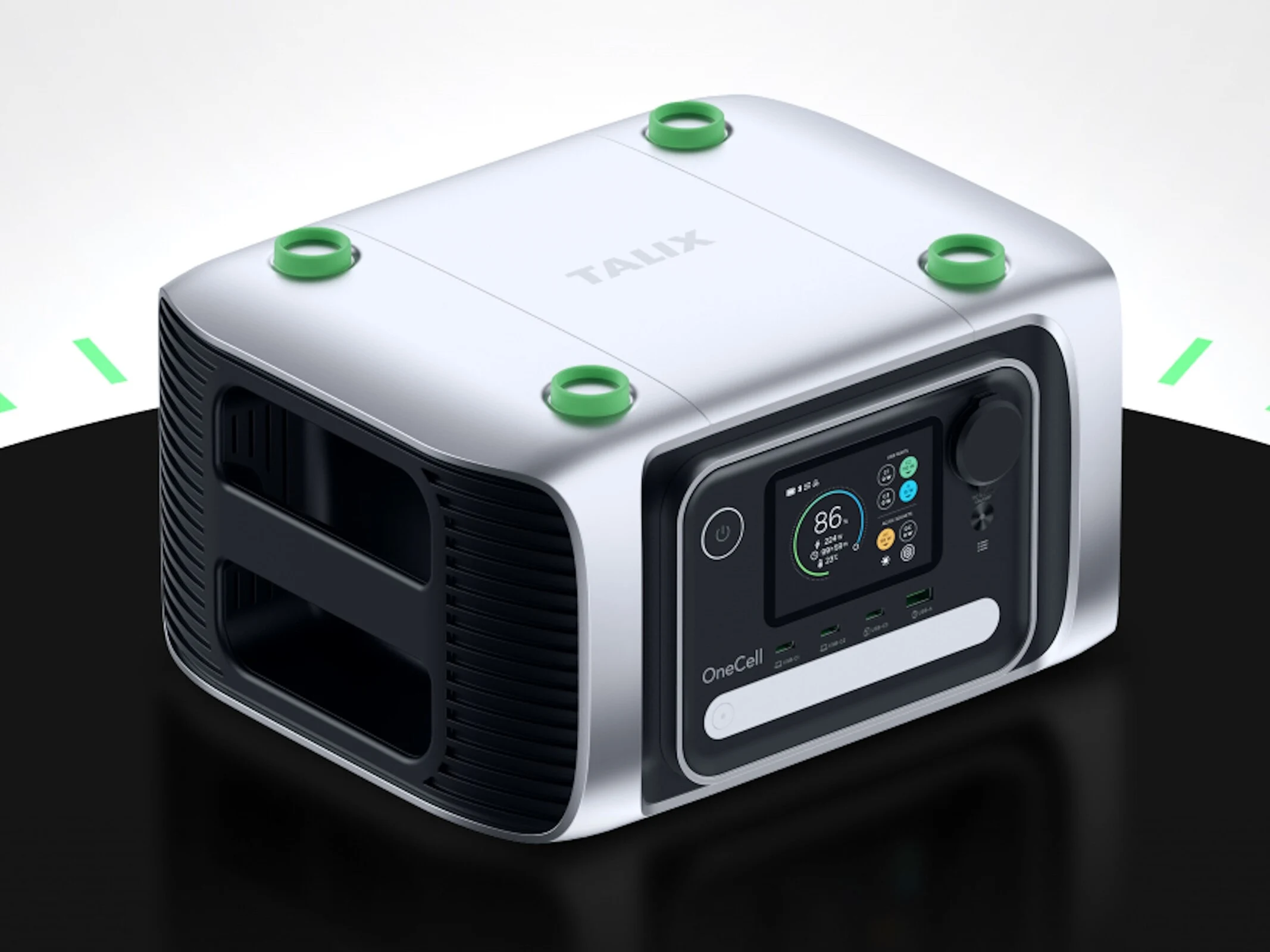
  • Lenovo Talix Zeta: 20-Year Lifespan Power Station with Solar Charging

    Lenovo Talix Zeta: 20-Year Lifespan Power Station with Solar Charging

    Key Takeaways

    1. Capacity and Battery Life: The Talix Zeta has a base capacity of 1kWh, expandable to 4kWh with additional batteries, and features lithium iron phosphate cells lasting over 20 years.

    2. Power Output: The device offers a maximum output of 300 watts via AC and can reach 1,200 watts when linked with four units. It also provides up to 240 watts through USB Type-C.

    3. Charging Options: It supports charging via USB Type-C, AC outlet, and solar panels, with a maximum solar charging speed of 110 watts.

    4. Pricing and Availability: Pricing details are not yet available, and the power station will be launched through a crowdfunding campaign, with deliveries expected to start in May 2026.

    5. Alternative Product: The article suggests considering the Jackery Explorer 1000 v2 as an alternative to the Talix Zeta.


    The Talix Zeta is a newly introduced power station that seems to have been created in partnership with Lenovo. It has a capacity of 1kWh and can be increased with three additional batteries, reaching a total of 4kWh. The lithium iron phosphate battery cells are claimed to last over 20 years. The manufacturer states that after 8,000 charging cycles, 70% of its capacity will still remain.

    Power Capabilities

    The maximum output power through the AC outlet is listed as up to 300 watts, which can rise to 1,200 watts when four units are linked together. This means that very power-hungry devices may not be able to work with just one power station. Nevertheless, it can deliver up to 240 watts via USB Type-C and USB PD 3.2, which should be sufficient for many standard laptops that can be charged using USB-C. Additionally, there are USB Type-A ports that provide a maximum of 12 watts.

    Charging Options

    You can charge the Talix Zeta itself using USB Type-C with the right power adapter. It also supports solar panel charging, making it a great option for camping. When charging from the power grid through USB Type-C, it can go up to 240 watts or 300 watts via an AC outlet. However, the maximum speed for solar charging is on the lower end, at just 110 watts.

    Pricing and Availability

    Talix has yet to disclose any pricing information. The power station will be funded through a crowdfunding campaign, and a version aimed at the European market is also in the works. Deliveries are expected to begin in May 2026.

    Source:
    Link


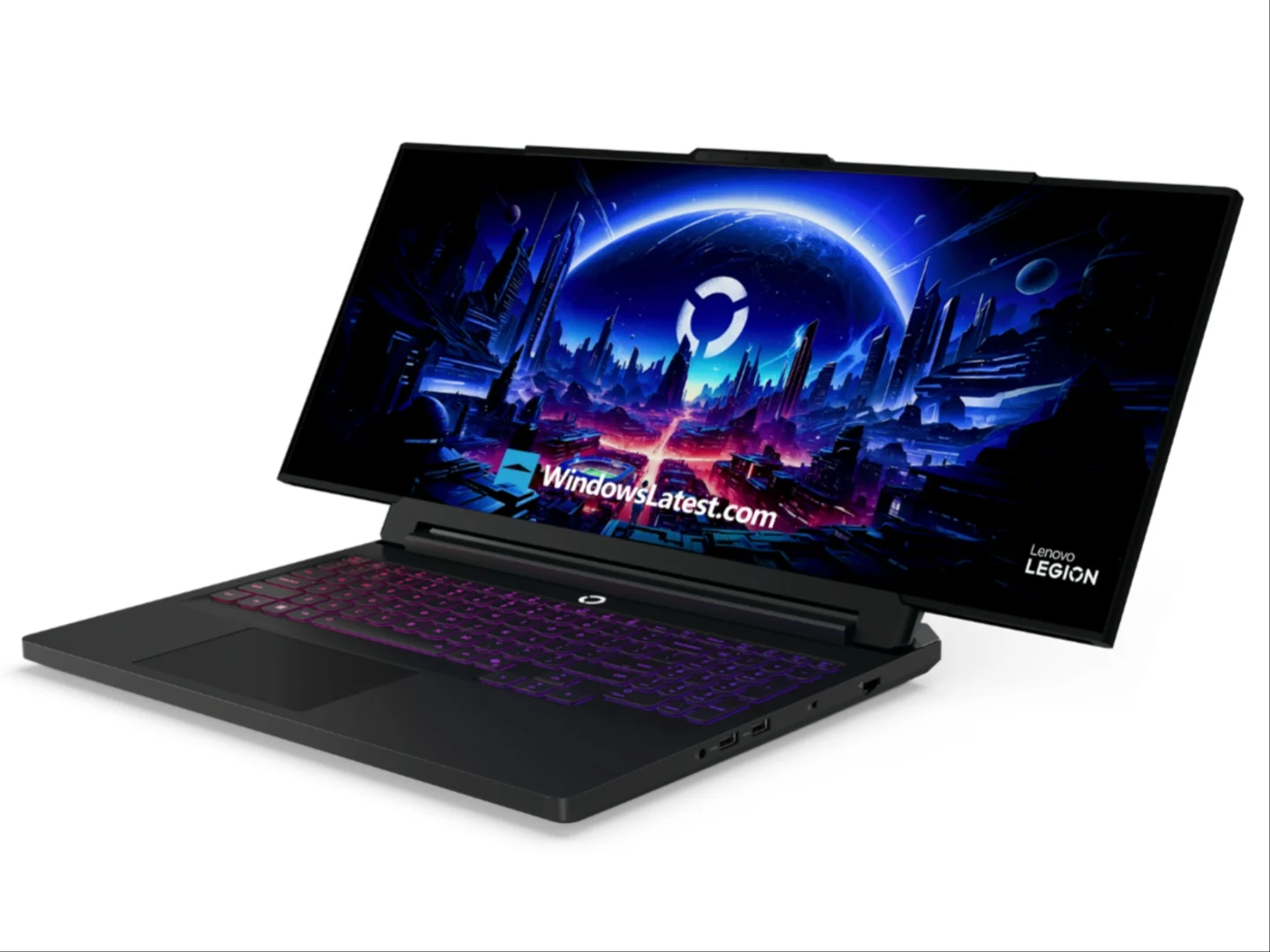
  • Lenovo Legion Pro Rollable Gaming Laptop: Specs and Mechanism Revealed

    Lenovo Legion Pro Rollable Gaming Laptop: Specs and Mechanism Revealed

    Key Takeaways

    1. Lenovo is developing a rollable gaming laptop called the Legion Pro Rollable, featuring the largest display ever seen on a laptop.
    2. The laptop will have a powerful Intel Core Ultra processor and an Nvidia RTX 5090 GPU, based on the existing Legion Pro 7i model.
    3. Its unique rollable OLED display starts at 16 inches and can expand to sizes of 21.5 inches or 24 inches using a button.
    4. The display utilizes a dual-motor tension-based system for smooth and uniform expansion, with adjustable aspect ratios for different sizes.
    5. The laptop will include various AI features, such as Lenovo’s AI Engine+, Smart FPS, and Adaptive AI Lighting, and is expected to be showcased at CES 2026.


    Lenovo is working on an exciting new laptop designed for gamers. Earlier this month, rumors started to circulate about a rollable gaming laptop, giving us a sneak peek at this anticipated device. Now, additional details have emerged, confirming that this laptop is set to be a powerhouse, featuring the largest display ever seen on a laptop.

    Specifications Revealed

    According to a recent report from Windows Latest, the Legion Pro Rollable gaming laptop will be based on the existing Legion Pro 7i model. It will be equipped with a “fully-loaded Intel Core Ultra processor,” probably the Core Ultra 9 275HX, alongside an Nvidia RTX 5090 GPU. One of the most captivating features of this laptop will be its rollable PureSight OLED display, which starts at 16 inches in its compact form. Users will have a button on the device to initiate the display expansion, allowing them to choose a size of 21.5 inches, or extend it all the way up to 24 inches.

    Innovative Display Technology

    The report indicates that the laptop employs a dual-motor tension-based system to roll the OLED screen from both sides (horizontally). This mechanism ensures the display expands uniformly while maintaining tension. However, the exact resolutions and aspect ratios for the different sizes are still unknown. The article mentions that the display will modify the aspect ratio according to the selected screen size. The Legion Pro 7i (buy RTX 5070 ti model on Amazon) currently available in stores comes with a 16-inch WQXGA (2,560 x 1,600) OLED screen with a 16:10 aspect ratio. Don’t forget to check out our review of the RTX 5080 model below.

    It is expected that the display will roll smoothly and quietly, utilizing low-friction materials that enhance its durability.

    AI Features and Future Outlook

    Windows Latest further notes that the Legion Pro Rollable gaming laptop will be loaded with AI capabilities, including Lenovo’s AI Engine+, Smart FPS, AI Frame Gaming Display, AI Screen Detection, Cursor Tracking, AI Game Assistance, and Adaptive AI Lighting features.

    While Lenovo has yet to provide any official details on the Legion Pro Rollable, it is anticipated that this concept will be showcased at CES 2026. Whether this innovative laptop will become available to consumers or remain a mere concept is still uncertain and will be revealed in due time.

    Source:
    Link


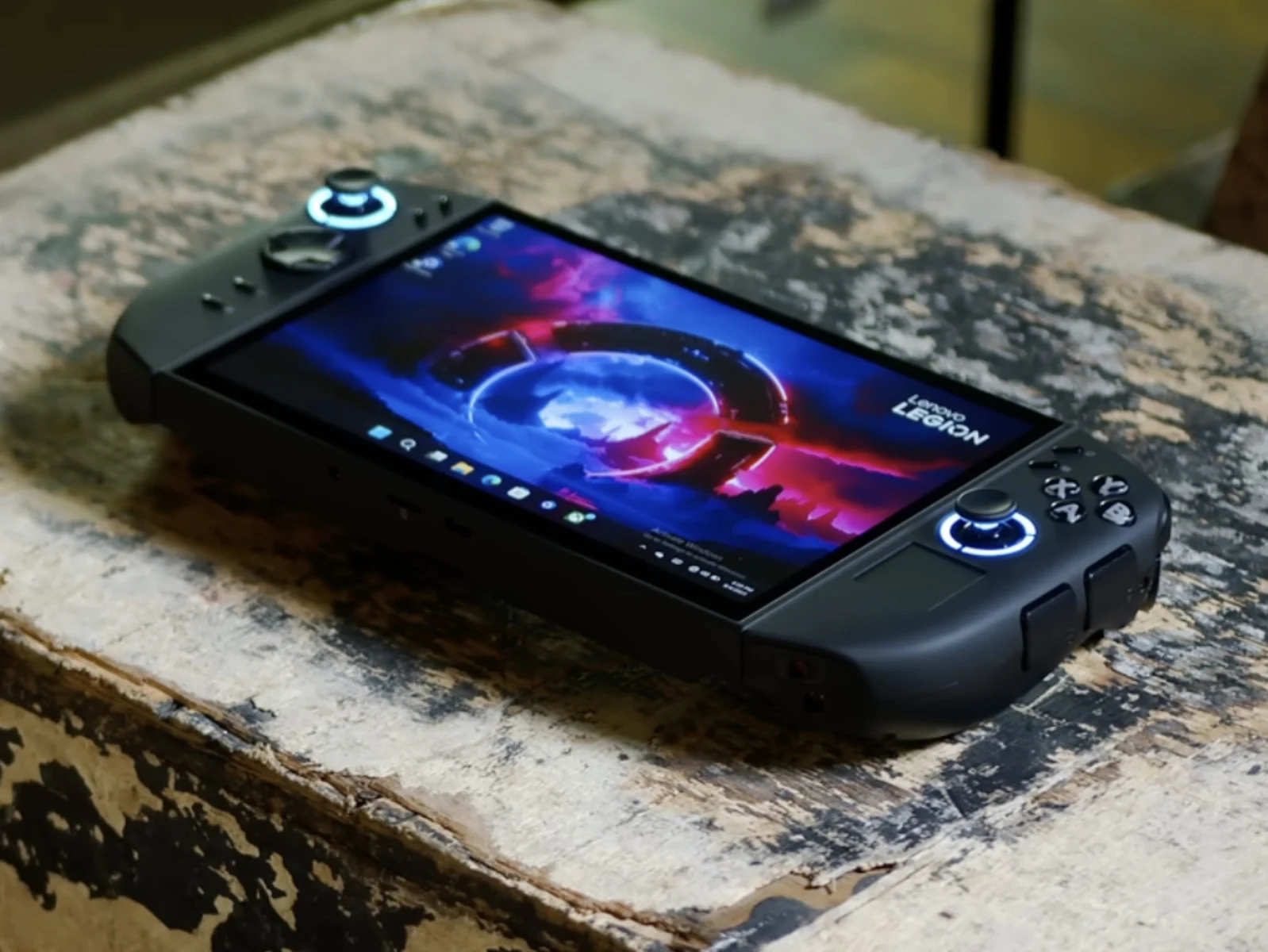
  • Lenovo Legion Go 2 Leak: Cheaper Gaming Handheld Models Coming

    Lenovo Legion Go 2 Leak: Cheaper Gaming Handheld Models Coming

    Key Takeaways

    1. The Legion Go S is the first non-Valve handheld device to feature SteamOS, priced at $699.99 on Amazon.
    2. The SteamOS version is over 15% cheaper than the Windows version, but the latter is currently being offered at a lower price due to delays.
    3. Lenovo is planning to release a SteamOS edition of the Legion Go 2 at CES 2026, maintaining similar specifications to the Windows version.
    4. The upcoming SteamOS version will likely include an AMD Ryzen Z2 Extreme processor, 32 GB of LPDDR5X RAM, and up to 2 TB of storage.
    5. Pricing details for the SteamOS variant remain unclear, but it is expected to be less than the current Legion Go 2 price of $1,099.


    At the beginning of the year, the Legion Go S became the first handheld device, which isn’t from Valve, to come with SteamOS (currently available for $699.99 on Amazon). This version has a unique Nebula Nocturne color and includes a special Steam shortcut, setting it apart from the Windows 11 model.

    Pricing Differences

    What’s more significant is that Lenovo has set the price of the SteamOS version to be more than 15% lower than its Windows version. However, the arrival of the SteamOS model was delayed so long that the Windows version was already being offered for much less than the listed price of the SteamOS variant.

    Upcoming SteamOS Version

    Despite this, Lenovo is reportedly working on a SteamOS edition of the Legion Go 2. As per Windows Latest, this new model is expected to launch next month at CES 2026 in Las Vegas. The specifications are said to remain the same, featuring an 8.8-inch OLED screen and a 74 Wh battery, similar to the original Windows version.

    Hardware Specifications

    Additionally, Windows Latest mentions that the ‘powered by SteamOS’ version will come with ‘up to’ an AMD Ryzen Z2 Extreme processor, along with 32 GB of LPDDR5X RAM and 2 TB of storage. This suggests that Ryzen Z2 configurations with either 16 GB or 32 GB of RAM may be offered too. While details about pricing and availability are still unclear, it’s expected that the SteamOS variant will cost less than the current Legion Go 2 price of $1,099, or the $1,349 for the Ryzen Z2 Extreme model.

    Source:
    Link