Tag: Lenovo

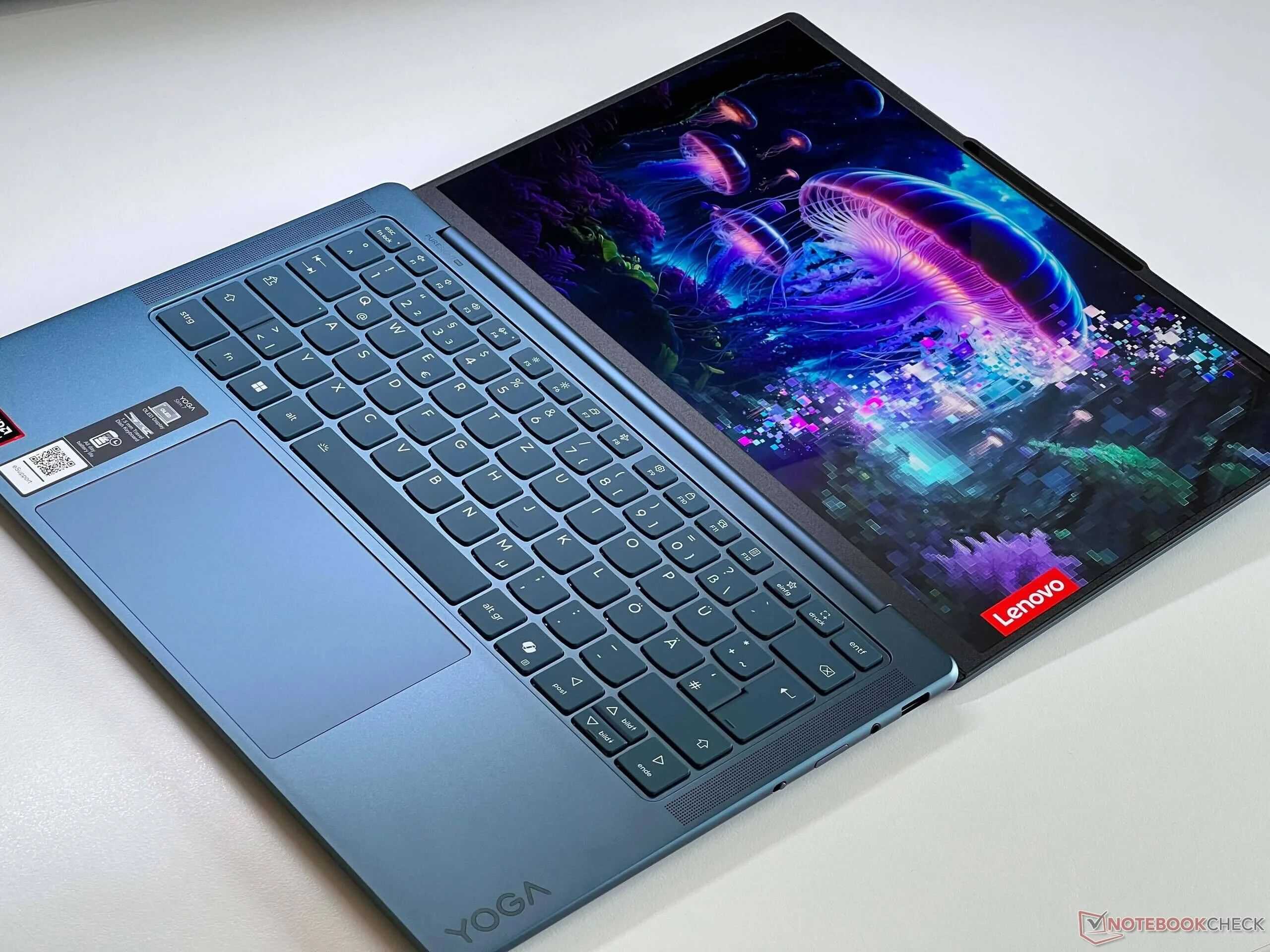
  • Lenovo Yoga Pro 3D: New Laptop with Stereoscopic 3D Display

    Lenovo Yoga Pro 3D: New Laptop with Stereoscopic 3D Display

    Key Takeaways

    1. Mobile World Congress (MWC) 2023 will be held in Barcelona from March 2 to March 5, with some brands like Honor unveiling devices on March 1.
    2. Lenovo plans to introduce a new device called the Yoga Book Pro 3D, which is similar to the Yoga Book 9i and Asus’ Zenbook Duo.
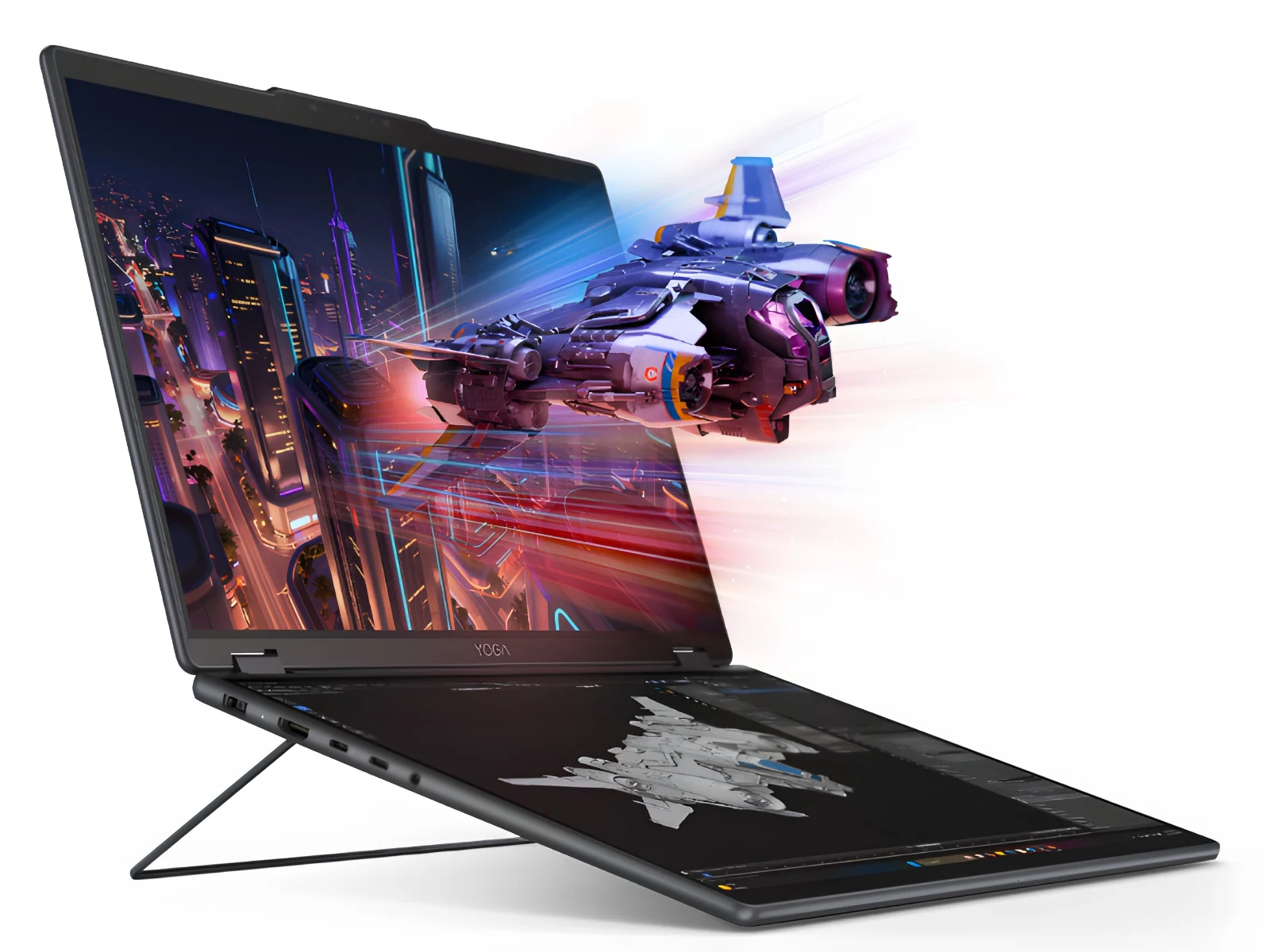
    3. The Yoga Book Pro 3D features a glasses-free 3D viewing experience on its dual screens using stereoscopic 3D display technology.
    4. The device includes a Slim Tip power connection, dual USB Type-C ports, and an HDMI port, indicating it is likely a high-wattage device.
    5. The concept design includes a built-in stand that is simpler and wider than the one used in the Zenbook Duo.


    This year’s Mobile World Congress (MWC) is just around the corner, set to take place in Barcelona from March 2 to March 5. Some brands, such as Honor, have already announced that they will be unveiling their devices a day earlier on March 1. At the same time, Evan Blass has shared some details about what Lenovo plans to present at the event.

    Exciting New Device

    According to the leak, Lenovo is getting ready to introduce a fresh concept similar to the Yoga Book 9i or Asus’ Zenbook Duo (currently priced at $2,299.99 on Amazon). The embedded tweet below shows that Blass has obtained several promotional images of a device he refers to as the Yoga Book Pro 3D.

    Unique Features

    It seems that the Yoga Book Pro 3D offers a glasses-free 3D viewing experience across its dual screens. This suggests it must utilize stereoscopic 3D display technology, which is comparable to the Abxylute 3D One. Sadly, details about the specifications are not available at this moment.

    Connectivity Options

    Nevertheless, the presence of a Slim Tip power connection suggests that the Yoga Book Pro 3D is likely a high-wattage device. Additionally, there are dual USB Type-C and HDMI ports located on the left side of the device. Furthermore, the concept includes a built-in stand, although it is a simpler and wider version than the one Asus employs on the Zenbook Duo.

    Source:
    Link


  • Lenovo Unveils Unusual Design for New Tablet Model

    Lenovo Unveils Unusual Design for New Tablet Model

    Key Takeaways

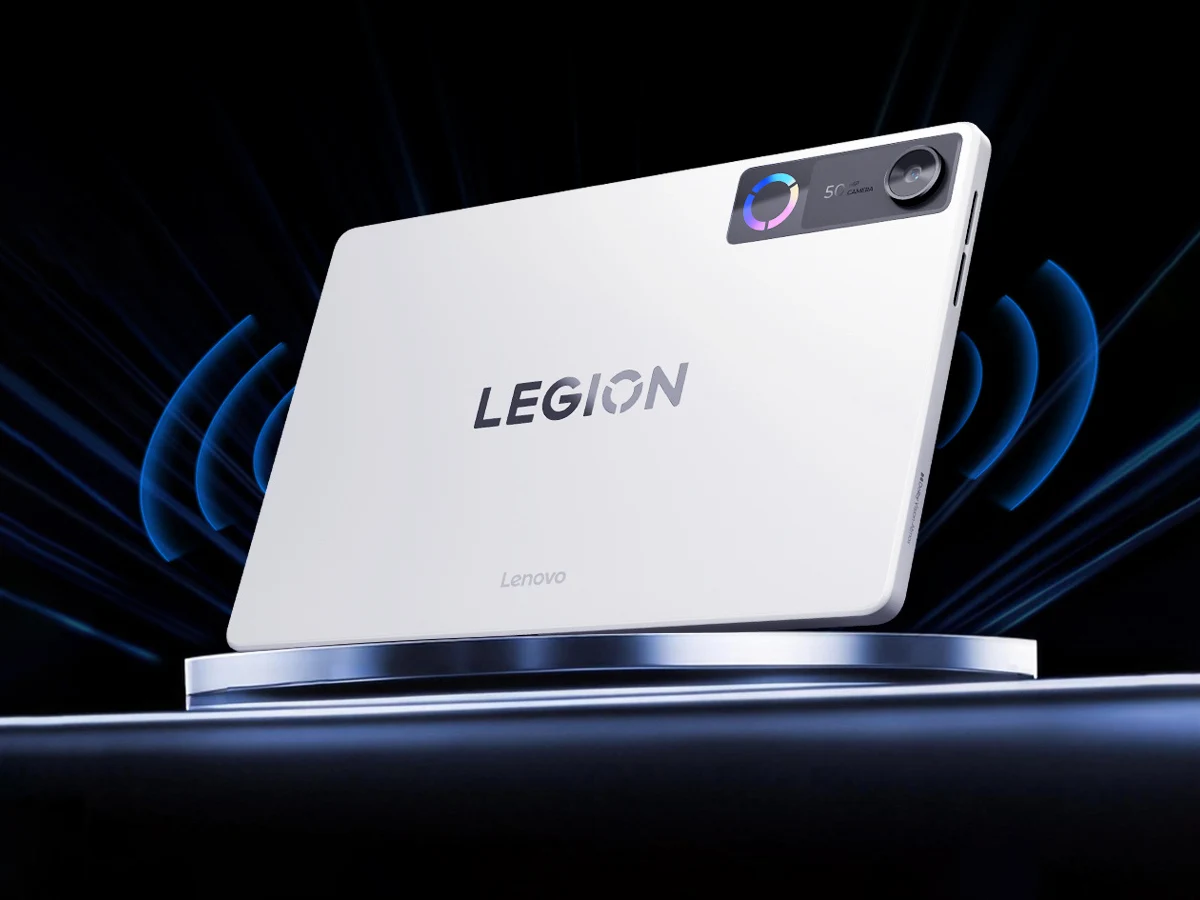
    1. Lenovo is set to launch new tablets in China, including the Legion Y700 Gen 5 as a competitor to the iPad mini.
    2. The Tab Plus Gen 2 features a 12.1-inch screen with a 2.5K resolution.
    3. The tablet has a unique circular bump on the back that houses a JBL 9-unit PRO speaker system with passive radiators for enhanced bass.
    4. It includes an adjustable built-in stand for both portrait and landscape orientations.
    5. The name ‘Tab Plus Gen 2’ may not be final, and Lenovo could reveal the tablet at MWC 2026 in Barcelona.


    Lenovo is getting ready to launch a number of new tablets in China shortly. To summarize, the company has confirmed that the Legion Y700 Gen 5 will be released as a new option to the iPad mini, which currently costs $469 on Amazon. Furthermore, they’ve provided some preliminary information about two upcoming Xiaoxin tablets.

    Details on Tab Plus Gen 2

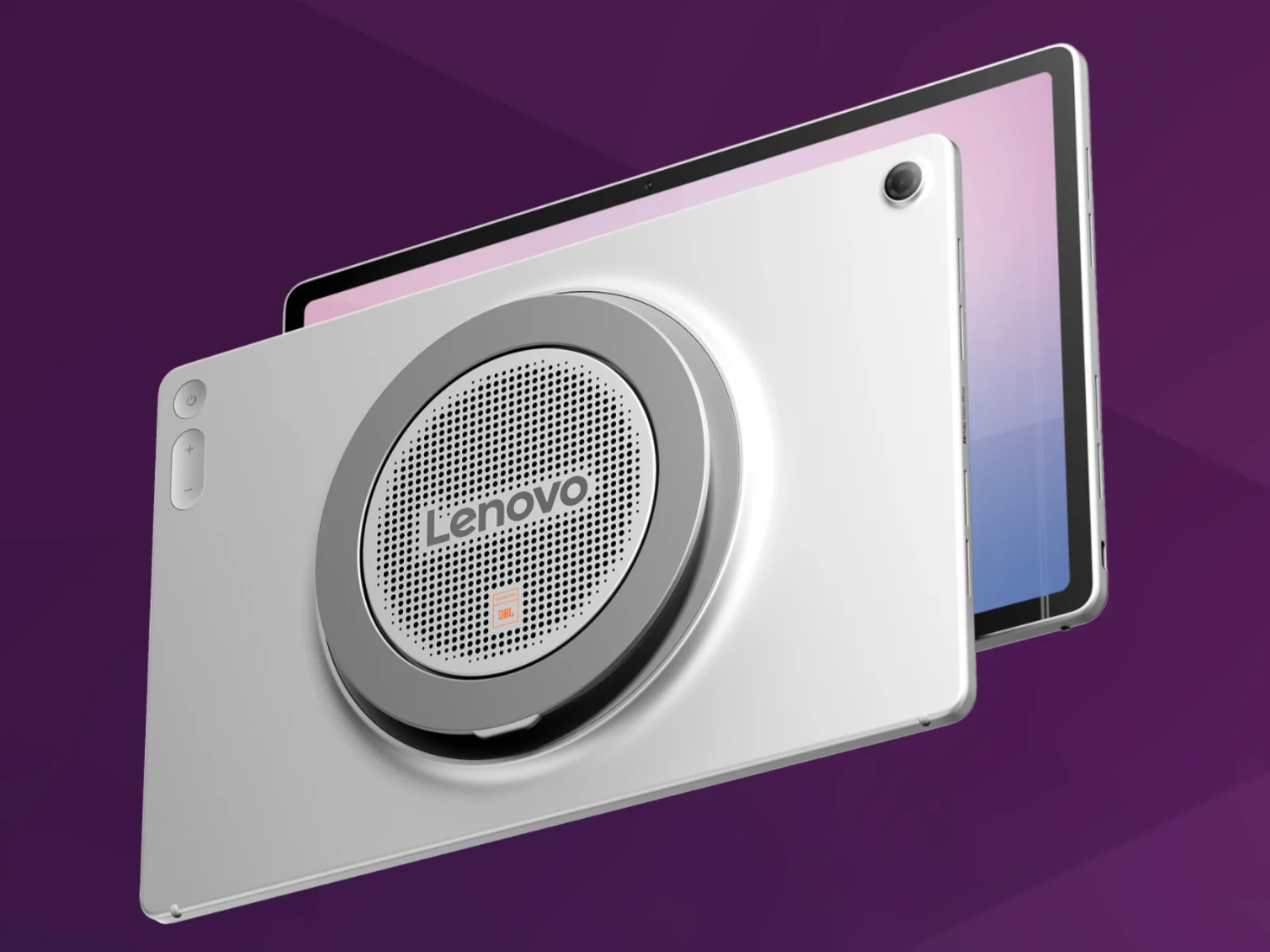
    Recently, iF Design has disclosed the details of the Tab Plus Gen 2 before Lenovo’s official announcement. As per iF Design, Lenovo has fitted the Tab Plus Gen 2 with a 12.1-inch screen that delivers a 2.5K resolution. Interestingly, the thick circular bump on the back of the tablet serves several functions as well.

    Speaker System and Features

    Most notably, this circular section houses a ‘JBL 9-unit PRO’ speaker system. These speakers also come with passive radiators to enhance bass performance. Additionally, the tablet includes a built-in stand that can be adjusted for both portrait and landscape orientations. The Tab Plus Gen 2 seems to support an active stylus too.

    As noted by Liliputing, the name ‘Tab Plus Gen 2’ might not be the final title for the device. While this is just a guess, the ThinkPad Rollable XD was first listed on iF Design as the MaxArt. Regardless, iF Design’s timing suggests that Lenovo might unveil the Tab Plus Gen 2 next week at MWC 2026 in Barcelona.

    Source:
    Link


  • Lenovo Unveils New Lightweight High-End Tablet Details Before Launch

    Lenovo Unveils New Lightweight High-End Tablet Details Before Launch

    Key Takeaways

    1. Lenovo is generating buzz for its upcoming gaming tablet while announcing the Xiaoxin Pro 13.
    2. The Xiaoxin Pro 13 will be a more affordable version, available in silver, grey, and blue.
    3. It is expected to feature a 3,504 x 2,190-pixel display with a 144 Hz refresh rate.
    4. The tablet may use the Snapdragon 8 Gen 5 chipset, similar to the OnePlus 15R.
    5. Stylus features include 8,182 levels of pressure sensitivity, 1 ms latency, magnetic charging, and a built-in eraser mode.


    Lenovo is currently creating excitement around its upcoming gaming tablet. At the same time, it has provided some early information about the Xiaoxin Pro 13. To summarize, the company revealed the Xiaoxin Pro GT13 just a couple of weeks ago in two different colors.

    New Cheaper Option

    Lenovo has now announced that it will offer a more affordable version of the Xiaoxin Pro GT13. Removing the ‘GT’ label, the Xiaoxin Pro 13 will come in silver, grey, and blue finishes, maintaining the same overall look as the Xiaoxin Pro GT13.

    Display and Specs

    The Xiaoxin Pro 13 is expected to feature the same impressive 3,504 x 2,190-pixel display with a 144 Hz refresh rate as its GT counterpart. Drawing from the previous year’s models, it might also incorporate the Snapdragon 8 Gen 5, a mid-range chipset that’s already found in the OnePlus 15R (currently priced at $699 on Amazon).

    Stylus Features

    Though this information is not yet confirmed, Lenovo has shared insights into the tablet’s stylus functions. The Xiaoxin Pro 13 will support 8,182 levels of pressure sensitivity with a latency of just 1 ms and a fine tip measuring 1.4 mm. While Lenovo hasn’t disclosed the technology behind the Stylus Pro, it has mentioned that the stylus includes magnetic charging, a built-in eraser mode, and ‘realistic sound effects.’ However, a specific release date is still absent from Lenovo’s announcements.

    Source:
    Link


  • Lenovo Unveils AI Upgrades for Competitive Legion Y700 Gen 5 Tablet

    Lenovo Unveils AI Upgrades for Competitive Legion Y700 Gen 5 Tablet

    Key Takeaways

    1. Lenovo is promoting the Legion Y700 Gen 5 gaming tablet with two AI features designed to enhance gaming performance.
    2. The scheduling feature, part of the Tianxi AI platform, can improve performance by 25.6% in minimum frame rates compared to competitors.
    3. The Voiceprint Hunter 2.0 feature enhances audio for crucial game sounds, like enemy footsteps, providing a competitive advantage.
    4. The launch date for the Legion Y700 Gen 5 is not confirmed, but it is expected to debut in China around March 2026.
    5. There is uncertainty about global availability, as previous models have been exclusive to China while competitors are accessible worldwide.


    Lenovo has been hinting at the Legion Y700 Gen 5 for some time, and a lot of details about this gaming tablet have come to light. Recently, through fresh teasers, the company has highlighted two AI features designed specifically for gaming that they are promoting with the tablet.

    AI Features Overview

    These features are part of the Lenovo Tianxi AI platform. One feature focuses on improving the scheduling function to boost performance. According to the brand, it monitors the device’s load and adjusts the system scheduling accordingly. It is said to provide a 25.6% increase in minimum frame rates compared to rival devices.

    Enhanced Gaming Experience

    Moreover, the company asserts that this scheduling enhancement results in more stable frame rates, which should create a superior competitive gaming experience on the tablet. The second AI feature aimed at gamers is known as Voiceprint Hunter 2.0. Lenovo claims this will provide specific audio improvements.

    In detail, this feature supposedly amplifies crucial audio elements, like the sounds of enemy footsteps. This could provide players with an advantage in multiplayer gaming scenarios.

    Launch Timeline Uncertain

    Aside from those details, Lenovo has not yet announced the launch date for the Legion Y700 Gen 5 gaming tablet. According to recent reports, it is set to debut in China around March 2026, but it remains uncertain if it will be made available globally.

    Looking back, the Gen 4 model featuring the Snapdragon 8 Elite is still exclusive to China, while other competing devices like the RedMagic Astra are accessible worldwide. Lenovo is anticipated to provide more official information regarding the gaming tablet before the expected unveiling in March 2026.

    Source:
    Link


  • Nvidia N1X Launching This Year with Dell and Lenovo Laptops

    Nvidia N1X Launching This Year with Dell and Lenovo Laptops

    Key Takeaways

    1. Nvidia’s N1X consumer chip release has been delayed indefinitely, with a potential launch now expected by 2026.
    2. The N1X is designed for low-power applications and will feature an Arm-based CPU from MediaTek combined with an Nvidia GPU.
    3. Dell and Lenovo are set to be among the first OEMs to adopt the N1X and N1V chips in their products.
    4. The N1X was initially expected to launch last year but faced delays due to bugs and software issues.
    5. A future Alienware gaming laptop and updated Lenovo models like IdeaPad and Yoga series will feature the new processors.


    While Nvidia has already released Arm-powered SoCs like the GB10 Grace Blackwell superchip, these are mainly focused on AI tasks within the DGX Spark. The consumer version, known as N1X, has mostly been the subject of speculation. Although it appeared in Geekbench and FurMark, its release has been delayed indefinitely. Initially expected to debut last year, the Nvidia N1X was reportedly postponed due to ‘bugs and software issues’. A recent article from the Wall Street Journal indicates we might finally see it by 2026.

    New Release Timeline

    This aligns with previous reports suggesting that laptops equipped with N1X could arrive as late as Q2 of 2026. Moreover, the N1X won’t be the only new chip. Another variant named N1V has also surfaced, but not much information is available about its role in Nvidia’s product lineup. Both the N1X and N1V are expected to combine a low-power Nvidia GPU with an Arm-based CPU created by MediaTek.

    OEM Partnerships

    Dell and Lenovo are expected to be among the first original equipment manufacturers (OEMs) to implement the N1X and N1V chips. A future Alienware gaming laptop is set to be one of the initial devices featuring these new processors, as well as a Lenovo Legion model. Lenovo is also planning to upgrade its current IdeaPad, Yoga, and Yoga Pro series with this advanced technology. For now, these are the only known OEMs, but it’s likely that more will join in later.

    Source:
    Link


  • Lenovo Alerts Partners of Price Increases on PCs and Servers

    Lenovo Alerts Partners of Price Increases on PCs and Servers

    Key Takeaways

    1. Lenovo is increasing prices on commercial PCs and servers due to the DRAM pricing crisis and urges partners to place orders before March price hikes.
    2. Ryan McCurdy, president of Lenovo North America, indicates that price adjustments may continue based on supply and demand.
    3. Clients can still face price changes on orders not shipped by March 31, even if placed in February.
    4. The ongoing AI trend has influenced the industry, prompting other OEMs to raise prices as well.
    5. Lenovo’s Infrastructure Solutions Group will have adjusted price quote periods of 14 and 30 days, with potential changes based on market conditions.


    According to a letter shared with CRN, Lenovo has informed that the current market situation, especially the crisis in DRAM pricing, has made it essential for the company to increase prices on its commercial PC and server offerings. They have reached out to their partners, urging them to place orders before the planned price increases take effect in March.

    Price Adjustments Ahead

    Ryan McCurdy, president of Lenovo North America, elaborated that there is no alternative to adjusting prices, hinting at the possibility of further changes depending on supply and demand dynamics. Nevertheless, it’s clear that notifying clients about impending price hikes in advance was a commendable action, at least from an ethical standpoint.

    Client Concerns

    A client, who wanted to stay anonymous, revealed that Lenovo can still change the prices on orders that haven’t shipped by March 31, even if those orders were made in February. The ongoing buzz around AI has affected many players in the industry, with several OEMs already announcing price increases to align with market trends.

    Changes in Pricing Structure

    Additionally, Lenovo’s ISG, or Infrastructure Solutions Group, which manages the company’s data center division, will see adjusted price quote periods of 14 and 30 days for both internal and external bidding platforms. It goes without saying that these terms might change again, depending on market conditions. Certain product lines have been reorganized, and other adjustments were made to configurations to make the ordering process easier for clients, as noted by CRN.

    Source:
    Link


  • Talix Zeta Launch Discount: Compact Single-Cell Power Station

    Talix Zeta Launch Discount: Compact Single-Cell Power Station

    Key Takeaways

    1. Talix has partnered with Lenovo to launch a crowdfunding campaign for the Talix Zeta power station on Kickstarter, priced at around $410 with free shipping and expected delivery in May 2026.

    2. The Talix Zeta power station can endure up to 8,000 charging cycles, retaining 70% of its original capacity after that, and features a durable lithium iron phosphate battery with a single-cell design.

    3. The power station’s dimensions are approximately 11.4 x 9.6 x 6.2 inches and weighs 21.6 lbs, making it portable, but the continuous AC output is rated at 300 watts, which may not support high-power appliances.

    4. It offers versatile charging options, including three USB Type-C ports (240W, 140W, and 45W), a USB Type-A port, a 12V socket, and supports solar charging up to 110 watts.

    5. The power station includes a 3.5-inch display for charging information and battery status and features an LED light for convenience during camping.


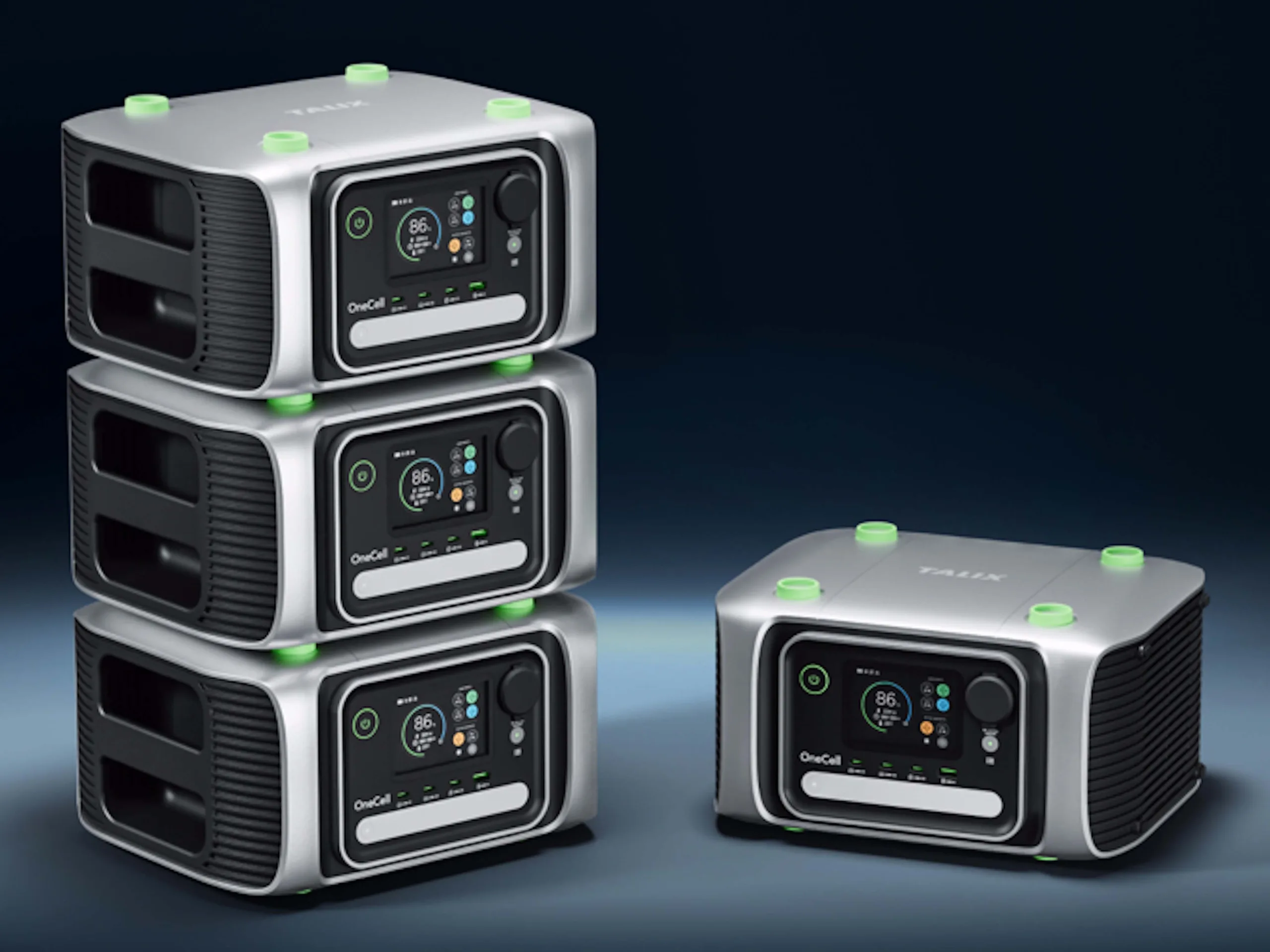
    Talix has announced its partnership with Lenovo and is launching a crowdfunding campaign for its first power station on Kickstarter. The device is currently priced at around $410, and it comes with free shipping. Expected delivery is set for May 2026. It is important for potential supporters to understand the financial risks that come with crowdfunding projects.

    Durable Power Solution

    Moving on, Talix emphasizes the strength of the Talix Zeta, claiming that it can endure up to 8,000 charging cycles. This power station is built with lithium iron phosphate cells and features a single-cell design. According to the company, even after these 8,000 cycles, users can expect to retain 70% of the original capacity. The dimensions of the power station are approximately 11.4 x 9.6 x 6.2 inches, and it has a weight of 21.6 lbs, which should make it fairly easy to carry. It boasts a capacity of 1 kWh. However, the continuous AC output is rated at 300 watts, which some may find a bit low. While this might not be a dealbreaker, it won’t be sufficient for high-power appliances like chainsaws. On the upside, users can stack up to four units, raising the continuous output to as much as 1,200 watts, with short bursts nearly double that.

    Versatile Charging Options

    As expected, the power station offers more than just AC output. It features three USB Type-C ports with ratings of 240 watts, 140 watts, and 45 watts, in addition to a USB Type-A port and a 12V socket. Users can charge devices via USB Type-C at a maximum of 240 watts, and it also supports solar charging at up to 110 watts. If conditions are right and with proper manual tracking of solar panels, the power station could potentially recharge in a single day. Furthermore, it has a 3.5-inch display that provides information on charging power and battery status. There’s also an LED light, which could come in handy while camping.

    Source:
    Link


  • Lenovo Legion Go 2 Handheld with Z2 Extreme Priced at €1,500

    Lenovo Legion Go 2 Handheld with Z2 Extreme Priced at €1,500

    Key Takeaways

    1. The Legion Go 2 features detachable controllers and a built-in kickstand, enhancing versatility despite its heavy weight of over 900 grams.
    2. It boasts an impressive 8.8-inch OLED display with a 144 Hz refresh rate, offering vibrant colors and peak brightness levels exceeding 1100 nits, though the resolution is lower than the previous model.
    3. Performance upgrades with the AMD Ryzen Z2 Extreme are minimal, with similar performance available from other brands at lower prices.
    4. Intel’s new processors, like Panther Lake, can offer significantly better gaming performance while maintaining similar power consumption.
    5. While the Legion Go 2 is a strong contender in image quality, its high price may not be justified compared to alternatives.


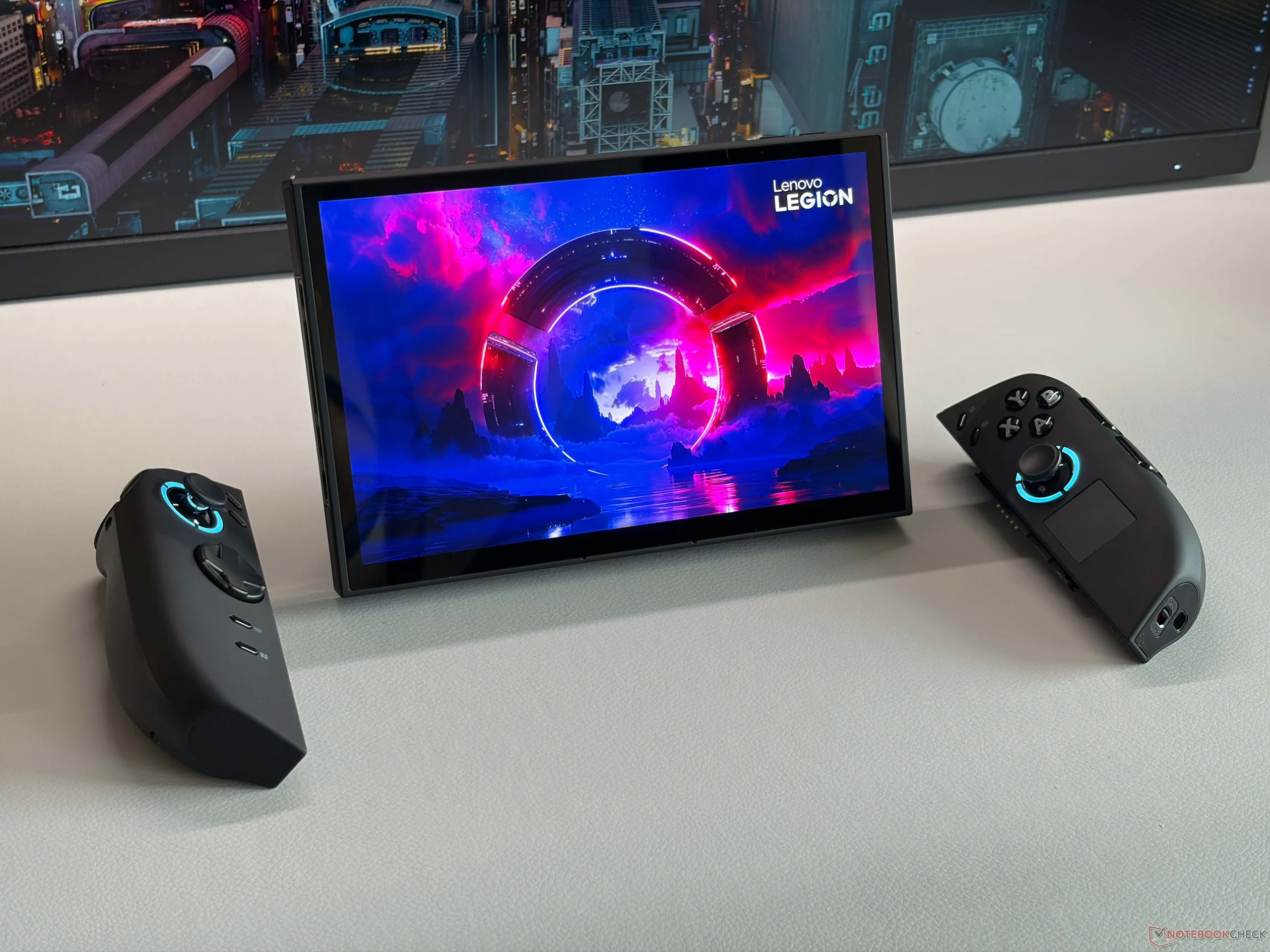
    We recently took a look at Lenovo’s latest gaming handheld, the Legion Go 2. Like the previous model, this one also features detachable controllers and comes with a built-in kickstand. This adds some versatility in usage, especially given its hefty weight of over 900 grams, which you will definitely feel after some time of use.

    Impressive Display

    One of the standout upgrades is the display, as Lenovo has incorporated an 8.8-inch OLED screen that boasts a refresh rate of 144 Hz. While the resolution has dropped from the prior IPS setup (1920 x 1200 compared to 2560 x 1600 pixels), the visual experience is truly stunning: vibrant colors, deep blacks, quick response times, and impressive contrast. HDR gaming enthusiasts will be pleased too, since the OLED can hit peak brightness levels exceeding 1100 nits. Overall, the Full-HD resolution aligns better with the capabilities of the AMD Ryzen Z2 Extreme.

    Performance Concerns

    Now, let’s address a concern. AMD laid a solid groundwork for portable gaming devices with the Ryzen Z1 Extreme, and the Z2 Extreme with the Radeon 890M offers a minor upgrade. Meanwhile, Intel has also made strides with its Lunar Lake processors and Arc Graphics 140V integrated GPUs. This means that the performance landscape has only seen slight enhancements over the years.

    The Z2 Extreme in the Legion Go 2 meets what’s expected, but the catch is that you can find similar performance from brands like Asus or MSI for significantly less than €1,000. You should really consider if spending that much is wise right now, especially since Intel’s new Panther Lake processors can deliver up to 70% more gaming performance within similar power constraints.

    Conclusion

    In summary, the Legion Go 2 stands out as a solid gaming handheld that provides excellent image quality compared to many competitors. However, whether the high price is justified remains a point of debate.

  • Lenovo ThinkPad X13 Detachable Leaks with TrackPoint Feature

    Lenovo ThinkPad X13 Detachable Leaks with TrackPoint Feature

    Key Takeaways

    1. Lenovo is reviving the ThinkPad Detachable lineup with a new model, the ThinkPad X13 Detachable Gen 1.
    2. The new device will not directly replace the existing ThinkPad X12 Detachable G2, which has underperformed compared to competitors.
    3. The ThinkPad X13 Detachable Gen 1 is expected to feature Intel processors and Thunderbolt 4 ports.
    4. The device is designed for easier repair, with a chassis that opens from the back rather than the screen.
    5. Key features include a 13-inch display with slim bezels and an updated keyboard design, but pricing and availability are still unknown.


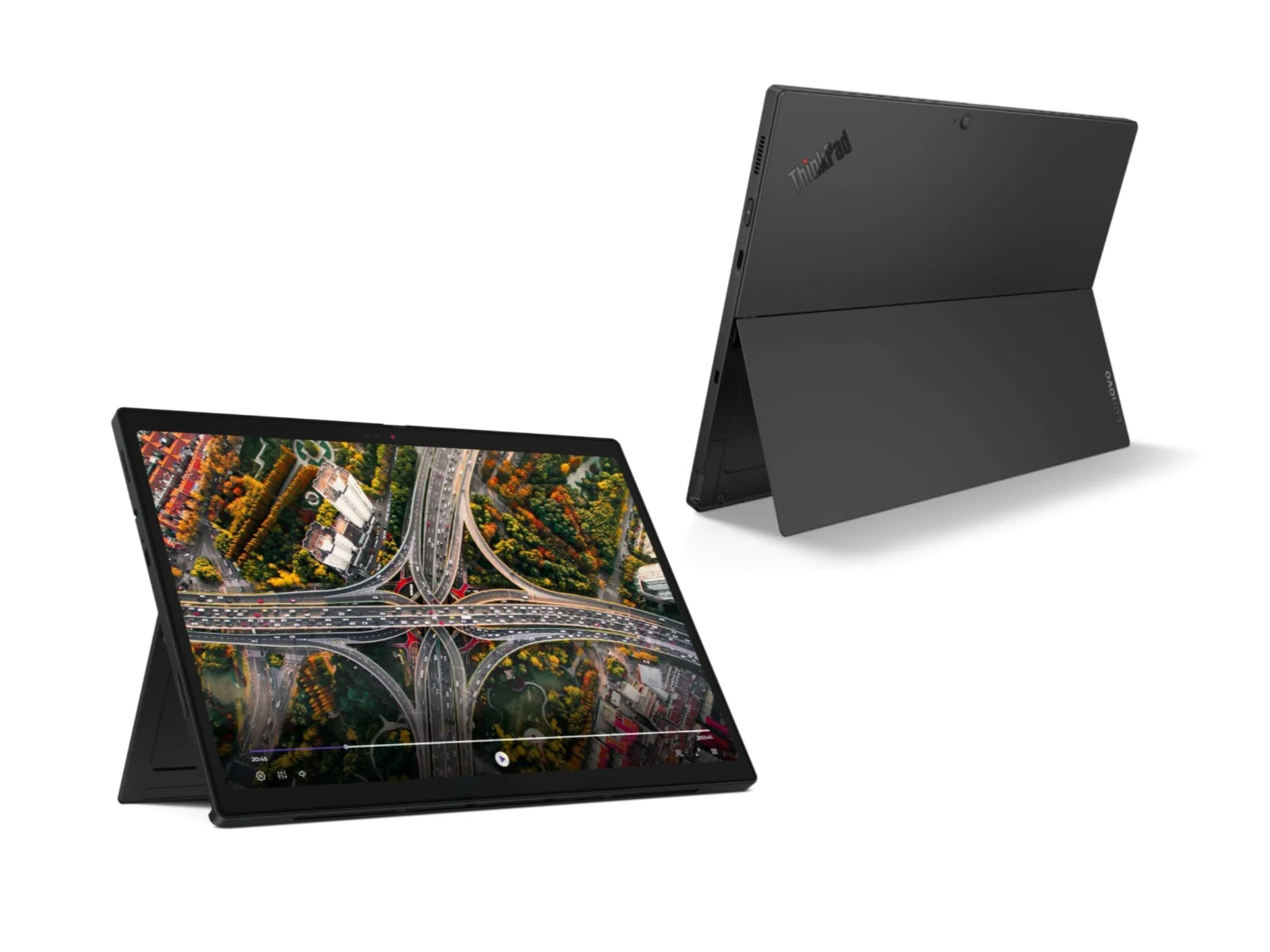
    It looks like Lenovo is working on a new competitor for the Surface Pro. This time, they’re planning to bring back their ThinkPad Detachable lineup. However, the latest ThinkPad Detachable won’t be a direct substitute for the current ThinkPad X12 Detachable G2.

    A Quick Overview

    Lenovo introduced the ThinkPad X12 Detachable G2 in 2024. This device is powered by Intel’s Meteor Lake-U series chips, but it has been outperformed by both ARM and x86 models of the Surface Pro 11. Even the smaller 12-inch Surface Pro model has better performance with its Snapdragon X Plus (X1P-42-100) processor, currently priced at $649.99 on Amazon.

    Insights from the New Model

    The presence of Thunderbolt 4 ports suggests that the ThinkPad X13 Detachable Gen 1 is also using some form of Intel processor. While there are speculations from Windows Latest that these might belong to the Panther Lake series, the shared images do not confirm this. Nevertheless, we can deduce some extra features from the pictures shown above and below.

    For example, the ThinkPad X13 Detachable Gen 1 might be easier to repair than typical 2-in-1 devices since its chassis opens from the back instead of the screen, which is common in many other models. Furthermore, the device features a roughly 13-inch display surrounded by relatively slim bezels; the bottom bezel is covered by the detachable keyboard during use. Lenovo has also updated its keyboard design, keeping the Trackpoint, physical mouse buttons, and the familiar ThinkPad key layout intact. Sadly, we still don’t have any information on pricing or when it will be available.

    Conclusion

    Overall, Lenovo’s upcoming ThinkPad Detachable appears promising, but we’ll have to wait for more details on its specs and launch date.

    Source:
    Link


  • Lenovo Teases Networking Features for New Legion Gaming Tablet

    Lenovo Teases Networking Features for New Legion Gaming Tablet

    Key Takeaways

    1. Lenovo is set to launch the Legion Y700 Gen 5 gaming tablet powered by Snapdragon 8 Elite Gen 5 SoC.
    2. The tablet aims to improve online gaming experience with a potential latency reduction of up to 54.8%.
    3. Technical details about the network enhancement technology remain unclear, possibly involving a specialized chip.
    4. Key specifications include an 8.8-inch display with a 165 Hz refresh rate, 800 nits brightness, and a 9,000 mAh battery with 68 W fast charging.
    5. No official launch date or global release details have been announced yet for the Legion Y700 Gen 5.


    Lenovo is preparing to unveil its latest gaming tablet, the Legion Y700 Gen 5. This device will be driven by the Snapdragon 8 Elite Gen 5, which is Qualcomm’s leading System on Chip (SoC). Previous teasers have shown off the design and display specifications, and now a new teaser indicates that the tablet will include technology aimed at enhancing network performance.

    Enhanced Gaming Experience

    According to the latest teaser, Lenovo claims that the forthcoming tablet will deliver a more agile online gaming experience compared to rival tablets. They suggest there could be a latency improvement of up to 54.8% in difficult network situations. This technology appears to also minimize game stuttering during such conditions.

    Unclear Technical Details

    However, the company hasn’t elaborated on the technology behind these claims, leaving some questions unanswered. It’s possible that Lenovo has included a specialized network enhancement chip within the tablet, much like the Honor RF C1+ chipset found in Honor’s premium smartphones.

    Impressive Specifications

    In terms of specifications, Lenovo has already stated that the Legion Y700 Gen 5 will come with an 8.8-inch display that boasts a 165 Hz refresh rate and a brightness level of 800 nits. Recent information has also pointed toward a robust 9,000 mAh battery with support for 68 W fast charging (Anker 140 W charger currently priced at $89.99 on Amazon), and the highest-end model is expected to have 24 GB of RAM.

    There is no official announcement yet regarding the launch date for this Legion gaming tablet, and it remains uncertain if Lenovo will be releasing it globally. For instance, the previous generation Y700 Gen 4, which featured the Snapdragon 8 Elite, did not see an international release.