Tag: iPhone 17

  • iPhone 17 Charging Speed: What to Expect and Why It May Disappoint

    iPhone 17 Charging Speed: What to Expect and Why It May Disappoint

    Key Takeaways

    1. The iPhone 17 series will reportedly support a maximum of 35W wired charging across all models.
    2. This charging speed is similar to that of the iPhone 16 series, which had peak speeds of up to 38W.
    3. Compared to many Android devices that offer over 100W charging, Apple’s speed remains relatively low.
    4. There are no updates expected for MagSafe wireless charging speeds, which will likely stay at 25W.
    5. Concerns about faster charging causing battery damage have not been substantiated, suggesting safer adoption of higher speeds in the future.


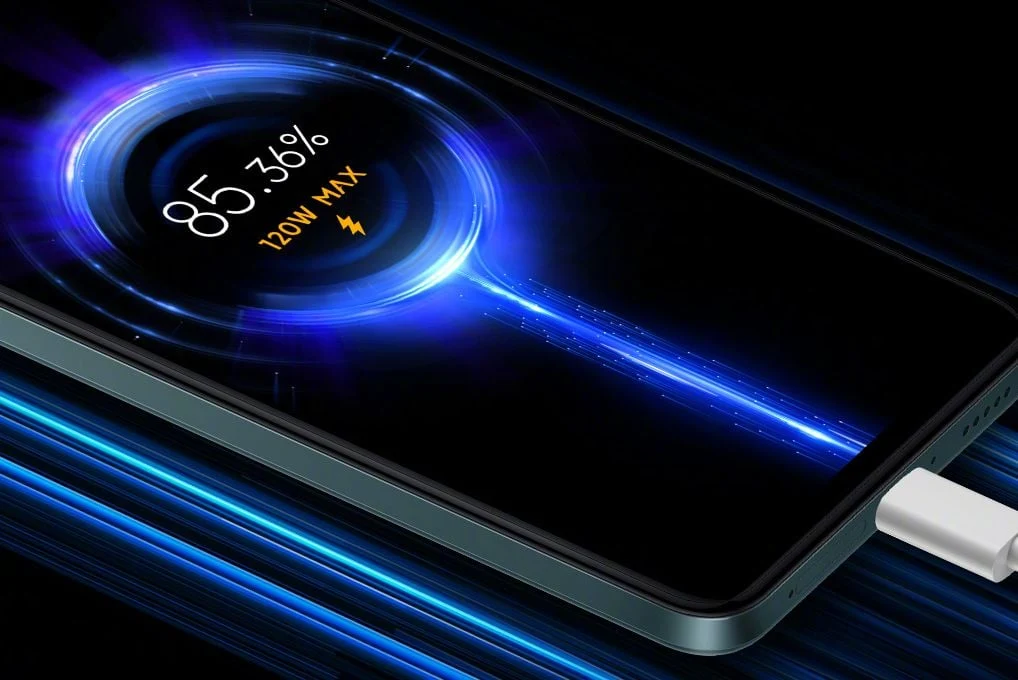
    The iPhone 17 series may not introduce the charging speed enhancements that some users are anticipating. A fresh rumor suggests that all models in the iPhone 17 range—iPhone 17, iPhone 17 Air, iPhone 17 Pro, and iPhone 17 Pro Max—will only support up to 35W wired charging.

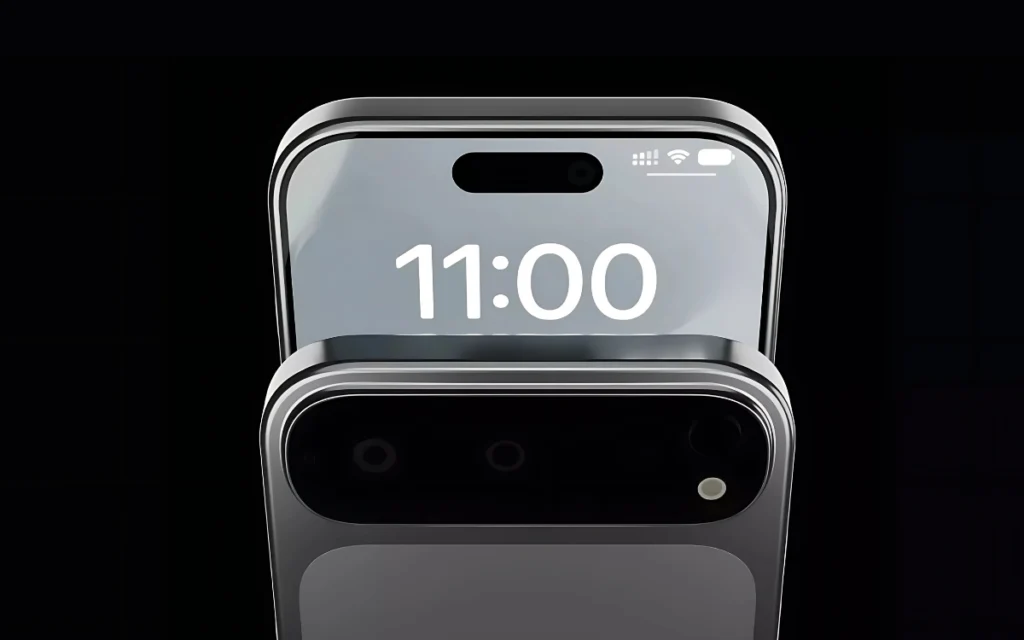
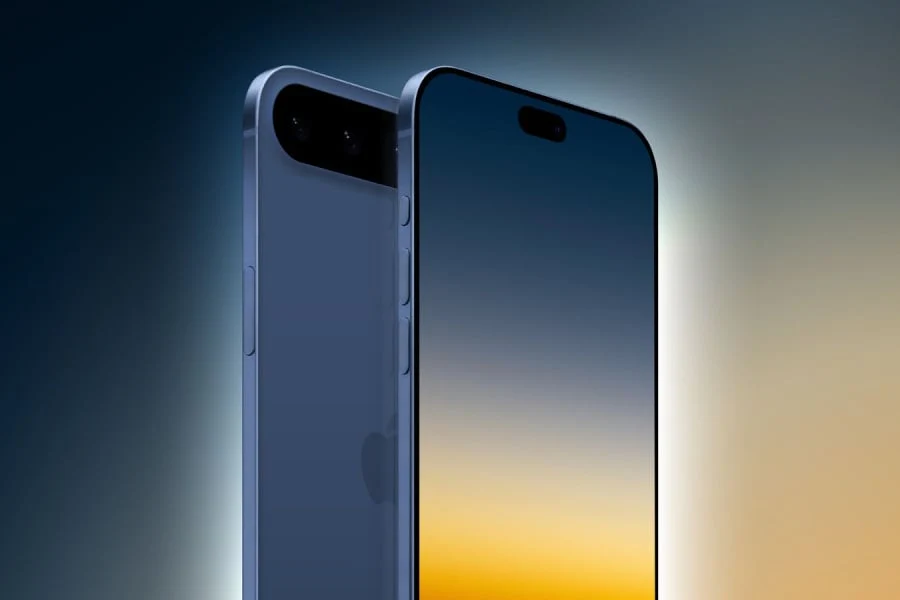
    Latest Concept Design

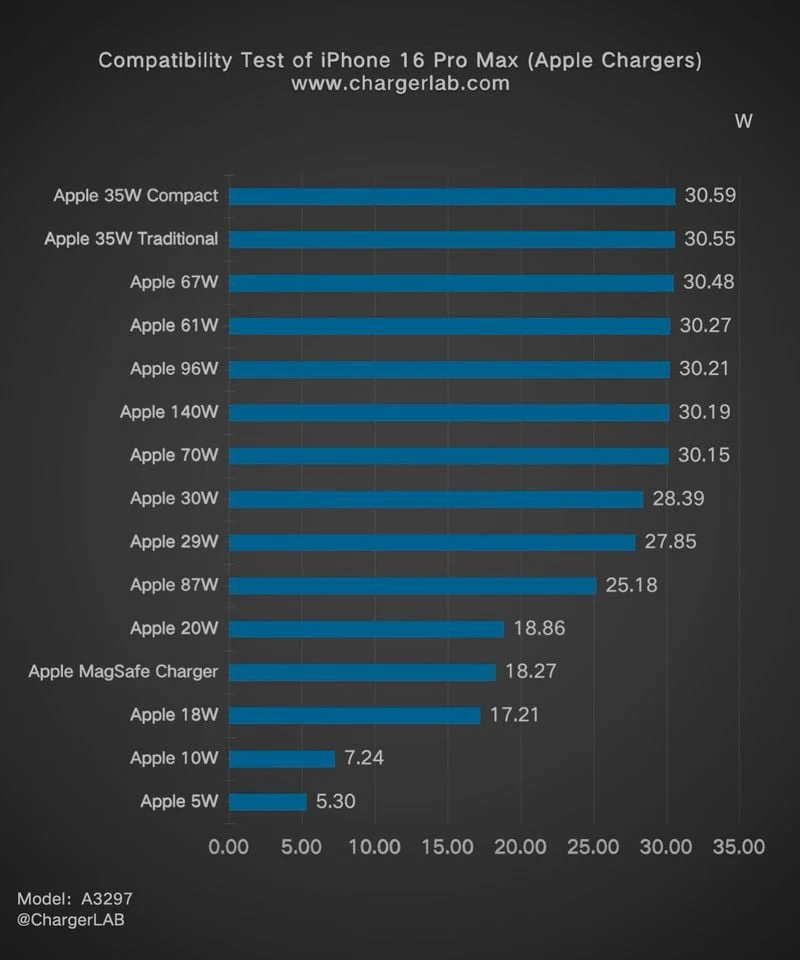
    This information originates from Apple supply chain expert Jeff Pu (as reported by MacRumors). ChargerLAB revealed last year that the iPhone 16 Pro Max achieved a maximum charging speed of 37W using Apple’s 140W USB-C power adapter during testing. The regular iPhone 16 was also noted for hitting a peak charging speed of 38W, maintaining an around 20W rate.

    Charging Speed Insights

    This indicates that the charging performance (or the overall efficiency of the charging system) is likely to remain quite similar to the previous year’s devices. While 35W is reasonable, it falls short compared to many Android devices, some of which can handle over 100W of power input. For loyal Apple users, it appears that the company is continuing its gradual method to charging advancements.

    Wireless Charging Status

    It’s common to think that quicker charging leads to more heat, which can harm the battery more quickly, thus negatively impacting battery life. Yet, several smartphone manufacturers have been implementing this for over four years, and there hasn’t been any substantial evidence that supports this idea. In the end, it really hinges on temperature and the power efficiency of the charging system, which has significantly improved over time. With the tech we have now, adopting faster charging seems quite safe, and we hope to see this happen soon.

    Regarding wireless charging, Jeff Pu did not indicate any updates for MagSafe wireless charging speeds for the iPhone 17 lineup. Presently, the iPhone 16 series allows for up to 25W wireless charging via MagSafe, and it seems likely that the iPhone 17 will maintain this same level.

    Source:
    Link

  • Apple iPhone 17 Pro May Be Lighter with New Material, Faster Charging

    Apple iPhone 17 Pro May Be Lighter with New Material, Faster Charging

    Key Takeaways

    1. The iPhone 17 series will feature a significant design change with a broad “camera bar,” exclusive to Pro versions and iPhone 17 Air, while the standard iPhone 17 retains the traditional square camera layout.

    2. The iPhone 17 Pro and Pro Max will switch from titanium back to aluminum casing, a material last used in the iPhone 7 Plus.

    3. This is the first time since the iPhone 7 Plus that Apple will use aluminum for its premium smartphones, moving away from stainless steel frames.

    4. Only the iPhone 17 Air is expected to have a titanium frame, aimed at enhancing durability while maintaining a thinner design.

    5. All models in the iPhone 17 series will feature improved 35-watt USB-C charging, up from 30 watts in previous models.


    For the first time since the iPhone 12, the iPhone 17 series will undergo a significant design change, setting it apart from the iPhone 16 Pro mainly due to the introduction of a broad “camera bar.” Current rumors suggest that this new design will be exclusive to the Pro versions and the iPhone 17 Air, while the more affordable iPhone 17 will stick with the traditional square camera layout.

    Design and Materials Transformation

    In addition to the design differences between the iPhone 16 and iPhone 17 series, new insights from analyst Jeff Pu reveal changes in the materials used for the phone’s casing. The base model will keep its aluminum frame, but the iPhone 17 Pro and iPhone 17 Pro Max will switch from titanium back to aluminum, which was last used in the iPhone 7 Plus.

    A Shift in Premium Materials

    After utilizing stainless steel frames from the iPhone X through to the iPhone 14 Pro, this marks the first instance since the iPhone 7 Plus that Apple’s premium smartphone will utilize aluminum. Interestingly, only the iPhone 17 Air is expected to come with a titanium frame, likely aimed at enhancing the durability of its thinner design. Jeff Pu indicates that this shift from titanium to aluminum is part of Apple’s efforts to reduce the ecological impact of their products. Aluminum is lighter, having 40% lower density than titanium, which could also contribute to a lighter iPhone 17 Pro.

    Charging Improvements

    Finally, all four models in the iPhone 17 series are anticipated to feature 35-watt USB-C charging, a step up from the previous 30 watts.

    Source:
    Link

  • iPhone 17 Rumored to Feature iPhone 16 Pro’s 120Hz Display

    iPhone 17 Rumored to Feature iPhone 16 Pro’s 120Hz Display

    Key Takeaways

    1. Every model in the iPhone 17 lineup may feature the same display as the iPhone 16 Pro, including its refresh rate.
    2. The rumor suggests all iPhone 17 models will use a Samsung M14 OLED panel.
    3. The basic iPhone 17 could have a 120 Hz variable refresh rate, a first for non-Pro models.
    4. The OLED display can adapt its refresh rate down to as low as 1 Hz.
    5. This information is speculative and should be viewed with caution, as Apple usually reserves high refresh rate displays for Pro models.


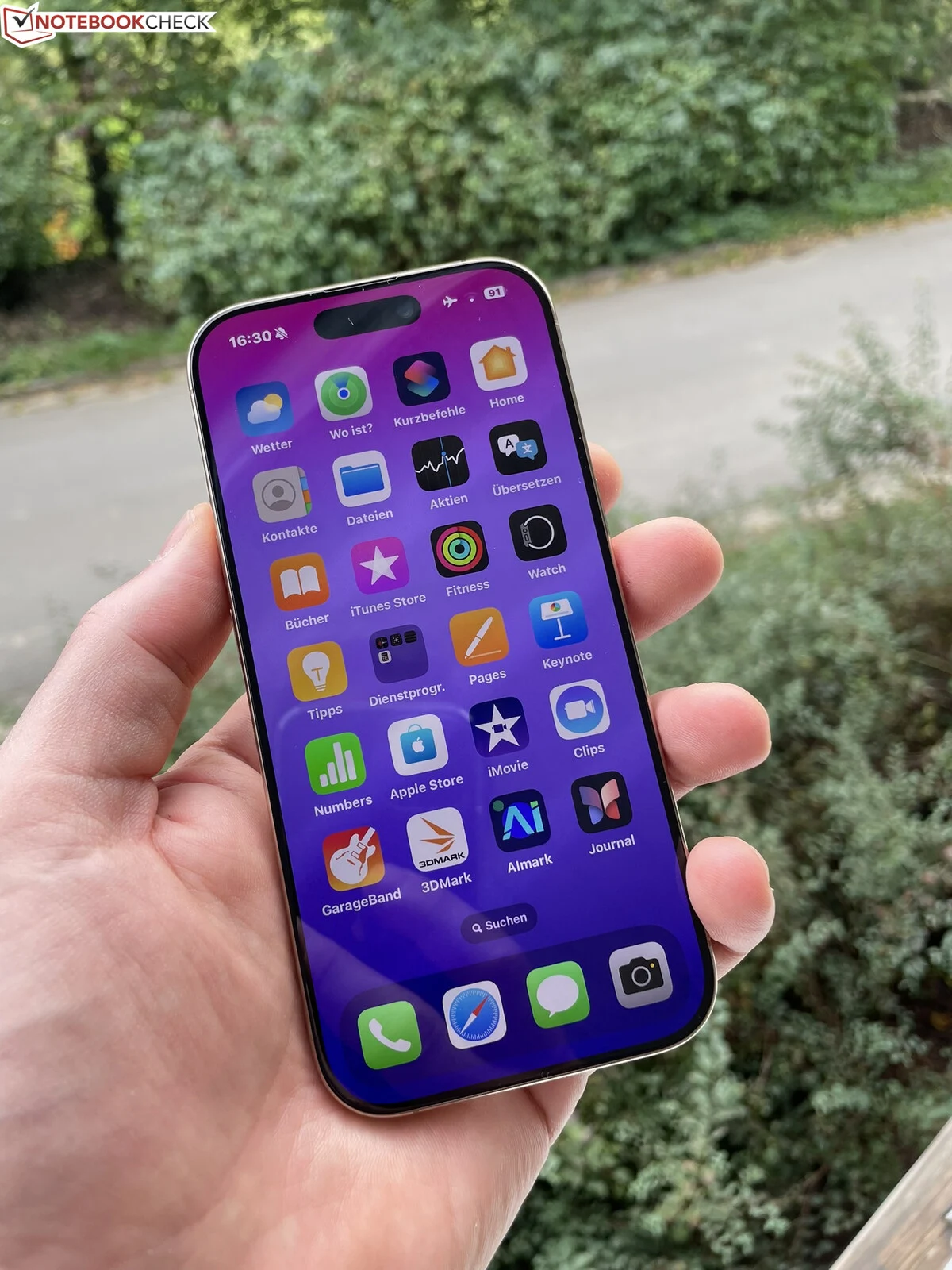
    While the iPhone SE 4 is nearing its launch, many people are already focusing on the upcoming iPhone 17 series. A fresh rumor suggests that every model in the iPhone 17 lineup will feature the same display as the iPhone 16 Pro, including its refresh rate.

    Source of the Rumor

    This information originates from a user on the Chinese social media platform Weibo, going by the name Instant Digital. The leaker stated (in a now-deleted post) that both the iPhone 17 and iPhone 17 Pro, along with their larger counterparts, will utilize a Samsung M14 OLED panel, which is what the iPhone 16 Pro currently uses. Instant Digital also mentioned that the anticipated iPhone 17 Air will be equipped with this panel too. The standout feature of this display, particularly for the basic iPhone 17, is its impressive 120 Hz variable refresh rate.

    Impact on Non-Pro Models

    If this speculation turns out to be accurate, it will be the first instance where a non-Pro iPhone boasts a refresh rate beyond the standard 60 Hz, a frequent criticism of Apple’s entry-level iPhone offerings. Additionally, this panel is capable of adapting its refresh rate down to as low as 1 Hz.

    In our assessment of the iPhone 16 Pro, its OLED screen averaged 1033 nits in brightness, along with respectable color accuracy (DeltaE2000 value of 0.98). Nonetheless, it has a downside common to many OLED displays, featuring a low PWM of approximately 240 Hz, which can be a concern for some users.

    Caution Regarding Rumors

    It’s important to note that this is merely a rumor and should be viewed with skepticism. Apple has traditionally reserved its “ProMotion” displays exclusively for its Pro models. Therefore, it would represent a significant change for Apple to include a 120 Hz panel in a non-Pro iPhone.

    Source:
    Link

  • iPhone 17 Lineup to Include Samsung’s Top OLED, Galaxy S25 Lacks

    iPhone 17 Lineup to Include Samsung’s Top OLED, Galaxy S25 Lacks

    Key Takeaways

    1. All iPhone 17 models, including the new iPhone 17 Air, will feature Samsung’s M14 OLED display panels.
    2. The M14 OLED display offers 20-30% higher brightness compared to the previous M13 panel.
    3. Apple is making the M14 OLED available in all iPhone 17 variants, enhancing the experience for standard models.
    4. There is uncertainty about whether non-Pro iPhone 17 models will have the rumored 120Hz refresh rate.
    5. Samsung’s strategy involves providing higher-end M14 panels to Apple while using AI ProScaler technology in its own Galaxy S25 series.


    Apple’s upcoming iPhone 17 series has been creating quite the buzz. Recent reports indicate that all models in the iPhone 17 range, including the new iPhone 17 Air, will be equipped with Samsung’s latest M14 OLED display panels.

    M14 OLED Display Details

    Interestingly, the M14 OLED display is not part of Samsung’s latest flagship for 2025, the Galaxy S25 series. The M14 OLED is Samsung’s cutting-edge display tech, boasting a brightness that is said to be 20-30% higher than its predecessor, the M13 panel found in the Galaxy S24 series. The Galaxy S25 Ultra features an upgraded version called M13+, but it still doesn’t match the capabilities that the iPhone 17 models will provide.

    Implications for Apple

    This is a notable change for Apple. Previously, the M14 OLED was exclusive to the Pro models in the iPhone 16 series. By including the M14 in all iPhone 17 variants, Apple is bridging the gap between its standard and Pro models, creating a more premium experience for everyone. However, it remains unclear if the previously rumored 120Hz refresh rate for non-Pro models will actually come to pass.

    Samsung’s Strategy

    While the Galaxy S25 series does incorporate AI ProScaler technology to improve display quality, it cannot completely make up for the hardware differences that arise from not using the M14. This strategic move likely allows Samsung’s mobile division to reduce costs, while Samsung Display profits from providing the higher-end M14 panels to Apple.

  • iPhone 17 Series Features Mostly Unchanged Dynamic Island

    iPhone 17 Series Features Mostly Unchanged Dynamic Island

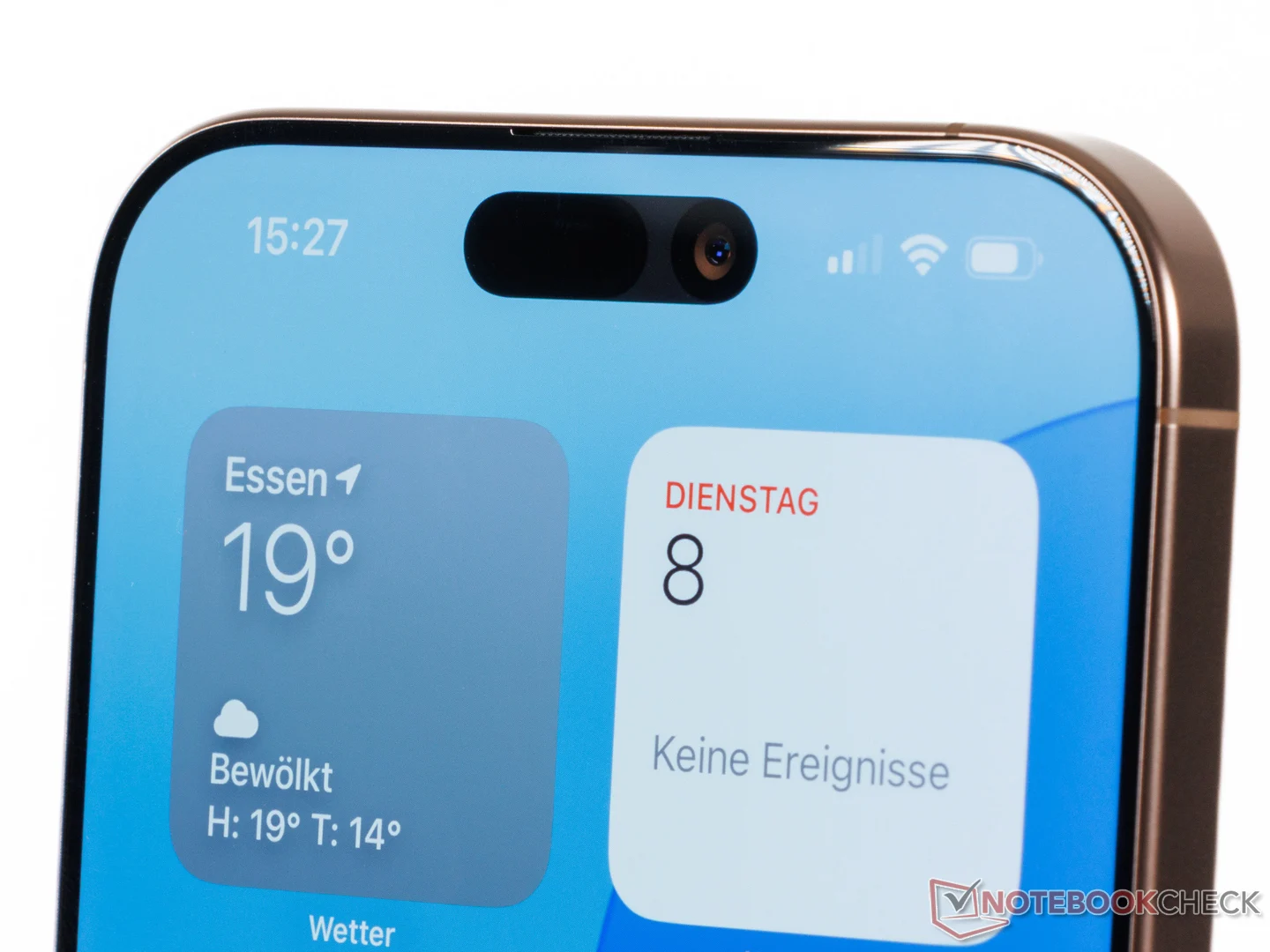
    Renowned analyst Ming-Chi Kuo has made some forecasts about the forthcoming iPhone 17 series. He claims that the size of the Dynamic Island will mostly stay the same as in the current models. This goes against earlier statements by Jeff Pu, who mentioned that Apple might use metalens technology for Face ID in the iPhone 17 Pro, which would allow for a notable reduction in the cutout size.

    Dynamic Island’s Design Expected to Stay the Same

    The Dynamic Island was first introduced in 2022 with the iPhone 14 Pro models. It represented a significant change from the classic notch, providing a more engaging and less obtrusive option. Since its launch, the feature has seen very few alterations, and Kuo’s comments suggest that Apple might not be looking to change it anytime soon. Although there have been ongoing rumors about Apple’s long-term ambitions for a display without any cutouts, such innovations may take years to achieve.

    Budget iPhone SE 4 to Feature Dynamic Island

    On another note, the anticipated budget iPhone SE 4 is said to come with a Dynamic Island, signaling a significant design overhaul that brings it in line with higher-end models. Leaked images and code insights from tipster Evan Blass indicate that it will remove the Home Button in favor of an edge-to-edge display, incorporating Face ID as well.

    As for the iPhone 17 series, it is expected to debut in September 2025, featuring four models: iPhone 17, iPhone 17 Air, iPhone 17 Pro, and iPhone 17 Pro Max. The Pro models may showcase a new horizontally arranged camera module, replacing the triangular design found in the iPhone 16 series. The iPhone 17 Air, rumored to be a new addition, might sport a thinner design at just 5.5mm thick, complete with a premium glass back and aluminum frame.

    Hardware Expectations for the iPhone 17 Series

    On the hardware side, the Pro models are rumored to come equipped with Apple’s cutting-edge A19 Pro chipset, paired with a 6.9-inch OLED display that supports a 120Hz refresh rate for the Pro Max, and a slightly smaller 6.3-inch display for the Pro. On the other hand, the standard iPhone 17 and the Air model are likely to use the basic A19 chip and feature a 120Hz OLED screen, sized at 6.1 inches and 6.6 inches, respectively.

    Source:
    Link

  • Apple Analyst Reveals Dynamic Island Changes for iPhone 17 Series

    Apple Analyst Reveals Dynamic Island Changes for iPhone 17 Series

    Apple is still some time away from unveiling the iPhone 17 series. Current insights suggest that the company won’t be updating the iPhone 16 Pro Max (currently priced at $1,179 – refurbished premium on Amazon) or its less expensive models until at least mid-September. In the interim, there are expectations for the upcoming iPhone SE, which may be introduced this quarter as the iPhone 16e, featuring smaller dimensions than anticipated.

    Speculation About Changes

    Even though the release is a while off, rumors are already circulating regarding potential changes to this year’s leading iPhone models to set them apart from existing ones. One recent claim suggested that only the iPhone 17 Pro Max would come with a smaller version of the Dynamic Island. However, according to the typically dependable Ming-Chi Kuo, this isn’t accurate at all.

    Analyst Insights

    In a post on X, the seasoned Apple analyst expressed that the Dynamic Island will not see any modifications between the iPhone 16 and the iPhone 17 series. He stated that its design will remain ‘largely unchanged’, despite the introduction of a new ‘Air’ product line. As it stands now, Apple seems unlikely to move away from the Dynamic Island across all iPhone models until the end of this decade.

    Source:
    Link

  • Apple Tackles Thermal Issues with Vapor Chamber in iPhone 17

    Apple Tackles Thermal Issues with Vapor Chamber in iPhone 17

    Apple is said to be making a significant shift in how it manages heat for the iPhone 17 series. A recent report indicates that the company plans to implement a vapor chamber cooling system in both the Pro and non-Pro models.

    Importance of Heat Management

    Managing heat is vital for how smartphones operate. When a device gets too hot, it can lead to processor slowdowns, causing lag and even freezing. Moreover, overheating can speed up battery wear, which shortens the phone’s overall lifespan.

    Transitioning From Traditional Methods

    Currently, Apple utilizes traditional heat sinks constructed from highly conductive metals to draw heat away from the processor. However, a vapor chamber cooling system functions by using a sealed liquid that vaporizes when heated. The vapor then circulates within a chamber, spreading heat evenly before reverting back to liquid. This cycle improves heat dissipation while occupying little space and eliminating the need for extra components like fans.

    Benefits of Vapor Chamber Cooling

    The perks of using vapor chamber cooling go beyond just performance boosts. As processors get more powerful and charging speeds rise, effective heat management becomes crucial for efficiency and longevity. This is especially pertinent as Apple increases the clock speeds of its A-series chips. The forthcoming A19 Pro chipset, expected to be included in the iPhone 17 Pro models, might reach clock speeds as high as 5GHz.

    Industry analyst Ming-Chi Kuo had earlier suggested that vapor chamber cooling would debut with the iPhone 17 Pro Max, a sensible choice given the demands of the SoC. However, new information indicates that this technology will be available across the entire iPhone 17 lineup.

    Source:
    Link


  • Apple iPhone 17 Pro Leak Reveals Exciting Radical Redesign

    Apple iPhone 17 Pro Leak Reveals Exciting Radical Redesign

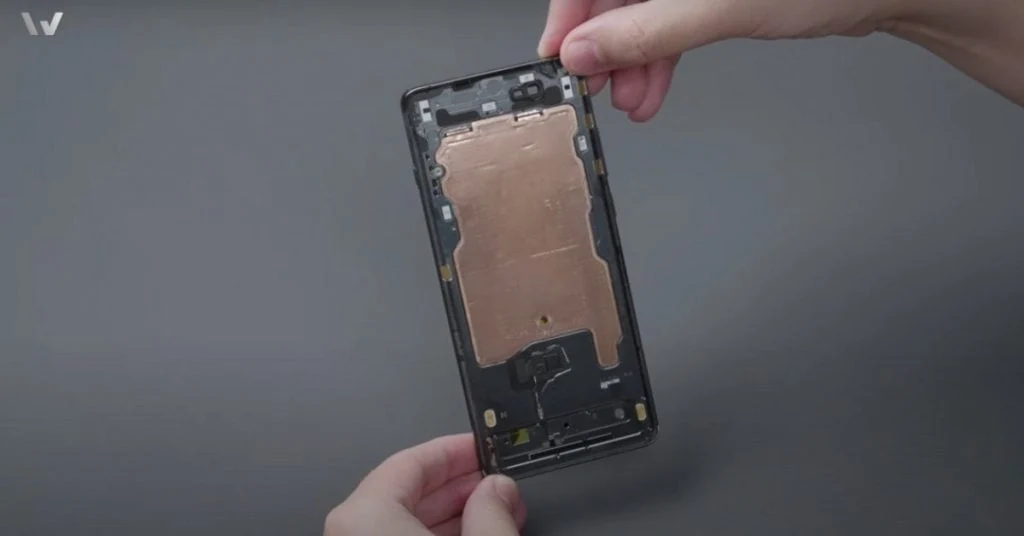
    Earlier today, news broke that Apple is set to launch a camera bar similar to the Pixel series with its upcoming iPhone 17 and iPhone 17 Pro Max. This information seems to have come from Digital Chat Station, which also provided a design mock-up. Recently, a new image showcasing this possible redesign surfaced on Weibo.

    Caution Advised

    This photo is said to come from a source inside Apple’s supply chain, but it’s wise to be careful about believing it fully, despite how real it appears. Interestingly, this design aligns with previous reports from The Information, which mentioned that Apple plans to switch to aluminium frames for both the iPhone 17 Pro and iPhone 17 Pro Max.

    Design Comparisons

    The wide horizontal camera bar draws similarities to the Pixel 9 Pro and Pixel 9 Pro XL (currently priced at $949 on Amazon). It appears that Apple might be looking to implement a unibody design, featuring cutouts for the camera and the wireless charging components.

    Familiar Features

    Additionally, the frame has cutouts for the physical buttons, which seem to have the same placement as those on the iPhone 16 Pro and iPhone 16 Pro Max. The large cutout in the center of the frame hints that Apple will add something over it. Therefore, it’s possible that the iPhone 17 Pro and iPhone 17 Pro Max could resemble standard glass-backed devices, even if the internal build is quite different.

    Source: Link


    Image 1
  • iPhone 17 Series Rumored to Have Pixel-Inspired Camera Design

    iPhone 17 Series Rumored to Have Pixel-Inspired Camera Design

    Apple has made a shift in design for the iPhone 16 series, marking the first significant change in four years. The new standard and Plus versions now showcase a vertically arranged camera island on the back. Recently, Digital Chat Station has indicated that the iPhone 17 lineup may also undergo a design transformation.

    Potential Changes Ahead

    According to the Weibo source, based on materials from the supply chain, it seems Apple might modify the design of the camera island in the iPhone 17 series. However, Digital Chat Station hasn’t provided any additional information regarding the arrangement of lenses or whether only the Pro versions will have this new design.

    Similarities to Competitors

    The tipster suggests that the rear camera island might resemble that of the Google Pixel 9 Pro. It’s interesting to note that a similar report was released by The Information last month. They indicated that the iPhone 17 Pro and 17 Pro Max are expected to feature significant design alterations.

    A New Material Mix

    Reports suggest that these premium models will be the first iPhones to incorporate both glass and aluminum on the rear. The Information mentioned that the camera bump will be made of aluminum, akin to the design seen in Google’s Pixel 9 series (with the 128 GB Pro currently priced at $849 on Amazon).

    Interestingly, The Information clarified that the camera island on the iPhone 17 Pro models may take on a rectangular shape made of aluminum. In contrast, the Pixel 9 series sports a pill-shaped camera island.

    Industry-Wide Influence

    Notably, Digital Chat Station also remarked that several Android manufacturers are likely to adopt a camera island design similar to the one in the iPhone 17 series. However, the tipster did not specify which brands might follow suit.

    Source: Link


    Image 1
  • iPhone 17 Leak Reveals Sleek Design and Pixel-Inspired Camera

    iPhone 17 Leak Reveals Sleek Design and Pixel-Inspired Camera

    While the Apple iPhone 16 series was just released a few months ago, there are already some early leaks hinting at the design of the upcoming iPhone 17 lineup. These leaks show a significant redesign on the back, so let’s dive into this leaked image.

    Apple iPhone 17 Design Leaks

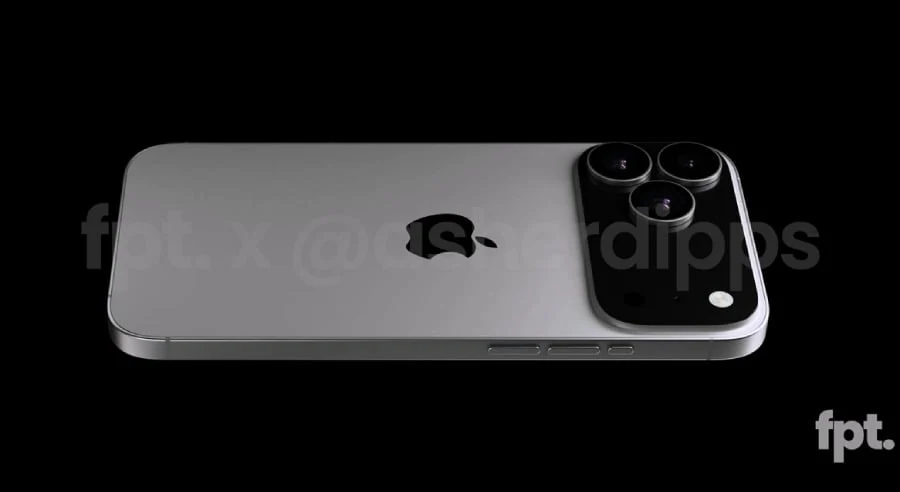
    The render of the iPhone 17 series was posted by the well-known leaker Digital Chat Station on Weibo, a popular Chinese microblogging site. From the picture, we can see that Apple is keeping the pill-shaped module that we first saw on the standard iPhone 16 (Via TechOutlook). However, what’s interesting is that the image sensors are not arranged vertically; instead, they seem to draw inspiration from the latest Google Pixel 9.

    Features of the iPhone 17 Pro

    The leaked images show three camera sensors accompanied by an LED flash. The Cupertino-based company introduced a design refresh with the iPhone 16, but it appears that the iPhone 17 might take a bolder approach. If these leaks are accurate, it would represent the most significant change to the iPhone in many years. Although the precise details about the camera configuration remain unclear, Digital Chat Station noted that Android smartphone manufacturers might also follow a similar design trend.

    The presence of three camera sensors suggests this might be an iPhone 17 Pro model. Additionally, this leaked version of the iPhone 17 Pro is said to feature a dedicated camera button on the side. Since this is an early leak, it’s best to take this information with a grain of salt. It seems doubtful that Apple would implement such a drastic alteration. So, keep an eye out for more updates as we will share further information when it becomes available about the next generation of iPhones. The iPhone lineup for 2025 may also feature a new iPhone 17 Air model, which could be more than 2mm slimmer than the iPhone 16.