Tag: Vapor Chamber Cooling

  • Apple foldable iPhone gaming leak: best-ever model revealed

    Apple foldable iPhone gaming leak: best-ever model revealed

    Key Takeaway

    – Foldable iPhone Ultra to feature vapor chamber (VC) cooling system for sustained performance.
    – Device designed with ultra-slim 4.5mm profile, omitting Face ID, MagSafe, and physical SIM slot.
    – VC system uses deionized water to distribute heat, similar to iPhone 17 Pro design.
    – Manufacturing challenges persist, particularly with surface-mount technology (SMT) scaling.
    – September 2026 debut planned alongside iPhone 18 Pro lineup, starting at $2,000.


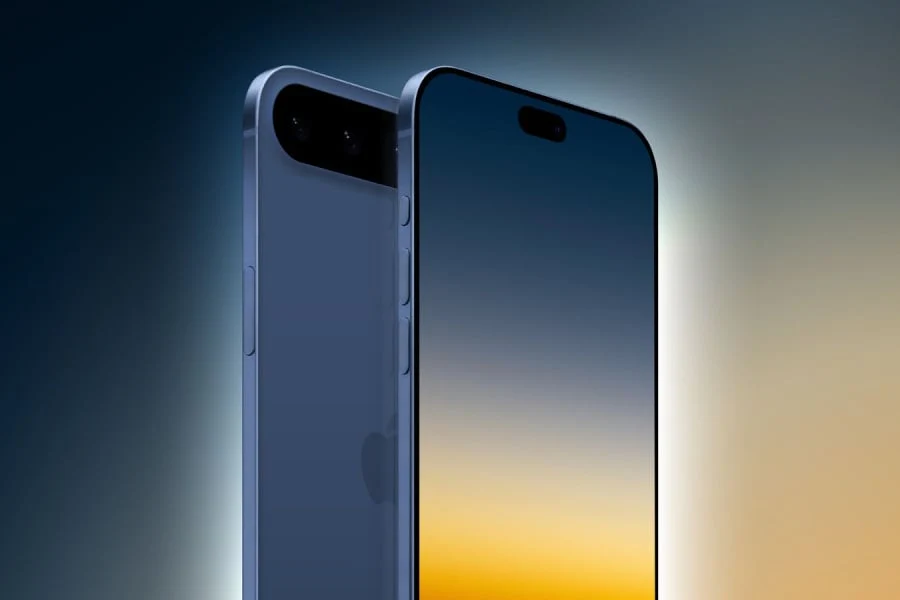
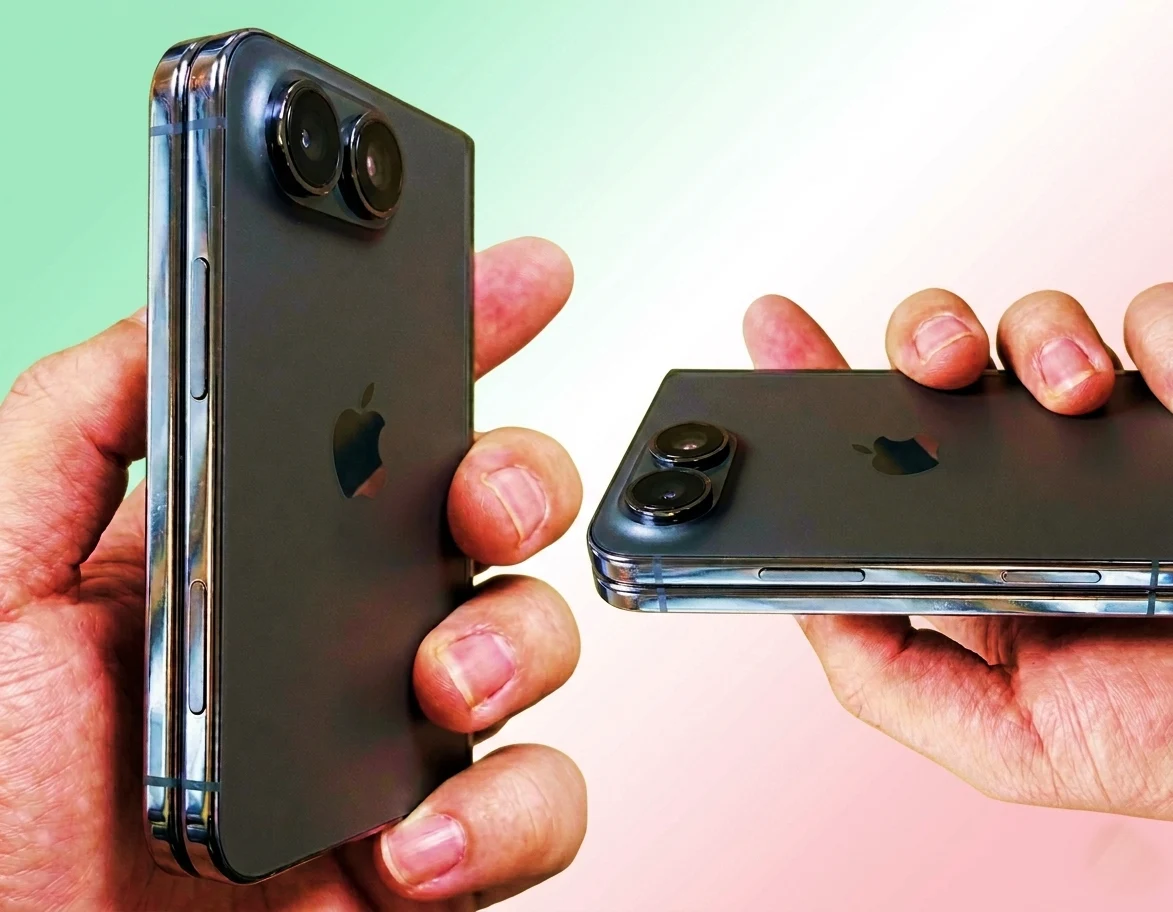
    After seeing our first leaked design model hands-on video of Apple’s upcoming foldable iPhone Ultra, we are now learning that the phone will reportedly feature a sophisticated vapor chamber (VC) cooling system.

    Thermal Engineering and Thinness

    Despite the rumors of an ultra-slim 4.5mm profile, a fresh report from a top leakster indicates that Apple is prioritizing high-end thermal engineering, with the leaker describing the device’s thermal performance as “quite impressive”. This is the first time a reliable source has hinted at a vapor chamber cooling system for the foldable iPhone. For reference, the similarly thin iPhone Air does not utilize this technology.

    Feature Compromises for Thickness

    To accommodate the rumored 4.5mm thickness, the device is expected to omit several standard iPhone features, including Face ID, MagSafe, and a physical SIM slot, with Touch ID serving as the biometric authentication. The VC cooling system is expected to mirror the design first introduced in the iPhone 17 Pro, which circulates deionized water to distribute heat across the chassis.

    Sustained Performance Goals

    This move suggests that Apple might really be going all out to ensure the A20 Pro-powered foldable can maintain sustained performance despite its compact internal volume. While the cooling solution might indeed be on the way, the iPhone Ultra continues to face manufacturing challenges. Reports suggest that pre-assembly stages, specifically regarding surface-mount technology (SMT), are proving difficult to scale.

    Manufacturing and Pricing

    However, despite these yield pressures, the September 2026 debut remains on track to coincide with the iPhone 18 Pro lineup. Pricing for the foldable iPhone is rumored to start at $2,000. Further updates on the device are expected to be shared by the leaker in the coming days.

    Sources

  • iPhone 17 Pro to Feature Vapor Chamber Cooling System, Leak Reveals

    iPhone 17 Pro to Feature Vapor Chamber Cooling System, Leak Reveals

    Key Takeaways

    1. The iPhone 17 Pro and iPhone 17 Pro Max are expected to feature the new A19 Pro chip, enhancing performance but facing overheating concerns.
    2. Vapor chamber cooling may be implemented in the Pro models to manage heat, distinguishing them from the standard iPhone 17 and iPhone 17 Air.
    3. Vapor chamber cooling uses a liquid-filled copper pipe to efficiently dissipate heat from the processor, a system commonly found in Android devices.
    4. The A19 Pro chip will improve speed and efficiency, but performance gains may be limited without effective cooling solutions.
    5. Overheating is a significant issue for mobile gaming, making vapor chamber cooling a desirable feature for high-performance smartphones.


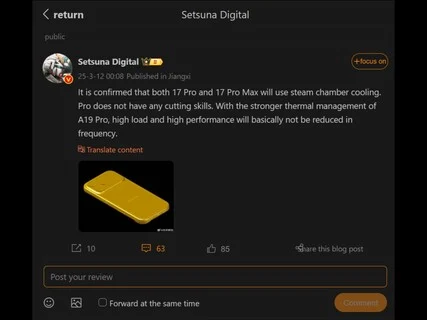
    The tech world is buzzing about the expected release of the iPhone 17 Pro and iPhone 17 Pro Max later this year. The new A19 Pro chip is set to enhance performance, yet concerns about overheating might restrict these improvements. There have been talks suggesting that Apple could implement vapor chamber cooling to compete with Samsung devices like the Galaxy S25 Ultra. Recently, a leaker named Instant Digital expressed strong confidence that some iPhone 17 models will feature this more advanced cooling system.

    Rumors on Cooling Systems

    In a post on Weibo, Instant Digital mentioned that vapor chamber cooling won’t be available for the iPhone 17 and iPhone 17 Air. Customers looking for this feature will have to choose Apple’s upcoming Pro models instead. Less advanced phones typically use conductive materials in heatsinks to draw heat away toward the casing. Unfortunately, this method might fall short during heavy activities like gaming or video editing.

    How Vapor Chamber Cooling Works

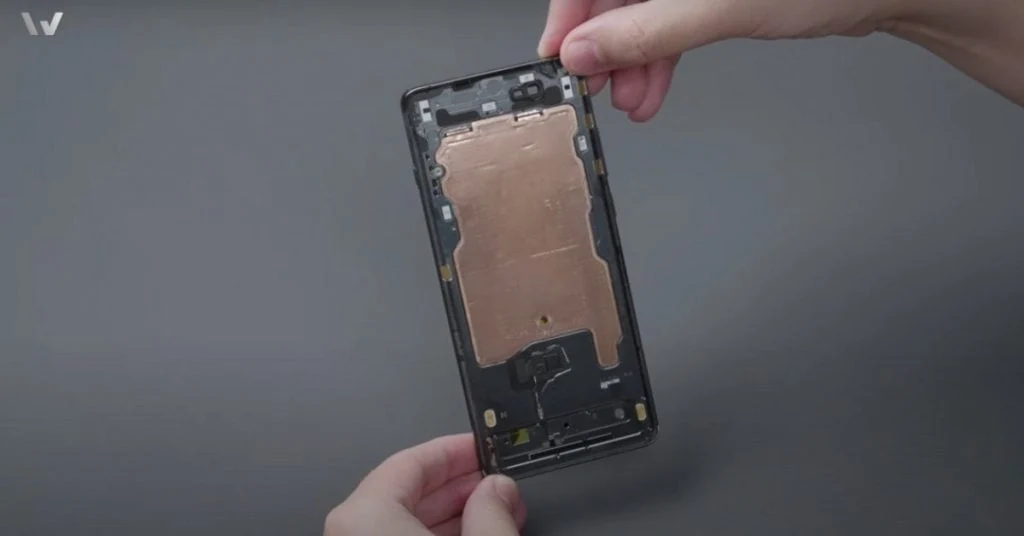
    Vapor chamber cooling generally consists of a thin copper pipe filled with liquid positioned over the processor. As the processor heats up, the liquid turns to vapor and spreads to a cooler area of the chamber. The vapor then cools down and reverts to liquid, and the cycle continues. This system has mainly been found in Android phones. The Galaxy S25 Ultra, for instance, expanded its cooling chamber size to keep the Qualcomm Snapdragon 8 Elite chip from throttling.

    Performance Expectations

    Both the iPhone 17 Pro and iPhone 17 Pro Max will incorporate the A19 Pro chip, which is expected to deliver increased speed and efficiency. Nevertheless, the enhancements might not be as significant when compared to earlier iPhone Pro versions. Vapor chamber cooling could enable these phones to fully utilize their capabilities.

    Overheating is a critical issue, especially in the thriving mobile gaming sector. With high-end graphics, AAA games can really test the limits of any smartphone. While companies like GameSir provide controllers equipped with fans, a vapor chamber represents a much sleeker and more effective solution.

    Source:
    Link


  • Apple Tackles Thermal Issues with Vapor Chamber in iPhone 17

    Apple Tackles Thermal Issues with Vapor Chamber in iPhone 17

    Apple is said to be making a significant shift in how it manages heat for the iPhone 17 series. A recent report indicates that the company plans to implement a vapor chamber cooling system in both the Pro and non-Pro models.

    Importance of Heat Management

    Managing heat is vital for how smartphones operate. When a device gets too hot, it can lead to processor slowdowns, causing lag and even freezing. Moreover, overheating can speed up battery wear, which shortens the phone’s overall lifespan.

    Transitioning From Traditional Methods

    Currently, Apple utilizes traditional heat sinks constructed from highly conductive metals to draw heat away from the processor. However, a vapor chamber cooling system functions by using a sealed liquid that vaporizes when heated. The vapor then circulates within a chamber, spreading heat evenly before reverting back to liquid. This cycle improves heat dissipation while occupying little space and eliminating the need for extra components like fans.

    Benefits of Vapor Chamber Cooling

    The perks of using vapor chamber cooling go beyond just performance boosts. As processors get more powerful and charging speeds rise, effective heat management becomes crucial for efficiency and longevity. This is especially pertinent as Apple increases the clock speeds of its A-series chips. The forthcoming A19 Pro chipset, expected to be included in the iPhone 17 Pro models, might reach clock speeds as high as 5GHz.

    Industry analyst Ming-Chi Kuo had earlier suggested that vapor chamber cooling would debut with the iPhone 17 Pro Max, a sensible choice given the demands of the SoC. However, new information indicates that this technology will be available across the entire iPhone 17 lineup.

    Source:
    Link