Key Takeaways
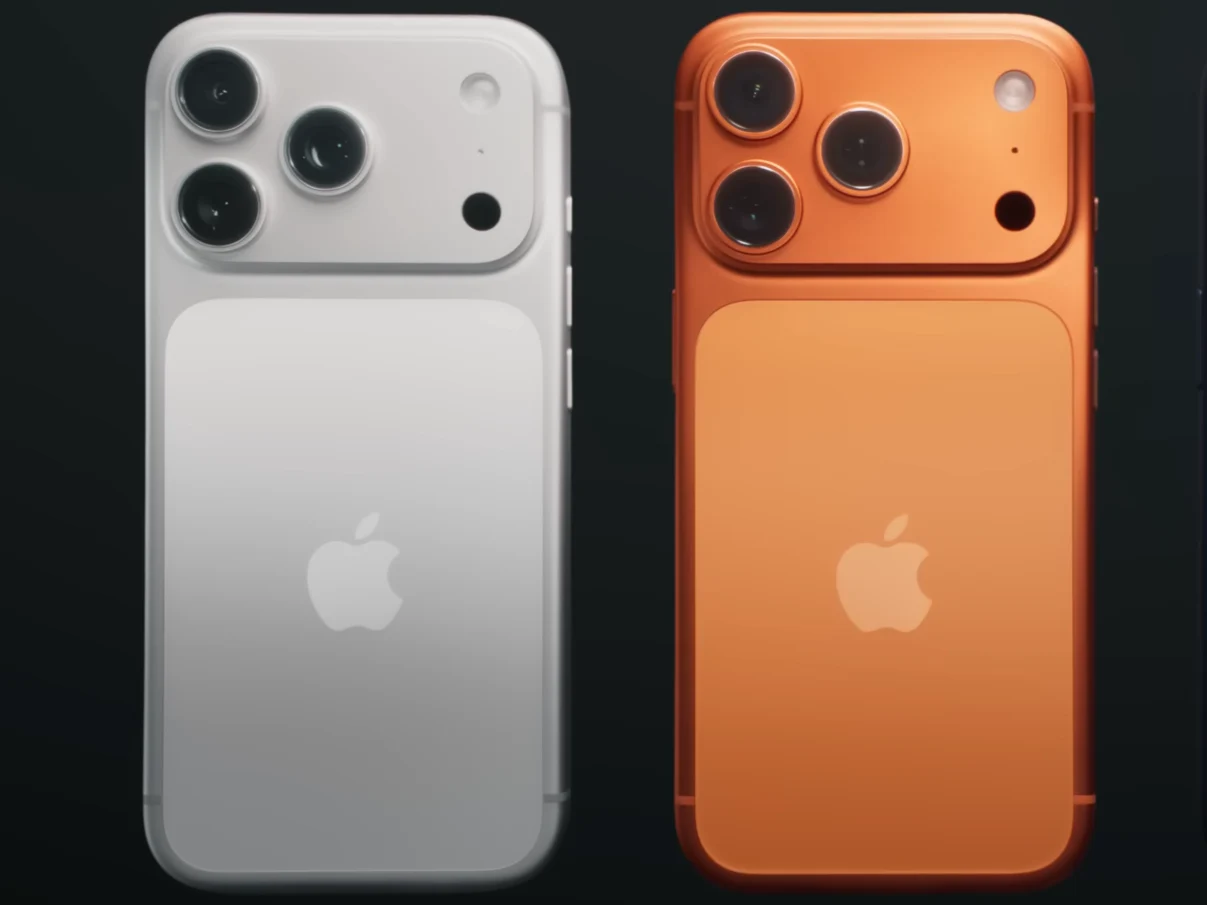
1. The iPhone 17 Pro Max uses aluminum and glass materials, making it potentially less sturdy than the Galaxy S25 Ultra, which has a titanium frame.
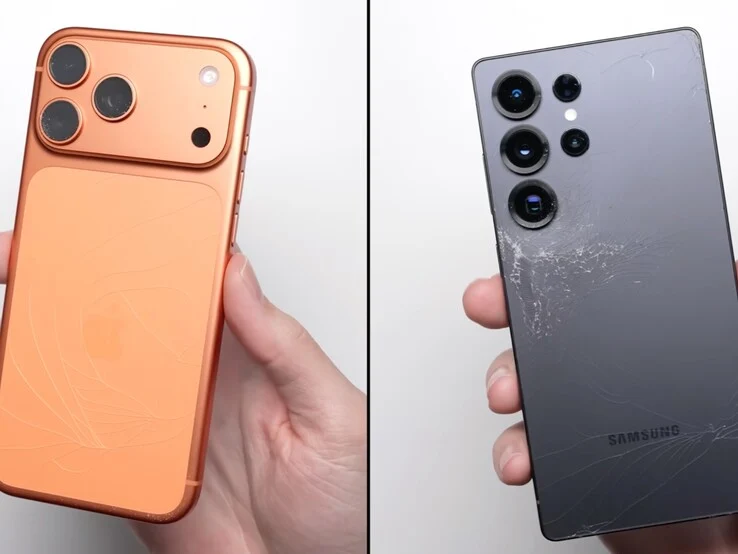
2. A drop test showed that both devices cracked during 1-meter drops, but the Galaxy S25 Ultra experienced worse damage due to more glass coverage.
3. In corner drop tests from 1 meter, the iPhone 17 Pro Max sustained a noticeable dent, while the Galaxy S25 Ultra only showed light scuffing.
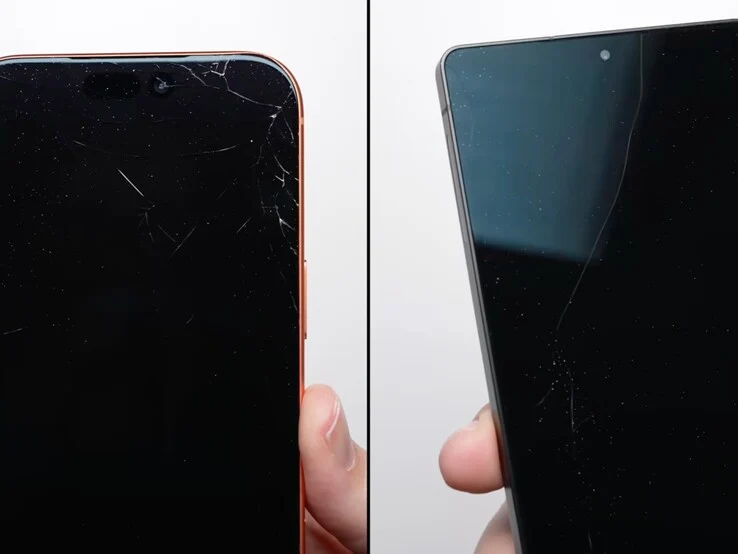
4. Both devices experienced screen cracks from face drops, but Apple’s enhanced ceramic shield proved tougher than previous models.
5. The iPhone Air demonstrated good bending resistance, but both the iPhone Air and iPhone 17 shattered when dropped face-down from six feet.
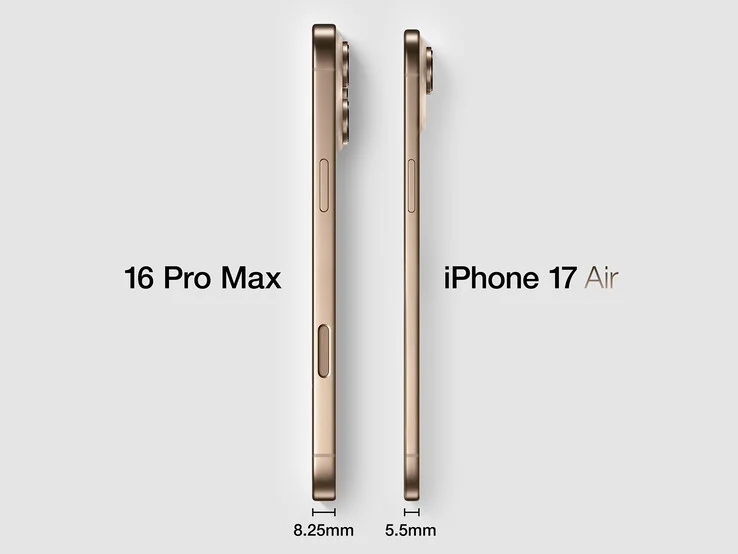
Ever since the iPhone 17 series was unveiled on September 9, many people are wondering about the toughness of these devices, especially the slimmer iPhone Air. Apple has opted for aluminum and glass materials for the iPhone 17 Pro Max instead of titanium, which might make it less sturdy compared to not only the iPhone 16 Pro Max but also its main rival, the Galaxy S25 Ultra (available on Amazon). A recent drop test has provided insights into how these two smartphones compare in terms of durability.
Comparing Durability
A video posted by PhoneBuff on YouTube (linked below) showcased a drop test between the iPhone 17 Pro Max and the Galaxy S25 Ultra. They utilized a machine to drop both phones from heights of 1 meter and 1.5 meters onto their back, front, and corners. The iPhone 17 Pro Max features an aluminum unibody frame, while the Galaxy S25 Ultra is built with a titanium frame. The iPhone’s back is partially made of glass and shielded by a ceramic layer, whereas the back of the Galaxy S25 Ultra is fully covered with Gorilla Glass Victus 2.
Results of the Tests
During the 1-meter back drop test, both devices experienced cracking in their back glass, but the damage was notably worse on the Galaxy S25 Ultra. This is likely due to the fact that the iPhone 17 Pro Max has less glass overall. The Samsung phone also displayed cracks around its camera area, though both devices continued to function correctly.
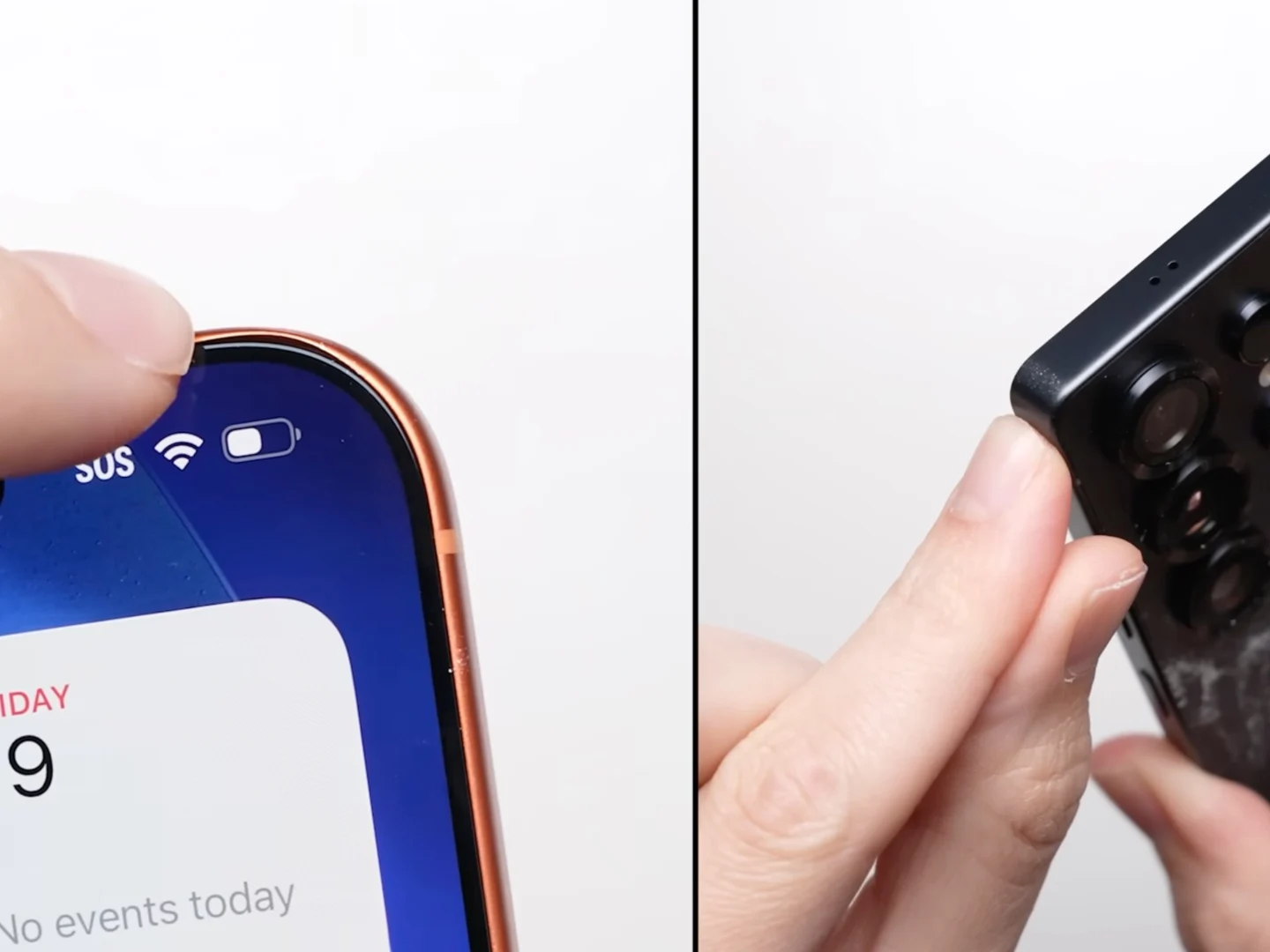
The next trial involved a 1-meter corner drop, where the advantages of titanium over aluminum became apparent. The iPhone 17 Pro Max sustained not just scuffs but also a noticeable dent, while the Galaxy S25 Ultra only showed light scuffing. In the subsequent test, which involved dropping both phones from 1 meter onto their face, both screens cracked, but PhoneBuff remarked that the damage wasn’t as severe as with older models. Apple’s enhanced ceramic shield has shown to be tougher, yet it still fails to withstand drops from 1 meter.
Further Observations
The tests continued with the same drops from a height of 1.5 meters, resulting in even more damage to both devices. The back glass of the Galaxy S25 Ultra was mostly shattered, with all camera lenses cracked. Conversely, the iPhone 17 Pro Max displayed only a slight increase in damage when dropped on its back. The front drop results were similar, but the corner drop led to worse damage for the iPhone, causing some focusing problems for its main camera. PhoneBuff mentioned that the camera issue seemed to fix itself eventually.
Many channels have conducted teardowns and durability evaluations of the iPhone 17 series. Surprisingly, the iPhone Air has demonstrated strong bending resistance. However, a recent drop test by Allstate Protection revealed that both the iPhone Air and the iPhone 17 Pro shattered when dropped face-down from a height of six feet.
Source:
Link