Tag: iPhone 17 Pro Max

  • ZTE Blade V80 Vita Design Inspired by iPhone 17 Pro Leaked

    ZTE Blade V80 Vita Design Inspired by iPhone 17 Pro Leaked

    Key Takeaways

    1. ZTE is inspired by Apple’s iPhone 17 series for its new smartphone, the Blade V80 Vita.
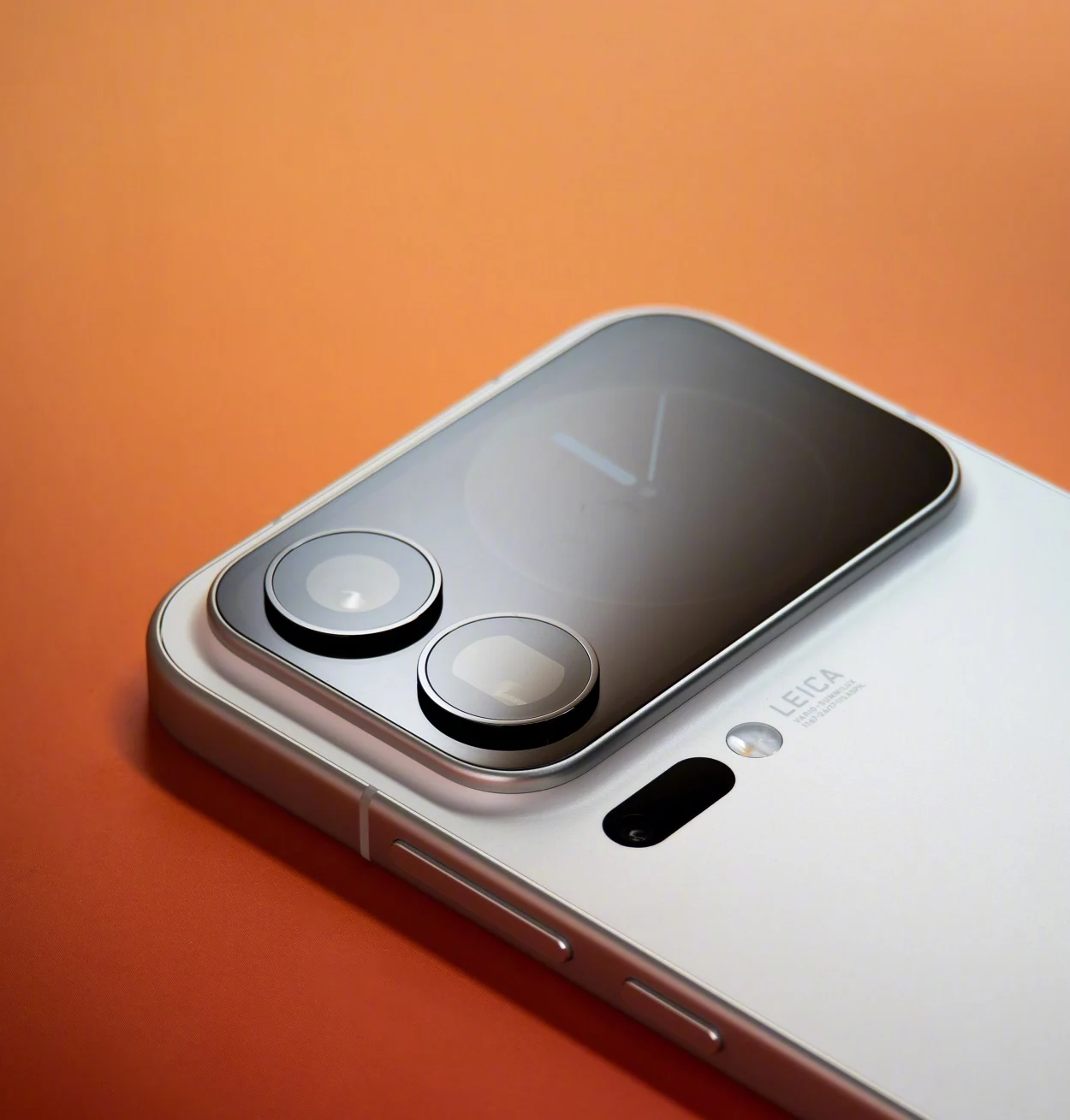
    2. The Blade V80 Vita features a wide camera island with three cameras and an LED flash.
    3. The design includes a flat frame, a red power button, and volume controls on the right side.
    4. It has an audio jack at the bottom, alongside a USB-C port, unlike the iPhone 17 series.
    5. Technical specifications remain unknown, but the device is expected to have entry-level features based on previous models.


    ZTE has recently emerged as a brand that is taking inspiration from Apple’s iPhone 17 series, as revealed by a leak showcasing the Chinese company’s forthcoming smartphone. This new device will be part of ZTE’s Blade smartphone lineup.

    Device Details

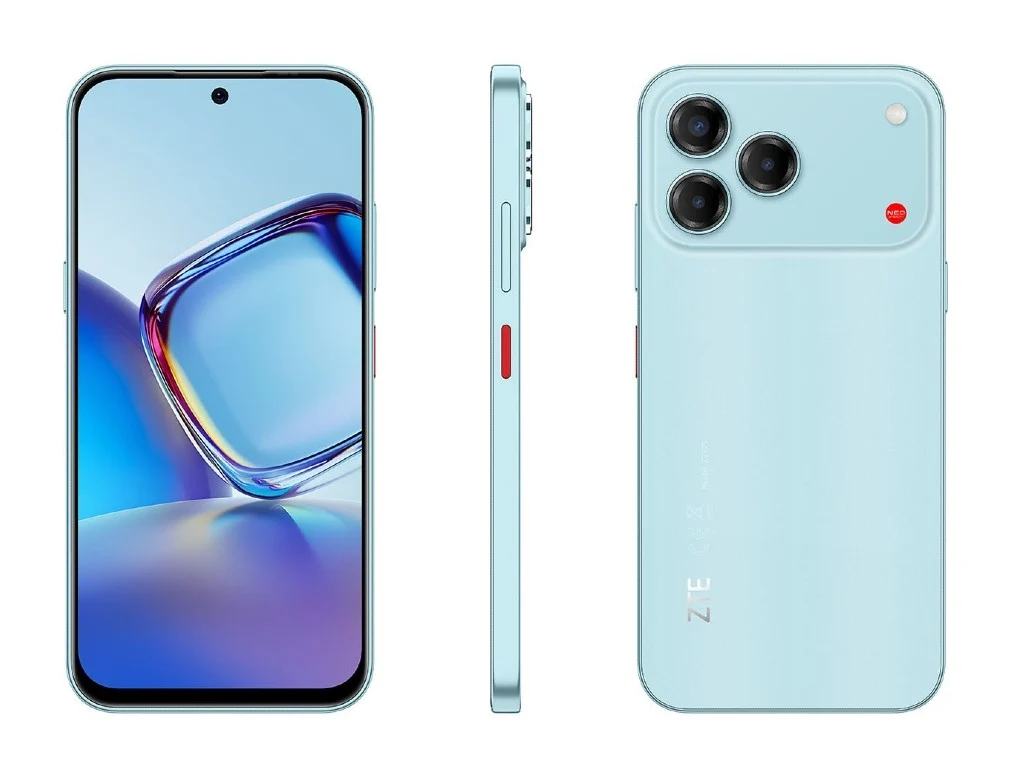
    The smartphone is set to be named the ZTE Blade V80 Vita, as noted in a post by Evan Blass on X (@evleaks). The post features an image displaying the device from various perspectives. From what can be seen in the picture, the ZTE Blade V80 Vita will feature a camera island that stretches nearly the entire width of its backside.

    Camera Features

    Similar to the iPhone 17 Pro Max, which is currently priced at $1,419 on Amazon, the camera island on the Blade V80 Vita includes three cameras. There’s also an LED flash located at the far right corner. Additionally, the bottom right corner of the camera island showcases a red circle with the word “Neo” inscribed within it.

    Design Elements

    This new model sports a flat frame that incorporates ZTE’s characteristic red power button and volume controls situated on the right side, while the left side contains the SIM tray along with a custom key. In contrast to the iPhone 17 series, the Blade V80 Vita is equipped with an audio jack positioned at the bottom, adjacent to the USB-C port on the left side.

    Evan Blass has not disclosed any technical specifications for the Blade V80 Vita. However, drawing from the specifications of earlier models in the ZTE Blade series, like the Blade V70, it’s anticipated that the Blade V80 Vita will come with basic entry-level specifications.

    As per Evan Blass’s update on X.

    Source:
    Link


  • iPhone 17 Pro Max with Water-Cooling Boosts Performance by 8%

    iPhone 17 Pro Max with Water-Cooling Boosts Performance by 8%

    Key Takeaways

    1. The iPhone 17 Pro Max achieved an AnTuTu score of 2,456,045, which increased to 2,652,045 after adding a water-cooling system.
    2. The RedMagic 11 Pro+ scored 4,144,376 initially, with a slight drop to 4,124,867 after removing its water-cooling system.
    3. The performance drop for the RedMagic was less than 1%, while the iPhone showed an 8% increase in performance with water cooling.
    4. The video also featured an iPhone XR, which demonstrated minimal performance variance.
    5. Water cooling benefits may be more noticeable during prolonged, demanding tasks rather than short AnTuTu tests.


    YouTuber Kingmi Mobile recently shared a video on his channel, demonstrating the contrast in AnTuTu scores between a standard iPhone 17 Pro Max and one enhanced with a water-cooling system. The video also highlights the performance difference between a regular RedMagic 11 Pro+ and one that had its water-cooling system taken out.

    Initial Test Results

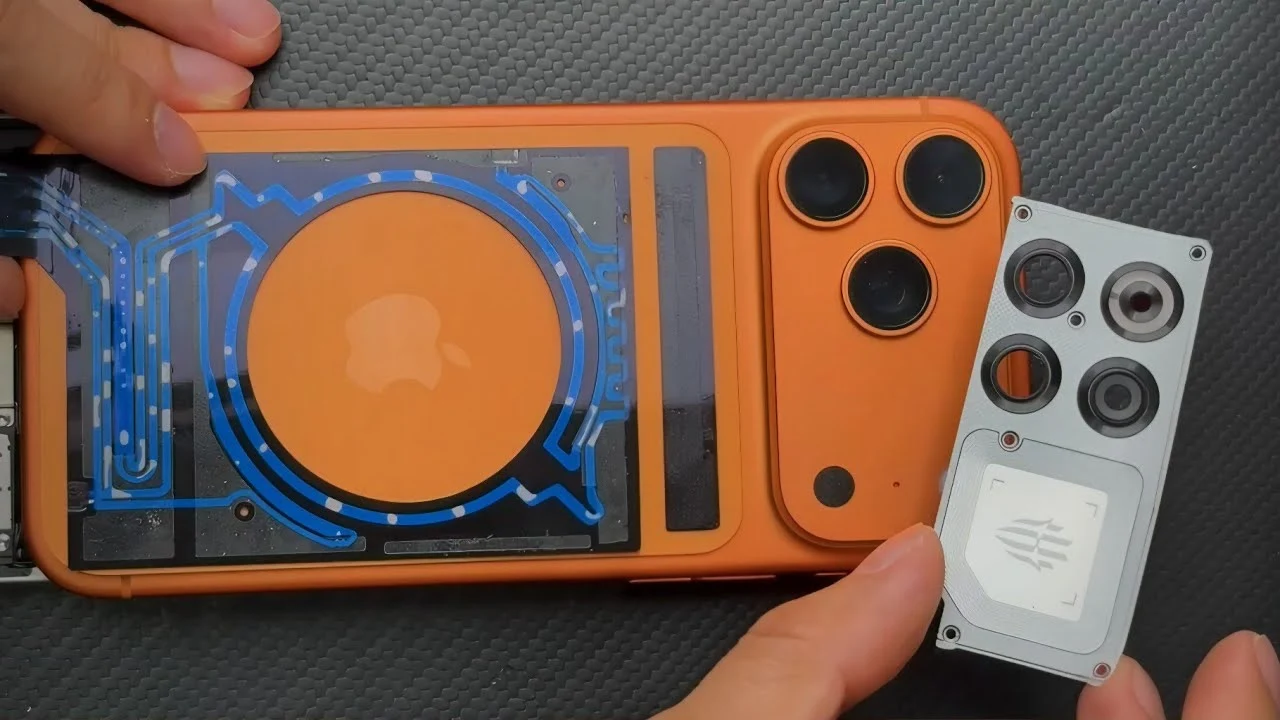
    Initially, the iPhone achieved an AnTuTu score of 2,456,045, although the individual category scores were not provided in the video. After making modifications by taking off the back and adding a water-cooling component from the RedMagic 11 Pro+, the YouTuber conducted a second evaluation. This time around, the iPhone 17 Pro Max reached a score of 2,652,045 points, breaking down to 827,447 in CPU, 1,064,431 in GPU, 365,347 in memory, and 394,820 in UX.

    RedMagic Performance Analysis

    Regarding the RedMagic 11 Pro+, prior to removing its water-cooling system, it had a total score of 4,144,376: 1,260,914 in CPU, 1,411,676 in GPU, 547,845 in memory, and 923,897 in UX. After the modification, the score slightly dropped to 4,124,867, with 1,241,894 in CPU, 1,414,115 in GPU, 562,261 in memory, and 906,597 in UX.

    In comparing the outcomes, the performance difference for the RedMagic device was notably less significant (under 1%) than that of the iPhone, which experienced an 8% gap. There was also a third device featured in the video—an iPhone XR—which showed minimal variance as well.

    Conclusion on Water Cooling Effectiveness

    It’s important to note that AnTuTu tests take several minutes to finish, but the advantages of water cooling may become more apparent during extended, demanding tasks.


  • OPPO Find X9 Pro Battery Test: Beats iPhone 17 Pro Max & Pixel 10 Pro XL

    OPPO Find X9 Pro Battery Test: Beats iPhone 17 Pro Max & Pixel 10 Pro XL

    Key Takeaways

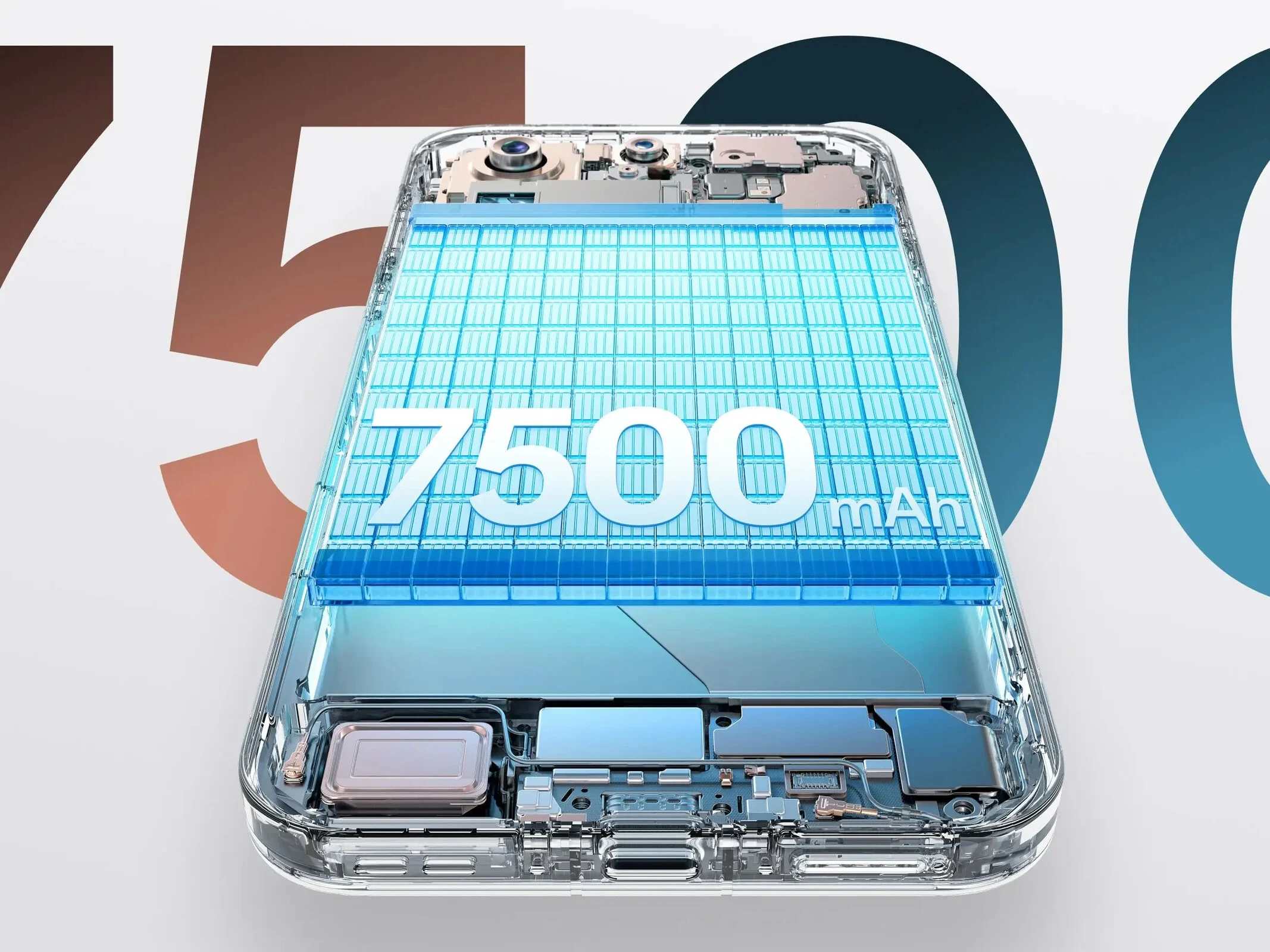
    1. OPPO launched the Find X9 and X9 Pro smartphones with powerful cameras and impressive battery capacities, featuring a 7,500mAh battery in the Pro version.
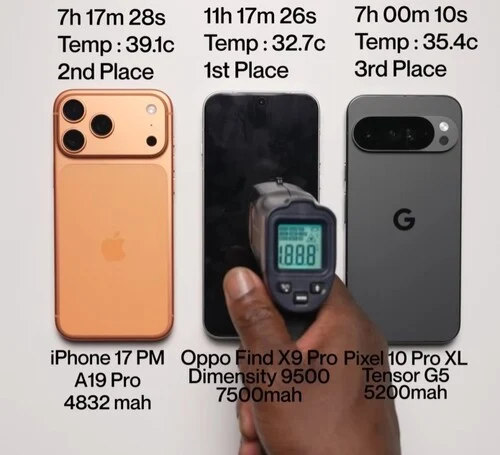
    2. An extreme battery endurance test compared the OPPO Find X9 Pro against the iPhone 17 Pro Max and Google Pixel 10 Pro XL.
    3. The test involved demanding tasks like gaming, 4K video recording, and social media usage, lasting until the batteries were drained.
    4. The OPPO Find X9 Pro outperformed competitors, achieving 11 hours and 17 minutes of screen-on time, while the Pixel 10 Pro XL lasted 7 hours and the iPhone 17 Pro Max lasted 7 hours and 17 minutes.
    5. The OPPO Find X9 Pro’s battery life supports a full day of intensive use, making it a strong option for users who need exceptional battery longevity.


    OPPO has just launched its new Find X9 and X9 Pro flagship smartphones globally. Both models come equipped with powerful cameras and impressive battery capacities. Notably, the “Pro” version distinguishes itself with a huge 7,500mAh battery. You might be curious if the battery performance of the OPPO X9 Pro lives up to the hype, and thankfully, there is an extreme battery endurance test available that pits it against the iPhone 17 Pro Max and the Google Pixel 10 Pro XL to put those doubts to rest.

    Impressive Test Results

    The findings from the YouTube channel “Lover Of Tech” reveal that OPPO’s substantial battery is more than just a clever marketing strategy.

    To assess the true endurance of these smartphones, the test subjected all three flagship models to a grueling series of tasks, running various popular apps for an hour each until the batteries were completely drained. The tasks included high-demand activities: playing intense games like Asphalt, recording and streaming 4K videos, utilizing live social media features, and continuous playback of videos on platforms like TikTok and YouTube.

    Competition’s Performance

    The other competitors struggled quickly under the pressure. First to give in was the Google Pixel 10 Pro XL, which managed just 7 hours of screen-on time before it stopped. Shortly after, the iPhone 17 Pro Max gave in, lasting only a bit longer at 7 hours and 17 minutes.

    By the end of the test, the OPPO Find X9 Pro didn’t just lead; it showcased a remarkable superiority.

    Outstanding Battery Life

    Specifically, the OPPO Find X9 Pro’s battery allowed it to operate games, apps, and services for a remarkable 11 hours and 17 minutes of screen-on time. This performance edge of over four hours compared to its nearest rival highlights outstanding battery management and the advantage of its large 7,500mAh battery.

    For those considering a purchase, these results mean real-world ease of use. This smartphone can effortlessly handle a full day of intensive activities—even with ongoing recording and gaming—without requiring a recharge. Users with lighter usage habits might stretch the device’s capabilities to two days or more, making the OPPO Find X9 Pro a compelling choice for anyone who prioritizes exceptional battery longevity.

    Source:
    Link


  • Orange iPhone 17 Pro Max Turns Pink: Is It a Manufacturing Defect?

    Orange iPhone 17 Pro Max Turns Pink: Is It a Manufacturing Defect?

    Key Takeaways

    1. The iPhone 17 series has launched, featuring a new color called Cosmic Orange that has attracted attention.
    2. A Reddit user reported that their Cosmic Orange iPhone 17 Pro Max changed colors, resulting in a two-tone look.
    3. The cause of the color change remains unclear, with various theories ranging from chemical reactions to potential image manipulation.
    4. There have been other reports of color issues and scratches on the iPhone 17 models, leading to concerns about quality control.
    5. Users are advised to consider protective cases to prevent scratches and other potential damage to their devices.


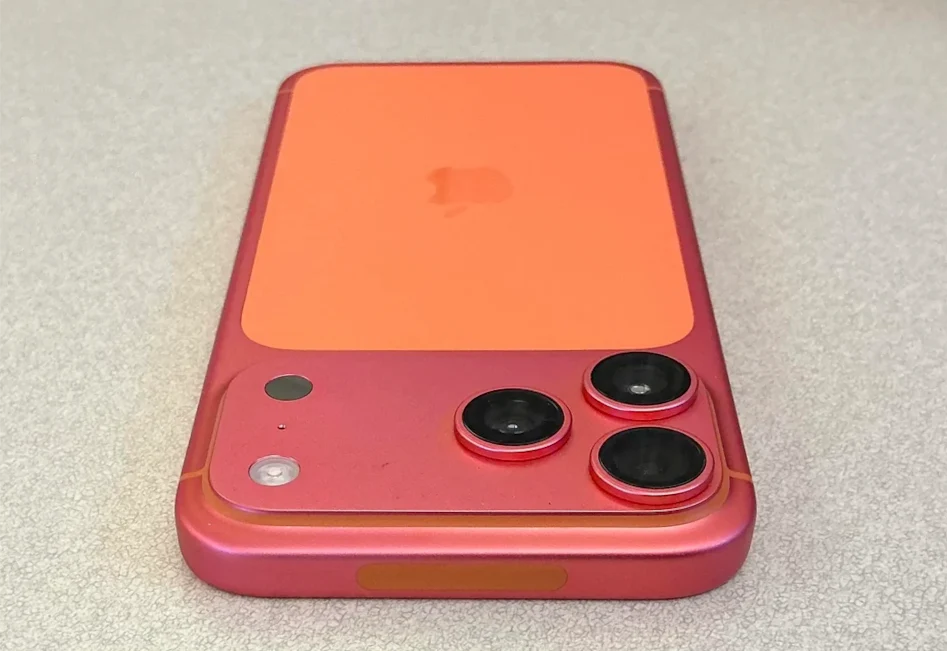
    In case you haven’t heard, Apple recently launched the iPhone 17 series, introducing a vibrant new orange hue that’s got the tech community buzzing. Cosmic Orange has definitely caught some attention, especially from a Reddit user, u/DakAttack316, who bought a Cosmic Orange iPhone 17 Pro Max that unexpectedly began to change colors one day.

    A Unique Transformation

    The aluminium sections of this iPhone have changed color, resulting in a striking two-tone look that is mainly pink with orange accents along the antenna lines and the Ceramic Shield part of the back. The owner noted that the change started off gradually, first appearing slightly “rose gold” when they shared about it (the post has since been removed) on October 4.

    Reviews and Reactions

    While we haven’t had the chance to review the iPhone 17 Pro Max yet, our recent review of the standard iPhone 17 highlighted its remarkable features and performance. The user has not yet reached out to Apple support or visited an Apple Store for help, leaving the cause of this color-changing phenomenon unclear. Theories in the comments section range from the mundane—such as chemical reactions or prolonged UV exposure, which the user denied—to more bizarre suggestions like radiation from unknown sources. Naturally, there are accusations that the user manipulated images or altered the anodizing for online clout. In response, the user remarked, “I could not imagine a sadder existence than photoshopping iPhone pics.” Another case of this issue has been reported from a different orange iPhone 17 Pro Max (via @TheGalox on X).

    Possible Explanations

    It seems plausible that a chemical reaction or a faulty dyeing or anodizing process could be to blame, although if it were just a bad batch, we’d likely see more instances of discolouration. The most probable cause appears to be a mix of environmental factors along with a mistake in Apple’s new anodising procedure. While elements like heat cannot be dismissed, they seem unlikely since brightly colored anodised parts usually withstand temperatures that exceed safe human skin contact limits without any problems.

    This isn’t Apple’s first hiccup with the iPhone 17 series. Early reports indicated noticeable scratches on the aluminium backs of iPhone 17 models, resulting in the term “Scratchgate.”

    If you own an iPhone 17 Pro Max, it might be wise to invest in a protective case, such as the Apple TechWoven case (currently priced at $59 on Amazon), to help prevent scratches.

    — u/DakAttack316 on Reddit

    Source:
    Link


  • Xiaomi 17 Pro Max vs iPhone 17 Pro Max Battery Life Comparison

    Xiaomi 17 Pro Max vs iPhone 17 Pro Max Battery Life Comparison

    Key Takeaways

    1. Chinese smartphone brands like Oppo, Vivo, Xiaomi, and OnePlus are increasingly using larger battery cells, with the Xiaomi 17 Pro Max featuring a 7,500 mAh Silicon-Carbon battery.
    2. Despite its large battery, the Xiaomi 17 Pro Max does not outperform competitors like the iPhone 17 Pro Max and Galaxy S25 Ultra in battery longevity tests.
    3. Tests showed that the Xiaomi 17 Pro Max only outlasted the iPhone 17 Pro Max by about 5 minutes, despite the iPhone’s smaller 4,823 mAh battery.
    4. The underperformance of the Xiaomi 17 Pro Max may be attributed to a lack of optimization compared to Apple’s efficient hardware and software integration.
    5. Battery life test results should be interpreted cautiously, as various factors can influence accuracy, and the Xiaomi 17 Pro Max performs well in other areas like gaming.


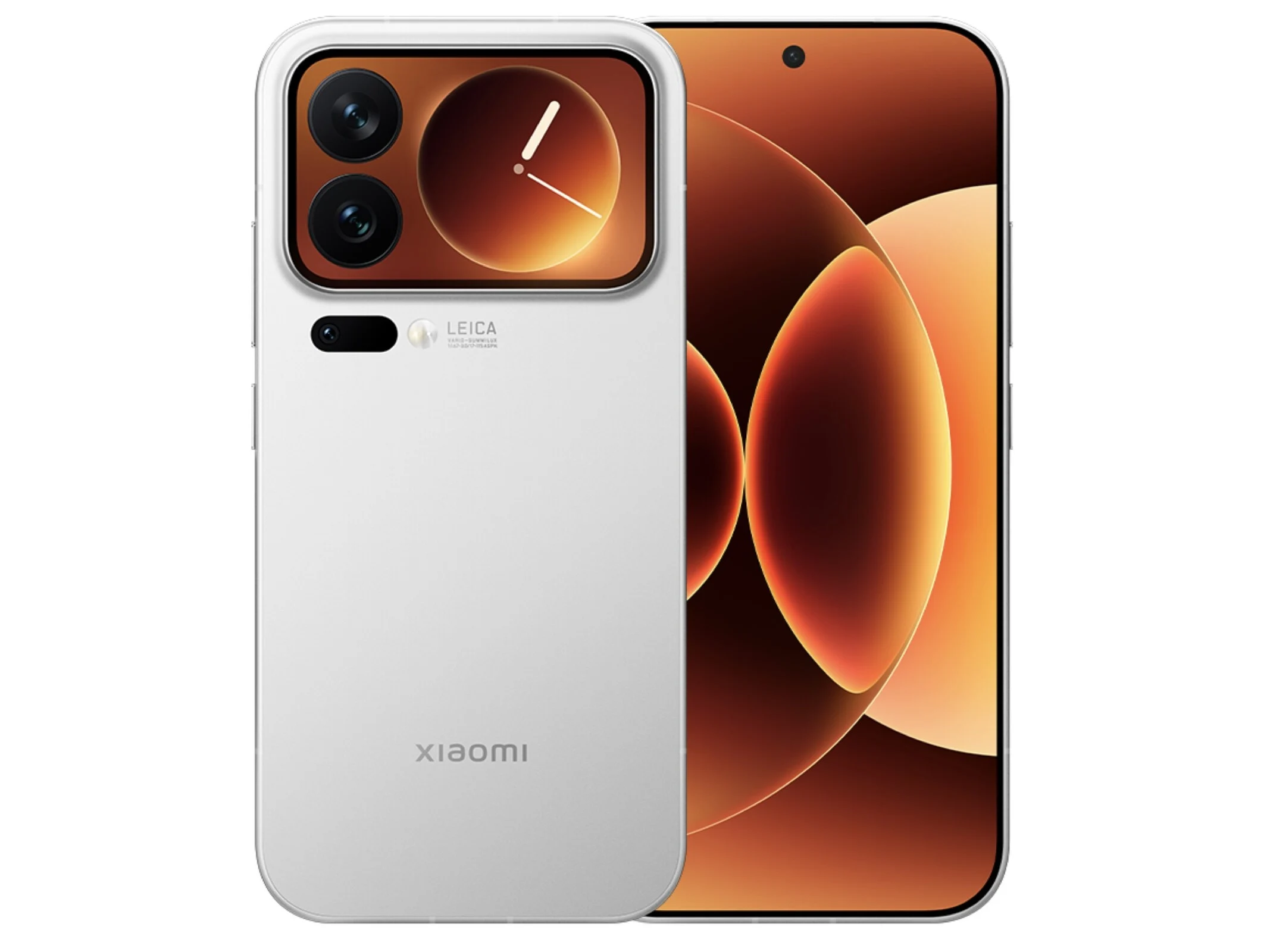
    Since the rise of Silicon-Carbon batteries, Chinese smartphone manufacturers like Oppo, Vivo, Xiaomi, and OnePlus have been stuffing their devices with bigger battery cells. The newest flagship models emerging from China continue this pattern. The Xiaomi 17 Pro Max, for example, boasts a gigantic 7,500 mAh Silicon-Carbon battery.

    Comparison with Competitors

    With such a hefty 7,500 mAh battery, one would think the Xiaomi 17 Pro Max would easily outlast competitors like the Galaxy S25 Ultra (5,000 mAh) and the Apple iPhone 17 Pro Max (4,823 mAh). Yet, battery longevity tests from TechDroider reveal a different story, showing that the Xiaomi 17 Pro Max doesn’t quite measure up.

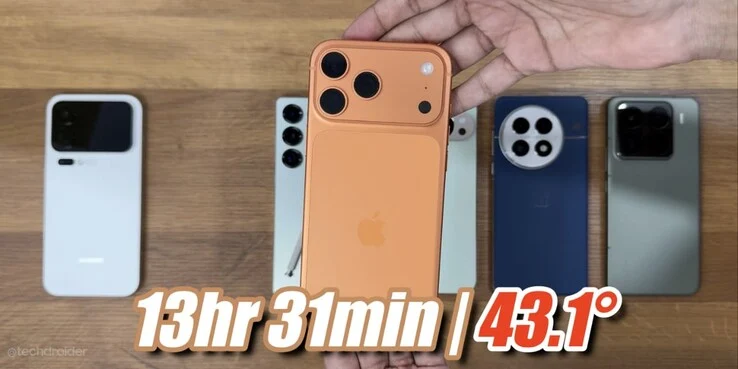
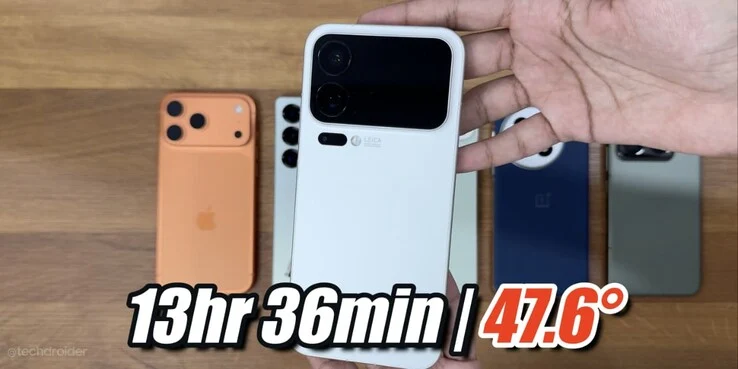
    TechDroider conducted a battery endurance test comparing the Xiaomi 17 Pro Max with the iPhone 17 Pro Max, Galaxy S25 Ultra, Pixel 10 Pro XL, Xiaomi 15 Pro, and OnePlus 13. The test was structured as follows:

    Results of the Testing

    At the conclusion of the testing phase, the runtimes for each device were as follows:

    When examining these figures, it becomes evident that the Xiaomi 17 Pro Max fails to utilize its massive 7,500 mAh battery effectively. It only outlasted the Apple iPhone 17 Pro Max by roughly 5 minutes, despite the iPhone having a battery that is 36% smaller. This is likely due to Apple’s efficient A19 Pro SoC and the seamless optimizations in iOS.

    While the reason behind the Xiaomi 17 Pro Max’s underwhelming performance isn’t entirely clear, it’s likely that Xiaomi still has significant optimization work ahead of them.

    Final Thoughts

    Before concluding, it’s worth noting that TechDroider’s battery life tests involve many factors that the YouTuber cannot fully manage. Hence, such testing may come with inaccuracies. Therefore, it’s wise to take these results lightly, especially since we’ve seen the Xiaomi 17 Pro Max perform admirably against the iPhone 17 Pro Max in terms of gaming and efficiency.

    Source:
    Link


  • Dbrand Launches Cosmic Orange Skin for Xbox Series X, Steam Deck, Pixel

    Dbrand Launches Cosmic Orange Skin for Xbox Series X, Steam Deck, Pixel

    Key Takeaways

    1. The iPhone 17 Pro and Pro Max are now available in the popular Cosmic Orange color.
    2. Dbrand offers Cosmic Orange skins for a wide range of devices, not just iPhones.
    3. The skins can be used on handheld gaming consoles like the Steam Deck and Nintendo Switch.
    4. Dbrand has made Cosmic Orange skins compatible with various Android smartphones, including models from Pixel and OnePlus.
    5. Prices for the Cosmic Orange skins start at $11.95 and can go up to $64.90 on Dbrand’s website.


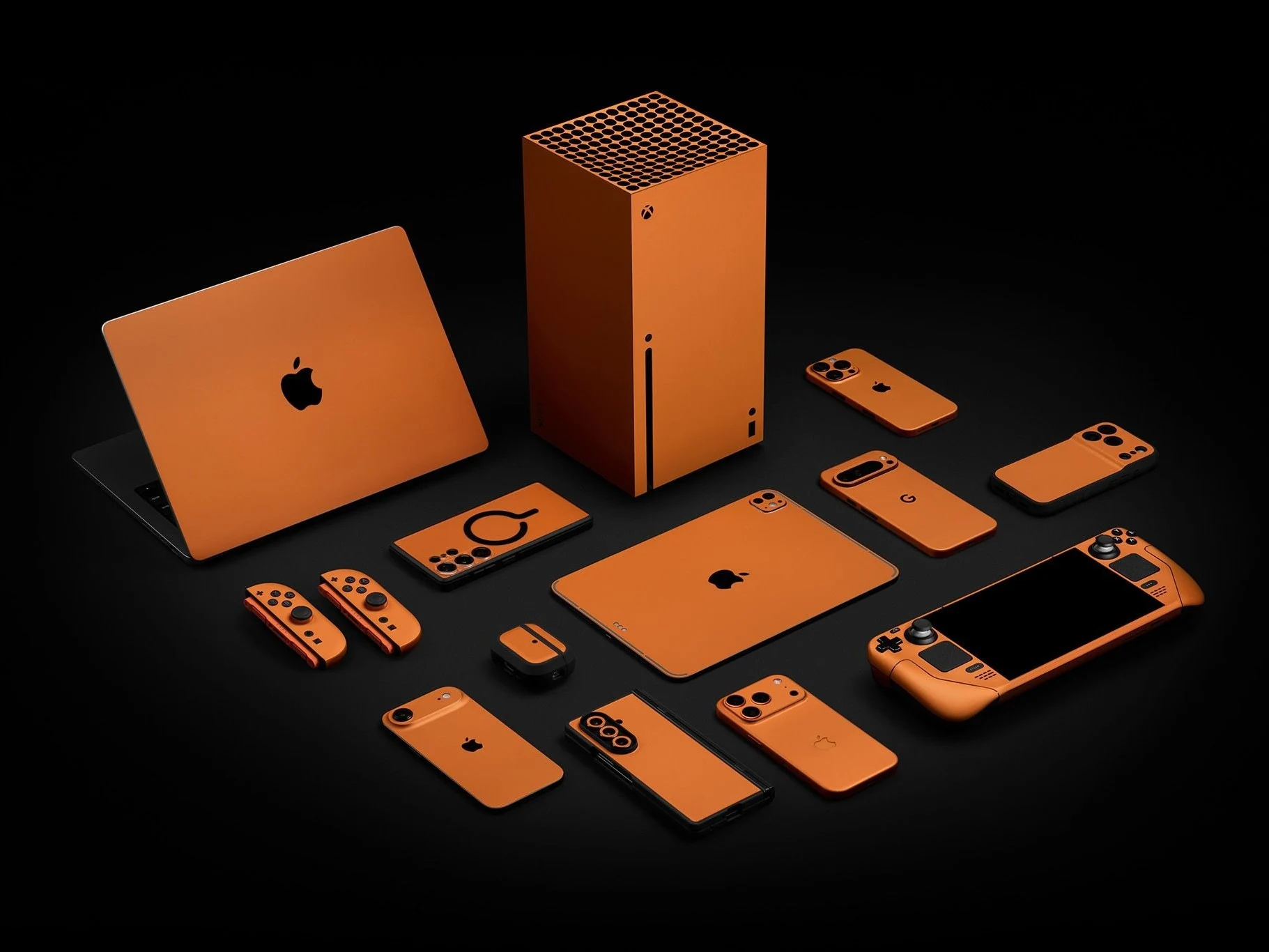
    The iPhone 17 Pro and iPhone 17 Pro Max are now available in Cosmic Orange, a color that’s quickly become popular with consumers. To help users achieve this trendy look, the accessory brand Dbrand has launched skins for various devices, allowing owners to give their gadgets a similar finish.

    Wide Range of Devices

    The Cosmic Orange skins and cases from Dbrand aren’t just limited to the iPhones. They’re available for a variety of gadgets, including Apple products like AirPods and MacBooks. If you missed out on the Cosmic Orange color for your iPhone 17 Pro (Max), you can still get the skin to match.

    Gaming Consoles and Handhelds

    Beyond Apple devices, the Cosmic Orange skin can be used on handheld consoles like the Steam Deck (OLED), Nintendo Switch/Switch 2, ROG Ally/Ally X, and Legion Go/Go S. Console gamers can also wrap their Xbox Series S|X and PlayStation 5 (Pro) in this eye-catching shade.

    Android Compatibility

    Dbrand has also made the Cosmic Orange skins available for various Android smartphones, including the Pixel 6 (a) and later models, OnePlus 10 Pro, OnePlus 12, and OnePlus 13, as well as the Galaxy S22 series and newer, Galaxy Z Flip 5 and above, and Galaxy Z Fold 4 and later. In addition to skins, Dbrand offers its Grip Case featuring the Cosmic Orange design; if you happen to own a Dbrand Grip Case already, you can buy just the skin for it.

    You can find these products on Dbrand’s website, where the prices for the Cosmic Orange skin start at $11.95 and can go up to $64.90.

    Source:
    Link


  • Akko Unveils Backlit MetaKey Keyboard Case for iPhone

    Akko Unveils Backlit MetaKey Keyboard Case for iPhone

    Key Takeaways

    1. Akko has launched the MetaKey, a keyboard case designed for iPhone 17 Pro Max and iPhone 16 Pro Max, enhancing screen usage by eliminating the on-screen keyboard.
    2. The MetaKey features shortcut keys for quick access to apps and functions, similar to a product introduced by Clicks for Apple phones.
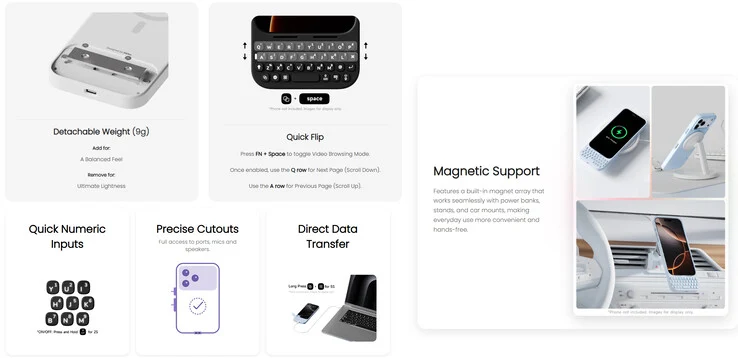
    3. It includes a magnetic array for attaching accessories, like the 5K Baseus PicoGo MagSafe power bank, while providing precise cutouts for easy access to device ports and buttons.
    4. The keyboard case has a white backlight for low-light typing and a removable weight for customizable balance, making it lightweight without the added weight.
    5. Additional features include a passthrough mode for USB data transfers, a shortcut for quick numeric input, and a durable construction, with pricing set at $59.99 for iPhone 16 Pro Max and $69.99 for iPhone 17 Pro Max.


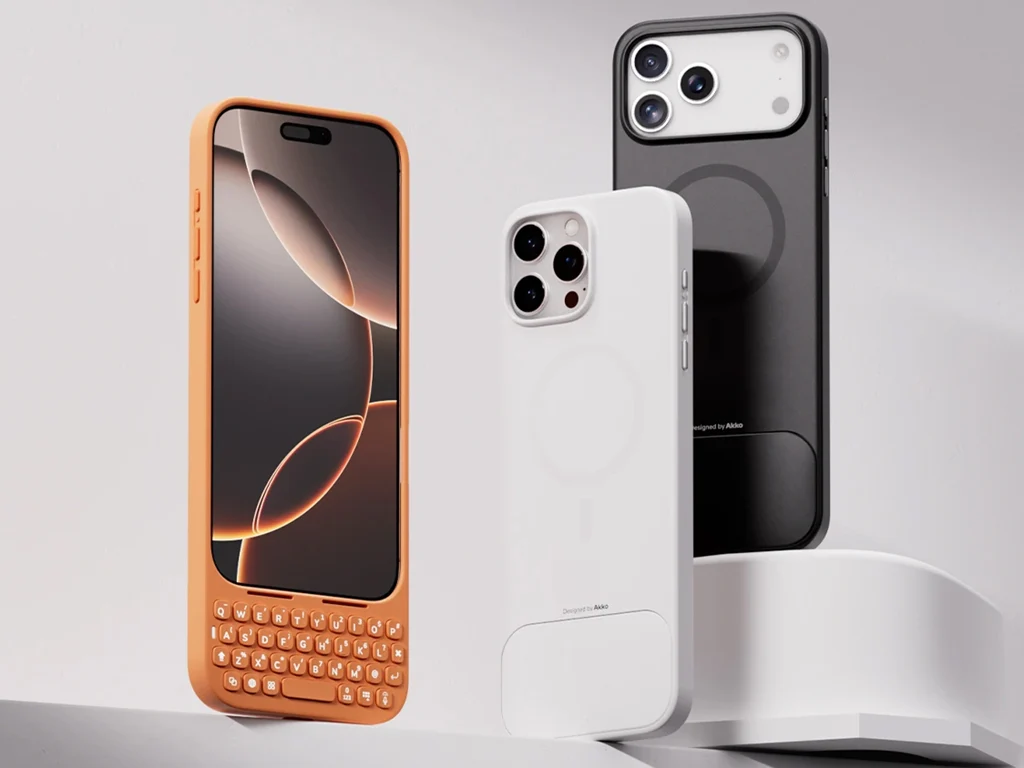
    Akko has introduced a new product named MetaKey, which is a keyboard case similar to BlackBerry models, designed for the iPhone 17 Pro Max and iPhone 16 Pro Max. The company claims that this accessory maximizes screen usage by removing the need for an on-screen keyboard, providing users with a more efficient typing experience.

    A Familiar Concept

    This idea isn’t entirely fresh for iPhone accessories; Clicks unveiled a comparable product for Apple phones during CES 2024, which also works with certain Android devices. Similar to Clicks’s product, Akko MetaKey features shortcut keys that allow users to quickly access applications and functionalities via specific keyboard combinations.

    Innovative Features

    One of the remarkable features of the Akko MetaKey is its magnetic array. This feature allows users to attach magnetic accessories to their iPhone while using the keyboard case (5K Baseus PicoGo MagSafe power bank currently priced at $49.99 on Amazon). In terms of design, Akko emphasizes that the case has accurate cutouts, providing full access to all ports, buttons, microphones, and speakers.

    The keyboard case includes a white backlight, which makes typing in low-light conditions much easier. Users can also customize their experience with a removable weight; a 9-gram weight can be added for a more balanced feel, while the case is reported to be very lightweight without it.

    Additional Features

    Other notable features of the Akko MetaKey include a passthrough mode that facilitates easy data transfers via USB, a specific function shortcut for quick numeric input mode, and a robust “durable PU+TPU” construction. The keyboard case is currently available at an early bird price exclusively for the iPhone 16 Pro Max and iPhone 17 Pro Max. For pricing, the iPhone 16 Pro Max version is available for $59.99, while the iPhone 17 Pro Max variant is priced at $69.99.


  • iPhone 17 Pro Max SSD Cooler Mod Achieves 90% 3DMark Stability

    iPhone 17 Pro Max SSD Cooler Mod Achieves 90% 3DMark Stability

    Key Takeaways

    1. The iPhone 17 Pro Max runs demanding games like Assassin’s Creed Mirage and Resident Evil 4 at 60 FPS without thermal throttling, thanks to its powerful A19 chip and improved cooling system.

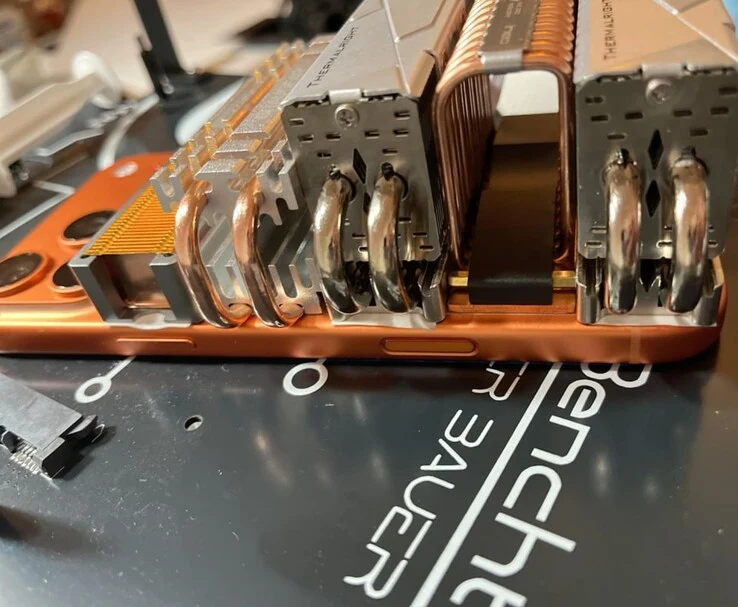
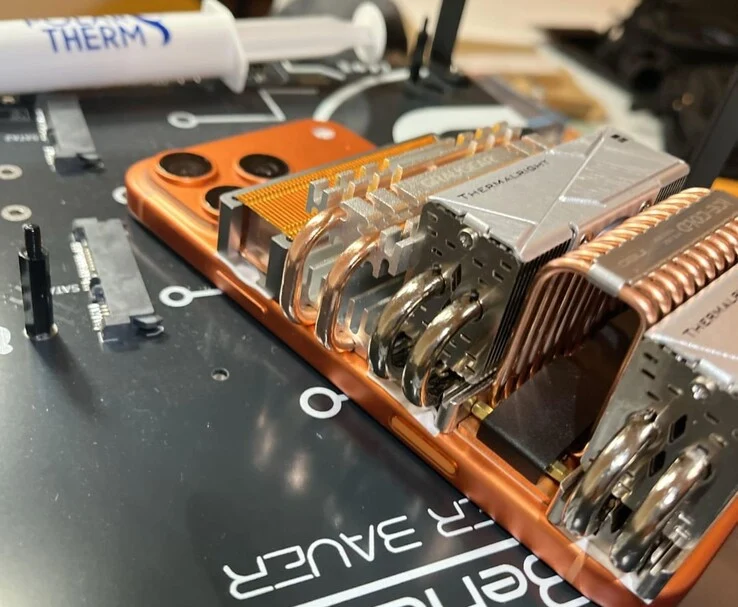
    2. A Reddit user created a DIY cooling solution using M.2 SSD coolers, achieving nearly 90% stability in the 3DMark Steel Nomad Stress Test.

    3. The DIY setup utilizes the phone’s metal casing as a heat spreader, with thermal paste, copper heat pipes, and aluminum fins to enhance heat dissipation.

    4. Community reactions on Reddit varied from humorous comments to technical suggestions for further cooling improvements.

    5. The experiment demonstrated success in maintaining thermal stability during stress tests, highlighting the potential for better cooling solutions in mobile devices.


    We recently examined how the cooling system operates in the Apple iPhone 17 Pro Max while playing demanding games like Assassin’s Creed Mirage and Resident Evil 4. The iPhone 17 Pro Max not only manages to run these games at 60 FPS but does so without any thermal throttling issues. In GPU performance tests, such as the 3DMark Solar Bay stress test, the iPhone 17 Pro Max showed impressive results, especially with its new powerful A19 chip. For a mobile device that lacks active cooling like a fan, the iPhone 17 series seems to be a true improvement over the previous iPhone 16 series.

    Unique DIY Cooling Solution

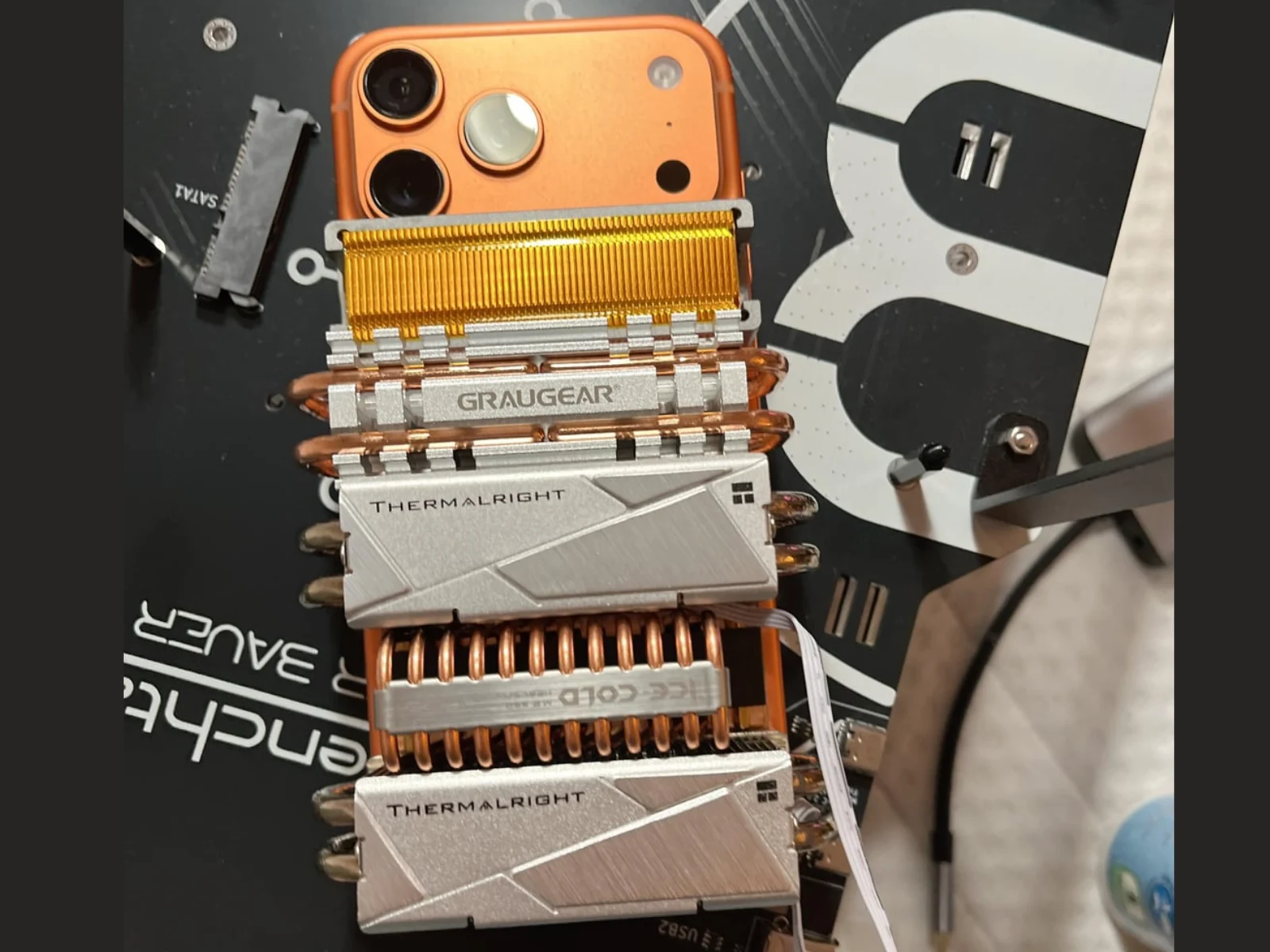
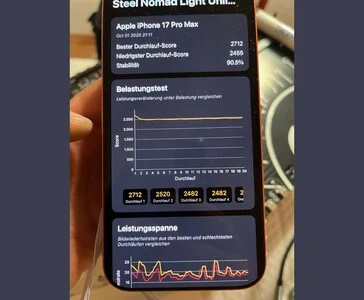
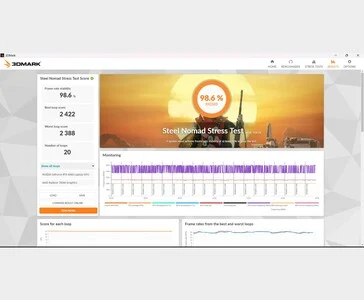
    However, one Reddit user was apparently not happy with the cooling abilities provided, so they took action themselves. User u/T-K-Tronix took the initiative to install several M.2 SSD coolers, managing to achieve nearly 90% stability in the 3DMark Steel Nomad Stress Test. For reference, my Lenovo LOQ, which runs on the AMD Ryzen 7 8845HS and Nvidia GeForce RTX 4060, scored around 98% stability in the same evaluation.

    The images shared in the Reddit post titled “17 Pro Max Cooling with M2 SSD Cooler 90% Stability in 3D Mark Stress Test” display a DIY cooling arrangement where desktop-level heatsinks and heat pipe coolers, typically used for SSDs, are attached to the iPhone 17 Pro Max to lessen thermal throttling during intense gaming or benchmarking sessions.

    How the Setup Works

    It is believed that the phone’s metal casing serves as a heat spreader. By applying thermal paste along with large copper heat pipes and aluminum fins (some even having small fans), heat is drawn away and dissipated much more effectively than the built-in passive system can manage. This setup seems to keep the A19 chip cooler for extended periods, leading to improved performance and stability, achieving around 90% in the 3DMark Stress Test as depicted in the images.

    The responses to this creative iPhone cooling setup have been as intriguing as the experiment itself.

    On Reddit, u/shyamg94 remarked, “This is almost as thin as the Air.” In a playful retort, the original poster T-K-Tronix replied, “It’s the True Air Version because of the Fans.”

    Community Reactions

    u/DrTurb0, who owns an iPhone 17 Pro, raised a more technical point: “You need three times more of the coolers and plaster them on the whole screen. The vapor chamber is under the screen and the screen gets pretty warm, and with more coolers you can wick heat away from the display!”

    Others took the conversation to more extreme ideas. u/DarthBories joked, “I’m slapping a water block on my Air and gonna see if I can get Pro numbers!” to which T-K-Tronix humorously replied, “Next in the list.”

    u/opnupstrathclydpolis quipped, “It’s still somehow thinner than the Air with the ‘optional’ MagSafe battery.” On the other hand, u/infernion pointed out: “Battery cooling is complete, but CPU cooling was missed.”

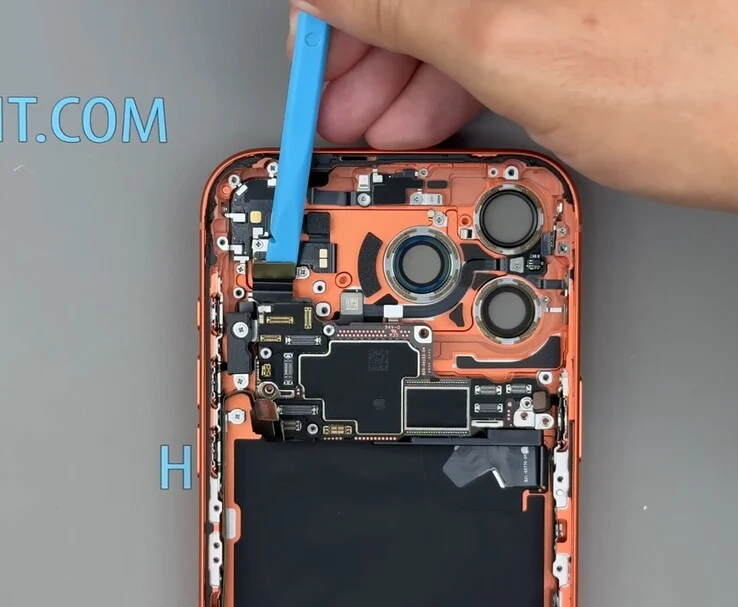
    And this is indeed accurate, as the logic board housing the A19 Pro CPU, GPU, and Neural Engine is located slightly above the battery, under the new Camera Plateau. Regardless, the experiment is clearly a success regarding thermal stability during stress tests.

    Source:
    Link


  • Snapdragon 8 Elite Gen 5 Outperforms Apple A19 Pro in Gaming

    Snapdragon 8 Elite Gen 5 Outperforms Apple A19 Pro in Gaming

    Key Takeaways

    1. The Snapdragon 8 Elite Gen 5 is Qualcomm’s most advanced smartphone SoC, powering the Xiaomi 17 series.
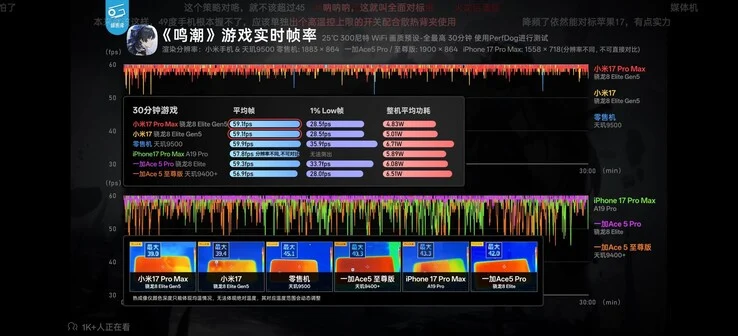
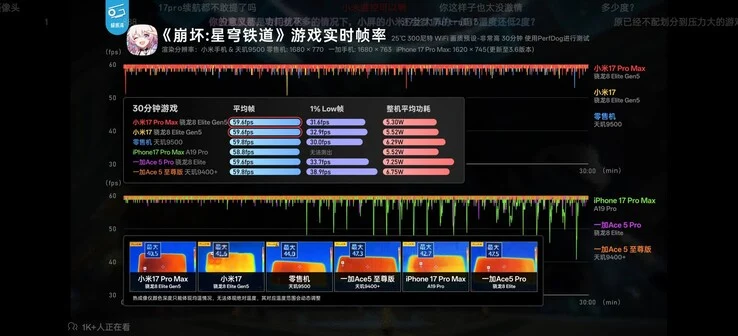
    2. The Xiaomi 17 Pro Max outperforms the iPhone 17 Pro Max in gaming benchmarks, achieving higher frame rates in Wuthering Waves and Honkai Impact 3rd.
    3. The Xiaomi 17 Pro Max is more power-efficient, consuming less power than the iPhone 17 Pro Max during gameplay.
    4. The Xiaomi device operates at slightly higher resolutions while maintaining better performance metrics.
    5. The Xiaomi 17 Pro Max runs cooler during testing, with lower peak temperatures compared to the iPhone 17 Pro Max.


    The Snapdragon 8 Elite Gen 5 stands out as Qualcomm’s most advanced smartphone system on a chip (SoC) to date. Building upon the Snapdragon 8 Elite, it fuels the fresh Xiaomi 17 series. The Xiaomi 17 Pro Max has been evaluated in several gaming benchmarks against the A19 Pro-equipped iPhone 17 Pro Max.

    Performance in Wuthering Waves

    When playing Wuthering Waves, the Xiaomi 17 Pro Max achieves an average frame rate of 59.1 FPS, slightly ahead of the iPhone 17 Pro Max’s 57.8 FPS. Even more noteworthy, the Xiaomi device consumes an average of 4.83 W of power, compared to the iPhone’s 5.89 W. It’s important to note that the Xiaomi phone operates at a marginally higher resolution than the iPhone 17 Pro Max.

    Honkai Impact 3rd Results

    The performance continues similarly in Honkai Impact 3rd. At the same resolution, the Xiaomi 17 Pro Max records an average of 59.6 FPS, while the iPhone 17 Pro Max lags behind at 58.8 FPS. The Snapdragon 8 Elite Gen 5 device is also more power-efficient, drawing 5.30 W compared to the iPhone’s 5.52 W.

    Temperature Comparison

    Beyond being more powerful and efficient, the Xiaomi 17 Pro Max remains cooler during testing than the iPhone 17 Pro Max. In the initial test, the Xiaomi device reaches a peak temperature of 39.0°C, while the iPhone rises to 43.3°C. In the second test, the temperatures were 40.5°C for the Xiaomi and 42.7°C for the iPhone, again highlighting the Xiaomi flagship’s advantage.

    Source:
    Link


  • iPhone 17 Pro Max AAA Gaming Test: Resident Evil 4 at 60 FPS

    iPhone 17 Pro Max AAA Gaming Test: Resident Evil 4 at 60 FPS

    Key Takeaways

    1. The A19 Pro chip in the iPhone 17 Pro Max features significant GPU upgrades, achieving benchmark scores similar to the M2 iPad Air.

    2. Real-world gaming tests show the A19 Pro consistently outperforms the A18 Pro, with smoother frame rates and improved thermal management.

    3. Games like GRID Legends and Resident Evil 2 demonstrate the A19 Pro’s capability to maintain higher frame rates compared to previous models, with GRID Legends achieving 60 FPS.

    4. The new vapor chamber cooling system in the A19 Pro helps manage temperatures better, reducing throttling issues common in previous Pro models.

    5. Despite improvements, many AAA titles still target 30 FPS, highlighting Apple’s ongoing challenge with a limited gaming library compared to other handheld devices.


    The A19 Pro chip that powers the iPhone 17 Pro Max includes major upgrades to the GPU. This was shown in a leaked set of benchmarks, where the A19 Pro achieved scores similar to the M2 iPad Air. Additionally, in a review video from popular YouTuber The Tech Chap, it was clear that the A19 Pro in the iPhone 17 Pro Max easily outperformed the previous year’s A18 Pro in the iPhone 16 Pro Max.

    Real-World Performance

    However, benchmarks are just one piece of the puzzle. To see how the chip performs in real-world situations, YouTuber MrMacRight tested 10 AAA games on Apple’s latest flagship, the iPhone 17 Pro Max, and the results were quite impressive.

    One of the first games he tested was GRID Legends. When running in performance mode, it achieved a smooth 60 FPS at a resolution of 1778 × 818 with dynamic resolution scaling. Frame pacing was steady, and thermal output remained within normal limits. MrMacRight noted that the iPhone 16 Pro Max often dropped closer to 50 FPS in similar conditions, making the A19 Pro’s consistent performance a clear upgrade.

    GPU Gains in Gaming

    Resident Evil 2 also showcased the GPU improvements. On the A19 Pro, the game reached almost 50 FPS at native 1080p, while the A17 and A18 Pro struggled to stay above 35 FPS. The YouTuber mentioned that switching to a 30 FPS preset improved frame pacing and graphics, but it did come with a sacrifice in responsiveness.

    When it came to Resident Evil 4, Apple’s latest chip showed its most significant advancements. By tweaking configuration files, MrMacRight managed to push the A19 Pro to nearly 60 FPS, though it wasn’t perfectly stable. More crucially, the updated vapor chamber cooling system helped keep temperatures in check, showing a thermal rating of “Fair” instead of “Serious,” which was common with the A18 Pro and A17 Pro where throttling issues were frequent. Previous Pro iPhones tended to overheat under similar loads.

    Strengths and Limitations

    On the contrary, Death Stranding pointed out both strengths and weaknesses. The game aims for 30 FPS at 720p with aggressive upscaling. On the A19 Pro, it consistently hit this target and ran cooler than the A17 Pro and A18 Pro. By experimenting with the configuration files and capping it at 60 FPS, the YouTuber demonstrated that the game could achieve up to 40 FPS, indicating potential for further optimization.

    Lastly, Assassin’s Creed Mirage offered a more realistic picture of gaming on the iPhone. The game is limited to 30 FPS and relies on upscaling, but with the new chip, it managed to maintain higher graphical quality. However, the YouTuber pointed out that this “high” preset isn’t quite the same as what is available on PC and consoles.

    In conclusion, these findings show that the A19 Pro marks a significant advancement for mobile gaming, particularly in sustaining stable performance without quick thermal throttling. Nonetheless, most AAA titles still target 30 FPS, and Apple’s ongoing challenge is its limited gaming library compared to other handheld devices like the Steam Deck or Nintendo Switch 2.

    For a more detailed look, including tests on Hitman, Sniper Elite 4, Subnautica, and more, you can check out MrMacRight’s complete video where he analyzes all ten games thoroughly.

    Source:
    Link