Tag: Google Pixel

  • Android 16 Update: Full List of Compatible Devices

    Android 16 Update: Full List of Compatible Devices

    Key Takeaways

    1. Android 16 has launched and is being distributed to Google Pixel devices first.
    2. Other manufacturers are preparing their own versions of Android 16 with unique interfaces.
    3. A list of eligible devices includes major brands like Google, Samsung, Motorola, OnePlus, Nothing, and Xiaomi.
    4. Google Pixel devices are typically the first to receive Android updates, with other brands following later.
    5. The update rollout for most brands is expected to start around July 2025.


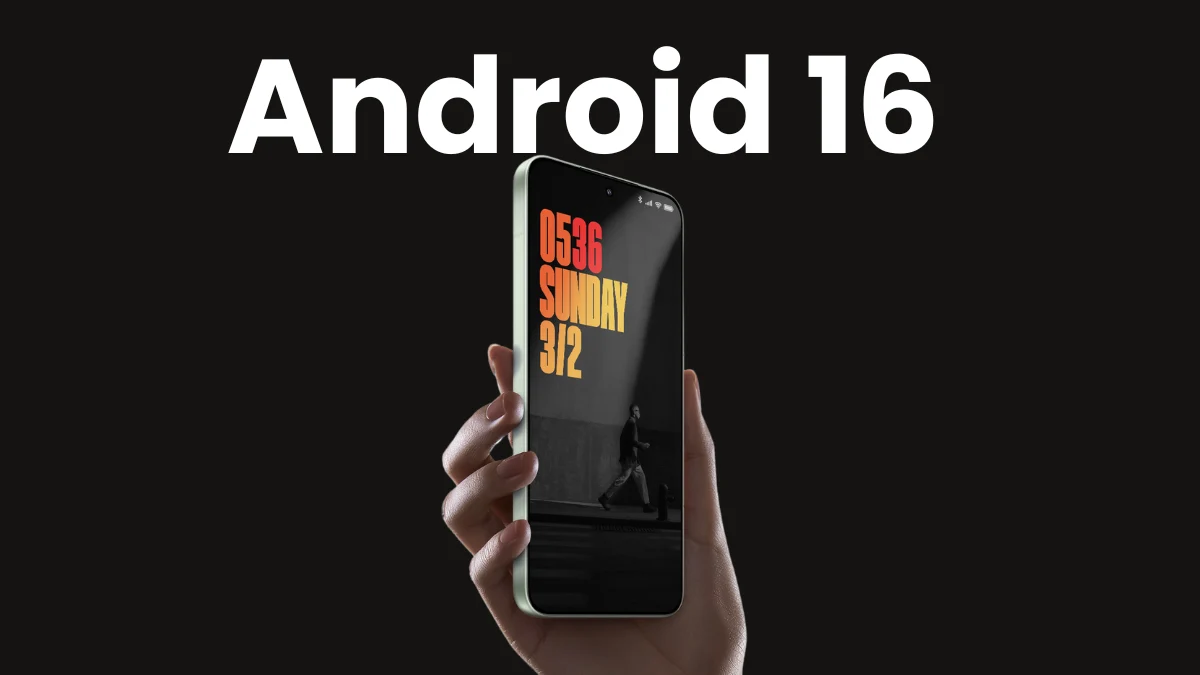
    Android 16 has officially launched and is now being distributed to Google Pixel devices. Other Android manufacturers are preparing their own versions of this OS with unique interfaces added on top. If you’re eager for the Android 16 upgrade, take a look to see if your device qualifies.

    List of Devices Eligible for Android 16

    We compiled a list of major Android devices that are likely to get the Android 16 upgrade. Check the list below to see if your device is set for this significant update.

    Important Note: Apart from Google and Motorola, other brands have yet to confirm which devices will be upgraded to Android 16. The following list is based on current update policies and some speculation. We will keep it updated as brands announce their plans.

    Eligible Devices for Android 16

    Google Pixels
    – Pixel 6, 6 Pro, 6a
    – Pixel 7, 7 Pro, 7a
    – Pixel 8, 8 Pro, 8a
    – Pixel 9, 9 Pro, 9 Pro XL, 9 Pro Fold, 9a
    – Pixel Fold
    – Pixel Tablet

    Samsung
    – Galaxy S25, S25+, S25 Ultra, S25 Edge
    – Galaxy S24, S24+, S24 Ultra, S24 FE
    – Galaxy S23, S23+, S23 Ultra, S23 FE
    – Galaxy S22, S22+, S22 Ultra
    – Galaxy S21 FE
    – Galaxy Z Fold SE
    – Galaxy Z Fold 6, Flip 6
    – Galaxy Z Fold 5, Flip 5
    – Galaxy Z Fold 4, Flip 4
    – Galaxy Tab S10+, S10 Ultra, S10 FE, S10 FE+
    – Galaxy Tab S9, S9+, S9 Ultra, S9 FE, S9 FE+
    – Galaxy Tab S8, S8+, S8 Ultra
    – Galaxy Tab S6 Lite (2024)
    – Galaxy Tab A9, A9+
    – Galaxy Tab Active 5 Pro, Active 5
    – Galaxy A73
    – Galaxy A56, A55, A54, A53
    – Galaxy A36, A35, A34, A33
    – Galaxy A26, A25, A24, A23
    – Galaxy A16 (LTE/5G), A15 (LTE/5G), A14 (LTE/5G)
    – Galaxy A06 (LTE/5G)
    – Galaxy M56, M55, M55s, M54, M53
    – Galaxy M35, M34, M33
    – Galaxy M16, M15
    – Galaxy M06, M05
    – Galaxy F56, F55, F54
    – Galaxy F34
    – Galaxy F16, F15, F14 (LTE)
    – Galaxy F06, F05
    – Galaxy C55
    – Galaxy XCover 7, 7 Pro

    Motorola and Other Brands

    Motorola
    – Motorola Razr 2025, Razr+ 2025, Razr Ultra 2025
    – Motorola Razr+ 2024
    – Motorola Razr 60, Razr 60 Ultra
    – Motorola Razr 50, Razr 50 Ultra
    – Motorola Edge 2025
    – Motorola Edge 60, Edge 60 Pro
    – Motorola Edge 60 Fusion, Edge 60 Stylus
    – Motorola Edge 50, Edge 50 Pro, Edge 50 Ultra
    – Motorola Edge 50 Neo, Edge 50 Fusion
    – Motorola Edge 40 Pro
    – Moto G Power 2025
    – Moto G 2025
    – Motorola G Stylus 2025
    – Moto G56
    – Moto G86, G86 Power, G85
    – Moto G75
    – Moto G55
    – ThinkPhone 25 by Motorola

    OnePlus
    – OnePlus 13, 13s, 13R, 13T
    – OnePlus 12, 12R
    – OnePlus 11, 11R
    – OnePlus Nord 4
    – OnePlus Nord 3
    – OnePlus Nord CE 4, CE 4 Lit
    – OnePlus Open
    – OnePlus Pad, Pad 2, Pad 3

    Nothing
    – Nothing Phone (2), Phone (2a), Phone (2a) Plus
    – Nothing Phone (3a), Phone (3a) Pro
    – CMF Phone 2 Pro
    – CMF Phone 1

    Xiaomi
    – Xiaomi devices
    – Xiaomi 15, 15 Pro, 15 Ultra
    – Xiaomi 15S Pro
    – Xiaomi 14, 14 Pro, 14 Ultra
    – Xiaomi 14T, 14T Pro
    – Xiaomi 14 Civi
    – Xiaomi 13, 13 Pro, 13 Ultra
    – Xiaomi 13T, 13T Pro
    – Xiaomi Civi 5 Pro, Civi 4 Pro, Civi 3
    – Xiaomi Pad 7, Pad 7 Pro, Pad 7 Ultra
    – Xiaomi Pad 6 Pro, Pad 6 Max 14
    – Xiaomi Pad 6S Pro 12.4

    The list goes on with Redmi, Poco, Oppo, Vivo, and iQOO devices. Each brand has various models that are expected to receive the Android 16 update.

    In case your Android device appears on the list here, it should likely receive the Android 16 update once the brand begins its rollout. If it’s not listed, you may want to hold off on upgrading your device until an official list is shared.

    Typically, Google Pixels are the first ones to receive the latest Android OS, and Android 16 followed this trend. Other brands usually take a few weeks to adjust their custom skins, like One UI, OxygenOS, Funtouch OS, and ColorOS, for the new Android version, which can delay the release for brands outside Google. We anticipate many brands to start releasing the Android 16 update around July 2025.

  • Google Pixel Navigation Gestures Stuck After Android 16 Update

    Google Pixel Navigation Gestures Stuck After Android 16 Update

    Key Takeaways

    1. Google recently released a stable update of Android 16 for Pixel phones, but some users are experiencing major navigation issues.
    2. Many users are reporting unresponsive navigation gestures and buttons, causing frustration in daily phone usage.
    3. The navigation problems can result in freezing gestures and significant delays when using buttons, with some experiencing pauses lasting over 30 seconds.
    4. Not all Pixel devices are affected by these issues, with some users reporting normal functionality after the update.
    5. Users facing navigation problems are encouraged to submit bug reports via their Pixel’s Settings menu to help expedite a potential fix from Google.


    If you own a Google Pixel phone, you’re likely enjoying the stable update of Android 16 that Google just released this week, bringing joy to many users. However, it’s not all sunshine, as some users have faced major troubles with their firmware. Specifically, several Pixel phone owners are noting that their navigation systems aren’t functioning properly since updating to Android 16, with reports of gestures and buttons being unresponsive or getting stuck.

    Growing Frustration Online

    Complaints are quickly stacking up in online spaces like Reddit and X (previously known as Twitter), where people are sharing their experiences about this frustrating glitch that disrupts daily phone usage. The navigation problem seems to impact both the gesture controls and the traditional bottom buttons for those who still prefer them.

    Key User Experience Issue

    This problem is significant since effective navigation through menus and apps is crucial for smartphone users. Reports indicate that the Android 16 bug is causing navigation gestures like swipe left and swipe up to freeze unexpectedly on Google Pixel devices. This can occur multiple times throughout the day, adding to user frustration.

    For those who rely on navigation buttons, the situation is not any better. Android 16 seems to produce the same delays when users tap the buttons. These aren’t just quick delays; some users have reported lag times extending several seconds, with a few experiencing pauses lasting over 30 seconds. As one annoyed Redditor expressed, “My 8 Pro has become almost unusable.”

    Not Everyone is Affected

    Interestingly, this issue doesn’t seem to impact all Pixel devices running Android 16, as some users report their phones are functioning normally. Nevertheless, the volume of complaints suggests that this isn’t a problem affecting only a handful of devices. It is hoped that Google will recognize the bug and provide a hotfix promptly. If you find yourself facing this issue, you can help accelerate the fix by submitting a bug report directly from your Pixel’s Settings menu.

    Source:
    Link

  • Control Flashlight Brightness with Android 16 Update

    Control Flashlight Brightness with Android 16 Update

    Key Takeaways

    1. Android 16 will introduce native controls for flashlight brightness, a feature eagerly awaited by Pixel users.
    2. The update will utilize a new Flashlight Strength slider in the Quick Settings menu for easy brightness adjustments.
    3. This feature enhances Pixel devices’ software capabilities, compensating for average hardware specifications.
    4. The built-in solution is expected to debut in mid-2025, offering a significant improvement over third-party apps.
    5. Concerns about LED wear at maximum brightness and thermal constraints remain, as the feature is tested in the upcoming release.


    Google’s Android 16 is on the verge of launching native controls for flashlight brightness, something that Pixel users have been eagerly anticipating. This new feature, seen in the recent beta version, aims to improve hardware capabilities through a modern Material 3 Expressive layout.

    Software Innovation Continues

    Google Pixel devices have often relied on software advancements to make up for average hardware specs. The recent beta release of Android 16, which came out last week, keeps this pattern alive with its Material 3 Expressive overhaul. According to a report from the Google News Telegram channel, the Android 16 QPR 1 will finally incorporate flashlight brightness adjustments directly at the operating system level, using APIs that were first introduced in Android 13. These APIs, that were previously used by third-party apps such as FlashDim for adjusting LED brightness, were limited to Google’s own Camera and Magnifier applications.

    User-Friendly Interface

    The update brings a new Flashlight Strength slider to the Quick Settings menu, which can be accessed by clicking on the right side of a resizable tile. Leaked images display a straightforward toggle and slider user interface, allowing for easy brightness adjustments. This is a welcomed improvement for Pixel users, as the flashlight’s default dim setting, likely a thermal safety measure due to LED cooling, has been seen as a limitation.

    While third-party applications have provided alternatives, offering widgets and toggles using the same APIs, Google’s built-in solution, expected to launch in mid-2025, represents a considerable advancement. Nevertheless, using the flashlight at maximum brightness for extended periods can lead to LED wear, which is a caution highlighted in app disclaimers. Additionally, with Android 16 also introducing adjustable Quick Settings tiles, this update could significantly enhance the usefulness of Pixel devices. While the leak mainly pertains to Pixel users, other smartphone manufacturers are likely to embrace this beneficial feature as well.

    The Anticipation

    So, will this feature truly shine for users, or will it falter due to thermal constraints? The release of QPR 1 should provide the answer.

    Source:
    Link


  • Heavy Battery Drain on Google Pixel After May 2025 Update?

    Heavy Battery Drain on Google Pixel After May 2025 Update?

    Key Takeaways

    1. Google rolled out May 2025 updates for Pixel smartphones, labeled BP1A.250505.005, with the Pixel 9a update as BD4A.250505.003 priced at $489 on Amazon.
    2. The updates addressed some bugs, but concerns arose about potential new bugs causing battery drain in supported Pixel devices.
    3. BP1A.250505.005 marks a point of no return for the Pixel 6 and Pixel 8 models.
    4. Battery life may temporarily decrease after updates due to gradual optimization of services.
    5. Google has not yet acknowledged complaints about battery issues following the updates.


    A few weeks have gone by since Google began rolling out its May 2025 updates for Pixel smartphones. To provide some background, these updates were delivered under the name BP1A.250505.005 mainly. However, the update for the Pixel 9a was released as BD4A.250505.003, which is currently priced at $489 on Amazon.

    Bug Fixes and Concerns

    Google officially mentioned that it had fixed a couple of bugs in both versions. They also highlighted that BP1A.250505.005 marks a point of no return for the Pixel 6 and Pixel 8 models. Yet, there are growing concerns that Google might have unintentionally included a bug or bugs that are causing significant battery drain in the Pixel devices that are still supported.

    Battery Life Issues

    It’s common for battery life to dip for a few hours or even days after a smartphone gets an update. This usually happens because the device is optimizing its services gradually rather than doing everything at once. While this approach might speed up update times, it can also lead to a decrease in performance. Although Google hasn’t yet acknowledged these complaints, we will make sure to update this article if they do.

    Source:
    Link

  • Android Smartphones Evolving: Lock Screen Widgets Turn Them into Smart Screens

    Android Smartphones Evolving: Lock Screen Widgets Turn Them into Smart Screens

    Key Takeaways

    1. Google Pixel tablet’s lock screen widgets feature will soon be available for third-party tablets with Android 16.
    2. Android 16 will introduce lock screen widgets for smartphones in standby mode, similar to Apple’s feature for iPhones.
    3. Users may be able to place more than two widgets and create multiple pages in the standby mode.
    4. Standby mode will allow Android smartphones to function as Chromecast receivers for streaming videos and music.
    5. The upcoming Google Pixel 10 series may support magnetic Qi2 chargers without needing a special case.


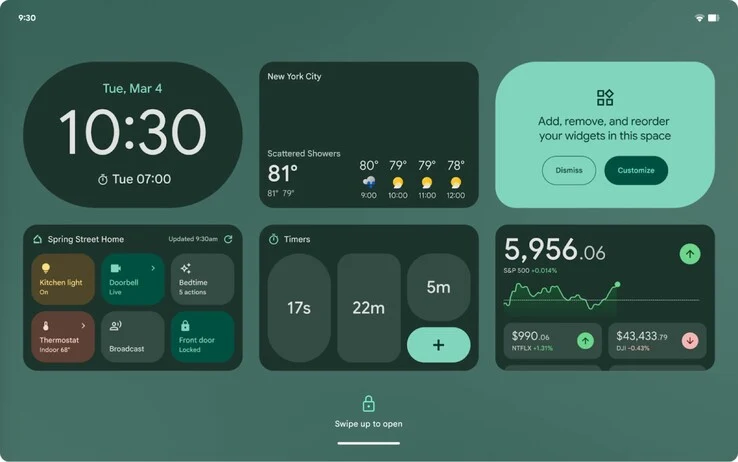
    The Google Pixel tablet can already show widgets on its lock screen, and with the upcoming Android 16, this feature will be available for third-party tablets as well. Recently, Android Authority discovered in the code of a beta version of Android 16 that Google is also working on lock screen widgets for smartphones, planning to incorporate them into a standby mode.

    Standby Mode Features

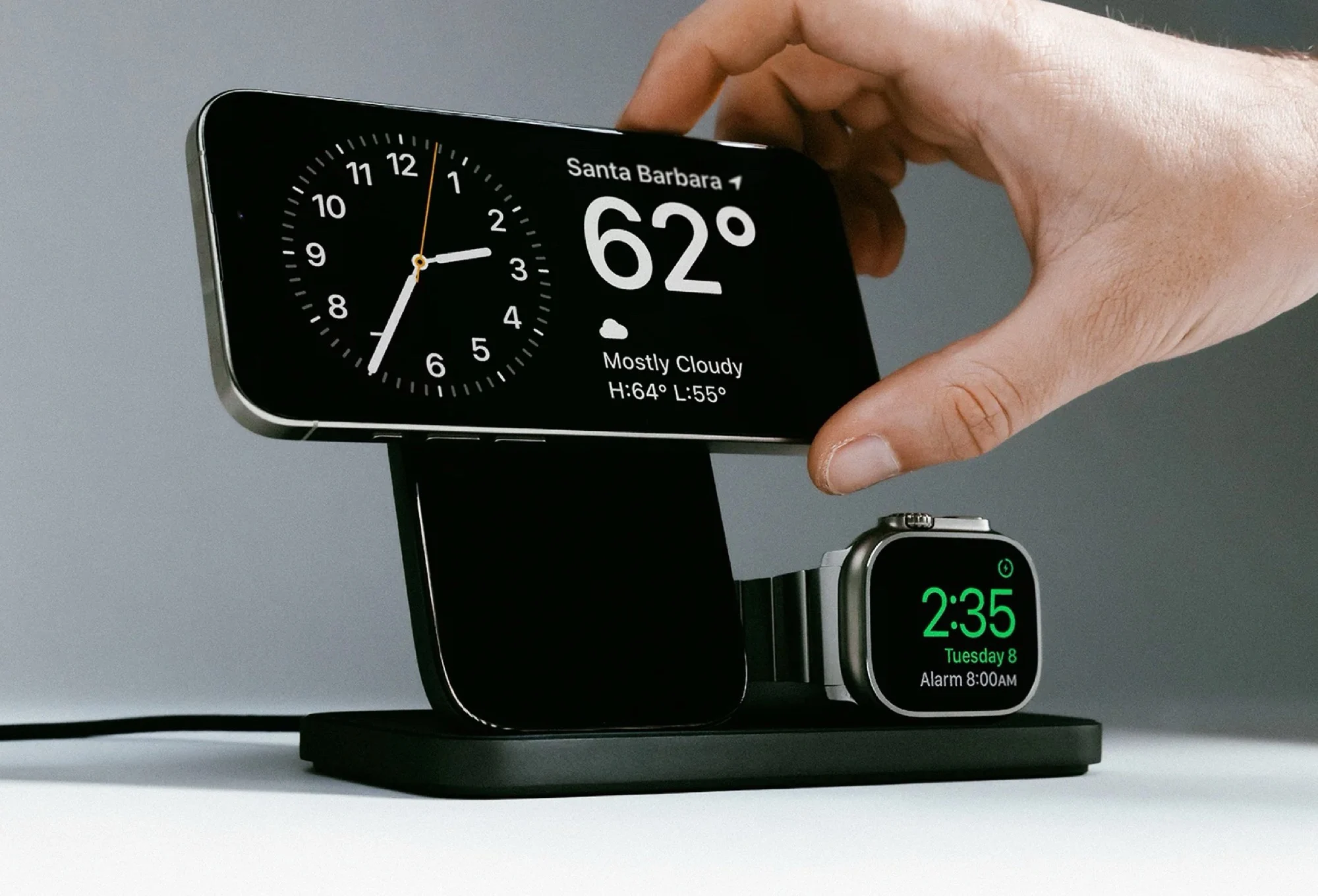
    By doing this, Google seems to be adopting a function that iPhone users have enjoyed for many years: standby mode. This feature automatically activates when an iPhone is on a Qi2 or MagSafe charger and positioned in landscape orientation. Apple allows its users to add up to two widgets, turning the iPhone into a mini smart display that can manage smart home devices or show upcoming calendar events.

    Visual Demonstration

    In the video below, Android Authority showcases an early beta version that illustrates what Google’s lock screen widgets could potentially look like. The video reveals that Google may allow users to place more than two widgets and even create multiple pages of widgets to navigate. There’s a button located in the bottom right corner of the screen that lets users exit this standby mode.

    Hub Mode Capabilities

    Within standby mode, Android smartphones will also act as Chromecast receivers, enabling users to stream videos and music wirelessly to their devices. This feature is reportedly called “Hub Mode.” The development of an alternative to Apple’s standby mode might suggest that the upcoming Google Pixel 10 series will support magnetic Qi2 chargers without needing to purchase a special protective case with magnets.

    Source:
    Link


  • Android 16 Beta Now Available for These Devices

    Android 16 Beta Now Available for These Devices

    Key Takeaways

    1. Android 16 is in testing since November 2024, with a public beta available from January 2025.
    2. Only select Google Pixel devices, along with Xiaomi and OnePlus models, can participate in the beta testing.
    3. Users should be cautious as early versions may have bugs and could risk bricking devices; it’s advised not to install on main phones.
    4. New features include Live Updates for high-priority notifications, an expanded photo picker for cloud media, and support for health records in Health Connect.
    5. The stable version of Android 16 is expected to be released in Q2 2025, marking an earlier launch than previous Android updates.


    While a lot of Android brands are finishing their Android 15 updates, Google is already pushing forward with Android 16. This marks the earliest release of an Android OS in a long time.

    Testing and Early Access

    Android 16 has been in the testing phase since November 2024, when Google launched the first Developer Preview. The public beta version became available in January 2025. Initially, only Google Pixel devices could participate in this testing, but now other brands like Xiaomi and OnePlus are also part of the early access program, letting a few users explore Android 16 before it officially rolls out.

    Here’s a list of devices that can join the Android 16 beta testing:

    Google Pixel:
    – Pixel 9
    – Pixel 9 Pro
    – Pixel 9 Pro XL
    – Pixel 9 Pro Fold
    – Pixel 8
    – Pixel 8 Pro
    – Pixel 8a
    – Pixel 7
    – Pixel 7 Pro
    – Pixel 7a
    – Pixel 6
    – Pixel 6 Pro
    – Pixel 6a

    Xiaomi:
    – Xiaomi 15
    – Xiaomi 14T Pro

    OnePlus:
    – OnePlus 13

    Caution for Users

    These early versions are mainly for developers and expert users. If you aren’t comfortable with installing custom ROMs, it’s better to steer clear of these. Installing them could risk bricking your device. Moreover, these builds come with known bugs, and more issues could remain hidden. It’s highly recommended not to flash beta versions on your main phone.

    Exciting Features Ahead

    One significant feature in Android 16 is Live Updates, which will be clearly visible on the lock screen and status bar to avoid getting lost among other notifications. This is reminiscent of Live Activities on iOS, but Google’s version focuses on high-priority notifications for things like navigation, food delivery, and ride-sharing.

    The photo picker has been a fantastic privacy improvement in Android, limiting apps’ access to your entire media library when uploading images or videos. Now, in Android 16, this feature will expand, allowing users to search from cloud media providers within the photo picker.

    Google is also testing support for certain health records in Health Connect, which might be included in the final version. Additionally, the new OS will introduce Adaptive Refresh Rate (ARR), helping to save battery by adjusting the screen refresh rate based on usage.

    Arrival and Stability

    Android 16 will feature deeper integration with Gemini AI, though specific details remain undisclosed. Lock screen widgets are set to return for the first time since Android 5.0 Lollipop in 2014. Android 16 brings many small yet practical changes, making it an exciting update overall.

    The platform stability milestone for Android 16 has already been achieved, and the stable version is set to be released in Q2 2025, before the end of June. This is earlier than most previous Android OS launches, which usually come out in August or later.

  • March Update Issues: Fingerprint Sensor Problems on Google Pixel

    March Update Issues: Fingerprint Sensor Problems on Google Pixel

    Key Takeaways

    1. The March Pixel update for 2025 has introduced new features but caused reliability issues with the fingerprint sensor for some users.
    2. Only about 1 in 1000 Pixel users are experiencing the fingerprint sensor issue, making it quite rare.
    3. The Google Pixel 9 and, to a lesser extent, the Pixel 8 are the most affected devices regarding the fingerprint sensor problem.
    4. Users report that the fingerprint scanner settings may disappear, and the sensor can become unresponsive after the update.
    5. Restarting the affected Pixel phone often resolves the issue, but some users may need to reboot several times, as a standard reset does not fix the problem.


    The March Pixel update for 2025 has arrived, bringing several changes along with it. Google has rolled out a number of new features, but some users are reporting that this update has made their phone’s fingerprint sensor less reliable. Specifically, the issue seems to leave the sensor unresponsive.

    Impact on Users

    This strange bug doesn’t seem to impact a large number of Pixel users. According to officials from GrapheneOS, an open-source Android skin for Pixel devices, only about 1 in 1000 phones are experiencing this unusual fingerprint issue. Thus, it’s fair to say that the bug is quite rare.

    Devices Affected

    The Google Pixel 9 (256 GB currently priced at $749 on Amazon) appears to be the most affected by this fingerprint issue. User feedback indicates that the previous generation, the Pixel 8, also shows a tendency towards this problem. After the March update is applied, users have noted that the fingerprint sensor on the impacted devices seems to vanish.

    Troubleshooting the Glitch

    Reportedly, the option to modify the scanner settings disappears from the phone’s settings, and the sensor becomes unresponsive. Thankfully, many users have mentioned that fixing the glitch is relatively straightforward. They have found that turning off the affected Pixel phone and then turning it back on restores normal function to the fingerprint scanner.

    Nevertheless, it’s important to mention that some users needed to reboot their Pixel phones several times before the fingerprint sensor started working again. Another key point is that a standard reset does not seem to resolve the issue. Instead, the phone must be completely powered down and then restarted.

    Source:
    Link

  • Pixel 10 Renders Reveal New Telephoto Camera Feature

    Pixel 10 Renders Reveal New Telephoto Camera Feature

    Key Takeaways

    1. The Pixel 10 will be the 10th edition in the series, debuting this year, with its 10-year anniversary next year.
    2. Design similarities with the Pixel 9 include a flat 6.3-inch display and nearly identical dimensions.
    3. The Pixel 10 will feature the same number of rear cameras as the Pixel 10 Pro, including a new telephoto lens for the base model.
    4. The phone will maintain a flat frame and the same button layout as previous models.
    5. Color options are still unknown, but early renders show the phone in the same Peony color as the Pixel 9.


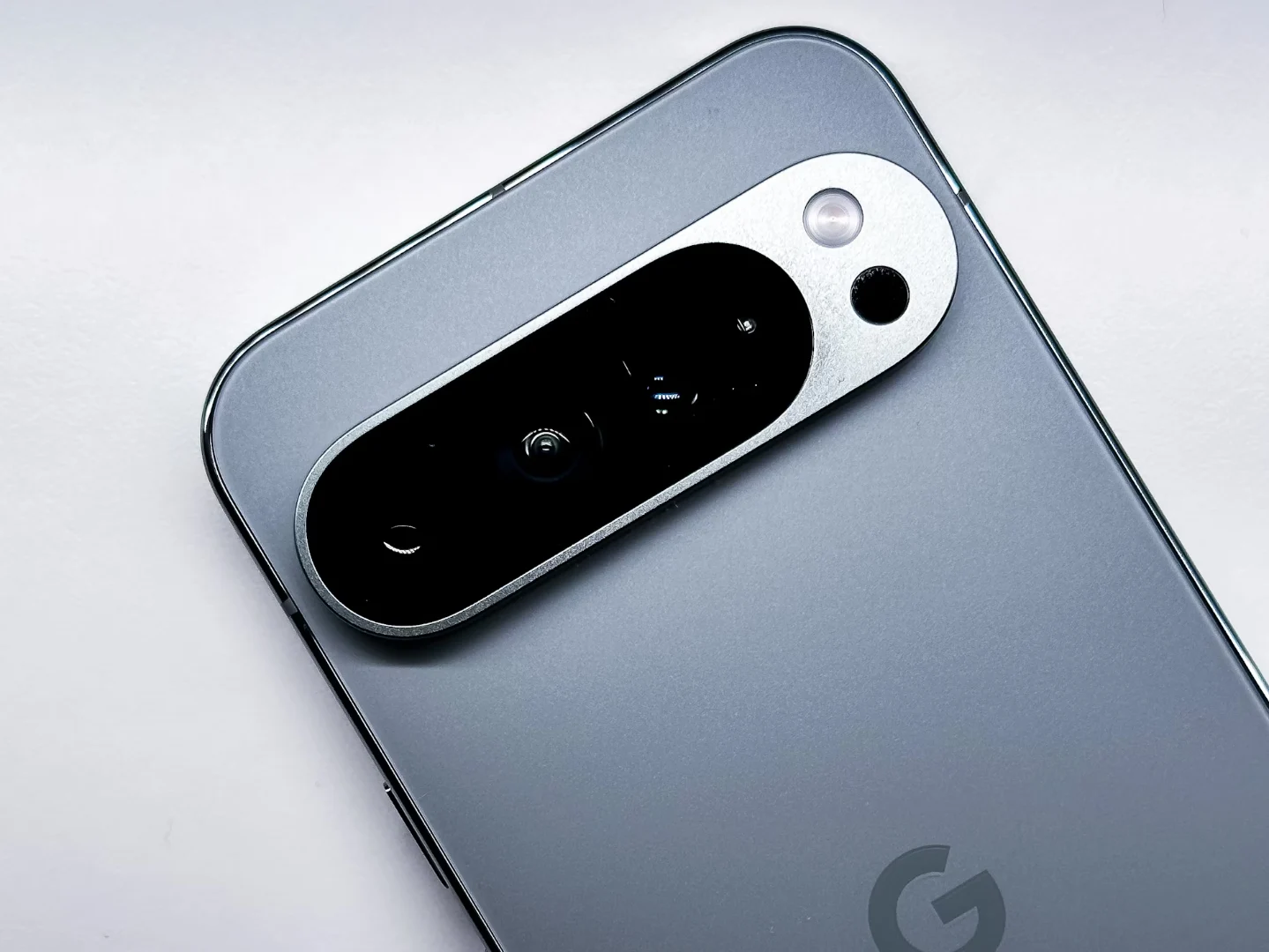
    The first Google Pixel smartphone debuted in October 2016, and since then, Google has introduced new models every year. Therefore, this year’s Pixel 10 smartphones will mark the 10th edition in the series, even though the Pixel’s 10-year anniversary is still next year. If you were hoping for a significant change, like a completely new design, you might be disappointed. CAD render images suggest that the Pixel 10 will resemble last year’s Pixel 9.

    Design Similarities

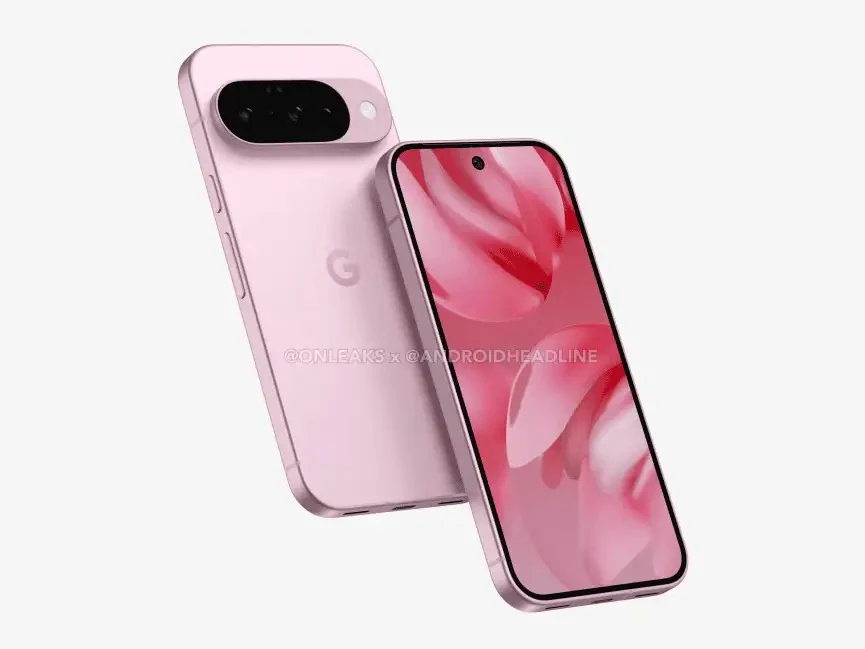
    The images shared by OnLeaks and Android Headlines indicate that the Pixel 10 will maintain the same aesthetic as its predecessor. The display will continue to be flat and will stay at 6.3 inches with a centered punch hole. The dimensions are nearly the same too — 152.8 x 72 x 8.6 mm for the Pixel 10 and 152.8 x 72 x 8.5 mm for the Pixel 9 (currently available on Amazon for $649). The camera module still protrudes, unlike the one on the Pixel 9a, adding an extra 3.4 mm to the thickness.

    Camera Upgrades

    When it comes to cameras, Google is giving fans something to look forward to this year. Unlike past versions where the standard model had one less camera than the pro variant, the Pixel 10 will feature the same number of rear cameras as the Pixel 10 Pro, including an additional telephoto lens.

    Of course, we can expect variances in the camera setups to justify the extra cost for the Pixel 10 Pro. Still, it’s thrilling to see that the base model will now include a telephoto camera. This should help set the standard Pixel apart from the Pixel A series.

    Other Features

    The renders also indicate that the Pixel 10 will have a flat frame and maintain the same button layout as previous models. There’s no information yet on color choices, but the renders depict the phone in the same Peony color as the Pixel 9. More information is likely to emerge as we get closer to the speculated launch date in August.

    Source:
    Link

  • Survey Reveals What Smartphone Users Want Beyond AI

    Survey Reveals What Smartphone Users Want Beyond AI

    In the past few years, top smartphone companies have really focused on adding artificial intelligence into their devices. A clear example is Apple’s advancements in AI technology. Google’s Pixel phones stand out, now featuring the Gemini AI platform. This platform offers a language model that supports natural conversations, real-time translations, text generation, and various AI-driven photography tools. Samsung and Xiaomi have also entered the competition with their own AI systems, named Galaxy AI and MiLM, respectively. Despite these innovations, it seems that many consumers are not particularly interested in AI features, indicating that they might not be a priority for most people.

    Consumer Preferences

    A large survey conducted by CNET (Computer Network) asked 2,484 Americans about what features they consider most important when buying a smartphone. The results showed that 61% preferred a big battery, while 46% looked for sufficient storage space, and 38% focused on camera quality. In contrast, only 18% of those surveyed placed importance on AI features in their purchasing decisions. Nearly half of the respondents even said they would not pay more for smartphones with AI capabilities.

    The Limits of AI Interest

    While artificial intelligence can be beneficial in daily life, the general interest seems low. One reason for this could be worries over personal data security, as 34% of participants expressed concerns in this area. Additionally, some critics claim that AI is primarily a marketing gimmick, used to create a sense of advancement without real hardware improvements. Although this critique wasn’t directly addressed in the survey, it might contribute to the overall lack of enthusiasm for AI features in smartphones.

    CNET

    Image source: Tim Dougles/Pexels

  • Google to Sell Made in India Pixel Phones in US & Europe

    Google to Sell Made in India Pixel Phones in US & Europe

    Google is reportedly planning to export its Pixel smartphones to the US and Europe from India. The tech giant aims to establish the region as a pivotal export hub, with commercial production expected to commence soon through two of its contract manufacturing partners.

    Is India a New Manufacturing Hub for Google?

    According to a MoneyControl report, sources indicate that production will be managed through Foxconn and Dixon subsidiary Padget Electronics. Trial production has already started in Tamil Nadu, a state in South India, with Foxconn, which also manufactures Apple devices. Additionally, Dixon is expected to add Google to its client list in the second half of the year via its partnership with Compal, sharing production responsibilities with Foxconn.

    The base variant of the Pixel phones will be manufactured by Dixon Technologies, while Foxconn will handle the higher-end Pro variants. Although Google has not made an official announcement, it is anticipated that this will be confirmed in the latter half of the year. The report notes that India-made Pixel phones will initially be shipped to the European market, with plans to meet US demand subsequently.

    Benefits of India as an Export Hub

    Establishing India as an export hub would help diversify Google’s manufacturing strategy. India offers low labor costs and local incentives, making it an attractive option. This development follows Google’s announcement of the Pixel 9 series, which is set to launch on August 13, 2024, earlier than its usual October-November timeline. Recently, real-life images of the Pixel 9 in a Pink color option surfaced online. More updates are expected soon, so stay tuned for further information.