Tag: standby mode

  • SpaceX Launches New Starlink Satellites with Paid Pause Feature

    SpaceX Launches New Starlink Satellites with Paid Pause Feature

    Key Takeaways

    1. SpaceX launched 24 Starlink V2 Mini satellites, expanding its satellite internet service to over 7,760 functioning satellites.
    2. A new paid “Standby Mode” was introduced, costing US $5 or €5 per month for unlimited low-speed data.
    3. Users can no longer pause their service for free; cancellation may prevent reactivation if service capacity is reached.
    4. The US $10 Roam plan has been discontinued, leaving users to choose between more expensive plans or Standby Mode.
    5. Unused data blocks will not roll over when an account is set to Standby, limiting user flexibility.


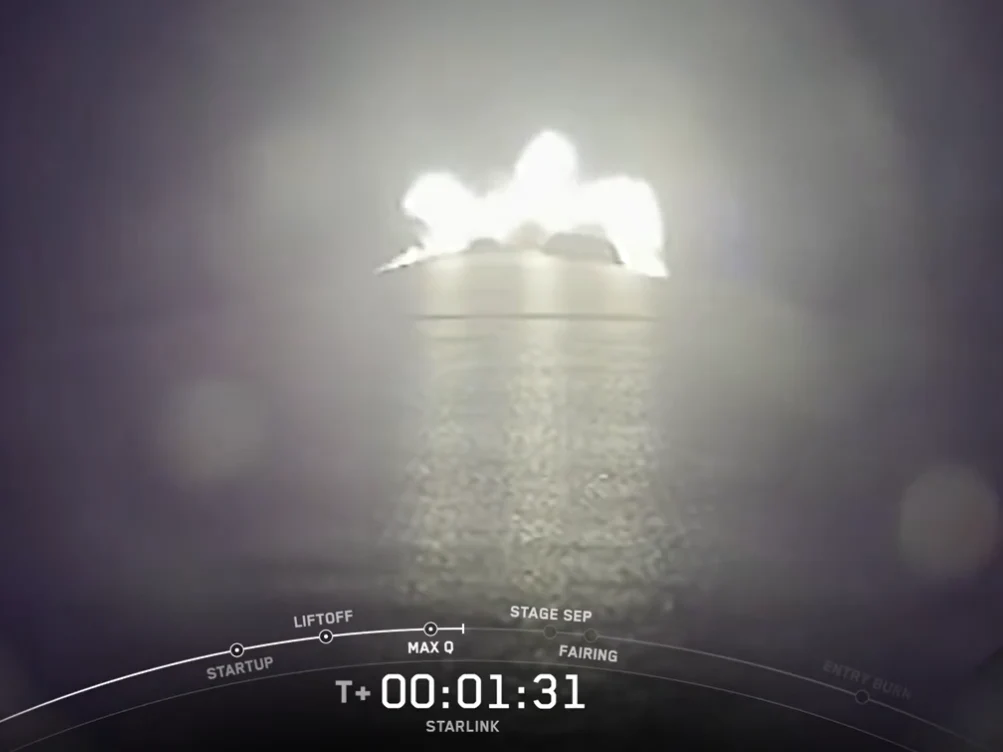
    SpaceX has broadened its satellite internet service by launching 24 Starlink V2 Mini satellites from the Vandenberg Space Force Base in California on August 14, 2025. The Falcon 9 rocket took off at 1:05 a.m. EDT (0505 GMT), putting the satellites into a polar low Earth orbit. This mission was the 144th successful landing of a Falcon 9 first stage on the droneship named “Of Course I Still Love You” and is part of the fast expansion of the Starlink network, which now boasts over 7,760 functioning satellites. This launch follows SpaceX’s recent service expansion to Somalia and Israel, with more markets in the Middle East awaiting regulatory approval.

    New Pricing Model Introduced

    In conjunction with the launch, Starlink has swapped its free pause option for a paid “Standby Mode” costing US $5 or €5 per month. This new feature allows for unlimited low-speed data at approximately 0.5 Mbps, which is good enough for messaging and light email but not suitable for streaming or video calls. This update affects Roam, Residential, and Priority customers in the United States, much of Europe, and Canada, while Enterprise and certain promotional accounts remain unaffected.

    Changes in Subscription Policies

    Before this, users were able to pause their service without any charges and could quickly resume full speeds. Now, if users decide to cancel their service rather than use Standby Mode, they might not be able to reactivate their accounts if their area has reached its service capacity. This has caused notable dissatisfaction among owners of the portable Starlink Mini dish, who often bought it for occasional or seasonal use. Many feel that paying US $60 a year for limited connectivity diminishes the product’s original pay-as-you-go charm.

    Removal of Low-Cost Plans

    Additionally, this change coincides with the discontinuation of the US $10 Roam plan, which allowed lighter users to keep their service at a lower price. After the current billing cycles finish, subscribers will need to decide between the pricier plans, the new Standby Mode, or total cancellation. Any unused data blocks will not roll over if the account is set to Standby, which further restricts user flexibility.

    Source:
    Link



  • Starlink Introduces $5/month Standby Mode with Unlimited Low-Speed Data

    Starlink Introduces $5/month Standby Mode with Unlimited Low-Speed Data

    Key Takeaways

    1. Starlink is replacing its free pause service with a paid Standby Mode at $5/month, requiring users to enroll in this new option to avoid service termination.
    2. All users on Roam, Residential, or Priority plans must switch to Standby Mode for pausing their service, while Enterprise and promotional users are excluded.
    3. Roam plan users face increased costs, as the elimination of free pause and low-cost options means they now pay an annual fee of $60 for service with a Mini dish.
    4. Residential users using Standby Mode may not return to their original service if their area is full, forcing them to potentially switch plans or wait for availability.
    5. Standby Mode offers unlimited low-speed data, but users report speeds as low as 1 Mbps for downloads, with less favorable terms compared to similar services in Europe.


    Starlink is compelling its users to “upgrade” from the previously offered free pause service, which allowed them to halt monthly payments when the service wasn’t necessary. Now, they must switch to a paid pause with the Standby Mode, which costs $5 a month.

    New Notifications Rolling Out

    Users in the United States are receiving new notifications about the Standby Mode. These notifications inform subscribers that they must enroll in the new option within the current billing cycle. If they choose not to, their service will be terminated, leaving no room for continuing the free pause option.

    All users on the Roam, Residential, or Priority plans need to use Standby Mode for pausing their service from the next billing cycle. However, Enterprise accounts and users on Business plans cannot switch to the $5/month Standby if they cannot pause their service, nor can users on promotional deals.

    Impact on Roam Plan Users

    This update is particularly tough on those with the Starlink Roam plan. Individuals who bought a Mini dish for travel spent hundreds of dollars, even with current promotions on Amazon. Many were drawn in by the promise of a free pause service and a $10/month plan for 10GB of data. Now, both of those options are eliminated, meaning Roam plan users with a Mini dish collecting dust will face an annual fee of $60 to use the service.

    To offset the change from a free pause to a paid mode, Starlink claims that the new Standby Mode offers unlimited low-speed data. Previously, there was no connectivity available during the pause.

    Concerns for Residential Users

    Additionally, users on the Residential plan who want to utilize the new Standby Mode are not guaranteed to return to their original service line once they reactivate. If their area is full, they’ll have to either switch to a Roam or Priority plan or pay a deposit and wait for a Residential service spot to open up.

    Starlink states that the Standby Mode will provide unlimited satellite Internet connectivity. However, descriptions suggest that this low-speed data connection will be rather slow. The connectivity will be primarily for emergency messages or “ongoing software updates,” which indicates that the service will be heavily throttled and not suitable for other significant uses.

    Speed Limitations and International Comparisons

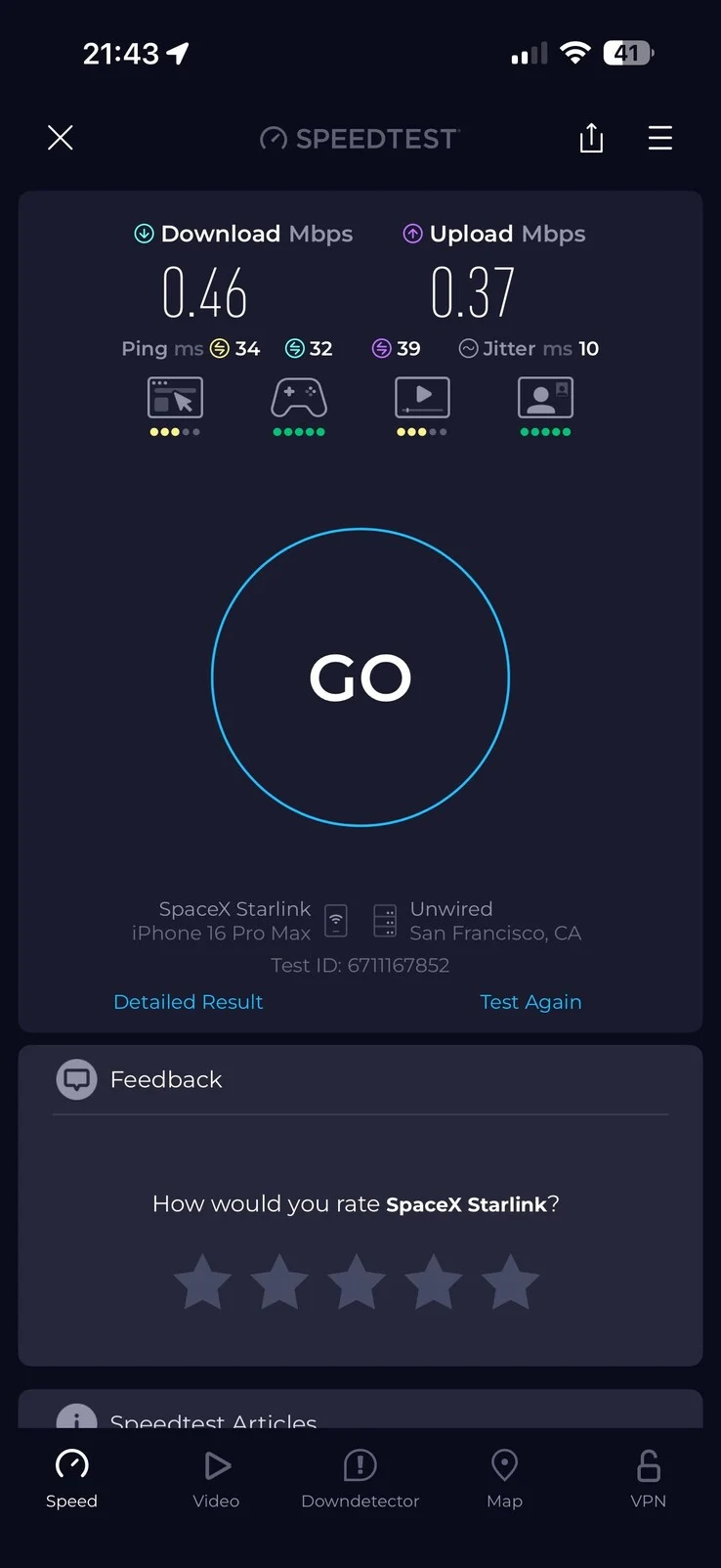
    While Starlink hasn’t disclosed the specific speed throttling for Standby Mode, users who switched to the new option report download speeds of around 1 Mbps and uplink speeds of 0.5 Mbps. Frequently, both download and upload speeds are even lower, as shown in various tests.

    Furthermore, the terms and conditions for Standby Mode in the U.S. appear less favorable compared to those in Europe and other regions. For example, in Europe, Standby Mode is priced at €5/month but includes 5GB of high-speed data before being throttled to speeds suitable for messaging and software updates. In summary, the free pausing option for Starlink service has been completely removed, and the affordable Roam plan that prompted many to purchase a Mini dish is now unavailable.

    Source:
    Link


  • Android Smartphones Evolving: Lock Screen Widgets Turn Them into Smart Screens

    Android Smartphones Evolving: Lock Screen Widgets Turn Them into Smart Screens

    Key Takeaways

    1. Google Pixel tablet’s lock screen widgets feature will soon be available for third-party tablets with Android 16.
    2. Android 16 will introduce lock screen widgets for smartphones in standby mode, similar to Apple’s feature for iPhones.
    3. Users may be able to place more than two widgets and create multiple pages in the standby mode.
    4. Standby mode will allow Android smartphones to function as Chromecast receivers for streaming videos and music.
    5. The upcoming Google Pixel 10 series may support magnetic Qi2 chargers without needing a special case.


    The Google Pixel tablet can already show widgets on its lock screen, and with the upcoming Android 16, this feature will be available for third-party tablets as well. Recently, Android Authority discovered in the code of a beta version of Android 16 that Google is also working on lock screen widgets for smartphones, planning to incorporate them into a standby mode.

    Standby Mode Features

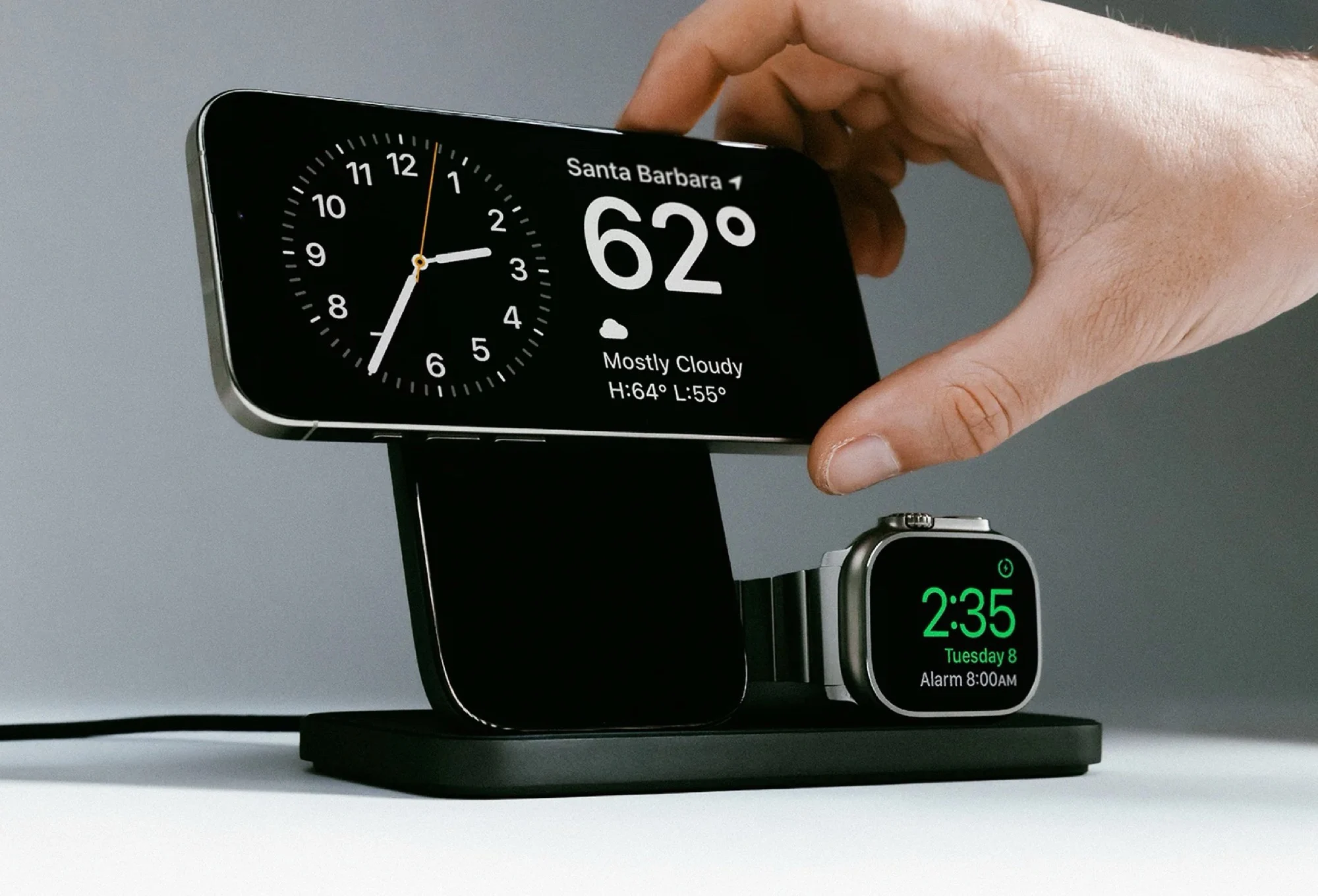
    By doing this, Google seems to be adopting a function that iPhone users have enjoyed for many years: standby mode. This feature automatically activates when an iPhone is on a Qi2 or MagSafe charger and positioned in landscape orientation. Apple allows its users to add up to two widgets, turning the iPhone into a mini smart display that can manage smart home devices or show upcoming calendar events.

    Visual Demonstration

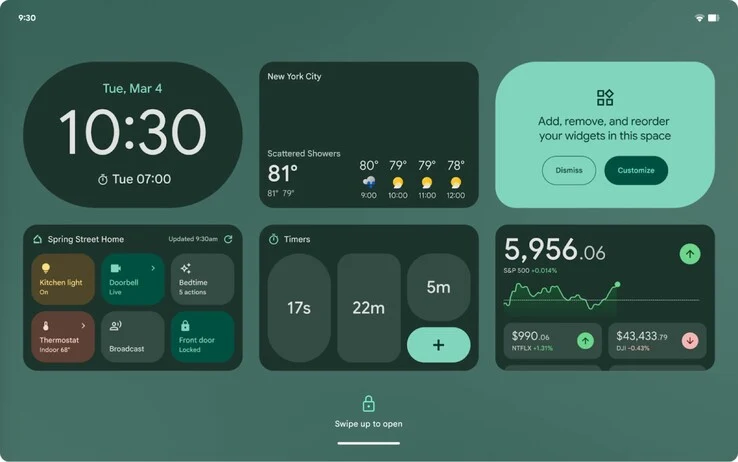
    In the video below, Android Authority showcases an early beta version that illustrates what Google’s lock screen widgets could potentially look like. The video reveals that Google may allow users to place more than two widgets and even create multiple pages of widgets to navigate. There’s a button located in the bottom right corner of the screen that lets users exit this standby mode.

    Hub Mode Capabilities

    Within standby mode, Android smartphones will also act as Chromecast receivers, enabling users to stream videos and music wirelessly to their devices. This feature is reportedly called “Hub Mode.” The development of an alternative to Apple’s standby mode might suggest that the upcoming Google Pixel 10 series will support magnetic Qi2 chargers without needing to purchase a special protective case with magnets.

    Source:
    Link