

Key Takeaways
1. Starlink is replacing its free pause service with a paid Standby Mode at $5/month, requiring users to enroll in this new option to avoid service termination.
2. All users on Roam, Residential, or Priority plans must switch to Standby Mode for pausing their service, while Enterprise and promotional users are excluded.
3. Roam plan users face increased costs, as the elimination of free pause and low-cost options means they now pay an annual fee of $60 for service with a Mini dish.
4. Residential users using Standby Mode may not return to their original service if their area is full, forcing them to potentially switch plans or wait for availability.
5. Standby Mode offers unlimited low-speed data, but users report speeds as low as 1 Mbps for downloads, with less favorable terms compared to similar services in Europe.
Starlink is compelling its users to “upgrade” from the previously offered free pause service, which allowed them to halt monthly payments when the service wasn’t necessary. Now, they must switch to a paid pause with the Standby Mode, which costs $5 a month.
New Notifications Rolling Out
Users in the United States are receiving new notifications about the Standby Mode. These notifications inform subscribers that they must enroll in the new option within the current billing cycle. If they choose not to, their service will be terminated, leaving no room for continuing the free pause option.
All users on the Roam, Residential, or Priority plans need to use Standby Mode for pausing their service from the next billing cycle. However, Enterprise accounts and users on Business plans cannot switch to the $5/month Standby if they cannot pause their service, nor can users on promotional deals.
Impact on Roam Plan Users
This update is particularly tough on those with the Starlink Roam plan. Individuals who bought a Mini dish for travel spent hundreds of dollars, even with current promotions on Amazon. Many were drawn in by the promise of a free pause service and a $10/month plan for 10GB of data. Now, both of those options are eliminated, meaning Roam plan users with a Mini dish collecting dust will face an annual fee of $60 to use the service.
To offset the change from a free pause to a paid mode, Starlink claims that the new Standby Mode offers unlimited low-speed data. Previously, there was no connectivity available during the pause.
Concerns for Residential Users
Additionally, users on the Residential plan who want to utilize the new Standby Mode are not guaranteed to return to their original service line once they reactivate. If their area is full, they’ll have to either switch to a Roam or Priority plan or pay a deposit and wait for a Residential service spot to open up.
Starlink states that the Standby Mode will provide unlimited satellite Internet connectivity. However, descriptions suggest that this low-speed data connection will be rather slow. The connectivity will be primarily for emergency messages or “ongoing software updates,” which indicates that the service will be heavily throttled and not suitable for other significant uses.
Speed Limitations and International Comparisons
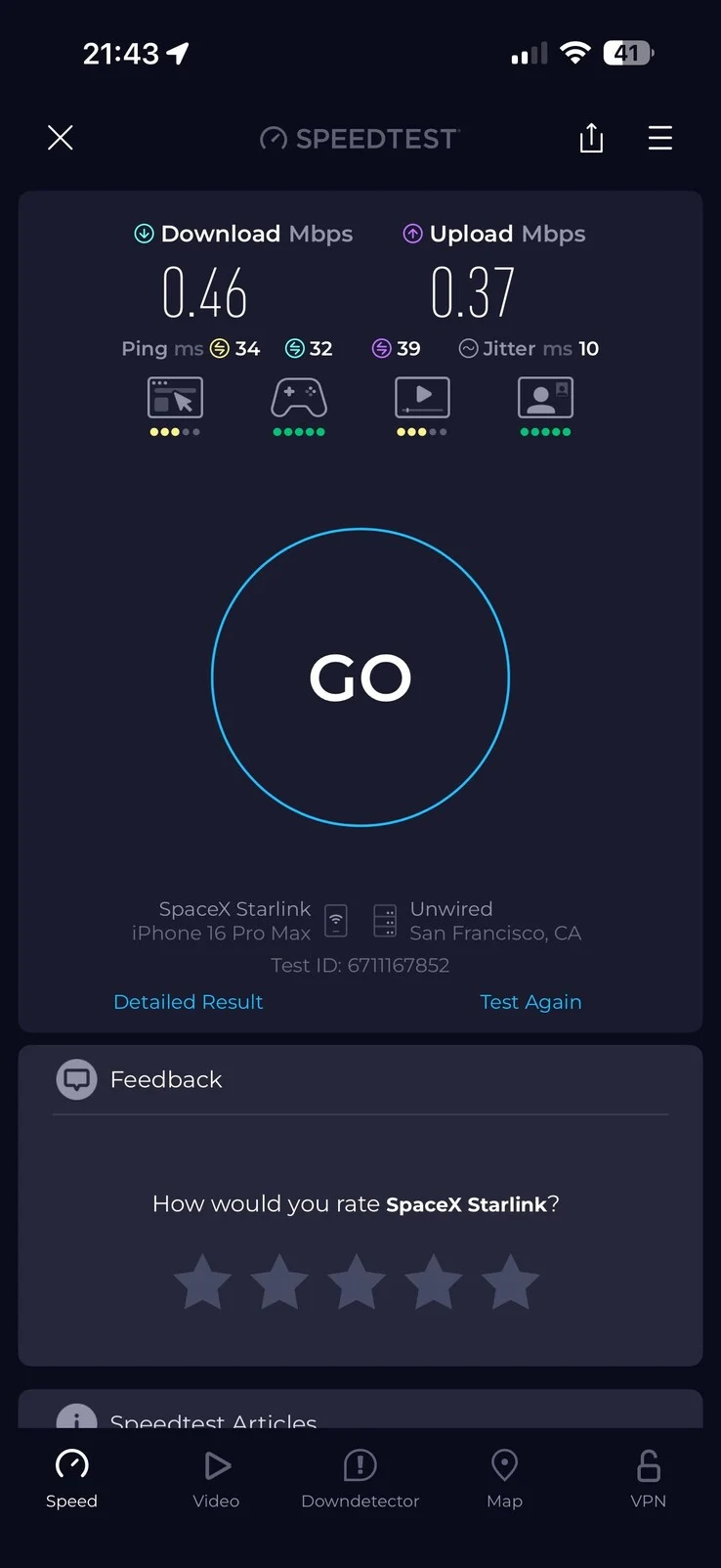
While Starlink hasn’t disclosed the specific speed throttling for Standby Mode, users who switched to the new option report download speeds of around 1 Mbps and uplink speeds of 0.5 Mbps. Frequently, both download and upload speeds are even lower, as shown in various tests.
Furthermore, the terms and conditions for Standby Mode in the U.S. appear less favorable compared to those in Europe and other regions. For example, in Europe, Standby Mode is priced at €5/month but includes 5GB of high-speed data before being throttled to speeds suitable for messaging and software updates. In summary, the free pausing option for Starlink service has been completely removed, and the affordable Roam plan that prompted many to purchase a Mini dish is now unavailable.
Source:
Link
Leave a Reply