
Key Takeaways
1. SpaceX launched 24 Starlink V2 Mini satellites, expanding its satellite internet service to over 7,760 functioning satellites.
2. A new paid “Standby Mode” was introduced, costing US $5 or €5 per month for unlimited low-speed data.
3. Users can no longer pause their service for free; cancellation may prevent reactivation if service capacity is reached.
4. The US $10 Roam plan has been discontinued, leaving users to choose between more expensive plans or Standby Mode.
5. Unused data blocks will not roll over when an account is set to Standby, limiting user flexibility.
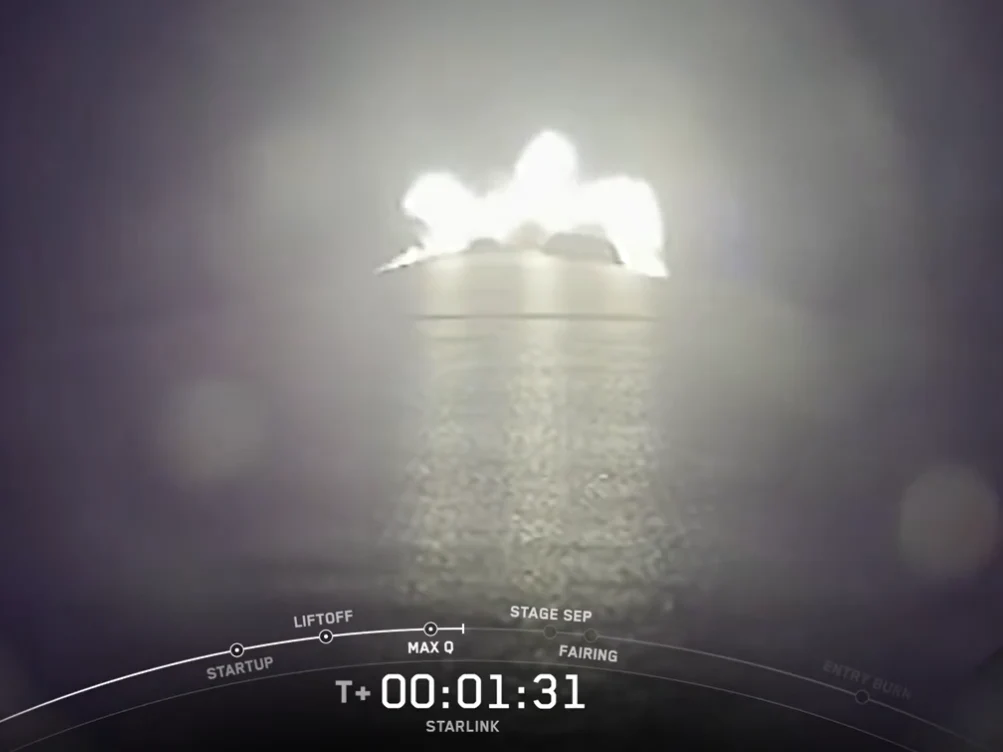
SpaceX has broadened its satellite internet service by launching 24 Starlink V2 Mini satellites from the Vandenberg Space Force Base in California on August 14, 2025. The Falcon 9 rocket took off at 1:05 a.m. EDT (0505 GMT), putting the satellites into a polar low Earth orbit. This mission was the 144th successful landing of a Falcon 9 first stage on the droneship named “Of Course I Still Love You” and is part of the fast expansion of the Starlink network, which now boasts over 7,760 functioning satellites. This launch follows SpaceX’s recent service expansion to Somalia and Israel, with more markets in the Middle East awaiting regulatory approval.
New Pricing Model Introduced
In conjunction with the launch, Starlink has swapped its free pause option for a paid “Standby Mode” costing US $5 or €5 per month. This new feature allows for unlimited low-speed data at approximately 0.5 Mbps, which is good enough for messaging and light email but not suitable for streaming or video calls. This update affects Roam, Residential, and Priority customers in the United States, much of Europe, and Canada, while Enterprise and certain promotional accounts remain unaffected.
Changes in Subscription Policies
Before this, users were able to pause their service without any charges and could quickly resume full speeds. Now, if users decide to cancel their service rather than use Standby Mode, they might not be able to reactivate their accounts if their area has reached its service capacity. This has caused notable dissatisfaction among owners of the portable Starlink Mini dish, who often bought it for occasional or seasonal use. Many feel that paying US $60 a year for limited connectivity diminishes the product’s original pay-as-you-go charm.
Removal of Low-Cost Plans
Additionally, this change coincides with the discontinuation of the US $10 Roam plan, which allowed lighter users to keep their service at a lower price. After the current billing cycles finish, subscribers will need to decide between the pricier plans, the new Standby Mode, or total cancellation. Any unused data blocks will not roll over if the account is set to Standby, which further restricts user flexibility.
Source:
Link
Leave a Reply