
Key Takeaways
1. SK hynix’s production capabilities for DRAM, NAND, and HBM are fully booked through 2026, driven by a significant order from Nvidia.
2. The company reported a Q3 2025 profit of $8 billion, a 62% increase from the previous year, largely due to HBM3E chip sales to Nvidia.
3. SK hynix now holds over 50% of the global HBM market, significantly outpacing competitors Samsung and Micron.
4. The company plans to ramp up production of HBM4 memory by late 2025, which promises enhanced bandwidth and energy efficiency for future AI processors.
5. The demand for HBM is rapidly increasing, with predictions estimating the global HBM market to reach $43 billion by 2027, highlighting the critical role of memory manufacturers in the AI infrastructure.
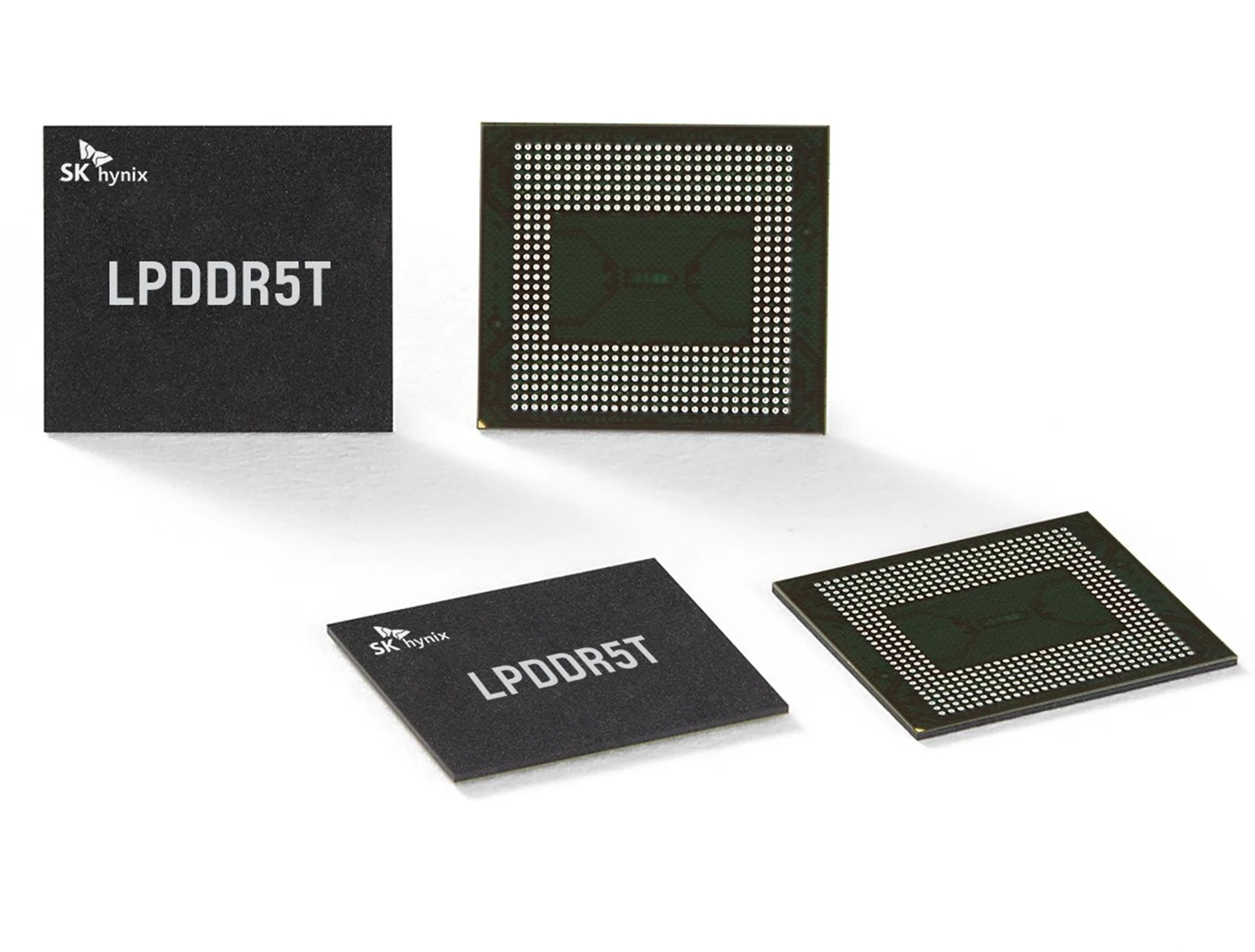
SK hynix has recently revealed that its production capabilities for DRAM, NAND, and high-bandwidth memory (HBM) are completely booked through 2026. This accomplishment is largely attributed to a significant order from Nvidia. The world’s largest company by market cap relies on SK hynix’s HBM semiconductors, such as the H100 and B200 models, to power its AI processors.
Financial Success
SK hynix experienced a remarkable Q3 2025, reporting a profit of $8 billion (₩11.4 trillion), which is a 62% increase from the previous year. Revenue rose by 39% to ₩22.4 trillion, primarily driven by sales of HBM3E chips that Nvidia purchased for their data center GPUs. Consequently, SK hynix’s market value now surpasses that of its rivals.
Market Dominance
According to TrendForce, SK hynix now dominates over 50% of the global HBM market, while competitors Samsung and Micron hold about a quarter each. The company’s recent financial performance illustrates how closely linked the AI hardware ecosystem is becoming, with Nvidia’s leading position in GPUs significantly boosting SK hynix’s exceptional performance.
“We have completely sold out our DRAM, NAND, and HBM capacity for the upcoming year,” remarked Kim Kyu-hyun, the head of DRAM marketing at SK hynix. He also mentioned that clients have already booked manufacturing slots up to 2026. This means SK hynix will be mostly unable to accept new orders next year.
Future Production Plans
The company is gearing up to ramp up production of its HBM4 memory by late 2025. If successfully implemented, it promises a significant enhancement in both bandwidth and energy efficiency. The next-gen chips are anticipated to be crucial for Nvidia’s forthcoming AI processors and supercomputing platforms.
SK hynix has also entered into supply agreements with OpenAI for its planned Stargate supercomputer project. This initiative is projected to more than double the industry’s total HBM needs.
Changing Landscape
The strong performance of SK hynix indicates a broader shift in the tech landscape. Memory manufacturers are now vital players in AI infrastructure. “Demand for HBM is growing at a rapid pace, making it challenging for supply to keep up in the near future,” stated Kim Ki-tae, head of HBM sales and marketing.
Citi Research predicts that the global HBM market will reach US$43 billion by 2027. The partnership between SK hynix and Nvidia positions both companies at the forefront of the AI semiconductor surge, while Samsung and Micron are left scrambling to catch up.
Source:
Link


Leave a Reply