Category: TV / Monitor

  • Xiaomi TV Stick 4K 2nd Gen Official Announcement

    Xiaomi TV Stick 4K 2nd Gen Official Announcement

    Key Takeaways

    1. Xiaomi has launched the TV Stick 4K (2nd Gen), improving on the original model from 2021.
    2. The new model runs on the Google TV platform and supports 4K decoding, Dolby Vision, HDR10+, Dolby Atmos, and DTS-X.
    3. It features enhanced hardware, including a more powerful CPU and GPU, while maintaining 2GB+8GB memory and adding Bluetooth 5.2 and Wi-Fi 6.
    4. The device includes pre-installed apps like Netflix, Amazon Prime Video, and Google Assistant support via a dedicated remote button.
    5. The TV Stick 4K (2nd Gen) is currently available for €40.39 on AliExpress, with an official release date and final pricing still unknown.


    Xiaomi has unveiled the new TV Stick 4K (2nd Gen), an improved version of the original TV Stick 4K that was launched back in 2021. This new edition was first seen on AliExpress at the end of June 2025, with early buyers verifying that it is indeed a genuine product.

    Global Availability

    Now, Xiaomi has made the TV Stick 4K (2nd Gen) available on its international website, suggesting it will be released in different regions soon. The product page details the specifications for this device. Just like the original version, it supports 4K decoding and works with Dolby Vision, HDR10+, Dolby Atmos, and DTS-X. The key change is that the new model operates on the Google TV platform instead of Android TV 11. It comes with pre-installed apps including Netflix, Amazon Prime Video, YouTube, and Xiaomi TV+, and it also allows for Google Cast wireless screensharing.

    Enhanced Features

    Additionally, the device features support for Google Assistant voice commands, accessible via a dedicated button on the remote control. The hardware has also been upgraded, replacing the Quad-core Cortex-A35 CPU with a Quad-core Cortex-A55, and the GPU has changed from Mali G31 MP2 to ARM G310 V2. The memory remains at 2GB+8GB, while it includes Bluetooth 5.2 and dual-band Wi-Fi 6 connectivity, along with HDMI 2.1 and Micro USB ports. The new model is a bit larger than the previous one, measuring 107.4 x 30 x 14 mm (~4.2 x 1.2 x 0.6 inches) and weighing 44 g (~0.1 lbs).

    Pricing and Release Date

    It’s still uncertain when the Xiaomi TV Stick 4K (2nd Gen) will officially hit the market or how much it will cost. As a current offer, this device is going for €40.39 on AliExpress, which is marked down from its original price of €54.61. For reference, the original Xiaomi Smart TV Stick 4K has a recommended retail price of €49.99 in European regions, but you can find it for €44.99 at Mi Store Germany right now.

    Source:
    Link


  • Kuycon G32P: Affordable 32-Inch 6K IPS Black Monitor Launches

    Kuycon G32P: Affordable 32-Inch 6K IPS Black Monitor Launches

    Key Takeaways

    1. High Resolution and Color Accuracy: The G32P features a 32-inch LG Nano IPS Black panel with a native resolution of 6144×3456 and 10-bit color depth, covering 99% of DCI-P3 and sRGB color spaces.

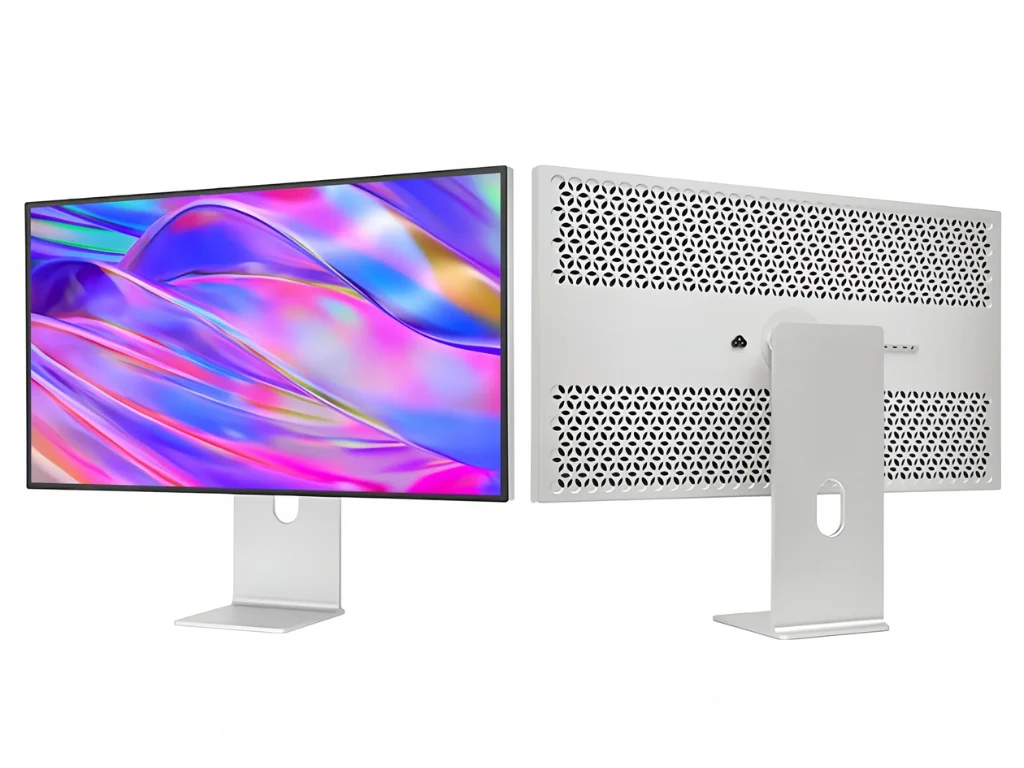
    2. Solid Build Quality: The monitor has a durable sandblasted aluminum chassis and a perforated rear shell for passive heat management, resembling Apple’s Pro Display XDR.

    3. Versatile Connectivity: It includes DisplayPort 2.1, two HDMI 2.1 ports, Thunderbolt 4/USB4 input, USB-C hub ports, and a 3.5mm audio output, along with essential cables and accessories in the package.

    4. Competitive Pricing: The monitor is priced between $1,700 and $2,000, making it a more affordable alternative to the Apple Pro Display XDR.

    5. Unique Features: The G32P maintains a brightness of 500 nits, supports HDR10, and has a glossy, anti-reflective surface for improved viewing clarity.


    Kuycon has unveiled its new G32P 32-inch 6K monitor, aimed at professionals who need high resolution and precise colors. It stands as a direct rival to Apple’s Pro Display XDR, especially since Apple’s display comes at almost triple the price.

    Advanced Panel Technology

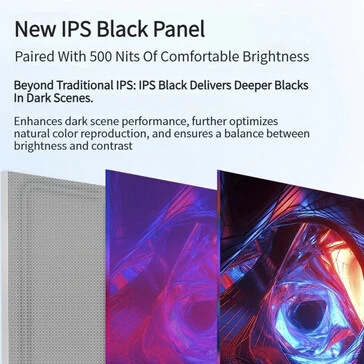
    The G32P features a 32-inch LG Nano IPS Black panel with an impressive native resolution of 6144×3456. This pixel density is ideal for intricate design, editing, and scientific applications. It offers a genuine 10-bit color depth, covering 99% of the DCI-P3 and sRGB color spaces, with a contrast ratio measured at 2000:1. The monitor maintains a brightness of 500 nits and supports HDR10. It has a glossy, anti-reflective laminated glass surface that ensures consistent viewing and clarity without needing edge illumination tricks or aggressive local dimming techniques.

    Solid Construction

    The monitor is built with a sandblasted aluminum chassis that has been anodized for durability, along with a perforated rear shell that aids in passive heat management. The back design closely resembles that of the Pro Display XDR. The base of the monitor is sold separately and it supports VESA 100×100, allowing for both desk and wall mounting in line with standard practices.

    Kuycon includes several connection options with the G32P, such as DisplayPort 2.1 (UHBR20), two HDMI 2.1 ports that can handle 48Gbps each, a Thunderbolt 4/USB4 input capable of delivering up to 100W of power, two USB-C hub ports for accessories, and a 3.5mm audio output. All essential cables, USB adapters, a remote control, and a calibration report come in the package.

    Competitive Pricing

    The monitor is priced between $1,700 and $2,000, depending on the configuration and delivery area. Availability may differ by location, with only select online and retail partners, like ClickClack.io, offering the display.

    Source:
    Link


  • Samsung Color E-Paper EM32DX: Revolutionizing E-Paper Technology

    Samsung Color E-Paper EM32DX: Revolutionizing E-Paper Technology

    Key Takeaways

    1. Samsung launched the Color E-Paper EM32DX, a 32-inch e-ink display designed for commercial use, offering energy efficiency by displaying static images without constant power.
    2. The display uses microcapsule ink technology with four pigments, allowing it to show images that remain visible without additional power once displayed.
    3. It features a slim design (8.6 mm thick, 2.5 kg weight) for easy installation and portability.
    4. Samsung’s Color Imaging Algorithm enables the display to produce up to 2.5 million colors, achieving a 40-fold increase in color depth compared to traditional e-paper.
    5. The system can be managed via the Samsung VXT platform and is made with recycled materials, emphasizing eco-friendliness and sustainability.


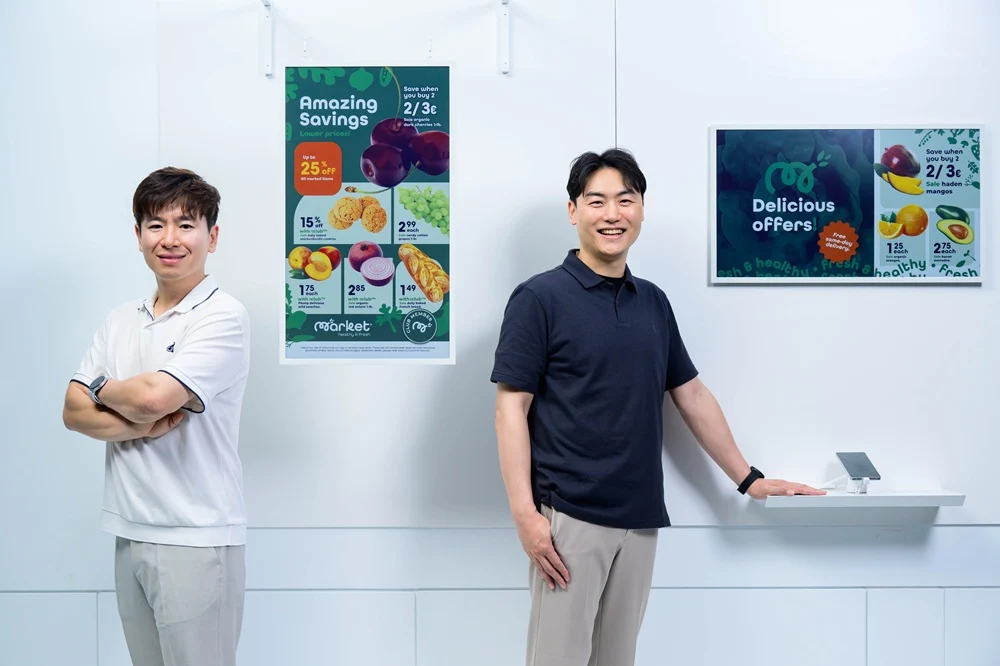
    In April 2025, Samsung introduced the Color E-Paper EM32DX, a 32-inch e-ink display specifically made for commercial environments, including retail stores and food & beverage businesses. A standout feature of this panel is its ability to show static images without needing a constant power source, which sets a new benchmark for energy efficiency and eco-friendliness.

    Innovative Technology

    Samsung explains that the Color E-Paper employs a microcapsule ink technology. Each tiny capsule includes four pigments (red, yellow, blue, and white) that rise to the surface when an electric current is applied, functioning similarly to traditional printing methods. Once an image is displayed, it remains visible without using any more power. With a thickness of only 8.6 mm (0.3 in) and a weight of just 2.5 kg (5.5 lb) including the battery, the system is designed for easy installation due to its slim and lightweight build.

    Exceptional Color Range

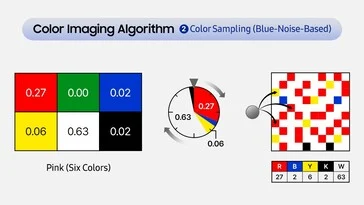
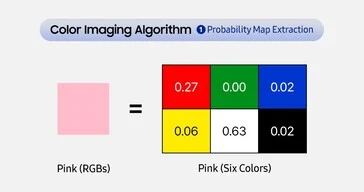
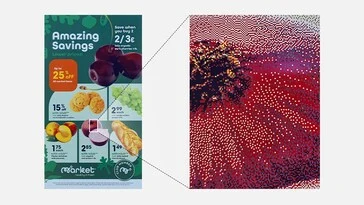
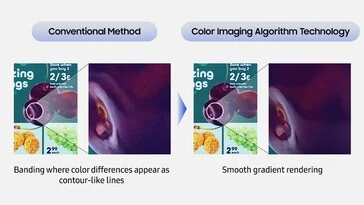
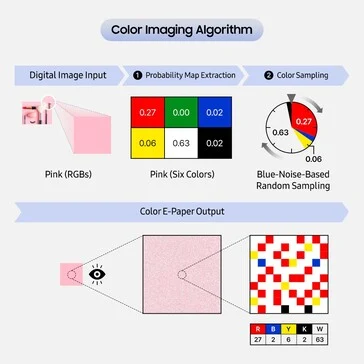
    A notable aspect of the Color E-Paper is Samsung’s unique Color Imaging Algorithm, which enables the display to generate up to 2.5 million colors using just six base shades by utilizing probability distribution and optimized arrangements. Samsung boasts a 40-fold enhancement in color depth compared to traditional e-paper products, and the images produced are strikingly smooth and gentle on the eyes.

    User-Friendly Management

    The Color E-Paper system can be controlled via the Samsung VXT platform, which offers features like color previews, layout designs, and content updates. Additionally, the display is made with recycled plastics and comes in environmentally friendly packaging.

    The Samsung Color E-Paper technology was presented at Integrated Systems Europe (ISE) 2025, where it garnered multiple awards. Samsung also announced intentions to roll out more display sizes and further enhance its research in color optimization.

    Source:
    Link


  • South Park Limited Availability: Accessible Only in One Country

    South Park Limited Availability: Accessible Only in One Country

    Key Takeaways

    1. Removal from Paramount+: All South Park episodes have been removed from Paramount+ globally, except for viewers in the United States, due to a lack of a new deal.

    2. Limited Content Release: Since the $900 million agreement in 2021, only one season (26th) with six episodes and four out of fourteen planned TV movies have been released.

    3. Delayed Season Premiere: The 27th season’s premiere was postponed from July 9 to July 23, causing frustration among the show’s creators.

    4. Management Conflicts: Paramount’s partnership with Skydance has led to a desire not to renew South Park’s rights, raising concerns over the show’s content.

    5. Legal Action and Rights Issues: The creators have taken legal action due to tensions with Paramount, resulting in the non-renewal of rights and subsequent removal of episodes from streaming platforms.


    Popular globally, South Park has been facing some challenges lately. There has been no deal made with Paramount+, which has led to the removal of all episodes from the streaming service worldwide, except for viewers in the United States.

    This is a significant setback for countless fans, especially since the $900 million agreement made by Trey Parker and Matt Stone in 2021 was supposed to last until the 30th season and included 14 TV films. However, what seemed like a fantastic opportunity turned out to be much less exciting.

    Limited Releases

    From 2021 to 2025, only the 26th season launched, and it featured merely six episodes. Even more disappointing, only four out of the planned fourteen TV movies made it to release. To grasp the situation better, we should examine what’s happening with Paramount+.

    The 27th season of South Park was initially set to debut on July 9. Yet, Paramount unexpectedly decided to delay this by two weeks, moving the premiere to July 23. This decision infuriated the creators of South Park, who took to their official Twitter page to voice their displeasure: “This merger is a sht show and it’s fcking up South Park. We are at the studio working on new episodes and we hope the fans get to see them somehow.”

    Management Conflicts

    Moreover, Paramount has joined forces with Skydance, which is led by David Ellison. Ellison has expressed a desire not to renew South Park’s rights, claiming he does not want a “vulgar” and “politically incorrect” show in his lineup. This situation reminds us of Paramount’s past issues with former US President Donald Trump, resulting in a $16 million settlement.

    In addition, Trey Parker and Matt Stone have frequently criticized Jeff Shell for meddling in their talks with Netflix and HBO Max, which has generated significant tension over time. It’s important to mention that Paramount had established a 12-month exclusive streaming period on its platform before permitting the show to transition to other services. Faced with a deadlock, the creators of South Park opted to take legal action, and the rights were not extended, leading to the removal of all episodes and seasons globally, except for those in the United States.

    Source:
    link

  • LG StanbyME 2: 27″ QHD Display, α8 AI, Dolby Atmos, WebOS 24

    LG StanbyME 2: 27″ QHD Display, α8 AI, Dolby Atmos, WebOS 24

    Key Takeaways

    1. Flexible Design: The StanbyME 2 can be easily set up on a table or mounted on a wall, switching between portrait and landscape orientations with a built-in strap for hanging.

    2. Enhanced Specifications: It features a 2560 × 1440 QHD panel and a 60Hz refresh rate, improving video viewing and document editing compared to earlier models.

    3. Smart Features: Powered by LG’s α8 AI Processor, it automatically adjusts brightness and sound settings based on the environment and offers features like Dolby Atmos and AI Sound Pro.

    4. Built-in Applications: Includes applications like Mood Maker for digital photo framing and Let’s Draw for sketching, with touch functionality that disables during HDMI or wireless connections.

    5. Connectivity Options: Offers one HDMI port, two USB 2.0 ports, Bluetooth 5.1, and Wi-Fi 5, along with a Game Optimizer dashboard for gamers and various accessibility features.


    LG has recently unveiled the StanbyME 2, a portable 27-inch smart display aimed at users seeking versatility in their viewing experiences. This screen can be set up on a table or mounted on a wall, and it easily switches between portrait and landscape orientations.

    Flexible Design

    The display can be unlatched from its stand with a simple click and features a built-in strap, enabling it to hang like a wall clock. These modifications indicate a trend toward multifunctional displays that can adapt to various areas within a home.

    Enhanced Specifications

    The StanbyME 2 is equipped with a 2560 × 1440 QHD panel and a 60Hz refresh rate, enhancing the experience compared to the earlier Full HD resolution. This upgrade makes it more suitable for viewing videos, editing documents, or serving as an additional screen.

    Smart Features

    Powered by LG’s α8 AI Processor, the display adjusts its brightness and color settings based on the light in the surrounding environment. Audio is provided through 10W side-firing speakers with Dolby Atmos support, and the sound output modifies itself automatically according to the screen’s position. LG also includes AI Sound Pro for virtual 9.1.2 surround sound and Clear Voice Pro for better vocal clarity.

    Battery life sees enhancement too, with users getting up to 4 hours of playback while unplugged. Charging options include the docking stand or a USB-C cable. The device comes with webOS 24 and supports hands-free voice commands. It also works with Apple AirPlay, Google Cast, Google Home, and LG ThinQ.

    Built-in Applications

    Among its built-in applications is Mood Maker, which can transform the display into a digital photo frame or an ambient display, alongside Let’s Draw, a sketch tool that uses finger input. The screen supports touch functionality, but this feature disables when connected via HDMI or wirelessly mirrored from a PC or Mac.

    Connectivity Options

    Connectivity is quite simple, featuring one HDMI port with eARC, two USB 2.0 ports, a 5V USB port, Bluetooth 5.1, and Wi-Fi 5.

    The display also incorporates a Game Optimizer dashboard for casual gamers. Accessibility features consist of high contrast mode, grayscale, and inverted colors.

    Weight and Dimensions

    The display weighs 4.3 kilograms by itself and 15.2 kilograms with the stand attached. Its dimensions without the stand measure 623 by 364 by 28.5 millimeters. LG provides a mini remote and a detachable power cable in the box. It supports AC input ranging from 100 to 240 volts and consumes less than 0.5 watts in standby mode.

    While the LG StanbyME 2 is not a low-cost option, its pricing reflects its enhanced versatility. It is currently listed at SGD 1,799, $1,404, INR 120,760, and CAD 1,599.99.

    Availability

    The device is already available in Hong Kong and Türkiye, with plans for launches in the US, Canada, Vietnam, and Singapore later this July. The UK, Germany, France, and Spain are set to follow suit in August 2025.

    Source:
    Link

  • X68000 Z2: New 8-Inch Retro CRT Monitor Released

    X68000 Z2: New 8-Inch Retro CRT Monitor Released

    Key Takeaways

    1. The Zuiki X68000 Z2 is an 8-inch LCD monitor with a 4:3 aspect ratio and a nostalgic CRT-like design.
    2. It features a resolution of 1024 x 768 pixels, a refresh rate of 60Hz, and connects via USB-C or HDMI, with power supplied through USB-C.
    3. Users can adjust brightness, contrast, and volume using buttons on the monitor.
    4. The design is inspired by the X68000 Z Super mini PC, which is priced at about $425 in Japan and runs retro software.
    5. The Zuiki X68000 Z2 is currently being crowdfunded on Kibidango for around $239, with no confirmation on global availability.


    The Zuiki X68000 Z2 is a brand new monitor that features an 8-inch LCD with a 4:3 aspect ratio. It has a curved acrylic screen along with a thicker case, giving it the nostalgic appearance and feel of a classic CRT monitor. Although the LCD might not have the fastest response times, it could potentially deliver better color accuracy and save power.

    Resolution and Connectivity

    This monitor boasts a resolution of 1024 x 768 pixels and operates at a refresh rate of 60Hz. It connects through USB-C or HDMI, but power is always supplied through USB-C. If the computer or laptop’s port can deliver 15 watts of power, there’s no need for an extra power adapter. Users can adjust brightness, contrast, and volume using buttons located on the monitor. The manufacturer still hasn’t confirmed the rest of the technical details.

    Design Inspiration

    The design of the monitor aims to complement the X68000 Z Super, a mini PC that is also seeking funding. This mini PC takes cues from Sharp’s X68000 series from 1991 and is priced starting at about $425 in Japan. Given its ARM Cortex-A7 quad-core processor and 512MB of RAM, it only has sufficient performance for running older retro software.

    At present, the Zuiki X68000 Z2 is being crowdfunded on the Japanese platform Kibidango, where it can be preordered for around $239. In comparison, the matching Zuiki X68000 Z Super mini PC is available for about $425. The manufacturer has not disclosed whether these products will be available globally in the future.

    Source:
    Link


  • Eco-Friendly Monitor: Works Without a Power Cable

    Eco-Friendly Monitor: Works Without a Power Cable

    Key Takeaways

    1. ONE Monitor is an eco-friendly design made of 95% recycled materials, entered into the Red Dot Design Awards.
    2. It connects and powers through a single USB-C cable, but only works with compatible devices that support USB-C Power Delivery and DisplayPort Alt Mode.
    3. The monitor’s power usage is under 15 watts, making it energy-efficient but limiting compatibility.
    4. It eliminates the need for extra cables, but laptop users need a separate power source as the monitor cannot power the laptop.
    5. Details about the monitor’s specifications, such as panel type and performance metrics, are still unclear.


    ONE Monitor is an innovative design that was entered into the Red Dot Design Awards. While it’s not expected to hit the market soon, the idea is quite captivating. The device claims to consist of 95% recycled materials, and it is reported to be produced using “eco-friendly methods.”

    Power Connection and Compatibility

    Power for the monitor is delivered through the same USB-C cable that connects it to a computer, meaning there’s no need for an additional power cord. However, this does come with a catch: the monitor will only function with computers that are compatible with USB-C Power Delivery and DisplayPort Alt Mode. The monitor’s power usage is intended to stay below 15 watts, or else its compatibility would be quite limited.

    Practicality with Devices

    This setup removes the need for an extra cable but means that a connected laptop cannot draw power from the monitor. This could make it less practical for laptop users, since they would need a separate power source. Nevertheless, the design becomes more functional when paired with a desktop or a docking station.

    ONE Monitor is designed to eliminate “unnecessary” electronics, which allows it to cut down power consumption in standby mode to 0 watts. However, the manufacturer has yet to provide more information regarding its specifications, leaving uncertainty about the type of panel it will use or its performance in terms of color accuracy, brightness, and resolution.

    Conclusion

    In short, while the ONE Monitor presents a fresh and eco-conscious approach, details about its actual performance and features remain vague, leaving potential users curious about its true capabilities.

    Source:
    Link


  • Netflix Adapts Solo Leveling into Korean Series with Star Cast

    Netflix Adapts Solo Leveling into Korean Series with Star Cast

    Key Takeaways

    1. Unique Storyline: Solo Leveling features Sung Jin-Woo, a protagonist who starts with no powers and gradually becomes a powerful hunter in a society where such abilities are hidden.

    2. Live-Action Series: Netflix is adapting Solo Leveling into a live-action series, with directors Lee Hae-jun and Kim Byung-seo at the helm.

    3. Casting Announcement: Byeon Woo-seok has been cast as the lead character, Sung Jin-Woo, known for his role in the K-drama Lovely Runner.

    4. Mixed Reactions to Adaptations: While some adaptations have succeeded, like One Piece, others like Death Note have disappointed fans, leading to varied opinions on Solo Leveling’s potential.

    5. Fan Optimism and Concerns: Fans are divided between optimism for the adaptation’s success and fears of it straying too far from the original manga.


    This new anime that’s taking the world by storm has some exciting news. After capturing the attention of its readers, it was a massive triumph when it was turned into a show. Now, Netflix is getting ready to create a live-action series adaptation, and a casting choice has already been revealed.

    Unique Storyline

    The tale revolves around Sung Jin-Woo, who exists in a different version of modern Japan. Solo Leveling follows a rather distinct approach. The protagonist starts off with almost no extraordinary powers, yet gradually, he evolves into the most formidable hunter. In a society where such powers are not widely accepted, he has to conceal his strengths to prevent drawing the attention of the authorities.

    Directorial Team and Cast

    The live-action series from Netflix will be helmed by directors Lee Hae-jun and Kim Byung-seo. This already suggests a promising and high-caliber adaptation, but there’s even more exciting news for fans. The role of Sung Jin-Woo will be played by none other than Byeon Woo-seok. If you don’t recognize his name, he gained popularity last year from the K-drama Lovely Runner.

    Mixed Reactions to Adaptations

    It appears Netflix might have discovered the right method by turning manga and anime into live-action projects. However, not every adaptation has been a hit. For instance, the film Death Note let down many fans, earning a mere rating of 4.5 out of 10 on IMDB. Conversely, there are successes too, like One Piece, which has managed to win over millions of fans globally.

    Consequently, the reactions regarding the Solo Leveling adaptation are varied. Some fans are optimistic about its potential for success, while others are concerned about it turning into a disappointing series that deviates too much from the original manga. Regardless, we should try to have faith in Netflix, known for delivering both spectacular and lackluster content, and patiently await further updates on this project, which is already creating quite a stir.

    Source:
    Link

  • TCL CSOT to Build Massive OLED Factory with Inkjet Printing Tech

    TCL CSOT to Build Massive OLED Factory with Inkjet Printing Tech

    Key Takeaways

    1. TCL CSOT plans to build an 8.6-generation OLED production plant in Guangzhou, starting construction in October 2025, with operations expected by 2027.

    2. The initial production line will handle 45,000 glass substrates monthly, with a potential second line increasing capacity to 90,000 substrates.

    3. TCL CSOT’s output would significantly exceed competitors like Samsung and LG, positioning the T8 facility as one of the largest OLED plants globally.

    4. The company utilizes inkjet printing technology, which reduces material waste and production costs by about 30%, differentiating it from competitors’ methods.

    5. Despite recent advancements, TCL CSOT faces technical challenges in improving panel brightness, lifespan, and production yields, as it aims to compete with established South Korean manufacturers.


    TCL CSOT is said to be gearing up to construct a huge 8.6-generation OLED production plant in Guangzhou, China.

    A recent report from UBI Research indicates that the construction of the “T8” facility is slated to kick off in October 2025, with plans to install equipment by the end of 2026. If everything goes as planned, the factory could be fully operational by 2027.

    Plans in Place

    Although TCL CSOT hasn’t officially confirmed the details, UBI Research claims the company has cemented its plans and is ready to proceed. The plant will start with one 8.6G production line that has the capacity to handle 45,000 glass substrates each month.

    When a second line is introduced, the production could potentially increase to 90,000 substrates per month. These sizable sheets, measuring approximately 2.29 by 2.62 meters, are suitable for cutting into displays for televisions, monitors, tablets, and smartphones.

    Competitive Edge

    This output level would place TCL CSOT well ahead of its rivals. Samsung’s forthcoming QD-OLED A6 line is expected to peak at 15,000 substrates monthly, while LG Display’s new Paju line is predicted to reach between 7,500 and 15,000.

    Moreover, BOE, a competitor in China, has also revealed intentions to launch an OLED line with a capacity of 33,000 substrates each month. The goal for TCL CSOT would position the T8 facility among the largest OLED manufacturing plants globally.

    Innovative Techniques

    What distinguishes TCL’s method is its adoption of inkjet printing, differing from LG and Samsung’s fine-mask evaporation technique. This method accurately applies red, green, and blue OLED materials onto the substrate, minimizing material waste and cutting production costs by about 30 percent.

    UBI Research estimates that the T8 facility will require approximately RMB 20 billion, which translates to around USD 2.75 billion—a relatively modest investment considering its anticipated output.

    TCL CSOT has been working on inkjet-printed OLED technology for several years, having laid out its goals back in 2020, with aspirations to begin mass production by 2024. Although this timeline hasn’t been fully met, TCL did commence limited production last year.

    Future Outlook

    In 2024, the company delivered 21.6-inch 4K OLED panels produced using its Gen 5.5 line and began distributing monitor panels by November. By May 2025, TCL had presented a complete lineup of inkjet-printed OLED prototypes, including screens for smartphones, laptops, and TVs.

    UBI anticipates that an official announcement might be forthcoming, possibly within this month. Nevertheless, the report warns that TCL CSOT still encounters technical challenges. These obstacles include enhancing panel brightness and lifespan, achieving better large-area uniformity, and improving production yields.

    The inkjet printing technique remains perceived as less developed and dependable compared to the more traditional methods utilized by Korean display manufacturers.

    Nonetheless, TCL’s approach is part of a larger effort by Chinese firms to contest South Korea’s supremacy in OLED display technology. Companies like BOE and Visionox are also making significant investments in alternative manufacturing processes.

    Source:
    Link

  • Samsung QLED TVs Earn ‘Real Quantum Dot’ Certification Upgrade

    Samsung QLED TVs Earn ‘Real Quantum Dot’ Certification Upgrade

    Key Takeaways

    1. Samsung’s QLED TVs have received TÜV Rheinland certification, confirming their status as Real Quantum Dot Displays, which strengthens their position in the high-end TV market.

    2. The TÜV certification validates that Samsung’s QLED TVs meet the IEC 62595-1-6 standard, ensuring effective isolation and emission of red, green, and blue wavelengths for improved color accuracy.

    3. The certification includes a range of QLED models, including high-end Neo QLED 8K and 4K series, which utilize over 3,000 parts per million of quantum dot material for enhanced color precision and brightness.

    4. Samsung’s quantum dots are cadmium-free, using indium phosphide to improve safety and eco-friendliness while still achieving high performance in color and brightness.

    5. Samsung’s Knox security platform addresses privacy concerns related to smart TVs, providing multi-layered protection against unauthorized access and data leaks, further enhancing consumer trust.


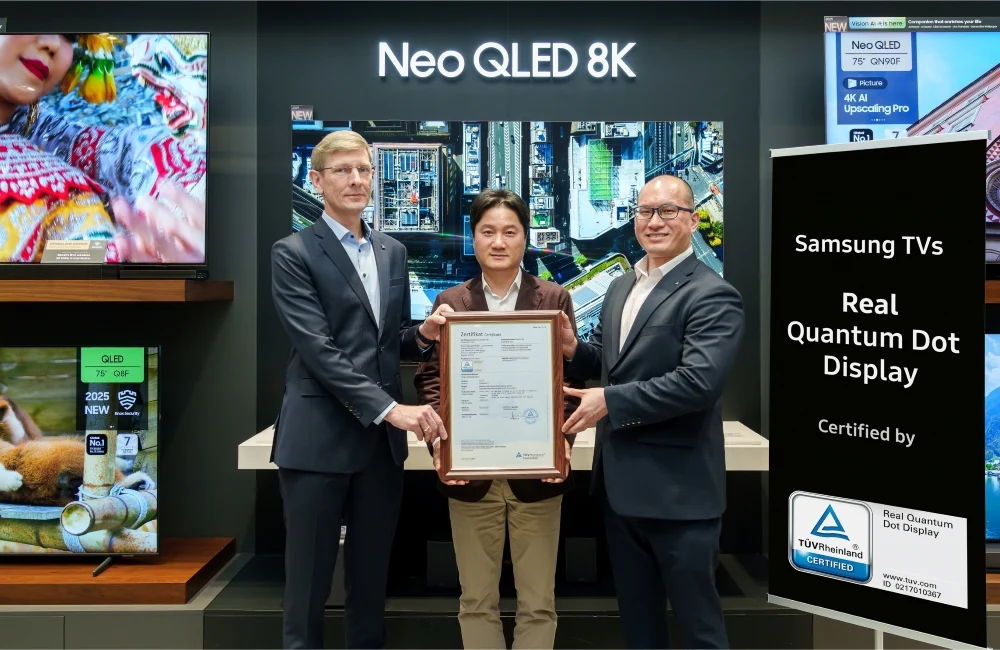
    Samsung’s QLED TVs have been officially recognized as Real Quantum Dot Displays by TÜV Rheinland, which confirms the company’s long-standing claims regarding its display tech.

    Strengthening Market Position

    This certification strengthens Samsung’s QLED models in the high-end TV market, particularly amid ongoing scrutiny about the genuine use of quantum dots in LED displays.

    The TÜV Rheinland certification is not just a promotional claim; it validates that Samsung’s QLED TVs comply with the IEC 62595-1-6 standard for quantum dot displays.

    Technical Benchmark

    This standard assesses how effectively displays can isolate and emit red, green, and blue wavelengths. For a display to be deemed a true quantum dot display, these wavelengths should have minimal overlap, a requirement that many less expensive or imitation panels fail to meet.

    TÜV performed independent evaluations and confirmed that Samsung’s QLED panels exhibit the expected spectral separation associated with authentic quantum dot materials. This results in a noticeable improvement in color accuracy and vibrancy on the screen.

    Range of Certified Models

    According to Samsung, the certification includes various QLED models, such as the high-end Neo QLED 8K series (QN990F and QN900F), Neo QLED 4K models (QN90F, QN85F, QN80F, QN70F), and mid-range QLED 4K variants (Q8F, Q7F, Q6F).

    All these televisions incorporate Samsung’s Quantum Dot Sheet layer, which is situated between the backlight and the LCD panel. This layer contains over 3,000 parts per million of quantum dot material, enhancing color precision, contrast, and brightness while also improving energy efficiency.

    Samsung utilizes AI-driven picture processing to enhance clarity and adjust images in real-time according to the content type being shown.

    Environmentally Friendly Quantum Dots

    A key point is that Samsung’s quantum dots are free of cadmium. Cadmium helps improve light conversion efficiency, which can enhance image brightness and color saturation. However, cadmium is toxic and is heavily regulated in many areas, especially under EU RoHS guidelines.

    To avoid these issues, Samsung employs indium phosphide-based quantum dots. These are more eco-friendly and have received high recognition, including a Nobel Prize in Chemistry in 2023 for researchers who advanced quantum dot uses in medical imaging and display tech.

    Certification organizations like SGS and RoHS have confirmed that Samsung’s quantum dot films are completely cadmium-free, ensuring safety for both consumers and the manufacturing process.

    Addressing Privacy Concerns

    Another aspect of Samsung’s QLED promotion is its Knox security platform. While this is less related to display quality, it tackles growing worries about smart TV privacy and data security. Knox offers multi-layered protection that encompasses hardware, system software, and network connections, aimed at preventing unauthorized access, tampering, and data leaks.

    Initially developed for Samsung smartphones, Knox has since been integrated into the company’s ecosystem, including TVs and appliances.

    In recent times, numerous TV brands have used the term “QLED” for marketing while not actually employing real quantum dot materials.

    Instead, they have depended on broad color filters or hybrid technologies that don’t reach true QD performance, leading to consumer confusion and sometimes misleading claims.

    Samsung’s new TÜV Rheinland certification aids in differentiating its products from those that take shortcuts or misrepresent quantum dot technology.

    Source:
    Link