Key Takeaways
1. Silence in the WHOniverse: Fans are experiencing an unusual wait for news following the conclusion of the Fourteenth season, creating a sense of quiet anxiety.
2. Emergence of Spin-offs: BBC Studios and Bad Wolf are actively developing spin-offs, with “The War Between the Land and the Sea” focusing on UNIT and familiar characters, despite the absence of the Doctor.
3. Legacy of Past Spin-offs: Previous spin-offs like Torchwood, Class, and The Sarah Jane Adventures offer lessons on storytelling in the Doctor Who universe without the Doctor at the center.
4. Philosophical Themes in New Series: “The War Between the Land and the Sea” has the potential to explore deeper conflicts and legacy themes, especially through the return of the Sea Devils and new character dynamics.
5. Future of Spin-offs: The success of this mini-series could pave the way for more character-driven stories within the WHOniverse, building a connected narrative without relying on the Doctor.
There’s a peculiar silence resonating throughout the WHOniverse. It’s not the loud noise of cancellations or a grand finale’s farewell; it’s simply quiet. Ncuti Gatwa’s Doctor has transformed, and the Fourteenth season has wrapped up with style, yet… there’s no announcement. Fans are left waiting for news that has not appeared. They aren’t furious or outraged; they’re just quietly anxious. This silence is unlike what we usually experience. It gives off the impression that the TARDIS has landed in a shadowy place and is remaining completely still.
Spin-offs Emerge
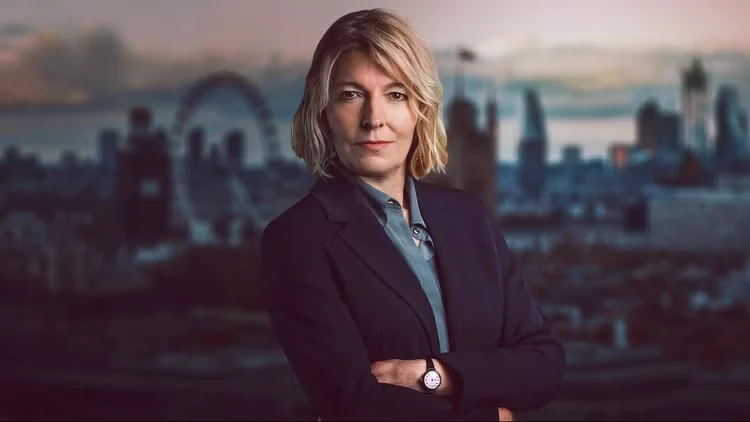
While the primary Doctor Who series is in a state of uncertainty, BBC Studios and Bad Wolf are moving ahead with renewed energy. Spin-offs, which were once just ideas discussed in online forums, are now becoming reality. The most notable of these is The War Between the Land and the Sea, a six-episode mini-series focused on UNIT and featuring well-known characters like Kate Stewart and Rose Noble. It has all the right elements: experienced characters, new dangers, and returning foes. However, without the Doctor as the focal point, it must prove its worth.
Previous Attempts at Spin-offs
This isn’t the first time Doctor Who has explored such territory. There have been previous spin-offs, some of which were successful while others were less so. Certain attempts are still fondly remembered by fans, while others faded into the background, mainly remembered as missed chances. Each made an attempt to tackle a tough question: what does the Doctor Who universe look like without the Doctor at its heart? That question is once again relevant now.
As UNIT gets ready for conflict beneath the waves, it’s worth looking back at the legacy this new show is entering. Let’s reflect on Torchwood, Class, The Sarah Jane Adventures, and the monsters that kept reappearing. We should consider whether The War Between the Land and the Sea is a smart evolution of the existing lore or merely a catchy title. And perhaps we can discover hope in the stories that have previously shaped these spin-offs.
Torchwood’s Gritty Legacy
If Doctor Who is the chaotic figure in a box, then Torchwood was the one cleaning up the mess left behind. Launched in 2006, this dark spin-off didn’t merely expand the WHOniverse; it peeled away its layers. It was unabashedly adult, exploring themes of sex, trauma, alien violence, and moral dilemmas — nothing was off-limits. Yet, it never felt excessive. Torchwood always aimed to convey something meaningful, even when it broke hearts.
At its center was Captain Jack Harkness, who had already experienced the twists of time and space. However, in Torchwood, Jack wasn’t just the charming rogue. He was weighted down, haunted, and striving to regain his humanity. His team — Gwen, Ianto, Tosh, and Owen — weren’t just stereotypes. They were flawed, authentic, and completely unready for the challenges the universe threw at them.
The Connection to Doctor Who
What made Torchwood resonate wasn’t solely its darker tone; it was its ability to connect with the existing lore without being overly dependent on it. You didn’t need the Doctor to appear to recognize that this was the same universe. The writing maintained its roots. Consider the Face of Boe reveal — Jack’s eventual fate wasn’t just a surprising moment; it transformed episodes from both series. Suddenly, the timeline felt interconnected, where every action had consequences.
Miracle Day, the final season, may have had mixed reviews, but Children of Earth stands as one of the most powerful narratives under the Doctor Who banner. It was somber, daring, and unforgettable. Torchwood demonstrated that mature, character-driven stories could thrive within this universe. It built a rich lore, expanded the canon, and earned its rightful place in the WHOniverse.
Class Struggles
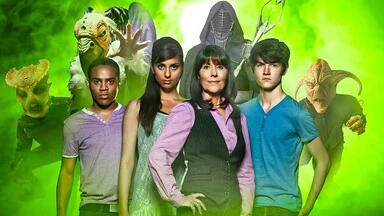
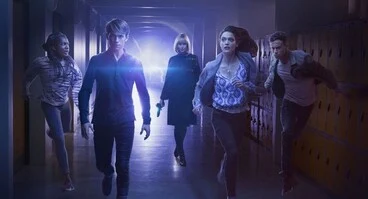
In contrast, Class arrived with high hopes but ultimately faltered. Created by Patrick Ness, author of A Monster Calls, the show was envisioned as a YA entry point for new viewers — a mix of Buffy the Vampire Slayer and Coal Hill Academy. On paper, it seemed promising. Coal Hill had always been linked to the Doctor; why not delve into the lives of those left behind?
However, Class never really found its stride. It had its moments — glimpses of character depth, shocking twists, and a dark tone that hinted at greater potential. Yet, it felt lost, unsure of its identity. Was it horror? Teen drama? Sci-fi soap opera? The result was a tonal dissonance that pushed away dedicated fans and bewildered newcomers.
Comparisons to The Sarah Jane Adventures
Even worse, it didn’t have the connective fabric that made Torchwood feel vital. A brief cameo by Peter Capaldi’s Doctor in the first episode wasn’t enough to anchor the series. Lacking ongoing connections to the wider universe, Class felt like a side quest with no real stakes. It introduced new monsters and lore but didn’t earn audience investment.
It also struggled to escape the legacy of The Sarah Jane Adventures, which had already tackled the “school-based Doctor Who” concept much more effectively. While Class sought to be edgy, SJA balanced light and dark with elegance. It showed respect for its younger audience instead of trying too hard to impress them. This difference in tone significantly influenced how both series were received.
The Heart of The Sarah Jane Adventures
If Torchwood was the dark reflection, The Sarah Jane Adventures was the heart of the franchise. Running from 2007 to 2011, it followed the beloved companion Sarah Jane Smith — once more played by Elisabeth Sladen — as she defended Earth from alien threats while guiding a group of young allies. It was delightful, emotionally genuine, and filled with affection for the universe it belonged to.
Unlike Class, SJA embraced its connection to the source material. The Doctor made frequent appearances — not as a crutch but as a friend visiting. Both David Tennant and Matt Smith had cameos that felt justified. The show even addressed significant lore moments, featuring the Trickster, Judoon, Slitheen, and even a lost Gallifreyan AI.
Moreover, the series enriched its themes. It tackled loss, identity, fear, and the complexities of growing up with unexpected maturity for a children’s show. It instilled in its audience values of kindness and bravery. It provided found families, heartwarming reunions, and a Sarah Jane who never ceased fighting, even after parting ways with the Doctor.
A Tribute to Elisabeth Sladen
Perhaps its most touching contribution was behind the scenes. When Elisabeth Sladen passed away, the show concluded not with a dramatic finale, but with a heartfelt tribute. Her impact was so immense that even the Doctor expressed his sorrow on-screen. No other spin-off has carried such emotional significance.
Let’s also recognize the deep world-building. The show subtly tied itself to the larger Doctor Who lore. The Bannerman Road gang interacted more with the universe than some modern companions. In its gentle manner, The Sarah Jane Adventures helped keep the WHOniverse feeling cohesive.
The Return of the Sea Devils
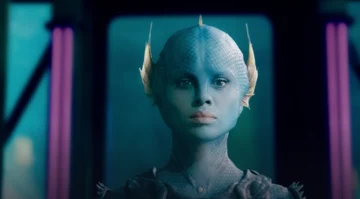
In The War Between the Land and the Sea, the Sea Devils are back — along with UNIT. First introduced during the Third Doctor’s era in the 1970s, the Sea Devils were aquatic reptilian humanoids who posed a challenge to humanity’s supremacy on Earth. They were ancient beings, not inherently evil, but displaced. Their conflict with humans was tragic rather than monstrous.
In many respects, their return now feels poetic. Kate Stewart — the daughter of Brigadier Lethbridge-Stewart, who famously battled the Sea Devils alongside the Doctor — now confronts them on her own. There’s a circular beauty in this; the next generation of the old guard is now defending the line.
Philosophical Conflicts Ahead
This could transcend a typical monster-of-the-week scenario. If approached thoughtfully, it presents a chance to reflect on legacy — both for UNIT and the show itself. Can you engage in the same battle your parent did and still retain your integrity? Are we doomed to repeat these conflicts, or can we finally achieve peace?
The Sea Devils are intelligent beings. They communicate and reason. This suggests that the conflict could unfold on multiple levels — politically, emotionally, and even personally. Rose Noble’s involvement gives a chance to explore how someone new to this reality processes such a high-stakes struggle, alongside Kate, who was born into it, balancing duty with moral dilemmas.
New Characters and Dynamics
While it’s uncertain how deeply this conflict will delve into philosophical themes, there’s a genuine potential to portray the Sea Devils as more than just nostalgic villains. If Davies leans into their tragic backstory, this could be one of the more sophisticated representations of legacy monsters in recent times.
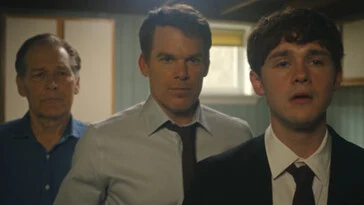
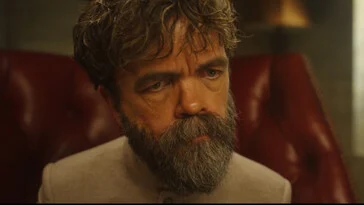
The ensemble for The War Between the Land and the Sea brings a fresh yet familiar feel. Along with Kate and Rose, there are new characters like Morris Gibbons (Bhav Joshi) and Colonel Ibrahim (Tachia Newall). Additionally, there’s Andrea Salt (Susan Twist), whose appearances in the main series have made her a bit of an enigma — and now she’s positioned as the antagonist.
Rose Noble’s inclusion is particularly fascinating. As the daughter of Donna and a companion by association, she carries emotional weight and untapped potential. We’ve seen glimpses of her abilities; this series could thrust her further into the limelight. Will she become a regular member of UNIT? Or does this conflict lead her down a different path entirely?
Exploring Team Dynamics
What makes this cast intriguing is its balance. Kate symbolizes order; Rose brings empathy; Morris and Ibrahim are wildcards — that’s where the tension lies. This isn’t just a battle against monsters; it’s about how diverse individuals manage crises. Some adhere to rules, while others improvise. Some crumble under pressure. UNIT has always represented more than just weapons and regulations; it’s about standing firm when everything else collapses.
This series could also pave the way for additional spin-offs. A successful UNIT series might lead to character-driven sequels or specials, akin to how Torchwood expanded stories based on individual team members. It could establish itself as a foundation for future tales — not merely a side quest, but a launching point.
The Mystery of Andrea Salt
Then there’s Salt. Her role as the antagonist is still veiled in mystery, but her appearances across different timelines suggest something grander is at play. Time isn’t merely a setting in Doctor Who; it’s a weapon. And Salt may very well be wielding it.
There’s no assurance that The War Between the Land and the Sea will triumph. Being a mini-series, it’s likely to stand alone. If it falls flat, it could fade into obscurity. But if it resonates, if it builds connections, if it makes an impact — it could become a template for future expansion.
Russell T Davies has demonstrated a knack for universe-building. He accomplished it before with Torchwood and The Sarah Jane Adventures. Those series didn’t just add peripheral stories; they constructed lore. They bridged past and future. They infused meaning into the Doctor’s absence.
So, this isn’t merely about whether UNIT can combat monsters. It’s about whether this series can uphold legacy without relying on the Doctor’s presence. Whether it can unite a fanbase still grappling with uncertainty. Whether it can stand independently — or if it’s simply another fixed point the writers neglected.
Source:
Link