Tag: open hardware

  • RISC-V Handheld Device That Doesn’t Require a Monthly Data Plan

    RISC-V Handheld Device That Doesn’t Require a Monthly Data Plan

    Key Takeaway

    1. The Tanmatsu LoRa Radio Deck is designed for open hardware customization and repair, promoting user modification in the field.
    2. It features a powerful ESP32-P4 SoC with dual RISC-V cores and a dedicated co-processor for wireless communication, supporting versatile off-grid applications.
    3. The device includes a 7-inch display, full QWERTY keyboard, and modular LoRa radio supporting multiple frequency bands, making it suitable for secure messaging and mesh networking.
    4. Expandability with SAO and PMOD ports allows integration of custom sensors and antennas, enhancing project versatility.
    5. Open project files and an early release plan aim to enable early DIY building, with a planned release in Q2 2026.

    Introduction to the Tanmatsu LoRa Radio Deck

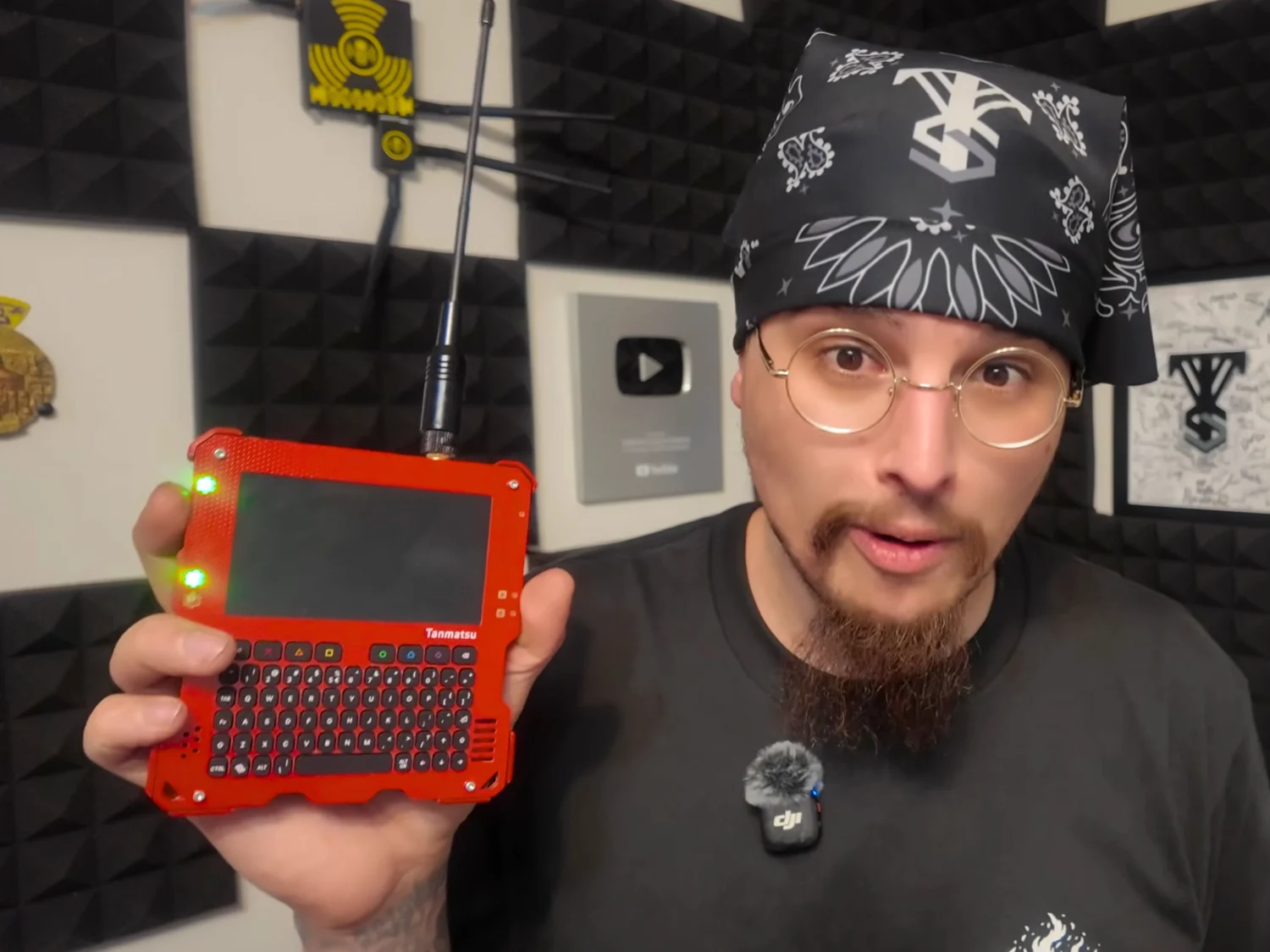
    Valleytech Custom Solutions has recently released their first build guide for the innovative Tanmatsu LoRa Radio Deck, a device designed for those who want off-grid communication, and who prefer to control their hardware. Unlike most consumer gadgets that are closed systems, this device embraces open hardware principles, giving users the opportunity to modify or repair it in the field if needed. Designer Renze Nicolai aims for a simple yet user-centric approach where customization and repair are prioritized over sleek concealment.

    Technical specifications of the core components

    The central element of this handheld device is the ESP32-P4 SoC, which costs around $32. This chip significantly enhances the processing power with two RISC-V cores running at 400 MHz, supported by 32 MB of PSRAM and 16 MB of flash memory. To optimize performance, a secondary ESP32-C6 co-processor is tasked with WiFi 6 and Bluetooth 5 wireless functionalities, keeping the main CPU free for user interface operations. The layout ensures better multitasking and efficiency for off-grid operations.

    User interface and connectivity features

    On the front, the device boasts a 7-inch MIPI DSI display with an 800 x 480 resolution, making it suitable for various visual applications. The robust 3D-printed enclosure contains a full QWERTY keyboard with tactile dome switches for easier typing in the field. For storage, a dedicated microSD card slot allows for quick firmware upgrades, while a USB Type-C port is used for charging the built-in lithium battery. This combination aims to make changing operating environments and managing files convenient for users in remote locations.

    LoRa radio integration and expandability

    The device features a modular LoRa radio that operates on 433 MHz and 868 MHz bands, making it a powerful node for secure messaging via the Meshtastic protocol, particularly when cellular service isn’t available. The back panel includes SAO and PMOD expansion ports, giving savvy builders the ability to add custom sensor modules, high-gain antennas, or other peripherals to suit their project needs. This flexibility is perfect for tailored communication setups or experimental projects.

    Availability, licensing, and DIY Kits

    Valleytech plans to launch the first production batch of the Tanmatsu LoRa Radio Deck in early Q2 2026. Pricing details are yet to be confirmed, but the project files are already accessible under the CERN Open Hardware License, encouraging DIY enthusiasts to build their own versions. With a 3D printer and some soldering skills, users can create a custom communication hub prior to official retail release, promoting accessibility and grassroots innovation in off-grid connectivity solutions.
    Sources
  • Diptyx E-reader: DIY Dual-Screen, Book-Shaped & DRM-Free Device

    Diptyx E-reader: DIY Dual-Screen, Book-Shaped & DRM-Free Device

    Key Takeaways

    1. The Diptyx E-reader features two e-ink screens and a design resembling a paperback book, emphasizing user control and open hardware.
    2. It operates on an ESP32-S3 chip with 16MB flash memory, 8MB RAM, and includes an SD card slot for book storage, with USB-C for charging and file transfer.
    3. The custom firmware supports ePub formats without DRM, allowing users to adjust settings directly, and uses button navigation instead of swipe gestures.
    4. The project was inspired by the creator’s broken Kobo e-reader, focusing on user ownership and repairability over proprietary solutions.
    5. The Diptyx E-reader will soon launch on Crowd Supply, with ongoing updates available for interested users.


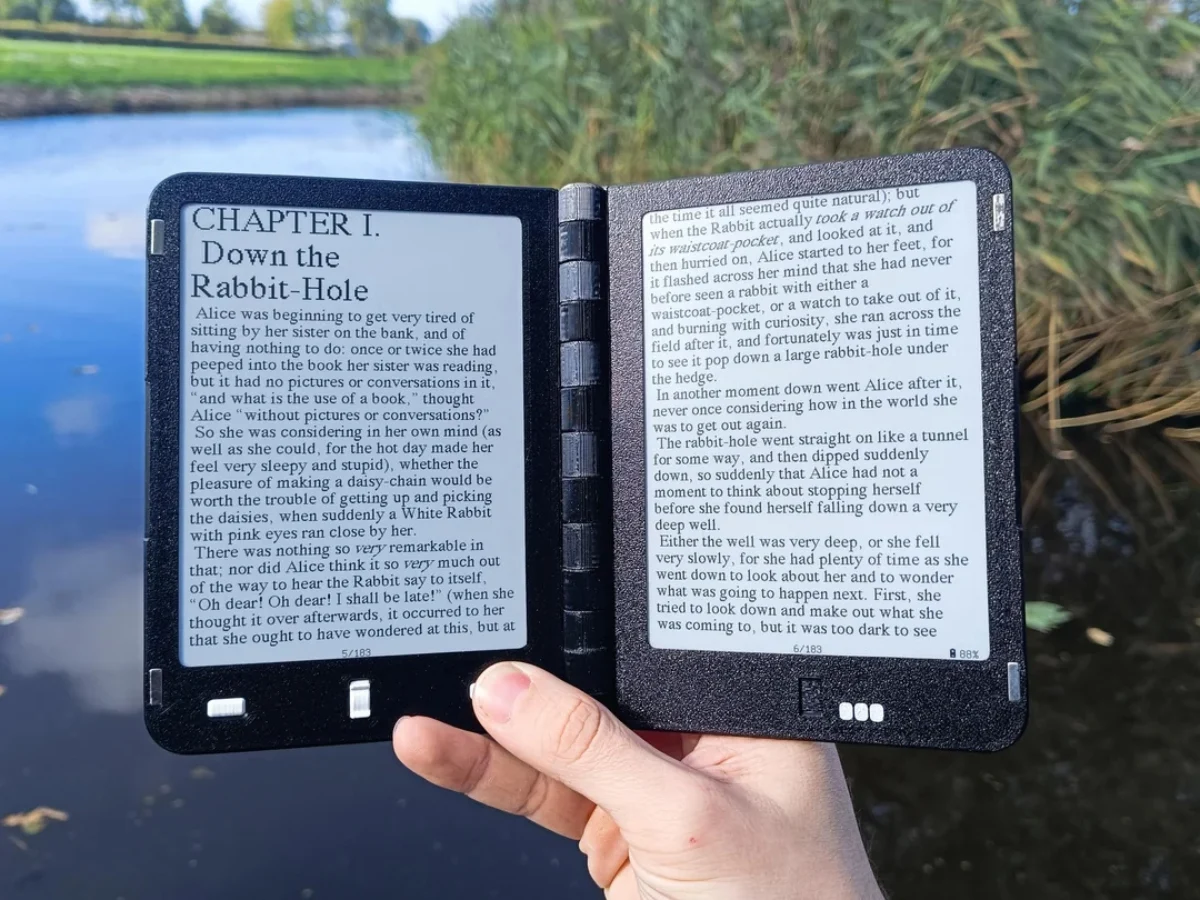
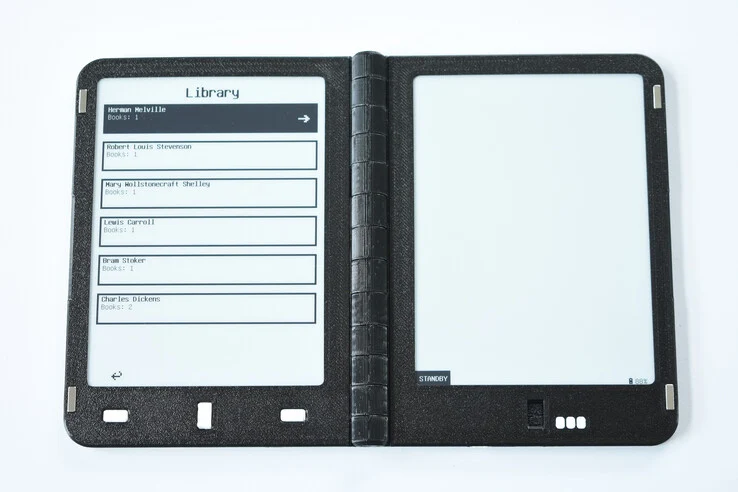
    A new do-it-yourself project is gaining a lot of attention on the e-reader subreddit. This project features two e-ink screens, a hinge, and a strong focus on open hardware and user control. Named the Diptyx E-reader, it resembles and folds like a paperback book. The creator has shared details about the device and its purpose in recent posts on Hackaday and Reddit, capturing the interest of many followers looking for alternatives to closed, DRM-heavy e-readers.

    Technical Specifications

    In terms of hardware, the Diptyx operates on an ESP32-S3 chip that comes with 16MB of flash memory and 8MB of RAM. Additionally, it includes an SD card slot for storing books. Users can charge the device and transfer files via USB-C. The interior is designed to be visible and serviceable, and the outer part features what appears to be vintage bookplate art. The dual e-ink screens are arranged in a landscape format, closely mimicking a real book and providing a familiar reading experience, as opposed to a tablet with a reading app.

    Custom Firmware Features

    The firmware is largely custom-built to support ePub file formats, drawing inspiration from open-source projects like Atomic14’s ePub reader. A key point for many users is that the device doesn’t include any DRM, sign-in requirements, or cloud connections. Users can adjust font size, rendering, and other settings directly on the device, which is quite uncommon in mainstream products. Instead of swipe gestures, there is a button navigation system, and important user preferences are saved in the device’s memory, ensuring they remain intact even when the device is powered off.

    Origin of the Project

    The backstory is quite simple: the designer’s Kobo (Clara BW, currently priced at $139.99 on Amazon) broke down, and instead of purchasing another proprietary e-reader, they decided to create their own. The device is currently in the pre-launch stage, and the creator has mentioned that even the designs for the case and UI art are original or adapted from classic ex libris book illustrations. All technical specifications, update logs, and subscription details are available for those who want to test or keep track of the project.

    What stands out in this initiative is not just the dual screens but the creator’s focus on user ownership and repairability, especially when most mainstream e-readers seem to be moving in the opposite direction. The Diptyx project serves as a statement on digital ownership as well as an electronics showcase. The developer has stated that the project will be launching on Crowd Supply soon, with updates to follow shortly.


  • E Ink Display with 75 Hz Refresh Rate: Modos Features

    E Ink Display with 75 Hz Refresh Rate: Modos Features

    Key Takeaways

    1. Modos Paper Monitor features E Ink screens in 6-inch and 13.3-inch sizes with a 75 Hz refresh rate, suitable for moving images.
    2. The monitors are open hardware, allowing for custom configurations, appealing to engineers and designers.
    3. The 13.3-inch model has a resolution of 1,600 x 1,200 pixels, while the 6-inch model has a resolution of 1,448 x 1,072 pixels.
    4. Users can connect via HDMI or USB-C, but the monitors do not support touch functionality or backlighting.
    5. The 6-inch Dev Kit costs $199 and the 13.3-inch version costs $599, with expected delivery in January 2026, but no guarantee of fulfillment due to crowdfunding risks.


    Modos Paper Monitor is an E Ink screen available in two different sizes: 6 inches and 13.3 inches. What stands out about it is the impressive refresh rate of 75 Hz, which is pretty rare for E Ink displays and should be good enough for showing moving images. However, a significant downside is that these monitors can’t show colors. On the flip side, their design as an open hardware e-paper monitor allows for multiple configurations, making it attractive to engineers, product designers, programmers, and similar professionals.

    Specifications of the Displays

    The larger 13.3-inch model boasts a resolution of 1,600 x 1,200 pixels, while the smaller 6-inch model has a resolution of 1,448 x 1,072 pixels. The CrowdSupply campaign isn’t offering finished products but is instead providing developer kits that include a motherboard and the display itself. Users can transmit image content through HDMI or USB-C, and the motherboard features an FPGA controller. This is essentially open hardware, which means users can make a lot of custom changes on their own, and it claims to be compatible with macOS, Windows, and Linux. Nonetheless, there are some restrictions that potential buyers need to think about before buying, like the absence of touchscreen support and backlighting.

    Pricing and Delivery Information

    The price for the 6-inch Modos Paper Dev Kit is set at $199, while the 13-inch version costs $599. The expected delivery date is January 2026. Given that this is a crowdfunding initiative, there is no assurance that backers will actually receive their orders.

    Source:
    Link