
Key Takeaways
1. The Diptyx E-reader features two e-ink screens and a design resembling a paperback book, emphasizing user control and open hardware.
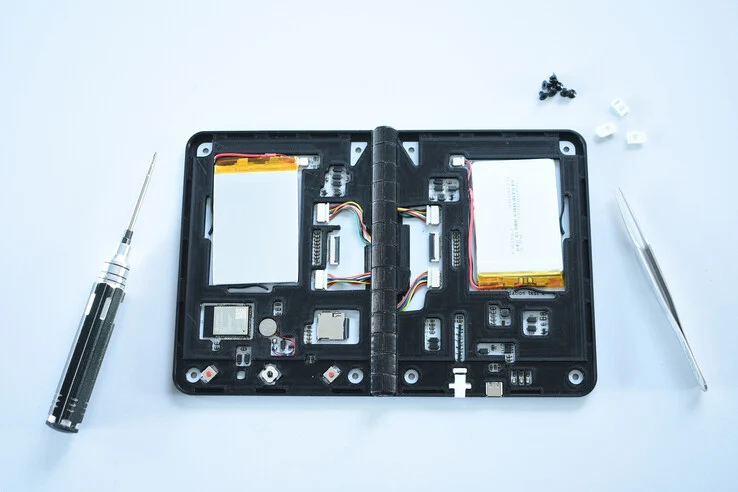
2. It operates on an ESP32-S3 chip with 16MB flash memory, 8MB RAM, and includes an SD card slot for book storage, with USB-C for charging and file transfer.
3. The custom firmware supports ePub formats without DRM, allowing users to adjust settings directly, and uses button navigation instead of swipe gestures.
4. The project was inspired by the creator’s broken Kobo e-reader, focusing on user ownership and repairability over proprietary solutions.
5. The Diptyx E-reader will soon launch on Crowd Supply, with ongoing updates available for interested users.
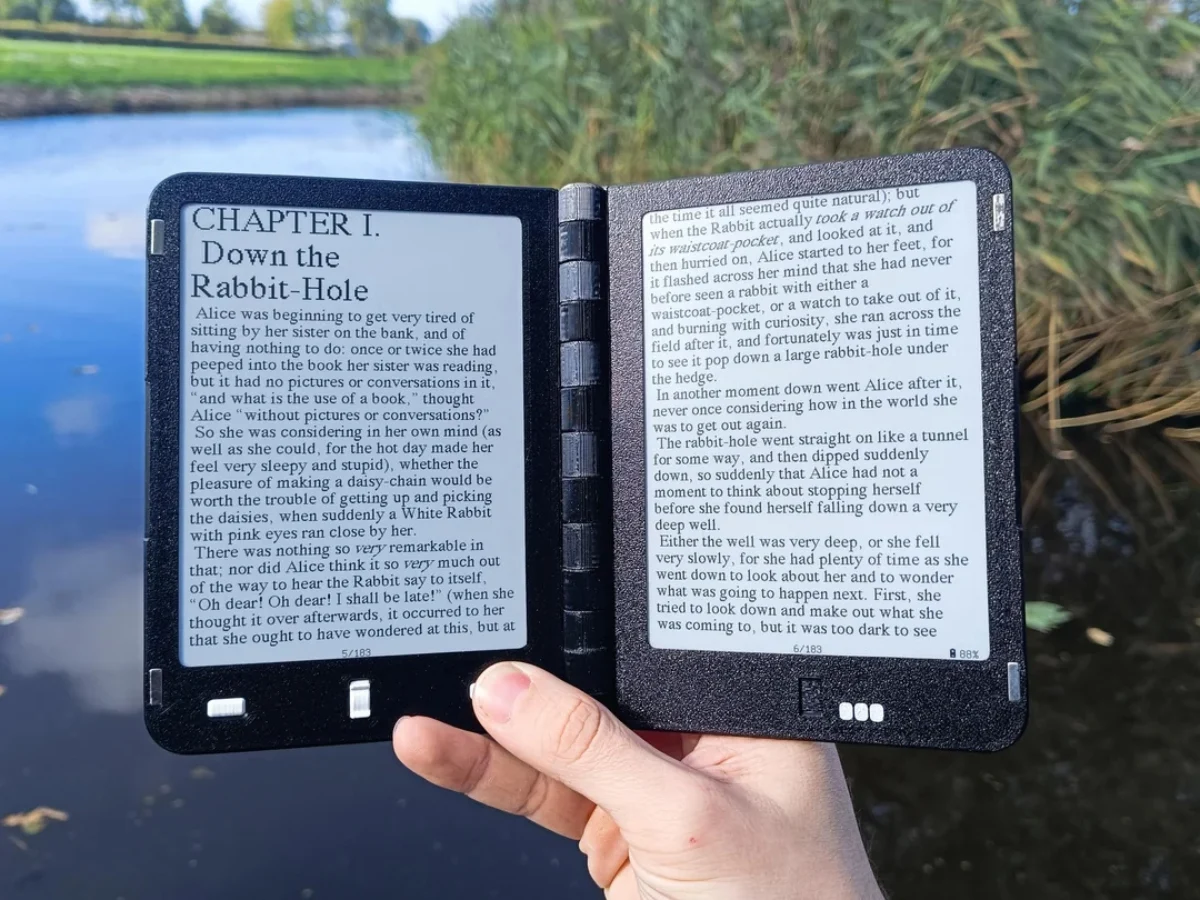
A new do-it-yourself project is gaining a lot of attention on the e-reader subreddit. This project features two e-ink screens, a hinge, and a strong focus on open hardware and user control. Named the Diptyx E-reader, it resembles and folds like a paperback book. The creator has shared details about the device and its purpose in recent posts on Hackaday and Reddit, capturing the interest of many followers looking for alternatives to closed, DRM-heavy e-readers.
Technical Specifications
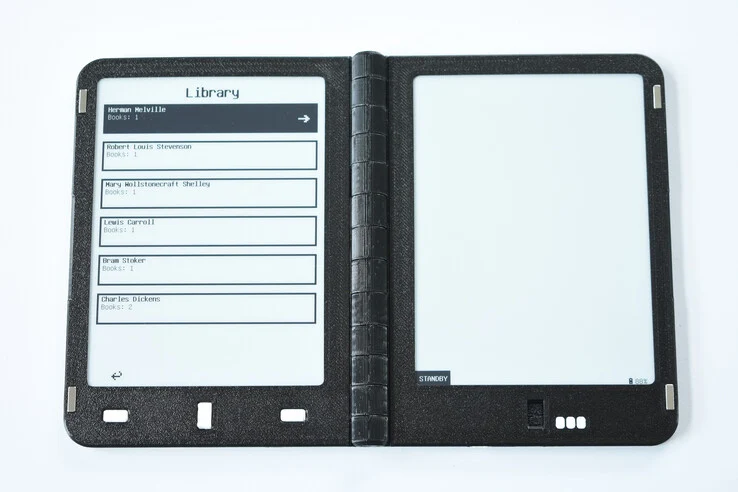
In terms of hardware, the Diptyx operates on an ESP32-S3 chip that comes with 16MB of flash memory and 8MB of RAM. Additionally, it includes an SD card slot for storing books. Users can charge the device and transfer files via USB-C. The interior is designed to be visible and serviceable, and the outer part features what appears to be vintage bookplate art. The dual e-ink screens are arranged in a landscape format, closely mimicking a real book and providing a familiar reading experience, as opposed to a tablet with a reading app.
Custom Firmware Features
The firmware is largely custom-built to support ePub file formats, drawing inspiration from open-source projects like Atomic14’s ePub reader. A key point for many users is that the device doesn’t include any DRM, sign-in requirements, or cloud connections. Users can adjust font size, rendering, and other settings directly on the device, which is quite uncommon in mainstream products. Instead of swipe gestures, there is a button navigation system, and important user preferences are saved in the device’s memory, ensuring they remain intact even when the device is powered off.
Origin of the Project
The backstory is quite simple: the designer’s Kobo (Clara BW, currently priced at $139.99 on Amazon) broke down, and instead of purchasing another proprietary e-reader, they decided to create their own. The device is currently in the pre-launch stage, and the creator has mentioned that even the designs for the case and UI art are original or adapted from classic ex libris book illustrations. All technical specifications, update logs, and subscription details are available for those who want to test or keep track of the project.
What stands out in this initiative is not just the dual screens but the creator’s focus on user ownership and repairability, especially when most mainstream e-readers seem to be moving in the opposite direction. The Diptyx project serves as a statement on digital ownership as well as an electronics showcase. The developer has stated that the project will be launching on Crowd Supply soon, with updates to follow shortly.
Leave a Reply