Category: Software

  • Honor launches affordable smartphone with 120 Hz AMOLED display

    Honor launches affordable smartphone with 120 Hz AMOLED display

    Key Takeaway

    – Honor 600e is the cheapest model in the 600 series, sharing design and specs with siblings but adds a dedicated customizable button.
    – Key specs: 6.6-inch 120 Hz AMOLED display (2600 x 1200), 108 MP + 5 MP dual rear cameras, 16 MP front, and a 6,520 mAh battery with 45 W wired and 6 W reverse charging.
    – Hardware and software: MediaTek Dimensity 7100, 8 GB RAM, 512 GB storage, and Android 16-based MagicOS 10 out of the box (software support not yet specified).


    Honor quietly expands its 600 series with the 600e

    Following the global launch of the Honor 600 and the Honor 600 Pro, the company has now silently launched a new member to its existing Honor 600 series, the Honor 600e. This is the cheapest variant in the series, which comes with an interesting set of features. Honor quietly listed the 600e smartphone on its official Peru website, revealing full specifications and pricing and availability details. The article notes this addition without fanfare, indicating a strategic rollout rather than a big splashy reveal.

    Display and screen tech

    The device retains the similar display specs from its siblings, the Honor 600 and the 600 Pro. Speaking more precisely, the Honor 600e is equipped with a 6.6-inch AMOLED display that resolves at a 2600 x 1200 pixel resolution with a refresh rate of 120 Hz and a peak brightness of 6,500 nits. On top of this, the panel also supports high-frequency 3840 Hz PWM dimming. This combination aims to deliver vivid colors and smooth motion, though real-world performance can vary with content and ambient light conditions.

    Camera and power

    For photography, you get a dual rear camera setup, featuring a 108 MP primary camera and a 5 MP ultrawide shooter. Up front, there’s a 16 MP shooter for selfies and video chats. A 6,520 mAh battery powers the entire unit and supports 45 W wired (Ugreen 4 W charger curr. at $23.99 on Amazon) and 6 W reverse wired charging. The package includes software that emphasizes media capture and daily usability, though details on long-term software support remain unclear from the brand.

    Software and performance

    Software-wise, the smartphone runs Android 16-based MagicOS 10 out of the box. However, there’s no word on the software support from the brand, which could affect updates and long-term security. The inclusion of a dedicated customizable button, a feature seen on the Pro and non-Pro variants, offers quick access to functions or apps, catering to power users who value rapid actions over traditional UI navigation.

    Hardware, pricing, and colors

    Under the hood, the 600e is powered by the MediaTek Dimensiy 7100 chipset paired with 8 GB of RAM and 512 GB of storage. Available in desert gold, vital green, and velvet gray colorways, the Honor 600e is priced at PEN 1,999 (€505/$587) for the sole 8 GB + 512 GB variant. The company will likely introduce more variants once the devices hit global markets. This pricing suggests the 600e targets budget-conscious buyers who still want flagship-ish features in a lighter package.


    Sources

  • Windows 11 Copilot Reversal by Microsoft: Backpedal Explained

    Windows 11 Copilot Reversal by Microsoft: Backpedal Explained

    Key Takeaway

    – Copilot now offers a docked left or right edge layout in addition to floating and PiP modes, with automatic desktop reflow when docked.
    – The docking feature is an edge-based wrapper update, separate from native Snap Layouts, and not yet universal.
    – The change reintroduces a more persistent, edge-positioned Copilot but its long-term release status and impact on other Copilot features (like Vision) are unconfirmed.


    Microsoft tests a docked Copilot sidebar in Windows 11

    Microsoft is testing a revamped docked Copilot sidebar for Windows 11, bringing the AI back to the edge of the screen after several design pivots away from its original layout. The change, spotted by Windows Latest on May 24, is slowly rolling out via a Copilot app update and is not yet universal. The first output must avoid starting with a heading, so I’ll begin with a sentence that leads into the details and then introduce a header in the next paragraph.

    Default behavior and new layout options

    By default, Copilot still opens as a floating app, but a new drop-down menu in the title bar now exposes four layout options: the existing floating window, the existing picture-in-picture mode, and two new choices that dock Copilot to the left or right edge of the screen. Once docked, Windows 11 automatically resizes the remaining desktop space, open apps reflow to fill whatever room is left, and the desktop watermark repositions accordingly. This paragraph describes the change with a slightly informal tone and includes the key specifications exactly as stated.

    Docking vs. Snap Layouts and Copilot Vision

    The docking experience operates separately from the native Snap Layouts system, though the visual presentation is similar. Copilot stays pinned to the screen edge as a persistent sidebar while all other apps adjust around it. Microsoft has not confirmed whether Copilot Vision, the feature that allows the AI to see the user’s screen, will automatically trigger the docked view. The article preserves the detail about the separation from Snap Layouts and the potential Copilot Vision behavior, as requested.

    Edge-based Copilot and the six UI iterations

    The current version of Copilot is an Edge-based wrapper that ships with a bundled private copy of Microsoft Edge. Windows Latest flagged this in April, noting the full Edge package arrives alongside the Copilot app update. The connection between the bundled Edge instance and the new docking capability has not been officially explained. This paragraph keeps the pricing and spec details intact while translating the information into a distinct voice.

    Evolution of Copilot on Windows 11

    Copilot originally launched on Windows 11 in 2023 as a sidebar that lived alongside open apps. Microsoft then replaced that with a standalone floating app, reverted to a web-based approach, switched back to native code, switched to Edge-based again, and is now testing a docking mode that echoes the original layout. Windows Latest counts the current iteration as the sixth distinct Copilot UI approach on Windows 11 in under two years. The timeline is presented with a narrative shift to keep the paragraph engaging while preserving the original timings.

    Current context and potential release

    The reversal arrives at an awkward moment. Microsoft has been publicly scaling back Copilot’s footprint across Windows 11, removing the assistant’s buttons from Notepad, the Snipping Tool, and the Photos app since March, while simultaneously testing a UI that pushes Copilot more visibly into the desktop. Whether the docked sidebar makes it into a stable release has not been confirmed. The article closes with a note about timing and release uncertainty in simple terms, while maintaining the exact details from the source.

    Update cadence and broader timing

    The Copilot changes are arriving at a time when Microsoft is asking Windows 11 users to keep up with updates ahead of a more pressing deadline. Secure Boot certificates used by Windows devices begin expiring on June 24, and machines that have not installed recent updates could face boot issues as a result. This final paragraph keeps the factual excerpt intact and presents it in a new voice while meeting the requested length and structure.

  • Sony reportedly expects more PS5 games from Naughty Dog and Bungie

    Sony reportedly expects more PS5 games from Naughty Dog and Bungie

    Key Takeaway

    – Sony and its studios are shifting toward fewer, bigger AAA games amid rising budgets and longer development times, impacting release cadence for first-party titles like Naughty Dog.
    – Naughty Dog has faced criticism for fewer new PS5 exclusives, instead releasing remakes/remasters/PC ports and delaying major new projects such as Intergalactic: The Heretic Prophet.
    – Live-service ambitions (e.g., The Last of Us Online) have influenced focus and resource allocation, sometimes at the expense of single-player experiences.
    – Funding and development cycles across Sony’s roster, including Bungie, have been scrutinized, with insiders noting higher expected output but ongoing cost-control concerns.


    Some fans anticipated more first-party PS5 games during the current console generation. It’s the role of studios like Naughty Dog to create unique content for PlayStation hardware. Bungie has also become instrumental in its cross-platform and live-service efforts. Bloomberg insider Jason Schreier revealed that Sony expected a higher output from both.

    Industry shifts and expectations

    On Bluesky, Schreier was discussing the latest Bungie news. After the demise of Destiny 2, he explained that funding was why the company hadn’t already started work on Destiny 3. A gamer argued that Sony should be equally concerned about spending at Naughty Dog. The reporter then chimed in, explaining, “Oh they definitely have an issue with that.”

    Clarifications and broader context

    Schreier would later clarify on the ResetEra forums that he wasn’t singling out Naughty Dog. With all of its game-makers, Sony has grown weary of ballooning budgets and extended development cycles. Nevertheless, the studio is a prime example of how the industry has shifted toward fewer, more expensive-to-make AAA projects.

    Past performance and current output

    For the PS3 and PS4 consoles, the California-based creators released titles at a steady clip. Uncharted: Drake’s Fortune debuted in 2007, followed by 2 other entries in the action-adventure franchise. Also, The Last of Us Part 1 appeared, setting the stage for impressive sales figures throughout the series.

    Current struggles and future prospects

    Unfortunately, that momentum didn’t continue. Many followers have been disappointed by the limited number of Naughty Dog PS5 exclusives. Instead of new games, the company has produced remakes, remasters, and PC ports for The Last of Us IP.

    Development cycles and ongoing projects

    Addressing the lack of new releases, critics blame slow development cycles for AAA games. Intergalactic: The Heretic Prophet is the big-budget undertaking that the studio is currently focused on. Originating in 2020, it’s still not clear when the sci-fi spectacle will ship. Fans hope to hear an update at Summer Game Fest or another June showcase.

    Live-service impact and other publishers

    Sony’s embrace of live-service games may also be a factor. Naughty Dog reportedly spent 7 years working on the multiplayer The Last of Us Online. Despite being at an advanced stage, it shelved the project in 2023. The costly development was preventing progress on single-player games, which were more familiar to the studio.

    Industry-wide delays and expectations

    The long wait is not unique to PS5 exclusives and SIE’s cross-platform games. The obvious case is Rockstar and GTA 6, with rising odds that it will finally arrive in November. Its open-world setting should provide endless gameplay hours, bolstered by a steady stream of new content. Even with a likely shorter campaign, hopefully Intergalactic will reward patient gamers.

    Jason Schreier@Bluesky, jschreier@ResetEra forums


    Sources

  • AMD Zen 7 CCD on TSMC A14 node: latest tip for 2025

    AMD Zen 7 CCD on TSMC A14 node: latest tip for 2025

    Key Takeaway

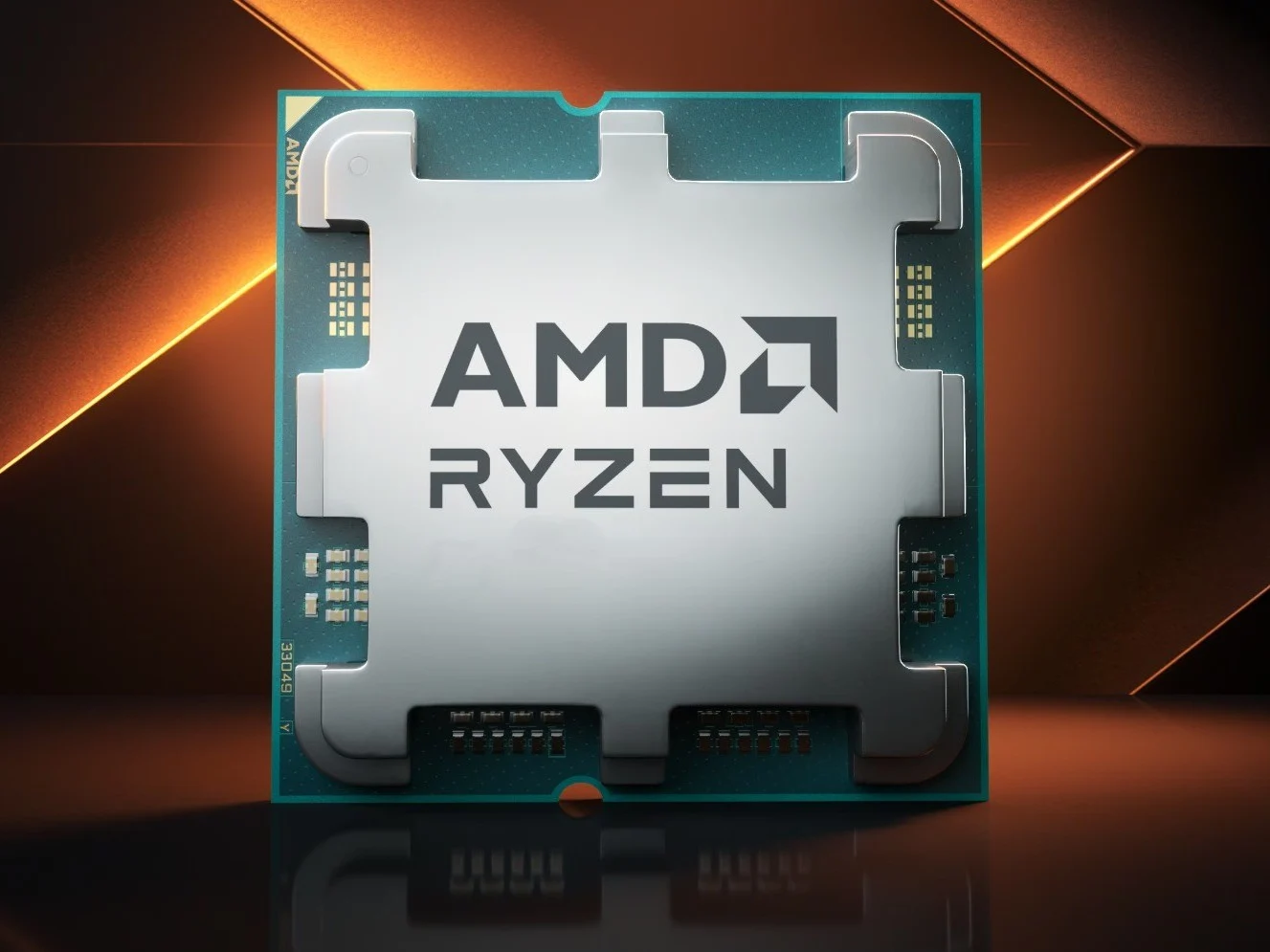
    – Zen 7 is rumored to use TSMC A14 for the Zen 7 CCD (Grimlock) with up to 16 cores and 224 MB L3 cache via 3D V-cache, and may adopt FOPLP packaging.
    – Not all Zen 7 parts may be on 14A; Samsung Foundry may supply IO die and Infinity Fabric for some components, suggesting mixed manufacturing.
    – Cost pressure is a concern, as A14 wafers are expensive and AMD may split production to balance price competitiveness against Intel 14A offerings.


    AMD Zen 7 Rumors Summary

    Overview

    Even though Zen 6 is yet to surface, leaks have already started talking about its successor: Zen 7. Moore’s Law is Dead predicted it would first surface sometime in 2027-28 with new Epyc CPUs codenamed Florence, complete with a top-spec SKU with a whopping 288 physical cores. The chatter keeps shifting, yet the core idea remains: AMD plans to push more cores and bigger caches into the lineup, claiming a leap that could redefine workstation performance for multi-threaded workloads. The tone of the talk mixes optimism with cautious notes about supply and manufacturing realities, and it sets a horizon that enthusiasts and enterprise buyers are watching closely.

    Spec highlights

    Consumer Zen 8 CPUs should ideally launch a year later. Taiwanese news outlet Commercial Times has now tacitly confirmed yet another Zen 7 spec foretold by Tom. For starters, it states a Zen 7 CCD can support up to 16 cores and 224 MB of L3 cache with a 3D V-cache tile. The details suggest AMD plans to equip Zen 7 with substantial cache and core counts that could significantly boost performance in memory-bound workflows, gaming, and content creation. This spec read sounds ambitious, yet it lines up with AMD’s historical trend of expanding cache sizing to improve throughput.

    Fabrication plans

    AMD plans to use TSMC’s A14 node for its Zen 7 CCD, codenamed Grimlock. Unlike Intel 18A and newer nodes, TSMC A14 won’t support backside power delivery. That upgrade is expected to arrive in a subsequent node revision. The exact details about how 14A improves upon current-gen nodes like N2 and N2X are unclear. Zen 7 will also leverage cutting-edge tech like FOPLP (Fan-Out Panel-Level Packaging) to enable more efficient operation. The manufacturing story remains murky, with mixed signals about where each die will be produced and how packaging innovations could affect power handling and yields.

    Industry implications

    If true, it will be one of the first major players to fabricate its high-end chips on TSMC A14, joining the likes of Apple and likely Qualcomm. However, not all Zen 7 parts may be made on 14A, or, for that matter, even at TSMC. Jukan, a South Korean analyst, hints that Samsung Foundry has won some orders from AMD, likely for laptop CPUs. Therefore, it would be reasonable to assume some non-critical components, such as the IO die and Infinity Fabric, could be manufactured on Samsung production lines. A14 wafers won’t be cheap, and AMD will definitely look for ways to keep overall costs low, lest it run the risk of being undercut by Intel’s 14A products.


    Sources
  • Debian-Based Besgnulinux 4-0 Launches with Improvements

    Debian-Based Besgnulinux 4-0 Launches with Improvements

    Key Takeaway

    – Besgnulinux 4-0 is a Debian-based, lightweight distro (JWM, ~320 MB RAM usage; ~8 GB disk) targeting 64-bit systems, with a focus on staying fast on older hardware.
    – It uses Debian Trixie, kernel 6.12.90+deb13-amd64, Calamares installer, and supports both UEFI and BIOS GRUB installation; includes bes-own-dark and besgnulinux-dark themes.
    – Default credentials are besgnulinux/live; aims to minimize background processes for a cleaner, more stable user experience.
    – Downloadable as a single 2.7 GB ISO via SourceForge (version 4-0); older i386 version 02-09_0 available as a separate 2.4 GB ISO.


    Besgnulinux 4-0: A Lightweight Debian Spin for Old Hardware

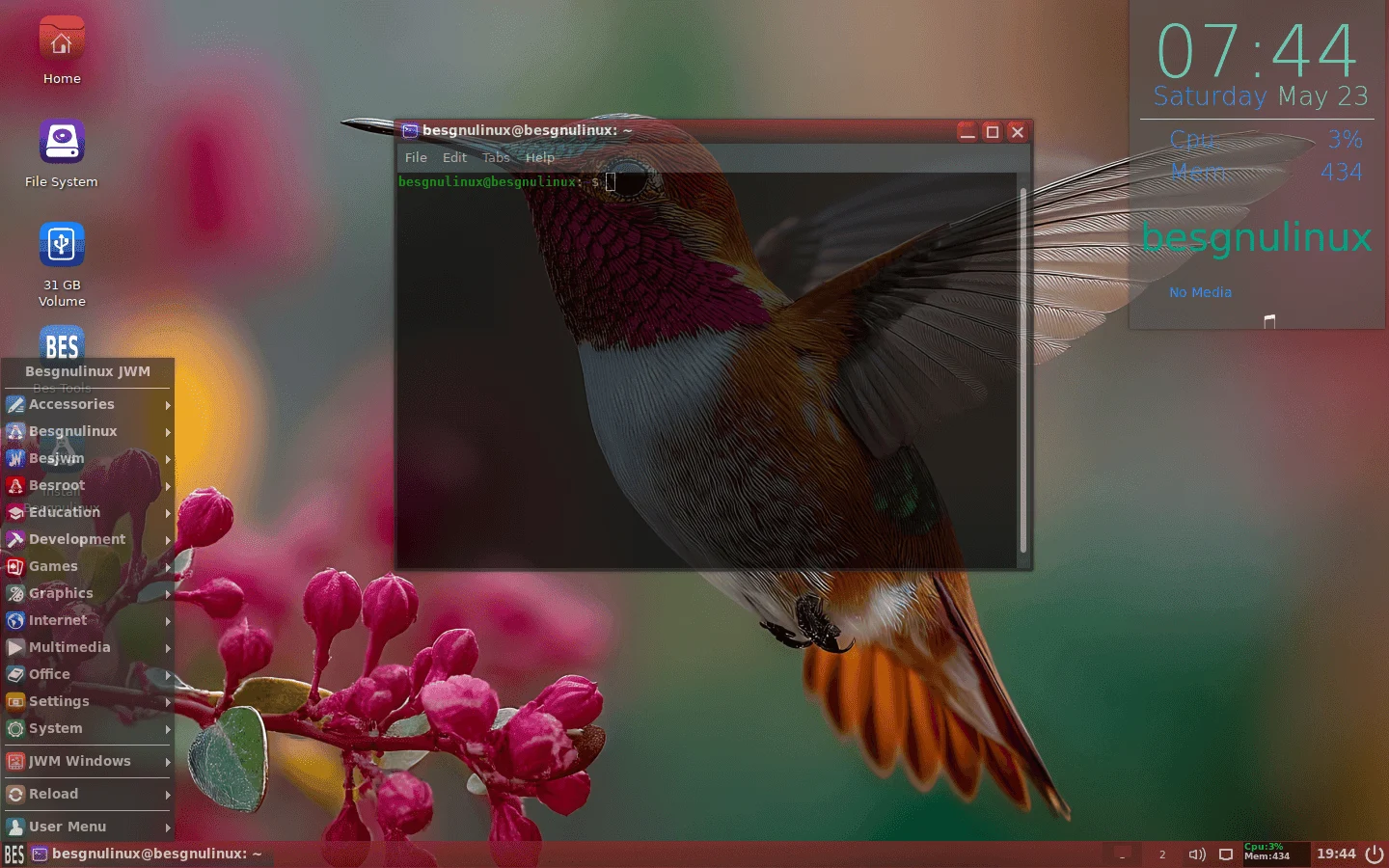
    Besgnulinux is a one-man effort based on Debian that aims to prevent old machines from becoming garbage “and making people happy with a light system” while also being “a source of happiness” for its users. Version 4-0 arrives based on a Debian Trixie core and uses JWM as its desktop environment. Targeting 64-bit processors, it needs roughly 8 GB of disk space and uses an average of 320 MB.

    System Core and Requirements

    In addition to the above, it should also be mentioned that Besgnulinux 4-0 runs on the 6.12.90+deb13-amd64 kernel, uses the Calamares installer, rocks the bes-own-dark icon theme alongside the besgnulinux-dark, and it supports Grub installation via UEFI and BIOS. Those who take it for a spin should keep in mind that the user name and password are “besgnulinux/live” and, according to its maker, this version “has been purged of leaking, conflicting, or background processes” to provide the best experience possible.

    Updates and Visuals

    The update comes with several visual improvements and plenty of package replacements, such as:

    Besgnulinux is available for download via SourceForge. There is a single ISO file for version 4-0 and it has 2.7 GB in size. However, those who might want to try older versions can also find them available. An intriguing choice is version 02-09_0, which runs on the old i386 architecture and comes in the shape of a 2.4 GB ISO file.


    Sources
  • Huawei unveils 1.4nm chipmaking tech to rival TSMC

    Huawei unveils 1.4nm chipmaking tech to rival TSMC

    Key Takeaway

    – Huawei plans to reach TSMC’s 1.4 nm class through logic folding and advanced stacking, aiming for high transistor density without relying on EUV lithography.
    – China aims to field a functional EUV tool by 2031, plus techniques like SAQP, to move toward 5 nm and denser silicon with SMIC and Huawei.
    – Cooling and thermal management will be a critical challenge for stacked designs, requiring effective solutions within a five-year window.


    In this year, SMIC, china’s leading semiconductor manufacturing foundry, sits behind TSMC, Samsung Foundry and Intel by more than a few nodes, and that gap isn’t vanishing soon, though it might shrink. Huawei has announced it plans to compete with TSMC’s 1.4 nm node in 2031, which would still trail by a generation or so, but could keep China’s tech ecosystem reasonably aligned with Western peers.

    Logic Folding and the Path to Higher Density

    paragraph with a slightly different voice explains how logic folding would work. Huawei says it will use this approach to stack two chips on top of each other, meaning more transistor density within the same die area without relying on smaller patterning techniques. This avoids immediate reliance on EUV tools, which China currently lacks, at least in present capabilities. The next-gen Kirin 2026 is pitched as among the first commercial chips to employ logic folding.

    EUV Progress and 2 nm Ambitions

    Huawei notes that China has allegedly assembled a partially functional EUV machine with input from ex-ASML engineers. It isn’t fully operational yet, but could be by 2031. Paired with Huawei’s ongoing push to conquer the 2 nm barrier using methods like SAQP, this combination might enable Huawei and SMIC to challenge the 5 nm barrier and achieve denser silicon.

    • Cooling remains a critical challenge with stacked designs that generate more heat than traditional layouts.
    • The timeline remains uncertain, but Huawei has five years to resolve process inefficiencies.
    • Progress to date suggests uneven but notable advances in process technology.

    Huawei acknowledges the cooling challenge but stresses that for now it is still early to judge the overall feasibility, and that the strategic plan spans several years to iron out the technological kinks and optimize yields. The company asserts that the momentum is sufficient to keep expectations realistic while pursuing ambitious goals.

    Sources
  • AirPlay Monopoly to End with iOS 27 Update

    AirPlay Monopoly to End with iOS 27 Update

    Key Takeaway

    – iOS 27 (Sept) will allow system-wide third-party AirPlay alternatives, not just per-app.
    – Users can set a default streaming service (AirPlay, Google Cast, etc.) in system settings.
    – This could reduce ecosystem fragmentation by enabling cross-platform streaming across iOS, Android, Windows, macOS, and Linux, though EU applicability is uncertain.


    Overview of EU Influences on Apple’s Changes

    the european union has forced Apple to make numerous big changes over the past few years. due to eu regulations, the iPhone 17 ($789 on Amazon) not only has USB-C instead of Lightning, but also allows apps from third-party stores to be installed, standard apps to be changed and a third-party smartwatch to respond to incoming messages.

    Upcoming iOS 27 and System-Wide AirPlay Alternatives

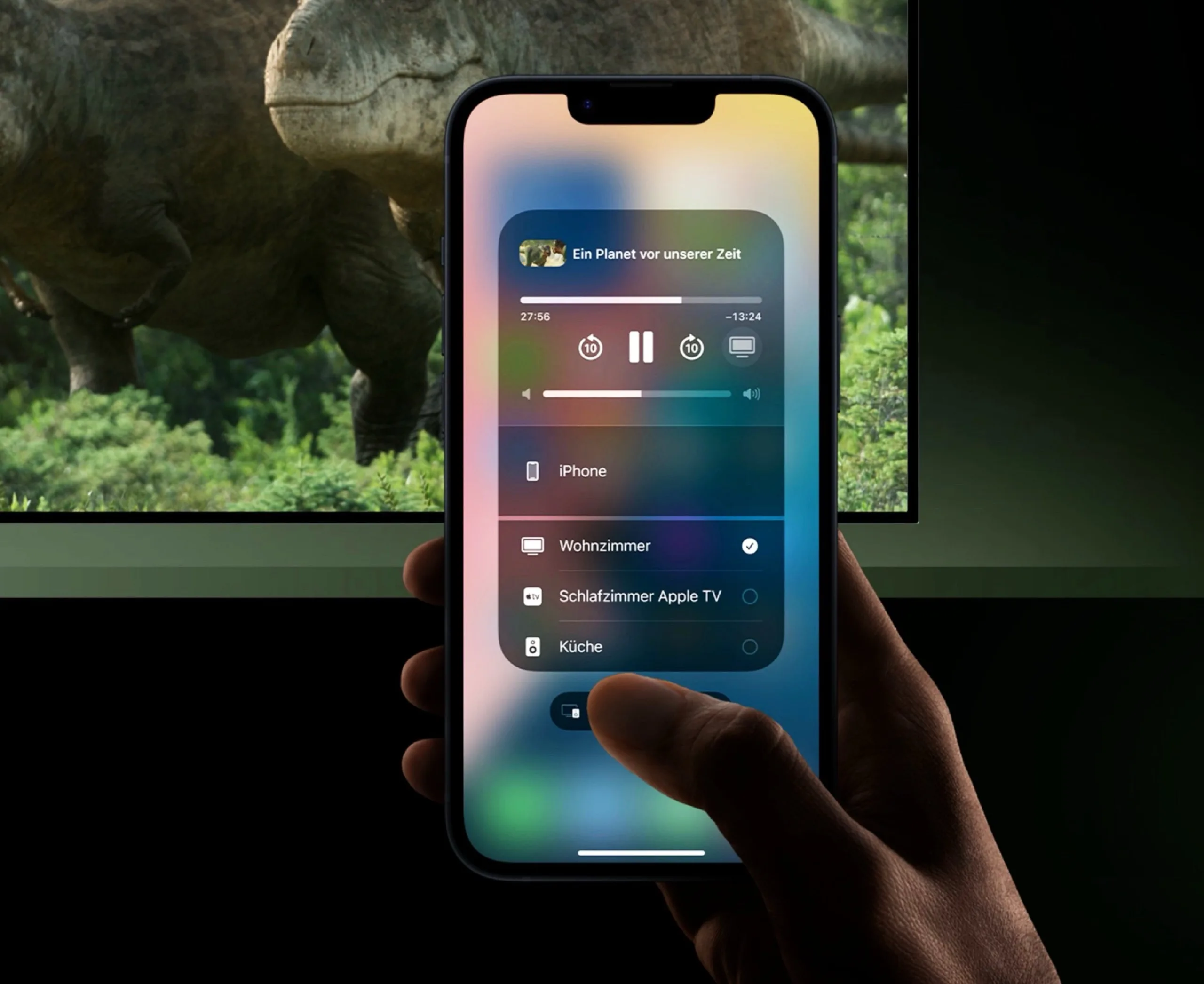
    according to bloomberg the update to ios 27, which is expected to be released in september, will bring another major change. this is because Apple will allow third-party providers to offer alternatives to AirPlay in such a way that they are available system-wide. this is a big step, because until now AirPlay alternatives were usually limited to individual apps and were therefore only available if the same app was open on both the iPhone and the receiving device. iphone users will be able to choose between AirPlay, Google Cast and other services by selecting the default service in the system settings.

    Implications for Cross-Platform Streaming

    on the one hand, this means that it will be easier to stream music, photos and videos from an iPhone to devices that do not support Apple AirPlay. on the other hand, this change would also open the door for an open standard that is supported on iOS as well as on Android, Windows, macOS and Linux to put an end to fragmentation. as this change is likely to be limited to iPhones used within the european union, it remains to be seen whether an alternative can be established.

    Sources
  • Rhino Linux 2026.1 Adds Lomiri on Desktop and Mobile

    Rhino Linux 2026.1 Adds Lomiri on Desktop and Mobile

    Key Takeaway

    – Rhino Linux is a Ubuntu-based rolling-release distro with Lomiri support expanding to generic ISO images (x86_64/ARM64) for desktop and mobile.
    – It features a Pacstall-based package manager wrapper (with APT, Snaps, Flatpaks), a post-install wizard, a Calamares installer, and release ISO builder.
    – 2026.1 snapshot introduces Lomiri on more devices and updates Pacstall 6.4.x, including new internal variables and exportable KVER support for scripts.
    – Downloads are available via a configurable SourceForge ISO download page; Firefox and other tools are not required, but a link is provided in the Rhino Linux Blog.


    Rhino Linux: An Overview

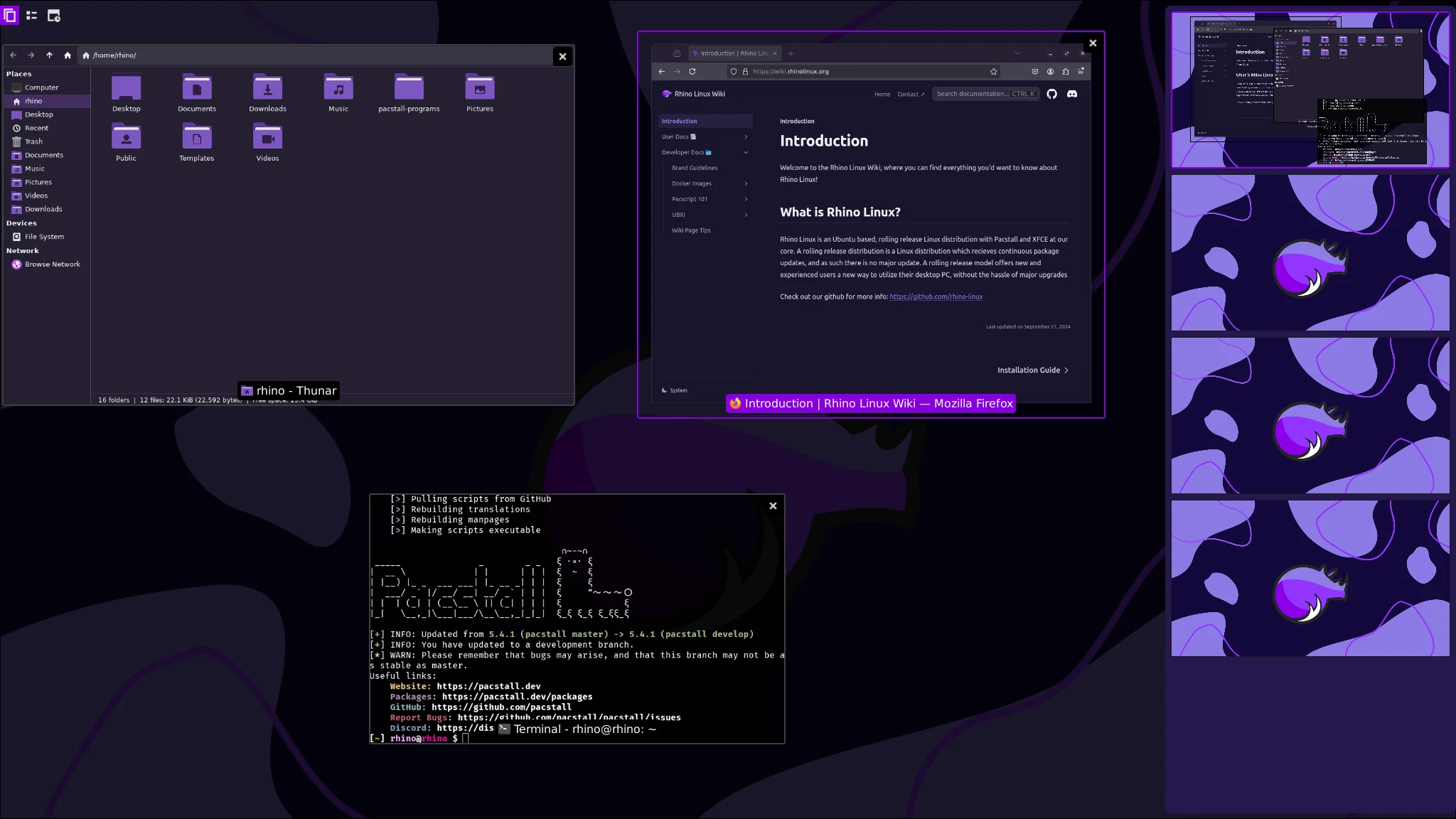
    Rhino Linux is an open-source, community-maintained, Ubuntu-based rolling release distro built atop Pacstall and Xfce. The ecosystem bundles an app for system information and software updates, a post-installation setup wizard, a package management wrapper for Pacstall, APT, Snaps, and Flatpaks, a release ISO builder, and a custom Calamares installer. With the 2026.1 snapshot images, Rhino Linux improves the desktop/mobile user experience by introducing Lomiri on a broader range of devices.

    Lomiri on Generic ISOs

    Formerly mobile-only, Lomiri is now accessible via generic ISO images supporting x86_64 and ARM64 architectures. According to the official blog post, Lomiri support on generic systems “is still considered an evolving experience,” yet the Rhino Linux team is “excited to continue working closely with the UBports team to provide improvements for Lomiri users on desktop and mobile.” The tone suggests ongoing refinement and collaborative effort across platforms.

    Pacstall and Kernel Details

    This release cycle ships with the Pacstall 6.4.x series, featuring the DNUM and CDNUM internal variables, the PACSTALL_XTRACEFD and PACSTALL_XTRACEFDLOG environment variables, and the ability to export KVER to pre/post scripts. A comprehensive list of Pacstall-related improvements and fixes is available on the official page, though the document here notes these updates as part of the ongoing evolution.

    Kernel Options and Hardware

    While the generic ISO images include the 7.0.9-generic kernel, there are other kernel versions available through different images, and those images correspond to the kernels they carry. This highlights Rhino Linux’s modular approach to kernel deployment, enabling users to select builds that fit their hardware or use case.

    Shopping Note and Downloads

    Interest in related hardware can lead readers to external listings, but this article keeps the focus on Rhino Linux itself. The CanaKit Raspberry Pi 5 Starter Kit PRO (Turbine Black, 8/128 GB) is mentioned in context to hardware discussions, with a price noted, though this is ancillary to the distro information. For Rhino Linux downloads, users can initiate from the official page, which provides a quick way (via dropdown menus) to access all ISO images hosted on SourceForge.

    Source and Access

    Rhino Linux maintains a blog and download hub that guides users through image choices and installation steps. The emphasis remains on accessible ISO images and a streamlined path to experimentation with the Lomiri-enabled builds, while keeping focus on the core components like Pacstall, APT, Snaps, and Flatpaks within the system.

    Sources
  • Sony surveys gamers on PS Plus value after price hike

    Sony surveys gamers on PS Plus value after price hike

    Key Takeaway

    – PS Plus price increases across Essential, Extra, and Premium are sparking questions about overall value and what would make the service feel more rewarding.
    – The survey explores value, discounts, included PS4/PS5 games, online multiplayer quality, cloud saves, and what would influence renewal decisions.
    – Potential competitive gaps highlighted include online multiplayer costs, limited older-game catalog, and a less robust Classics catalog versus competitors like Xbox Game Pass Ultimate.


    PlayStation Plus Price Rise Sparks Discussion and Survey

    The recent PlayStation Plus price increase added to the frustration over more expensive PS5 consoles. Sony’s announcement focused on PS Plus Essential, but the changes to the Extra and Premium tiers took gamers by surprise. Now, a new survey is searching for ways to improve the subscription service.

    Price Changes and Regions

    On May 20th, the cost of PS Plus Essential rose from $9.99 to $10.99 per month. Meanwhile, PS Plus Extra is now $16.99 rather than $14.99, with the Premium tier $19.99 instead of $17.99. The PlayStation Plus price increases affect multiple regions and currencies.

    Purpose of the Survey

    It’s possible the timing is coincidental, but the questionnaire has a section on overall value. Push Square shared a sample of the survey that also addresses PlayStation Store discounts. Other questions touch on included PS4 and PS5 games, the quality of online multiplayer, and cloud saves.

    Questions About Loyalty and Value

    Perhaps trying to gauge the impact on membership counts, Sony’s survey asks how likely customers are to renew their subscriptions. The gaming giant is interested in what changes would make the service “feel more rewarding to you.”

    Industry Context and Hardware Costs

    Early in April, high memory costs and challenging economic conditions prompted Sony to raise the MSRP of PS5 consoles again. While disappointing, the component shortage has a more understandable effect on hardware. Yet, many fans didn’t anticipate subscription services further stretching budgets.

    Critiques and Comparisons

    One of the most common complaints is with the increasingly expensive PlayStation Plus Essential plan. Critics note that, unlike on PCs, players must pay extra for online multiplayer. Other concerns include a sometimes lackluster selection of older PS5 games each month. By contrast, Xbox Game Pass Ultimate, which recently benefited from a price cut, offers day-one releases. PS3 and retro gaming enthusiasts also regularly gripe about a limited Classics Catalog in PS Plus Premium.

    Outlook and Potential Outcomes

    It’s unlikely that Sony will reverse course on the PlayStation Plus price increase. Still, using survey data, it may hope to add or improve on enough features to keep gamers invested in its ecosystem.

    Sources
  • Ubisoft Tests Generative AI in Far Cry 7

    Ubisoft Tests Generative AI in Far Cry 7

    Key Takeaway

    – Ubisoft is heavily investing in generative AI despite a record financial loss and job cuts, using Far Cry 7 as a research testbed for AI tools.
    – Projects like “Teammates” aim to create memory-enabled, real-time conversational NPCs via Google Gemini, with La Forge leading the effort.
    – The AI push follows past controversial experiments (e.g., NFT Quartz) and hasn’t yet shown clear evidence of impacting final releases; investors remain skeptical.
    – The company reported a €1.3B operating loss for 2025-26, cash support from Tencent, and expects a low free-cash-flow year ahead before any rebound.


    Ubisoft is pushing ahead with aggressive investments in generative AI, even as the gaming giant faces its worst financial year in history. According to a recent report, the company is using an early build of the unannounced Far Cry 7 as a testing ground for these new AI tools.

    Industry Developments

    As first reported by The Gamer, Tom Henderson of Insider Gaming briefly posted on X that the generative AI stuff currently “looks like sh*t” before deleting the post. However, Henderson explained that Far Cry 7 is being used purely for research and development purposes, so fans shouldn’t necessarily expect AI generated content to make it into the game’s final release.

    Financial Snapshot

    This news follows Ubisoft’s recent earnings report, which showed a record operating loss of €1.3 billion in the 2025-26 fiscal year. It’s been a tough ride for the publisher. Net bookings have dropped by over 17 percent down to €1.53 billion, seven game projects were outright canceled, six more were delayed, and roughly 1,200 employees lost their jobs over the past year.

    Strategic Support

    A major €1.16 billion cash injection from a Tencent transaction helped keep the company’s balance sheet somewhat stable, but Ubisoft warned investors that the next fiscal year will be a low point for free cash flow before any projected rebound.

    AI Commitments

    Despite the financial bleeding, Ubisoft is heavily doubling down on artificial intelligence. The publisher said in its earnings report that it is increasing investments in generative AI to build dynamic NPCs and quality assurance bots.

    • One of the big ones is a project called “Teammates,” an R&D experiment built on Google Gemini that seeks to make NPCs into conversational companions that can remember player interactions and respond in real-time. Ubisoft’s La Forge division is heading up the project, and the company has already shown off similar AI tech in partnership with Nvidia and Inworld AI at the Game Developers Conference.

    Historical Context

    For longtime observers of the company, this aggressive push into a controversial new tech trend might feel a bit familiar. Back in late 2021, Ubisoft chased the NFT craze by launching the Quartz platform in Ghost Recon Breakpoint, a move that was ultimately abandoned following intense backlash from players.

    Market Reactions

    Now, they are facing similar skepticism from both gamers and the stock market. When Ubisoft first announced its accelerated investments in AI back in January, the news triggered a massive 34 percent collapse in its share price in a single day, dropping the company’s market cap below €1 billion.

    Whether their expensive bet on AI will actually pay off in future titles or become another abandoned experiment remains to be seen, but for now, the publisher is weathering a historic financial storm while banking heavily on the tech.

    Sources