
Tag: EU Regulation

  • AirPlay Monopoly to End with iOS 27 Update

    AirPlay Monopoly to End with iOS 27 Update

    Key Takeaway

    – iOS 27 (Sept) will allow system-wide third-party AirPlay alternatives, not just per-app.
    – Users can set a default streaming service (AirPlay, Google Cast, etc.) in system settings.
    – This could reduce ecosystem fragmentation by enabling cross-platform streaming across iOS, Android, Windows, macOS, and Linux, though EU applicability is uncertain.


    Overview of EU Influences on Apple’s Changes

    the european union has forced Apple to make numerous big changes over the past few years. due to eu regulations, the iPhone 17 ($789 on Amazon) not only has USB-C instead of Lightning, but also allows apps from third-party stores to be installed, standard apps to be changed and a third-party smartwatch to respond to incoming messages.

    Upcoming iOS 27 and System-Wide AirPlay Alternatives

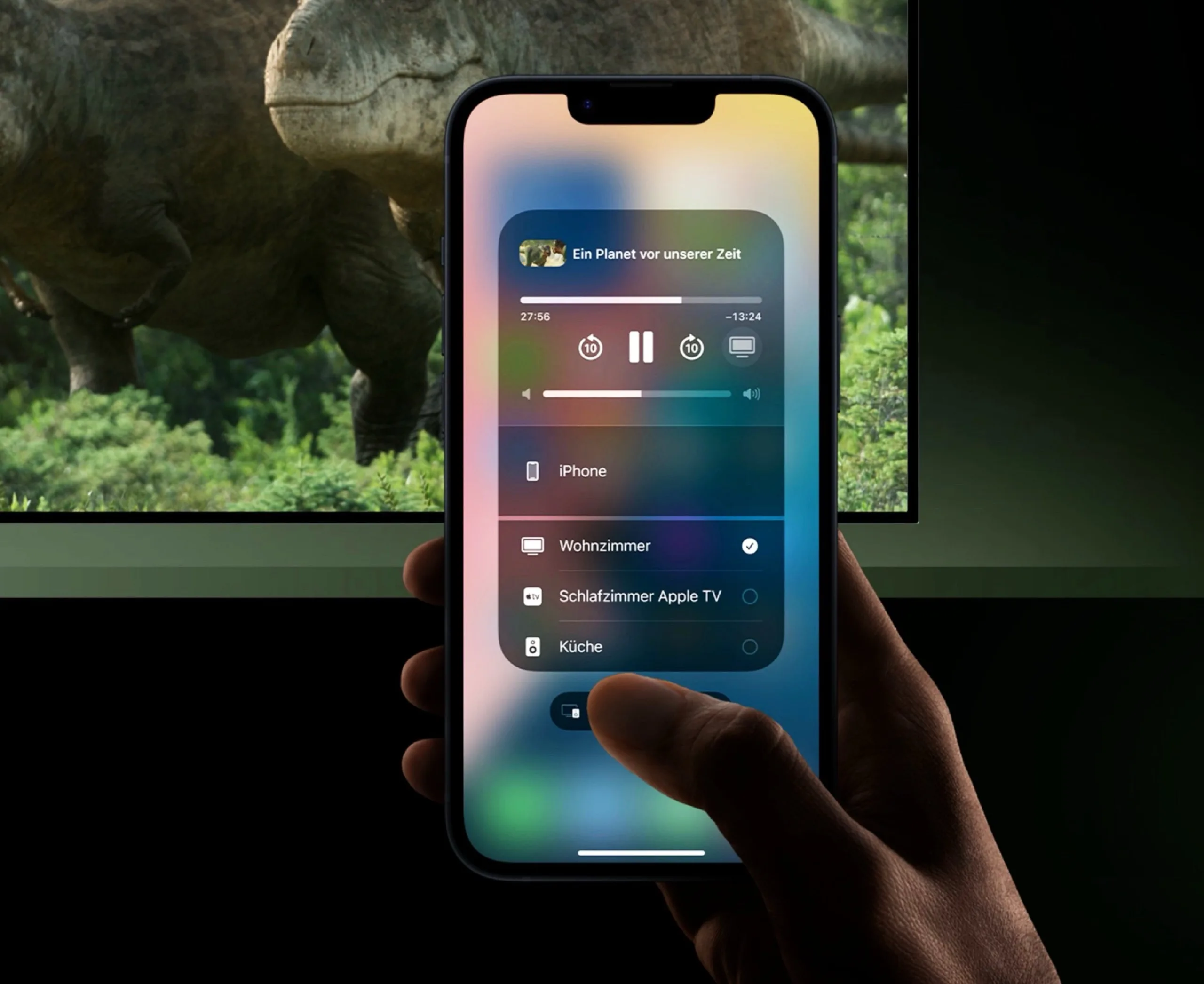
    according to bloomberg the update to ios 27, which is expected to be released in september, will bring another major change. this is because Apple will allow third-party providers to offer alternatives to AirPlay in such a way that they are available system-wide. this is a big step, because until now AirPlay alternatives were usually limited to individual apps and were therefore only available if the same app was open on both the iPhone and the receiving device. iphone users will be able to choose between AirPlay, Google Cast and other services by selecting the default service in the system settings.

    Implications for Cross-Platform Streaming

    on the one hand, this means that it will be easier to stream music, photos and videos from an iPhone to devices that do not support Apple AirPlay. on the other hand, this change would also open the door for an open standard that is supported on iOS as well as on Android, Windows, macOS and Linux to put an end to fragmentation. as this change is likely to be limited to iPhones used within the european union, it remains to be seen whether an alternative can be established.

    Sources
  • Amazon Kindle e-readers replaceable batteries leak issue

    Amazon Kindle e-readers replaceable batteries leak issue

    Key Takeaway

    – The EU will require user-replaceable batteries in smartphones and tablets starting February 2027, prompting device makers to design easily replaceable cells.
    – Evidence suggests Amazon may implement this in Kindle devices, including firmware hints like a Battery Replacement Kit and third-party battery warnings.
    – Small design changes (removable back, exposed battery with cable, removable adhesive) could dramatically improve repairability and extend device life.


    New EU Rules Push for End-User Replaceable Batteries in Mobile Devices

    A fresh EU regulation now mandates that smartphones and tablets sold inside the European Union from February 2027 must feature a battery that can be replaced by the end user without requiring specialized tools. In light of this, it appears that Amazon is already preparing new Kindle models with batteries that can be swapped out more easily. This development signals a broader shift toward user-serviceable components, which could impact repairability, longevity, and consumer freedom over time.

    Firmware Clues Hint at Battery Replacement Capabilities

    On a MobileRead forum thread, a user managed to uncover references to the rumored battery replaceability in Kindle firmware version 5.19.4. Among multiple mentions, the firmware reportedly includes a warning that appears if a third-party battery is inserted, cautioning about potential consequences for overall performance and battery life, while also noting that charging speed may be limited. The discovery further hints at a “Battery Replacement Kit” that end users could purchase, suggesting official support for this functionality may be planned or already in motion.

    Design Tweaks Could Meet EU Demands Without Huge Overhauls

    Even modest design adjustments could suffice to satisfy the EU requirements. For instance, a teardown by iFixit of the Kindle Paperwhite indicates the battery is glued inside the housing but connected via a cable rather than being soldered directly. The process of opening the housing currently demands specialized tools, and the use of removable adhesive strips combined with a back panel that can be unscrewed would make repairs substantially quicker and simpler. If such changes are paired with official replacement batteries being sold, the overall lifespan of a Kindle e-reader could be meaningfully extended.

    Repairability and Longevity as Strategic Trends

    The evolving repairability landscape, amplified by regulatory push and visible firmware hints, points toward a future where users may replace batteries without professional service. This could reduce electronic waste, extend device usefulness, and empower consumers to manage their hardware more directly. While the exact steps and components remain to be officially confirmed, the interplay between policy, firmware signals, and hardware design remains a focal point for ongoing discussions in the tech community.