Category: Phones

Stay updated with the latest phone news, reviews, and trends. Discover cutting-edge smartphones, features, and innovations in our Phones category at GizNewsDaily

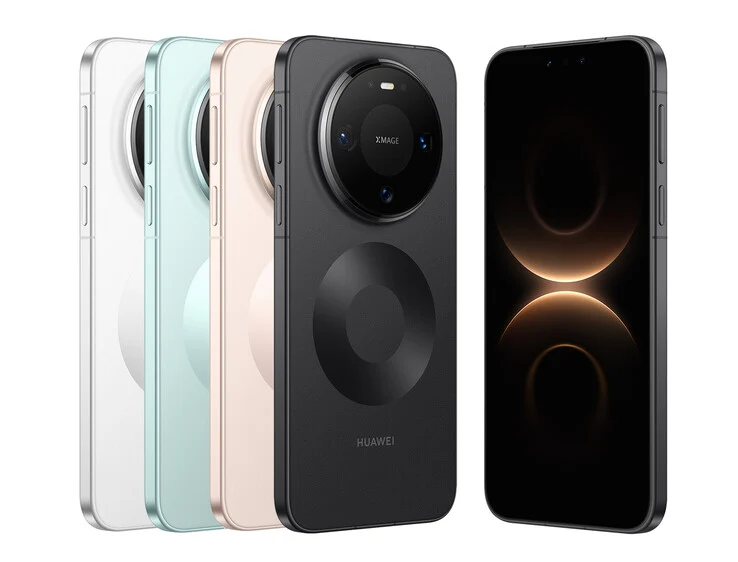
  • Huawei Mate 80 Launches: Affordable Smartphone with Bright Display

    Huawei Mate 80 Launches: Affordable Smartphone with Bright Display

    Key Takeaways

    1. The Mate 80 is the most affordable model in Huawei’s flagship smartphone lineup, priced at CNY 4,699 (~$663).
    2. It features a 6.75-inch LTPO OLED display with a resolution of 2,832 x 1,280 pixels, a variable refresh rate of 1-120 Hz, and peak brightness of 8,000 nits.
    3. The smartphone is powered by a Kirin 9020 chipset and offers up to 16 GB of RAM and 512 GB of storage, with a 5,750 mAh battery supporting 50 W wireless and 66 W wired charging.
    4. The camera system includes a 50 MP main camera with OIS, a 40 MP ultra-wide-angle camera, a 12 MP telephoto camera with 5.5x optical zoom, and a 13 MP front camera with a 3D front sensor for secure face unlocking.
    5. Despite being less expensive, the Mate 80 provides strong performance and features that compete with other flagship smartphones like the iPhone 17 and Galaxy S25.


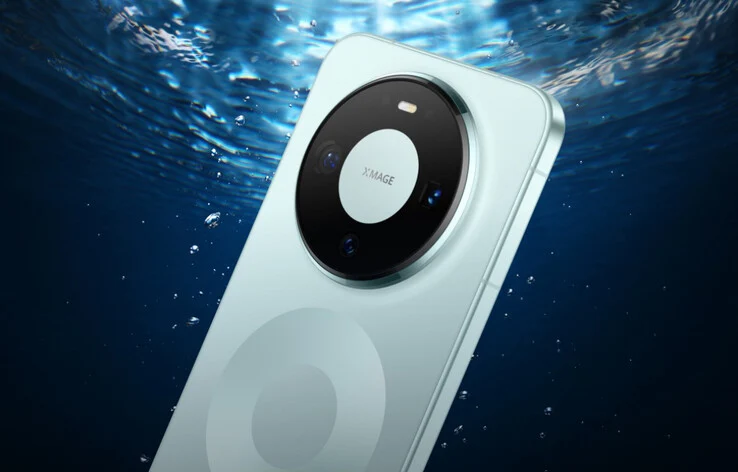
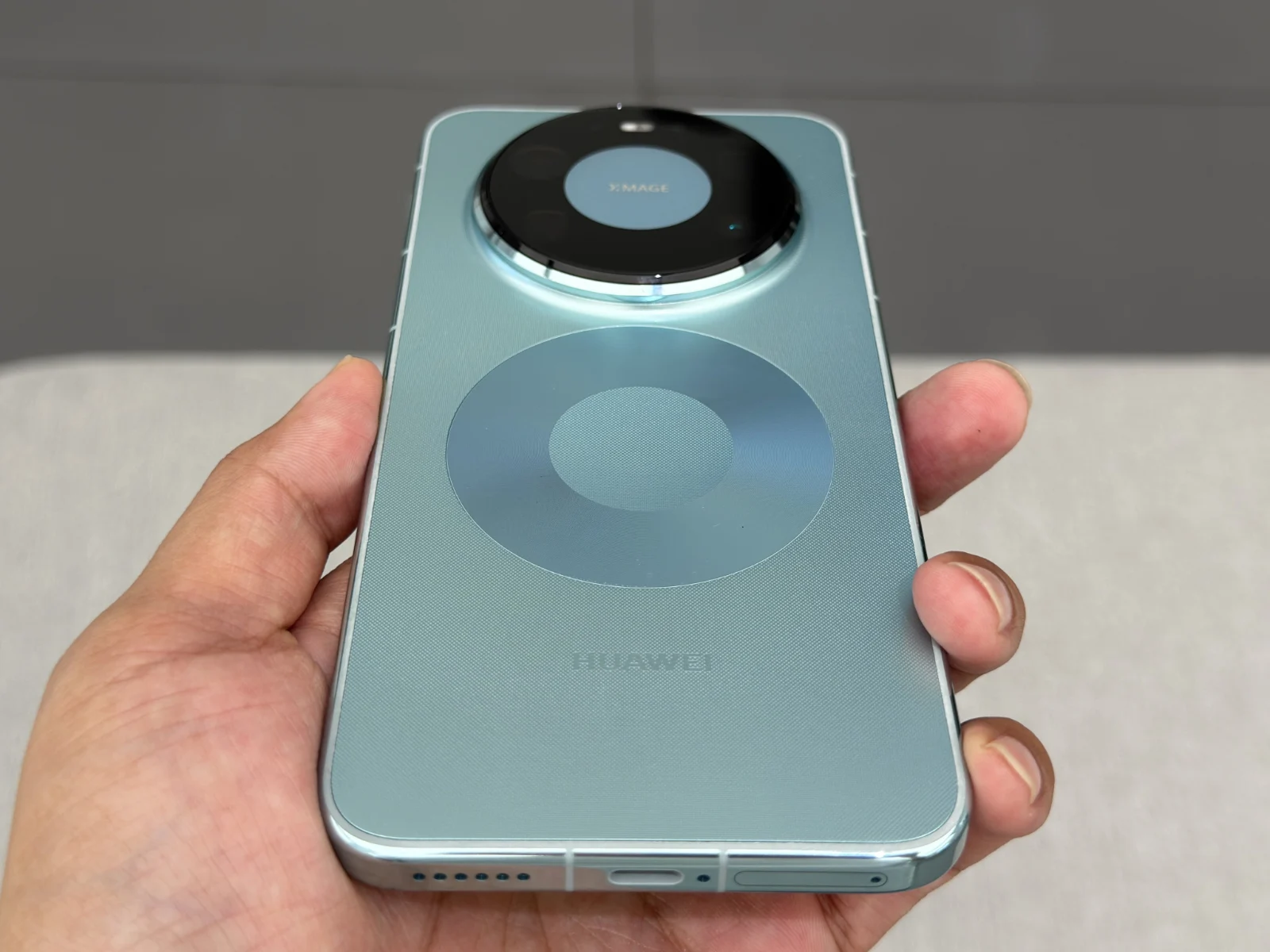
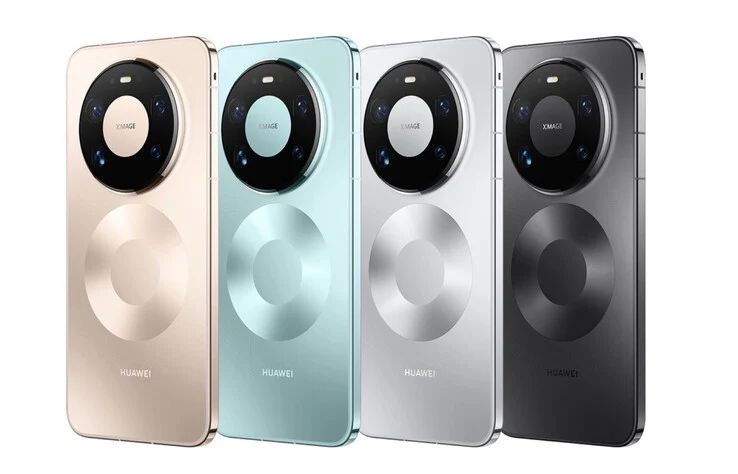
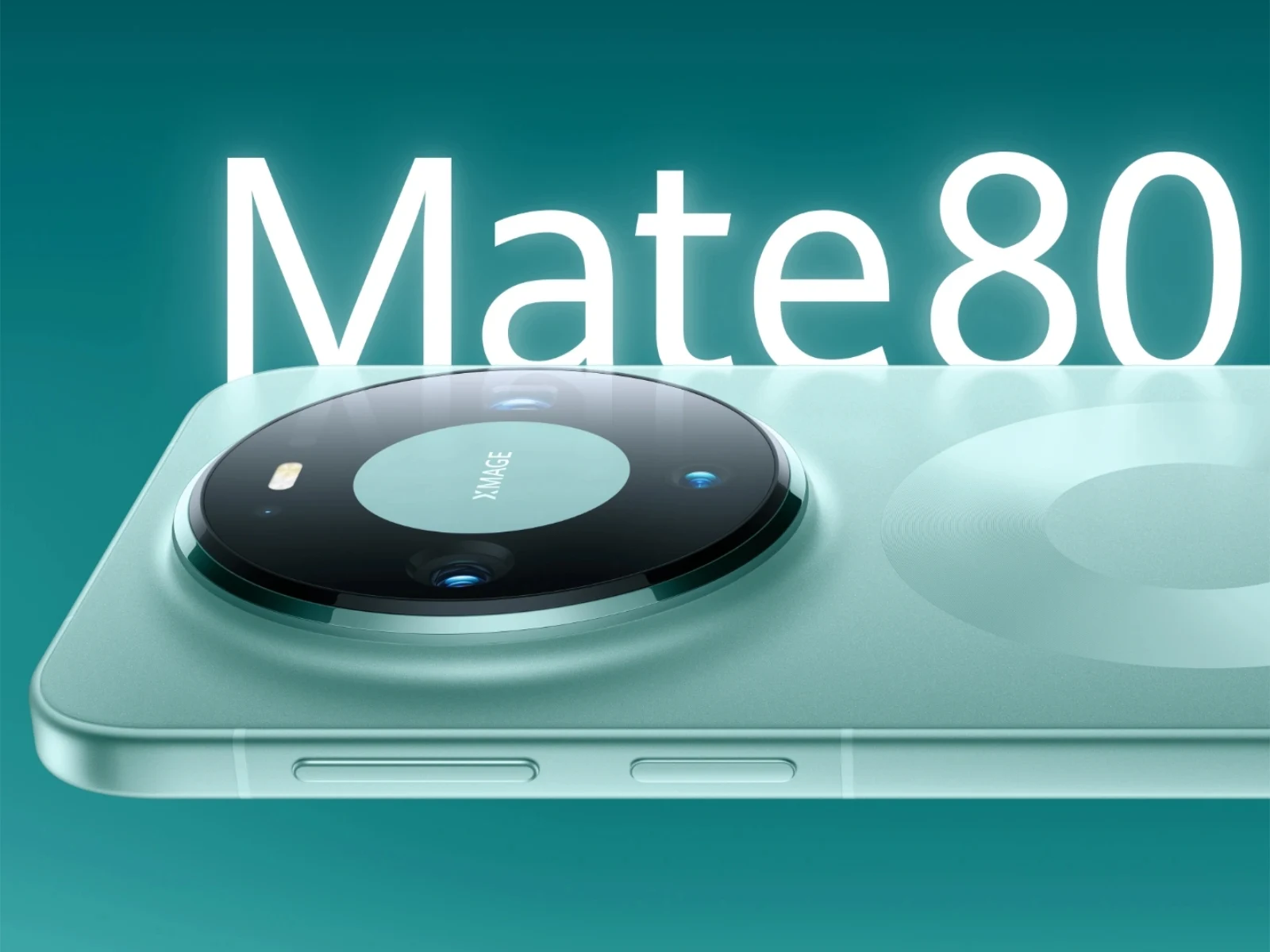
    The Mate 80 is the most affordable option in Huawei’s new flagship smartphone lineup, sitting below the Mate 80 Pro, Mate 80 Pro Max, and the Mate 80 RS Ultimate Design. Despite being the least expensive, the Mate 80 offers enough powerful features to set it apart from competitors like the iPhone 17, Galaxy S25, and Pixel 10 (currently priced at $599 on Amazon), among others.

    Display and Performance

    For instance, Huawei has equipped the Mate 80 with an LTPO OLED screen that has a resolution of 2,832 x 1,280 pixels, boasting a variable refresh rate of 1-120 Hz and a peak brightness of 8,000 nits, similar to the Mate 80 Pro Max. The 6.75-inch display is also safeguarded by Kunlun Glass 2. In addition, the Mate 80 is available with up to 16 GB of RAM, 512 GB of storage, and a robust 5,750 mAh battery that allows for 50 W wireless and 66 W wired charging.

    Camera Features

    Moreover, Huawei has included a 50 MP main camera with optical image stabilization (OIS) and a variable aperture lens ranging from f/1.4 to f/4.0. There is also a 40 MP ultra-wide-angle camera with an f/2.2 aperture, along with 12 MP telephoto (5.5x optical zoom with OIS) and 13 MP front cameras. Additionally, the Mate 80 is equipped with a 3D front sensor for secure face unlocking.

    Chipset and Pricing

    Sadly, the Mate 80 relies on the older Kirin 9020 chipset, instead of the latest processors featured in the Mate 80 Pro, Mate 80 Pro Max, and Mate 80 RS Ultimate Design. The starting price for the Mate 80 is CNY 4,699 (~$663) for the model with 12 GB of RAM and 256 GB of storage. It can also be upgraded to include 16 GB of RAM and 512 GB of storage for CNY 5,499 (~$776).

    Source:
    Link


  • Apple iPhone Fold Price May Exceed Samsung Galaxy Fold 7 by $400

    Apple iPhone Fold Price May Exceed Samsung Galaxy Fold 7 by $400

    Key Takeaways

    1. Apple’s foldable iPhone, informally called the “iPhone Fold,” is highly anticipated but has faced numerous leaks and speculations.
    2. Apple takes a cautious approach to new technology, which has led to concerns about falling behind competitors, especially in AI integration.
    3. The expected price for the iPhone Fold could be around $2,399, potentially making it one of the most expensive iPhones ever.
    4. Rising component costs and a predicted decline in iPhone sales may lead Apple to set a premium price for the foldable device.
    5. While Apple’s design team is strong, it remains uncertain if the software will effectively utilize the extra screen space to justify the high cost.


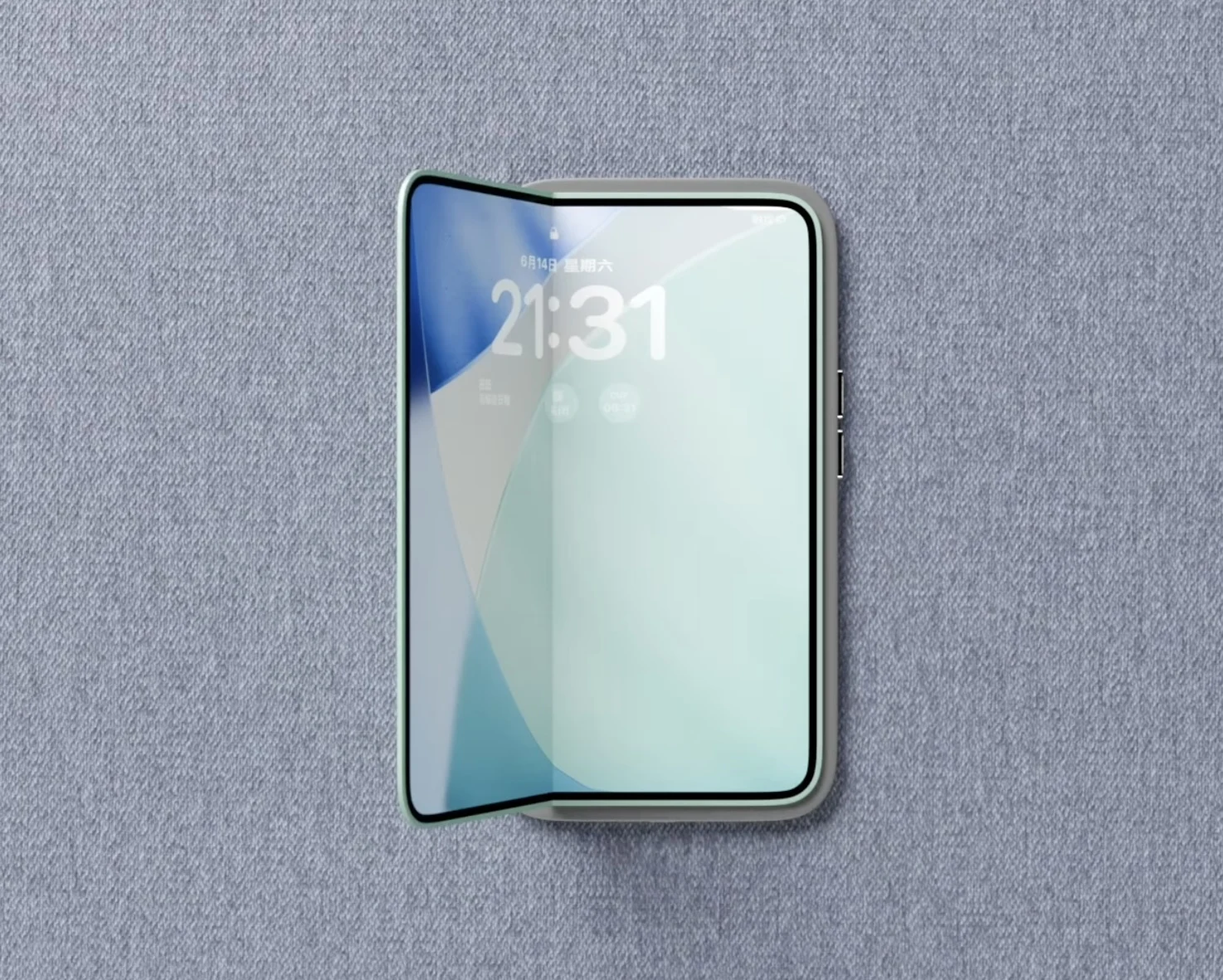
    Apple’s foldable iPhone, informally dubbed the “iPhone Fold” by online enthusiasts, has been at the center of numerous leaks and speculations over the last couple of years. Samsung’s initial foldable device, the Galaxy Fold, launched around six years ago, leading to a surge of foldable Android phones from nearly every smartphone manufacturer worldwide.

    Apple’s Cautious Approach

    In contrast, Apple has always taken a more measured approach to the adoption of cutting-edge technology. While this method has generally served the company well in the past, the current landscape appears to be quite different. The tech giant from Cupertino has fallen behind its rivals in the race for AI integration, resulting in widespread ridicule and an awkward atmosphere within Apple’s AI division.

    Anticipation and Pricing Concerns

    The anticipated foldable iPhone is set to become one of the most eagerly awaited devices to emerge from Cupertino, and its price is likely to play a significant role in its overall success. Fubon Research’s analyst, Arthur Liao, predicts that the iPhone Fold could potentially cost as much as two iPhone 17 Pros combined, amounting to around $2,399.

    Moreover, the report suggests that the increasing costs of components, along with a projected dip in iPhone sales, may compel Apple to set a premium price for its inaugural foldable device. There’s been speculation that Apple plans to use high-end materials for the hinge and display assembly, which would also inflate the product’s Bill of Materials (BoM). The expected specifications for the iPhone Fold include:

    Design and Software Considerations

    Apple’s hardware design team, despite some bumps along the way, has demonstrated a solid performance in recent years. There’s little doubt that the iPhone Fold will be visually striking if and when it launches. However, it remains unclear whether Apple’s software will fully utilize the extra screen space to justify the steep price. For comparison, the latest Galaxy Fold7 is priced at $1,999, currently available for $1,599 on Amazon.

    Investing

    Source:
    Link


  • OnePlus Ace 6T Launches in China with Snapdragon 8 Gen 5 Chipset

    OnePlus Ace 6T Launches in China with Snapdragon 8 Gen 5 Chipset

    Key Takeaways

    1. The OnePlus Ace 6T, also known as the OnePlus 15R internationally, features the new Snapdragon 8 Gen 5 processor.
    2. It has a 6.7-inch flat OLED display with a 1.5K resolution and a 165 Hz refresh rate, along with a dual rear camera setup (50 MP + 8 MP) and a 32 MP front camera.
    3. The smartphone includes an 8,000 mAh battery with 100 W wired fast charging capabilities.
    4. It has a premium build with a micro arc oxidation finish and multiple waterproof ratings (IP68, IP69, IP69K).
    5. Available in black, green, and purple, the Ace 6T runs on ColorOS 16 and features a dedicated vapor chamber cooling system.


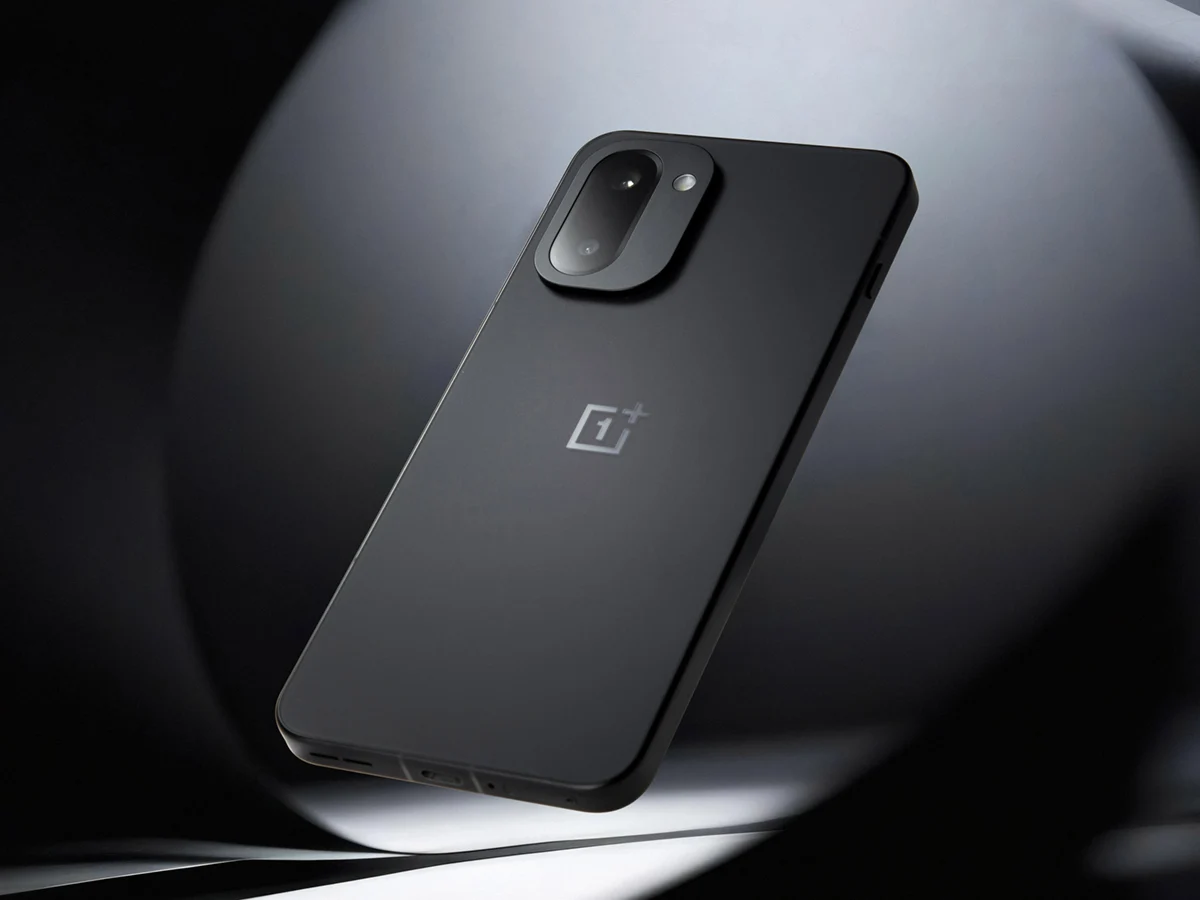
    OnePlus has broadened its budget flagship Ace series with the debut of the Ace 6T smartphone in China. This device will also be known as the OnePlus 15R in international markets. The Ace 6T is notable for being the first smartphone from the brand to incorporate Qualcomm’s freshly unveiled Snapdragon 8 Gen 5 processor.

    Display and Camera Features

    The Ace 6T boasts a 6.7-inch flat OLED screen that offers a sharp 1.5K (2780 x 1264) resolution alongside a high refresh rate of 165 Hz. The phone features a dual rear camera arrangement, which includes a 50 MP primary camera and an 8 MP ultrawide lens. For selfies and video calls, there’s a 32 MP camera located on the front.

    Battery and Build Quality

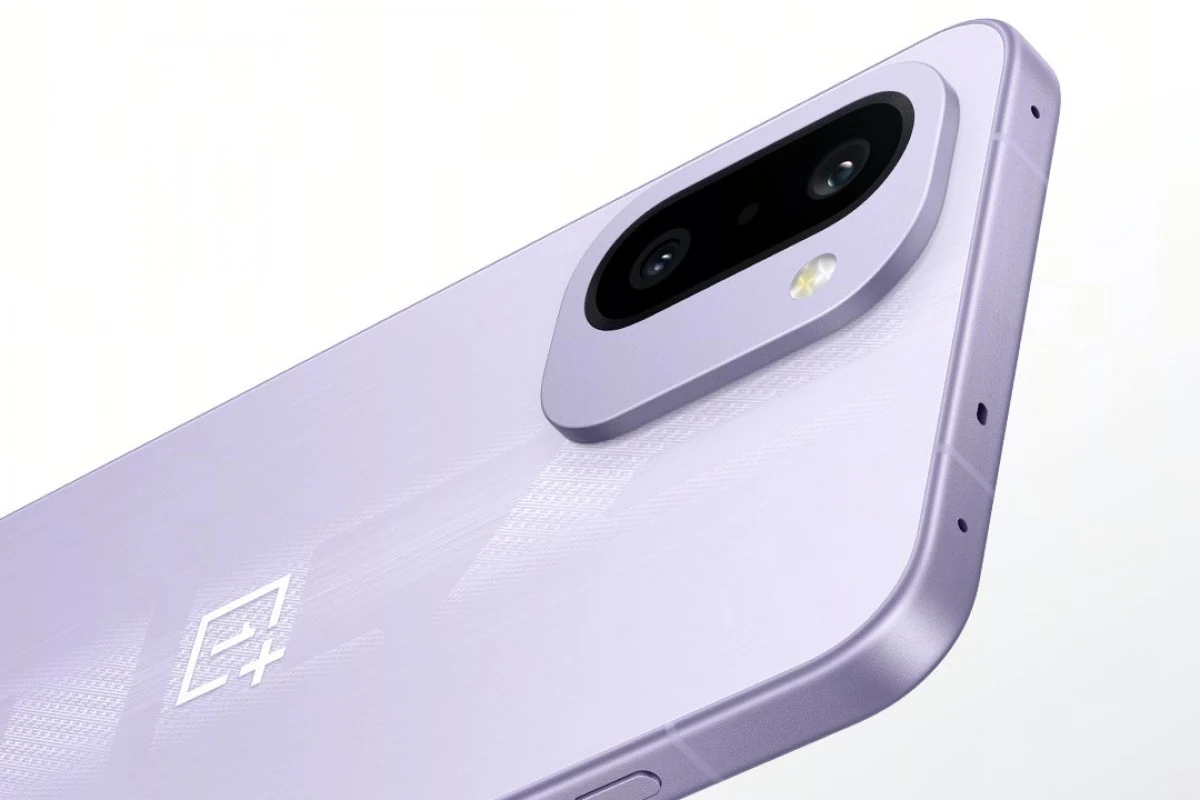
    In terms of battery, the Ace 6T packs a larger capacity compared to the Ace 6, sporting an impressive 8,000 mAh battery that supports 100 W wired fast charging (you can find the Anker Nano 100 W USB-C charger currently priced at $31.99 on Amazon). Additionally, this smartphone employs the same micro arc oxidation finish for its metal frame as seen on the OnePlus 15. It carries multiple waterproof ratings, such as IP68, IP69, and IP69K.

    Color Options and Software

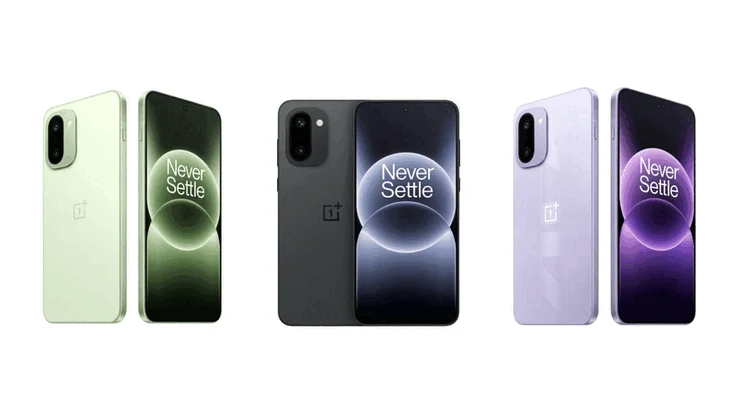
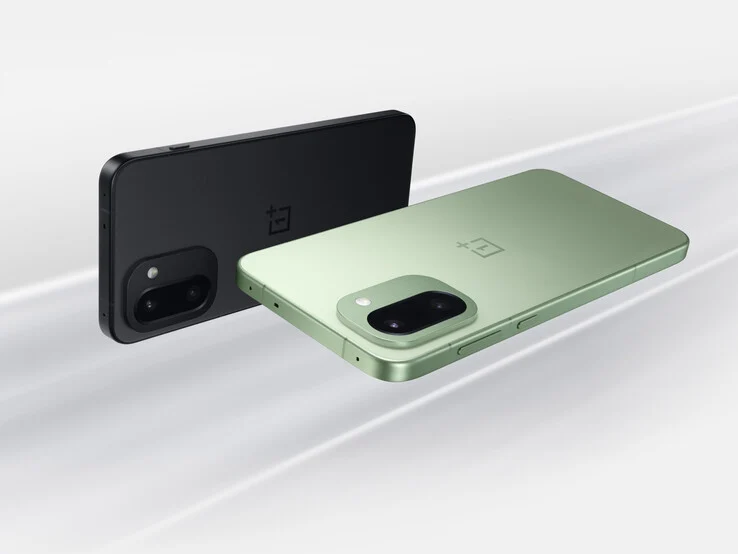
    With color options available in black, green, and purple, the OnePlus Ace 6T operates on the latest ColorOS 16 right out of the box in China. Moreover, it includes a dedicated vapor chamber cooling system to help maintain optimal temperatures during heavy usage.

    Source:
    Link


  • OnePlus 15R Global Launch Imminent with Two Color Options

    OnePlus 15R Global Launch Imminent with Two Color Options

    Key Takeaways

    1. The OnePlus 15R is a rebranded version of the Ace 6T, set to launch in China before its global release.
    2. The OnePlus 15R will be available internationally on December 17, 2025, while the Chinese version launches in November 2025.
    3. The Ace 6T will come in three colors (Shadow Green, Flash Black, and Thunder Purple), but the Thunder Purple will be exclusive to China.
    4. Both the Chinese variant and the global OnePlus 15R are expected to feature an 8,000+ mAh battery and come with IP66/68/69/69K ratings for durability.
    5. The price for the OnePlus 15R is not yet announced but is expected to be lower than the starting price of the OnePlus 15, which is $900.


    After many teasers, the OnePlus 15R’s design has been officially shown, and it’s just a rebranded version of the Ace 6T, which is set to launch in China. Additionally, the Snapdragon 8 Gen 5 flagship device is also ready for a global release soon.

    Launch Dates

    OnePlus has announced that the 15R will hit the international market on December 17, 2025. Meanwhile, the Chinese version is expected to be available sometime in November 2025. However, it looks like global consumers will miss out on one of the key color options for this device.

    Color Options

    In China, the Ace 6T will be available in Shadow Green, Flash Black, and Thunder Purple. The OnePlus 15R will come in the first two colors, while the Thunder Purple, which draws inspiration from the Electric Purple of the OnePlus 6T, will be exclusive to China.

    Battery and Ratings

    The company has also announced that the Chinese variant with Snapdragon 8 Gen 5 will include an 8,000+ mAh battery, and it’s likely that the global OnePlus 15R will have the same. It’s paired with a 10K Anker Nano 45 W power bank, currently priced at $39.99 on Amazon. Additionally, the device is confirmed to have IP66/68/69/69K ratings, indicating it’s designed to be “adventure-proof.”

    While other key specifications of the phone remain unknown, they will be disclosed when the Ace 6T launches in China. OnePlus hasn’t yet announced the price for the OnePlus 15R, but it is expected to be cheaper than the OnePlus 15, which begins at $900.

    Source:
    Link


  • Huawei Mate 80 Pro Max Launches to Compete with iPhone 17 Pro Max

    Huawei Mate 80 Pro Max Launches to Compete with iPhone 17 Pro Max

    Key Takeaways

    1. Huawei launched the Mate 80 Pro Max with the Kirin 9030 Pro chipset, confirming its performance capabilities.
    2. The Kirin 9030 Pro chipset offers multi-core performance similar to Snapdragon 8 Plus Gen 1 but single-core performance akin to older mid-range chips.
    3. The Mate 80 Pro Max features a 6.9-inch tandem OLED display with 8,000 nits brightness, a resolution of 2,848 x 1,320 pixels, and a 120 Hz refresh rate.
    4. It is equipped with a 6,000 mAh battery that supports 80 W wireless and 100 W wired charging, housed in an IP69-rated body.
    5. The starting price for the Mate 80 Pro Max is CNY 7,999 (about $1,130) for 16 GB RAM and 512 GB storage, with a higher option of 1 TB storage priced at CNY 8,999 (around $1,270).


    Huawei has recently introduced the Mate 80 Pro Max in its native market, launching it alongside other devices like the Mate X7 and MatePad Edge. Notably, pre-launch benchmarks indicated that the Mate 80 Pro Max features the Kirin 9030 Pro chipset, which Huawei has now officially confirmed.

    Performance Insights

    The Kirin 9030 Pro is a 5 nm class chipset and is said to deliver multi-core performance comparable to the Snapdragon 8 Plus Gen 1. However, for single-core capabilities, it aligns more with chips like the Dimensity 7350 Pro 5G, Snapdragon 7 Gen 3, or Exynos 1480, which are usually found in older mid-range smartphones, such as the Galaxy A55 (currently priced at $439 on Amazon). That said, the Kirin 9030 Pro reportedly surpasses the performance of the Kirin 9020 by more than 40%.

    Display and Camera Features

    The Mate 80 Pro Max features an impressive 6.9-inch tandem OLED display that competes with the iPhone 17 Pro Max. It is claimed to have a peak brightness of 8,000 nits, a resolution of 2,848 x 1,320 pixels, a 120 Hz refresh rate, and a PWM frequency of 1,440 Hz. In addition, Huawei has equipped the device with advanced camera hardware.

    Battery and Pricing Details

    Furthermore, the Mate 80 Pro Max is powered by a 6,000 mAh battery, which supports both 80 W wireless and 100 W wired charging. The phone is enclosed in an IP69-rated body, measuring 164.4 x 79 x 8.25 mm and weighing 239 g. The starting price for the Mate 80 Pro Max is CNY 7,999 (approximately $1,130) for the version with 16 GB of RAM and 512 GB of storage. Alternatively, customers can choose a configuration with 1 TB of storage and the same RAM for CNY 8,999 (around $1,270).

    Huawei & fenibook

    Source:
    Link


  • Huawei Unveils New Ultra-Premium Smartphone with Unique Design

    Huawei Unveils New Ultra-Premium Smartphone with Unique Design

    Key Takeaways

    1. The Huawei Mate 80 RS Ultimate Design features a premium design with a titanium frame and Kunlun Glass 2 back panel, weighing 249 g.
    2. It includes a powerful Kirin 9030 Pro chipset and an 8,000 nit tandem OLED display, aiming to compete with the Galaxy S25 Ultra.
    3. The device has a robust 6,000 mAh battery supporting 50 W wireless charging and 66 W wired charging.
    4. It incorporates triple punch-hole cameras on the front, consisting of two 3D depth sensors and a 13 MP main camera.
    5. The starting price for the Mate 80 RS Ultimate Design is CNY 11,999 (around $1,694) for the 512 GB model, and CNY 12,999 (approximately $1,835) for the 1 TB version, both with 20 GB of RAM.


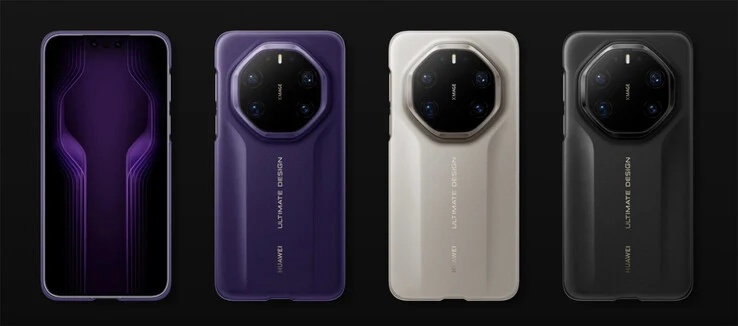
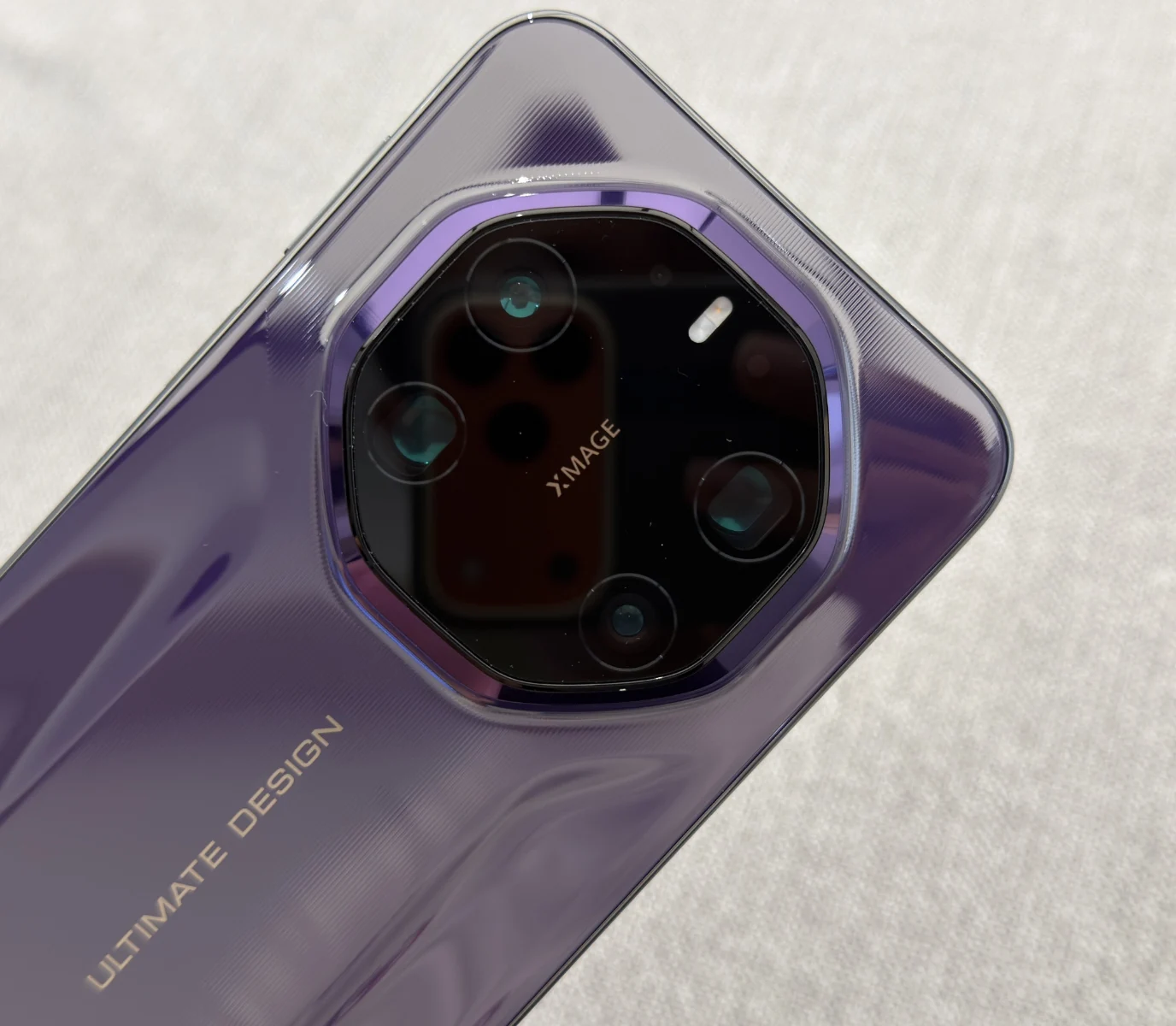
    Huawei has updated its RS Ultimate Design series with a new Mate 80 edition, marking the launch of the broader Mate 80 lineup today. As usual, Huawei sets the RS Ultimate Design apart from its standard models by incorporating a more intricate design along with several other enhancements.

    Premium Features

    This latest RS Ultimate Design is built on the foundation of the Mate 80 Pro Max, aiming to outshine competitors like the Galaxy S25 Ultra in nearly all aspects except for pure performance (currently priced at $899 on Amazon). To achieve this, the Mate 80 RS Ultimate Design inherits many traits from its sibling, such as an impressive 8,000 nit tandem OLED display and a powerful Kirin 9030 Pro chipset. Additionally, this new edition includes a robust 6,000 mAh battery that allows for 50 W wireless charging and 66 W for wired connections.

    Design Changes

    In a significant shift, Huawei has swapped the metal casing of the Mate 80 Pro Max for a titanium frame and a Kunlun Glass 2 back panel. For comparison, this type of glass also covers the front of the RS Ultimate Design, contributing to its total weight of 249 g. Furthermore, Huawei has integrated triple punch-hole cameras on the front, which consist of two 3D depth sensors and a 13 MP main front-facing camera.

    Additional Specifications

    Moreover, the RS Ultimate Design features a side-mounted capacitive fingerprint scanner and retains the same rear camera system as the Mate 80 Pro Max. The starting price for the Mate 80 RS Ultimate Design is CNY 11,999 (around $1,694) for the 512 GB model, while the 1 TB version is priced at CNY 12,999 (approximately $1,835). Both models come equipped with 20 GB of RAM. As of now, there are no details available regarding an international launch.

    Source:
    Link


  • Kirin 9030: SMIC’s First 5nm Smartphone SoC Appears on Geekbench

    Kirin 9030: SMIC’s First 5nm Smartphone SoC Appears on Geekbench

    Key Takeaways

    1. SMIC has successfully developed its first 5 nm-grade smartphone SoC, the Kirin 9030, using the N+3 process node.
    2. The Kirin 9030 features a high transistor density of about 125 Mtr/mm², comparable to Samsung’s 5LPE node.
    3. The chip is tested with the Huawei Mate 80 Pro Max, featuring a CPU with varying core speeds and a Maleoon 935 GPU.
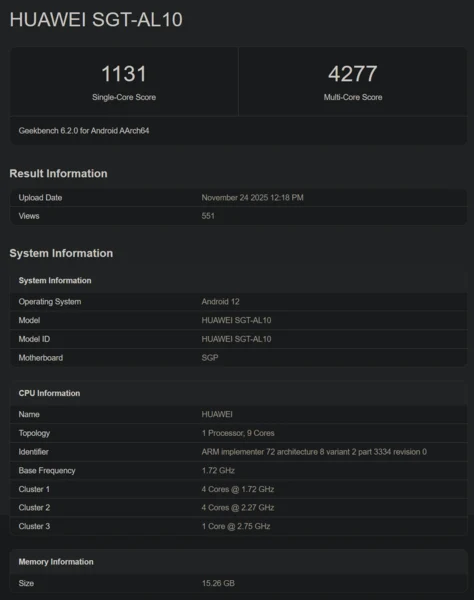
    4. Geekbench scores for the Kirin 9030 are 1,131 (single-core) and 4,277 (multi-core), though these do not reflect its full potential.
    5. Despite advancements, the Kirin 9030 is expected to lag behind competitors like Snapdragon 8 Elite Gen 5 and MediaTek Dimensity.


    SMIC has made a notable advancement in its ability to produce semiconductors. The company has successfully created its first 5 nm-grade smartphone System on Chip (SoC) using its N+3 process node, which has been in the works since last year. With an impressive transistor density of about 125 Mtr/mm², this chip can stand alongside Samsung’s 5LPE node. This particular chip is the Kirin 9030, which will be the driving force behind the new Huawei Mate 80 series smartphones.

    Specifications Revealed

    Recently, the Kirin 9030 was found on Geekbench while being tested with the Huawei Mate 80 Pro Max (model HUAWEI SGT-AL10), which comes equipped with 16 GB of RAM. The chip includes one primary CPU core (likely from the Taishan family) running at 2.75 GHz, along with four additional cores clocked at 2.27 GHz and another four cores at 1.72 GHz. Additionally, it boasts a Maleoon 935 GPU, although detailed specifications for this GPU remain unclear.

    Performance Insights

    In the Geekbench tests, the Kirin 9030 achieved scores of 1,131 for single-core and 4,277 for multi-core performance. A leaker known as Digital Chat Station on Weibo pointed out that these results do not fully represent the chip’s capabilities, as it was not operating at its maximum speed during testing. Even when at full capacity, the Kirin 9030 is expected to fall short compared to competitors like the Snapdragon 8 Elite Gen 5 and MediaTek Dimensity, which is understandable due to its significant process node disadvantage.

    Conclusion

    In summary, while SMIC’s Kirin 9030 marks a step forward in semiconductor technology, it still has a way to go before matching leading contenders in the market. The developments in the Huawei Mate 80 series will be interesting to follow, particularly as they showcase this new chip’s potential.

    Source:
    Link


  • Huawei Mate X7 Debuts Against Samsung Galaxy Z Fold7 with Kirin 9030 Pro

    Huawei Mate X7 Debuts Against Samsung Galaxy Z Fold7 with Kirin 9030 Pro

    Key Takeaways

    1. The Mate X7 competes with devices like Honor Magic V5, Oppo Find N5, and Samsung Galaxy Z Fold7, focusing on camera quality over slimness.
    2. It features larger LTPO OLED displays, measuring 6.49 inches (cover) and 8 inches (foldable), with variable refresh rates from 1 to 120 Hz.
    3. The camera setup includes a 50 MP main camera with variable aperture, a 40 MP ultra-wide camera, and two 8 MP selfie cameras, plus a new 50 MP telephoto macro camera.
    4. Powered by a 5 nm Kirin 9030 Pro chipset, the Mate X7 has a 5,525 mAh battery (5,600 mAh for the Collector’s Edition) with fast charging capabilities.
    5. Pricing starts at CNY 12,999 (approximately $1,835), with various RAM and storage options, but international availability details are not yet announced.


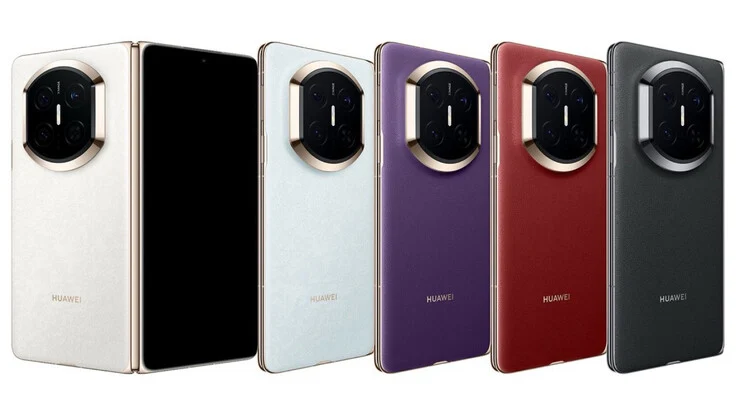
    The Mate X7 has officially launched, stepping into the ring against competitors like the Honor Magic V5, Oppo Find N5, and the Samsung Galaxy Z Fold7 (currently priced at $1,599 on Amazon). Unlike its rivals, Huawei chose not to prioritize being thin and light. Instead, the new foldable is a bit thicker and heavier to house nearly the same camera technology as the Mate 80 Pro.

    Dimensions and Display

    In terms of size, the Mate X7 measures 156.8 x 73.8 mm x 9.5 mm when closed and 156.8 x 144.2 mm x 4.5 mm when open. Its overall dimensions are quite similar to the Mate X6, weighing just 4 g less. However, the newer model comes with larger cover and foldable screens, measuring 6.49 inches and 8 inches, respectively. Both screens are LTPO OLED with refresh rates that can vary from 1 to 120 Hz.

    Camera Features

    The Mate X7 brings back a 50 MP main camera that includes optical image stabilization (OIS) and has a physical variable aperture ranging from f/1.4 to f/4.0. The 40 MP ultra-wide lens with an f/2.2 aperture is also present, along with 8 MP selfie cameras for the internal and external displays, having f/2.2 and f/2.4 apertures. Notably, the Mate X7 Collector’s Edition features a unique f/1.49-f/4.0 variable aperture on its primary camera. Furthermore, both versions come equipped with a new 50 MP telephoto macro camera with OIS and an f/2.2 aperture.

    Performance and Pricing

    The device is driven by a 5 nm Kirin 9030 Pro chipset and has a battery capacity of 5,525 mAh, or 5,600 mAh for the Collector’s Edition. Both models support 50 W wireless and 66 W wired charging. The starting price for the Mate X7 is CNY 12,999 (~$1,835) for the variant with 12 GB of RAM and 256 GB of storage, increasing to CNY 13,999 (~$1,975) for the 512 GB model. For those interested in the Collector’s Edition, there are options for 16 GB and 20 GB RAM, with the latter priced at CNY 17,599 (~$2,484). Huawei has yet to announce details regarding international availability.

    Source:
    Link


  • iQoo 15 Mini Leak: Small Screen, Same Battery, Launch Date Insights

    iQoo 15 Mini Leak: Small Screen, Same Battery, Launch Date Insights

    Key Takeaways

    1. The iQoo 15 is powered by the Snapdragon 8 Elite Gen 5 processor and debuted in China last month, with plans for a global release.
    2. Rumors suggest a compact version, the iQoo 15 Mini, is in development, featuring a smaller 6.3-inch display and potentially a Dimensity 9500 processor.
    3. The iQoo 15 Mini may come with a large 7,000mAh battery and an ultrasonic fingerprint scanner, similar to the standard model.
    4. The expected launch date for the iQoo 15 Mini is around April 2026, with other compact phones from different brands also anticipated next year.
    5. An ‘Ultra’ version of the iQoo 15 series is being considered, but details are limited and no official confirmations have been made.


    The iQoo 15 marks the latest flagship device from the brand, running on the Snapdragon 8 Elite Gen 5 processor. It made its debut in China last month and is expected to hit additional markets in the near future. At the same time, there are rumors about a more compact version of the smartphone being developed.

    Launch Speculations

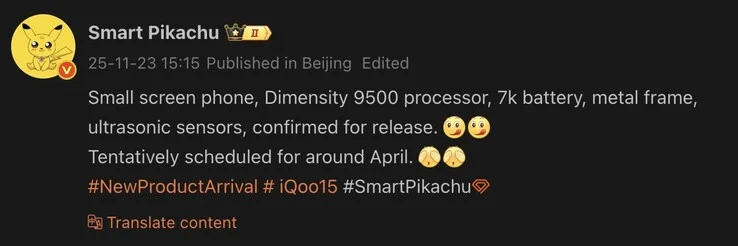
    Prior to its official announcement, the phone had surfaced in various leaks, leading to doubts about its release. An earlier leak, referenced by GSMArena, hinted that the phone might have been scrapped. However, well-known tipster Smart Pikachu has now stated that the compact version will indeed be launched.

    Compact Features

    The rumored iQoo 15 Mini is expected to have a 6.3-inch display, in contrast to the standard model’s larger 6.85-inch screen. It may also incorporate the Dimensity 9500 processor, although some leaks have suggested the use of the overclocked Dimensity 9500 Plus chipset. Importantly, the device could come equipped with a hefty 7,000mAh battery, similar to its larger counterpart. Furthermore, it might boast a metal frame along with an ultrasonic fingerprint scanner.

    Expected Launch Timeline

    According to the tipster, the iQoo 15 Mini is anticipated to launch around April 2026. In addition, more compact phones are likely to debut next year, which includes the OnePlus 15T and Oppo Find X9s. Honor is also rumored to be preparing the release of the Magic 8 Mini.

    iQoo is reportedly planning to introduce an ‘Ultra’ version within the iQoo 15 series, although details about this model remain scarce. It’s important to note that there is no official confirmation regarding any of these devices, so it’s wise to take the information with a grain of salt. On a related note, the company has announced that the standard iQoo 15 will be available in India on November 26.


    Source:
    Link


  • First Look: Nubia’s Galaxy Z Fold 7 Rival and Nubia Flip 3 Revealed

    First Look: Nubia’s Galaxy Z Fold 7 Rival and Nubia Flip 3 Revealed

    Key Takeaways

    1. Nubia is set to enter the book-style foldable smartphone market with a new device, the Nubia Fold, while continuing its clamshell series with the Nubia Flip 3.
    2. The Nubia Fold features a consistent bezel design and a significant camera island on the back, although details about the screen size and specifications are currently unknown.
    3. A technical diagram of the Nubia Fold reveals a centered punch hole for the front camera and highlights the locations of key components like the SIM tray and USB-C port.
    4. The Nubia Flip 3 showcases a fresh design with a cover display that wraps around the camera, differing from previous models and other brands like Samsung.
    5. No official release dates or technical specifications for the Nubia Fold and Nubia Flip 3 have been announced, with potential updates expected by the end of the year or in 2026.


    ZTE’s Nubia has been in the foldable smartphone game for a while, having already released two clamshell models. Nevertheless, they’ve yet to unveil a book-style foldable like the Samsung Galaxy Z Fold 7. That might change soon, as a leak has surfaced showing a sneak peek of a new foldable device, tentatively named the Nubia Fold. This leak also reveals images of their third-generation clamshell foldable, the Nubia Flip 3.

    First Impressions of the Nubia Fold

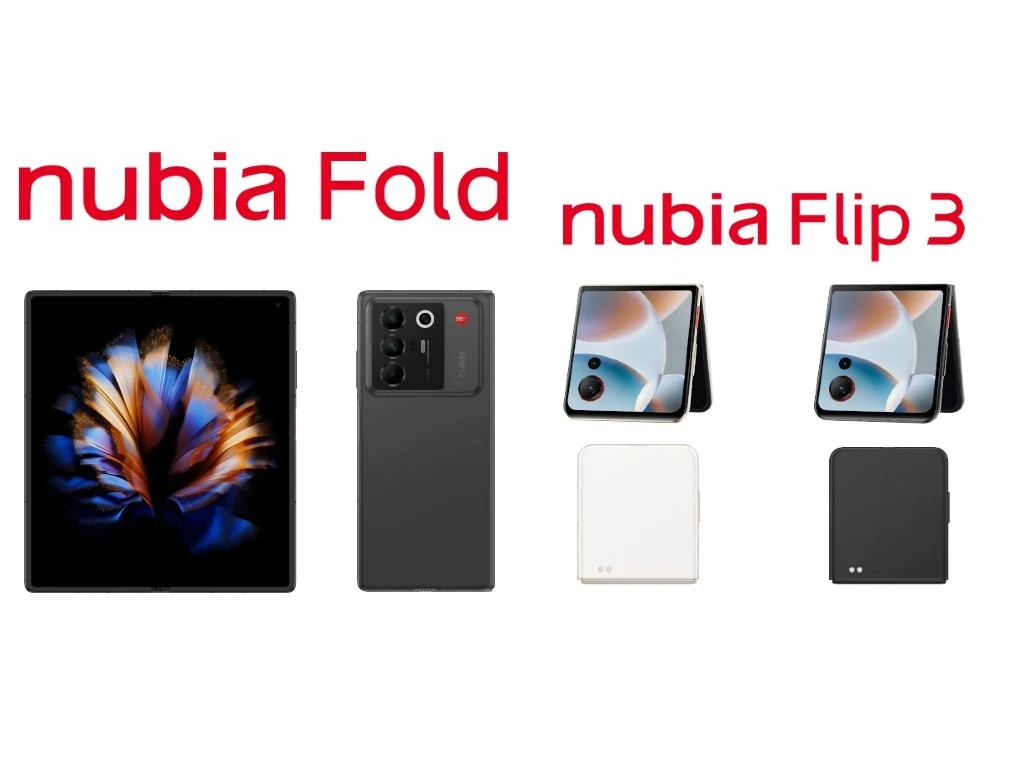
    Shared by Evan Blass on X, the leaked image of the Nubia Fold displays the device in its unfolded state along with its backside, but the cover display is not visible. The phone showcases consistent bezels around its foldable screen, with a camera located at the top right corner. Unfortunately, no specifics about the screen’s size have been disclosed.

    Camera Features and Design Elements

    The Nubia Fold has a significant camera island that nearly takes up the entire upper third on the reverse side of the device. Although there are four circles present, it is likely that not all of them contain a camera lens, similar to what is seen with the RedMagic 11 Pro+.

    Additionally, the leaker provided a technical diagram of the Nubia Fold, which indicates that the cover display features a centered punch hole for the front camera. The sketch also highlights the locations of the SIM tray, speakers, microphones, and USB-C port.

    Nubia Flip 3’s Innovative Look

    In contrast, the Nubia Flip 3 comes with a fresh design. Unlike Samsung, which tends to reuse the same design, Nubia revamps its foldables with every new version. The Nubia Flip, which was announced in 2024, sports a round cover display, while the Nubia Flip 2, revealed in January 2025, has a rectangular portrait-style display.

    Now, the Nubia Flip 3 has moved away from that concept, featuring a cover display that spans the entire area and wraps around the camera, reminiscent of the Razr 60 Ultra (available on Amazon.de for €839). This model includes two rear cameras but appears to lack an LED flash; however, that’s not entirely true. Nubia has chosen to place the dual LED flash on the second half of the foldable, which might seem an odd choice, but it’s a similar approach adopted by Honor for the Magic V Flip 2.

    Future Details Awaited

    As of now, there is no word on the technical specifications or release dates for either device. Nubia might decide to announce these details before the year wraps up or hold off until 2026.

    Source:
    Link