Category: Phones

Stay updated with the latest phone news, reviews, and trends. Discover cutting-edge smartphones, features, and innovations in our Phones category at GizNewsDaily

  • Honor 400 Series Review: Specs, AI, Camera Features & More

    Honor 400 Series Review: Specs, AI, Camera Features & More

    Key Takeaways

    1. The Honor 400 series, including the Honor 400 and Honor 400 Pro, is expected to launch soon in Malaysia, likely later this month.
    2. The designs feature a slight redesign, with the Pro model having a larger and more advanced display, including a 6.7-inch quad curved AMOLED screen.
    3. Performance-wise, the Honor 400 is powered by a Snapdragon 7 Gen 3 processor, while the 400 Pro uses the Snapdragon 8 Gen 3 SoC, with different RAM and charging speeds.
    4. The Honor 400 Pro includes a triple camera system with a 200MP main lens, while the standard model has a dual camera setup, both featuring a 50MP front camera.
    5. Pricing for the base Honor 400 is rumored to be around €499, but specific details for the Pro model and the exact launch date are still pending.


    The Honor 400 series is about to be launched soon, and the brand is creating excitement for its event in Malaysia. While the exact date for the launch isn’t confirmed yet, we can expect the Honor 400 and the Honor 400 Pro to be revealed later this month. Before the official announcement, let’s take a look at what we know about the specifications, features, design, and more.

    Design & Display

    The Honor 400 series takes over from the Honor 300 lineup. The new models are set to feature a slight redesign on the back, especially around the camera area. The large camera module keeps its shape but aligns more with the design of the iPhone 16 Pro, showing off a transparent section with the image sensors. Rumors suggest the Honor 400 will have a slim body measuring 7.3mm, with the 400 Pro being a bit thicker at around 8.1mm.

    When it comes to durability, the standard version might have an IP65 rating for water and dust resistance, while the Pro model could boast a stronger IP68 + IP69 rating. The base model is expected to weigh 184 grams, whereas the Pro version could tip the scales at a heavier 205 grams.

    Honor 400 Pro

    On the front side, the Honor 400 is likely to feature a 6.55-inch AMOLED display that boasts a 120Hz refresh rate and can achieve a peak brightness of 5000 nits. The Pro variant is anticipated to showcase a larger 6.7-inch quad curved AMOLED screen with a 1.5K resolution, also supporting a 120Hz refresh rate and the same peak brightness of 5000 nits.

    Performance

    The Honor 400 is categorized as an upper mid-range device, while the 400 Pro is considered to be an affordable flagship. This distinction is clear from the different Qualcomm processors in these two models. The standard Honor 400 will be powered by a Snapdragon 7 Gen 3 processor, coupled with 8GB of RAM and offering up to 512GB of internal storage.

    Meanwhile, the Honor 400 Pro is equipped with the more powerful Snapdragon 8 Gen 3 SoC paired with 12GB of RAM. Both devices are backed by a substantial 5,300mAh battery. However, they differ in charging speeds—the Honor 400 Pro supports faster 100W wired charging, while the base model has a 66W charging capability.

    Camera

    For those who love photography, the premium Honor 400 Pro will come with a triple camera configuration on the back, featuring a 200MP main lens, a 50MP telephoto lens, and a 12MP ultra-wide angle lens. The front camera is expected to be a 50MP shooter for selfies and video calls. In contrast, the standard version does not include the telephoto sensor, offering only a 200MP and a 12MP camera on the rear. However, it does include the same 50MP front camera. A recent teaser has also indicated that the Honor 400 series will feature AI-powered camera capabilities, likely including functions such as the AI Eraser.

    Pricing & Launch Date

    As of now, Honor has not provided a specific launch date for the Honor 400 series, though it may be unveiled later this month. Pricing details for the Pro model are not yet available, but leaks suggest the base Honor 400, specifically the 8GB + 512GB version, could retail for about €499.

  • T-Mobile, Verizon, AT&T Warn of Possible Phone Price Increases

    T-Mobile, Verizon, AT&T Warn of Possible Phone Price Increases

    Key Takeaways

    1. Executives from Verizon, T-Mobile, and AT&T are worried about new tariffs on foreign products affecting smartphone prices.
    2. Current tariffs include a general 10% and a doubled rate for devices made in China, leading to expected price hikes for consumers.
    3. Verizon’s CEO indicated that the company will not absorb significant tariff increases, suggesting that prices will rise for customers.
    4. AT&T’s CEO mentioned the need for innovative ways to help customers handle the upcoming price increases due to tariffs.
    5. Apple, holding a major market share, is impacted by tariffs and is shifting production from China to India, which may take time and potentially raise prices further.


    The top executives of the three biggest cell phone providers in the US, which are Verizon, T-Mobile, and AT&T, have all expressed concerns about the impact of new tariffs on foreign products. They have made it clear that they cannot absorb any rises in phone prices that may come from these tariffs.

    Tariff Effects on Smartphones

    While smartphones and tablets are temporarily exempt from reciprocal tariffs, they are still subject to a general 10% tariff from the Trump administration, which doubles for devices manufactured in China. The major carriers are evaluating the situation, but their leaders have collectively indicated that any price hikes will be passed on to consumers.

    Verizon’s CEO, Hans Vestberg, stated, “if the tariff is going to be as high as they say on the handsets, we are not planning to cover that in our work” and “we will not cover any enormous increase on tariffs on handsets.” This suggests that Verizon is preparing for significant price adjustments.

    Price Increases Coming

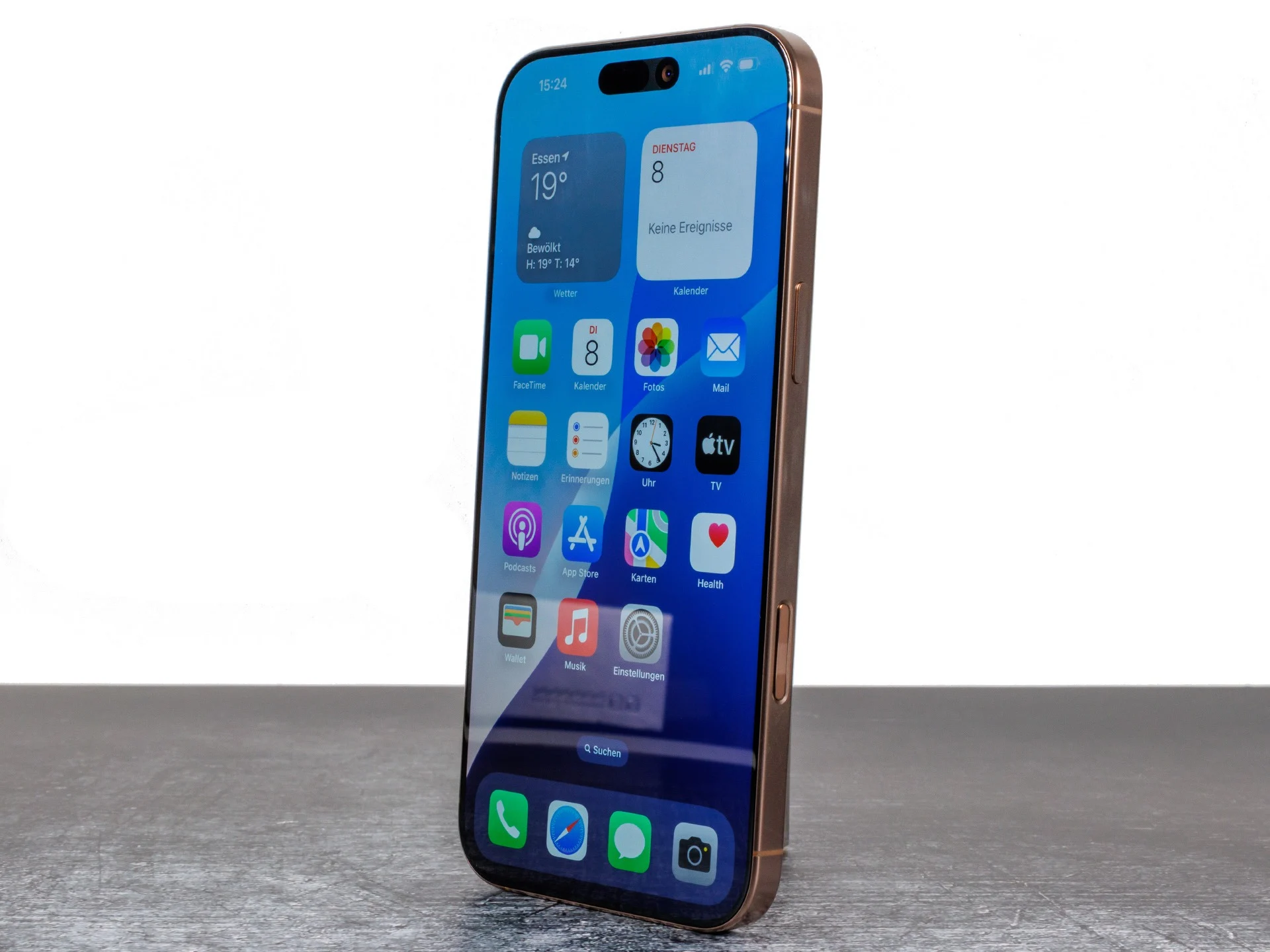
    For example, a Verizon iPhone 16 Pro Max currently priced at $1,199 at Best Buy, before the carrier’s trade-in discount of up to $1,000, could rise to $1,439 if the existing tariffs are enforced. Many customers have been buying iPhones quickly, anticipating these increases, which might lead to a drop in demand later on. Even if Apple moves production of US-bound iPhones away from China to countries with lower tariffs, prices could still go up.

    AT&T’s John Stankey mentioned, “So I think that if ultimately, costs are passed to us from those that we buy handsets from, unfortunately, for the customer, we’re going to have to come up with some new ways for them to figure out how to digest that increase in pricing.” He highlighted that while the business model may not change drastically, they will find innovative methods to help customers manage these price increases.

    Apple and Market Implications

    Apple held a dominant position in the US smartphone market last year with a 49.9% share, followed by Samsung at 21.4% and Motorola at 9.4%. This means Apple could be more affected by the tariff increases than others. Reports suggest that Apple is planning to release cheaper iPhones in the spring, allowing its more expensive Pro line to launch in the fall, which could help smooth out consumer purchasing patterns.

    Additionally, Apple is shifting its US-bound iPhone production from China to India, but this transition may take time. The multibillion-dollar investment for US production that Apple announced will take even longer and could increase prices further. T-Mobile’s CEO has clearly stated that these cost increases “have to be borne by the customer.” He added, “I mean, our model isn’t prepared for something like that.”

    Source:
    Link

  • Galaxy Z Fold 7 Battery Upgrade Rumors and Flip 7’s 4,300 mAh Specs

    Galaxy Z Fold 7 Battery Upgrade Rumors and Flip 7’s 4,300 mAh Specs

    Key Takeaways

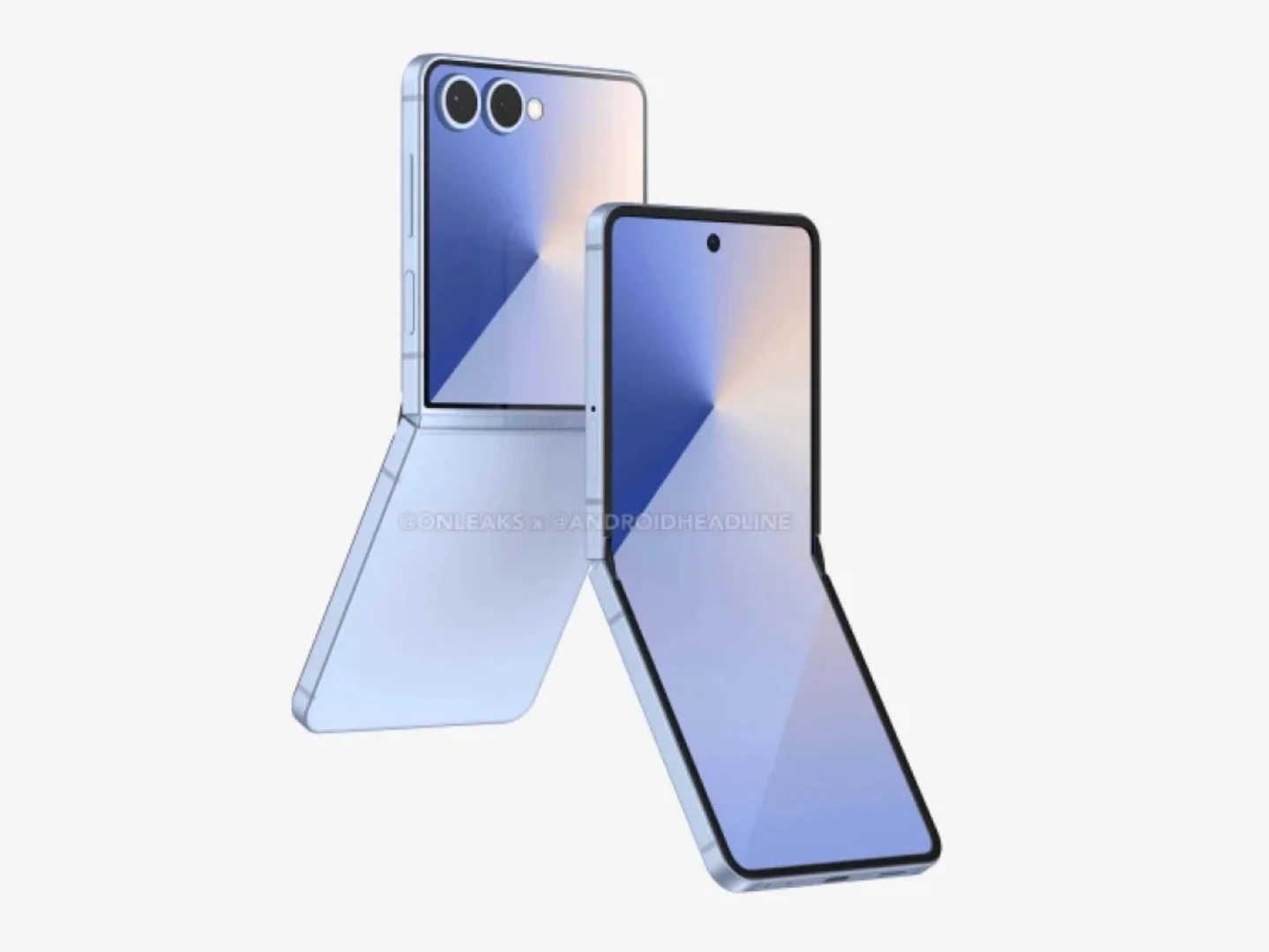
    1. Samsung is expected to unveil new foldable phones, the Galaxy Z Fold 7 and Z Flip 7, in July.
    2. The Galaxy Z Fold 7 will not see an upgrade in battery size, maintaining its 4,400 mAh capacity.
    3. The Galaxy Z Flip 7 will have a battery capacity of 4,300 mAh, an increase from its predecessor’s 4,000 mAh.
    4. The Z Flip 7’s battery consists of two cells with total capacities of 4,174 mAh, marketed as 4,300 mAh.
    5. The Galaxy Z Fold series has not increased its battery capacity since the Galaxy Z Fold 3, showing a stagnation in battery upgrades.


    Samsung is likely to reveal its new foldable phones in July, and there have been many rumors leading up to this announcement. The latest information suggests the battery capacities for both the Galaxy Z Fold 7 and the Z Flip 7. Reports indicate that the Galaxy Z Fold 7 will not see an upgrade in battery size, while the Z Flip 7 will have a battery capacity that is only 100 mAh less than its larger counterpart.

    Battery Specifications Unveiled

    A listing on the UL Demko certification platform, found by The Tech Outlook, shows the battery details for what are thought to be the Galaxy Z Fold 7 and Z Flip 7. The Galaxy Z Fold 7 has two batteries with model numbers ‘EB-BF966ABE’ and ‘EB-BF967ABE’, which have capacities of 2,126 mAh and 2,146 mAh, respectively. This brings the total to 4,272 mAh, which is advertised as 4,400 mAh. In comparison, the Galaxy Z Flip 6 also had a battery of 4,400 mAh.

    Z Flip 7 Battery Upgrade

    When we look at the Z Flip 7, its batteries are noted as having model numbers ‘EB-BF766ABE’ and ‘EB-BF767ABE’, with capacities of 1,189 mAh and 2,985 mAh, respectively. The total comes to 4,174 mAh, which will be marketed as 4,300 mAh. This aligns with earlier leaks suggesting a respectable battery capacity increase from the Z Flip 6, which had a 4,000 mAh battery.

    A Surprising Trend

    It’s quite surprising that while the battery in the more compact Z Flip series is increasing every year, the larger Galaxy Z Fold series seems to have hit a wall. The battery capacity has remained at 4,400 mAh since the Galaxy Z Fold 3. If the rumors are true, there will be only a 100 mAh difference in battery size between the two foldable devices from Samsung.

    Source:
    Link

  • Moto G56 Specs: Software Support Varies by RAM Variant

    Moto G56 Specs: Software Support Varies by RAM Variant

    Key Takeaways

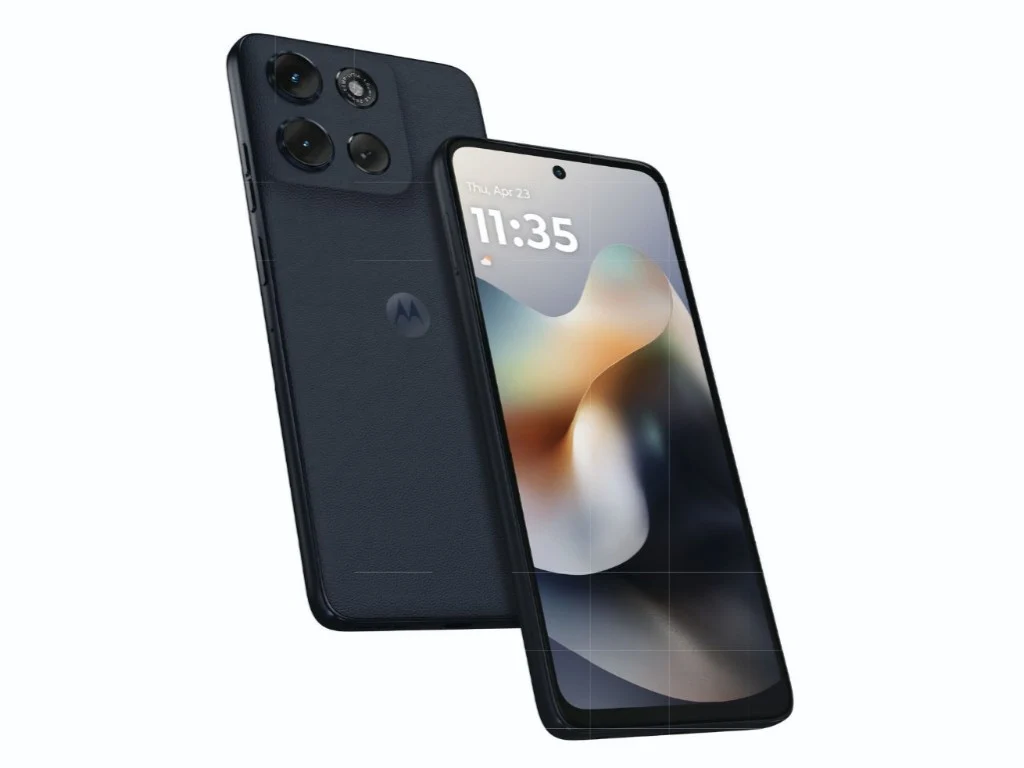
    1. The Moto G56 features a 6.72-inch FHD+ LCD display with a 120Hz refresh rate and Gorilla Glass 7i protection.
    2. It is powered by the new MediaTek Dimensity 7060 chip, with RAM options of 4GB or 8GB and storage options of 128GB or 256GB, expandable via MicroSD.
    3. The camera setup includes a dual rear camera (50MP + 8MP) and a 32MP front camera, with a battery capacity of 5,200mAh and 33W fast charging.
    4. The Moto G56 boasts additional features like IP68 + IP69 water and dust resistance, dual microphones, stereo speakers, and Bluetooth 5.3.
    5. Software support duration varies by RAM configuration: 4GB model receives 1 year of OS updates, while the 8GB model gets 2 years, raising concerns among users about this new policy.


    Motorola is set to introduce several new smartphones in its Moto G series, including the Moto G56. Before its official launch, the complete specifications of this phone have been leaked online, showcasing not just its details but also an unexpected aspect regarding software updates.

    Display and Design

    According to information shared by Evan Blass on X, the Moto G56 will differ significantly from its older model, the Moto G55 (currently listed on Amazon.de for €164.99). To kick things off, the G56 will sport a 6.72-inch FHD+ LCD screen with a 120Hz refresh rate, brightness reaching up to 1000 nits, and protection from Corning Gorilla Glass 7i. In contrast, the Moto G55 features a smaller 6.49-inch display protected by Gorilla Glass 5.

    Hardware Specifications

    This year, Motorola continues its partnership with MediaTek, swapping out the Dimensity 7025 from the Moto G55 for the yet-to-be-released Dimensity 7060. The Moto G56 will come in two RAM options: 4GB and 8GB, alongside storage choices of 128GB or 256GB. It will also include a MicroSD slot that allows for an additional 2TB of storage.

    The Moto G56 will retain the dual camera setup of 50MP + 8MP from its predecessor, but it will replace the 16MP front camera with a 32MP one. Furthermore, the battery will see an increase in capacity from 5,000mAh to 5,200mAh, with faster charging capabilities of 33W.

    Additional Features

    Additional features include stereo speakers, dual microphones, a fingerprint scanner, ThinkShield security, Bluetooth 5.3, NFC, and Wi-Fi 6. The Moto G56 will also achieve an impressive IP68 + IP69 rating for dust and water resistance, along with MIL-STD-810H certification.

    Depending on the region, the Moto G56 will come in various SIM configurations: a single SIM (1 Nano SIM + MicroSD), dual SIM (1 Nano SIM + eSIM + MicroSD), or a hybrid dual SIM slot (2 Nano SIMs or 1 Nano SIM + MicroSD). Color options will include Pantone Black Oyster, Pantone Gray Mits, Pantone Dazzling Blue, and Pantone Dill.

    Software Support Surprises

    The leaked document reveals an unexpected aspect regarding the software support for the Moto G56. The duration of software updates will depend on the RAM configuration. Users with the 4GB RAM model will get one year of OS updates and three years of bi-monthly security updates, while the 8GB RAM variant will have two years of OS updates and four years of bi-monthly security updates.

    Although it’s not uncommon for certain features to be limited to specific RAM models—like the Smart Connect feature exclusive to the 8GB variant—this marks the first occasion where software support duration is tied to RAM size. It will be interesting to see how loyal fans of the brand respond to this news, but it’s reasonable to assume that many may not be happy with this change.

    Source:
    Link

  • Anker Launches Colorful 45W Nano Charger with ActiveShield 3.0 in China

    Anker Launches Colorful 45W Nano Charger with ActiveShield 3.0 in China

    Key Takeaways

    1. Anker has launched a new 45W single-port USB-C charger called the Anker Safe Charge Pro, designed to pair well with the iPhone 16 series.
    2. The charger is lightweight at 50 grams and compact in size (33 x 32 x 36.9 mm) with a foldable plug for easy portability.
    3. It features GaN technology, Anker’s PowerIQ, and supports multiple voltage outputs (5V, 9V, 15V, 20V) and PPS.
    4. Enhanced safety and heat management are provided by a graphene-based material, a bionic cold vortex cooling system, and ActiveShield 3.0 technology.
    5. The charger is available in four colors (gold, white, blue, black) and is priced at CNY 119 (~$16/€14), significantly less than its $34.99 price on Amazon.


    It can be tough to keep up with Anker’s many chargers since they seem to release a new one nearly every month. Some of these devices have the same power output and number of ports. Despite this, Anker has revealed a new 45W single-port USB-C charger called the Anker Safe Charge Pro, claiming it pairs perfectly with the iPhone 16 series.

    Product Details

    The Anker Safe Charge Pro is part of the Nano series, and its model number is A2692. It was first introduced in the US in March but is now being announced in China, featuring new and appealing colors. This charger is quite lightweight, weighing only 50 grams, making it easy to carry around. Its dimensions are compact at 33 x 32 x 36.9 mm, and it has a foldable plug that adds to its convenience.

    Features and Specifications

    This Safe Charge Pro Nano is a GaN charger equipped with a single USB-C port and Anker’s unique PowerIQ technology. It has a maximum power output of 45W and supports various voltages, including 5V 3A, 9V 3A, 15V 3A, and 20V 2.25A, along with PPS. Anker claims to have incorporated a new graphene-based heat dissipation material and a bionic cold vortex cooling system for improved heat management. Additionally, it includes the ActiveShield 3.0 temperature control technology to enhance safety.

    Pricing and Availability

    The Anker Safe Charge Pro charger comes in several colors: gold, white, blue, and black. It features textured sides, and Anker notes that the curvature of the charger matches that of the iPhone 16. You can purchase it from JD.com for CNY 119 (~$16/€14), which is much lower than the $34.99 price on Amazon.

    Source:
    Link

  • iPhone 18 Release Delayed to 2027: New Schedule Leaked

    iPhone 18 Release Delayed to 2027: New Schedule Leaked

    Key Takeaways

    1. Apple is expected to introduce a new model, the iPhone 17 Slim, alongside the iPhone 17 series this year.
    2. Starting next year, Apple may switch to a bi-annual release schedule for its smartphones.
    3. The standard iPhone 18 release might be delayed until early 2027, while the iPhone 18 Slim and other models could launch in September 2026.
    4. This new strategy aims to keep Apple competitive by releasing models at different times of the year.
    5. Introducing new iPhone models in early and late parts of the year could potentially increase sales for Apple.


    Big shifts might be coming for Apple. The company based in Cupertino is likely to introduce a completely new model this year in response to Samsung’s upcoming Galaxy S25 Edge. This new device, reportedly named the iPhone 17 Slim, is set to launch alongside other models in the iPhone 17 series later this year, possibly indicating a change in how Apple schedules its smartphone releases.

    New Release Schedule

    A fresh report from industry expert Ming-Chi Kuo suggests that Apple will switch to a bi-annual release timetable starting next year. Although all four iPhone 17 variants are scheduled to release this year as intended, it seems that the standard iPhone 18 might be pushed back to 2027.

    In light of this newly disclosed timeline, the iPhone 17e could be unveiled early next year, similar to how the 16e was revealed this year. The main launch event in September might then showcase the iPhone 18 Slim, iPhone 18 Pro, iPhone 18 Pro Max, and Apple’s very first foldable iPhone all at once. The standard iPhone 18 would, however, be postponed to an early 2027 release, alongside the iPhone 18e.

    Competing Effectively

    Ming-Chi Kuo mentions that this adjustment aims to help Apple remain competitive throughout the year by rolling out new models both at the beginning and the end of the year. Currently, most Original Equipment Manufacturers (OEMs) launch their flagship devices in the first few months of the year, leaving Apple without a direct competitor. Introducing two iPhone models during that time could, in theory, boost sales.

    Source:
    Link

  • Galaxy S26 Series with Exynos 2600 May Launch in Europe

    Galaxy S26 Series with Exynos 2600 May Launch in Europe

    Key Takeaways

    1. Samsung is planning to return to using its own Exynos chips, starting with the Galaxy S26 series, primarily in European markets.
    2. The Exynos 2600 chipset will be limited in availability due to low production yields, despite improvements to over 40%.
    3. Qualcomm Snapdragon processors are expected to continue dominating performance, with a “clear” edge over Exynos chips.
    4. Samsung’s System LSI division faced significant financial losses when switching from Exynos to Snapdragon in the Galaxy S25 series.
    5. The Exynos 2600 is being manufactured on a 2nm process, with hopes to reach a production yield of 70% to 80% for mass production soon.


    Since the launch of the Galaxy S23 series in 2023, Samsung has been equipping its Galaxy S series with Qualcomm Snapdragon processors across all markets. However, it appears that the company might be going back to its former practice of utilizing its own Exynos chips in certain regions, beginning with the upcoming Galaxy S26 series.

    Samsung’s Shift in Strategy

    A recent update on X from Jukanlosreve (@Jukanlosreve) indicates that Samsung plans to use the Exynos 2600 for the Galaxy S26 series. Nonetheless, due to production issues, this chipset will predominantly be found in European versions of the phone.

    The report mentions that the low production yield is the primary reason for limiting the Exynos 2600’s availability. Yet, even with improved yields, it’s doubtful Samsung would distribute this chip in all areas, as previous models, like the Galaxy S23, offered Snapdragon-powered versions in key markets like the U.S. and China.

    Performance Concerns

    In addition to yield issues, the source has noted that the Exynos 2600 does not perform as well as Qualcomm’s Snapdragon chipsets. According to them, Snapdragon models have a “clear” edge in performance over their Exynos counterparts.

    Even with this performance gap, which has historically existed between Exynos and Snapdragon versions of the same devices, it seems Samsung will not abandon the Exynos 2600. This is largely due to a report that Samsung’s System LSI division, responsible for processor design and development, lost around $400 million when they replaced the Exynos 2500 with the Snapdragon 8 Elite in the Galaxy S25 series, which is currently priced at $777.99 on Amazon.

    Future Production Expectations

    The Exynos 2600 is said to be manufactured on Samsung’s 2nm process using Gate-All-Around technology. Although production yields are still low, reports suggest they have improved to over 40% this year. There is hope that they will achieve the target yield of 70% to 80% necessary for mass production in the coming months.

    Source:
    Link

  • Apple to Launch iPhone 18 in Two Phases: Pro and Foldable Models

    Apple to Launch iPhone 18 in Two Phases: Pro and Foldable Models

    Key Takeaways

    1. Apple will stagger the launches of the iPhone 18 series in 2026 and 2027, moving away from its usual September release schedule.
    2. The iPhone 18 Pro, Pro Max, Air, and the first foldable iPhone are set to launch in fall 2026, while the standard iPhone 18 and affordable iPhone 18e will debut in spring 2027.
    3. This new release strategy aims to reduce production pressure and improve manufacturing processes, particularly as Apple increases production in India to reduce reliance on China.
    4. The foldable iPhone is expected to feature a book-like design, a 5.5-inch outer display, a 7.8-inch inner screen, and a liquid metal hinge for durability, with a potential price tag of around $2,000.
    5. Upcoming iPhone 18 Pro models may feature under-display Face ID technology, and the foldable iPhone could include enhanced AI functionalities and a dual-camera system.


    Apple is set to reveal its iPhone 17 series this September, but interest is already shifting towards the upcoming lineup for 2026. A notable change is on the horizon for Apple’s iPhone release schedule, as reported by The Information. The outlet claims that Apple intends to stagger the launches of the iPhone 18 series in 2026 and 2027, departing from its usual practice of unveiling everything in September at once.

    New Release Timeline for iPhone 18 Series

    The report indicates that during the typical fall event in 2026, Apple will roll out the iPhone 18 Pro, iPhone 18 Pro Max, a sleek iPhone 18 Air, and its inaugural foldable iPhone. The standard iPhone 18 and an affordable iPhone 18e, which will follow as the successor to the iPhone 16e, are expected to be launched in spring 2027.

    This change is meant to alleviate production pressure, especially as Apple boosts manufacturing efforts in India to lessen dependence on China due to trade issues. The staggered release schedule may also help simplify factory processes, requiring fewer workers during each launch period. The iPhone 18 Pro models are likely to incorporate under-display Face ID technology, replacing the Dynamic Island feature with a single front camera cutout, while the Air model is set to focus on a thinner profile.

    Anticipated Features of the Foldable iPhone

    Apple’s foldable iPhone, expected to debut in 2026, is said to sport a book-like design with a 5.5-inch outer display and a 7.8-inch inner screen, enhancing multitasking capabilities. To address durability issues, Apple is reportedly using a liquid metal hinge to reduce creasing. When opened, the device might measure about 4.5mm and could forgo Face ID in favor of a Touch ID power button sensor. It may also come with a titanium chassis and a dual-camera system. Priced around $2,000, this could be Apple’s most expensive iPhone to date. Enhanced AI functionalities and software improvements are anticipated to make it a premium, AI-focused device, paving the way for potential future foldable iPads or MacBooks.

  • Honor Teases Upcoming Honor 400 Series Launch

    Honor Teases Upcoming Honor 400 Series Launch

    Key Takeaways

    1. Honor is launching the new 400 series in Malaysia, consisting of the Honor 400 and Honor 400 Pro, replacing last year’s 300 models.
    2. The teaser reveals a circular camera design with three lenses and highlights “Next-Gen AI Imaging,” indicating advanced photography features.
    3. The Honor 400 is rumored to have a 6.55-inch AMOLED screen, Snapdragon 7 Gen 3 processor, 200MP main camera, and a 5,300mAh battery with 66W fast charging.
    4. The Honor 400 Pro is expected to feature a larger 6.7-inch quad-curved AMOLED display, Snapdragon 8 Gen 3 processor, and enhanced camera capabilities, including a 50MP selfie camera.
    5. The official launch is anticipated to occur in China this month, with potential differences between models released in China and global markets.


    Honor has started to create buzz in Malaysia for its new Honor 400 series. This upcoming range is expected to include two smartphones: the Honor 400 and the Honor 400 Pro. These new models will take the place of last year’s Honor 300 and 300 Pro. An official teaser from Honor gives a sneak peek at the camera module design that will be part of the 400 series.

    Teaser Details Revealed

    The teaser image highlights the rear camera arrangement of what seems to be an Honor smartphone from the 400 series. The design shows a striking circular camera setup that contains what looks like three separate camera lenses and maybe an LED flash, all positioned in a balanced formation. Above the camera module, the phrase “Next-Gen AI Imaging” stands out, hinting at a focus on AI-enhanced photography capabilities in this new series. The “Coming Soon” message at the bottom suggests a launch is likely within May.

    Rumored Specs for Honor 400 and 400 Pro

    Reports suggest that the Honor 400 will come with a 6.55-inch flat AMOLED screen featuring a 120Hz refresh rate and a peak brightness of 5000 nits. It is expected to be powered by the Snapdragon 7 Gen 3 processor, along with 8GB of RAM and storage options of either 256GB or 512GB. For its camera system, it is rumored to include a 200-megapixel primary sensor with OIS, a 12-megapixel ultrawide lens, and a 50-megapixel front camera. The battery capacity is likely to be 5,300mAh, supporting 66W fast charging. Additionally, the device is expected to hold an IP65 rating for water and dust resistance, weighing around 184 grams and measuring 7.3mm thick. Available colors may include Black and Gold/Grey.

    The Honor 400 Pro is predicted to have a bigger 6.7-inch quad-curved AMOLED 1.5K 120Hz display with the same peak brightness of 5000 nits. It is set to run on the top-tier Snapdragon 8 Gen 3 SoC, combined with 12GB of RAM. The rear camera configuration is also rumored to feature a 200-megapixel main camera with OIS, along with a 50-megapixel telephoto lens and a 12-megapixel ultrawide camera. The selfie camera is anticipated to be a 50-megapixel sensor as well. The battery is expected to maintain the 5300mAh capacity but will support faster 100W wired charging. Additionally, the Honor 400 Pro might also come with an IP68/IP69 rating for improved water and dust resistance, weighing about 205 grams and measuring 8.1mm thick.

    Launch Expectations

    Honor is anticipated to unveil the 400 series in China this month. There are speculations that the Honor 400 series models launched in China could differ from those that will be available in global markets.

  • iPhone 18 Pro and Pro Max to Feature Under-Display Camera

    iPhone 18 Pro and Pro Max to Feature Under-Display Camera

    Key Takeaways

    1. Apple is redesigning the iPhone 18 Pro and Pro Max, introducing under-display Face ID and a punch-hole camera.
    2. The front-facing camera will move to a small punch-hole in the upper-left corner, potentially ending the current Dynamic Island design.
    3. This redesign marks a shift from the notch and pill-shaped cutout to a more streamlined look similar to Android devices.
    4. The iPhone 18 Pro series is expected to feature under-display Face ID as early as 2026, with staggered releases for different models.
    5. Other models like the iPhone 18 Air, a foldable iPhone, and base iPhone 18 variants will launch in spring 2027, maintaining the current design.


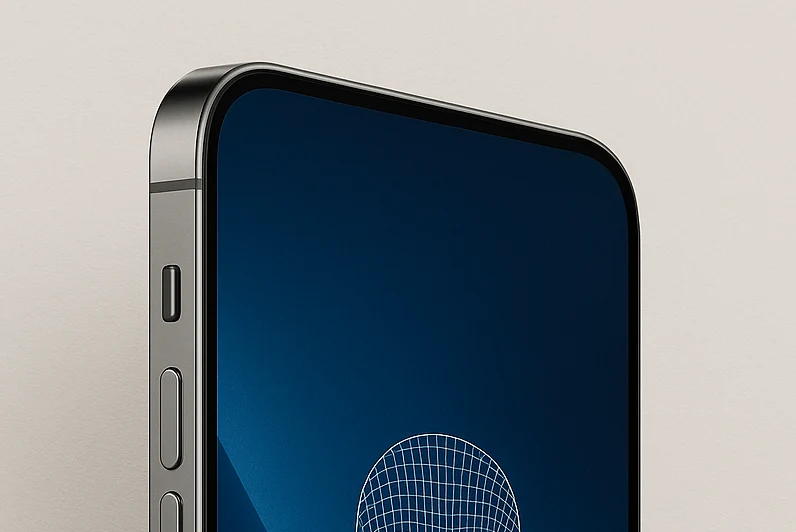
    According to a report from The Information, Apple is working on a major redesign for its next top-tier phones, the iPhone 18 Pro and iPhone 18 Pro Max. The report indicates that Apple might debut under-display Face ID for the first time, along with a new screen design that replaces the pill-shaped cutout with a singular punch-hole camera.

    iPhone 18 Pro series gets a fresh look

    The redesign involves moving the front-facing camera to a tiny punch-hole located in the upper-left corner of the screen, while the Face ID components get embedded underneath the display. This alteration could mean the end of the current Dynamic Island design, although it remains uncertain if Apple will fully discard it or modify it to fit the new design.

    Evolution of Apple’s design choices

    Apple has shifted from the notch seen in the iPhone X to the pill-shaped cutout introduced with the iPhone 14 Pro series, all aimed at utilizing screen space more efficiently. Transitioning to a single punch-hole gives the iPhone a look that’s more in line with what’s common among Android devices, despite Apple’s commitment to 3D face recognition rather than using under-display fingerprint readers.

    The report also mentions that Apple might choose to stagger the release of the iPhone 18 series, with the Pro versions expected to showcase the new under-display Face ID design as early as 2026. Alongside the Pro versions, the company could also unveil the iPhone 18 Air and a foldable iPhone. Meanwhile, the base iPhone 18 and the iPhone 18e could launch in spring 2027, maintaining the current “2+1 punch-hole” design.