Category: Phones

Stay updated with the latest phone news, reviews, and trends. Discover cutting-edge smartphones, features, and innovations in our Phones category at GizNewsDaily

  • Moto Edge 2026 leaks: 73mm telephoto and fabric back

    Moto Edge 2026 leaks: 73mm telephoto and fabric back

    Key Takeaway

    – Edge 2026 adds a third rear camera for triple optical zoom (12 MP ultra-wide and 73 mm telephoto) within a fabric-backed, square camera module design.
    – Similar look to Edge 70, but slightly thicker, with side-mounted volume/power buttons and a dedicated AI button on the left.
    – Specs beyond the camera setup are not yet confirmed, but comparable Edge lineage suggests mid-range positioning and typical Motorola features.

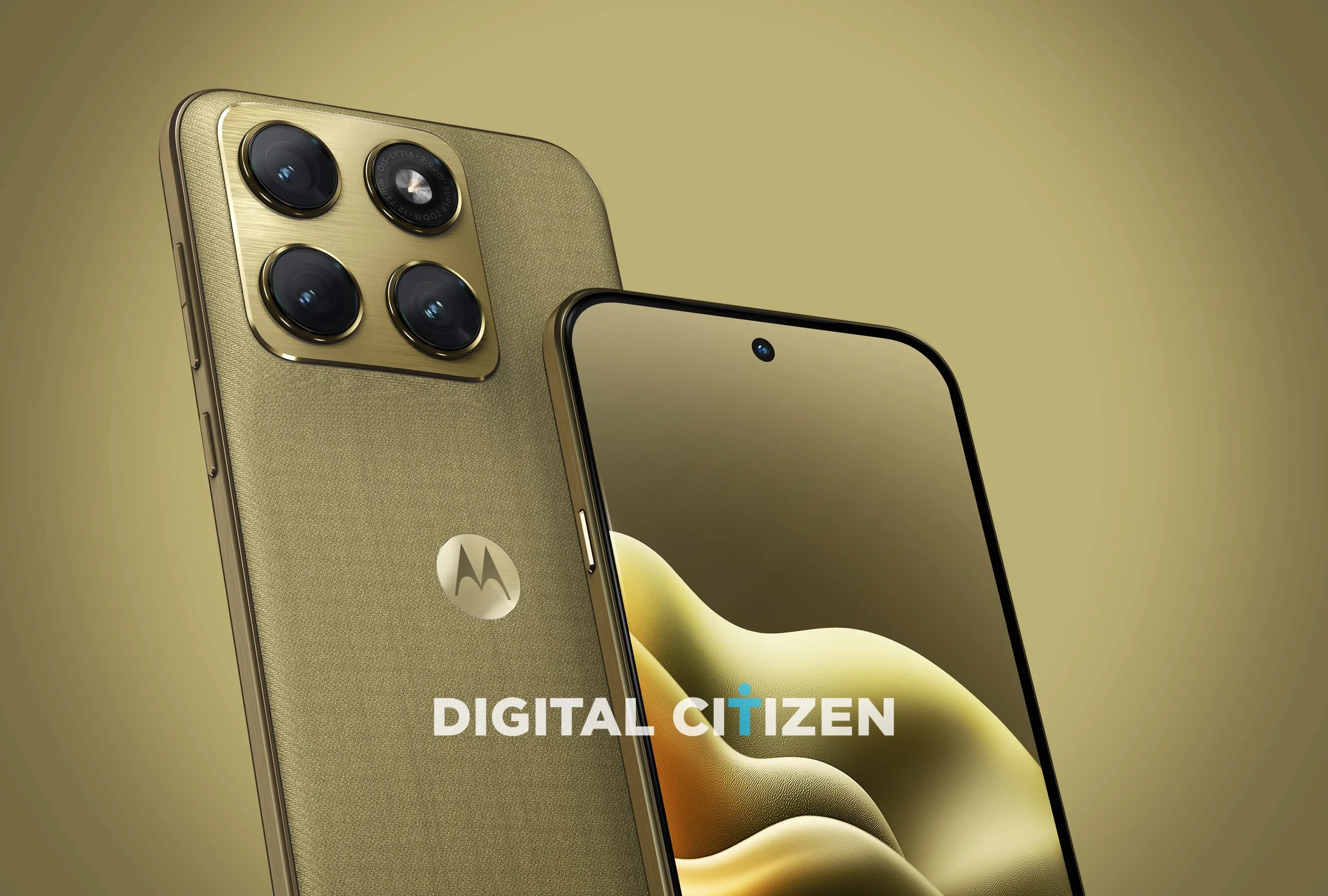
    Motorola is apparently planning a series of new mid-range Edge series smartphones soon. After pictures of the Edge 70 Pro+ have already been leaked, Digital Citizen has published high-resolution product images of the Motorola Edge 2026. The design is very similar to the Motorola Edge 70 ($619 on Amazon), but the Edge 2026 is slightly thicker and equipped with an additional rear camera.

    Design cues and camera layout

    The label on the camera module confirms that the mid-range smartphone has a 12 mm ultra-wide-angle camera and a 73 mm telephoto camera, meaning the Edge 2026 offers triple optical zoom. The design is now typical for Motorola. Like most models in the Edge series, the Edge 2026 has a fabric covered back and a square camera module.

    Hardware placement and front appearance

    The volume buttons and the power button are located on the right-hand side. The button on the left-hand side is likely to be used to quickly access AI features, as is usual for Motorola. The front is relatively unspectacular – the display has the usual narrow bezels and the selfie camera sits in a punch-hole.

    What’s known about specs and features

    So far, hardly any details about the features of the Motorola Edge 2026 are known. For comparison: The Motorola Edge 2025 was equipped with a MediaTek Dimensity 7400 Ultra, with a 6.7 inch, 4,500 nits bright P-OLED display, a 50 megapixel f/1.8 main camera with a 1/1.56 inch sensor, a 50 MP f/2.0 ultra wide-angle camera, a 10 MP telephoto camera with triple zoom and a 50 MP selfie camera.

    Sources

  • Sony Xperia 1 VIII: not as thin as advertised

    Sony Xperia 1 VIII: not as thin as advertised

    Key Takeaway

    – Manufacturer specs can underestimate real device thickness due to protruding glass and cameras.
    – Thinnest-point measurements differ from thickest-point measurements, complicating true thickness comparisons.
    – Always check how thickness is measured (frame height vs. overall depth) and note potential color/variant differences.

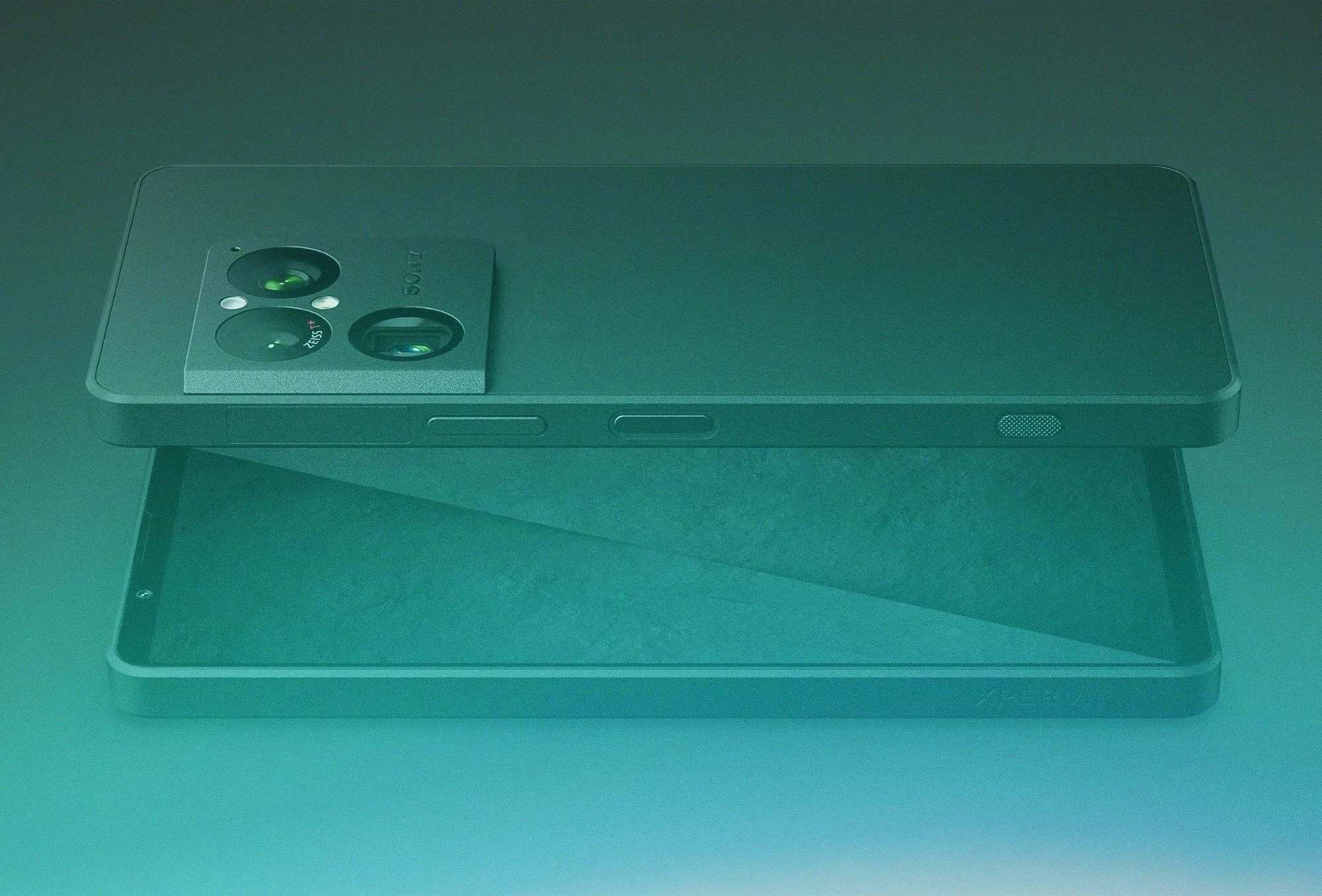
    It happens quite often that smartphones and laptops aren’t as slim as the spec sheets promise, and this tale about measurements is no exception. The newest offender in the rumor mill is the Sony Xperia 1 VIII. According to Sony’s data, this flagship should be 8.3 millimetres thick, yet a leak from @OnLeaks suggests a real thickness of 8.59 millimetres. The gap isn’t huge, but it is noticeable and raises questions about how these numbers are reported.

    Different ways to measure reveal different truths

    In this situation, the device ends up being 2.59 millimetres thicker than the official claim, which translates to about 3.5 percent more bulk. The leaked photo from @OnLeaks seems to imply the reason: the glass on both sides sticks out slightly beyond the metal frame of the Xperia 1 VIII. That protrusion isn’t dramatic by eye, yet when you tally up the total thickness, those fractions matter. Sony’s spec sheet should ideally show the frame’s minimum height, the level at the thinnest part, but real world builds differ from polished numbers.

    Practical implications and the broader pattern

    Practically, a mere 0.29 millimetres can slip from attention, but this incident underscores a familiar pattern: manufacturer specs should be taken with a pinch of caution. Notably, many makers still won’t state how far the camera module protrudes, masking how thick a device is at its bulkiest point. Even comparisons of which phone is thinner depend heavily on the measurement method used, and some models show color variants with different thicknesses. The truth is often muddier than glossy claims, and users end up guessing what matters most to them.

    Sources
  • Nothing Phone (4a): Hidden gem in the mid-range category

    Nothing Phone (4a): Hidden gem in the mid-range category

    Key Takeaway

    – Nothing Phone (4a) excels with a bright 120Hz OLED display, strong performance from the Snapdragon 7s Gen 4, and a standout periscope zoom camera, plus a distinctive Glyph LED design and solid battery life.
    – Key trade-offs include a short three-version Android update guarantee and heat buildup under heavy use.
    – Compared to Redmi Note 15 5G, it offers superior camera quality, software experience (Nothing OS vs HyperOS), and design, at the expense of value-for-money emphasis.
    – Compared to Samsung Galaxy A37 5G, it delivers better vibrancy and design flair but lags in long-term software updates, where the Galaxy has a clear advantage.

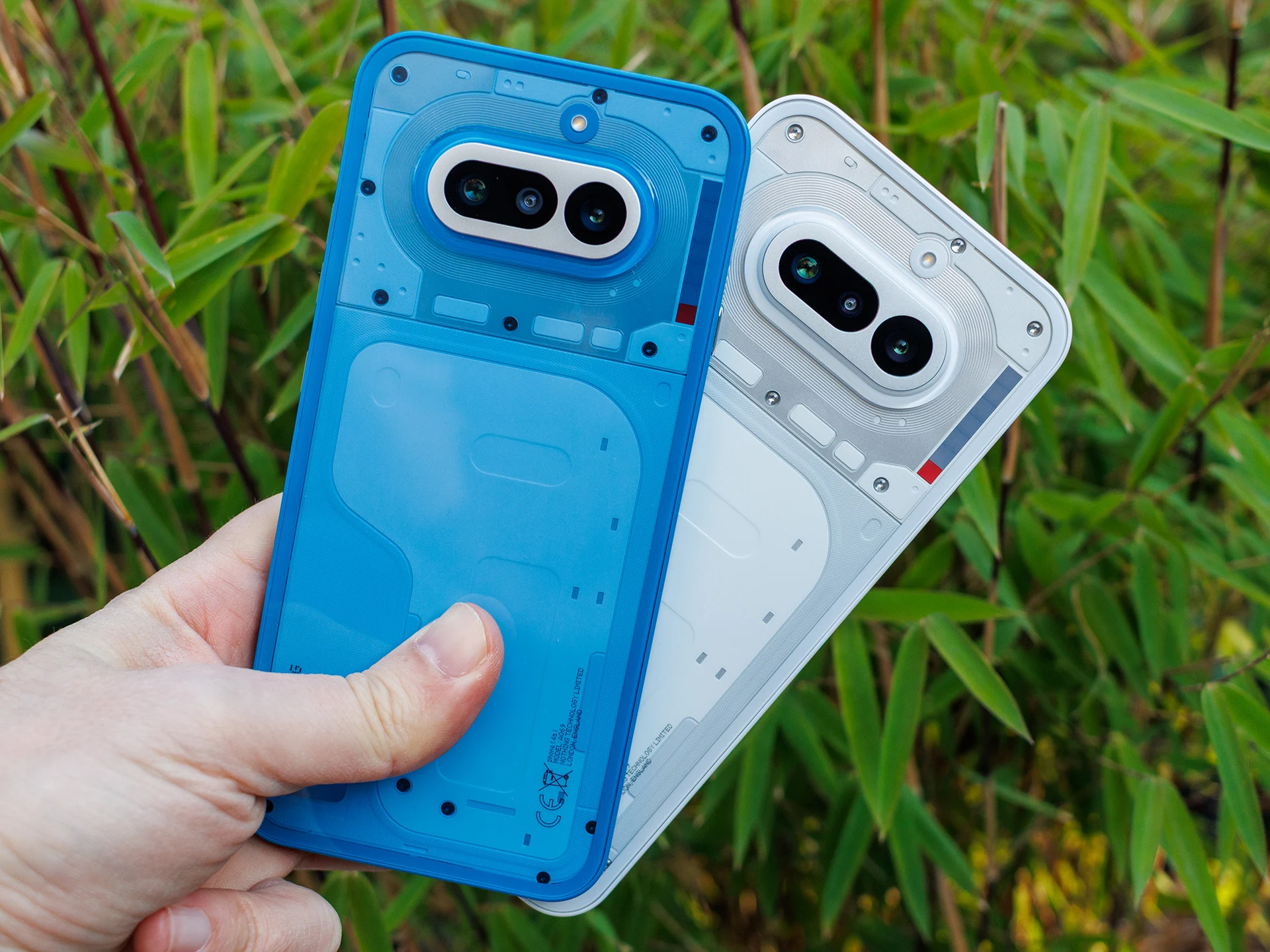
    The Nothing Phone (4a) builds on the strengths of its predecessor and improves the overall package in all the right places. Particularly notable are the significantly brighter 120Hz OLED display, the smooth everyday performance of the new Snapdragon 7s Gen 4 SoC, and the revamped camera setup. Above all, the new periscope zoom camera sets the smartphone apart from many mid-range competitors. Photos appear detailed and natural in good lighting conditions, while the optical zoom also delivers surprisingly strong results.

    Design and Battery

    Added to this is the signature transparent Nothing design with the eye-catching Glyph LEDs on the back, which can be customized and give the device a high recognition factor. The battery life is also impressive in everyday use, as is the clean and pleasantly minimalist Nothing OS interface. The device’s main weaknesses lie in the comparatively short update guarantee of only three Android versions and the heat buildup under heavy load.

    Comparison with Redmi Note 15 5G

    In a direct comparison with the Redmi Note 15 5G, the Nothing Phone feels significantly higher-quality and more modern. While the Redmi traditionally stands out for its strong value for money, large battery, and equally bright AMOLED display, the Nothing model clearly leads the way in terms of camera quality, software experience, and design. HyperOS, in particular, feels much more cluttered and less elegant compared to Nothing OS. The Redmi is therefore aimed more at price-conscious users who are primarily looking for a lot of features for little money.

    Galaxy A37 5G Perspective

    The Samsung Galaxy A37 5G, on the other hand, takes a different approach. Samsung focuses less on extravagant design or technical highlights and more on balance and long-term usability. Performance is solid, the cameras are reliable, and the Super AMOLED display is high-quality, even if it doesn’t quite match the vibrancy of the Nothing Phone. The biggest advantage of the Galaxy A37, however, lies in its software policy: Samsung offers significantly longer Android and security updates, making the device particularly attractive for users who want to use their smartphone for many years.

    Sources
    • New OnePlus Phone Leak: 185Hz Display, Strong Chip, 23% Bigger Battery

      New OnePlus Phone Leak: 185Hz Display, Strong Chip, 23% Bigger Battery

      Key Takeaway

      – Flagship-level specs: 6.78-inch flat display with 1.5K resolution, high refresh rate (185Hz planned; 240Hz tested).
      – High-performance internals: Snapdragon 8 Elite Gen 5 with potential active cooling (built-in fan).
      – Large battery and fast charging: around 9,000mAh capacity with 100W charging.

      Reliable tipster Digital Chat Station has revealed key details about a new OnePlus smartphone

      Reliable tipster Digital Chat Station has revealed key details about a new OnePlus smartphone. The source did not reveal the exact model name. However, it could be the OnePlus Ace 7, the successor to the OnePlus Ace 6. The information is shared with a casual tone, and the writer doesn’t pretend to know the final model yet, which keeps readers curious and a bit speculative, as such rumors typically do. It is important to note that, despite the enthusiasm, the details might change before official release, and fans should temper expectations while watching for official confirmations.

      Display expectations and screen tech

      The leak suggests that the new smartphone will feature a 6.78-inch flat screen with a “1.5K” resolution. The device is tipped to support at least a 185Hz refresh rate, though 240Hz is reportedly also being tested. This tells us the display aims for very smooth scrolling and gaming responsiveness, but it remains to be seen whether the final product will reach those targets in all modes or only under certain conditions. Consumers should consider battery and heat implications when pursuing extreme refresh rates.

      Processor, cooling, and power

      The upcoming OnePlus phone is expected to use the Snapdragon 8 Elite Gen 5, a flagship chipset that powers the OnePlus 15 (curr. $849 on Amazon). Notably, it may feature an active cooling system with a built-in fan. This combination could help sustain high performance in long gaming sessions, but it may also bring increased size, noise, or weight. The rumor also hints at advanced thermal solutions that could appeal to enthusiasts who push devices hard.

      Battery and charging expectations

      Additionally, the phone is expected to have a battery capacity of around 9,000mAh with 100W fast charging. For a comparison, the OnePlus Ace 6 comes with a 165Hz display, a Snapdragon 8 Elite chipset, and a 7,800mAh battery. The larger battery and fast-charging spec could translate to longer usage between charges, yet real-world endurance will depend on software optimization, display usage, and network activity, which are factors users constantly weigh when considering new devices.

      Launch timing and related notes

      The source has not revealed the launch details. However, since the OnePlus Ace 6 was released in October 2025, its successor may follow a similar launch timeline. In other news, the OnePlus 16 was previously tipped to feature the next-generation Snapdragon 8 Elite Gen 6 Pro and a 200MP primary camera. These timelines and specs are all speculative and should be treated as rumors until official announcements arrive from OnePlus or trusted channels. The chatter on social media points to a contested but intriguing lineup for future OnePlus devices.


      Sources

    • Xiaomi 200MP Leica Flagship Launch Date Revealed

      Xiaomi 200MP Leica Flagship Launch Date Revealed

      Key Takeaway

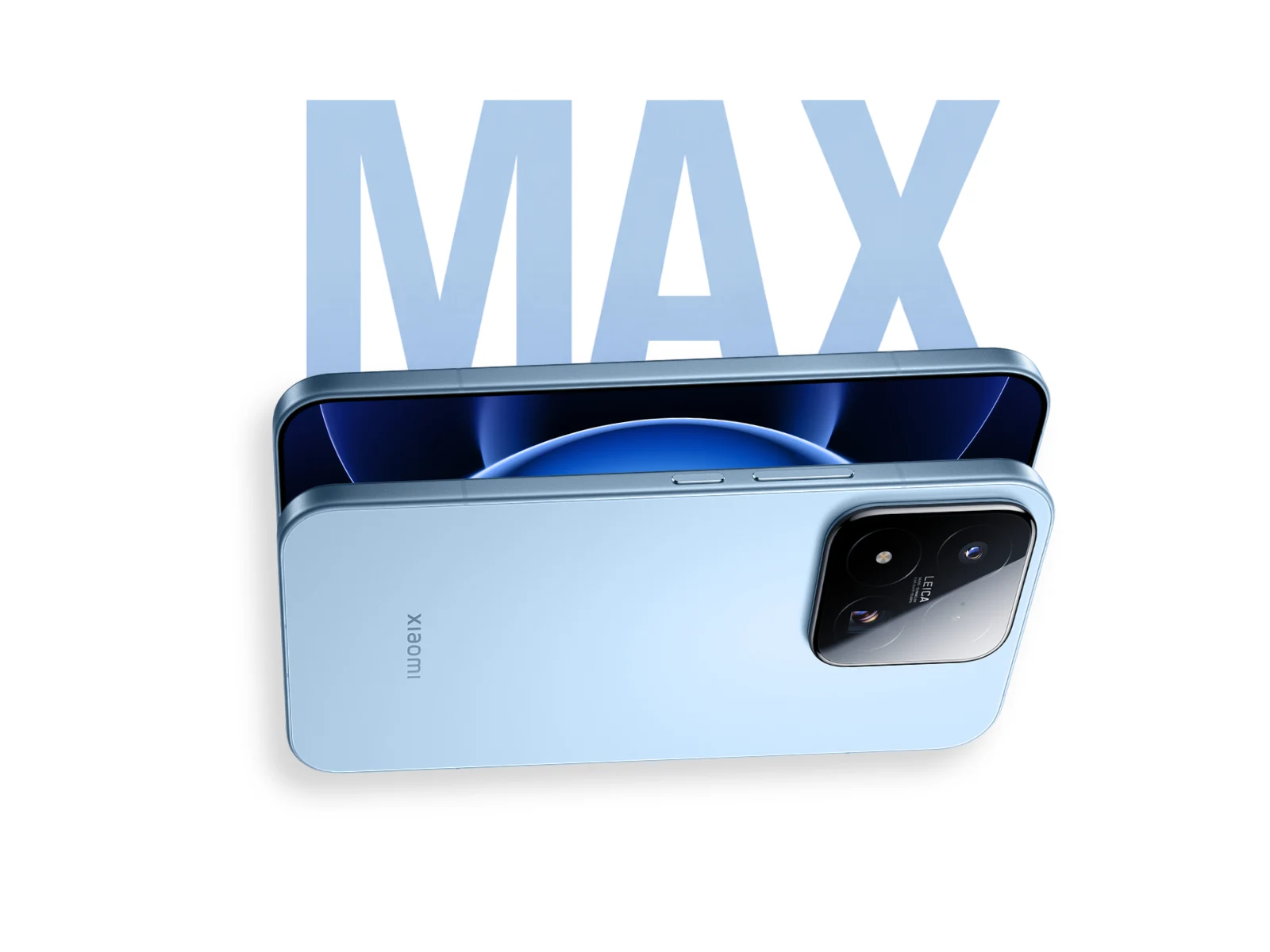
      – Xiaomi 17 Max launches on May 21 (China-only, no global launch confirmation) alongside YU7 GT, Band 10 Pro, and home appliances.
      – Key specs: 6.9-inch display, Snapdragon 8 Elite Gen 5, 200MP primary camera with Leica tuning.
      – Battery highlight: 8,000mAh capacity (larger than the 6,000mAh in the Xiaomi 17 Ultra).
      – Colors confirmed: Pixel Black, White, and Sky Blue.

      Xiaomi recently teased a new model in its flagship lineup, and the rumor mill has been buzzing as fans anticipate more details. The company has already laid out neighborhood specifics about the 17 series, which includes several variants named after different capabilities and features. Now, fresh information points to a particular member of that family coming into the spotlight soon, with a launch window in sight.

      Launch date and market scope

      The upcoming device is slated to debut on May 21, alongside other products like the Xiaomi YU7 GT and the Band 10 Pro, plus a collection of home appliances. This event is pegged to be a Chinese market affair, with no clear word yet on whether it will arrive globally. The timing suggests a focused regional rollout first, before any potential international availability.

      Hardware highlights

      Inside, the phone is expected to push strong performance with a large display measuring 6.9 inches, mirroring the dimensions seen on the 17 Pro Max. Powering the device will be the Snapdragon 8 Elite Gen 5 chipset, aimed at delivering robust speed and efficiency for gaming and multitasking. The camera setup is projected to include a 200MP primary shooter with Leica tuning, a combination likely to appeal to photography enthusiasts.

      Another standout feature rumored for the Xiaomi 17 Max is a massive 8,000mAh battery, which stands out against the 6,000mAh battery found in the top-tier Xiaomi 17 Ultra. Users could expect the battery to support long endurance between charges, a practical perk for heavy users and travelers alike. The colorways listed for the model include Pixel Black, White, and Sky Blue, giving a few personalized choices without being overly flashy.

      The company has not released every detail publicly, leaving some aspects to be confirmed closer to the launch. However, the information shared so far points to a device that emphasizes a large screen and lasting battery life, while keeping high-end camera capabilities in the mix. As with many Xiaomi releases, the exact official specs may still see minor adjustments before the device becomes available.

      Sources
    • iPhone 18 Pro & Pro Max Cases Shown; May Not Fit iPhone 17 Pro

      iPhone 18 Pro & Pro Max Cases Shown; May Not Fit iPhone 17 Pro

      Key Takeaway

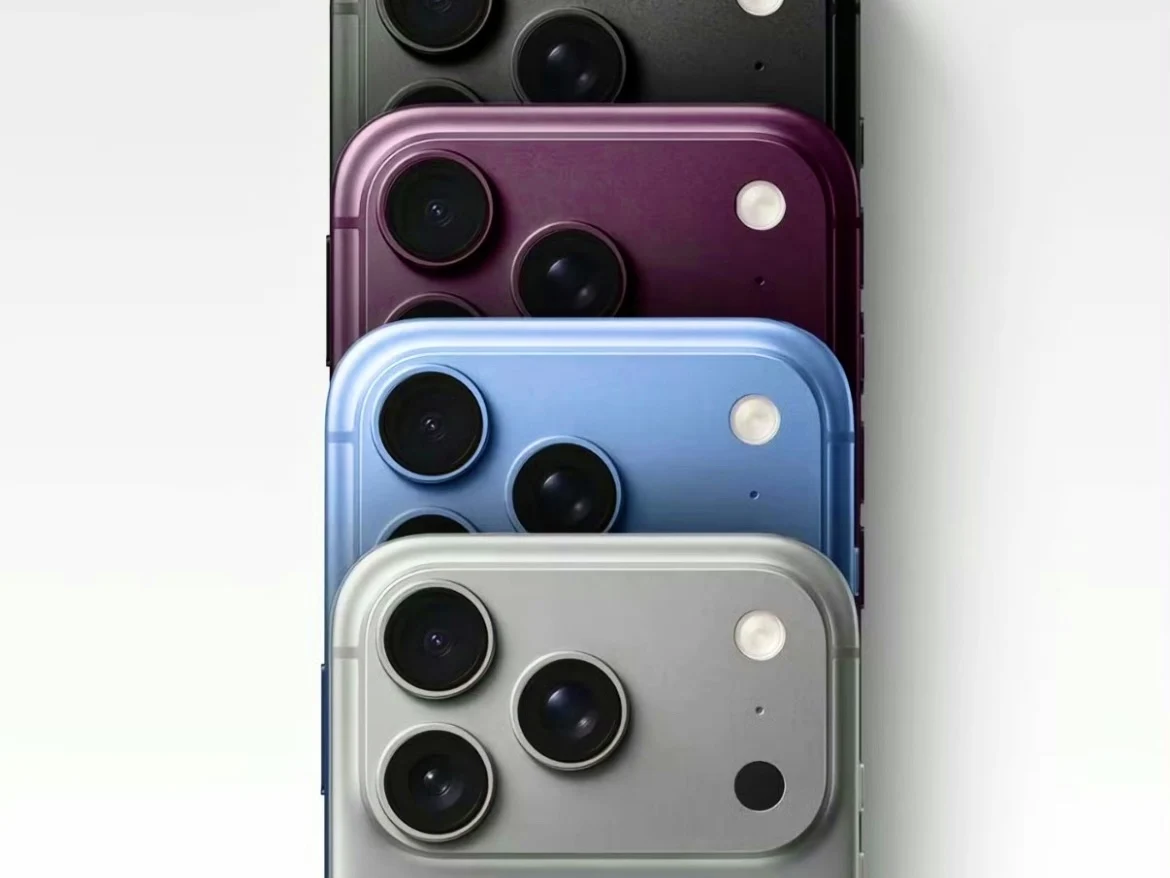
      – iPhone 18 Pro/Pro Max retain the current large camera island design, suggesting external dimensions stay similar to the iPhone 17 Pro despite internal camera upgrades.
      – Rumors point to a first-ever variable-aperture main camera with a larger sensor (around 1/1.12-inch) for the Pro lineup.
      – Leaked cases may not be fully compatible with the new phones due to a thicker camera bump, even if they look similar to iPhone 17 Pro cases.
      – Launch expected: September 2026 for the iPhone 18 Pro series, with a foldable iPhone Ultra as a separate “one more thing” reveal; iPhone 18/Air refresh reportedly in spring 2027.

      <!doctype html>

      With the official unveiling still months away, the first physical signs of the upcoming iPhone 18 Pro and iPhone 18 Pro Max have surfaced. The chatter in the rumor mill hints at a path Apple is carving that echoes the stylistic choices of the current generation, while promising some nuanced upgrades that fans might care about.

      Design cues linger, but whispers say there could be subtle shifts

      In these early glimpses, the signature camera island—an expansive plate that dominates the top portion of the back—remains a focal point, as if Apple wants that familiar silhouette to stay, even as internals stir. This plateau style, while prominent, may conceal changes like a 48MP main sensor with a variable aperture, yet the external footprint is not expected to drastically diverge from the current design language.

      Camera ambitions surface with variables and sensors

      Rumors point toward Apple debuting a variable aperture main camera on the iPhone 18 Pro series, potentially paired with a larger sensor around 1/1.12 inch. The notion excites enthusiasts who crave flexible shooting in varying light, though it’s still speculative until the hardware lineup is officially shown to the world. The leaked visuals leave room for interpretation, suggesting upgrades without a guaranteed exterior overhaul.

      The chatter also notes a thicker camera bump compared to the iPhone 17 Pro, which could be a consequence of the new 48MP variable aperture lens design. This implies that even if the leaked cases resemble the iPhone 17 Pro cases, they might not perfectly align, and accessory compatibility could be inconsistent, a quirk that would frustrate some buyers but make sense if the internal stack grows.

      Launch timing and product lineup rumors

      Industry chatter puts the iPhone 18 Pro series on a September 2026 window for its debut, a pattern that mirrors Apple’s usual autumn cadence for major unveilings. In parallel, there’s talk of a foldable iPhone Ultra joining the portfolio as a glossy “one more thing” moment, while the more traditional vanilla iPhone 18 and an iPhone Air refresh are tentatively pegged for a spring 2027 introduction, a path that keeps Apple’s product ladder intriguing for a few years.

      Sources
    • iPhone Ultra Foldable Delayed by Major Design Issues, Leaked Info Says

      iPhone Ultra Foldable Delayed by Major Design Issues, Leaked Info Says

      Key Takeaway

      – Display crease issues appear resolved, with tests showing a visually creaseless screen over time.
      – The hinge mechanism is the major bottleneck, failing high-frequency folding tests and not meeting quality standards.
      – Apple may delay the foldable iPhone’s launch (potentially indefinitely) if hardware flaws aren’t resolved; a 2027 delay is possible.

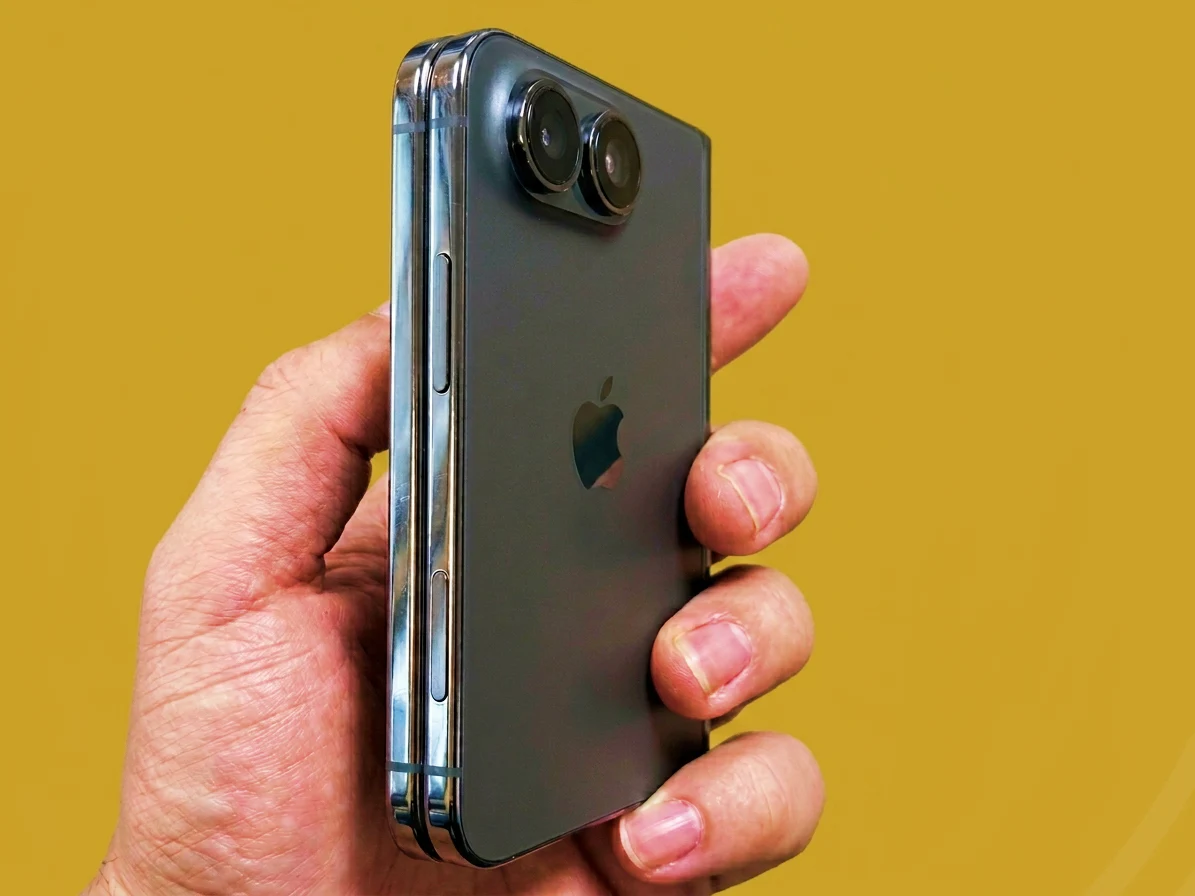
      Apple’s highly anticipated entry into the foldable market has hit a critical roadblock, says a new report from a known supply chain insider, claiming that trial production for the foldable iPhone Fold (internally known as the iPhone Ultra) has stalled due to durability concerns. The claim, while sensational, hints at deep engineering challenges that could delay a flagship device the company has long teased. The tone of the leak suggests that insiders are cautiously optimistic about some improvements, but wary about the persistent mechanical hurdles that could sink the project if not resolved swiftly.

      Display progress and persistent hurdles

      According to the leak, Apple has actually made significant progress in one of the industry’s toughest areas – the display crease. Internal testing results reportedly show a screen that maintains a “visually creaseless” look with long-term use, which would be a major win for a device that hinges on visual integrity and user experience. The improvement in the display area stands in stark contrast to the lingering concerns about other components, and it signals that the company may be nearing a balanced solution for the fold until more comprehensive trials finish.

      Hinge issues threaten the timeline

      However, the hinge mechanism remains the primary bottleneck. The mechanical hinge is currently failing to meet Apple’s stringent quality standards after high-frequency folding tests. This portion of the design is where the device faces intensified scrutiny, and the failure to meet expected durability thresholds could mean continued refinement or even redesigns. The durability tests emphasize repeated folding, which judges the hinge’s resistance to wear over time and its ability to sustain smooth operation for years, not months.

      Retail readiness versus speculative timelines

      While the screen holds up, the physical wear and tear on the internal moving parts are deemed unacceptable for a retail device, which is why Apple is ready to delay the launch of the iPhone Ultra/Fold indefinitely rather than release a product with mechanical flaws. The decision underscores a cautious strategy that prioritizes reliability over speed, suggesting the company would rather postpone than ship a compromised experience. This stance mirrors past practice where Apple emphasized long-term value and user trust over early market entry.

      Potential timing if hardware hurdles resolve

      If Apple solves the hardware challenges on time, the first foldable iPhone should be announced alongside the iPhone 18 Pro series in September, powered by the 2nm A20 Pro chip and Apple Intelligence. The pairing with these advanced technologies would position the foldable as a high-end proposition, leveraging Apple’s latest silicon and software innovations to maximize performance and efficiency in a complex device. The plan hints at a coordinated release that aligns with a major product cycle.

      What happens if issues persist

      However, if these mechanical issues persist, a slip into 2027 is likely as Apple refuses to compromise. A delay of that length would adjust expectations across the market and could alter competitive dynamics in the foldable segment, but it would also allow more time for design refinements and reliability improvements. The scenario stresses that Apple’s ultimate choice will weigh careful engineering against strategic timing, a calculus that has defined many of its product rollouts.

      Instant Digital


      Sources

    • Xiaomi Air Canceled: Ultra-Thin Phone with 200MP Camera, Flagship Chip

      Key Takeaway

      – Xiaomi reportedly considered an ultra-thin phone (cited by CEO Lu Weibing) but canceled it due to battery life and performance concerns.
      – The leaked specs suggest a Xiaomi “Air” with a 6.59″ 1.5K display, Snapdragon 8 Elite Gen 5, dual 200MP rear cameras, and a battery likely between 5,000–5,999 mAh, under 6.0 mm thick.
      – Uncertainty remains whether Xiaomi will revive an ultra-thin model; competitors like Apple and Samsung are pushing their own ultrathin designs.

      In 2025, a handful of manufacturers launched ultra-slim smartphones such as the Samsung Galaxy S25 Edge, Apple iPhone Air, Motorola Edge 70, and the Honor Magic 8 Pro Air . It turns out Xiaomi also planned to release its own thin smartphone, but eventually had to cancel it. Now, a leak has revealed the key specs of the phone.

      Rumors and Confirmation

      The evidence that Xiaomi was working on an ultra-thin smartphone comes from Xiaomi’s own CEO, Lu Weibing, who is reported to have responded to a question asking if Xiaomi would release its own take on the iPhone Air. The question was reportedly posed to the Xiaomi executive during a live broadcast on May 16. The CEO stated that Xiaomi had begun development of an ultra-thin smartphone, and was even close to mass-producing it, before it decided to scrap it at. He cited issues with battery life and performance due to the phone’s extremely thin design. So rather than releasing a device users wouldn’t be satisfied with, they made the decision to cancel the phone.

      Emerging Details

      Now, the popular leaker, Digital Chat Station, has released the key specs of the phone based on a prototype. According to a post on Weibo, the phone, which is unofficially called the Xiaomi Air, would have a 6.59-inch display with a 1.5K (2712 × 1220) resolution. It would also have a Snapdragon 8 Elite Gen 5 processor, while the back would house dual cameras that include a 200MP primary camera.

      Battery, Thickness, and Comparisons

      The leak didn’t reveal the battery capacity, but said the first figure is a “5” which means it would be between 5,000mAh and 5,999mAh. The phone’s thickness is also said to begin with a “5”, which means its thickness is less than 6.0mm. For comparison, the iPhone Air has a thickness of 5.6mm while the Galaxy S25 Edge is 5.8mm thick.

      Future Prospects

      It remains to be seen if Xiaomi will eventually make an ultra-thin smartphone in the future. Apple on the other hand, is expected to launch a follow-up to the iPhone Air, and might even announce it this year.

      Sources
    • Vivo X300 Ultra: 2026’s Best Videography Phone

      Vivo X300 Ultra: 2026’s Best Videography Phone

      Key Takeaway

      – Robust video capabilities: up to 8K, 4K120 across all focal lengths, plus 120fps in Dolby Vision with 10-bit Log.
      – Pro video suite and cinematic presets: Pro Video controls with white balance/ISO and Film Look/Film Style profiles.
      – Strong stabilization: excellent OIS + EIS, comparable to the 2025 Galaxy flagships in motion testing.
      – Autofocus caveat and versatile zoom: autofocus can struggle during fast movement; 14mm–230mm range with multiple zoom levels tested.

      In our Vivo X300 Ultra review, we’ve already discussed the flagship phone’s excellent camera capabilities – setting aside its weaknesses in color reproduction for the moment. Nevertheles, for a high-end device to claim an outstanding camera system, the ability to capture high-quality video remains essential, not optional. The X300 Ultra leans into this expectation with a refined approach to motion recording, promising that the best moments can be preserved with pleasn detail, stability, and nuance even in challenging lighting.

      Video capabilities and format

      On the video front, the X300 Ultra doesn’t disappoint. It offers a 4K120 option across all focal lengths, and it can also record at 120 fps in Dolby Vision and 10-bit Log. As any flagship expected, the ability to capture video up to 8K is also supported, though real-world workflows may vary. Pricing details are not provided in this extract.

      Pro Video features and modes

      Vivo has equipped the X300 Ultra with a new Pro Video mode that offers comprehensive control over parameters such as white balance and ISO. Other additions highlighted by Vivo include Film Look and Film Style modes, which use film-inspired color profiles to help create professional-looking cinematic footage.

      Stability and testing setup

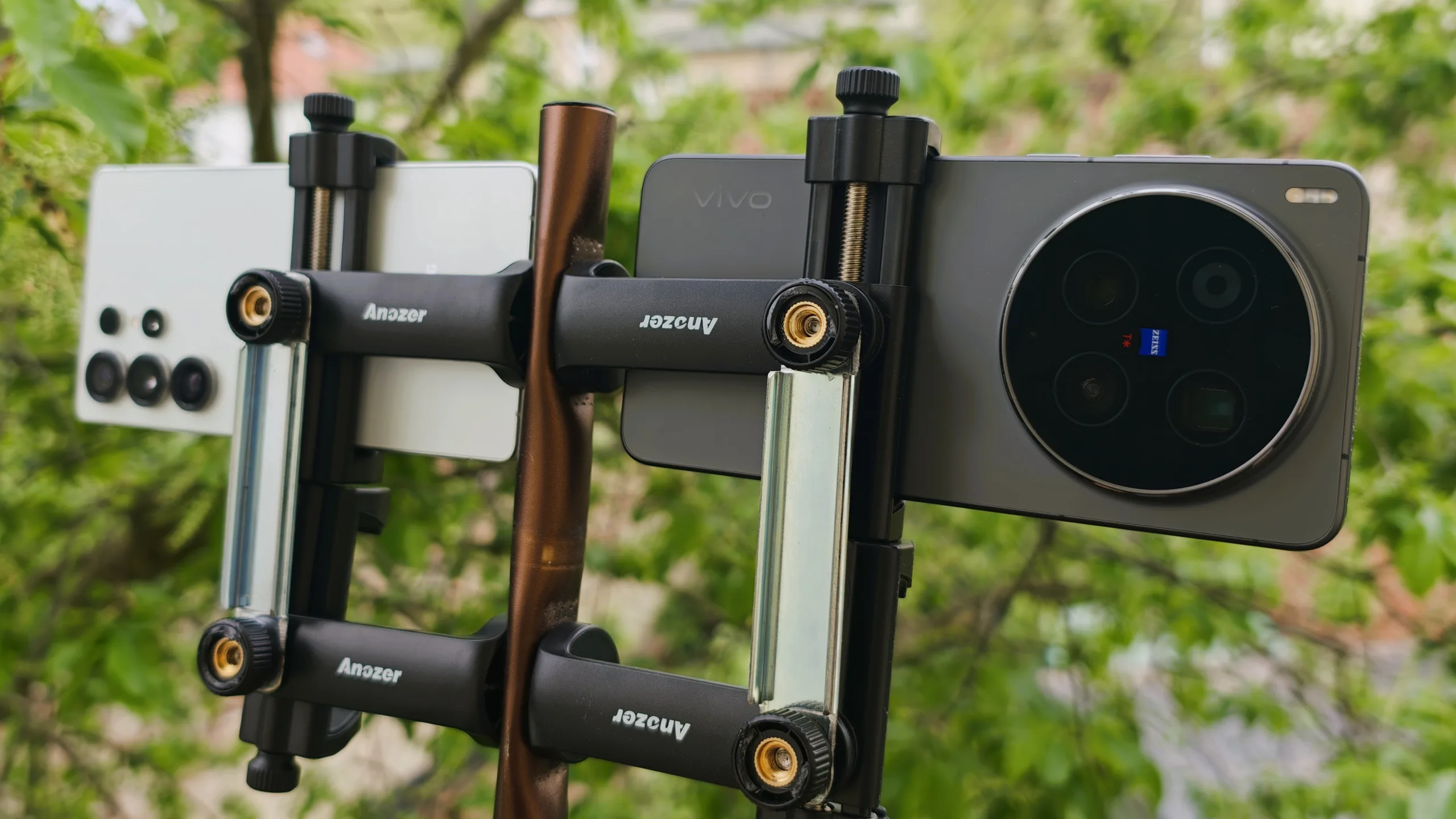
      In the video below, we set out to evaluate the Vivo X300 Ultra’s image quality and stabilization (OIS + EIS) in motion by subjecting the phone to a very challenging scenario involving rapid pans and shakes. For this test, we used the 4K30 option with Dolby Vision, which is supported by all sensors. For a more complete picture, we also compared the main camera’s image stabilization with what the Samsung Galaxy S25 Ultra offers.

      Footage context

      Check out our full review of the Vivo X300 Ultra for more details and access to all the footage we captured with the Zeiss camera system. The combination of these tests and the accompanying clips provide a broad view of how the device handles real-world video tasks, from steady family moments to fast-paced action scenes, all while maintaining a premium feel that elevates mobile videography.

      Zoom range and focus issues

      With the Vivo X300 Ultra, videography enthusiasts can look forward to highly detailed footage across a range of 14 mm to 230 mm. In our test videos, we used zoom levels of 0.6x, 1.5x, 3.7x, 7.4x and 10x. Image stabilization is excellent and roughly on par with the 2025 Galaxy flagship. However, the X300 Ultra’s autofocus exhibited noticeable issues during fast movements, which we demonstrated by running in the second video. The second clip was captured in Film Look.

      Final thoughts and test note

      Test Vivo X300 Ultra. To wrap up, the final evaluation reflects a blend of strengths and caveats that videographers will weigh against their needs. The 4K120 across focal lengths, 120 fps Dolby Vision, 10-bit Log, and the Pro Video options offer meaningful creative leverage, even if autofocus can stumble during rapid motion. In controlled scenarios, the X300 Ultra proves itself as a capable tool for cinematic ambitions.


      Sources

    • Vivo iQOO 15T: 200 MP Camera, 8000mAh Battery

      Vivo iQOO 15T: 200 MP Camera, 8000mAh Battery

      Key Takeaway

      – 200 MP main camera with 4x digital zoom (no telephoto) and stabilized lens for longer exposures.
      – Rumored 50 MP ultra-wide and 16 MP selfie camera to accompany the 200 MP main cam.
      – 8000 mAh battery with 100W USB-C charging and Global Direct Drive Power Supply 2.0 to reduce temperature during charging and gaming.
      – 144 Hz AMOLED display and flagship processor, with official launch on May 20.

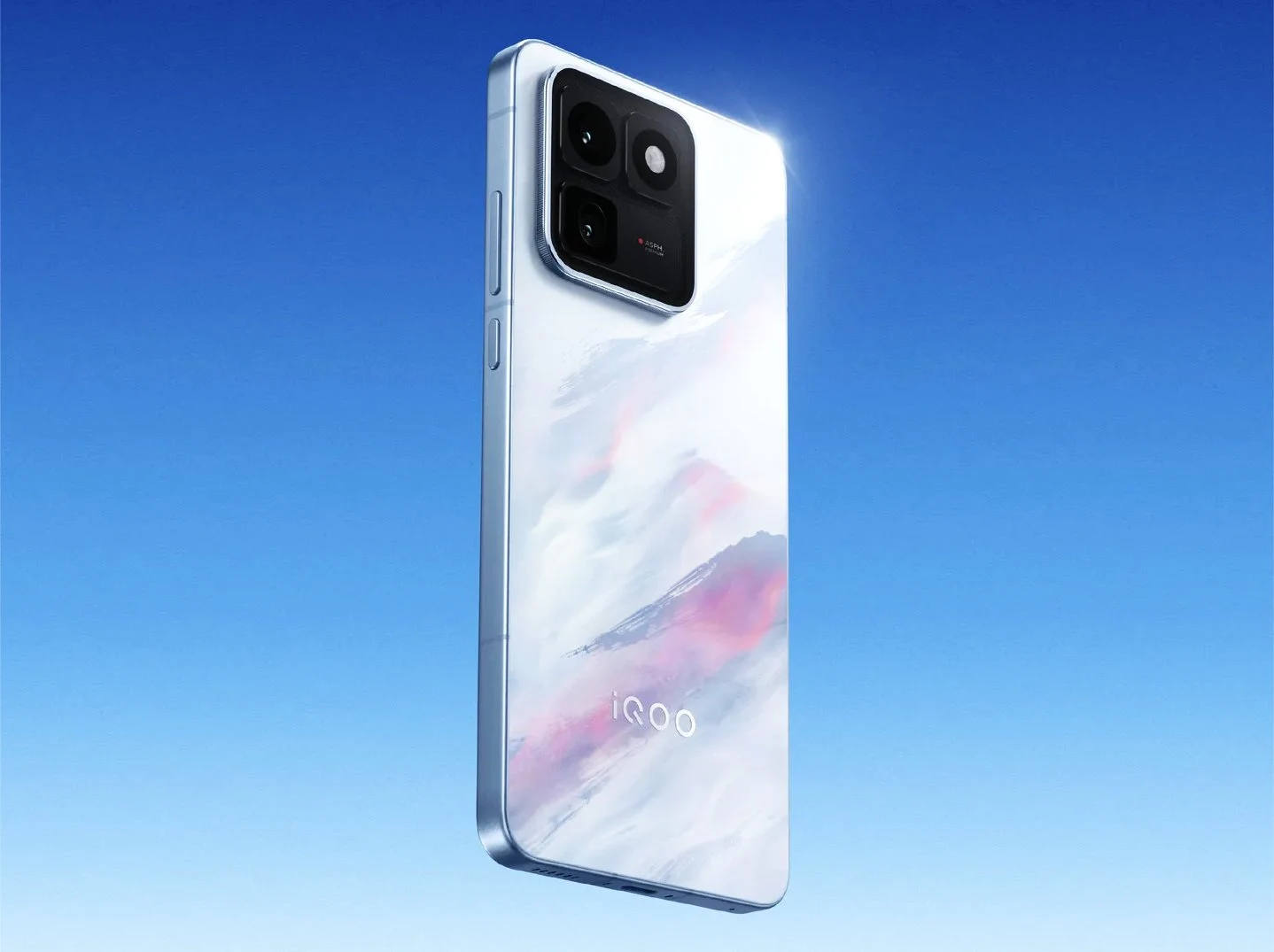
      Vivo already confirmed a few days ago that the iQOO 15T will be officially unveiled on Wednesday, May 20. Now the manufacturer has published two more teaser images that confirm two highlights of the smartphone. First and foremost, the iQOO 15T offers a 200 megapixel main camera, putting it in competition with expensive flagships such as the Samsung Galaxy S26 Ultra ($1,299 on Amazon).

      Teaser highlights and pricing

      This camera is said to support 4x digital zoom – a clear indication that the iQOO 15T does not offer a dedicated telephoto camera. Even with a 200 MP sensor, 4x digital zoom means that photos are only taken with a resolution of 12.5 megapixels on a section of the sensor that corresponds to just 6 percent of the sensor area – the quality of the zoom is therefore likely to suffer significantly from the lack of a telephoto camera. At least the main camera uses a stabilized lens, which should enable a 4.5 f-stop longer exposure time without photos looking blurred.

      Camera and battery details

      According to rumors, Vivo is adding a 50 MP ultra-wide-angle camera and a 16 MP selfie camera to the 200 MP main camera. The second teaser image confirms that the iQOO 15T is equipped with an 8,000 mAh battery that can be charged via USB-C with up to 100 watts. A feature called “Global Direct Drive Power Supply 2.0” is intended to change the charging behavior to reduce the temperature of the case when charging and gaming at the same time. The Vivo iQOO 15T is said to be equipped with a flagship processor and a 144 Hz AMOLED display; Vivo is expected to confirm all other details about the features at the latest at the launch on May 20.


      Sources