
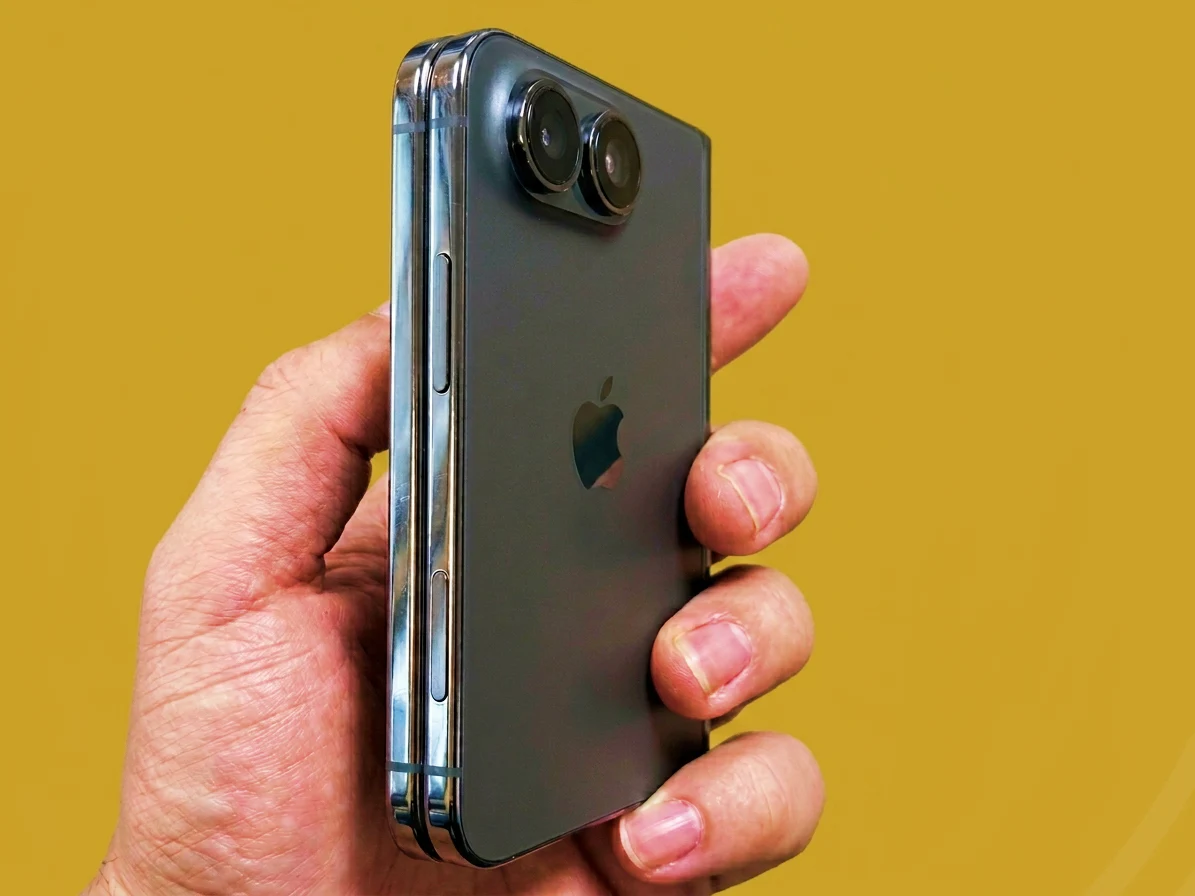
– Display crease issues appear resolved, with tests showing a visually creaseless screen over time.
– The hinge mechanism is the major bottleneck, failing high-frequency folding tests and not meeting quality standards.
– Apple may delay the foldable iPhone’s launch (potentially indefinitely) if hardware flaws aren’t resolved; a 2027 delay is possible.
Apple’s highly anticipated entry into the foldable market has hit a critical roadblock, says a new report from a known supply chain insider, claiming that trial production for the foldable iPhone Fold (internally known as the iPhone Ultra) has stalled due to durability concerns. The claim, while sensational, hints at deep engineering challenges that could delay a flagship device the company has long teased. The tone of the leak suggests that insiders are cautiously optimistic about some improvements, but wary about the persistent mechanical hurdles that could sink the project if not resolved swiftly.
Display progress and persistent hurdles
According to the leak, Apple has actually made significant progress in one of the industry’s toughest areas – the display crease. Internal testing results reportedly show a screen that maintains a “visually creaseless” look with long-term use, which would be a major win for a device that hinges on visual integrity and user experience. The improvement in the display area stands in stark contrast to the lingering concerns about other components, and it signals that the company may be nearing a balanced solution for the fold until more comprehensive trials finish.
Hinge issues threaten the timeline
However, the hinge mechanism remains the primary bottleneck. The mechanical hinge is currently failing to meet Apple’s stringent quality standards after high-frequency folding tests. This portion of the design is where the device faces intensified scrutiny, and the failure to meet expected durability thresholds could mean continued refinement or even redesigns. The durability tests emphasize repeated folding, which judges the hinge’s resistance to wear over time and its ability to sustain smooth operation for years, not months.
Retail readiness versus speculative timelines
While the screen holds up, the physical wear and tear on the internal moving parts are deemed unacceptable for a retail device, which is why Apple is ready to delay the launch of the iPhone Ultra/Fold indefinitely rather than release a product with mechanical flaws. The decision underscores a cautious strategy that prioritizes reliability over speed, suggesting the company would rather postpone than ship a compromised experience. This stance mirrors past practice where Apple emphasized long-term value and user trust over early market entry.
Potential timing if hardware hurdles resolve
If Apple solves the hardware challenges on time, the first foldable iPhone should be announced alongside the iPhone 18 Pro series in September, powered by the 2nm A20 Pro chip and Apple Intelligence. The pairing with these advanced technologies would position the foldable as a high-end proposition, leveraging Apple’s latest silicon and software innovations to maximize performance and efficiency in a complex device. The plan hints at a coordinated release that aligns with a major product cycle.
What happens if issues persist
However, if these mechanical issues persist, a slip into 2027 is likely as Apple refuses to compromise. A delay of that length would adjust expectations across the market and could alter competitive dynamics in the foldable segment, but it would also allow more time for design refinements and reliability improvements. The scenario stresses that Apple’s ultimate choice will weigh careful engineering against strategic timing, a calculus that has defined many of its product rollouts.
Instant Digital
Leave a Reply