Category: Home

  • Hubble’s Stunning ‘Lost Galaxy’ Image Named Picture of the Week

    Hubble’s Stunning ‘Lost Galaxy’ Image Named Picture of the Week

    Key Takeaways

    1. NGC 4535 is a spiral galaxy located about 50 million light-years away in the Virgo constellation, featuring a central bar and active spiral arms.
    2. The blue glow of the spiral arms is due to young, massive, and hot stars, while pink areas, known as H II regions, are formed by ionized hydrogen gas from newly formed stars.
    3. The galaxy can be hard to see in small telescopes, earning it the nickname “Lost Galaxy” due to its faint appearance under certain conditions.
    4. The Hubble image of NGC 4535 is part of the PHANGS project, which aims to catalog about 50,000 H II regions in nearby galaxies and study the relationship between young stars and cold gas.
    5. A Star Projector Galaxy Night Light is available for purchase on Amazon for $34.99.


    NGC 4535 is a spiral galaxy found roughly 50 million light-years away within the Virgo constellation, also known as The Maiden. This galaxy features a prominent central bar composed of stars and extensive spiral arms, which are full of activity.

    The Colorful Glow

    In the image captured, the spiral arms shine predominantly in blue, with numerous pink dots sprinkled throughout. The blue hue is produced by young, massive, and hot stars.

    The pink areas visible are referred to as H II (“H-two”) regions. These areas come into existence when newly formed, hot, massive stars ionize the nearby hydrogen gas with their ultraviolet radiation. Hubble’s earlier images of NGC 4535 did not effectively showcase these star-forming nebulae.

    A Challenging View

    In the Hubble image, NGC 4535 stands out as bold, bright, and vibrant. However, under different viewing circumstances, it can be quite hard to see its details. When observed through a small telescope, it appears very faint, which has led to its nickname, the “Lost Galaxy.”

    This image of NGC 4535 utilizes data from a research initiative aimed at cataloging approximately 50,000 H II regions in nearby galaxies that are forming stars. The galaxy is part of the PHANGS (Physics at High Angular Resolution in Nearby GalaxieS) project, which aims to explore the connection between young stars and cold gas.


    Source:
    Link


  • Japanese System Delivers 16-Foot Power Range with Infrared LEDs

    Japanese System Delivers 16-Foot Power Range with Infrared LEDs

    Key Takeaways

    1. A new system from the Institute of Science Tokyo enables wireless energy transfer for small devices using a concentrated LED light beam, effective up to 16 feet (5 meters).

    2. The technology targets IoT devices, reducing the need for frequent battery changes and maintenance by using high-powered infrared LEDs instead of lasers, which can be hazardous.

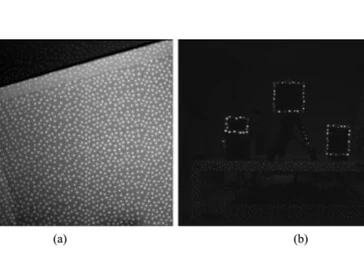
    3. The system features a two-stage lens arrangement, with a liquid lens for dynamic focus adjustment and a fixed lens to direct the beam at photovoltaic cells.

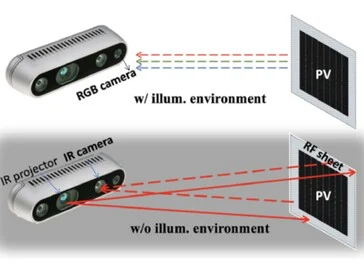
    4. It can power moving devices by using a two-axis mirror and a depth camera to track solar cells, ensuring reliable operation in various lighting conditions.

    5. Current efficiency is at 56.2%, with a goal to improve it to 80% for practical applications, making it suitable for industrial sensor networks, smart home devices, and medical tools.


    A research group from the Institute of Science Tokyo has unveiled a novel system that empowers small devices through a concentrated LED light beam, allowing for wireless energy transfer across distances of up to 16 feet (5 meters). This technology is mainly aimed at IoT devices, which are networked sensors found in both everyday and industrial settings, like smart thermostats or motion detectors that share data automatically. The findings were published on November 3 in the journal Optics Express.

    Simple and Effective Concept

    The idea is quite simple: a concentrated LED beam is aimed at photovoltaic cells that transform the light into electrical energy, presenting a possible solution to the rising issue of powering an ever-growing number of IoT devices. As these devices continue to grow in number, so do the expenses and efforts related to battery changes and upkeep. While optical power transmission over several feet is already a reality, it often relies on laser beams, which can be hazardous. Instead, the research team led by Tomoyuki Miyamoto and Mingzhi Zhao opted for high-powered infrared LEDs as a safer option.

    Innovative System Design

    At the core of the system lies an infrared LED, which is sharply focused using a two-stage lens arrangement. A liquid lens adjusts the focus dynamically, while a fixed lens aims the beam at the photovoltaic cells. The study indicates that the LED beam is precise enough to consistently strike small solar cells at distances beyond 16 feet.

    Powering Movement

    The system is also capable of powering moving devices. To facilitate this, it integrates a two-axis mirror arrangement with a depth camera. The Intel RealSense D435 identifies the small solar cells using standard imaging during daylight and retroreflector signals at night. An AI model oversees the system, ensuring that the light beam is consistently tracked and focused through the liquid lens. The researchers assert that the system functions reliably under all lighting conditions, which is essential for IoT sensors operating in industrial or remote settings.

    The study’s findings reveal that while the system is dependable, it currently lacks the efficiency needed for everyday practical applications. In trials, it reached an efficiency of 56.2%, mainly constrained by radiation losses and absorption in the liquid lens. The researchers aim to enhance this number to as much as 80% by refining the LED optics, making real-world applications more achievable. In the long run, this technology could be applied in situations where battery changes are expensive or cabling is not feasible, particularly in industrial sensor networks, and potentially in smart home devices or medical measurement tools.


    Source:
    Link


  • Aqara Launches New Matter Smart Home Hub with PoE Support

    Aqara Launches New Matter Smart Home Hub with PoE Support

    Key Takeaways

    1. The Aqara Hub M200 is a versatile smart home device that acts as a Matter controller, bridge, and Thread border router.
    2. It supports over 50 different product types, allowing integration with platforms like Apple Home, Google Home, and Home Assistant.
    3. The hub features a 360° infrared (IR) blaster for controlling IR devices like air conditioners when paired with an Aqara Climate Sensor.
    4. It offers dual-band Wi-Fi connectivity and can be powered via USB-C or Power over Ethernet (PoE), with flexible installation options.
    5. The pricing is set at $59.99 in the US, £59.99 in the UK, €59.99 in Spain and France, and €69.99 in the Netherlands and Germany.


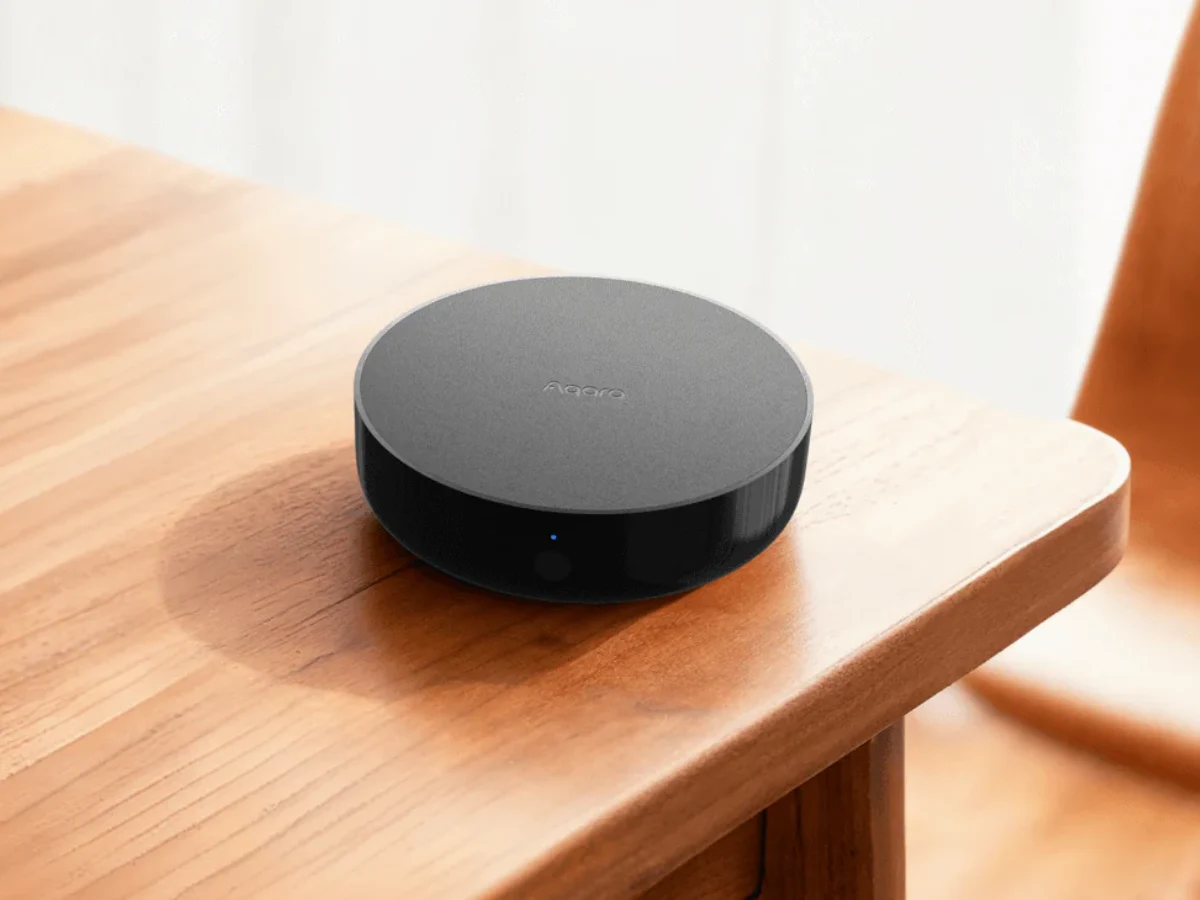
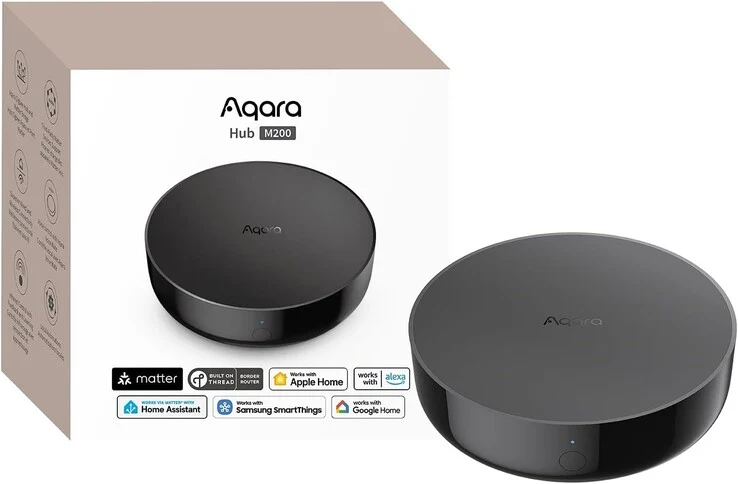
    The Aqara Hub M200 has now launched globally. This innovative smart home gadget made its debut at the IFA event in September 2025. It’s designed to serve multiple functions, acting as a Matter controller, a Matter bridge, and a Thread border router.

    Connectivity and Integration

    As a Matter controller, the Hub M200 allows users to link devices from various brands, with compatibility for over 50 different product types. This means that you can manage connected devices remotely through the Aqara Home app. You also have the option to integrate the Aqara device into other smart home platforms such as Apple Home, Google Home, or Home Assistant. When utilized as a Thread border router, it can link to additional smart speakers and hubs, enhancing the coverage and stability of your Thread network thanks to its mesh extending capabilities.

    Features and Specifications

    Furthermore, the Aqara Hub M200 functions as a 360° infrared (IR) blaster. It can connect with certain IR-controlled air conditioners, allowing for intelligent management when paired with an Aqara Climate Sensor. The hub supports dual-band Wi-Fi (2.4GHz/5GHz) and can be powered through USB-C or Power over Ethernet (PoE). It includes a built-in speaker and offers flexible installation options—mounting on walls or ceilings, or simply sitting on a table. The device is round, featuring a sleek black design, and measures 3.96 x 1.21 inches (approximately 100.5 x 30.75 mm).

    Pricing and Availability

    You can purchase the Aqara Hub M200 from the brand’s online store in the US for $59.99. In the UK, it is available on Amazon for £59.99. For customers in EU nations like Spain and France, the price is €59.99, while in the Netherlands and Germany, it costs a bit more at €69.99.

    Aqara, Smart Home Assistant.

    Source:
    Link


  • Tink Launches Affordable Motion Sensor in Europe

    Tink Launches Affordable Motion Sensor in Europe

    Key Takeaways

    1. Tink has launched the Basics Motion Sensor (Matter) in Germany, expanding its smart home product line.
    2. The Motion Sensor detects human movement within a 90° angle and a range of 3-7 meters, enhancing home security and automation.
    3. Users receive real-time push notifications via the tink app or other smart home applications, like Google Home.
    4. The sensor is easy to install with an adjustable angle base and operates on two AAA batteries in temperatures from -10 to 50°C.
    5. The motion sensor is priced at €29.95 in Germany, with no current availability in other countries like the Netherlands and Belgium.


    The tink Basics Motion Sensor (Matter) has made its debut in Germany. Tink, a company focused on smart home technology, offers devices from various brands and features its own products in the tink Basics line, such as the Smart Plug, which is currently priced at €16.99 on Amazon DE.

    Motion Detection for Security

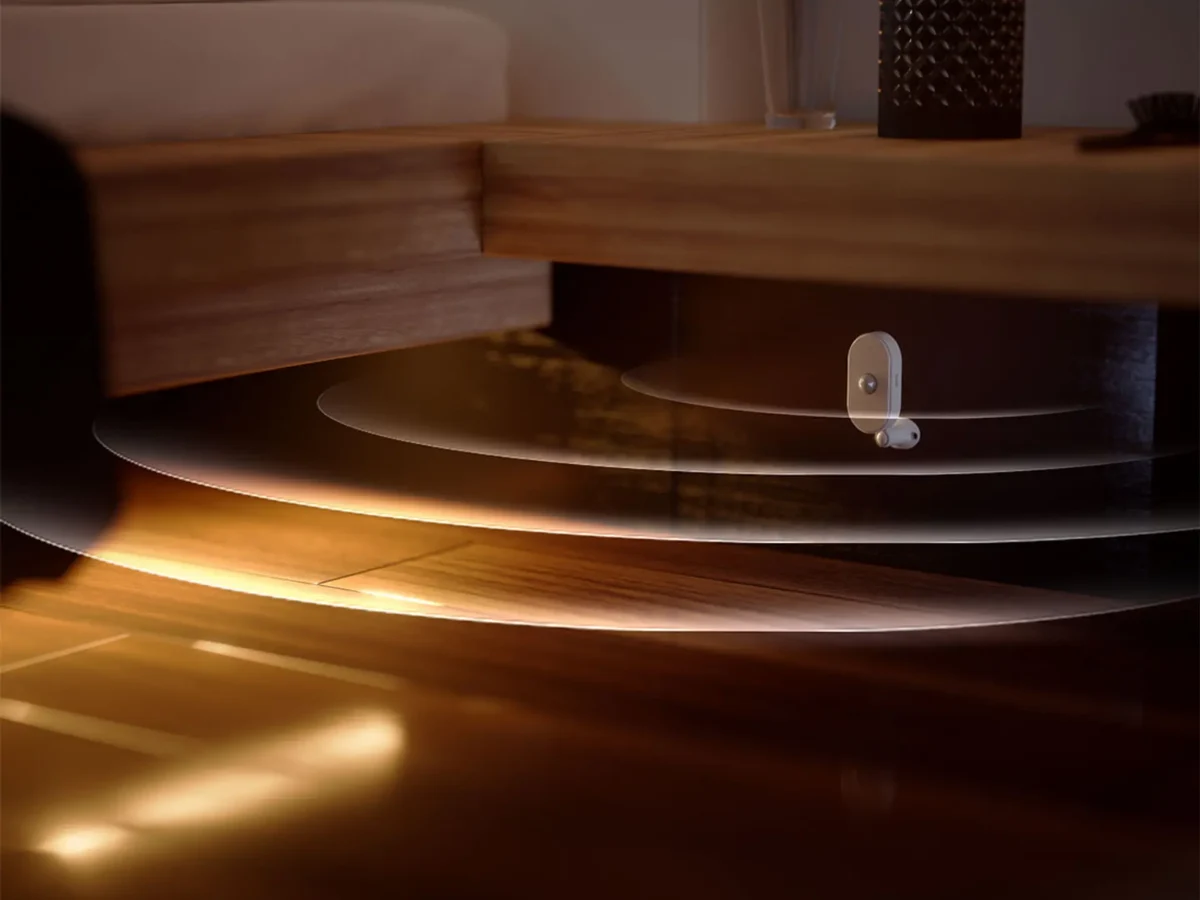
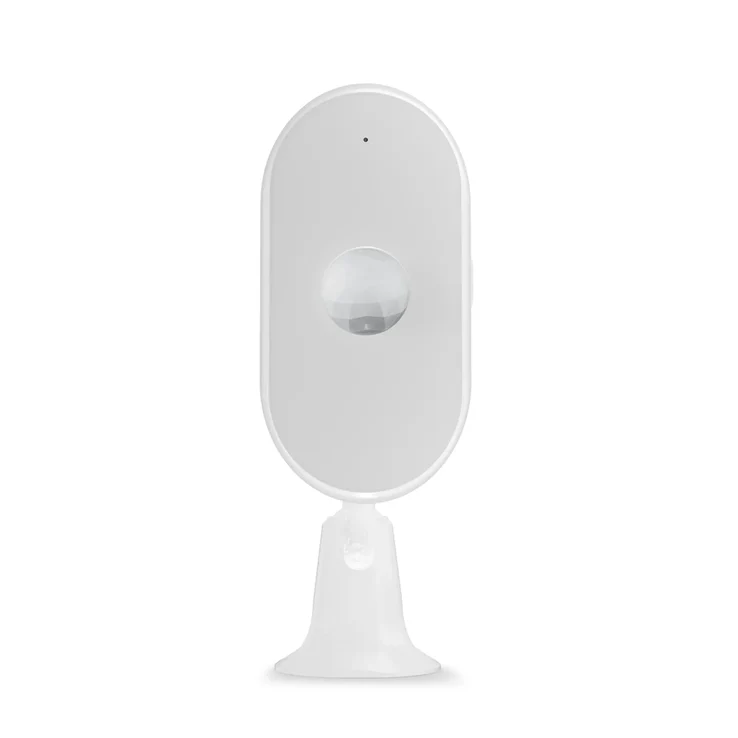
    The new Motion Sensor by Tink is meant for detecting human movement within your living space. This can be used as a security measure while you’re away from home, or to activate other connected smart home devices like lighting. It boasts a detection angle of 90° and can sense motion from a range of 3-7 meters (about 9.8 to 23.0 feet). As a Matter-over-Thread device, it can work with various smart home ecosystems, but it must be connected to a Thread border router.

    Real-Time Notifications

    With the tink Motion Sensor, users can get instant push notifications through the company’s app or other smart home applications such as Google Home. The sensor features an adjustable angle base, making it simple to install on either walls or ceilings. This white gadget runs on two AAA batteries and functions efficiently in temperatures ranging from -10 to 50°C (approximately 14 to 122°F). Its dimensions are 12.3 x 4.5 x 2.4 cm (roughly 4.8 x 1.8 x 0.9 inches).

    Pricing and Availability

    You can currently purchase the tink Basics Motion Sensor (Matter) from the brand’s online shop in Germany for €29.95. This price is quite reasonable, especially considering the features it offers. However, it remains uncertain when tink will make this product available on its websites in other countries such as the Netherlands and Belgium.

    Tink, Smart Home Assistant.

    Source:
    Link


  • Astronomers Discover Stellar Stream as Long as the Milky Way

    Astronomers Discover Stellar Stream as Long as the Milky Way

    Key Takeaways

    1. The Vera C. Rubin Observatory has discovered numerous galaxies since June 2025, including previously unexamined ones.
    2. Astronomers have identified a new stellar stream stretching about 163,000 light-years in the galaxy Messier 61.
    3. Messier 61, located 47 million light-years away, has been observed before, but this stellar stream was not detected until now.
    4. The study suggests that M61 may have torn apart a dwarf galaxy billions of years ago, leading to the formation of the stellar stream.
    5. Future observations with Rubin data are expected to reveal more substructures around other galaxies, enhancing our understanding of the universe.


    Since June 2025, the Vera C. Rubin Observatory has discovered numerous galaxies, including some that haven’t been previously examined. Recently, astronomers have identified a stellar stream that stretches approximately 163,000 light-years within the galaxy known as Messier 61.

    New Findings in Astronomy

    This finding has been highlighted in a study published on arXiv, and it is quite astonishing. It’s important to note that M61, located around 47 million light-years away from our planet, has been observed by astronomers before, but this particular stellar stream has not been detected until now.

    Questions About Origins

    Many questions linger about the origins of this structure. However, the authors of the study suggest that M61 might have torn apart a dwarf galaxy several billion years ago due to its gravitational pull. This event likely led to the formation of numerous stars that subsequently dispersed throughout the galaxy. The sheer scale of this stellar stream is immense, possibly resulting from a highly violent collision.

    Future Discoveries Await

    While this discovery is fascinating, further observations will take place in the upcoming weeks and months, as the study’s authors emphasize:

    “It is surprising that the stream went so long unnoticed around a Messier galaxy. We are hopeful for a treasure trove of substructures to be revealed around other galaxies with future Rubin data.”

    Thus, we might encounter new revelations that could deepen our understanding of galaxies and our universe.

    Source:
    Link


  • Netgear Nighthawk 5G M7: Mobile 5G Hotspot with WiFi 7 and eSIM

    Netgear Nighthawk 5G M7: Mobile 5G Hotspot with WiFi 7 and eSIM

    Key Takeaways

    1. The Netgear Nighthawk 5G M7 combines a 5G modem with a WiFi 7 chipset, offering speeds up to 3.6 Gbps and supporting up to 32 connected devices.
    2. It is globally compatible, working with 5G networks in over 140 countries, and allows users to choose between a nano SIM or eSIM.
    3. The mobile hotspot features a 3,850mAh battery lasting up to ten hours and a 2.4-inch display showing connection status, data usage, and battery level.
    4. It includes a smartphone app compatible with both iOS and Android, featuring an eSIM marketplace and data/battery monitoring.
    5. The Netgear Nighthawk 5G M7 will be released in January 2026 at a price of $499, making it a more affordable option than the M7 Pro, which costs about $699.


    The Netgear Nighthawk 5G M7 is a new device that aims to deliver both power and versatility. This American company has combined a 5G modem with a WiFi 7 chipset, allowing for speeds that can reach up to 3.6 Gbps. This mobile hotspot can connect as many as 32 devices at once.

    Global Compatibility

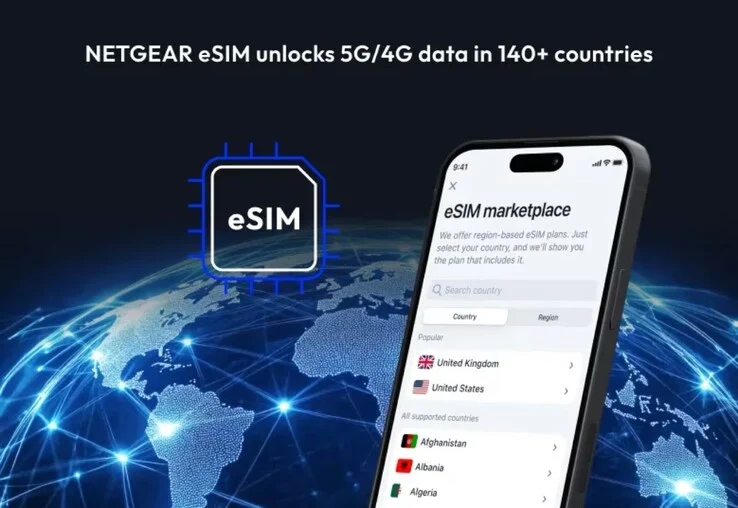
    Netgear claims that the Nighthawk 5G M7 works with 5G networks in over 140 countries. Users can opt for a nano SIM or an eSIM for connectivity. The smartphone app that comes with it is compatible with both Apple iPhone and Android devices. This app includes an eSIM marketplace, making it easier to find the best plan for your next journey. Additionally, it provides information on remaining data and the battery status of the mobile hotspot.

    Battery and Display Features

    The Nighthawk 5G M7 has a battery that lasts up to ten hours and sports a 3,850mAh battery that can be charged using USB-C. Unlike the pricier M7 Pro, which has a larger display, the M7 features a smaller 2.4-inch screen showing connection status, data usage, and battery level. Its dimensions are about 5.7 x 3.3 x 0.67 inches, weighing around 8.5 oz, making it slightly bigger than a standard smartphone. For those who need it, two Ethernet ports can be added through a separately sold adapter.

    Pricing and Release Info

    The Netgear Nighthawk 5G M7 (MH7150) is set to be released in January 2026 at a price of $499. This is a more affordable option compared to the older Nighthawk M7 Pro, which is currently priced at about $699 on Amazon.


    Source:
    Link


  • Bluetti Unveils Ultra-Compact 10ms UPS Power Station

    Bluetti Unveils Ultra-Compact 10ms UPS Power Station

    Key Takeaways

    1. The Bluetti Elite 10 Mini Power Station is compact and designed for home backup or camping use.
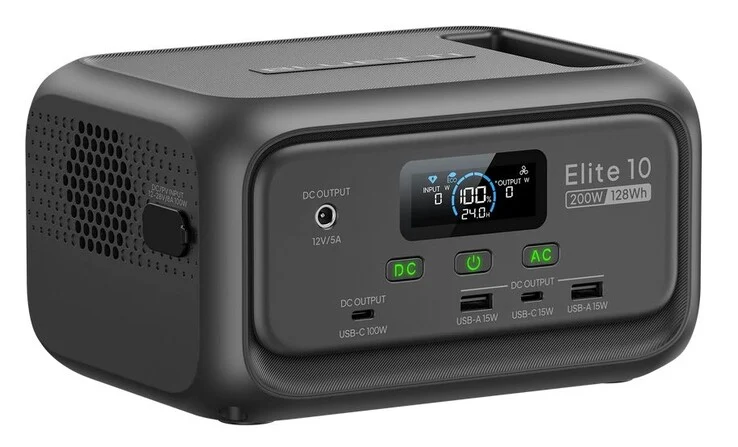
    2. It features six ports, including a 200W AC output, multiple USB ports, and a 60W DC5521 port, with a 128 Wh (40,000 mAh) battery.
    3. Charging options include a fast 150W AC input, solar, car, and pass-through charging, with a full charge in just 70 minutes.
    4. The device has a built-in LED light, a Bluetooth feature for remote control via the Bluetti app, and a UPS switching time of under 10 ms.
    5. Currently priced at £129 in the UK and €159 in France and Germany, reflecting a £70/€70 discount from the original prices.


    The Bluetti Elite 10 Mini Power Station has made its debut in Europe. This model is particularly small and is made to serve as a backup power source at home or while you are out camping.

    Specifications and Features

    The Bluetti Elite 10 is equipped with six different ports, which include a 200W AC output with a surge power of 300W and a lifting power of 400W. Additionally, it features two 15W USB-A ports, one 100W USB-C port, one 15W USB-C port, and a 60W DC5521 port. Its built-in LiFePO4 battery has a capacity of 128 Wh (40,000 mAh), allowing you to run a 5W LED light for up to 15.6 hours, or recharge a 60 Wh laptop two times and a 15 Wh phone six times. After about 3,000 cycles, the battery is expected to keep at least 80% of its initial capacity.

    Charging Options

    You have multiple options to recharge the Elite 10’s battery. The highest 150W AC input can fully charge the power station in just 70 minutes. Other charging methods include solar, car, and a combination of AC/Solar, and it also allows for pass-through charging. The device has a built-in LED light, which can be used for general lighting or to send out an SOS signal. The UPS switching time is impressively below 10 ms. Additionally, you can control the power station remotely using the Bluetti app, thanks to its Bluetooth feature. The compact power bank measures 200 x 146 x 110 mm (7.9 x 5.8 x 4.3 inches) and weighs 3.97 lbs (1.76 kg).

    Pricing and Availability

    Currently, the Bluetti Elite 10 Mini Power Station can be purchased from the brand’s online store in the UK for £129, reflecting a £70 reduction from its original price of £199. Similarly, in European countries such as France and Germany, the unit is priced at €159, which is €70 less than its initial price of €229. The duration of these discounts remains unknown. It is also available through the brand’s Amazon stores, although at the standard retail price.

    Source:
    Link


  • New Xiaomi Washing Machine with Extra Large Drum Now Available

    New Xiaomi Washing Machine with Extra Large Drum Now Available

    Key Takeaways

    1. The Xiaomi Mijia Washing Machine 12kg has an extra-large drum, allowing it to wash a week’s worth of laundry in one cycle.
    2. It offers 25 different wash cycles, including a quick 15-minute wash and settings for delicate fabrics like wool and silk.
    3. The machine features smart optimization through HyperOS Connect, allowing it to suggest programs and schedule washes for lower energy rates.
    4. Remote monitoring is available via Xiaomi’s app, and it supports voice commands with compatible smart speakers, along with a high-efficiency drum cleaning mode.
    5. Priced at CNY 1,699 (~$239) in China, it’s currently unclear if it will be available in Europe, where a similar model has recently launched.


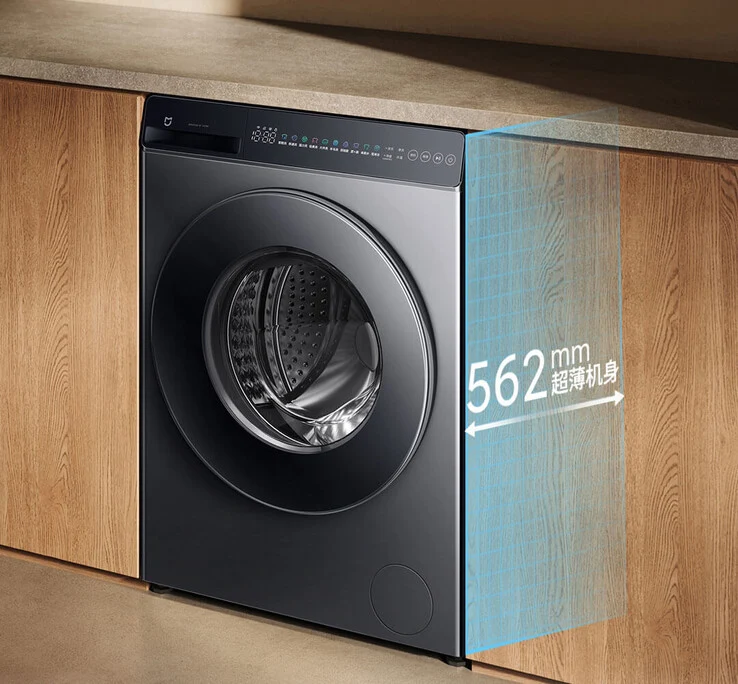
    The Xiaomi Mijia Washing Machine 12kg is now available in China. It is labeled as an “extra-large” drum model, making it capable of washing a week’s worth of laundry for your family in one cycle.

    Features and Performance

    This washing machine has 25 different cycles, which includes a quick wash option that takes only 15 minutes, along with special settings for delicate fabrics like wool and silk. The washing process is said to be smartly optimized through HyperOS Connect, allowing the machine to suggest programs according to your usage. Additionally, it can be scheduled to run at specific times to utilize lower energy rates and can keep your laundry fresh overnight if you happen to forget to unload it.

    Smart Control Options

    You can keep an eye on the Mijia Washing Machine 12kg remotely through Xiaomi’s app, or you can use voice commands with a compatible smart speaker. The manufacturer claims it features a drum cleaning mode at 95°C (~203°F), achieving 99.999% sterilization, 100% mite removal, and 99.999% virus elimination. It has a washing ratio of 1.2 and holds a Level 1 energy efficiency rating in China.

    Pricing and Availability

    In the Chinese market, the Xiaomi Mijia Washing Machine 12kg is priced at CNY 1,699 (~$239). It’s currently uncertain if this model will be available in Europe, where Xiaomi has just launched the Mijia Front Load Washer Dryer Pro 9kg (currently priced at €579 at Mi Store).

    Source:
    Link


  • Jmgo N3 4K Triple Laser Home Theater Projector for Sale

    Jmgo N3 4K Triple Laser Home Theater Projector for Sale

    Key Takeaways

    1. The Jmgo N3 4K projector features a native resolution of 4K and can project images from 40 to 300 inches wide with a throw ratio of 1.0-1.3:1.

    2. It includes advanced features such as auto focus, auto keystone correction, and runs on a Google TV interface for easy access to streaming platforms.

    3. The projector uses a MALC 3.0 triple laser light source, offering 1,800 ISO lumens brightness and supports HDR10 with a wide color gamut.

    4. The Jmgo N3 is currently available in several European countries for €1,199, down from €1,399, with a launch expected in the US at around $1,599.

    5. It supports Wi-Fi 6, Bluetooth 5.2, and includes HDMI and USB-A ports, with built-in speakers and adjustable projection angles.


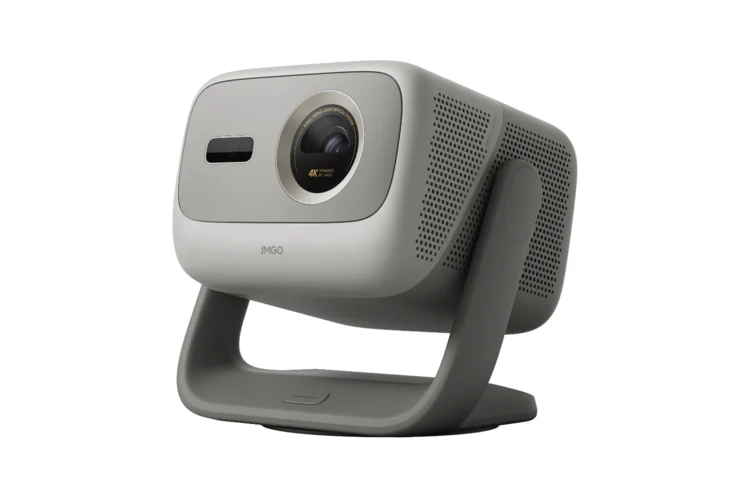
    Jmgo has introduced the N3 4K projector, which was first shown off in 2025. This new smart home device is now on sale in various European nations and is anticipated to hit the US market shortly.

    Specifications and Features

    The Jmgo N3 boasts a native resolution of 4K (3,840 x 2,160 px) and can project images ranging from 40 to 300 inches wide, with a throw ratio of 1.0-1.3:1. It features a MALC 3.0 triple laser light source, providing up to 1,800 ISO lumens of brightness and supports HDR10. The manufacturer claims it covers 110% of the BT.2020 color spectrum, offering a contrast ratio of 1,600:1 and a dynamic contrast ratio of 1,000,000:1.

    User-Friendly Features

    To enhance image quality, the Jmgo N3 4K includes several handy features like auto focus, auto keystone correction, and auto screen fit, along with a 1.3x optical zoom. The built-in stand allows users to easily modify the projection angle by up to 160°. The projector runs on a Google TV interface, giving access to popular streaming platforms such as Netflix, YouTube, and Prime Video. It supports Wi-Fi 6 and Bluetooth 5.2, along with HDMI and USB-A ports, plus it has two 10W speakers. The dimensions are 245 x 195 x 223 mm (9.6 x 7.7 x 8.8 inches) and it weighs 3.6 kg (about 7.9 lbs).

    Pricing and Availability

    You can purchase the Jmgo N3 4K projector directly from the brand’s online shop in European countries such as the Netherlands, France, and Spain. The current price is €1,199, which is a €200 discount from the original price of €1,399; it’s uncertain how long this promotion will last. In Germany, it’s also available through MediaMarkt for €1,199. The projector is expected to arrive in the US soon, likely available at retailers like Best Buy, priced at $1,599.

    Source:
    Link


  • Humanoid Home Robot 1X Neo: Vacuums Well, Can’t Crack Walnuts

    Humanoid Home Robot 1X Neo: Vacuums Well, Can’t Crack Walnuts

    Key Takeaways

    1. The 1X Neo humanoid robot is now available for pre-order in the U.S., competing with other AI household assistants like Figure 03 and Tesla Optimus.
    2. Evaluations revealed performance limitations, such as struggling with tasks requiring strength and slow response times, highlighting the need for enhancements.
    3. Safety features include a fabric covering for visual appeal and lightweight design, reducing the risk of damage if the robot falls.
    4. The current model operates remotely via an AI controller, with plans for a more autonomous version set for release in 2026.
    5. Concerns about data privacy arise from the robot’s need to transmit visual and auditory data to improve its AI capabilities, with assurances made about user privacy.


    The 1X Neo humanoid home robot was introduced in 2024 and has now become available for pre-order in the United States. This innovative robot is in competition with other AI household assistants like Figure 03 and Tesla Optimus. Yet, there are lingering questions about the real abilities of this new product aimed at the general public. Given the recent visible failings of the first Russian humanoid robot demonstration, some skepticism is perhaps justified.

    Testing the Capabilities

    Joanna Stern from the Wall Street Journal evaluated the 1X Neo’s performance and found several areas needing enhancements. Bernt Børnich, the robot’s developer, also took part in the evaluation. The robot is advertised to be capable of tasks like washing dishes, cleaning the kitchen, and doing laundry, among others.

    Focus on Safety

    When discussing home robots, safety is as crucial as their functionality and intelligent features. Unlike industrial robots that operate on assembly lines, Neo is dressed in a fabric covering that looks like clothing. This design choice not only makes it visually appealing but also adds a layer of safety.

    Inside the Neo, there are several strong yet lightweight motors that use belts, akin to muscles, instead of gears. This design makes the robot quieter and allows for smoother movements. Its weight can be brought down to 30 kg (66 pounds). This is especially significant in case it falls, as lighter robots are less likely to cause damage. Despite being lightweight, it can handle loads of up to 68 kg (150 pounds).

    Performance Limitations

    At first glance, one might think this robot is exceptionally powerful, but that’s not entirely accurate. The 1X Neo struggled to crack a walnut manually. This appears to be a deliberate design choice, as the robot emphasizes finesse and delicacy rather than sheer strength. It’s also important to remember that this is just the initial version, and improvements are anticipated.

    The robot took a minute and seven seconds to fetch a water bottle from the fridge and deliver it to the tester standing a few steps away. The main obstacle was opening the refrigerator door. The assessment also tested various capabilities like loading a dishwasher and charging cycles, and Neo reportedly excelled at using a vacuum cleaner.

    Future Developments

    It is crucial to highlight that the tested model was still operated remotely by an AI controller. This version precedes the upcoming model set for release in 2026, which is expected to have increased dexterity, more autonomy, and better safety features. Initially, Neo won’t act as a true household helper but more like a child that requires guidance and is connected to human assistance through an app. The remote control mode is referred to as ‘expert mode’, where a human takes over tasks that the robot can’t manage independently yet.

    To enhance its AI, visual and auditory data from the user’s home must be transmitted to 1X’s servers through the robot’s cameras and microphones. The company promises that faces will be blurred and assures users they will know when an operator is engaged. However, this aspect raises significant concerns about data privacy for many. The developers aim for Neo to learn as much as possible in domestic environments, with hopes that within five years it can evolve into a fully capable assistant.

    In this way, Neo signifies the dawn of a new age of humanoid household robots. The developers claim that when fully realized, Neo will offer substantial help with numerous household chores, catering not just to standard situations but also assisting those with disabilities, the elderly, and other communities. Pre-orders are currently limited to the USA, requiring a $200 deposit. Interested buyers can opt for either a one-time payment of $20,000 or a monthly subscription of $499.

    Source:
    Link