Category: Gaming

  • KTC Unveils 24.5″ 1080p 200Hz Fast IPS Gaming Monitor for $69

    KTC Unveils 24.5″ 1080p 200Hz Fast IPS Gaming Monitor for $69

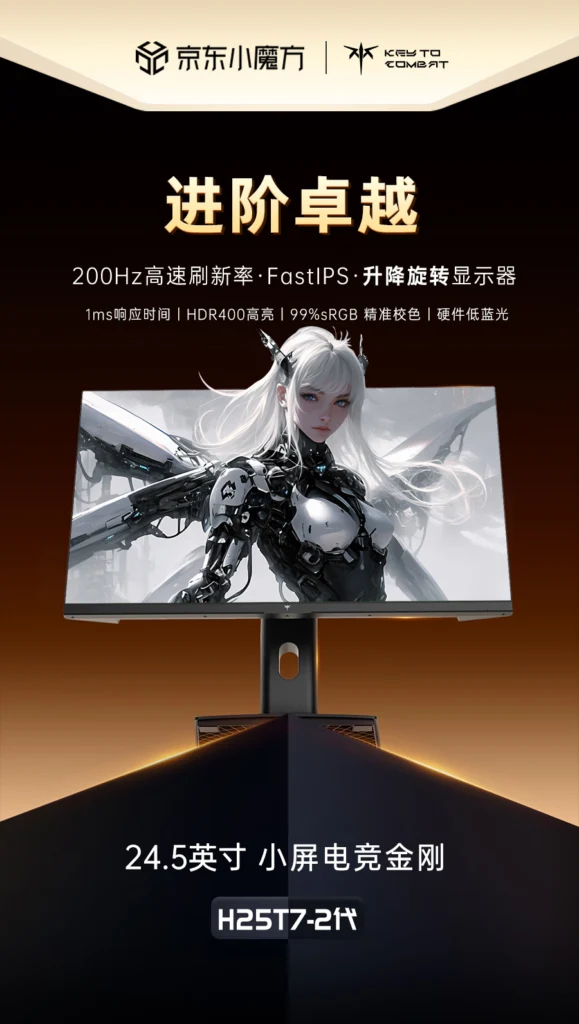
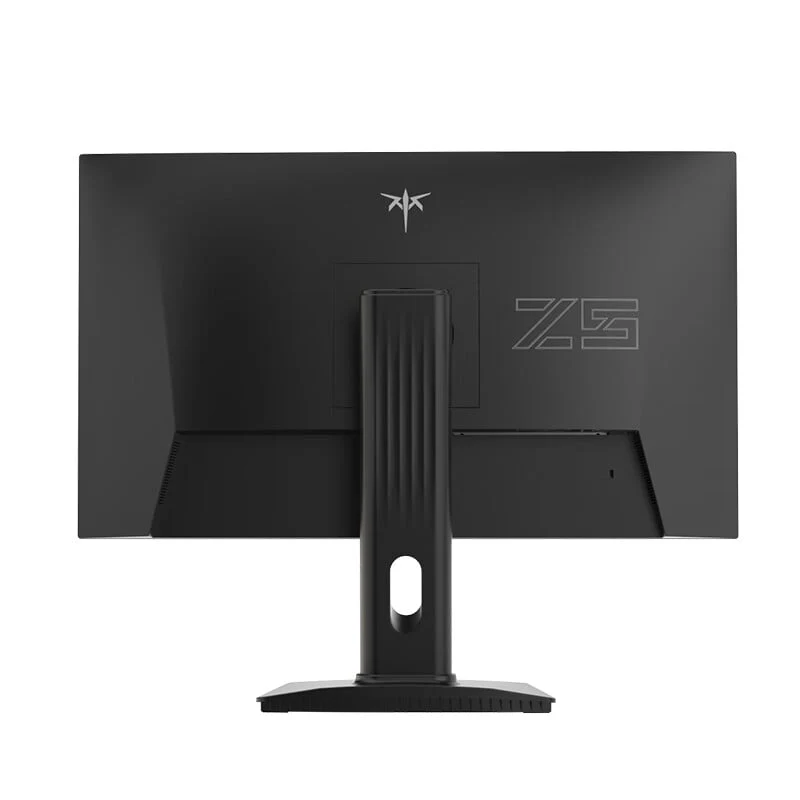
    KTC has introduced its latest H25T7 monitor in China, marking the arrival of its second generation. This model boasts a 1080p display paired with a 200Hz refresh rate. Priced at a reduced rate of 499 yuan (approximately $69), this monitor stands out as an affordable option among 200Hz displays. Let’s dive into some of its main features.

    KTC H25T7-2 Features

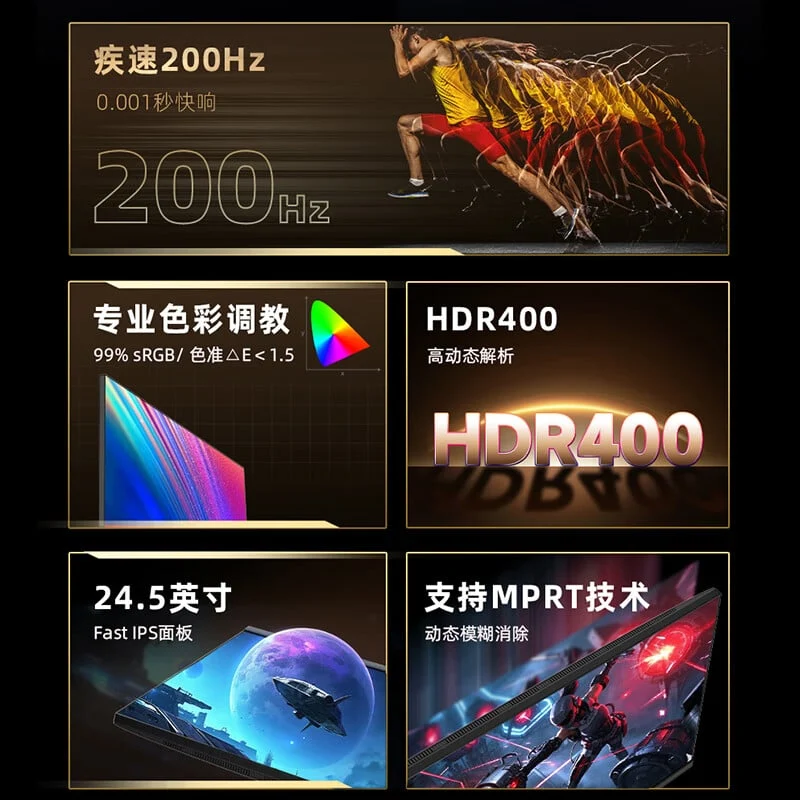
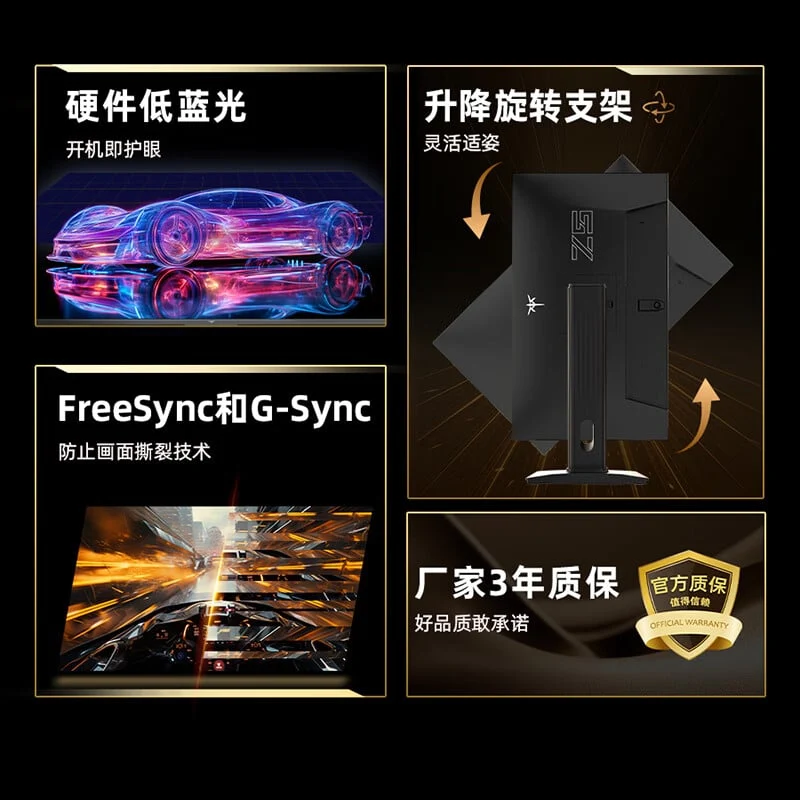
    The KTC H25T7-2 is equipped with a 24.5-inch Fast IPS panel and offers a 200Hz refresh rate, making it a great choice for gamers who play competitively. With a 1ms response time, this monitor guarantees incredibly smooth gameplay and minimizes motion blur, which is essential for fast-action gaming scenarios.

    Moreover, the monitor supports HDR400, which enhances contrast and brightness, resulting in more vibrant and realistic visuals. It also boasts impressive color accuracy, covering 99% of the sRGB spectrum and 90% of the DCI-P3 color gamut, making it an excellent option for both professional tasks and multimedia use.

    Comfort and Technology

    This monitor includes hardware-level low blue light technology that filters out harmful blue light while keeping color accuracy intact, providing comfort for your eyes during long gaming sessions. Additionally, it supports AMD FreeSync and Nvidia G-Sync technologies, which eliminate screen tearing and stuttering for a fluid gaming experience. The H25T7-2 also incorporates MPRT (Moving Picture Response Time) technology, which helps reduce motion blur, allowing gamers to follow fast-moving objects easily.

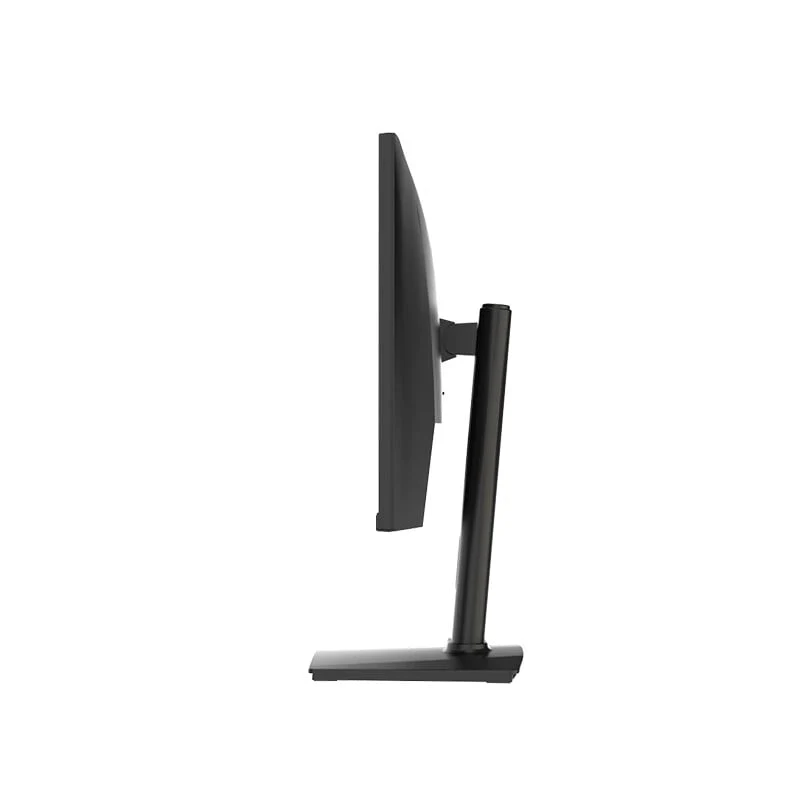
    The H25T7-2 comes with an ergonomic stand that allows for height, tilt, swivel, and rotation adjustments, enabling users to adjust their viewing angles for maximum comfort. Furthermore, it features a dynamic OD (OverDrive) option, which optimizes the monitor’s response times according to the game’s frame rate, ensuring clear and smooth visuals.

    Connectivity and Warranty

    For gamers who need to see details in dark scenes, this monitor has dark balance enhancement, which brightens shadowy areas without making highlights too bright, thus giving players an advantage in visually complex games. In terms of connectivity, the monitor is fitted with DisplayPort 1.4, HDMI 2.0 ports, and a 3.5mm headphone jack, making it easy to connect to various devices. It also features a user-friendly 5-way joystick control for navigating the on-screen display menu. The monitor is supported by a 3-year warranty, ensuring its reliability over the long haul.

    Earlier today, Titan Army also unveiled a 200Hz gaming monitor, showcasing a 24.5-inch Fast IPS display with a 1080p resolution and a 1ms GTG response time, all for a remarkable price of only $76.
  • Xbox Sales Struggles Confirmed as PS5 Outsells PS4

    Xbox Sales Struggles Confirmed as PS5 Outsells PS4

    Microsoft has made a gradual move away from just selling hardware, aiming for a more diverse platform strategy. Recent market statistics show that Xbox sales are still declining. Mat Piscatella, a video game industry analyst at Circana, recently posted the findings on Bluesky. He pointed out that while U.S. console sales overall dropped in 2024, the Xbox Series X|S is lagging 18% behind the Xbox One during their first 50 months on the market. In contrast, the PS5 is doing significantly better, with lifetime sales 7% above those of the PS4.

    Year of Disappointment for Xbox Fans

    The previous year didn’t offer much excitement for gamers waiting for a new Xbox console to be announced. Microsoft did release some updated models, like the Series X 2TB Galaxy Black Special Edition, but these didn’t bring any performance improvements. Fans are now looking forward to a handheld console hinted at by Phil Spencer, the CEO of Microsoft Gaming. However, without a set launch date, the company is currently concentrating on its well-liked Xbox Game Pass subscription and Cloud Gaming services.

    Sony’s Strong Performance

    On the other hand, Sony launched the PS5 Pro in November 2024, featuring slightly better graphics and smoother performance. Even with a hefty price tag, this enhanced console shows Sony’s dedication to gaming hardware. When compared to 2023, PS5 sales only dipped by 11.8%, which is a better result than the Xbox Series X|S and Nintendo Switch, whose sales fell by 31% and 33.7%, respectively.

    Nintendo’s Bright Future

    Nintendo seems to be in a good spot, especially with the Switch 2 anticipated to launch later this year. It wouldn’t be shocking if it quickly outsold current consoles from Microsoft and Sony in their initial years. Furthermore, the Fall release of Rockstar Games’ Grand Theft Auto VI could potentially increase sales for all consoles. In the meantime, Microsoft is aiming to broaden its Play Anywhere strategy, targeting mobile devices and even Smart TVs.


  • AMD Radeon 8060S iGPU Beats Nvidia RTX 4070 by 68.1% in Gaming

    AMD Radeon 8060S iGPU Beats Nvidia RTX 4070 by 68.1% in Gaming

    AMD has introduced the Strix Halo series at CES 2025, showcasing their most powerful APUs to date. Leading this lineup is the Ryzen AI Max+ 395, which incorporates 16 Zen 5 cores along with the Radeon 8060S integrated GPU. This RDNA 3.5 iGPU boasts 40 compute units, marking a significant improvement from the previous Radeon 890M found in the Strix Point series.

    Performance Insights

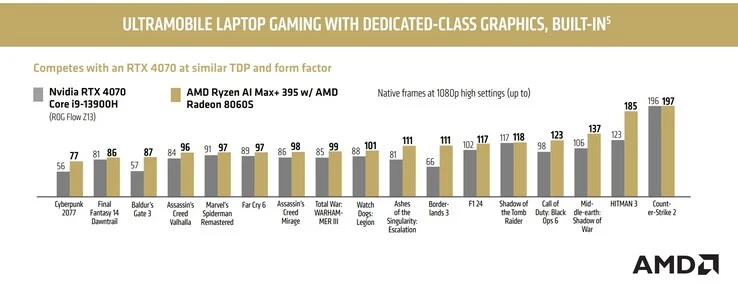
    Despite the excitement, AMD did not provide specific benchmark results for the Ryzen AI Max+ 395 during CES 2025. However, a Reddit user discussed details from an interview with AMD’s Ben Conrad, revealing that the company has created extensive marketing materials for the Radeon 8060S. According to these materials, the Radeon 8060S claims to deliver up to 68.1% superior performance compared to the RTX 4070 Laptop GPU in gaming scenarios.

    Game Testing Results

    The data presented by AMD includes results from 17 games where the Ryzen AI Max+ 395’s iGPU showed performance advantages ranging from 1% to 68.1% over the RTX 4070 Laptop GPU. As AMD indicates, these tests were conducted at 1080p using the High settings. The specific power setups of the test rigs were not revealed, but AMD emphasizes that the comparison was made “at similar TDP.” Notably, the Ryzen AI Max+ 395 was pitted against the ROG Flow Z13, which features an Intel Core i9 13900H and an Nvidia RTX 4070 (currently available for $1,099.99 at Best Buy).

    Game Highlights

    The Radeon 8060S excelled particularly in Borderlands 3, reportedly achieving 68.1% better performance than the RTX 4070 Laptop. Another significant finding was in Baldur’s Gate 3, where the Ryzen AI Max+ 395 demonstrated a 52.6% performance increase. For further details, refer to the comparison chart provided below.

    Source:
    Link


  • AMD FSR 4 and RX 9070 Enhance Compatibility with FSR 3.1 Games

    AMD FSR 4 and RX 9070 Enhance Compatibility with FSR 3.1 Games

    Recently, news has spread among gamers that the Radeon RX 9070 and RX 9070 XT are now set for a March release. While this may be a wait, those who enjoy AMD graphics can look forward to FSR 4 being compatible with the currently supported FSR 3.1 games. FSR 4 represents AMD’s newest AI-driven upscaling technology that enhances framerates while maintaining image quality. The well-known leaker Kepler_L2 has assured that the upgrade process should be easy for both AMD and its users.

    FSR 4 Exclusivity

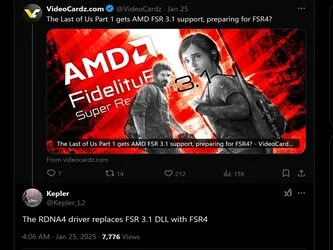
    It’s important to note that unlike FSR 3.1, FSR 4 will only work with AMD GPUs built on the RDNA 4 architecture. This means that gamers will have to be patient and await the RX 9000 series to experience the latest advancements in upscaling. Nevertheless, PCGamingWiki has listed many games compatible with FSR 3.1 that could readily take advantage of these upgrades. According to Kepler_L2, the upgrade process is simple and requires just a swap of an older AMD driver file with a new FSR 4 DLL.

    AMD’s Future Plans

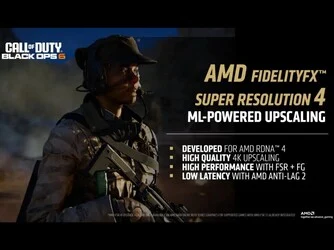
    The expectation that FSR 4 would improve upon FSR 3.1 isn’t shocking, especially after AMD’s CES 2025 presentation. When comparing it to Nvidia’s DLSS 4 demonstration, the details about how FSR 4 will enhance gaming performance were somewhat vague. Nonetheless, the updated upscaler is designed to work together with frame generation to boost framerates. Additionally, AMD Anti-LAG 2 is expected to decrease latency, which often follows upscaling. Toward the end of the CES preview slide, AMD indicated that FSR 4 will necessitate that games already support FSR 3.1.

    Implications of Delay

    The unexpected delay of the RX 9000 series provides AMD with additional time to fine-tune games. Recently, well-known titles such as The Last of Us Part 1 have received patches for FSR 3.1 support. Some gamers remain doubtful that FSR 4 will mark a significant advancement in upscaling technology, making the pricing and raw performance of AMD’s upcoming GPUs crucial factors to consider.

    Source:
    Link


  • Samsung Galaxy S25 Ultra Beats iPhone 16 Pro Max in GPU Test

    Samsung Galaxy S25 Ultra Beats iPhone 16 Pro Max in GPU Test

    At the debut of the Galaxy S25 series, Samsung highlighted the Snapdragon 8 Elite for Galaxy’s ability to deliver improved gaming experiences. While the company didn’t specify figures at that time, now that the flagship devices are launched, numerous new benchmark tests are emerging.

    Benchmark Showdown

    One such test compares the Galaxy S25 Ultra to the iPhone 16 Pro Max using the 3DMark Steel Nomad Light benchmark. If you’re not familiar, this benchmark evaluates the GPU’s performance under non-raytraced workloads and is widely seen as a reliable measure for how well a smartphone can manage rasterization tasks.

    Performance Insights

    Referring back to this benchmark comparison, the image shared by @Techinfosocials on X indicates that the Snapdragon 8 Elite for Galaxy outperforms the Apple A18 Pro by about 36%. Specifically, the S25 Ultra achieved a score of 2,617, whereas the iPhone 16 Pro Max scored 1,922 points.

    In terms of average frames per second (FPS), the Galaxy S25 Ultra recorded an average of 19.39 FPS during the test, compared to the iPhone 16 Pro Max’s 14.2 FPS. It appears that the overclocked Snapdragon 8 Elite is giving the Samsung flagship a slight advantage over other devices that use the standard version of the chip.

    Cooling and Performance

    For instance, the Xiaomi 15 equipped with the regular Snapdragon 8 Elite achieved around 2,530 points, with an average FPS of approximately 18.74. It’s also likely that the enhanced cooling system in the Samsung Galaxy S25 Ultra contributed to its performance in this benchmark test.

    It’s important to mention that the 3DMark Steel Nomad Light does not put any strain on the CPU. However, this benchmark analysis hints that the Galaxy S25 Ultra could be a more favorable choice for mobile gaming.

    Source:
    Link

  • Ayaneo 3: World’s First Modular Windows Handheld Gaming PC

    Ayaneo 3: World’s First Modular Windows Handheld Gaming PC

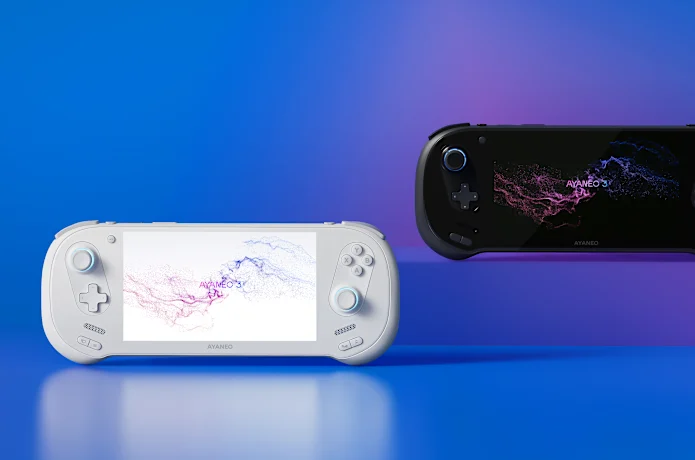
    Ayaneo has introduced the Ayaneo 3, a customizable handheld gaming device that runs on Windows. It’s perfect for gamers and PC enthusiasts who prioritize both performance and personalization. With its modular build, customizable controls, and robust AMD processor choices, the Ayaneo 3 stands out in the crowded market of handheld devices. Let’s dive into the main specifications and pricing details.

    Specifications of Ayaneo 3

    This handheld offers two high-performance processor selections: the AMD Ryzen 7 8840U and the AMD Ryzen AI 9 HX 370. The AI 9 HX 370 includes 4 Zen 5 CPU cores, 8 Zen 5c cores, and 16 RDNA 3.5 GPU cores, delivering outstanding performance for both gaming and productivity tasks. Users can choose from configurations with 16GB of LPDDR5X RAM and 512GB of PCIe 4.0 SSD storage, all the way up to a remarkable 64GB of RAM and 4TB of storage.

    Display and Design Features

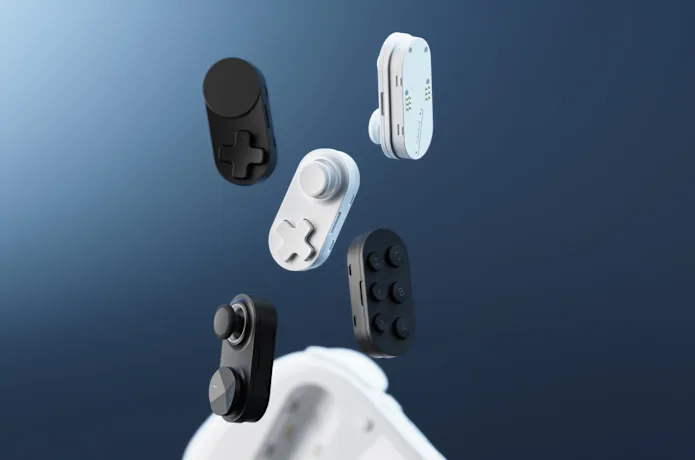
    It features a 7-inch display, which comes in both OLED and LCD versions. The OLED variant has a refresh rate of 144Hz, brightness of 800 nits, and covers 110% of the DCI-P3 color space. Meanwhile, the LCD model offers a 120Hz refresh rate, 500 nits brightness, and VRR support. The Ayaneo 3 also showcases an innovative modular design with Magic Module detachable controllers, enabling gamers to tailor their gameplay experience. With swappable ABXY buttons and various controller configurations, users can choose from up to 56 different layout options. It also includes touchpad-enabled controllers and specialized setups for fighting games, all customizable via the new AYASpace 3.0 software.

    Advanced Control and Audio Features

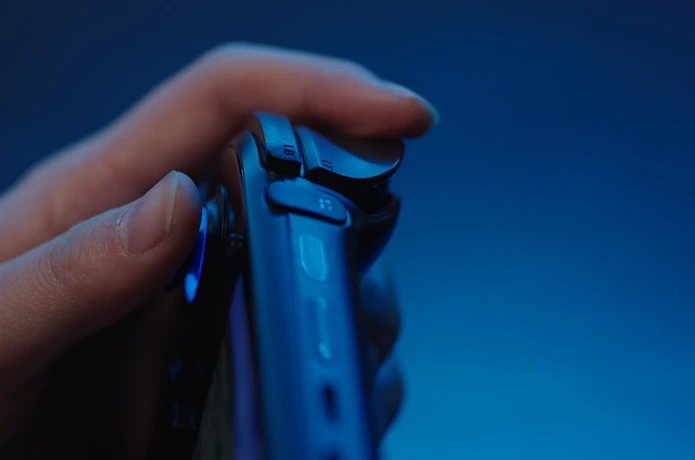
    The handheld introduces advanced control features, such as dual-stage Hall-effect triggers with lock switches, dual six-axis gyroscopes, and customizable rear buttons. These combined with AYASpace 3.0 software allow gamers to create macros, scripts, and intricate input setups, blending console and portable PC gaming. For audio, it includes HyperSound 2.0 symmetrical dual speakers that provide powerful, clear sound. It operates on Windows 11, ensuring support for major gaming platforms like Steam, Epic Games, and Battle.net.

    Connectivity and Battery

    The device comes with dual USB4 ports, an OCulink interface for fast connections, and a microSD card slot. It also features a 49Wh battery with a 65W USB-C power adapter. Ayaneo has prioritized thermal management by incorporating triple copper pipes, a large turbo fan, and graphene patches for effective cooling.

    Pricing and Availability

    In China, the entry-level model with a Ryzen 7 8840U, 16GB RAM, and 512GB storage starts at 4,999 yuan, while the premium Ryzen AI 9 HX 370 version with 32GB RAM and 1TB storage begins at 8,699 yuan. For the global market, early-bird pricing starts at $699 for the base model on Indiegogo, with the highest configuration priced at $1,799. Retail prices are set to range from $899 to $2,099, and the Magic Module accessory kit is available for $139.

    The device is currently available for pre-order, with shipping anticipated in late March 2025. Customers in China can order through JD.com, while international buyers can use Indiegogo or Ayaneo’s official site.


  • Ducks Join Escape from Tarkov: New Looter Shooter Demo Tops Steam

    Ducks Join Escape from Tarkov: New Looter Shooter Demo Tops Steam

    Escape From Duckov is a fun reference to the popular game Escape from Tarkov, which is a significant title in the survival shooter category. During its thrilling raids, players navigate dangerous areas to gather weapons and equipment. However, players must stay alert as threats could be lurking nearby. The true excitement arises from the high stakes: if you perish, you forfeit all your hard-earned loot. This element of danger is what keeps the heart racing.

    Building Your Stronghold

    Duckov maintains a similar gameplay style but adds base building as a central element. Gamers can create their own structures, which act as both a refuge and a tactical advantage. As you progress, you can enlarge your base to hold more treasures, craft more powerful weapons, and eventually evolve into a mighty bird warrior, prepared to conquer upcoming challenges.

    A Colorful Adventure

    Rather than a dark, realistic environment, Escape from Duckov places players in a lively yet equally dangerous realm. In contrast to Escape from Tarkov, this game offers a solo experience with gameplay presented from a top-down view instead of a first-person perspective.

    Escape From Duckov is being crafted by Team Soda and is published in collaboration with Bilibili. A demo has been accessible on Steam since January 24 and will be playable until February 10, providing 6 to 8 hours of content. The game has received positive feedback from the Steam community, holding a 92% “very positive” rating based on 68 reviews at the time of writing. It has also secured the leading position on Steam’s “Trending Free” charts.

    Source:
    Link

  • Nvidia GeForce RTX 5080 Benchmark Leak Shows Performance Gains

    Nvidia GeForce RTX 5080 Benchmark Leak Shows Performance Gains

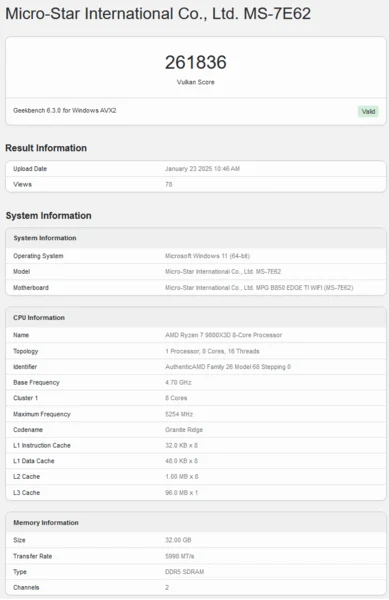
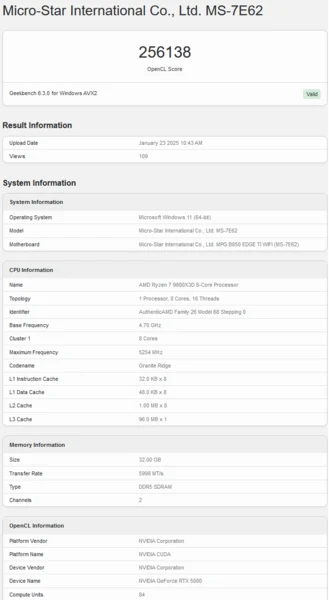
    Now that the GeForce RTX 5090 has been thoroughly examined (you can check out our review here), it’s time to look at the upcoming Blackwell GPU: the GeForce RTX 5080. This GPU features a slight increase in CUDA cores and is equipped with 16 GB of GDDR7 VRAM. However, according to Nvidia’s own tests, this doesn’t translate into a significant boost in performance—at least not without the help of DLSS and other enhancements. We’re now getting insights on how the GeForce RTX 5080 performs in Geekbench and Blender tests.

    Performance in Geekbench

    In the OpenCL benchmark from Geekbench, the GeForce RTX 5080 achieved a score of 256,138 points. This is just a minor 3% improvement over the GeForce RTX 4080, which has an average score of 247,392 points in our database. On a brighter note, when tested in Vulkan, the RTX 5080 scored 261,836 points, indicating a notable 37% increase compared to its predecessor (190,888). This performance also confirms its boost clock of 2.6 GHz, showing that the GPU doesn’t face throttling issues.

    Blender Results

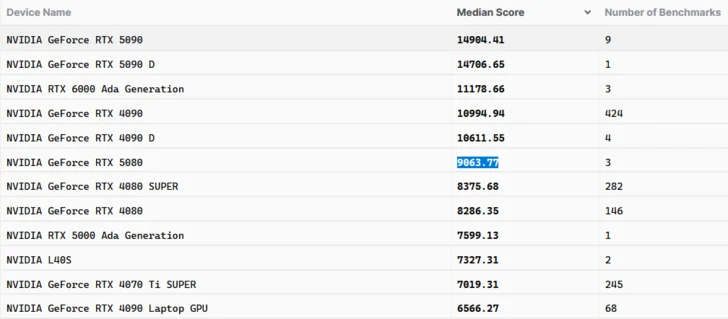
    Turning our attention to Blender, the RTX 5080 averages around 9063.77 points, which is approximately 10% quicker than the RTX 4080’s score of 8286.35.

    All things considered, the GeForce RTX 5080 does not present a substantial performance upgrade. However, its laptop version shows a much better performance which is promising.

    Source:
    Link


  • LG UltraGear 27G850A-B: New Gaming Monitor Launching Soon

    LG UltraGear 27G850A-B: New Gaming Monitor Launching Soon

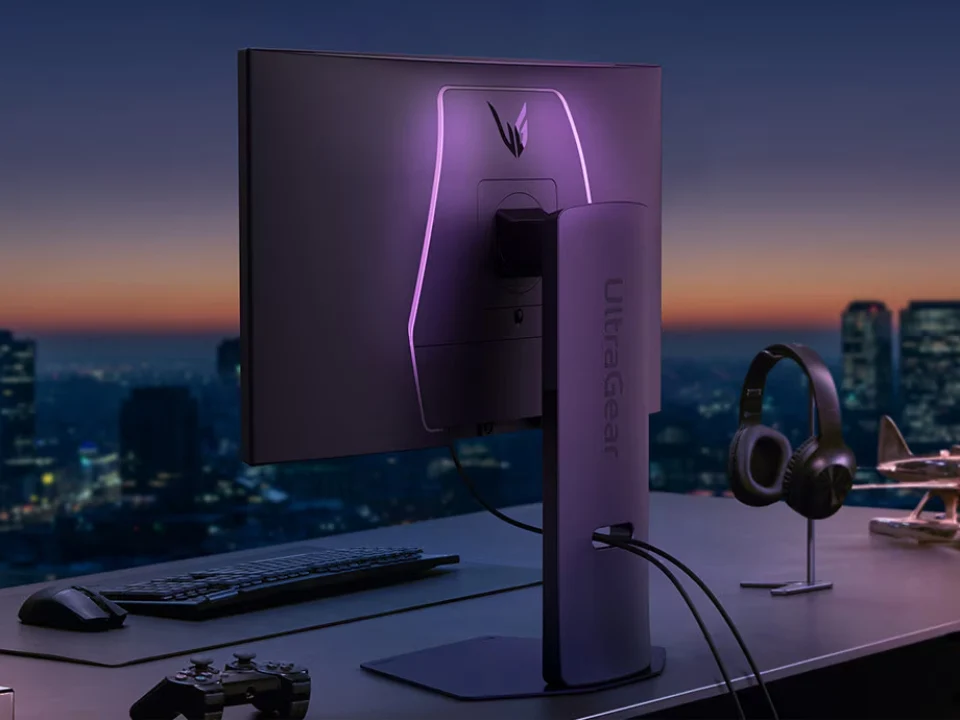
    LG has launched the UltraGear 27850A in Japan, known locally as the UltraGear 27850A-B. This new monitor was recently spotted in a review video on Bilibili in China. At the same time, LG Japan released some specifications, but they didn’t provide the launch price or detailed hardware information.

    Specifications Overview

    The retail listing confirms that the UltraGear 27850A-B features a Nano IPS panel that delivers 4K resolution at a refresh rate of 240 Hz by default. It also has an alternative 1080p display mode that can boost the refresh rate to 480 Hz, similar to the UltraGear OLED 32GS95UE (currently priced at $1,096.99 on Amazon). The 27-inch monitor boasts a 1 ms GtG response time and a contrast ratio of 2,000:1, along with peak HDR brightness of 750 nits and full panel brightness of 450 nits.

    Additional Features

    Moreover, the UltraGear 27G850A-B offers 99% coverage of the DCI-P3 color space, and it is certified with VESA DisplayHDR 600, AMD FreeSync Premium Pro, and Nvidia G-SYNC. It also includes a DisplayPort 2.1 UHBR13.5 connection, which requires Display Stream Compression (DSC) to achieve the 4K at 240 Hz performance. To deliver an uncompressed 4K and 240 Hz image, a higher UHBR20 bandwidth would be necessary.

    Pricing and Availability

    Currently, the UltraGear 27G850A-B is available for pre-order in Japan at JPY 129,800, which is about $833. While LG hasn’t announced when it will be available globally, we can estimate the price based on recent UltraGear monitor launches. For instance, the LG UltraGear OLED 27GX790A is priced approximately 13% less in the US compared to Japan. Hence, it is reasonable to anticipate that the UltraGear 27G850A-B could be priced between $700 and $750 in other markets, without exceeding $800.

    Source:
    Link


  • New SuperStation One: FPGA Retro Console for PlayStation 1 Games

    New SuperStation One: FPGA Retro Console for PlayStation 1 Games

    The SuperStation One is the newest creation from YouTuber Taki Udon and his company, Retro Remake. This gaming console utilizes a MiSTer FPGA board. Its design pays homage to the classic PlayStation with large buttons on the top, yet it is smaller and lacks a disc drive.

    Optional Add-on for Disc Play

    For gamers interested in using original discs, there’s an optional accessory called the SuperDock. This dock can play CDs and DVDs, and it also includes four USB ports along with an M.2 SSD slot. The M.2 SSD gives players the ability to digitize their PlayStation 1 game collection. An integrated NFC chip allows the use of NFC stickers on game cases, enabling automatic game launches when placed near the console.

    Game Files and Authentic Experience

    If gamers choose not to use the SuperDock, they will need to have ROM files for their games, which can be run from a USB drive. Thanks to the FPGA technology, games from the original PlayStation should perform just like they did on the classic console. Additionally, it supports original PlayStation Memory Cards and controllers, providing an authentic retro gaming feel. Plus, the analog video output lets users connect the SuperStation One to older CRT televisions.

    Launch Details and Pricing

    Sales for the SuperStation One FPGA console are expected to start this Saturday, January 25th at 9 PM CEST on Retro Remake’s official site. The “Founders Edition” will launch at a price of $149.99, but this will rise to $225 afterward. Keep in mind that these prices do not cover shipping or any possible import taxes, and the PS1-style console will be shipped straight from China.

    Source:
    Link