Category: Computers

  • AMD Strix Halo Lineup Leaked with New Max Branding

    AMD Strix Halo Lineup Leaked with New Max Branding

    Golden Pig Upgrade, a well-known leaker on Weibo, has disclosed details about AMD’s entire Strix Halo series. This lineup features three models and introduces a new naming structure that includes ‘larger numbers’ as previously anticipated. Here’s the breakdown:

    Flagship Model Unveiled

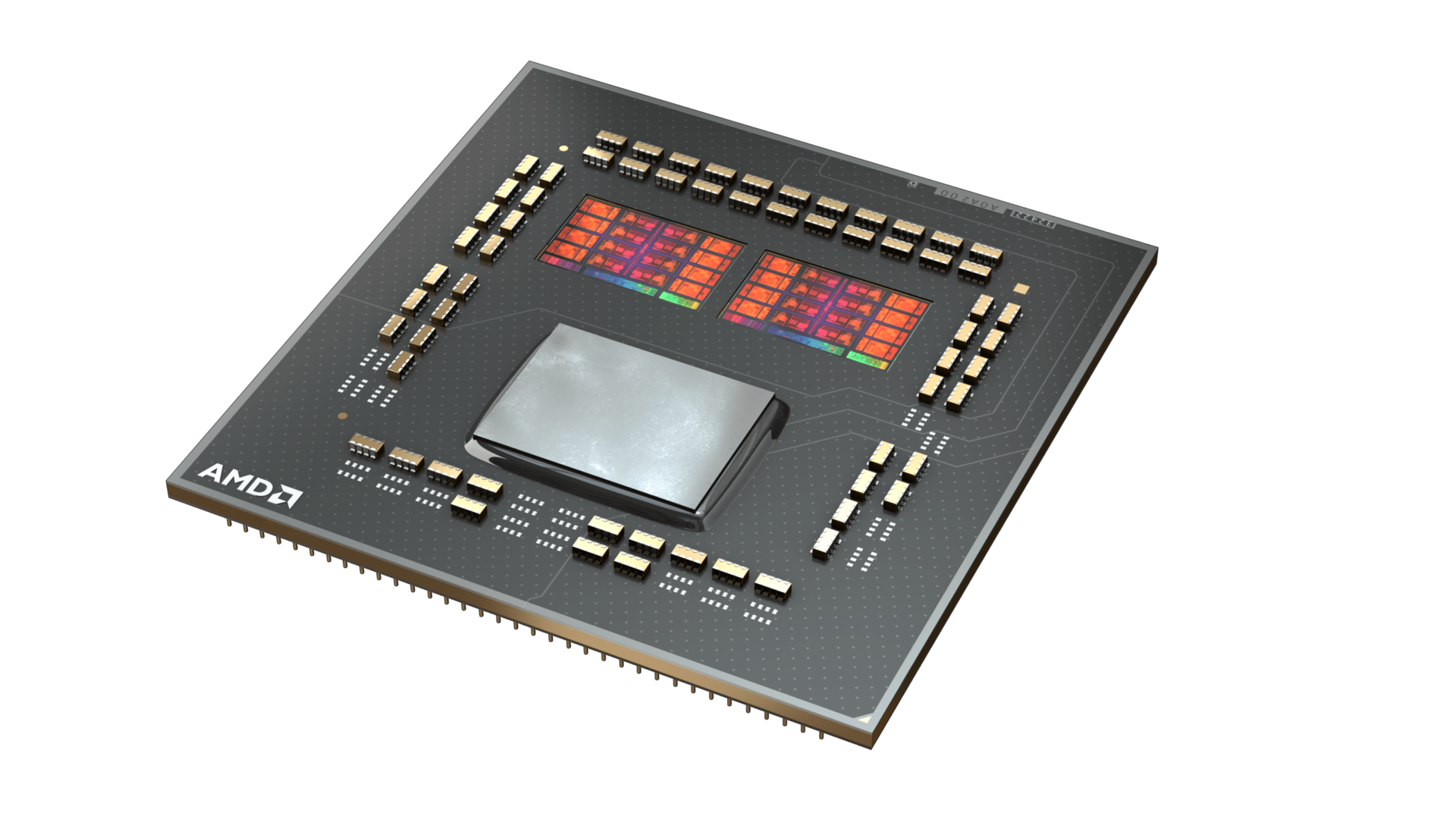
    The Ryzen AI Max+ 395 stands out as the flagship option, boasting 16 Zen 5 CPU cores distributed across two CPUs, along with a 40 CU RDNA 3.5 GPU. This top-tier SKU is designed for premium laptops.

    Additional Models

    Following this, the Ryzen AI Max 390 is equipped with 12 cores and a 40 CU integrated GPU. Lastly, the Ryzen AI Max 385 features 8 CPU cores and a 32 CU integrated GPU. It’s possible that this model appeared on Geekbench earlier this year, indicating these are the initial three models to launch.

    Memory and Compatibility

    The leaker also notes that Strix Halo can support up to 96 GB of VRAM out of the total 128 GB available (256-bit LPDDR5X-8000). This capacity will likely be reserved for high-end enterprise models and may not reach the consumer market. Currently, one confirmed product featuring Strix Halo technology is Asus’ ROG Flow Z13.


    Image 1
  • ASUS Zenbook S 14 Launched in India: 3K OLED & Intel Core Ultra 7

    ASUS Zenbook S 14 Launched in India: 3K OLED & Intel Core Ultra 7

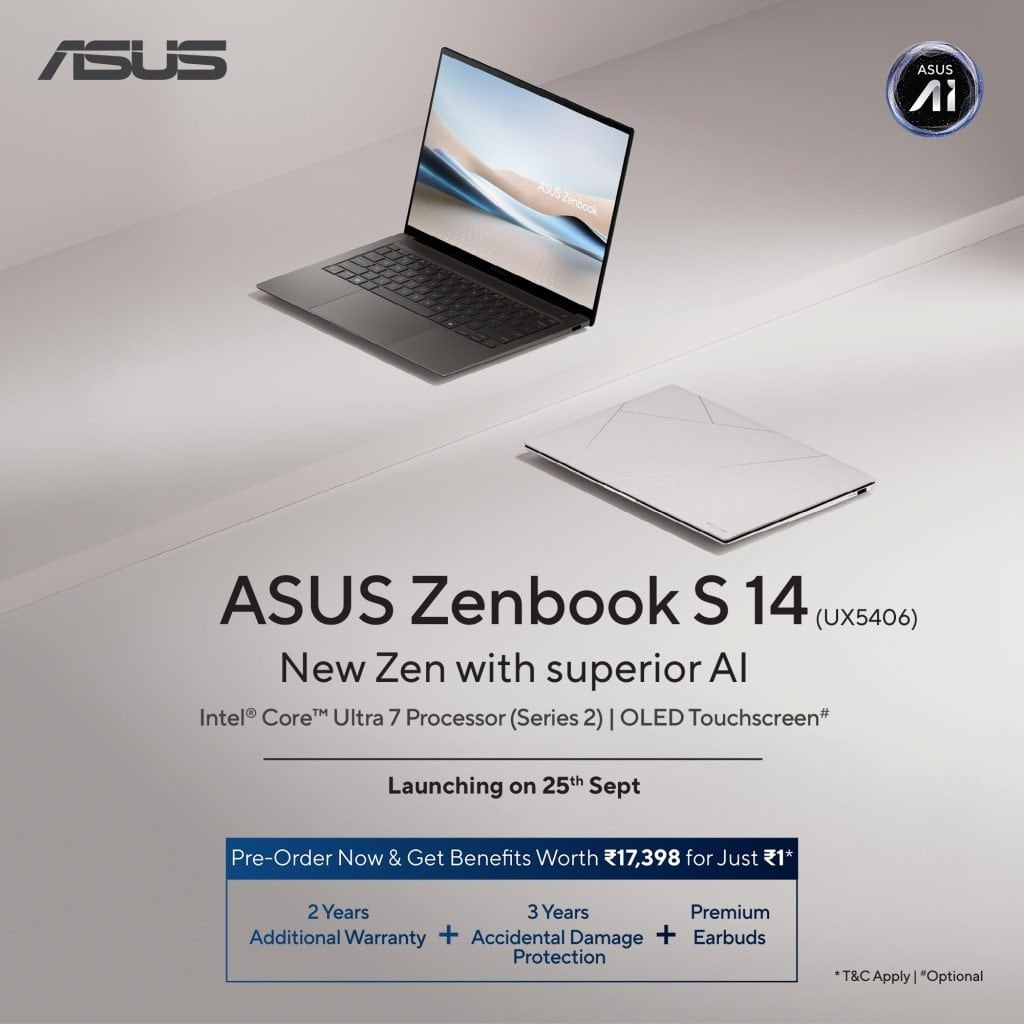
    ASUS has introduced its new laptop, the Zenbook S 14, in India. Pre-orders are open from September 19th to 24th, and sales will begin on September 25th.

    Powerful Performance

    The Zenbook S 14 is equipped with the Intel Core Ultra 7 processor, featuring a Neural Processing Unit (NPU) that delivers up to 47 TOPS for AI functionalities including real-time captions, background removal, and media generation. It also includes Intel Arc graphics, and for cooling, it utilizes a 3D Vapor chamber.

    Stunning Display and Specifications

    This laptop boasts a 14-inch 3K OLED touchscreen with a 120Hz refresh rate, a 16:10 aspect ratio, and a peak brightness of 500 nits in HDR. It supports up to 32GB of LPDDR5X RAM and has a 1TB PCIe 4.0 SSD for storage, complemented by an audio system with four speakers tuned by Harman Kardon.

    Design and Security Features

    Designed to be sleek, the Zenbook S 14 measures just 1.1cm in thickness and weighs only 1.2kg. Its Ceraluminum construction ensures military-grade durability (MIL-STD 810H). For added security, it features face authentication through an IR camera and Microsoft Pluton, a hardware-level solution that safeguards sensitive operations and data like encryption keys and personal information. The laptop also offers a range of connectivity options, including Thunderbolt 4, HDMI 2.1, USB 3.2, and WiFi 7.

    Pricing & Availability

    The Zenbook S 14, featuring the Core Ultra 7 CPU, 32GB RAM, and 1TB SSD, is available for pre-order at a price of ₹1,49,990. As stated, shipping will start from September 25th. Customers who pre-order will receive a 2-year extended warranty, 3 years of accidental damage protection, and premium earbuds for just ₹1.

    Additional Launch

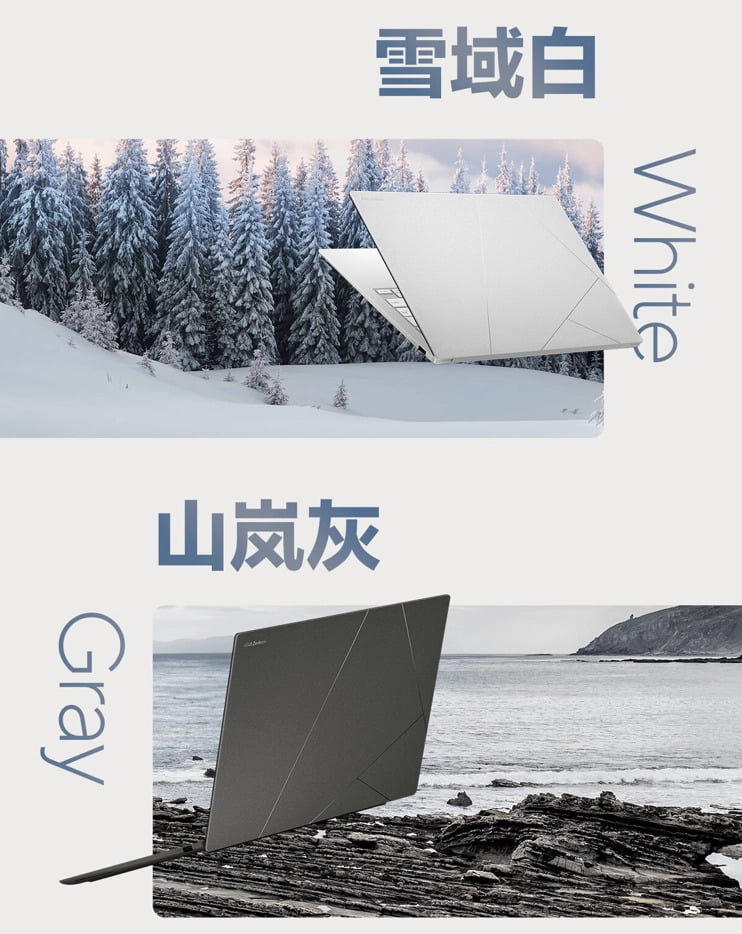
    In addition, ASUS has launched the ZenBook 14 Air in China, which has a CNC-milled metal body available in Snow White or Mountain Gray. It features a 14-inch 2.8K 120Hz Lumina OLED display, an Intel Core Ultra 7-258V processor, and a 72Wh battery offering up to 22 hours of use. The release date for this model in markets outside of China has not yet been announced.


    Image 1
    Image 1
  • AMD to Launch Ryzen 200 Series to Compete with Intel Core 200

    AMD to Launch Ryzen 200 Series to Compete with Intel Core 200

    The Intel Core Ultra 200V series has been released, and the company is set to introduce the Arrow Lake Core Ultra 200 desktop range next month. However, there are whispers of another CPU series coming soon, which will be named the Core 200 series, omitting the “Ultra” from its title.

    New Developments in Intel’s CPU Lineup

    Sources suggest that the new Core 200 series is expected to be another Raptor Lake Refresh, marking the third iteration following the 13th and 14th generation processors. The lack of “Ultra” in this new lineup might indicate that it will not include a Neural Processing Unit (NPU), as the original Raptor Lake series did not have this feature.

    AMD’s Competitive Offerings

    On the AMD side, a credible source known as Golden Pig Upgrade reports that the company is working on releasing Hawk Point Refresh CPUs. This new lineup is anticipated to be called Ryzen 200, also without the “AI” in its designation. This would represent AMD’s third Zen 4 CPU series.

    The omission of “AI” from the Ryzen 200 series likely stems from the fact that it may only feature the first-generation XDNA NPU. Although it is an improvement over the NPU found in the Phoenix Point series, it has a maximum performance of 16 TOPS, which falls short of the requirements set by Microsoft for their Copilot+ PC program.

    Potential Confusion Ahead

    If AMD is planning to rebrand the Hawk Point CPUs with a new name, it may lead to confusion among consumers. It wouldn’t be easy to distinguish whether the CPUs are based on Zen 4, especially since AMD’s previous naming conventions have already created some confusion.

    According to reports, Intel’s new Core 200 series is expected to debut by the end of this year, while AMD’s Ryzen 200 series is slated for launch next year. However, it is important to note that these details are still speculative. Despite the accuracy of Golden Pig Upgrade’s reports, it seems unnecessary for Raptor Lake and Zen 4 to be part of three separate lineups.

    Special Offer on Zenbook S 16

    Best Buy is currently offering the Zenbook S 16 featuring Ryzen AI 9 365, which could be an attractive option for consumers looking for performance and advanced features.

    Golden Pig Upgrade shared this information on Weibo (translated by machine) via Wccftech.


    Image 1
  • AMD Must Strengthen Laptop Partnerships and Accelerate Growth

    AMD Must Strengthen Laptop Partnerships and Accelerate Growth

    It is widely known that AMD has historically been behind Intel and Nvidia in the laptop market, particularly in the variety of available designs. Sasa Marinkovic from AMD addressed some of these worries in our conversation a few years back, but the situation has not seen significant improvement since then.

    OEM Concerns

    An AC Analysis report indicates that AMD’s increased focus on datacenter products is causing friction with its notebook OEM partners. The report describes the current relationship as a "cold war ice age," which is worrying as interest grows in Qualcomm’s Snapdragon X Series and Intel’s new Lunar Lake offerings. Additionally, AMD’s ongoing "startup culture" and compromises in the consumer market are negatively impacting its future, unlike Intel and Nvidia, which seem to balance their datacenter and consumer lines more effectively.

    OEMs are reportedly frustrated with the insufficient supply of AMD notebook chips for their designs in Q4 2023 and beyond. The analyst notes that partners have raised issues regarding miscommunication, unmet promises, and generally poor treatment, drawing parallels to Intel’s past behavior during its dominant years.

    Supply Issues

    ComputerBase supports this by highlighting that AMD has struggled to meet OEM chip demands. This is evidenced by the lack of Ryzen AI 300-powered laptops showcased at IFA 2024. Reports from discussions at the trade fair reveal that AMD’s failure to supply adequate and timely chips led manufacturers to reduce their portfolios of Strix Point laptops. One OEM remarked that AMD has "left billions of US dollars lying around" with its partners over the years.

    Currently, AMD offers only two Strix Point APUs: the Ryzen AI 9 365 and the Ryzen AI 9 HX 370. The Ryzen AI 9 HX 370 has shown impressive performance in the three Asus laptops we tested. Recently, Asus’s exclusivity with AMD for these APUs ended, which is why other OEMs are finally starting to launch Ryzen AI 300-powered models.

    New Launches and Future Prospects

    HP is set to release an OmniBook Ultra that features the Ryzen AI 9 HX 370, while MSI has announced the Summit 16 AI+, Prestige A16 AI+, and Creator A16 AI+ at IFA 2024, all powered by Ryzen AI 9 HX 370 and Ryzen AI 9 365 options. Acer mentioned back at Computex 2024 that they are working on a Swift 14 with Ryzen AI 300, but no details were provided during the IFA event.

    AMD has also quietly launched the Ryzen AI 9 HX 375 APU, which boasts a slightly faster 55 TOPS NPU, but no laptops utilizing this APU have been revealed yet. Silent paper launches are not new for AMD in the notebook sector, as laptops featuring the Ryzen 9 7840HX are still absent, and very few Ryzen 7 8840U-powered mainstream laptops have reached reviewers, aside from a GPD Win Mini handheld and the Minisforum V3 tablet.

    AMD Advantage Program

    Do you recall the AMD Advantage program? It was AMD’s response to Intel Evo. Currently, AMD officially lists just three — yes, THREE — AMD Advantage laptops available in the US. However, on a global scale, models like the Asus TUF Gaming A16, Asus ROG Zephyrus G14, Framework 16, MSI Alpha 17, and MSI Alpha 15 are part of the Advantage program, though the Alpha 17 has now shifted to using an RTX 4070 Laptop GPU.

    When discussing AMD’s mobile GPUs, the situation is similarly concerning. To date, only about five or six devices featuring RDNA 3 mobile GPUs have been reviewed. In contrast, we have tested 20 laptops with the RTX 4080 Laptop GPU and only one with the RX 7900M. This situation reminds us of the times when AMD Ryzen Renoir laptops were released with no GPUs exceeding an RTX 2060 Laptop GPU, while Intel laptops had much higher specifications.

    Despite the challenges, AMD is expected to launch more budget-friendly Copilot+ laptops featuring Kraken Point in early 2025, likely at CES 2025. Kraken Point is a simplified version of the Strix Point APU with 4x Zen 5 + 4x Zen 5c cores, 8 CU RDNA 3.5 graphics, and a 50 TOPS XDNA 2 NPU. Upcoming flagship laptops will include Strix Halo and Fire Range APUs.

    Market Share Growth

    Interestingly, despite Intel’s aggressive marketing for Meteor Lake, AMD has managed to grow its mobile CPU market share from 16.2% in Q1 2023 to 19.3% in Q1 2024, accompanied by a notable 16.3% revenue increase. The full impact of AMD’s renewed focus on datacenter products on the consumer mobile segment will only be evident later in 2025.

    Nevertheless, AMD needs to act quickly in the mobile space, especially with Qualcomm and Intel, which has introduced a staggering 80 new Lunar Lake designs, closing in on AMD’s market. Reports suggest that the company must address OEM needs promptly to prevent further reductions in designs due to a lack of mobile CPUs and GPUs.

    Moreover, AMD and OEMs need to resolve feature inconsistencies between Intel and AMD laptop SKUs to make the selection process clear and appealing for consumers, rather than forcing them to choose between features. An example of this disparity can be seen in the Alienware m18 R1 Intel and m18 R1 AMD versions we reviewed last year.

    The AMD m18 R1 lacks USB4, supports only three M.2 NVMe drives compared to four in the Intel version, has a less efficient GPU, and offers significantly lower battery life despite having a more efficient CPU. Additionally, the m18 R1 AMD experienced initial performance issues that were only resolved by reverting to an older Radeon driver.

    Here’s hoping that 2025 brings better outcomes for both AMD and its customers.

  • ASUS ZenBook 14 Air Launch: Core Ultra 7, Slim 1.15kg Design

    ASUS ZenBook 14 Air Launch: Core Ultra 7, Slim 1.15kg Design

    ASUS has introduced the ZenBook 14 Air, now available for pre-order on JD.com at a price of 8999 Yuan (approximately $1268). The device will officially go on sale at midnight on September 24. It features a sleek, lightweight design with a thickness of just 1.1cm and a weight of 1.15kg. The laptop boasts a minimalist aesthetic with a CNC-milled, one-piece metal body and a concealed hinge. As depicted in the images, it is available in two color variants: Snow White and Mountain Gray.

    ASUS ZenBook 14 Air Features

    Upon opening the laptop, users will be greeted by a 14-inch 2.8K (2880×1800) Lumina OLED display, which offers a 120Hz refresh rate. It provides a response time of 0.2ms, a peak brightness of 600 nits, and a contrast ratio of 1,000,000:1. The screen supports 10-bit color depth and covers 100% DCI-P3 and 133% sRGB color gamut.

    Additionally, the display is certified by TUV Rheinland for low blue light, flicker-free viewing, and SGS Eye Care, promoting eye comfort. The touchpad measures 5.9 inches, and the front camera supports 1080p resolution.

    Performance and Cooling

    The ZenBook 14 Air is powered by an 8-core, 8-thread Intel Core Ultra 7-258V processor, featuring a maximum turbo frequency of 4.8GHz and integrated second-generation Xe core graphics. This chipset delivers an AI performance of 115 TOPS, claimed to be the highest in total AI computing power, compared to the Qualcomm Snapdragon X Elite’s Hexagon NPU, which scores 45 TOPS.

    The device is equipped with 32GB of LPDDR5x 8533MT/s RAM and a 1TB PCIe SSD. For cooling, the laptop uses dual fans, ultra-thin vapor chambers, and a geometric grille design, operating at a TDP of 28W.

    According to official details, the laptop promises quiet and efficient performance, adapting seamlessly to various tasks. ASUS claims that smart cooling technology helps maintain noise levels below 25dB during light workloads, and the air vent is designed to prevent dust ingress.

    Battery and Additional Features

    Despite its slim profile, this 1.1cm thick laptop houses a 72Wh battery, which is said to offer up to 22 hours of battery life. Below is an image showcasing all the ports available on the laptop.


    Image 1
    Image 1
  • Pat Gelsinger’s Strategy to Stabilize Intel’s Financials

    Pat Gelsinger’s Strategy to Stabilize Intel’s Financials

    After several weeks of speculation regarding various strategies to improve Intel’s financial situation, CEO Pat Gelsinger has officially communicated the necessary steps that the company will take to navigate these challenging times.

    Key Focus Areas for Recovery

    Gelsinger noted that a recent meeting with the Board helped pinpoint three main areas that will play a crucial role in Intel’s recovery.

    To kick things off, Intel revealed two significant chip production partnerships aimed at utilizing the 18A nodes effectively. The collaboration with Amazon Web Services involves a multi-billion-dollar investment in chip designs, with Intel set to manufacture AI fabric chips for Amazon using 18A, 18AP, and 14A technologies. Additionally, there will be more Xeon Scalable processors built on the Intel 3 platform. Intel is also set to gain access to up to $3 billion in direct funding from the U.S. government’s CHIPS and Science Act, which is designed to enhance the domestic chip supply chain.

    Establishing Independence for the Foundry Division

    A critical development that is likely to address Intel’s urgent financial challenges is the decision to create an independent subsidiary for the foundry division. This move has been anticipated since Gelsinger became CEO, as discussions about a potential foundry spin-off have been ongoing, particularly in light of the company’s financial difficulties. Gelsinger indicated that this change is part of a governance framework that was established earlier this year when Intel began separating the profit and loss along with financial reporting for both the foundry division and Intel Products. By becoming an independent subsidiary, the foundry division will provide significant advantages for Intel, including tax benefits and loss limits, while also enhancing transparency for future customers and suppliers.

    Gelsinger emphasized that the independent foundry division will retain its current leadership, reporting directly to him. However, similar to the parent company, it will also have its own board of directors.

    Delays and Workforce Adjustments

    As anticipated from the ongoing discussions, Intel will need to delay the opening of its advanced manufacturing plants in Poland and Germany by approximately two years. During this time, the Irish facility will serve as the primary European center, while the Malaysian site is set to receive upgrades, including a new advanced packaging factory. The previously announced expansions in Arizona, Oregon, New Mexico, and Ohio are still proceeding as planned.

    Lastly, Gelsinger mentioned a workforce reduction of 15,000 employees, which is expected to save the company around $10 billion. This, along with a partial sale of the Altera stake, is aimed at improving Intel’s balance sheet and liquidity in the coming quarters.

    via @harukaze5719


  • Four New M4 MacBooks Launching Next Month: Gurman Report

    Four New M4 MacBooks Launching Next Month: Gurman Report

    Apple is now turning its attention to the Mac lineup following the iPhone 16 launch, with an anticipated event in October. The company’s September event highlighted the expanding Apple ecosystem and advancements in AI, branded as “Apple Intelligence,” but notably lacked any Mac and iPad announcements.

    Expected Mac Announcements

    According to industry expert Mark Gurman, the upcoming October event will likely showcase the new M4-powered Macs, which promise to outperform the current M3 models. The expected lineup includes:

    • J604: A new entry-level 14-inch MacBook Pro featuring the M4 chip.
    • J614 and J616: New high-end 14-inch and 16-inch MacBook Pros, each available with two professional-grade M4 chip options.
    • J623: A new iMac equipped with the M4 chip.
    • J773: A redesigned, more compact Mac mini, offered in M4 and M4 Pro chip configurations.

    Gurman notes, “I’m told that most of these Macs are already shipping from factories (except for some of the higher-end MacBook Pros and the Mac mini with the M4 Pro) and are ready for launch right now.”

    Shipping and Future Releases

    Gurman also indicates that Apple is likely holding off on the announcement until all the new Macs can be shipped simultaneously. M4 MacBook Air models (J713 and J715) are anticipated in the first quarter of 2025, with a new Mac Studio (J575) expected by mid-year. Additionally, a Mac Pro (J704) is slated for release before the end of 2025.

    The absence of an M4 MacBook Air in the immediate future may be disappointing for some, given its popular fanless design.

    Advancements in Apple’s Silicon

    Apple’s transition to its own silicon chips has markedly enhanced its computer offerings. Previously criticized for offering lackluster specs at a high price, Apple’s computers have now become significant contenders in the market. The emphasis on AI in these new desktops underscores Apple’s dedication to progress in this field.

  • Honor MagicBook Art 14: Snapdragon, 15+ Hrs Video Playback

    Honor MagicBook Art 14: Snapdragon, 15+ Hrs Video Playback

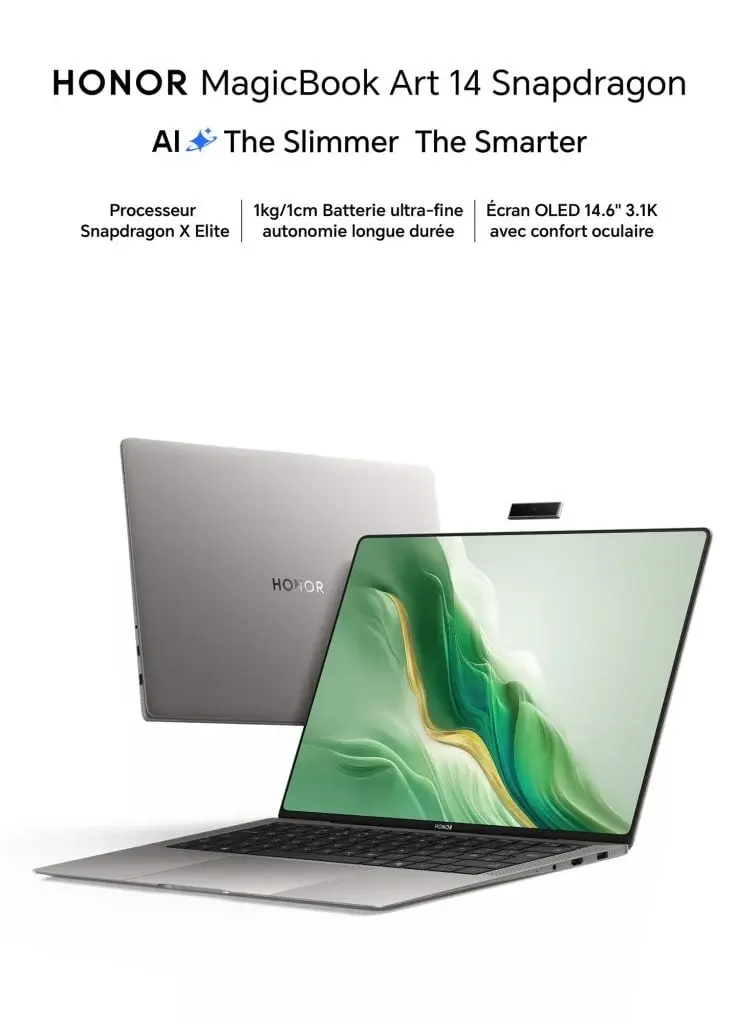
    Honor has expanded its lineup with the MagicBook Art 14 Snapdragon Edition, introduced at IFA 2024 in Berlin. This model is powered by Qualcomm’s Snapdragon X Elite platform, highlighting Honor's commitment to producing AI-enhanced, energy-efficient laptops tailored for both professionals and everyday users.

    Specifications

    The Honor MagicBook Art 14 Snapdragon Edition features a 14.6-inch OLED screen boasting a 3.1K resolution (3120 x 2080 pixels) and a remarkable 97% screen-to-body ratio, thanks to its minimal bezels. With a thickness of just 10mm and a weight of only 1 kilogram, it ranks among the lightest laptops available. Constructed from a magnesium and aluminum alloy, the laptop offers both durability and a lightweight design.

    Internally, the MagicBook Art 14 is equipped with Qualcomm’s Snapdragon X Elite chipset, featuring 12 cores and a peak frequency of 4.0GHz. It is available in configurations of 16GB or 32GB of RAM, coupled with 1TB of storage, providing robust performance for multitasking and professional applications. The Snapdragon X Elite’s AI-enhanced NPU delivers up to 45 TOPS of AI computing power, enabling the laptop to efficiently manage demanding tasks.

    Special Features

    One of the standout features of the MagicBook Art 14 is its OS Turbo 3.0 system, which optimizes power consumption, allowing up to 15.22 hours of 1080P video playback—ideal for long workdays or travel. The laptop also includes a detachable magnetic webcam, offering a unique solution to privacy concerns. When not in use, the webcam can be conveniently stored on the laptop's side, maintaining ultra-slim bezels while providing flexibility for video calls or content creation.

    The laptop integrates Honor’s MagicOS system, supporting Smart Interconnect for seamless collaboration among Honor devices. The MagicRing connection allows users to control multiple devices, such as smartphones, tablets, and laptops, simultaneously using the same peripherals. Additionally, the AI Eraser feature from the Magic V3 smartphone is now available on the laptop, enabling users to remove unwanted background elements from images.

    Pricing & Availability

    While Honor has not yet announced the pricing for the MagicBook Art 14 Snapdragon Edition, it is anticipated to be competitive in its market segment. The Intel-powered version is already on sale in select European markets, so the Snapdragon variant is expected to be available soon. With its combination of high-end performance and advanced features, the MagicBook Art 14 Snapdragon Edition is set to appeal to both professionals and tech enthusiasts.

  • Why Qualcomm Snapdragon X Plus 8-Core Transforms Budget Laptops

    Why Qualcomm Snapdragon X Plus 8-Core Transforms Budget Laptops

    Qualcomm's Snapdragon X Elite processors have been a formidable competitor to Apple in terms of laptop performance, AI capabilities, and battery longevity.

    At the IFA 2024 event, Qualcomm is now shifting focus towards cost-effectiveness with the introduction of the Snapdragon X Plus. This budget-friendly variant aims to make AI-driven laptops more accessible, with potential starting prices as low as $700.

    Before you consider making a purchase, let's delve into the details and implications for your upcoming laptop decision.

    The X1P Chip Variants

    The new processors are available in two versions: the X1P-46-100 and the X1P-42-100. The X1P-46-100 can reach a CPU speed of 4.0 GHz for single-core tasks, with a GPU performance of 2.1 TFLOPS (compared to 3.8 TFLOPS for the 10-core X Plus and 4.6 for the higher-end Snapdragon X Elite models). In contrast, the X1P-42-100 boosts to 3.4 GHz and has a 1.7 TFLOPS GPU. Despite these differences, all Qualcomm NPUs offer 45 trillion operations per second (TOPS), similar to the Snapdragon X Elite. Laptops utilizing these chips will feature the Copilot+ label.

    Here are the specifications for the Snapdragon X Plus (X1P-42-100):

    • Cores: 8
    • Frequency (max): 3.4 GHz
    • Memory bandwidth: 135 GB/s
    • Cache (total): 30 MB

    Microsoft indicates that laptops powered by these new Qualcomm chips will handle more generative AI and machine learning tasks locally, reducing reliance on cloud services. Even if AI isn't your primary interest, the Copilot+ PC label offers benefits. Every laptop with this label includes at least 16GB of RAM and 256GB of solid-state storage, enhancing functionality for web browsing and general computing tasks.

    Understanding the Performance

    While these chips may not set new performance records, they are expected to handle everyday tasks like browsing, document editing, and streaming effectively.

    For example, Tom's Guide tested the Asus Vivo S 15 equipped with Qualcomm's X Plus chips. Here’s how they stack up against the Apple M3 MacBook Air in Geekbench 6:

    Chip Geekbench 6 Single-Core Geekbench 6 Multi-Core
    Snapdragon X Plus 8-core (X1P-46-100) 2780-2813 11713-12001
    Snapdragon X Plus 8-core (X1P-42-100) 2385-2445 11027-11530
    Apple M3 MacBook Air 3082 12087

    As evident, both single-core and multi-core performance lag behind Apple's offerings. The same trend is observed in graphics, with the X1P-46-100 achieving approximately 26 FPS in the demanding WildLife Extreme Vulkan benchmark.

    3D Mark Wildlife Extreme FPS
    Snapdragon X Plus (X1P-46-100) 41
    Snapdragon X Elite (X1E-80-100) 36
    Apple M3 45

    The upside? This reduced performance could potentially result in extended battery life. While official figures are not yet available, these chips might power laptops for longer durations due to lower processing demands.

    Manufacturers and Availability

    Several manufacturers have embraced the new chip announcement. Asus offers a Vivobook S 15 featuring the 8-core X Plus for $899—a significant reduction from its 12-core X Elite counterpart, priced at $1,300. Similarly, Dell's Inspiron 14 is priced at $899 with this new chip.

    Expect additional announcements from Acer, HP, Lenovo, and Samsung. Rumors suggest the $999 Acer Swift Go 14 AI and a new 15-inch Samsung Galaxy Book4 Edge will debut in October.

    Although these budget-friendly Snapdragon X Plus laptops may take time to arrive in stores, their price points provide a clear expectation.

    Is the X Plus Right for You?

    So, who should consider a laptop with the new Snapdragon X Plus chip? Here’s a quick guide:

    • Budget-Conscious Buyers: If you're seeking an AI-powered laptop experience without a hefty price tag, starting prices around $700 are significantly lower than current alternatives.
    • Battery Life Enthusiasts: If extended battery life in a Windows device is your priority, these chips could be appealing, especially if manufacturers design for efficient power use.

    Conclusion

    The Snapdragon X Plus 8-core presents an intriguing choice, blending affordability with AI integration for daily tasks. However, its performance falls short when compared to top-tier options.

    The critical factor will be real-world application performance and how manufacturers incorporate these chips into their laptops. If cost-effectiveness and battery life are your priorities and you don't require high-demand performance, the X Plus could be a worthy contender.

    On the other hand, if top-notch performance is crucial, consider higher-end Qualcomm models or established brands like Apple.

  • Lenovo Concept Laptop Rotates and Closes Lid via Voice Command

    Lenovo Concept Laptop Rotates and Closes Lid via Voice Command

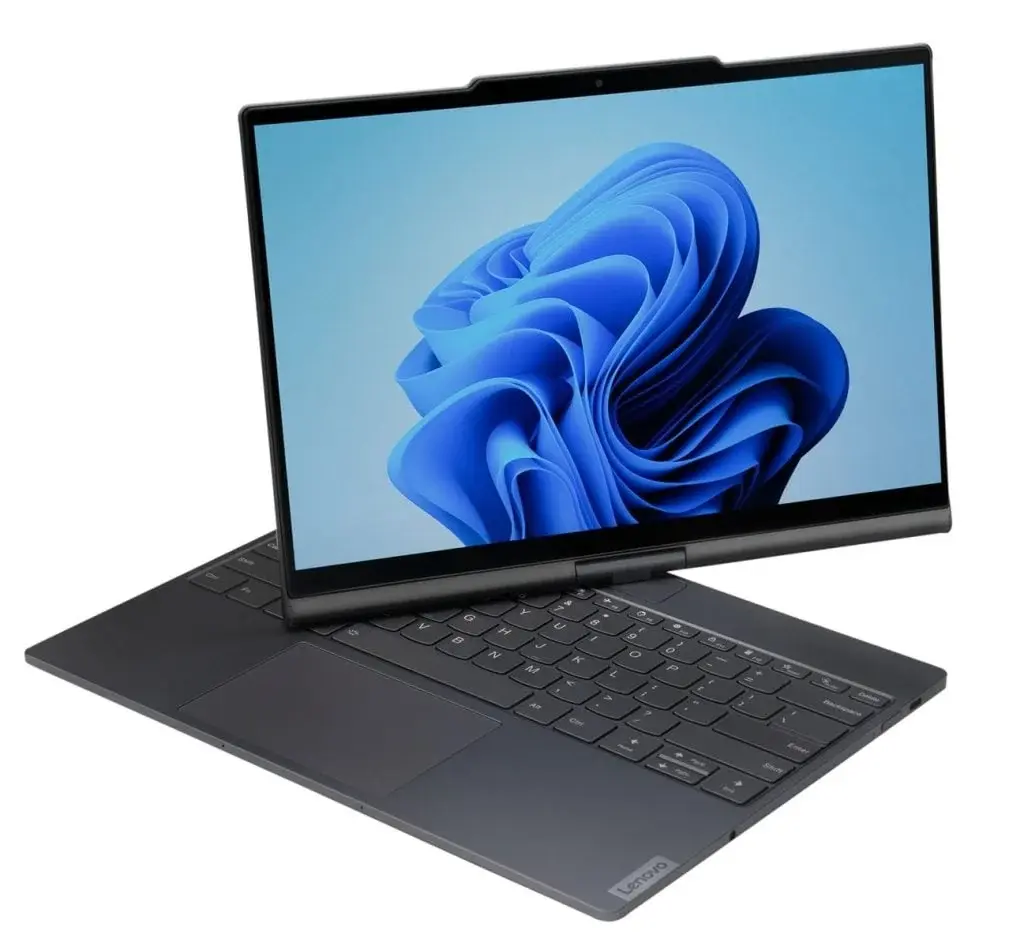
    Lenovo recently introduced a concept laptop, named the Lenovo Auto Twist AI PC, at the IFA in Berlin. This innovative laptop can independently rotate its lid to ensure optimal visibility and closes automatically when left unattended. The standout feature of this device is the interaction between its lid and base, along with AI-driven functionalities aimed at improving user interaction. Let’s explore further.

    Enhancing Video Calls with Automatic Lid Movement

    The company highlights that the Dual Degree of Freedom automatic rotation makes this laptop suitable for both personal and professional applications. The device utilizes AI models to monitor user movements, ensuring that users remain within the camera’s view during video calls. This rotating capability is particularly beneficial for enhancing video conferencing.

    The laptop supports voice commands to switch between different modes, such as "close laptop," "laptop mode," and "tablet mode." This concept follows the Lenovo Thinkbook Plus Twist, released last year, which featured an additional E Ink screen on the reverse side of its lid.

    Performance and Future Prospects

    While Lenovo has described the AI PC’s capabilities as displaying "exceptional performance," they have not disclosed specific details about the machine’s internal components. According to Jennifer Pattison Tuohy from The Verge, the Auto Twist AI PC reacts to voice commands within a second or two, though she notes that the motors are somewhat slow, requiring about 10 seconds to complete a command.

    Lenovo’s communication director, Jeff Witt, stated, "We’re still experimenting with that. A lot of these concepts don’t come to market, but you may see elements of them down the line. It’s got face tracking; it’s basically a video conferencing system built into a laptop. There’s a lot of accessibility potential." There is hope that this innovative concept will make its way to consumers soon.


    Lenovo Concept Laptop Rotates and Closes Lid via Voice Command