Category: Computers

  • CheckMag | Why Split Space Bar Keyboards Are Worth Considering

    CheckMag | Why Split Space Bar Keyboards Are Worth Considering

    Most individuals tend to rely on just one of their thumbs for hitting the space bar, whether they are typing or playing games. Interestingly, even in the world of enthusiast mechanical keyboards, many still feature a single long space bar that occupies about half of the bottom row. An alternative comes in the form of split space bar designs, which break the space bar into two or even three separate keys, as seen with the Epomaker TH40.

    The Purpose of Split Space Bars

    The main aim behind the split space bar design is to maximize the use of our thumbs, which are typically the most agile fingers we have. While this design can indeed enhance thumb function, the perception of technology, especially keyboards, places the split space bar in a somewhat awkward position.

    Advantages of Split Space Bars

    Utilizing a split space bar can lessen finger fatigue and potentially boost both typing speed and accuracy, provided that users are willing to invest some time to adapt. The clear benefit of a split design is its efficient use of space on the keyboard’s bottom row, but there is much more to it. With keyboard customization tools like VIA, having double or triple space bars unlocks numerous possibilities.

    Rather than just pressing one large button with your two strongest fingers, QMK/VIA enables users to remap one or more space bars to functions such as Shift, Enter, or even a layer shortcut on the additional keys. In theory, this remapping allows for adding macros or punctuation that might not be available on the base layer, similar to what we accomplished with the Epomaker TH40 recently.

    Improved Sound Quality

    Another advantage of split space bars is that they tend to produce a better sound, primarily due to their smaller size, which generally makes them easier to stabilize and quiet down.

    After you become accustomed to using a split space bar, particularly if you’ve customized it to your preferences, returning to a traditional keyboard layout can be quite challenging. However, this is where the issues arise. Despite the increasing popularity of Alice layout keyboards, such as the Keychron Q8 Max (currently priced at $219.99 on Amazon), these layouts remain non-standard, meaning that split space bar keyboards can be pricey.

    Challenges in Adoption

    The limited adoption of such designs contributes to the lack of standardization. Many split space bar keyboards still come with both space bars set to function as, well, Space, which is not much more useful than a standard wide space bar. These keyboards can only be effective if users are willing to navigate keyboard customization software to configure the extra buttons in a meaningful way. It seems unlikely that anyone besides the most dedicated enthusiasts and tinkerers would take the time to do this.

    Until a practical standard layout for split space bars that appeals to the average user is established—though the hardcore enthusiasts will remap it regardless—we may all remain stuck in the realm of 7u space bar frustration, twisting and bending our hands in awkward ways just to type a capital “T.”

    Source: Link,Link


    Image 1
    Image 1
  • T5 E-Paper Developer Board with LoRa, E Ink, and MagSafe Features

    T5 E-Paper Developer Board with LoRa, E Ink, and MagSafe Features

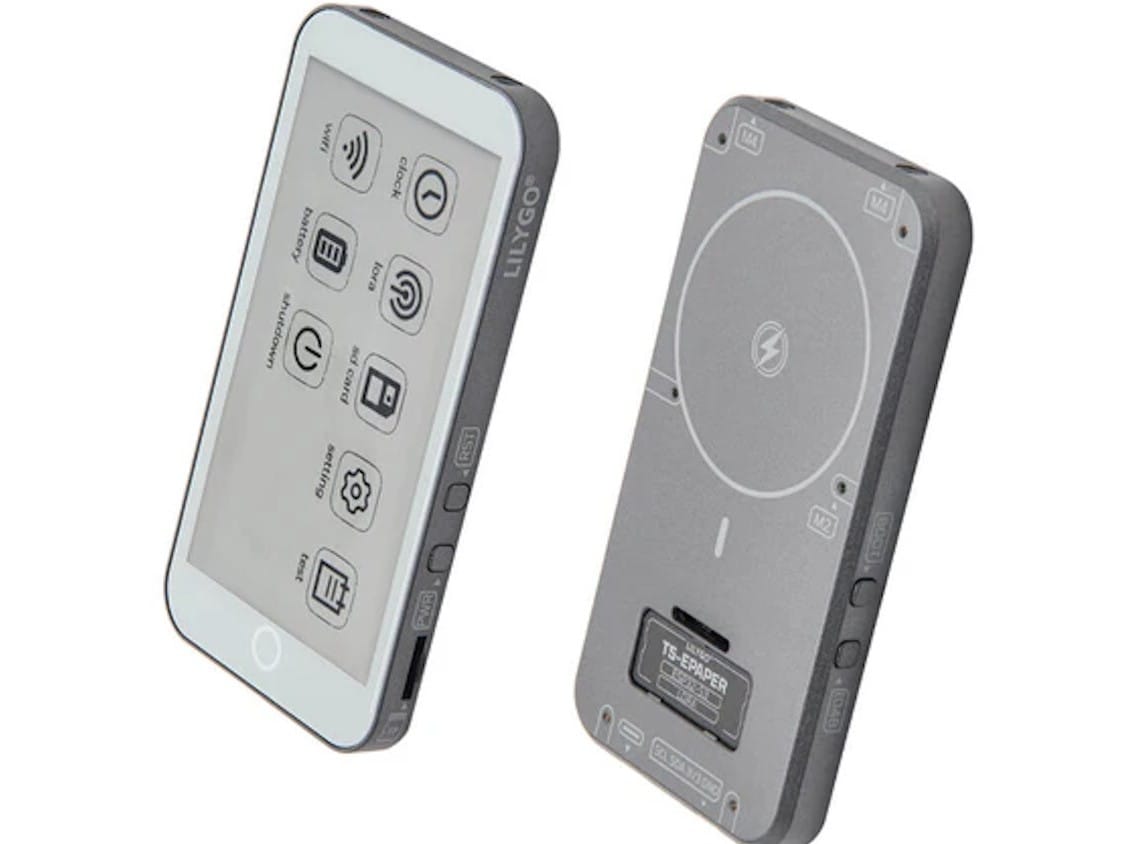
    LilyGo has introduced a new developer board featuring a 4.7-inch E Ink capacitive touchscreen with a resolution of 960 x 540. Like most E Ink displays, this one is designed for easy reading in bright sunlight. While it doesn’t support colors, it can show 16 shades of grey. The purpose of using an E Ink display is to achieve lower power usage compared to traditional screens.

    Technical Specs

    This device is powered by an ESP32-S3 chip, which means it’s not able to run a desktop OS like Windows. Instead, the T5 E-Paper S3 Pro is tailored for programming platforms such as VS Code and Arduino IDE. It includes 16 MB of flash memory, along with 8 MB of PSRAM. Users can also take advantage of a memory card for additional storage.

    Connectivity Options

    The board supports wireless communication not just through WiFi in the 2.4 GHz range and Bluetooth 5, but also through LoRa technology, enabling long-distance data transmission. This feature is particularly useful for IoT devices that typically transmit small amounts of data. Finally, the T5 E-Paper S3 Pro has dimensions of 129 x 69 x 11 mm (LxWxH) and supports MagSafe-compatible wireless charging.

    LILYGO is currently listing the price at $73.06, but the unit is out of stock at the moment. For those who seek a more affordable option, the Vision Master E213 on Amazon could be a good alternative.

    Source: Link


    Image 1
  • Intel Secures $7.9 Billion Grant for Semiconductor Projects

    Under the 2022 U.S. CHIPS and Science Act, the Department of Commerce has given Intel $7.86 billion for its semiconductor manufacturing projects. This funding is aimed at supporting advanced packaging efforts at various Intel locations including Arizona, New Mexico, Ohio, and Oregon. This is the largest direct funding amount ever provided by the U.S. government to a single company, following a preliminary agreement made in March 2024.

    Intel’s Commitment to Semiconductor Production

    This funding is part of Intel’s dedication to reinstating America’s role as a leader in semiconductor manufacturing. This initiative is projected to create tens of thousands of jobs while boosting national security. Intel expects that through the CHIPS Act, it will generate over 10,000 direct jobs, almost 20,000 construction positions, and more than 50,000 indirect jobs in related sectors.

    CEO Highlights Economic Growth

    Pat Gelsinger, the CEO of Intel, underlined the importance of this funding, stating, “With Intel 3 already in high-volume production and Intel 18A set to follow next year, leading-edge semiconductors are once again being made on American soil.” He pointed out that these investments will not only foster economic growth but also strengthen national security by increasing the production of chips within the country.

    Additional Financial Support

    Along with the grant, Intel will also gain from a 25% investment tax credit, which will aid the company’s plans to invest over $100 billion in semiconductor manufacturing and research and development within the U.S. in the coming years.invest over $100 billion

    Intel is also engaged in various projects, including the Secure Enclave program, which has been awarded a separate $3 billion contract. These initiatives are designed to address the rising demand for secure and trusted semiconductor manufacturing. The company’s advancements in new technologies, like the Intel 3 and Intel 18A process nodes, further solidify Intel’s position as a leader in the semiconductor market.

    Source: Link,Link

  • Qualcomm Snapdragon X Elite Market Share Below 0.8%

    Qualcomm Snapdragon X Elite Market Share Below 0.8%

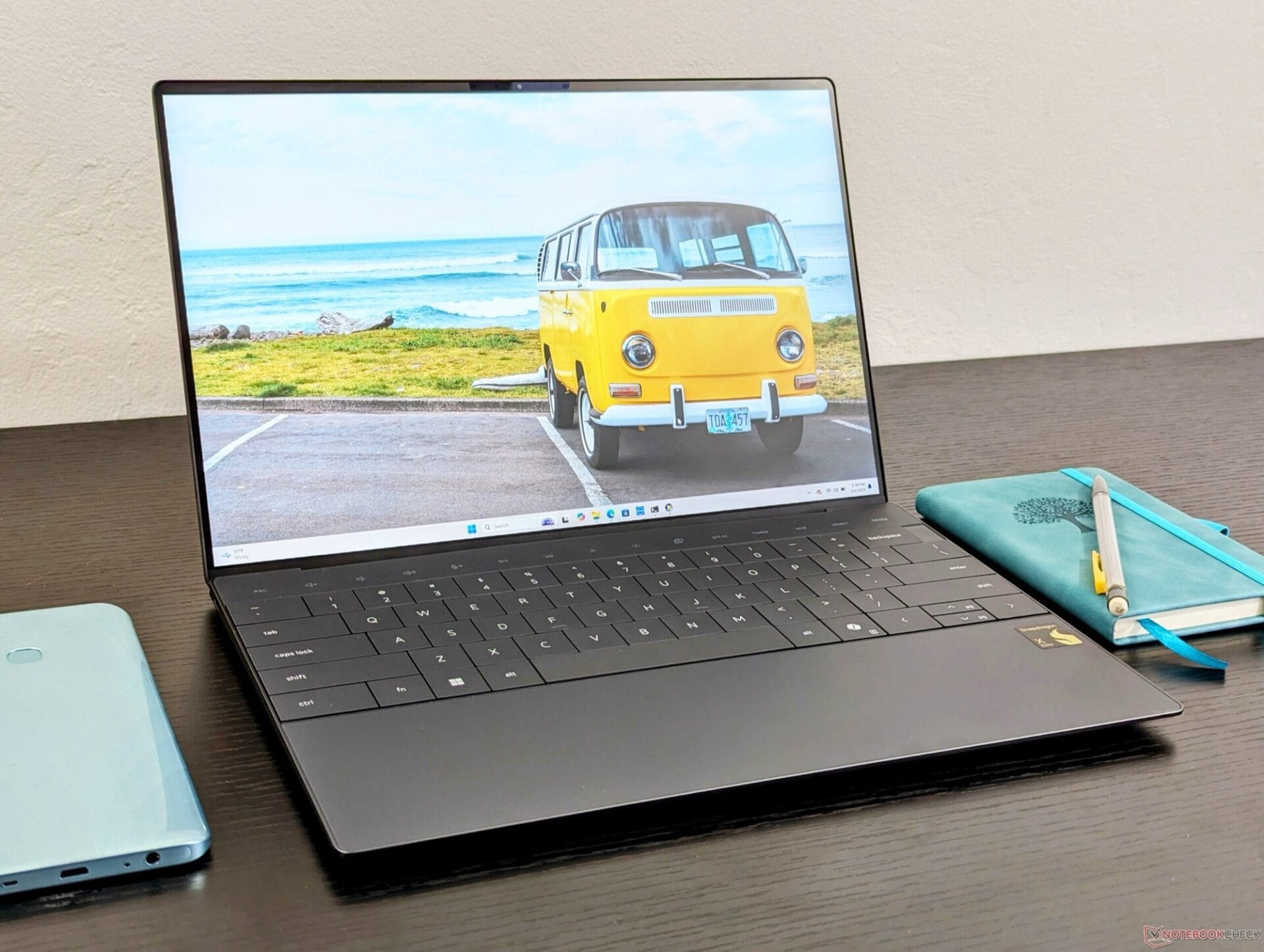
    Qualcomm had big ideas for the Snapdragon X Elite, with plans for it to capture 40 to 60% of the PC market by 2027. However, they recently changed their goals and are now aiming for a market share of 30 to 50% by 2029. What’s even more surprising is that this new target is focused solely on AI notebooks that aren’t based on x86 architecture; it seems Qualcomm has decided to exclude Intel and AMD from its notebook market calculations entirely.

    Market Analysis of Snapdragon X Laptops

    An analysis from Canalys helps to explain why Qualcomm’s goals have been significantly reduced. In the third quarter of 2024, which marked the first full quarter of Snapdragon X laptops being available, only 720,000 of these Qualcomm-powered devices were shipped. This results in a market share of less than 0.8%, meaning that only one in every 125 laptops sold was equipped with a Snapdragon X chip. Microsoft stands out as the top manufacturer of Snapdragon laptops, which is not surprising, as they exclusively provide products like the new Surface Pro featuring Snapdragon X chips.

    Other Manufacturers in the Field

    The rest of the market is filled with Dell, HP, Lenovo, Acer, and Asus. According to reports, a total of 13.3 million notebooks with AI accelerators were shipped in the third quarter, accounting for a 20% market share. However, the majority of these notebooks are powered by AMD’s Ryzen AI 300 and Intel’s Lunar Lake chips, leaving Qualcomm on the sidelines. Canalys also mentions that notebook makers aren’t too sure that Microsoft’s Copilot+ features will encourage buyers, as about two-thirds of retailers believe that less than 10% of computers sold next year will support Copilot+.

    Source: Link,Link


  • Next-Gen Honor MagicBook Set for Launch with Top Battery Life

    Next-Gen Honor MagicBook Set for Launch with Top Battery Life

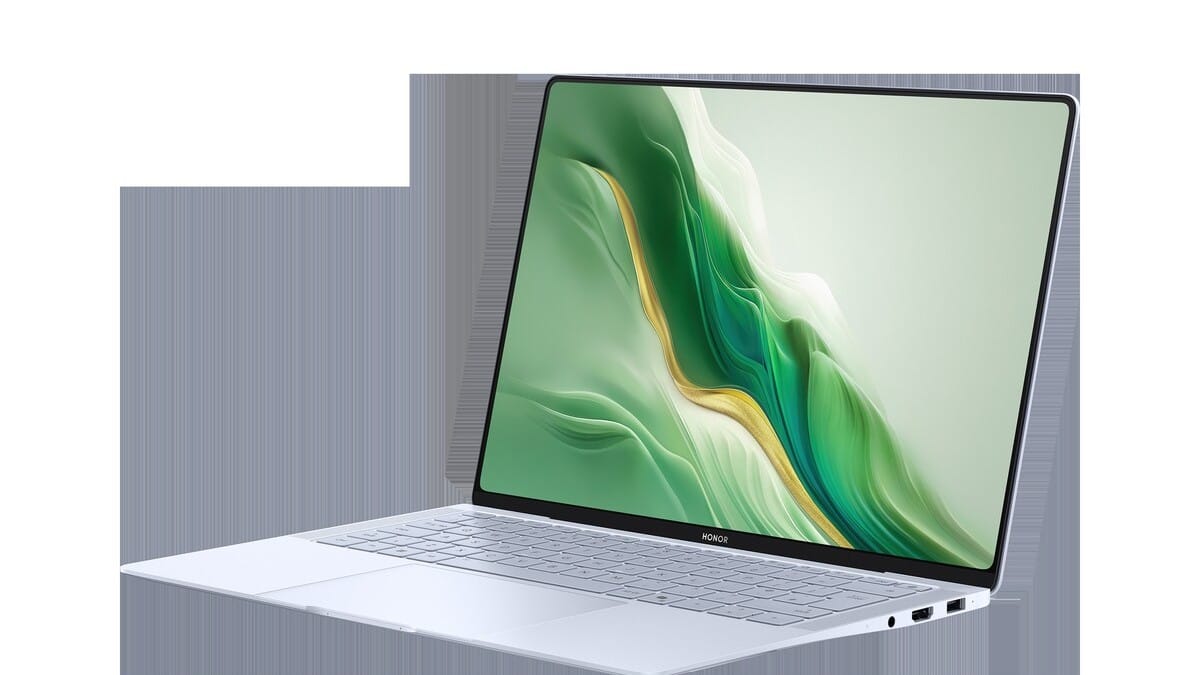
    Honor’s previous Intel-based laptop was praised for being an “Ultra-Slim and Long Battery Life” machine, featuring a 60 watt-hour (Wh) battery. Now, it seems that the upcoming MagicBook Art 14’s successor is set to “achieve new heights” in these areas, as per insights from the well-known leaker Digital Chat Station.

    New Processor Expectations

    Additionally, the next version of the MagicBook is expected to launch with a “Core 5” processor, which includes updated Raptor Lake-U chips, instead of the Ultra 7 155H. This change is seen as a step toward a whole new range of Honor ultrabooks anticipated for release in 2025, promising significant improvements that many consumers are looking forward to.

    Upcoming Releases

    Meanwhile, the rumored successor to the Art 14 is expected to be unveiled alongside the Honor 300 series of mid-range smartphones. These smartphones may also feature larger batteries and redesigned camera bumps, adding to their appeal.

    Currently, the 2024 model of the MagicBook X16, powered by the i5-12450H, can be found on Amazon in India priced at INR 39,990 (around $474), which is a 49% discount from its original price. This model comes equipped with 16GB of RAM and a 512GB SSD.

    Source: Link

  • Best All-in-One Desktop Alternatives to Apple iMac M4 for 2024

    Best All-in-One Desktop Alternatives to Apple iMac M4 for 2024

    Apple has just introduced its latest all-in-one desktop machine, the iMac, equipped with a brand new M4 chip. The starting version now includes 16GB of RAM, which is an upgrade from older models, and maintains the high-quality webcam, microphone, and speaker system that were present in the last generation.

    Considerations for Buyers

    Even though these features are noteworthy, the iMac may not suit everyone. The reliance on Apple’s ecosystem and its higher price tag might not be attractive to all users. Luckily, the market for all-in-one desktops has expanded greatly in recent years, providing many excellent options that lie outside of Apple’s ecosystem.

    Top Picks for All-in-One Desktops

    To assist you in finding the best choices, we have researched and compiled our favorite all-in-one models listed below. Even if you don’t spot exactly what you need, take a moment to explore these desktop computers just this once.

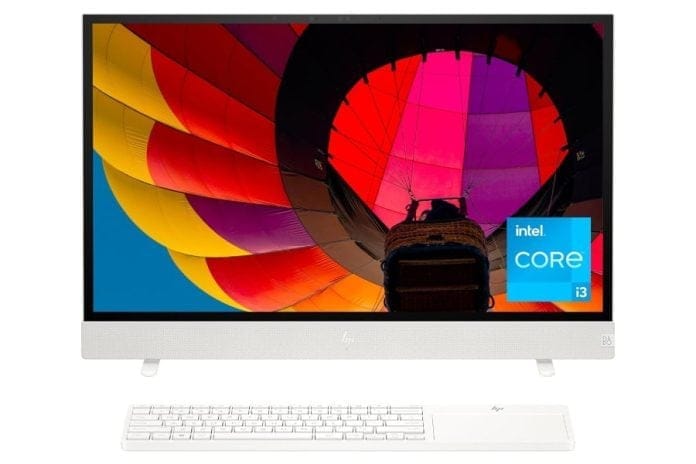
    1. HP Envy Move
      For those who need flexibility, the HP Envy Move presents a unique approach to all-in-one design. Its light weight construction features a handle and self-deploying feet, which makes portability a breeze. Whether you’re working in your home office or watching a show in the living room, the Move adjusts easily to fit your needs.

    The 23.8-inch 1440p touchscreen is bright and quick to respond, driven by a 13th Gen Intel Core i5-1335U processor and Intel Iris Xe Graphics. With its 16GB of RAM and 1TB SSD, it offers reliable performance for daily activities. Plus, the built-in battery provides a few hours of usage without being plugged in, enhancing its portability.

    Specification Details

    • Screen Size: 23.8 inches (2560 x 1440, IPS)
    • Processor: Intel Core i5-1335U
    • RAM: 16GB
    • Storage: 1TB SSD
    • Graphics: Intel Iris Xe Graphics
    • OS: Windows 11 Home

    Image 1
    Image 1
    Image 1
  • Sanwa Supply Launches Wireless Handheld Mouse with Media Controls

    Sanwa Supply Launches Wireless Handheld Mouse with Media Controls

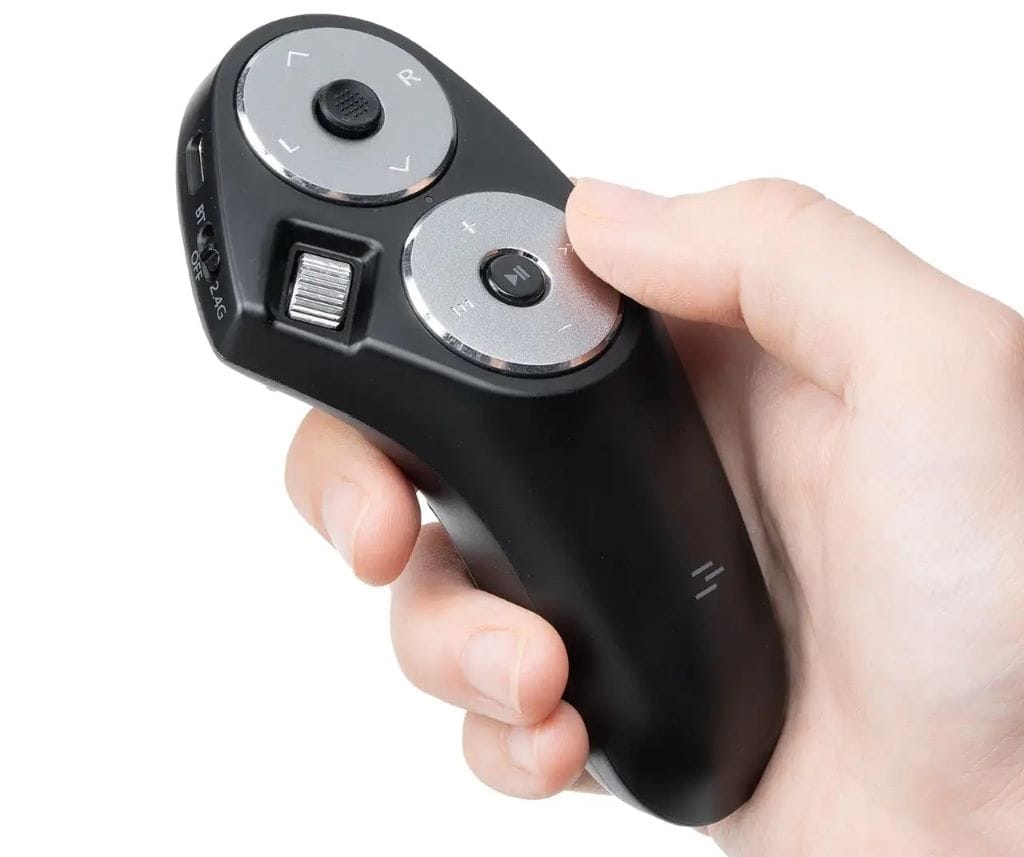
    Sanwa Supply has introduced the 400-MAWBT204BK, a handheld mouse designed for wireless control of computers. This device features a pointing stick, which is similar to the Lenovo TrackPoint, allowing users to move the cursor without needing a flat surface. This is particularly beneficial for AR/VR/XR users, as well as those who prefer to control applications while walking in virtual reality or relaxing in bed.

    User-Friendly Design

    The pointing stick is encircled by a control pad that includes four buttons for easy navigation—page up, page down, next page, and previous page—making it convenient for managing presentations or reading eBooks. Additionally, a media control pad located below the mouse pad enables users to manage media playback directly, eliminating the need to move the cursor to on-screen play, fast forward, rewind, or volume settings. In between the two pads, there’s a scroll wheel that allows for precise scrolling through pages.

    Specifications and Features

    This wireless handheld mouse has a weight of 1.98 oz. (56 g) and dimensions of 2.28 x 4.5 x 2.22 in. (5.78 x 11.43 x 5.63 cm). It includes a 2.4 GHz Wi-Fi USB-A receiver that can be stored within the mouse’s grip for easy transportation. Users can switch between Wi-Fi and Bluetooth 5.0 mode using a switch on the mouse. When in Bluetooth mode, this mouse is compatible with devices running Android OS, Apple iOS, Chrome OS, MacOS, and Windows. The rechargeable battery offers around 75 hours of usage under normal conditions.

    Pricing and Availability

    The Sanwa Supply 400-MAWBT204BK is priced at 7,480 yen (approximately $49) and can be purchased through Sanwa Direct in Japan. For those who haven’t yet explored virtual reality, the popular Meta Quest 3 headset is available on Amazon right now.

  • Lenovo ThinkPad T16: Why Right to Repair is Rare in Laptops

    Lenovo ThinkPad T16: Why Right to Repair is Rare in Laptops

    Repairing gadgets not only helps the planet, it also cuts down costs. The “right to repair” movement has become a hot topic in the tech world recently, with new companies like Framework bringing attention to this issue.

    Keyboard Vulnerabilities

    One component of laptops that is prone to damage is the keyboard. This mechanical section can get easily harmed, whether from a spill or a key being ripped off. This creates a compelling reason to make this part easier to swap out.

    Changing Repairability

    In the past, fixing laptop keyboards was generally straightforward. Unfortunately, that’s not the case today, as many brands now tightly integrate the keyboard into the laptop’s design. With the trend towards thinner laptops, allowing for keyboard replacement could compromise the overall structure. But really, what should take priority: a sleek design or the ability to repair the laptop?

    Exceptions to the Rule

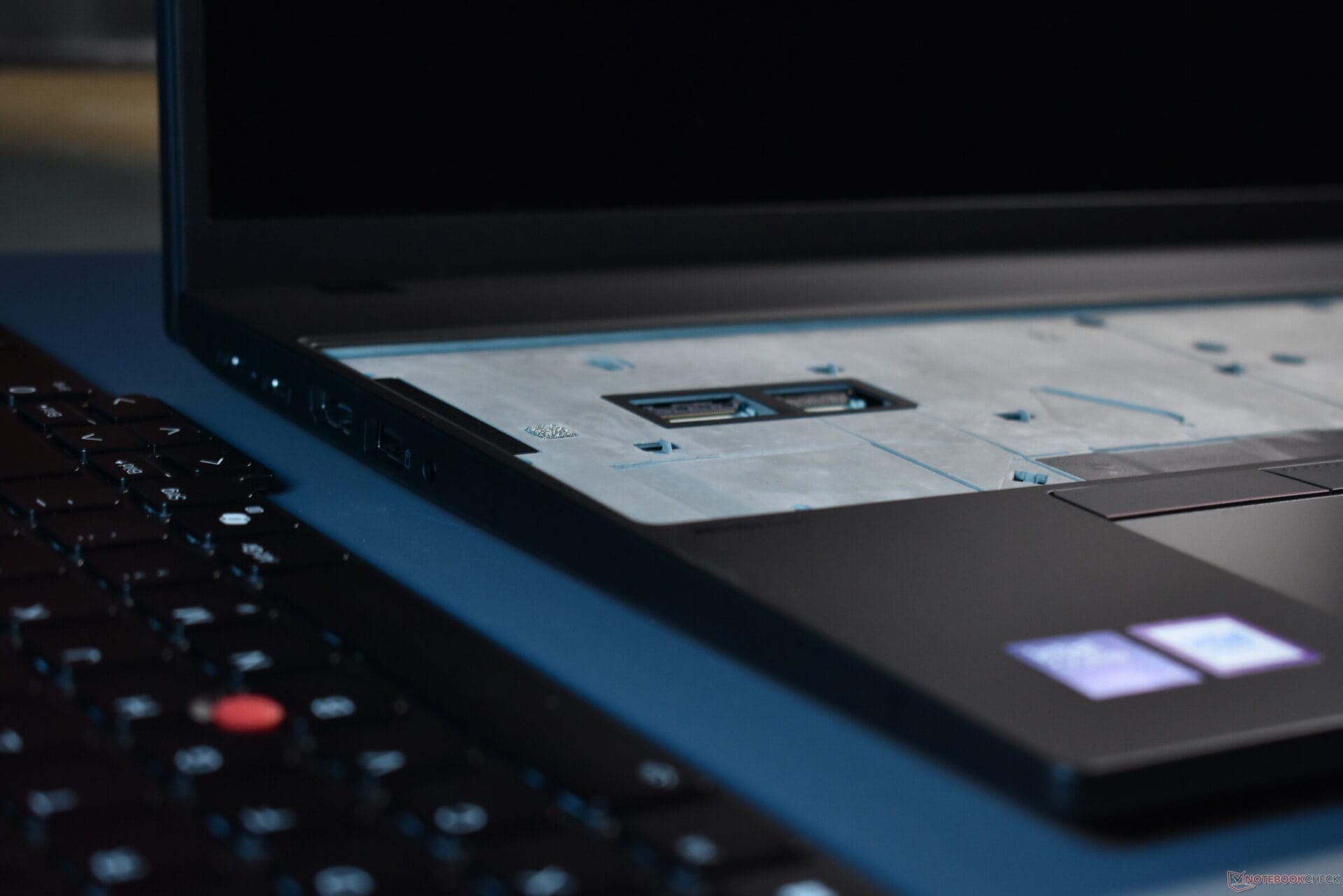
    Some laptops still break this trend. A prime example is the Lenovo ThinkPad T16 Gen 3, which we recently examined. This large-screen business laptop from the renowned ThinkPad series features a keyboard that can be swapped out in just a few minutes. The user needs to unscrew two screws on the bottom, and the keyboard easily slides out. This is because the keyboard is not built into the top cover; it stands alone as a separate piece.

    Even in the realm of business laptops, this repair-friendly aspect is now uncommon—why is that? If manufacturers fail to provide such straightforward and effective options for making laptops more repairable, they open themselves up to criticism from the right to repair movement, and they deserve it.

    Source: Link

  • Raspberry Pi Launches RP2350 Pico 2 W with Wireless & Micro USB

    Raspberry Pi Launches RP2350 Pico 2 W with Wireless & Micro USB

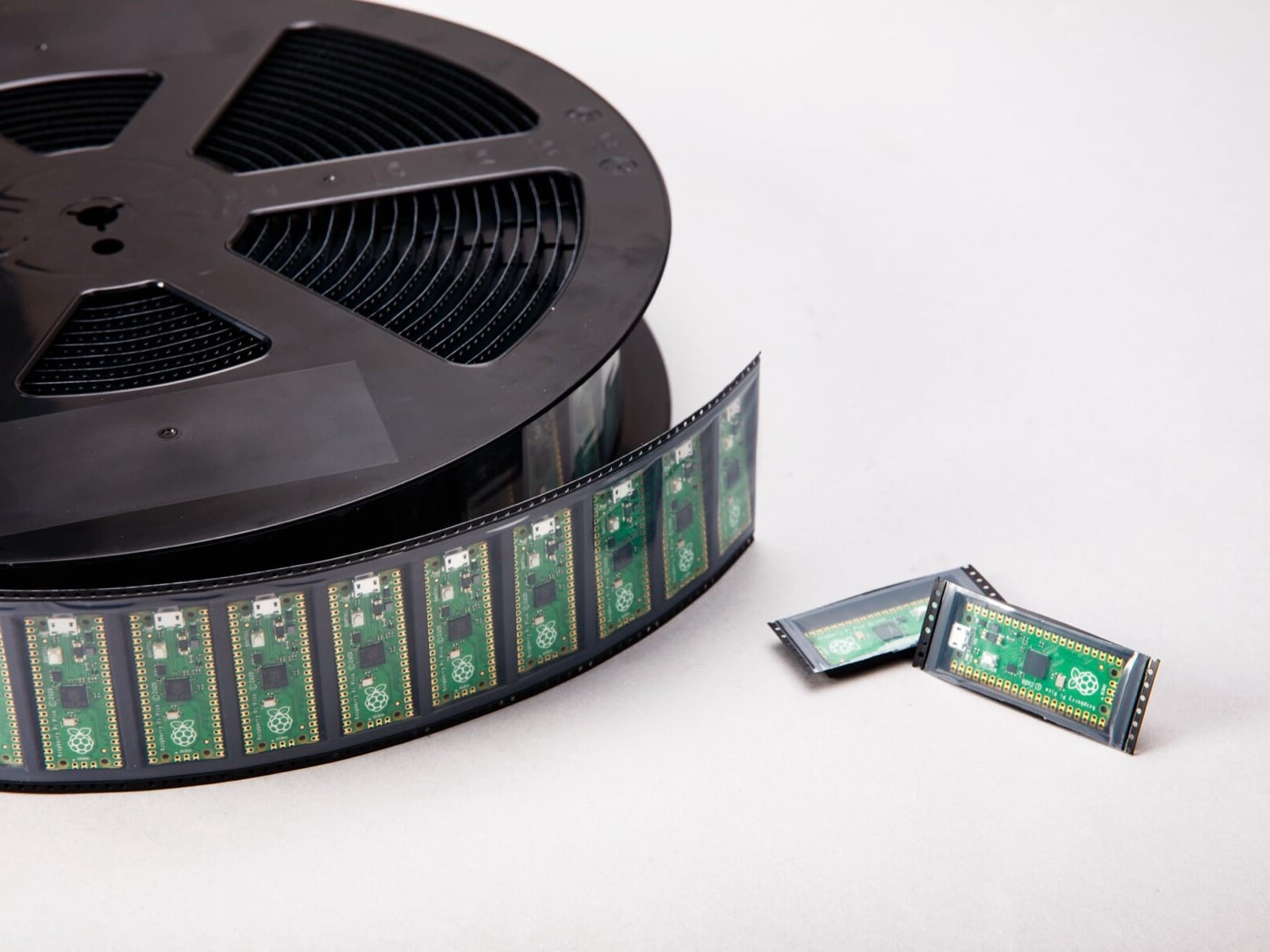
    The Raspberry Pi Foundation has updated its Pico 2 microcontroller board just about three months after the first version launched worldwide (curr. $9.99 on Amazon). This new version, known as the Pico 2 W, brings wireless connectivity into the mix but comes with a higher price.

    Pricing Details

    The Pico 2 W is priced at $7, making it 40% pricier than the standard Pico 2. To summarize, the Pico 2 series is powered by the RP2350 microcontroller, which has 520 KB of SRAM along with two ARM Cortex-M33 processor cores that support both ARM Trustzone and Secure Boot. Additionally, the RP2350 has two RISC-V Hazard3 cores, though only one set can operate at a time.

    Specifications

    In addition to its features, the Pico 2 W includes 4 MB of onboard QSPI flash storage, a Micro USB 1.1 port, and a 26-pin GPIO header. Moreover, the Pico 2 W utilizes the Infineon CYW43439 modem from the earlier model, which limits its connectivity to Bluetooth 5.2 and Wi-Fi 4 (802.11 n). For further details, refer to CNX Software’s initial comparison of the Pico 2 and Pico 2 W, along with the Pi Foundation’s website for purchasing information.

    Source: Link,Link


    Image 1
  • Seasonic Prime TX-1600 Noctua Edition: Ultra Quiet PSU for $569

    Seasonic Prime TX-1600 Noctua Edition: Ultra Quiet PSU for $569

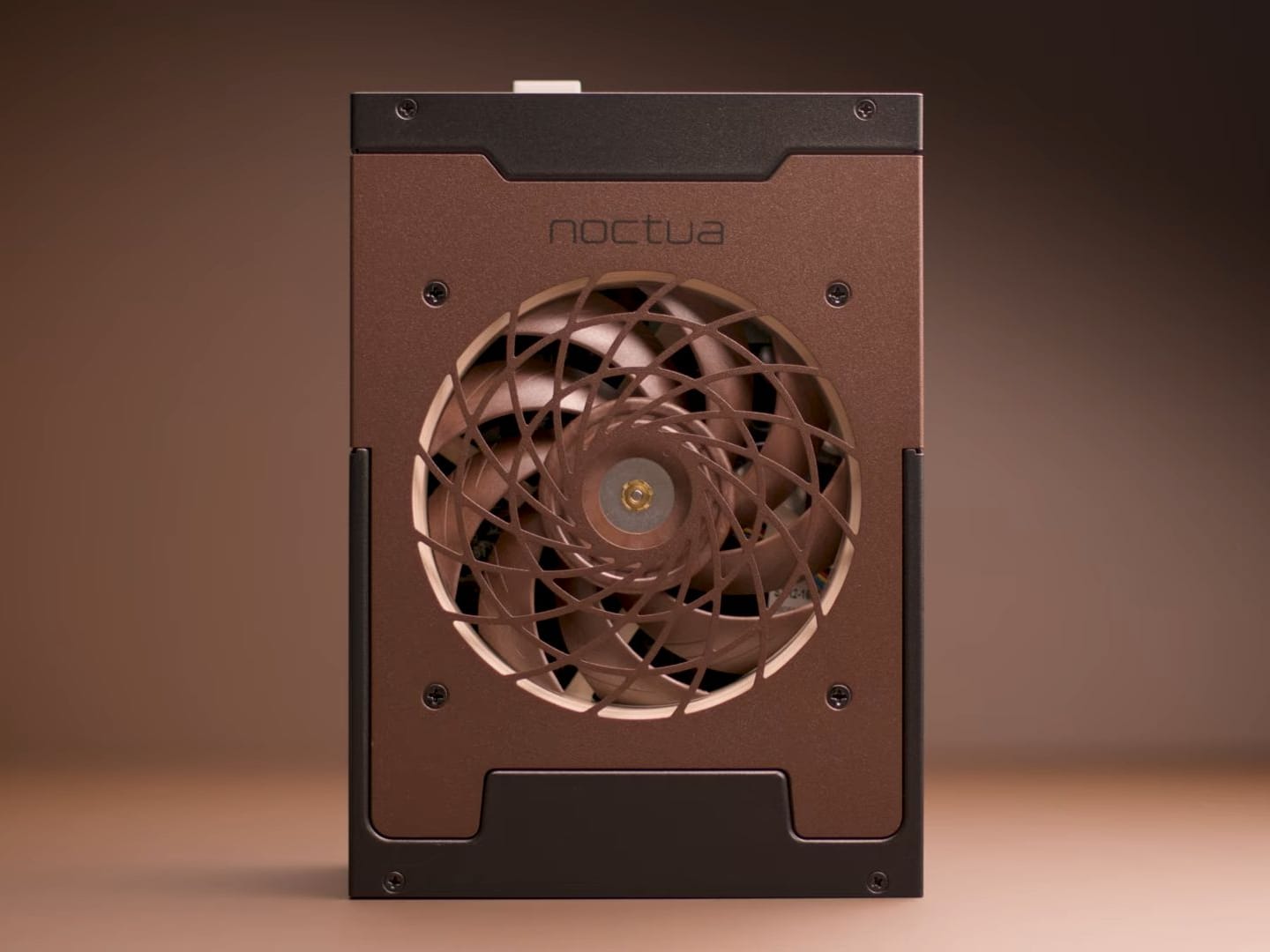
    Noctua and Seasonic have teamed up to launch what they call an ‘ultra-quiet’ ATX power supply (PSU). Following closely after the NF-A6x15 and its splitter cable, the Prime TX-1600 Noctua Edition enhances an existing Seasonic PSU instead of being a completely new product.

    Overview of the Noctua Edition

    The Noctua Edition brings updates to the Prime TX-1600, which is currently priced at $539.99 on Amazon and has been around for more than two years. Interestingly, the design of the Noctua Edition appears unchanged since it was first revealed by Noctua and Seasonic at Computex 2024 in June. The new version simply replaces the fan with an NF-A12x25 model.

    Features and Performance

    In a recent press release, Noctua mentioned that they have added a ‘custom engineered fan grill’ to their well-known case fan. As a result, the Noctua Edition is claimed to operate approximately 8-10dB(A) quieter compared to the regular Prime TX-1600. For more details on how these modifications affect airflow, you can check out Noctua’s images and dedicated article below.

    Specifications and Availability

    The Prime TX-1600 Noctua Edition can manage a load of up to 1600 W and comes equipped with two 12V-6×2 connectors, as stated by Seasonic. Additionally, this model complies with ATX 3.1 standards. It is expected to be available starting today at a price of $569 in the US and €499 in Europe. However, Noctua has cautioned that it might take a day or two for the PSU to be listed for purchase on certain regional Amazon sites.

    Source: Link,Link,Link,Link


    Image 1
    Image 1
    Image 1
    Image 1