Key Takeaways
1. The U.S. government is working to reduce reliance on semiconductor imports from Taiwan, where TSMC produces 90% of advanced chips crucial for technology and military applications.
2. Historical tensions between Taiwan and China date back to the end of the Chinese Civil War in 1949, with China viewing Taiwan as a breakaway province.
3. A 2022 secret report warned that a halt in semiconductor production in Taiwan could lead to severe global economic downturns, prompting U.S. tech leaders to prepare for potential military escalations by China.
4. The U.S. has initiated multi-billion-dollar projects, including the CHIPS Act, to boost domestic semiconductor production but faces challenges due to higher manufacturing costs and TSMC’s technological advantage.
5. Despite new manufacturing plants being built in the U.S., significant reliance on Taiwan remains, especially in advanced packaging processes, suggesting ongoing geopolitical risks.
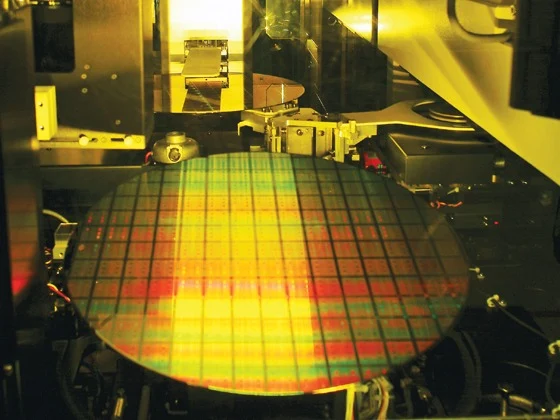
For many years, the U.S. government has been trying to lessen its reliance on semiconductor imports from Taiwan. TSMC, a company based in Taiwan, produces about 90% of the world’s most advanced high-performance chips. These chips are essential for smartphones, AI systems, data centers, and military technology. The New York Times has reported, citing confidential sources, that high-ranking technology leaders in the U.S. were urgently alerted in a secret security briefing as early as 2023 about the risk of escalation involving Taiwan.
Historical Tensions
The military strife between Taiwan and China is deeply rooted. Ever since the end of the Chinese Civil War in 1949, the People’s Republic of China has viewed Taiwan as a province that has broken away. The Chinese government sees considerable political and economic benefits in reuniting with Taiwan. If the situation were to worsen, the geopolitical and economic impacts could be extensive.
Economic Warnings
As early as 2022, a secret report from the Semiconductor Industry Association highlighted the serious economic consequences that could arise from such a situation. The report estimated that a halt in production in Taiwan could lead to the worst global economic downturn since the Great Depression. The New York Times also mentioned that U.S. intelligence agencies briefed top executives like Tim Cook from Apple, Jensen Huang from Nvidia, and Lisa Su from AMD. They were warned that China might increase military pressure on Taiwan by 2027 or even consider an invasion, and they were encouraged to get ready for such an eventuality.
U.S. Initiatives
Following these warnings, the United States has intensified its efforts to decrease its dependency on semiconductor manufacturing in Taiwan. Washington has initiated multi-billion-dollar projects aimed at boosting domestic production. Former President Biden has set aside about 50 billion dollars through the CHIPS Act to help build new semiconductor factories in the U.S., while President Donald Trump used tariffs and political influence to encourage companies to move production back to the U.S. However, the industry remains hesitant. Manufacturing costs in the U.S. are higher, and TSMC still holds a significant technological advantage.
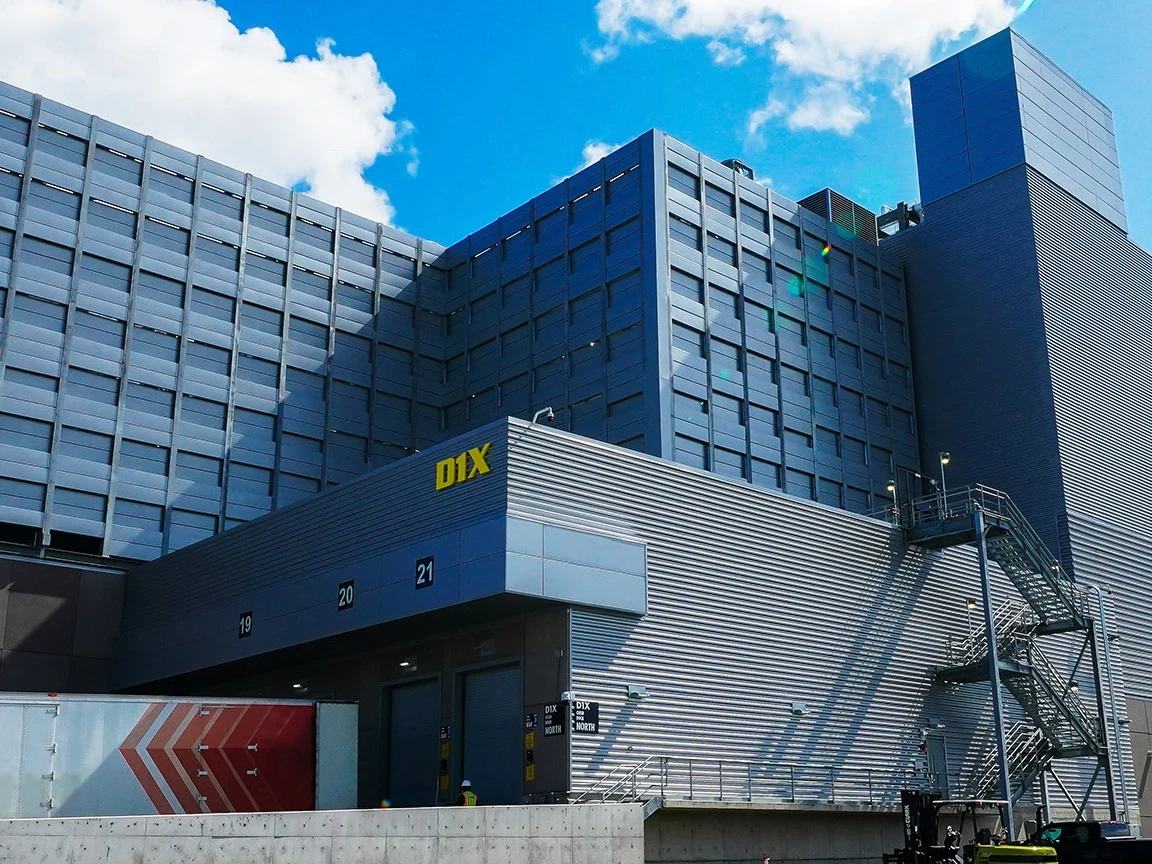
In the meantime, new manufacturing plants are being built in Arizona with support from investments made by TSMC, Intel, Nvidia, and other tech companies. Despite these developments, the reliance on Taiwan is still substantial. Key processes like advanced packaging continue to primarily take place in Taiwan. Therefore, a complete separation from Taiwan is viewed as unrealistic in the near future, indicating that geopolitical risks are likely to continue for the time being.
Source:
Link