Category: Computers

  • New Retro Laptop Supports Cartridges, Uses Upcycled iPad 2 Screen

    New Retro Laptop Supports Cartridges, Uses Upcycled iPad 2 Screen

    Key Takeaways

    1. The Msxbook is a retro laptop designed for enthusiasts of vintage technology, specifically compatible with the MSX2+ standard.
    2. It features a 9.7-inch display with a resolution of 1,024 x 768 pixels, repurposed from an iPad 2, and includes a mechanical keyboard without a touchpad.
    3. The laptop is powered by an Altera Cyclone FPGA chip and has a cartridge slot for expansion, along with various connectivity options, including USB ports and a VGA port.
    4. The Msxbook’s battery has a capacity of 4,000 mAh, providing up to four hours of usage on a single charge.
    5. It is priced at $195 and can be found on Tindie and Hackster.io, although it is currently out of stock.


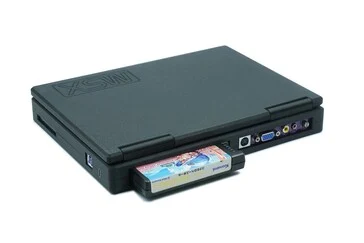
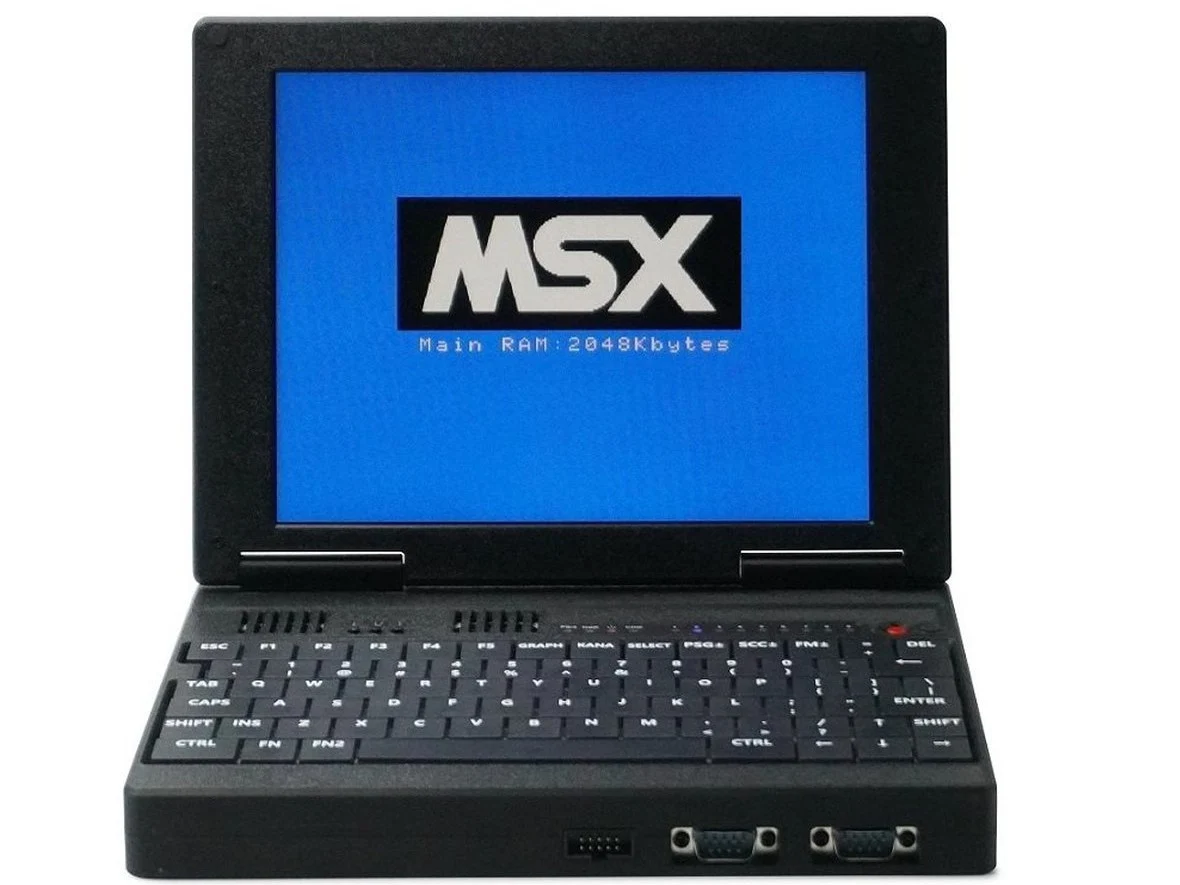
    The laptop industry is quite expansive, with many people showing interest in vintage technology. This has led to the emergence of laptops specifically designed for these enthusiasts. The creators of Pocket 386 have launched the Msxbook, a retro laptop that works with the MSX2+ standard. Though it may not be widely recognized, the MSX(2) system is an open standard for 8-bit home computers that gained popularity in places like Japan.

    Display and Input Features

    The Msxbook is equipped with a 9.7-inch display that has a resolution of 1,024 x 768 pixels. Interestingly, this screen is not originally made for the Msxbook but is instead repurposed from an iPad 2. For user interaction, the laptop comes with a mechanical keyboard; however, it does not include a touchpad. Users can still connect a mouse if they prefer that option. Audio capabilities include two built-in speakers and a 3.5 mm audio jack for connecting additional audio devices.

    Performance and Connectivity

    At its core, the Msxbook runs on an Altera Cyclone FPGA chip and features a cartridge slot that allows for the addition of expansion boards. It also provides two DB9 connectors for joystick support, a VGA port for video output, along with a USB-A port and a USB-C port, which can be utilized for charging its 4,000 mAh battery. This battery is designed to last up to four hours on a single charge. The Msxbook is available for purchase on Tindie at a price of $195, but at the moment, it is out of stock.

    Availability and Online Presence

    You can find more about the Msxbook on platforms like Tindie and Hackster.io.

    Source:
    Link

  • Geekom XT1 Mega Mini PC: Core Ultra 9, 32GB RAM, 2TB SSD Sale

    Geekom XT1 Mega Mini PC: Core Ultra 9, 32GB RAM, 2TB SSD Sale

    Key Takeaways

    1. Geekom has launched the XT1 Mega mini PC in two models: Intel Core Ultra 9 185H ($989) and Intel Core Ultra 5 125H ($769), both with discounts available.
    2. Both models are equipped with an NPU for AI applications, 32GB DDR5 RAM, and storage options of 1TB or 2TB NVMe SSDs, with the ability to expand RAM up to 64GB.
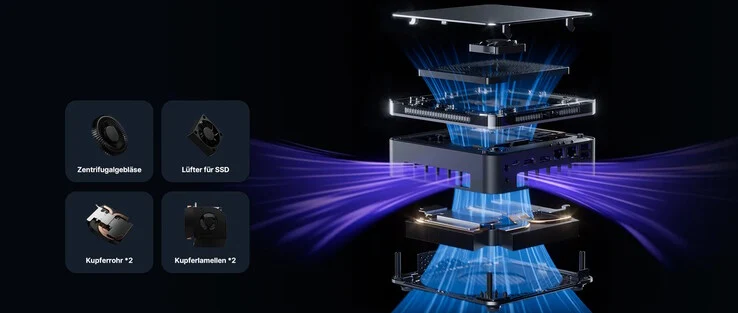
    3. The XT1 Mega features a reliable cooling system and a durable build designed to withstand falls from a desk.
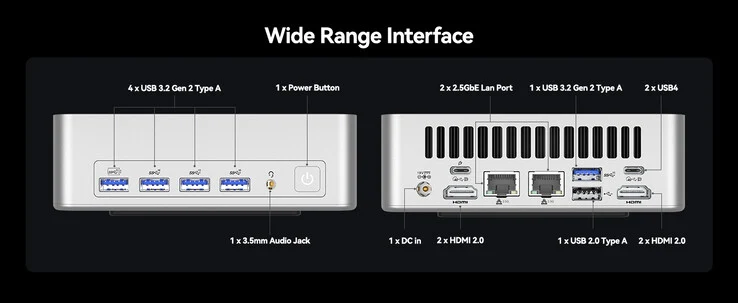
    4. Connectivity options include four USB-A 3.2 Gen 2 ports, two HDMI 2.0 ports, two USB 4.0 ports, two Ethernet ports, WiFi 7, and Bluetooth 5.4.
    5. Users can add a second SSD through an M.2 2242 slot with a SATA interface, enhancing storage capabilities.


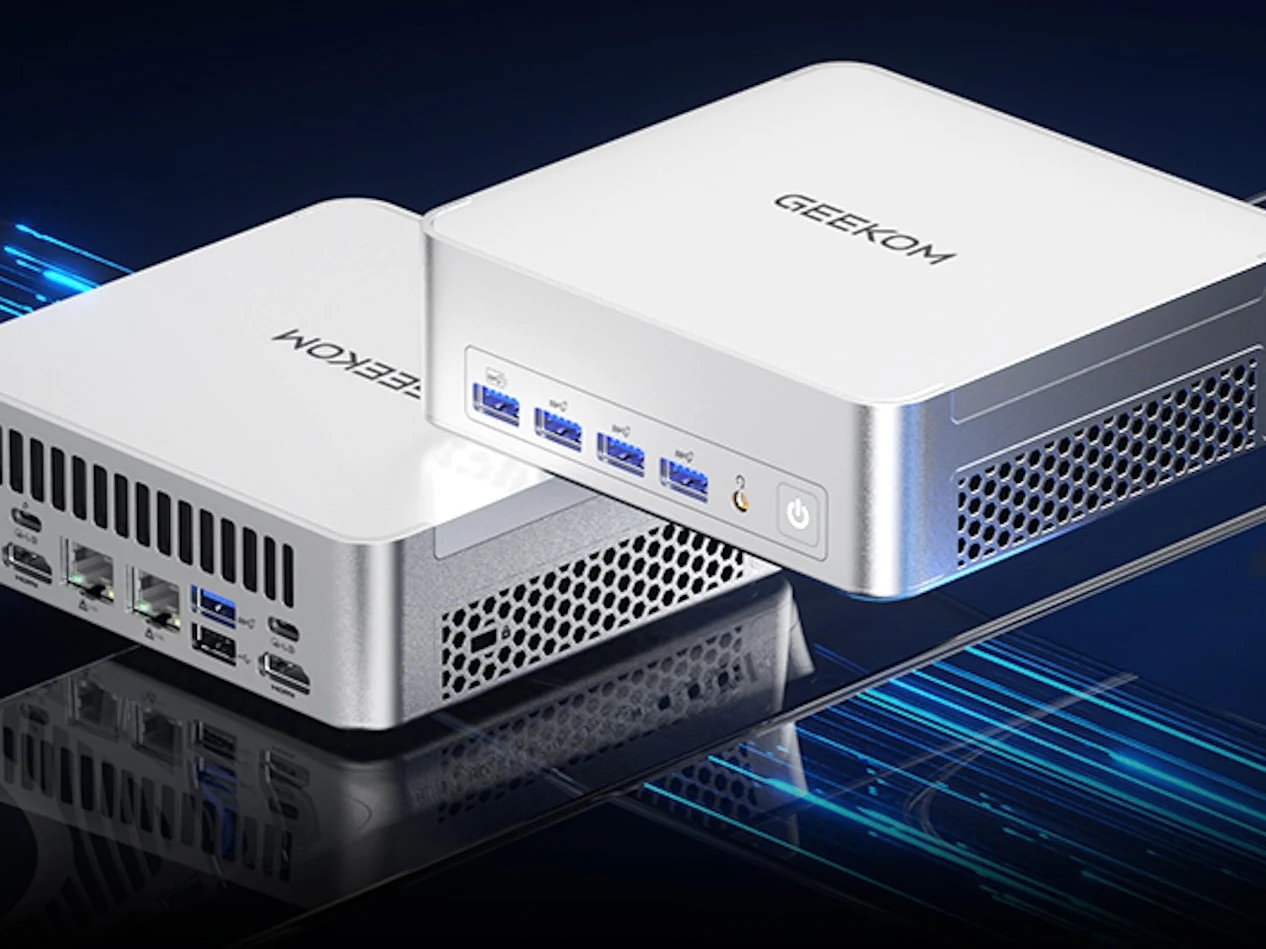
    Geekom has a variety of mini PCs in its collection, and they just launched a new one called the Geekom XT1 Mega. This device is now available in two different models, which is pretty exciting for tech fans.

    Pricing and Models

    The higher-end model features the Intel Core Ultra 9 185H and is priced at $989. On the other hand, the version with the Intel Core Ultra 5 125H is offered at $769 on Amazon. Currently, both models enjoy discounts of $80 and $50, respectively. Don’t forget, shoppers need to apply the coupon code found on the product page to get these deals.

    Performance and Specifications

    No matter which model you choose, the Geekom XT1 Mega is designed to handle more intense tasks and software. The processors may not be the latest, but they include an NPU that is useful for AI applications. The mini PC also comes with 32GB of DDR5 RAM and offers storage options of either 1TB or 2TB in NVMe SSDs.

    In addition to that, the XT1 Mega provides two slots for RAM, allowing for a maximum of 64GB DDR5 RAM running at a speed of 5,600 MHz. Users can also add a second SSD using an M.2 2242 slot, which connects through the slower SATA interface instead of PCIe. Furthermore, this model is said to have a reliable cooling system, and its build is tough enough to withstand falls from a desk.

    Connectivity Features

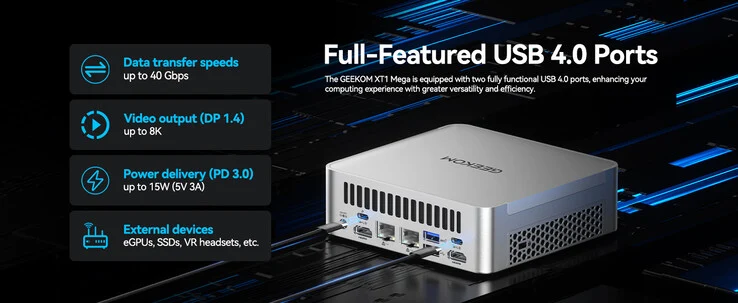
    On the front panel, you’ll find four USB-A 3.2 Gen 2 ports along with a 3.5mm audio jack for headphones or speakers. The back of the device is equipped with two HDMI 2.0 ports and two USB 4.0 ports; these USB ports can handle image output and USB PD 3.0 up to 15 watts. Additionally, there are two Ethernet ports capable of data transmission at speeds up to 2.5 GBit/s. It also supports WiFi 7 and Bluetooth 5.4, making it quite versatile for connectivity needs.

    Source:
    Link


  • Khadas Mind 2S Mini PC: 64GB RAM, Built-in Battery, Laptop Mode

    Khadas Mind 2S Mini PC: 64GB RAM, Built-in Battery, Laptop Mode

    Key Takeaways

    1. The Khadas Mind 2s features a modular design with the unique Mind Link connector for adding various modules, offering 256 GT/s bandwidth.
    2. Expansion options include the Mind Dock for enhanced connectivity, the Mind Graphics module as an external GPU, and the Mind xPlay module to convert it into a laptop.
    3. The mini PC has a compact size of 5.75 x 4.13 x 0.79 inches and is powered by an Intel Core Ultra 7 255H processor with 64GB LPDDR5X RAM.
    4. It includes a small 5.55Wh battery for brief power backup and features fast storage options with a 2TB M.2 2230 SSD via PCIe 4.0.
    5. Connectivity options consist of Thunderbolt 4, USB 4, HDMI 2.1, and two USB 3.2 Gen 2 Type-A ports, with a retail price of $1,599.


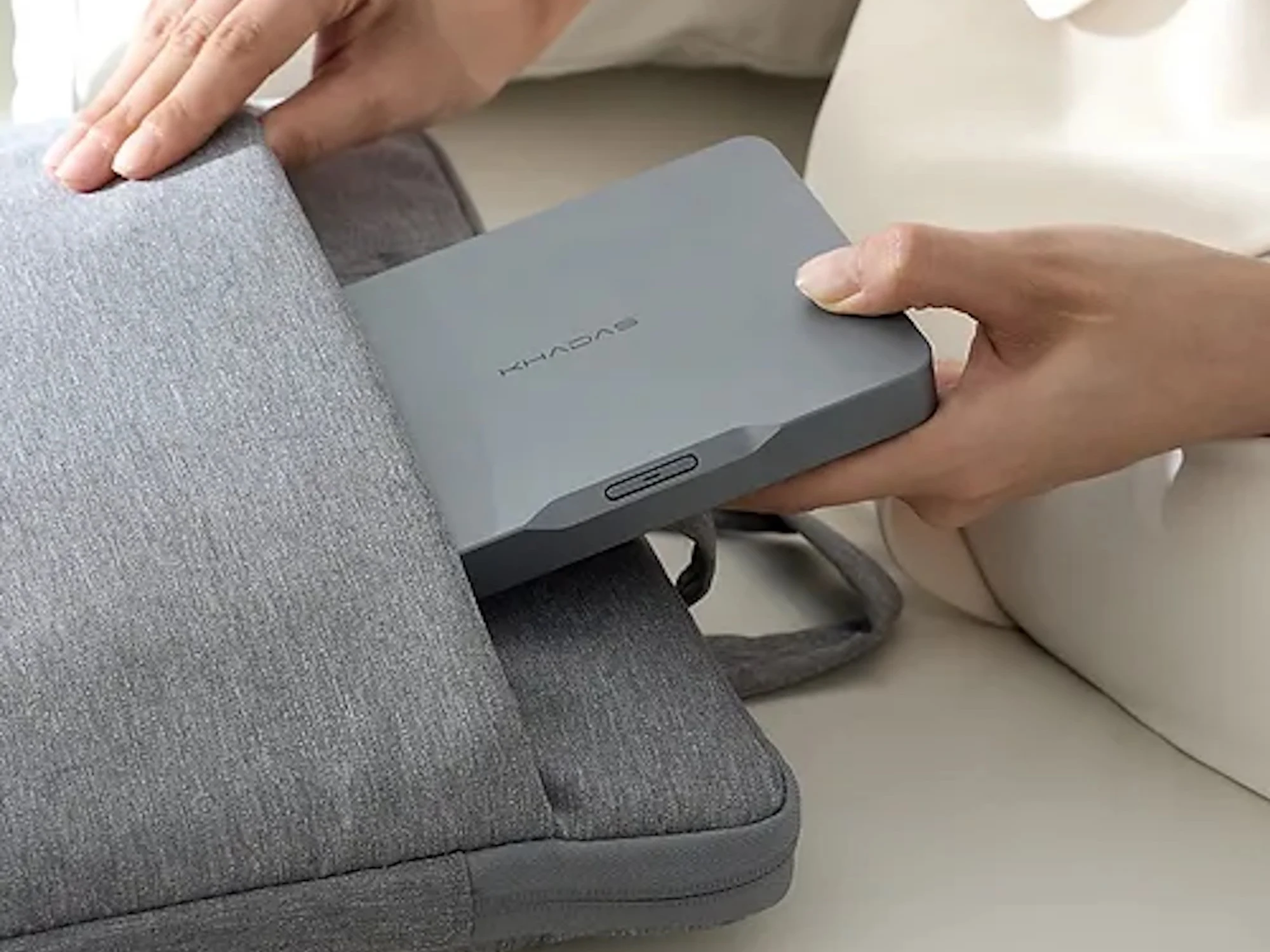
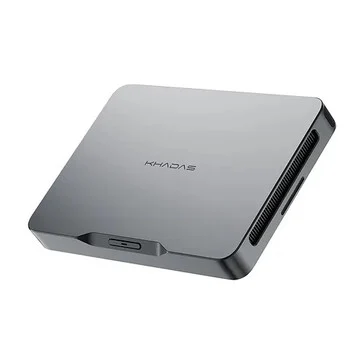
    The Khadas Mind 2s is a recently launched mini PC that’s designed on a modular framework and is now ready for purchase. A standout feature of this innovative device is a unique connector known as Mind Link, which allows users to add different modules. This connector provides an impressive bandwidth of 256 GT/s.

    Expansion Modules Available

    For those looking to expand their options, the manufacturer has introduced the Mind Dock, which enhances connectivity. Additionally, the Mind Graphics module serves as an external graphics card. If you’re looking to convert the mini PC into a full laptop, the Mind xPlay module is the way to go. We’ve already had a chance to test the base model, and the overall design remains consistent with the Khadas Mind 2s.

    Specifications and Features

    This compact computer includes a small battery, only 5.55Wh. When the Khadas Mind 2s is plugged in, it quickly enters standby mode. Hence, the battery is mainly meant to provide a brief power backup when connecting another module.

    The dimensions of the Khadas Mind 2s are 5.75 x 4.13 x 0.79 inches, and it features an Intel Core Ultra 7 255H processor. It comes with 64GB LPDDR5X RAM that has a peak clock speed of 7,467 MHz. The M.2 2230 SSD, which can hold 2TB of data, is connected via PCIe 4.0.

    Connectivity and Pricing

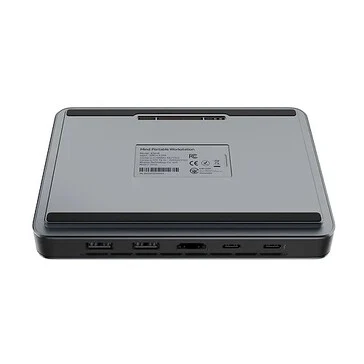
    The mini PC is equipped with Thunderbolt 4, USB 4, and HDMI 2.1, along with two USB 3.2 Gen 2 Type-A ports. The official price set by the manufacturer for this new mini PC is $1,599. While Khadas offers products on Amazon, the Mind 2s is currently not available on that platform.

    Source:
    Link


  • Pre-order AMD Acemagic F3A Mini PC with 64GB DDR5 Discount

    Pre-order AMD Acemagic F3A Mini PC with 64GB DDR5 Discount

    Key Takeaways

    1. Pre-order price for the Acemagic mini-PC is $759 for the barebone version, discounted from $959.
    2. Pre-order bonuses include a free 8-in-1 docking station and options for 32GB or 64GB of RAM with a 1TB SSD.
    3. The mini-PC features an AMD Ryzen AI 9 HX 370 processor with 12 cores and 24 threads, along with an integrated AMD Radeon 890M GPU.
    4. Limited external GPU support through USB 4, with no OCuLink port available.
    5. Connectivity options include multiple USB ports, HDMI 2.1, DisplayPort 2.0, and dual 2.5 Gbit/s Ethernet ports, plus internal storage upgradeability.


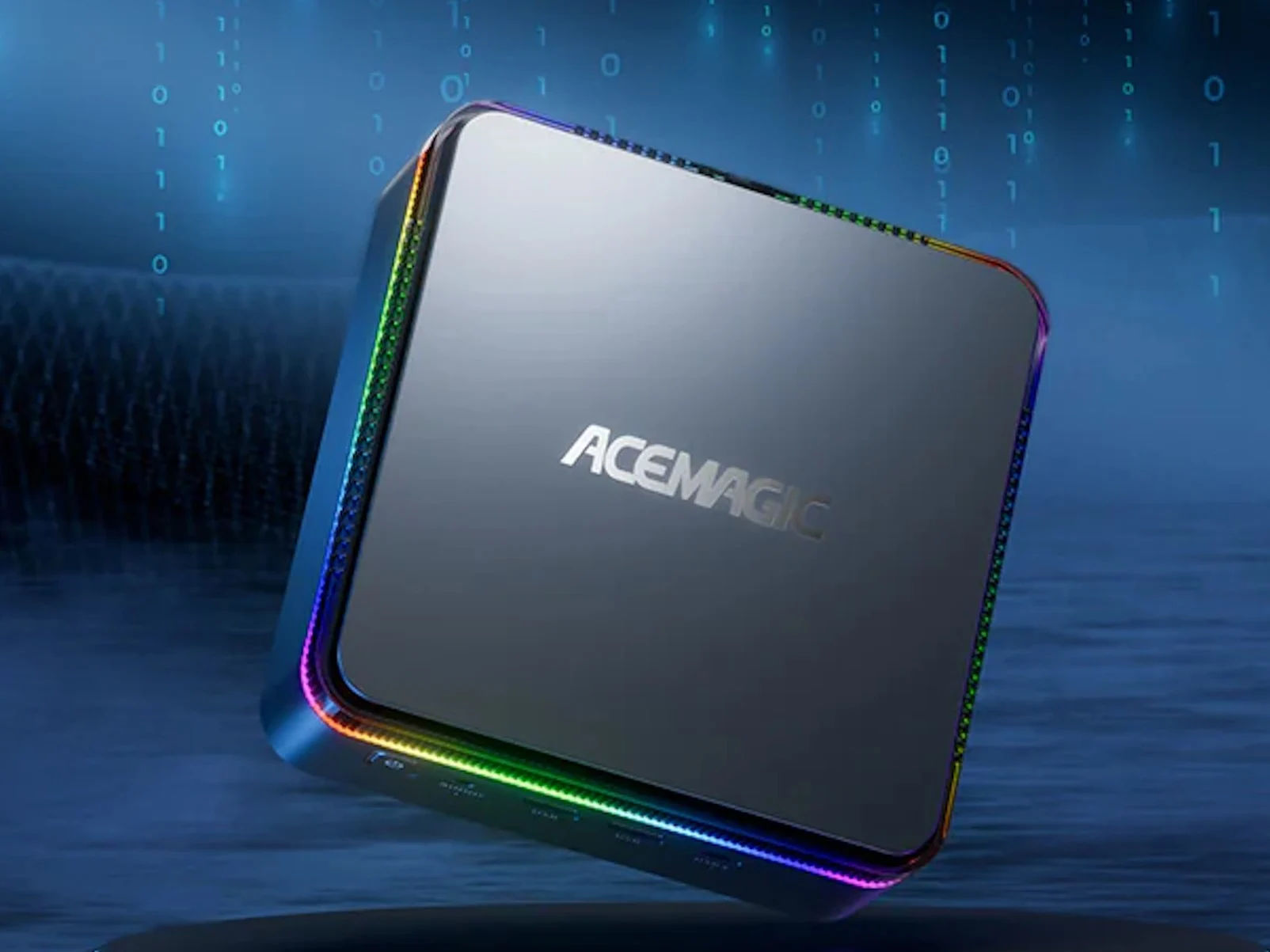
    We talked about the F3A AI 370 before, and now Acemagic’s new mini-PC is up for grabs. For those eager to get their hands on it, there’s a pre-order deal that lets you snatch it for just $759. This price is for the barebone version, which doesn’t include RAM or an SSD. Normally, this entry-level setup would cost $959 without the launch discount.

    Pre-order Bonuses and Options

    If you’re looking for more power, the Acemagic mini-PC also comes in versions with either 32GB or 64GB of RAM, along with a 1TB SSD. Plus, anyone who pre-orders the F3A will be gifted an 8-in-1 docking station. This special offer is set to last for another 24 days, but Acemagic hasn’t yet revealed when shipping will actually start.

    Powerful Specifications

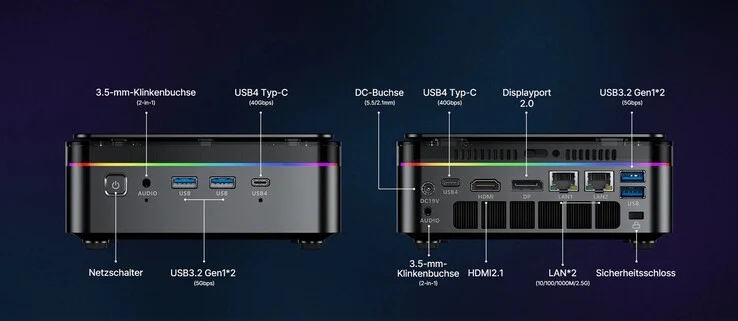
    As its name implies, the Acemagic mini PC is fitted with an AMD Ryzen AI 9 HX 370 processor, featuring 12 cores, 24 threads, and a 24MB L3 cache. It includes an AMD Radeon 890M integrated GPU, but the support for external graphics cards is somewhat limited since the Acemagic F3A AI 370 does not have an OCuLink port. Therefore, if you want to use an external GPU, you’ll need to connect it through USB 4, which has a bandwidth cap of 40 Gbit/s. On the front, you’ll find the USB 4 port, two USB 3.2 Gen 1 ports, a 3.5mm headphone jack, and the usual power button.

    Connectivity and Expandability

    At the back of the unit, there’s an extra USB Type 4 port, plus two more USB 3.2 Gen 1 ports, an HDMI 2.1 port, and a DisplayPort 2.0 port. You can also establish wired internet connections with two Ethernet ports, each offering 2.5 Gbit/s. Finally, the internal storage is easily upgradeable with a second M.2 2280 slot, and the mini PC can support up to 96GB of DDR5 memory. Not to forget, it also comes with stylish RGB lighting!

    Source:
    Link


  • Cuktech Launches 15 Ultra 20,000mAh Power Bank with 210W Fast Charge

    Cuktech Launches 15 Ultra 20,000mAh Power Bank with 210W Fast Charge

    Key Takeaways

    1. High Capacity and Versatility: The Cuktech 15 Ultra power bank has a 20,000 mAh capacity and can charge laptops, smartphones, tablets, and gaming handhelds.

    2. Multiple Ports and Power Output: It features three ports (two USB-C and one USB-A) with a combined output of 210 W, allowing for efficient charging of multiple devices.

    3. Fast Recharging Capability: The power bank can be fully recharged in just 45 minutes using dual USB-C ports at 165 W.

    4. Smart Display Features: The device includes a 1.3-inch color TFT smart display that shows real-time charging stats and adjustable settings, enhancing user experience.

    5. Availability and Pricing: The Cuktech 15 Ultra is available on Amazon in the US and UK for $119.99/£89.95, including a 3.2 ft PD 3.1 cable.


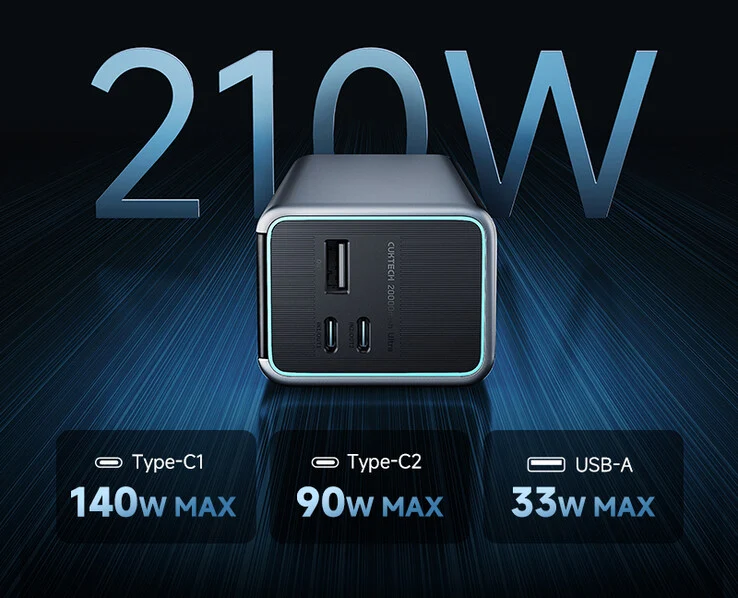
    China’s Cuktech, a manufacturer of charging solutions, has introduced its new 15 Ultra power bank, boasting a hefty 20,000 mAh capacity. This device is crafted to charge a variety of electronics including laptops, smartphones, tablets, and gaming handhelds. The 15 Ultra features three ports: two USB-C and one USB-A, delivering a combined output of 210 W.

    Power Allocation Specs

    When it comes to power distribution, the USB-C1 port provides up to 140 W, while USB-C2 can handle up to 65 W (90 W specifically for Xiaomi devices), and USB-A can output up to 33 W when used alone. If all three ports are active, the USB-C1 port will supply 100 W, with the other two at 45 W and 15 W charging speeds, respectively. Impressively, it can be fully recharged at 165 W through USB-C dual-port self-charging in as little as 45 minutes.

    Size and Weight

    In terms of size, this portable charging solution measures 5.98 x 2.25 x 1.75 inches (151.8 x 57.1 x 44.4 mm) and weighs about 589 grams (~1.3 lbs). Cuktech claims that it can charge smartphones to 70% in just 20 minutes. It also works with various fast-charging protocols, including PPS, UFSC, QC, PD 3.1, FCP, SCP, and MiPPS. Unlike competitors like Ugreen, Cuktech includes a 3.2 ft (0.97 m) PD 3.1 cable in the package, making it very handy.

    Smart Display Features

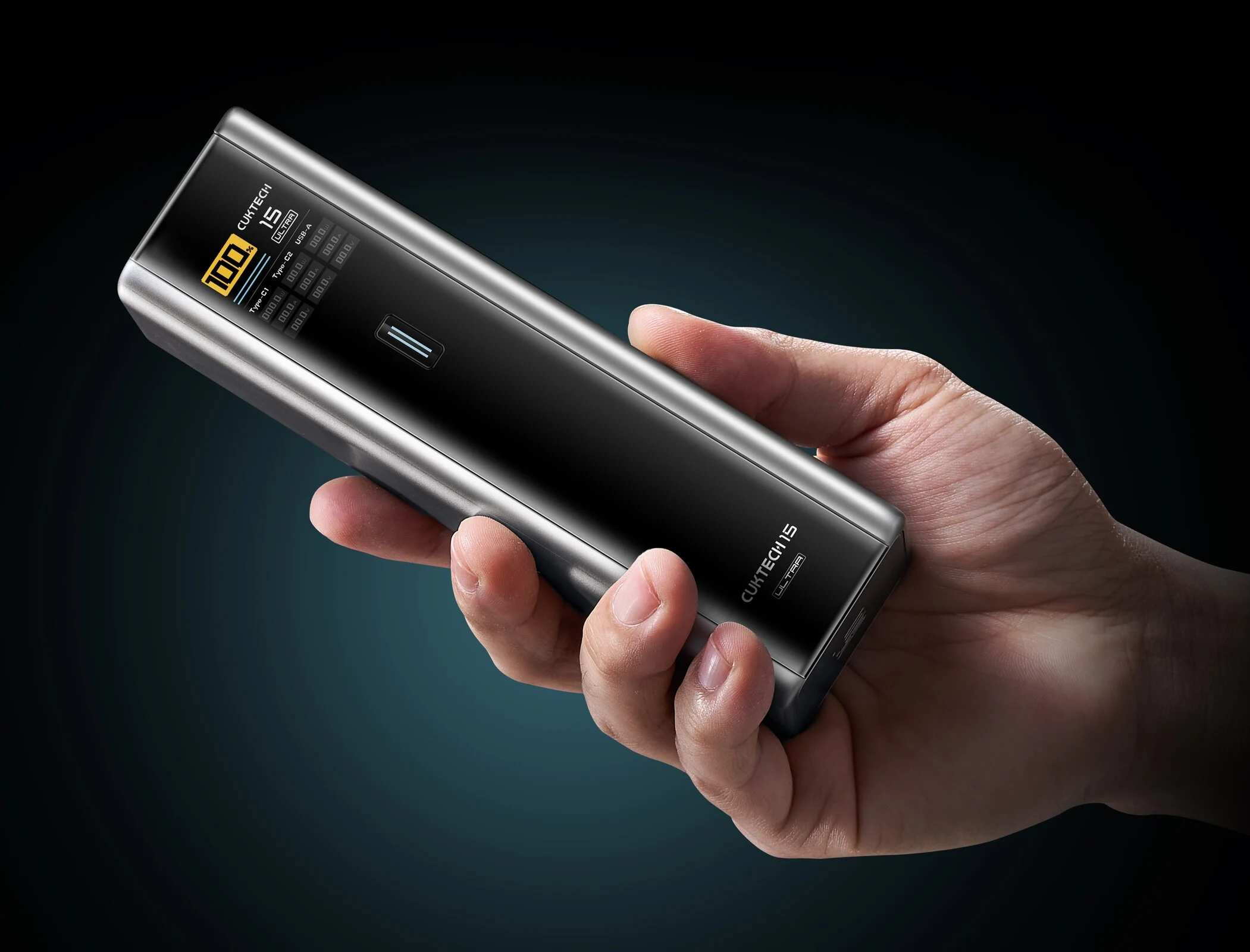
    The 15 Ultra is equipped with a 1.3-inch color TFT smart display that presents a range of information such as real-time charging stats, adjustable settings, temperature alerts, connected device interface, and the option to keep the screen always on. Additionally, it provides controls for dual-port functionality.

    Currently, in the US and UK, you can find the Cuktech 15 Ultra 20,000 mAh power bank on Amazon for $119.99/£89.95, with a single gray color option available. For further information, you can visit the official Cuktech 15 Ultra product page.

    Source:
    Link


  • ASUS NUC 15 Pro Mini PC: 99 TOPS AI Performance in a Compact Design

    ASUS NUC 15 Pro Mini PC: 99 TOPS AI Performance in a Compact Design

    Key Takeaways

    1. The ASUS NUC 15 Pro features impressive AI capabilities, reaching up to 99 TOPS, and runs on Intel’s latest Arrow Lake-H and Raptor Lake processors.

    2. The high-end model includes an Intel Core Ultra 7 255H CPU and supports up to 96GB of DDR5 RAM, making it suitable for multitasking and demanding AI tasks.

    3. It has an integrated Arc 140T iGPU for video editing and light gaming but may not be ideal for high-end gaming or 3D rendering.

    4. The mini PC offers extensive connectivity options, including dual HDMI 2.0, dual Thunderbolt 4, and supports Bluetooth 5.4 and WiFi 7.

    5. The NUC 15 Pro comes in two design variants (tall and slim) with no performance difference, and pricing details have not yet been announced.


    Let’s dive into ASUS’s new mini PC, the NUC 15 Pro. This compact powerhouse is making waves thanks to its impressive AI capabilities, reaching up to 99 TOPS (Tera Operations Per Second). It runs on Intel’s newest Arrow Lake-H and Raptor Lake-H/U processors.

    Specifications and Features

    The NUC 15 Pro packs a punch when it comes to specifications. The high-end model is equipped with an Intel Core Ultra 7 255H CPU, combined with as much as 96GB of DDR5-6400 RAM. This setup provides ample power for multitasking, creating content, and even handling demanding AI tasks. For storage options, it includes an M.2 2280 slot and an M.2 2242 slot, supporting up to 4TB of SSD.

    Graphics and Gaming

    Even though it lacks a dedicated GPU, the integrated Arc 140T iGPU in the premium version should be capable of managing video editing and light gaming with ease. However, if you’re into high-end gaming or 3D rendering, you may need to explore other options.

    Connectivity and Compatibility

    ASUS really thought of everything here. This mini PC is packed with ports: dual HDMI 2.0, dual Thunderbolt 4, three USB-A 3.2 Gen 2 ports, a USB-C 3.2 Gen 2×2, a USB 2.0 port, an audio jack, and a 2.5G Ethernet connection. On top of that, it supports Bluetooth 5.4 and WiFi 7 for all your wireless needs. This mini PC is primed to take on just about any task you can think of.

    When it comes to AI performance, things start to get intriguing. The Arm-based Snapdragon X Elite can deliver up to 45 TOPS of AI performance, which is, at least theoretically, less than half of what the NUC 15 Pro can achieve. Still, the overall experience will depend on how well the hardware is utilized.

    Design Variants

    The NUC 15 Pro is offered in two designs: tall and slim. There’s no performance difference between them, so it really comes down to which style fits better on your desk or matches your taste.

    Pricing Information

    Now, about the price—here’s the twist: ASUS hasn’t disclosed it yet. Considering the specifications and features, it’s reasonable to expect that this mini PC will be on the pricier side. However, if you’re looking for a compact yet powerful machine, the NUC 15 Pro could be a worthwhile investment.

    Source:
    Link


  • Arm Enters Chip Making with Meta as a Confirmed Customer

    Arm Enters Chip Making with Meta as a Confirmed Customer

    Key Takeaways

    1. MediaTek and Nvidia are entering the “AI PC” sector, increasing competition for Intel, AMD, and Apple.
    2. Arm is planning to launch a new chip aimed at data centers and servers, supported by the acquisition of Ampere.
    3. Arm has secured Meta as a significant client for its upcoming chip, indicating potential use in consumer devices.
    4. There could be conflicts of interest as many companies rely on Arm’s intellectual property while competing in the market.
    5. Production may involve TSMC and potentially Intel, with a likelihood of using older TSMC nodes for the initial chip version.


    With MediaTek and Nvidia set to enter the “AI PC” sector later this year, Intel, AMD, and Apple are about to face new competition. However, a fifth player is also looking to join the competition: Arm. CEO Rene Haas may reveal the new chip “as early as this summer.”

    Arm’s Ambitions

    This upcoming Arm chip is intended for use in data centers and server markets. The efforts of Arm will be supported by Ampere, a company that Softbank (Arm’s parent) is planning to acquire soon. Ampere has struggled to gain significant market share against Intel and AMD in the server sector, but things could shift once Arm steps in.

    A New Major Client

    Moreover, Arm has secured a significant client for the aforementioned chip: Meta. This chip could also be utilized in Sir Jony Ive’s secretive device. This indicates that Arm might be developing a low-power chip aimed at consumer gadgets as well. However, this scenario could lead to serious conflicts of interest, given that many companies, such as Qualcomm, Apple, and recently Intel, rely on Arm’s intellectual property.

    The report indicates that production might be outsourced to TSMC, although there’s a strong possibility that Intel will play a role as well since Arm mentioned it would utilize Intel’s 18A node for a mobile chip. If this chip actually debuts this year, it’s likely that the design has already been finalized. It’s probable that the first version will be produced on an older TSMC node like N3 or N4.

    Source:
    Link

  • AMD and Intel Chips Show CPU Performance Stagnation in PassMark

    AMD and Intel Chips Show CPU Performance Stagnation in PassMark

    Key Takeaways

    1. Annual Performance Increase: PassMark’s data shows a consistent increase in CPU performance every year since 2004, with a modest 0.5% rise in laptop performance from 2019 to 2020.

    2. 2025 Performance Decline: Early 2025 data indicates a troubling slowdown in CPU performance, with a -0.5% decrease for desktops and -3.4% for laptops compared to 2024.

    3. Data Sampling Context: The performance decline in 2025 is based on a short time frame (first month and a half) compared to the full year of 2024, suggesting that results may change as the year progresses.

    4. Multiple Influencing Factors: The decline cannot be solely attributed to AMD and Intel, as factors like increased sales of lower-cost hardware, a shift to power-efficient machines, and potential software issues may also play a role.

    5. Changing Consumer Priorities: Consumers are increasingly valuing features such as mobility, battery life, and AI integration over raw CPU speed, impacting demand for high-performance CPUs.


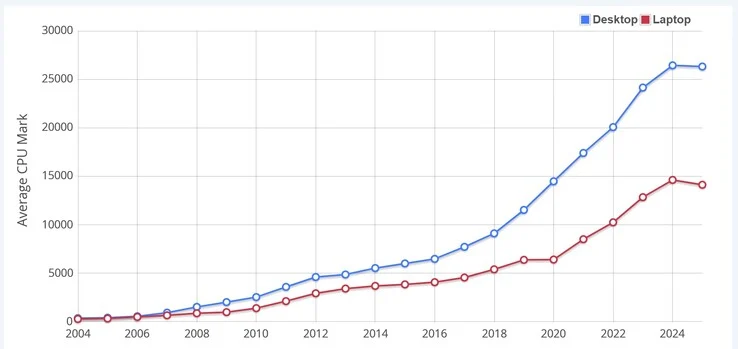
    An interesting graph has been released by PassMark that tracks the annual changes in CPU performance, specifically the average CPU Mark, which is a benchmark test suite for processors on their platform. The graph illustrates that PassMark has been gathering data since 2004, and every year has shown an increase in the average performance of both laptop and desktop CPUs. While the performance increase for laptop processors from 2019 to 2020 was a modest 0.5%, it still indicates progress. However, for 2025, there appears to be a troubling slowdown in performance for both types of computers when looking at the average CPU Mark results.

    Data Comparison

    It’s important to note that PassMark is comparing just the first month and a half of 2025 to the entire year of 2024, so the downward trend might change as the year continues. A post from the benchmark site mentions that they haven’t seen this kind of effect in previous years, even with a possible rise in high-end computer sales during November and December. According to the data from PassMark, the average desktop CPU performance has decreased by -0.5% (47,810 samples versus 186,053 in 2024), while average laptop CPU performance dropped by -3.4% (25,541 samples compared to 101,316 in 2024).

    Factors Influencing Performance

    It would be naive to immediately blame AMD and Intel for the lack of generational performance improvements. There could be several reasons for the graph’s first decline in over two decades that may not directly relate to Team Red or Team Blue. PassMark suggests potential causes such as an increase in sales of lower-cost hardware, a push towards more power-efficient machines, issues with bloatware, and possible performance losses from operating systems. Notably, there have been no impressive spikes in performance from desktop chips like the Intel Core i9-7980XE (+71.9%), Ryzen Threadripper 3970X (+96.1%), and Ryzen Threadripper PRO 7995WX (+58.6%), nor from laptop models such as the Intel Core i9-12900HX (+42.8%) and AMD Ryzen 9 7945HX3D (+69.9%) in the early part of 2025.

    Changing Priorities in Computing

    Another clear reason could be linked to the fact that the RTX 50 series GPUs don’t seem to show the same performance improvements as their predecessors, and also why CPU families like Intel’s Arrow Lake and AMD’s Granite Ridge and Strix Point haven’t made a significant impact on average performance. One could argue that raw CPU power is not as vital to Team Blue and Team Red anymore, especially since GPUs and other components have become more advanced. Many consumers might not prioritize a faster CPU; instead, they seek features like mobility, extended battery life, AI integration, and overall efficiency over sheer speed. Furthermore, certain gamers may prefer to invest in the latest from Nvidia rather than upgrading their CPU, particularly if they already have a Zen 3 or Zen 4 Threadripper.

    Source:
    Link


  • CWWK X86-P6 Pocket NAS: 4 SSDs in Intel NUC Size with 2x 2.5 GbE

    CWWK X86-P6 Pocket NAS: 4 SSDs in Intel NUC Size with 2x 2.5 GbE

    Key Takeaways

    1. CWWK has launched products for the soft router market, allowing users to create devices using Open Source software like PfSense and OpenWRT.

    2. The latest X86-Px line features an upgrade to the Intel N150 or N355, with prices at $195.63 and $315.35, respectively.

    3. The upgrade offers a 10% performance boost while maintaining the same core count, achieving benchmark results similar to AMD Ryzen 3 5300U and Intel Core i7-1165G7.

    4. The system supports up to 32 GB of DDR5 RAM and has four M.2 2280 SSD slots, with PCIe limitations affecting full NVMe drive utilization.

    5. Connectivity includes two 2.5 GbE LAN ports and Intel Quick Sync, making it suitable for NAS software and effective as a Plex transcoder.


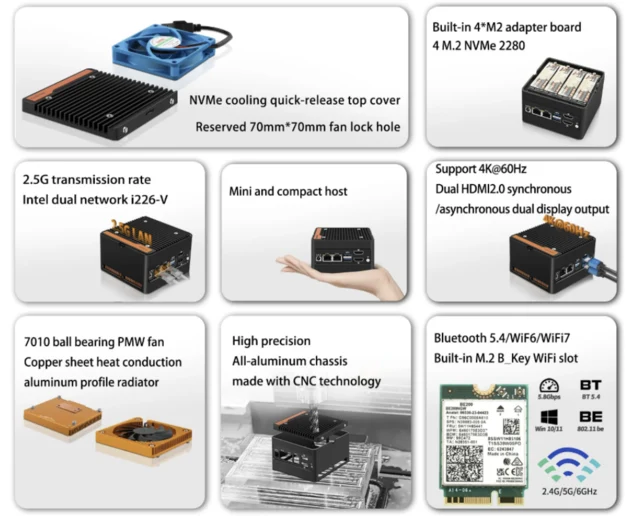
    CWWK has introduced several products to cater to the soft router market, providing hardware that lets users create devices using Open Source software like PfSense and OpenWRT. Among these is the X86-Px line, which impressively fits 4 NVMe SSD drives into a compact design similar to an Intel NUC. The newest version upgrades the P5, moving from an Intel N100 or i3-N305 to an Intel N150 priced at $195.63 or an N355 costing $315.35.

    Performance Enhancements

    Even though the core count remains unchanged, this upgrade is expected to deliver roughly a 10% performance boost compared to its predecessor. It will provide multi-threaded benchmark results comparable to those of the AMD Ryzen 3 5300U or the Intel Core i7-1165G7.

    Specifications and Capabilities

    Equipped with a DDR5 SO-DIMM socket, the system supports up to 32 GB of RAM and 4 M.2 2280 SSDs. On the other hand, the N355 has only 9 lanes of PCIe 3.0 storage available for all four drives, limiting the ability to fully utilize the NVMe drives installed. Nevertheless, even with four drives connected at PCIe 1x, users can still achieve speeds nearly double those of a traditional 7200 RPM hard drive.

    Connectivity and Flexibility

    The two onboard 2.5 GbE LAN ports ensure that the drives’ full bandwidth can be utilized, while an aluminum cover helps to keep the drives cool. Being based on the X86 architecture allows users to install their preferred NAS software, such as TrueNAS or Unraid, which also opens avenues for docker containers and various third-party applications. The inclusion of Intel Quick Sync makes this a small but effective Plex transcoder.

    The X86-P6 can be found on Amazon under the name SIENSNET, but it’s also sold as Topton. For more information about CWWK’s offerings, you can visit their website. It’s refreshing to witness less conventional companies providing niche yet attractive products at fair prices.

    Source:
    Link


  • Samsung Foundry Resumes 4nm Production Lines Amid New Demand

    Samsung Foundry Resumes 4nm Production Lines Amid New Demand

    Key Takeaways

    1. Samsung Foundry halted operations at its 4 nm, 5 nm, and 7 nm fabs due to low demand, focusing on 3 nm products instead.
    2. Full production at the 4 nm line is expected to resume in June, primarily serving Samsung LSI and cryptocurrency mining ASIC manufacturers.
    3. U.S. sanctions against China may force Samsung to lose Chinese clients, impacting its business.
    4. Some Chinese companies are switching from TSMC to local manufacturers like SMIC, potentially affecting Samsung Foundry’s customer base.
    5. Revenue from trailing-edge nodes is vital for funding future R&D; without it, Samsung may struggle to compete with TSMC and Intel, leading to possible business divestitures.


    Last year, Samsung Foundry had to halt operations at its 4 nm, 5 nm, and 7 nm fabs due to a lack of demand. The company decided to concentrate on its newer 3 nm (and more advanced) products. However, it’s still facing significant challenges. Currently, there is new optimism for the struggling business.

    Production Resumption

    According to a report from Chosun (H/T @Jukanlosreve on X), the 4 nm line is set to restart full production in June. The orders are expected to come from Samsung LSI, most likely for mid-range Exynos chips and HBM4 logic dies. Additionally, cryptocurrency mining ASIC manufacturers from China are also among the customers. It’s noteworthy that one of Samsung’s initial 3 nm customers was also from that sector.

    Potential Challenges Ahead

    However, this situation may soon be at risk. The U.S. sanctions against China could compel Samsung to eliminate these clients. Some Chinese fabless companies are already shifting from TSMC to local options like SMIC, and it’s feasible that some have now turned to Samsung Foundry. Nevertheless, it’s just a matter of time before Samsung Foundry encounters such a departure.

    Future Implications

    This will add more difficulties for the chipmaker, as trailing-edge nodes are crucial for generating revenue that supports future R&D efforts. Without this financial boost, Samsung’s already struggling advanced nodes could lag even further behind TSMC and Intel, potentially leading Samsung to consider selling off parts of its business.

    Source:
    Link