Category: Artificial intelligence

  • 15 Teens Get Year Probation for Deepfake Photos of Classmates

    15 Teens Get Year Probation for Deepfake Photos of Classmates

    A Spanish court has placed 15 teenagers on a one-year probation for using deepfake technology to create and disseminate indecent images of their female classmates. This incident, highlighted in July 2023, has raised significant concerns about the misuse of deepfakes and the severe impact on victims.

    Incident Overview

    The perpetrators, aged between 13 and 15, were discovered when photoshopped nude images of their classmates began circulating on WhatsApp. Parents, alarmed by the situation, reported it to the police, prompting an investigation. The authorities identified the teenagers responsible for the deepfake images.

    Court’s Verdict

    The Badajoz court in Spain found each teenager guilty on 20 counts: one for generating child abuse material and another for infringing on the moral integrity of their victims. The court imposed a one-year probation for each teen, along with mandatory gender and equality awareness programs. Additionally, they must attend courses on responsible technology use.

    Broader Implications

    This case underscores the alarming potential for deepfakes to generate harmful content, especially among young individuals. It also highlights the critical need for education on responsible technology usage and digital literacy, particularly for teenagers. The court’s ruling, which includes specific awareness programs, indicates a growing emphasis on tackling the misuse of technology and its effects on others.

    Spanish law protects minors under 14 from criminal charges, but their cases are typically referred to child protection services, which can enforce participation in rehabilitation programs.

  • New Apple Intelligence ‘Image Playground’

    New Apple Intelligence ‘Image Playground’

    Apple’s latest beta software update hints at exciting features coming soon. The iOS 18 Beta 3 simulator reveals an Apple Intelligence settings menu (currently inactive), suggesting integration of a powerful AI suite. macOS 15 Beta 3 introduces “Image Playground,” a tool that lets users generate images based on descriptions with selectable themes, clothing, and locations. Users can choose between animation, illustration, or sketch styles.

    New features, like the upgraded Siri and ChatGPT, won’t be available until 2025

    Apple announced Apple Intelligence at WWDC 2024. This AI suite will offer on-device and cloud-based language models. A public beta for iOS 18, iPadOS 18, and macOS Sequoia is planned for this fall, but full features and wider device support will arrive next year. While free, Apple Intelligence requires an A17 Pro chip or M-series chip, limiting access to iPhone 15 Pro models and the upcoming iPhone 16 series – devices with the latest processing power for AI tasks.

    Some features, like the upgraded Siri assistant and ChatGPT integration, won’t be available until next year. The good news is that the initial version of Apple Intelligence will still offer functionalities like notification prioritization, webpage summarization, writing tools, image generation, and Genmoji – features that many users will be eager to try.


    New Apple Intelligence 'Image Playground'
  • TSMC Hits Trillion-Dollar Valuation, Boosted by AI Revolution

    TSMC Hits Trillion-Dollar Valuation, Boosted by AI Revolution

    The rise of artificial intelligence is significantly impacting Wall Street, evidenced by Taiwan Semiconductor Manufacturing Company (TSMC) recently achieving the remarkable milestone of joining the elite trillion-dollar market capitalization club. This achievement places TSMC among the world’s top technology firms and underscores the increasing significance of the semiconductor industry.

    TSMC’s Market Surge

    TSMC’s market capitalization briefly exceeded that of Tesla, making it the seventh most valuable tech company globally. The company’s shares have seen a notable increase, trading above the 50-day moving average of $158.00 and hitting a new 52-week high of $192.80. Year-to-date, TSMC shares have surged nearly 80%.

    Growth of the Semiconductor Industry

    The semiconductor industry has risen to prominence, driven by the growing demand for chips used in AI technologies. Global semiconductor sales are forecasted to reach $611.2 billion in 2024, with a projected 16% sales increase for that year, followed by a 12.5% increase in 2025. This surge in demand is primarily due to advancements in generative AI, which require advanced and powerful chips.

    The U.S. government has acknowledged the vital role of semiconductors in the contemporary economy, providing significant financial support to boost domestic chip production. The Biden administration has allocated tens of billions of dollars for building chip factories in the U.S., aiming to enhance technological infrastructure and lessen dependence on foreign manufacturers.

    Analyst Insights and Investor Considerations

    Analysts have revised their price targets for TSMC ahead of its second-quarter earnings report, with Morgan Stanley predicting an increase in TSMC’s full-year sales forecast. TSMC’s effective “hunger marketing” strategy indicates tight foundry supply in 2025, encouraging customers to recognize the company's value. The expected rise in wafer prices due to AI advancements further bolsters TSMC’s position. For investors, key factors to consider include revenue growth, profitability, and valuation relative to peers.

    The AI boom is transforming Wall Street, with TSMC’s entry into the trillion-dollar club marking a significant milestone. The growth of the semiconductor industry, driven by AI demand, underscores the crucial role of companies like TSMC and Nvidia in the global market.

  • OpenAI CEO Sam Altman Launches Thrive AI, a Personalized Health Coach

    OpenAI CEO Sam Altman Launches Thrive AI, a Personalized Health Coach

    A new company named Thrive AI Health is set to transform wellness using artificial intelligence. Co-founded by Arianna Huffington and Sam Altman, the CEO of OpenAI, Thrive AI employs AI to develop a personalized “health coach” tailored to individual needs. This coach evaluates various facets of your life, such as sleep, diet, fitness, stress, and social interactions, to provide data-informed suggestions.

    The health data will be accessible via a smartphone app or a virtual assistant.

    Leadership and Vision

    Leading the initiative is DeCarlos Love, who previously led the fitness and health experience at Fitbit. Thrive AI intends to train its AI coach using a mix of scientific research, medical data, and partnerships with institutions like Stanford University School of Medicine. The goal is to build a comprehensive health data platform accessible through a smartphone app or a virtual assistant integrated with Thrive’s existing offerings. This system will learn your behavior patterns and deliver real-time health advice.

    Focus on Accessibility and Privacy

    Thrive AI aims to provide a more thoughtful approach to health management. They focus on making personalized health coaching available to all while addressing health disparities. Security and user privacy are top priorities, with Dr. Gbenga Ogedegbe, a health equity expert, serving as an advisor. They also commit to basing recommendations on peer-reviewed research and ensuring users have full control over the information used to personalize their experience.

  • Huawei CEO reveals strategy to keep China leading in AI

    Huawei CEO reveals strategy to keep China leading in AI

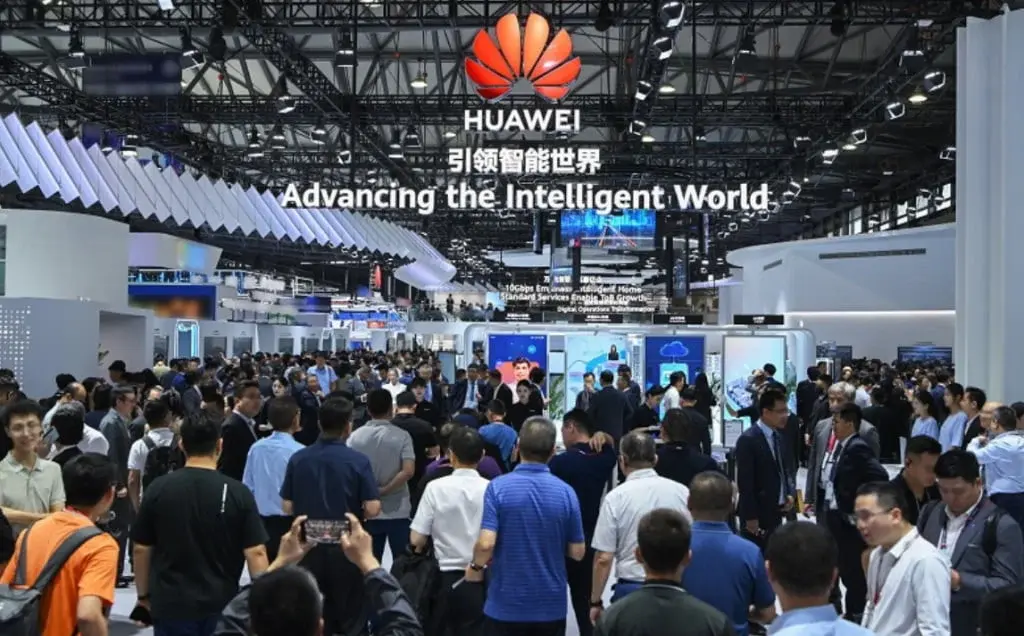
    At the World AI Conference in Shanghai, Zhang Ping’an, CEO of Huawei Cloud, delivered a compelling message about China's AI progress despite U.S. sanctions on advanced GPUs and chipmaking technology. Even with restricted access to top-tier processors, Zhang stressed that China can still lead in AI without solely depending on high-end chips.

    Zhang downplayed concerns that limitations on advanced AI processors, such as Nvidia’s H100/H200 and B100/B200, would heavily obstruct China’s AI development. He emphasized that China's AI leadership should not hinge on these advanced chips. Acknowledging the current limitations in computing power due to the sanctions, Zhang highlighted the significance of being independent of the most cutting-edge technology.

    Huawei's Ascend Processors

    Zhang pointed to Huawei’s efforts in developing the Ascend 910-series processors for AI applications. He claimed these processors are competitive with Nvidia’s A100, although this assertion has not been independently verified by analysts in Europe and the U.S. The U.S. restrictions on Nvidia processors mean that major Chinese tech companies like Baidu, Huawei, and Tencent must rely on domestic technology, which Zhang sees as an opportunity rather than a setback.

    source: huawei.com

    However, Zhang acknowledged the performance limitations of domestic processors. He admitted that processors from Huawei and Biren Technology, produced on older manufacturing nodes, cannot match the performance of modern AI and high-performance computing GPUs from AMD and Nvidia. Additionally, SMIC, which manufactures chips for Huawei and Biren, lacks access to cutting-edge equipment, contributing to China’s lag in per-processor computing performance.

    Strategic Approach to Overcome Challenges

    To address these challenges, Zhang advocated for a comprehensive approach combining cloud, edge, and network technologies to improve efficiency and reduce power consumption for AI workloads. He highlighted Huawei Cloud as a leading provider of AI services, suggesting that leveraging cloud technology could offset the lack of advanced AI processors. However, it remains unclear whether Huawei’s processors are recommended for training large language models directly in Huawei Cloud or if they should be trained on external machines and then deployed in Huawei Cloud.

    Overall, Zhang emphasized the need to discard the belief that the absence of the most advanced AI chips precludes leadership in AI. He expressed confidence that through innovation and a strategic approach, China can maintain its leading position in AI development despite the ongoing U.S. sanctions.

  • Apple Joins OpenAI Board as Observer, Gaining AI Future Insights

    Apple Joins OpenAI Board as Observer, Gaining AI Future Insights

    In a major development revealed last month, Apple will assume an observer role on OpenAI’s board. This collaboration aims to enhance Apple’s AI capabilities and its standing in the technology sector. Phil Schiller, who heads Apple’s App Store and is the former marketing chief, will take on this role later this year.

    Phil Schiller will participate in OpenAI’s board meetings, gaining crucial insights into their decision-making processes, though without the authority to vote or influence decisions. This position will allow Apple a closer look at OpenAI’s strategies and innovations.

    Competitiveness in AI

    This move aligns Apple with Microsoft, OpenAI’s largest backer and primary AI technology supplier, enabling Apple to remain competitive in the swiftly advancing AI field.

    However, this alliance could introduce complications due to the long-standing rivalry between Microsoft and Apple. Microsoft might prefer Schiller to be excluded from discussions about future AI projects involving both companies.

    Phil Schiller, an Apple Fellow, manages the App Store and oversees product launches. Although he stepped down as head of marketing in 2020, he is still a key figure at Apple. He also holds a director position at the medical technology company Illumina.

    Integration of ChatGPT with Apple Devices

    During the WWDC 2024 event in June, Apple announced that ChatGPT would be integrated into iPhones, iPads, and Macs as part of its AI feature suite. The forthcoming iOS 18 will introduce enhanced AI capabilities on Apple devices. ChatGPT will manage complex tasks, while on-device AI models will handle simpler tasks.

    This partnership is not financially driven. OpenAI gains access to millions of Apple users, and Apple benefits from integrating ChatGPT, potentially offering a paid version of ChatGPT that could generate revenue through App Store fees.

    Future AI Collaborations

    Apple is also negotiating with other AI developers, including Google, start-up Anthropic, Baidu, and Alibaba Group Holding, to explore further chatbot integrations. The new AI features, branded as “Apple Intelligence,” will first launch in American English, with plans for a global rollout.

    OpenAI has faced several controversies, such as the temporary removal of CEO Sam Altman and criticisms regarding AI safety. For Apple, securing an observer role with a high-profile partner like OpenAI is a rare occurrence, underscoring the importance of this alliance.

    This observer role for Apple on OpenAI’s board, coupled with the integration of ChatGPT into its devices, marks a significant step in Apple’s AI strategy. This partnership not only enhances AI capabilities on Apple devices but also paves the way for future advancements in artificial intelligence.


    Apple Joins OpenAI Board as Observer, Gaining AI Future Insights
  • Samsung Q2 Profit Soars 13x, Boosted by AI and Chip Industry

    Samsung Q2 Profit Soars 13x, Boosted by AI and Chip Industry

    Samsung Electronics has projected a staggering 13-fold increase in its second-quarter profit, marking a notable recovery from the same period last year. The estimated operating profit for Q2 2024 is 8.8 trillion won ($6.34 billion), a significant rise from the 670 billion won reported in Q2 2023. This represents Samsung's highest profit since the third quarter of 2022.

    A key contributor to this profit spike is the rebounding performance of Samsung’s semiconductor division. This sector has dramatically improved, with an estimated operating profit of 4.6 trillion won in Q2 2024, reversing a loss of 4.36 trillion won from the same period last year. The surge in demand for high-end DRAM chips, especially those utilized in artificial intelligence (AI) applications, has driven this growth. Prices for DRAM chips have increased by 13% to 18%, while NAND Flash chips used for data storage have risen by 15% to 20%.

    AI Boom Boosts Chip Demand

    The thriving AI sector has significantly bolstered Samsung’s profits, with a heightened requirement for advanced memory chips like high-bandwidth memory (HBM) solutions employed in AI data centers. This trend has led to an uptick in prices and demand for Samsung’s premium DRAM chips, crucial for AI chipsets and data center servers.

    Despite the overall profit growth, Samsung’s mobile business has faced a decline. The projected Q2 operating profit for this segment is 2.2 trillion won, down from 3.04 trillion won a year earlier. This decrease is due to higher costs for parts and marketing, as well as investments in AI service development. The volume of smartphones shipped remains consistent with last year, suggesting that external factors like increased costs are affecting profits.

    Upcoming Product Launches

    Samsung plans to unveil its latest flagship foldable phones, the Galaxy Z Fold 6 and Galaxy Z Flip 6, along with new mobile accessories, on July 10 in Paris. Additionally, the company is introducing a new health monitoring ring, aiming to rival Apple in the high-end market.

    Analysts have estimated Samsung’s Q2 operating profit to be between 8.547 trillion won and 8.8 trillion won. Samsung is expected to provide a detailed earnings report at the end of the month. The company’s strategy to expand and diversify its business divisions, along with the rising chip prices, indicates a promising future ahead.

  • Elon Musk to Speak at World AI Conference in Shanghai

    Elon Musk to Speak at World AI Conference in Shanghai

    The World Artificial Intelligence Conference (WAIC) is scheduled to occur in Shanghai from July 4th to July 7th, 2024. The theme for this year is “Governing AI for Good and for All,” and the event will span a massive exhibition area of 52,000 square meters.

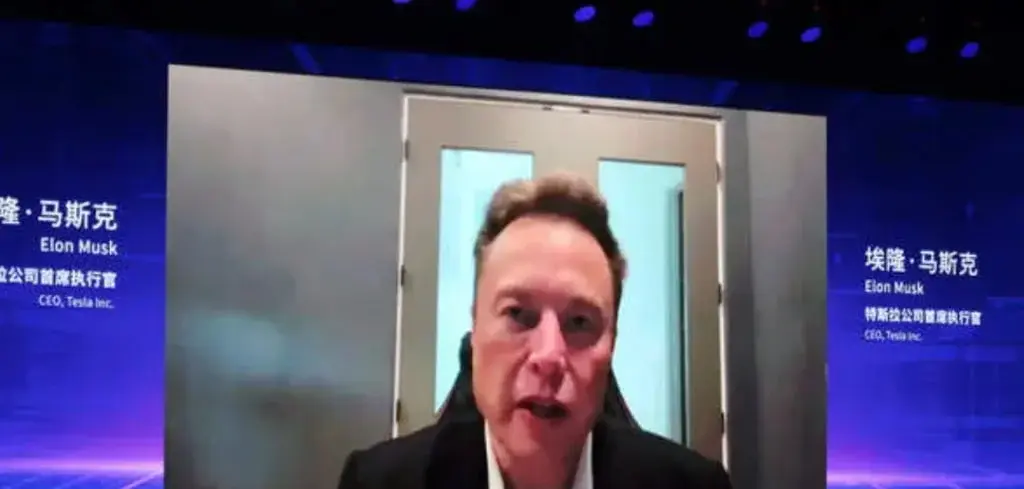
    One of the most eagerly awaited moments of the conference is the appearance of Elon Musk, the CEO of Tesla. Musk is slated to deliver a speech at the opening ceremony, though it remains uncertain whether he will be present in person or will participate via video. Historically, Musk has attended WAIC in person in 2019 and sent video messages in 2021 and 2022.

    Tesla’s Showcase and Premier’s Speech

    Musk’s recent visit to China in April 2024, during which he met with Chinese Premier Li Qiang in Beijing, adds further significance to his role in the conference. During this visit, they discussed Tesla’s Full Self-Driving (FSD) software and data-transfer permissions. Premier Li Qiang is also expected to deliver a speech at WAIC.

    Tesla will have a notable presence at the conference, displaying its cutting-edge products. The Cybertruck will be featured, along with the latest version of Tesla’s humanoid robot, Optimus Gen 2. This advanced robot includes in-house designed actuators and sensors, a 2-DoF actuated neck, and a 30% faster walking speed than its predecessor. Two Optimus robots are already autonomously performing tasks in Tesla’s factories.

    Challenges and Discussions

    Musk’s speech at WAIC aligns with the European Union’s imposition of preliminary tariffs on Chinese electric vehicle (EV) imports. Tesla, as the largest exporter of EVs from China to Europe, faces an additional 21% tariff. The company has requested a distinct duty rate from the Commission.

    WAIC will assemble leading scientists, industry leaders, and government officials to explore AI advancements, robotics, autonomous systems, large models, computing power, and “AI+” applications. At the 2023 conference, Musk commended China’s swift progress in AI and emphasized the transformative potential of AI and autonomous driving technologies.

    With Musk’s involvement and Tesla’s innovative exhibits, the World AI Conference in Shanghai is set to be an exciting and much-anticipated event.

  • MediaTek AI-Powered Video Creation on Dimensity 9300 & 8300

    MediaTek AI-Powered Video Creation on Dimensity 9300 & 8300

    AI is rapidly evolving, enabling the creation of videos from stable images, a process termed image-to-video creation. Utilizing stable diffusion, AI can transform still images into videos. Advanced AI models have now made it possible to generate text-to-video content based on user prompts. For example, OpenAI’s Sora can produce highly realistic videos. For a closer look, check out OpenAI’s Sora and computer-generated videos using the provided link.

    Text to Video – AI Generated Image by OpenAI

    AI-powered video creation is revolutionary, but many existing AI-based media generation tools restrict the number of videos users can create. Due to the substantial processing power required, running these AI models locally on your device might be more efficient.

    MediaTek & Kwai

    A recent ITHome news article suggests that MediaTek may enable on-device AI video creation with its Dimensity 9300 and 8300 chipsets. These chipsets’ NPUs will facilitate video generation from stable images. MediaTek was rumored to introduce this feature at MWC 2024, and now a partnership with Kwai has been unveiled. Kwai, a video-sharing platform and editor akin to TikTok and CapCut, will collaborate with MediaTek.


    MediaTek AI-Powered Video Creation on Dimensity 9300 & 8300
  • OpenAI Bans China Developers, Boosting Local AI Sector Growth

    OpenAI Bans China Developers, Boosting Local AI Sector Growth

    OpenAI’s decision to restrict access for developers based in China is set to reshape the AI industry in the region. Industry experts and analysts suggest that this decision won't impede but rather boost the development of the Chinese AI sector.

    Zhou Hongyi, CEO of Qihoo 360, foresees that the restriction will steer Chinese users towards indigenous AI models. Qihoo 360 has already crafted its own large language model (LLM). Even though OpenAI’s services are officially unavailable in China, developers have been using VPNs and APIs to circumvent these restrictions. However, this new ban is eliciting a quick response from Chinese tech companies eager to seize the opportunity.

    Incentives from Local Companies

    In response to OpenAI’s ban, various Chinese firms are rolling out incentives to lure developers. Beijing-based Zhipu AI, for instance, has introduced a “special house-moving plan” to ease the transition to its platform. Prominent companies like Alibaba, Baidu, Baichuan, and 01.ai are also extending multiple perks, such as discounts, freebies, and technical support. Baidu is offering free AI model fine-tuning and 50 million free tokens, while SenseTime Group Inc. is providing 50 million free tokens and Zhipu AI is giving away 150 million tokens along with training sessions.

    source:openai.com

    Market Impact and Future Prospects

    The ban could have a significant impact on the market, potentially leading to the exit of smaller startups that emerged during the “battle of a hundred models.” There are concerns about whether other open-source models, like Meta’s Llama, will also cut off access to Chinese developers.

    This move by OpenAI is likely to benefit local LLMs by reducing competition, but Chinese developers may face challenges in accessing advanced global algorithms. This aligns with the US government’s strategy to limit Chinese access to advanced AI and semiconductor technology, affecting the broader US-China tech rivalry.

    In the long run, the lack of access to global tools might decelerate Chinese AI advancements. Alibaba Chairman Joe Tsai estimates it will take two years for Chinese AI models to reach parity with their US counterparts. This scenario might also speed up the migration of Chinese tech startups to overseas markets in search of more stable opportunities.

    Continued Access via Microsoft

    Microsoft, however, continues to provide access to OpenAI models for eligible Hong Kong customers through its Azure cloud platform, with no changes to Azure OpenAI service offerings in Hong Kong. This ensures that some developers in the region still have the tools they need.

    Overall, OpenAI’s restriction is not a setback but a catalyst for growth and transformation in the Chinese AI sector. With over 200 home-grown LLMs, including 117 approved for public release, China is well-positioned to bolster its standing in the global AI industry.