Key Takeaways
1. High Adoption Rates: 65% of individuals frequently use generative AI, with 91% among those aged 16 to 29.
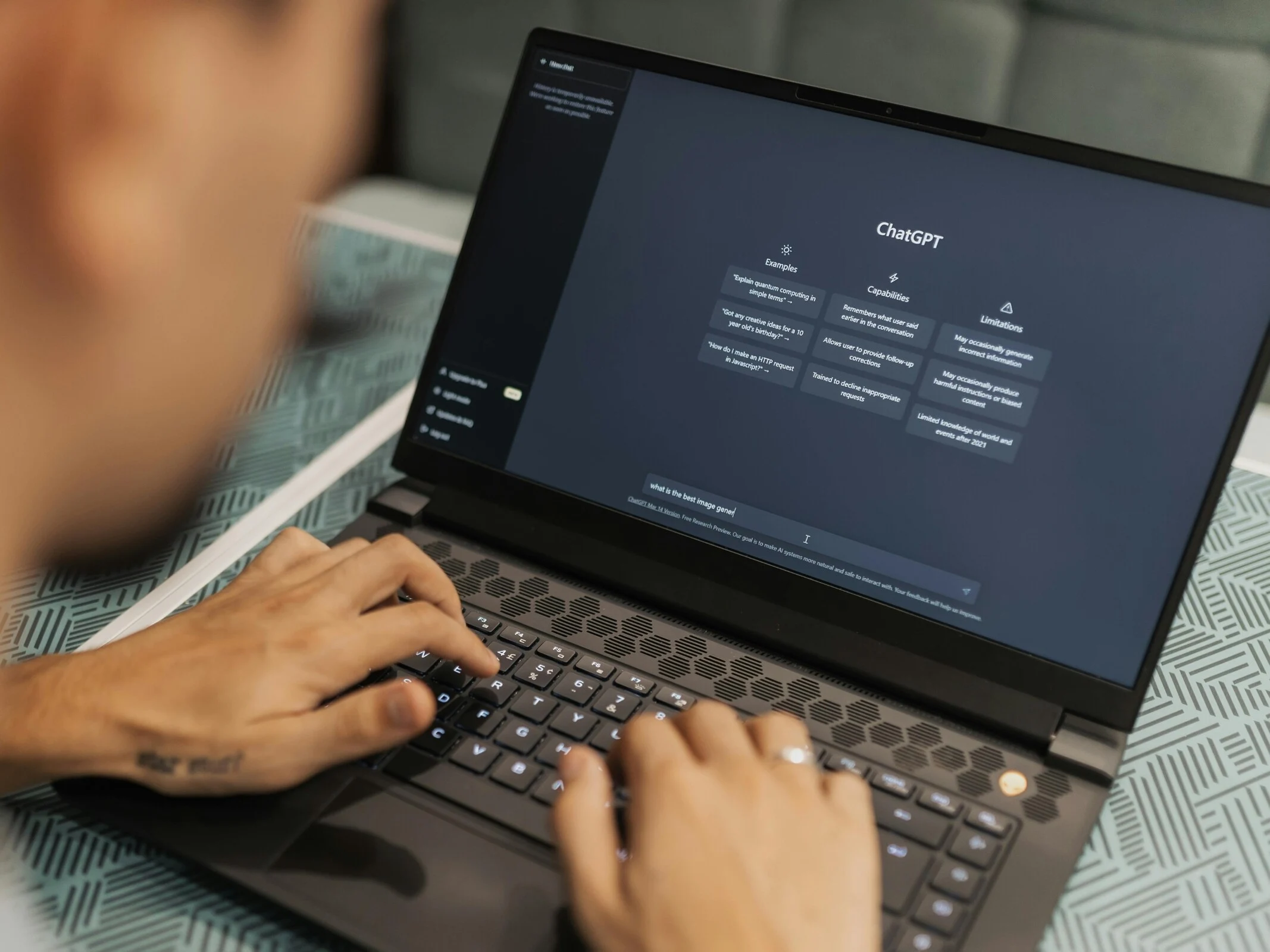
2. ChatGPT Dominance: 85% of AI users prefer ChatGPT over other tools like Google Gemini (33%) and Microsoft Copilot (26%).
3. Primary Usage: The main uses of AI include research (72%), writing/editing (43%), and brainstorming (38%).
4. Concerns About AI: 50% of people worry about data misuse, and 91% think distinguishing real content from AI-generated content will become harder.
5. Deepfake Awareness: 50% of respondents have encountered AI-altered videos, highlighting the growing issue of deepfakes.
Three years since ChatGPT was introduced, a significant 65% of individuals frequently use generative AI, notably among younger demographics. Among those aged 16 to 29, the adoption rate soars to 91%, while 80% of individuals aged 30 to 49 also make use of these technologies. This information comes from a survey of 1,005 people carried out by the research organization Forsa from October 20 to 26, 2025. The findings were shared (in German) by the TÜV Association on November 26 in Berlin.
Dominance of ChatGPT
ChatGPT continues to be the most popular tool, with 85% of AI users opting for OpenAI’s application, significantly outpacing competitors like Google Gemini (33%), Microsoft Copilot (26%), DeepL (20%), and Meta AI (18%). Almost half of all users interact with AI on a daily basis or multiple times a week. As anticipated, the primary usage is for research and gathering information, reported by 72% of participants. This is succeeded by writing and editing tasks at 43%, and creative endeavors such as brainstorming at 38%. Notably, image and video editing are less common, only mentioned by 16% of users.
Concerns About AI Usage
Despite the prevalent use of AI and its integration into everyday life, there are still significant worries. Half of the surveyed individuals express concerns about data misuse or hacking, and 51% think that AI-generated content is frequently confused with authentic material. Even more alarming, 91% believe it will become progressively harder to tell apart real content from AI-generated works. This understandably raises serious worries about misinformation, with 83% perceiving it as a substantial threat to society.
The Rise of Deepfakes
Half of those surveyed report having encountered videos altered by AI. The TÜV Association notes that deepfakes have become a widespread problem. These remarkably convincing videos often depict real individuals but are entirely fabricated by AI. If you’ve experienced AI-generated content or deepfakes, please share your stories in the comments.
Source:
Link