Category: Artificial intelligence

  • Bharat GPT: Reliance Jio’s Rival to ChatGPT

    Bharat GPT: Reliance Jio’s Rival to ChatGPT

    Reliance Jio Makes Strides in Tech Industry with Bharat GPT and New TV Operating System

    Reliance Jio, led by Akash Ambani, has made significant advancements in the tech industry with the introduction of two major initiatives: Bharat GPT and a new TV operating system. The announcement was made at the Indian Institute of Technology Bombay (IIT-B) during Techfest, highlighting Reliance Jio’s commitment to innovation and collaboration with IIT-B since 2014.

    Bharat GPT: A Competitor to ChatGPT

    Bharat GPT is a large-scale language model developed by Reliance Jio to compete with ChatGPT. It is specifically tailored to meet the diverse needs of India. The company plans to implement artificial intelligence (AI) across its extensive range of products and services. Akash Ambani emphasized that AI would not be limited to a single area within Jio, but would be integrated throughout the company’s entire spectrum of offerings. This strategic approach demonstrates Jio’s determination to be at the forefront of AI application across various domains.

    Jio’s Entry into the TV OS Market

    In addition to Bharat GPT, Reliance Jio is also venturing into the competitive TV operating system market. Currently dominated by Android TV OS, Jio’s move is seen as a strategic step to establish its presence. While it remains unclear whether Jio’s TV OS will be entirely proprietary or based on AOSP (Android Open Source Project), this development signifies the company’s ambition to expand beyond telecommunications and enter the consumer electronics sector, particularly the rapidly evolving smart TV segment.

    Ambani’s Confidence in India’s Potential

    Akash Ambani’s confidence in India’s market potential and AI growth is evident. He envisions India as a primary hub for innovation in the next decade, with the country’s economy projected to reach USD 6 trillion by 2030.

    Moreover, Reliance Jio is prioritizing the provision of customized 5G private networks and aims to offer a comprehensive 5G stack to enterprises of all sizes, further solidifying its commitment to technological advancements.

    Reliance Jio’s initiatives, Bharat GPT and the new TV operating system, showcase the company’s dedication to innovation and its determination to lead the way in the tech industry. With a focus on AI-driven solutions and expansion into new sectors, Jio is poised to make a significant impact on India’s technological landscape.

  • LG unveils innovative two-legged smart AI agent for Zero Labor Home at CES 2024

    LG unveils innovative two-legged smart AI agent for Zero Labor Home at CES 2024

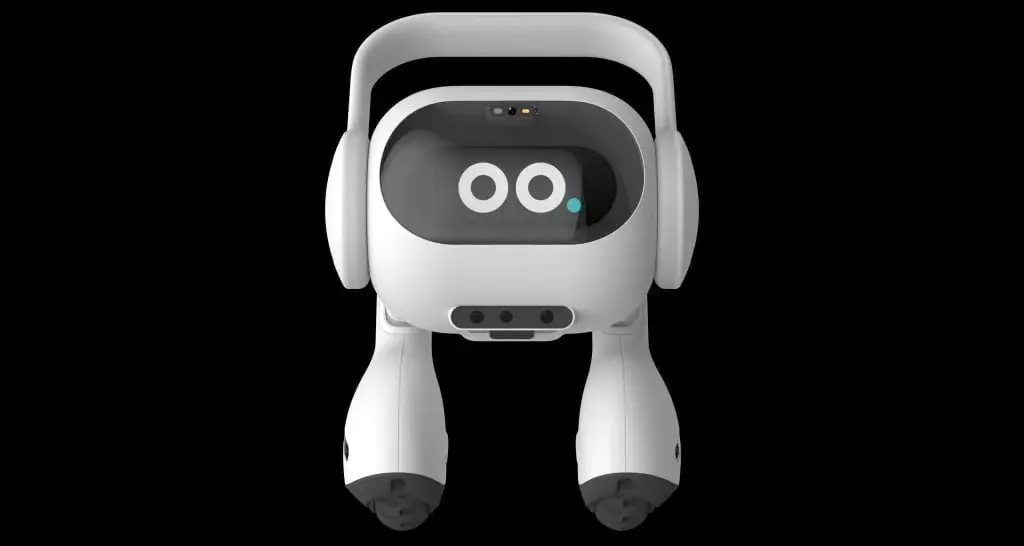
    LG Electronics has unveiled its latest smart AI agent, a two-legged bot designed to revolutionize home automation. Equipped with advanced multimodal AI technology and the Qualcomm Robotics RB5 Platform, the LG smart home AI agent is capable of understanding context, intentions, and processing natural language. This innovative device aims to serve as an all-around home manager and is set to be a key component of LG's vision for a zero-labor home.

    LG's Vision for the Future

    As part of LG's lineup for CES 2024, the smart AI bot represents the company's commitment to reinventing the future of home automation. By introducing gadgets like this, LG hopes to create a seamless and effortless home environment. The bot's design features two legs, two wheels, and a visor that can function as a screen. With a built-in camera, speaker, and sensors, it can gather relevant data throughout the home.

    A Moving Smart Home Hub

    Market as a moving smart home hub, the LG smart AI bot aims to streamline and simplify various tasks within the household. While specific details about the smart home standard adopted by the bot are yet to be disclosed, it is expected that the device will support Matter, similar to a regular smart hub.

    Potential and Skepticism

    The LG smart home AI agent holds exciting possibilities for enhancing daily life, but there are differing opinions about its practicality. Some skeptics view it as an expensive gimmick rather than an essential gadget. However, CES 2024, taking place at the Las Vegas Convention Center in the United States from January 9, 2024, will provide an opportunity to witness the bot's performance firsthand and assess its true potential.

    Pricing and Availability

    Unfortunately, LG has not released any pricing information for the smart home AI agent at this time. As CES 2024 approaches, consumers eagerly anticipate further details about this innovative device and its availability in the market.

    In conclusion, LG's latest smart AI agent represents a significant step towards achieving the company's zero-labor home ideal. With its advanced AI capabilities and potential as a home companion, this two-legged smart bot has the potential to transform home automation. While some remain skeptical, CES 2024 will shed more light on the LG smart home AI agent's capabilities and determine its place in the future of smart homes.

  • Court Battle: The New York Times Challenges OpenAI & Microsoft

    Court Battle: The New York Times Challenges OpenAI & Microsoft

    The Rise of Artificial Intelligence in Our Lives

    Artificial intelligence (AI) is becoming increasingly prevalent in our daily lives. Companies are investing in the development of AI chatbots and integrating AI capabilities into their services. However, this process is not as simple as it may seem.

    Developing an AI model requires a deep understanding of both hardware and software, as well as training the model with vast amounts of data from various sources. Acquiring this data legally can be a challenge, as highlighted by a recent lawsuit between The New York Times, OpenAI, and Microsoft.

    The Lawsuit: New York Times vs. OpenAI & Microsoft

    The New York Times has filed a lawsuit claiming that their articles were used without permission in training language models such as ChatGPT and Microsoft Copilot. They are concerned about the impact on journalism, as AI can generate content at a much faster rate than humans. If AI leverages data from platforms like The New York Times, it could cause significant financial harm to these publications.

    The newspaper has reached out to both OpenAI and Microsoft in an attempt to resolve the issue, but an agreement has yet to be reached. The New York Times is justified in their concerns. Using copyrighted content for commercial purposes is illegal, and the rise of low-quality AI-generated content poses a real threat to journalism.

    The Threat to Journalism and Beyond

    AI-generated content can be difficult to distinguish from human-made content, creating challenges for search engines like Google that prioritize originality. Journalism is particularly vulnerable to the impact of AI, as it relies on high-quality, original reporting. The future implications of AI in this field remain uncertain, pending the outcome of The New York Times' lawsuit against OpenAI and Microsoft.

    It is clear that the number of AI technologies in our lives is rapidly increasing. However, the development and use of these technologies must be done responsibly and within legal boundaries. The outcome of this lawsuit will likely have a significant impact on the future of AI in journalism and beyond.

  • Xiaomi Introduces New OS Logo: Transitioning from MIUI to HyperOS

    Xiaomi Introduces New OS Logo: Transitioning from MIUI to HyperOS

    Xiaomi, the renowned tech giant, is making waves in the industry once again. Known for its Android-based MIUI, which has been a staple in the company's smartphones and tablets, Xiaomi has now introduced a more comprehensive operating system called HyperOS. This strategic move aims to establish Xiaomi's own ecosystem, expanding its influence beyond traditional electronic devices to markets like electric vehicles. Recently, a Weibo post showcased Xiaomi's newly designed logo for HyperOS, further igniting excitement among Xiaomi users and tech enthusiasts alike.

    A Minimalist Design Emphasizing Ecosystem and Comprehensiveness

    The unveiling of HyperOS's new logo has generated quite a buzz. The design of the logo is minimalist, featuring a round shape that symbolizes the ecosystem and comprehensiveness that Xiaomi aims to achieve with its new operating system. This departure from the previous MIUI logos is a significant step forward for the company.

    In the past, Xiaomi opted for logos composed of letters rather than intricate designs. While this choice may have been lacking in terms of visual appeal, it made it easier to differentiate between different versions of MIUI. With the introduction of HyperOS, it raises the question of whether the logo will also evolve with each new version.

    Xiaomi's Journey Towards a Comprehensive Ecosystem

    Xiaomi's transition from MIUI to HyperOS marks a significant milestone in the company's quest to create its own ecosystem. By developing its operating system, Xiaomi aims to establish a seamless integration between its various product lines, including smartphones, tablets, and now electric vehicles. This move allows Xiaomi to have greater control over the user experience and tailor it to their specific needs.

    With the new logo for HyperOS, Xiaomi is signaling its commitment to this holistic approach. The minimalist design and round shape reflect the company's vision of a comprehensive ecosystem that encompasses a wide range of devices and services.

    The Future of Xiaomi and HyperOS

    As Xiaomi ventures into the electric vehicle market and expands its product offerings, the introduction of HyperOS is a strategic move to solidify its position as a tech giant. By developing its operating system, Xiaomi can differentiate itself from competitors and provide users with a unique and seamless experience across its devices.

    The new logo for HyperOS is just the beginning of Xiaomi's journey towards building its ecosystem. As the company continues to innovate and introduce new features and versions of HyperOS, it will be interesting to see how the logo evolves and represents the future of Xiaomi's comprehensive ecosystem.

  • Sam Altman Hires Apple’s iPhone Designer for AI Hardware Venture

    Sam Altman Hires Apple’s iPhone Designer for AI Hardware Venture

    Apple Chief Designer Departs, Links Up with Jony Ive and Sam Altman on AI Hardware Venture

    Tang Tan, who recently assumed the role of Apple’s chief designer, has stepped down from his post, as reported by Bloomberg’s Mark Gurman. While the specific rationale behind his resignation remains undisclosed, Tan is set to venture into LoveFrom, a design agency established by Jony Ive, the renowned designer pivotal to Apple’s triumphs. Tan is poised to collaborate with Ive and Sam Altman of OpenAI on an artificial intelligence hardware endeavor.

    Surprising Exit Sparks Inquiries

    Tan’s exit from Apple comes as a shock, given his pivotal role in shaping the tech giant’s major products, including the iconic iPhone. This development triggers inquiries about potential issues within the organization, particularly as all members of Ive’s 2019 design team have also departed.

    It appears that the project spearheaded by Ive and Altman may have enticed Tan more than his role at Apple did. However, details surrounding the project remain veiled for now. The successor to Tan as Apple’s new lead designer remains ambiguous.

    Apple’s Turbulent Phase Persists

    Since Jony Ive’s departure in 2019 to establish his own venture, Apple has navigated a turbulent phase. With two changes in chief designer over the past four years, the company now faces the task of finding a replacement.

    Design has perennially been a linchpin of Apple’s success, as the brand positions its offerings as coveted objects. Concerns arise about the future trajectory of Apple’s product designs and their ability to allure consumers with key designers exiting.

    Tang Tan’s Contribution to AI Hardware Initiative

    While specifics surrounding the AI hardware project remain shrouded, Tang Tan’s involvement hints at a project transcending mere product innovation. The collaboration between Jony Ive, Sam Altman, and Tang Tan bodes well for groundbreaking strides in artificial intelligence.

    Moving ahead, Apple’s handling of this unstable period and their selection of a new chief designer to uphold the legacy of exceptional design synonymous with the brand will be closely monitored.

  • Amid Semiconductor Tensions, Beijing Reveals High-Powered AI Computing Platform

    Amid Semiconductor Tensions, Beijing Reveals High-Powered AI Computing Platform

    Beijing Introduces State-of-the-Art Computing Platform to Resolve Shortage of Computing Power

    Beijing has recently launched a cutting-edge computing platform, known as the Beijing AI Public Computing Platform or the Shangzhuang project. This initiative comes at a crucial time as global semiconductor tensions, particularly with the US, continue to escalate.

    The main objective of the Shangzhuang project, operated by Beijing Energy Holding (BEH), is to address the critical shortage of computing power in Beijing. This shortage has posed significant challenges for universities, research centers, and small and medium-sized businesses. The introduction of this new platform is not only a technological advancement but also a strategic move to establish China as a leader in AI technology.

    Impressive Computing Power and Sustainability Commitment

    BEH’s computing platform is equipped with a remarkable 500 petaflops of power in its initial phase. To put this into perspective, the most powerful supercomputer in the world, the US’s Frontier, has a peak performance of 1,194 petaflops. However, BEH has ambitious plans to triple this capacity to 1,500 petaflops in the near future.

    One notable aspect of the Shangzhuang project is its commitment to sustainability. BEH has expressed its intention to eventually power the platform entirely with green energy, aligning with global environmental goals.

    Collaborations and Partnerships

    The inauguration of the platform was marked by significant collaborations with major Chinese tech firms. BEH signed agreements with Alibaba Cloud and AI startup Zhipu AI, among others. These partnerships aim to explore various sectors, ranging from green energy to digital economy development.

    Beijing’s Broader Strategy

    The introduction of the Shangzhuang project is part of a broader strategy by Beijing’s municipal government. Earlier this year, the government announced plans to consolidate computing resources to bolster AI development. With a third of China’s core AI startups already based in Beijing, the city is rapidly solidifying its position as a hub for AI innovation.

    With the Beijing AI Public Computing Platform, Beijing aims to address the shortage of computing power and further its ambitions in AI technology. The platform’s impressive computing capabilities and commitment to sustainability, along with collaborations with major tech firms, position Beijing as a frontrunner in the global AI race. As tensions in the semiconductor industry continue to rise, initiatives like the Shangzhuang project play a crucial role in ensuring technological advancements and maintaining a competitive edge in the field of AI.

  • SenseTime Introduces Yuanluobo AI Chess Robot Go Edition in Japan

    SenseTime Introduces Yuanluobo AI Chess Robot Go Edition in Japan

    SenseTime Introduces Yuanluobo AI Chess Robot to Japanese Market

    SenseTime, a leading Chinese AI company, has brought its groundbreaking "Yuanluobo AI Chess Robot" to the Japanese market. Originally launched in China in June last year, this innovative robot is specifically designed for the ancient game of Go (Weiqi) and is expected to revolutionize the way the game is played and learned in Japan.

    Bridging Tradition and AI in the World of Board Games

    Go, an ancient Chinese abstract strategy board game, lies at the heart of Yuanluobo's technology. With a history dating back over 2,500 years, Go is one of the oldest continuously played board games. The objective of the game is to surround more territory than the opponent, making it a game of strategic depth and complexity. Notably, Go gained significant attention from major tech companies when Google's AI program Alpha Go defeated a human Go world champion in 2016, marking a significant milestone in AI development. Go is classified under combinatorial game theory alongside chess, checkers, and Othello due to its deterministic strategy and perfect information.

    An Adaptive Learning Experience

    The AI Chess robot by Yuanluobo stands out for its ability to customize the initial chess skill levels and progressively unlock more challenging levels. This unique feature allows players to engage with the robot at over 20 different skill levels, offering a versatile and adaptive learning experience for Go enthusiasts of all proficiency levels.

    Embracing Cultural Significance

    The introduction of the Yuanluobo AI Chess Robot into the Japanese market is a strategic move that acknowledges the rich historical ties between China and Japan in the realm of Go. Mr. Shi Jun, Vice President of SenseTime Technology and President of the Asia-Pacific Business Group, emphasizes the cultural significance of this move, viewing it as a continuation of the long-standing cultural exchange between the two countries.

    Pricing and Availability

    Starting from January 5, 2024, the AI-powered chess robot will be available at various locations across Japan, including Go clubs, Go classrooms, Takashimaya department stores, and Amazon.

    While the pricing details for the Yuanluobo AI Go robot in Japan are currently uncertain, in China, it is available in two versions. The standard version is priced at 3,799 yuan (US$531), while the premium version, which includes a case and power bank, is priced at 4,999 yuan ($699).

  • Android users can now access the Microsoft Copilot app

    Android users can now access the Microsoft Copilot app

    Microsoft Brings Copilot AI-Powered Chat Assistant to Android

    Microsoft has expanded the availability of its Copilot AI-Powered Chat Assistant to Android users. The app, which utilizes OpenAI's GPT-4 and DALL·E 3 models, offers rapid and accurate responses and is capable of generating visually appealing content from basic text inputs.

    A Versatile Assistant at Your Fingertips

    Copilot offers a range of functionalities to users. By downloading the app for free from the Google Play Store, users can draft emails, compose stories, perform language translation, proofread, and plan travel itineraries. The app also features the Image Creator, powered by DALL·E 3, which simplifies the design process by transforming text prompts into high-quality visuals.

    While Android users can now enjoy the benefits of Copilot, Microsoft has not yet confirmed plans for an iOS release. Speculation suggests that an iOS version may be launched in 2024, but no official details have been provided.

    From Bing Chat to Copilot

    Microsoft recently rebranded its Bing Chat to Copilot, aligning it with the capabilities of its ChatGPT counterpart. The Android version of Copilot mirrors the features of ChatGPT, offering chatbot capabilities, image generation, and text drafting. For iOS users who are eagerly awaiting Copilot, they can still access similar features through the Bing app. Microsoft's foray into the mobile app arena underscores Copilot's evolution into a versatile tool.

    In conclusion, Microsoft's Copilot AI-Powered Chat Assistant is now available for Android users. With its integration of OpenAI's GPT-4 and DALL·E 3 models, the app provides quick and accurate responses and the ability to generate visually appealing content. Android users can download the app for free from the Google Play Store, while iOS users can access similar features through the Bing app. As Copilot continues to evolve, it is poised to become an indispensable tool for users across various platforms.

  • OpenAI Progresses $100B Funding Talks Amid Leadership Shifts

    OpenAI Progresses $100B Funding Talks Amid Leadership Shifts

    OpenAI’s Funding Initiatives

    OpenAI, an esteemed artificial intelligence (AI) enterprise, is reportedly in the process of pursuing a new round of funding to secure a valuation exceeding $100 billion, as indicated by sources knowledgeable about the situation. This strategic move has the potential to elevate OpenAI to the position of the second most valuable startup in the United States, trailing only Elon Musk’s SpaceX.

    While specifics regarding the funding round, including terms and timing, are currently under deliberation, the impact could be substantial in enhancing OpenAI’s financial position. Concurrently, the company is finalizing a distinct tender offer, set to conclude in January, enabling employees to exchange their shares at an $86 billion valuation. Spearheading this tender offer is Thrive Capital, with a noted surge in investor interest underscoring OpenAI’s escalating significance.

    Microsoft’s Endorsement and Financial Contribution

    Long-standing patronage from Microsoft has been instrumental in bolstering OpenAI, with the tech giant committing to invest over $10 billion in the company, cementing its role as a major benefactor. This commitment followed OpenAI’s groundbreaking introduction of ChatGPT, an AI language model that piqued considerable interest and stimulated a surge in generative AI investments.

    Microsoft’s financial support has been pivotal in propelling OpenAI’s expansion and evolution, empowering the company to broaden its capabilities and advance its mission of cultivating secure and advantageous AI technologies.

    The Influence of OpenAI

    OpenAI’s pursuit of substantial funding underscores the company’s ambitious aims and unwavering dedication to pushing AI research boundaries. Armed with cutting-edge technologies and inventive solutions, OpenAI is striving to revolutionize diverse sectors and tackle intricate challenges.

    The company’s strides in AI have captured widespread attention and have the potential to shape the trajectories of various industries, spanning healthcare, finance, and transportation. OpenAI’s research and development endeavors have yielded significant breakthroughs in natural language processing, machine learning, robotics, and other domains.

    A Glimpse into the Future

    As OpenAI engages in discussions concerning a new funding round, it stands on the brink of securing a valuation surpassing $100 billion. This financial upsurge not only cements OpenAI’s stature as a significant player in the AI realm but also empowers it to forge ahead in pushing the envelope of AI research and development.

    Backed by Microsoft and witnessing escalating investor interest, OpenAI is strategically positioned to advance its mission of cultivating secure and beneficial AI technologies. Undoubtedly, its sustained success will shape the future landscape of AI and exert a profound influence across sectors, propelling innovation and reshaping societal dynamics.

  • Apple Elevates AI Investment to $50 Million: Negotiations with Leading News Giants Intensify Tech’s Neural Network Competition

    Apple Elevates AI Investment to $50 Million: Negotiations with Leading News Giants Intensify Tech’s Neural Network Competition

    Apple in Talks with News and Publishing Giants for AI Development

    Apple is currently engaged in discussions with major news and publishing companies, such as Condé Nast, NBC News, and IAC, in an effort to obtain permission to use their content for the development and training of generative AI systems. The tech giant is looking to secure multiyear deals, with a minimum value of $50 million, to license the extensive archives of news articles from these renowned organizations.

    Apple’s Focus on Neural Networks

    At the core of Apple’s technological endeavor is the application of neural networks, a sophisticated form of artificial intelligence that learns intricate patterns from vast datasets, including digital text and photos. This move by Apple aligns with the broader industry trend, as other tech giants like Microsoft, OpenAI, Google, and Meta have already introduced products utilizing similar neural network technology, such as innovative chatbots.

    Challenges in Negotiations

    However, the negotiations have faced their fair share of challenges. Executives from the publishing world have expressed reservations about the broad terms presented by Apple. The initial proposal included extensive licensing of publishers’ archives, raising concerns about potential legal liabilities arising from Apple’s use of their content. Additionally, the lack of clarity regarding how generative AI would be applied to the news industry has left some stakeholders uneasy.

    Sources close to the discussions, speaking anonymously, have revealed that Apple’s intentions have been met with skepticism. Some publishers have questioned the competitive risks associated with Apple’s significant news audience on its devices. Apple has struggled to address these concerns, leading to an atmosphere of uncertainty surrounding the negotiations.

    Potential Impact on the News Industry

    Despite the challenges, the potential impact on the news industry is significant. The integration of generative AI has the power to reshape traditional workflows and offer the promise of substantial revenue generation. Apple’s move aligns with the broader trend in the tech industry, where major players are heavily investing in AI technologies.

    Apple’s Commitment to AI Research

    In response to media inquiries, Apple has chosen to remain tight-lipped and has refrained from providing immediate comments on the reported negotiations. The company’s recent product releases, such as the new MacBook Pro and iMac computers with specialized chips designed to enhance AI applications, demonstrate its dedication to advancing artificial intelligence research. Apple asserts that these chips, by addressing limitations on data storage in computer memory, hold particular promise for AI researchers, especially those working on cutting-edge creations like chatbots.