Category: Artificial intelligence

  • Introducing Rabbit R1: The AI Pocket Assistant to Simplify Your Tasks – Unveiled at CES 2024

    Rabbit R1: A Revolutionary Handheld Gadget for Simplified User Interaction

    At the CES 2024, Rabbit company introduced its first-ever product, the Rabbit R1. This innovative handheld gadget stands out with its compact, square design and eye-catching red-orange color. With its unique features and functionality, the Rabbit R1 aims to bridge the gap between users and their smartphones.

    Introducing the Rabbit R1

    The Rabbit R1 boasts a sleek and straightforward hardware design. It features a 2.88-inch touchscreen with rounded corners, meticulously designed by Teenage Engineering. Powered by a 2.3GHz MediaTek processor, supported by 4GB of RAM and 128GB of storage space, the device ensures smooth performance. Its battery is designed for all-day use, and it even includes a rotatable camera “eye” that functions as both a selfie and rear camera.

    Simplifying User Interaction

    One of the standout features of the Rabbit R1 is its ability to simplify user interaction with applications. The device is equipped with a large scroll wheel and a side button for initiating calls. It also incorporates a pair of far-field microphones for voice command input. However, it’s important to note that despite having a SIM card slot, the Rabbit R1 lacks full smartphone functionality.

    The Rabbit R1, along with its operating system, Rabbit OS, acts as a bridge between users and their smartphones, including iPhones and other devices. Powered by Atmosic’s proprietary Large Action Model (LAM), similar to large language models used in chatbots like ChatGPT, the Rabbit R1 manages tasks without users having to navigate through various apps. It simplifies the process by executing commands based on natural voice inputs.

    Voice Command Capabilities

    The Rabbit R1 excels at understanding and executing commands based on natural voice inputs. Users can simply voice their needs, such as “I need a ride to the airport,” and the Rabbit R1 takes care of the rest. It can activate the Uber app and arrange the ride seamlessly. This voice command capability extends to a wide range of functions and services, including making restaurant reservations, booking airline tickets, and adding songs to Spotify playlists.

    Unlike traditional user interactions that require opening an app and executing actions within it, the Rabbit R1 streamlines the process by directly executing tasks based on voice commands. This approach aligns with Humane’s Ai Pin, which focuses on controlling existing user applications through AI rather than performing tasks independently.

    Pricing and Availability

    Priced at $199, the Rabbit R1 offers a cost-effective alternative to similar products in the market. What sets it apart is that it does not require a subscription. Currently, the Rabbit R1 is available for pre-order, with shipping expected to commence in March.

    In conclusion, the Rabbit R1 is a groundbreaking handheld gadget that simplifies user interaction with smartphones and applications. With its unique features, including voice command capabilities and a streamlined user interface, the Rabbit R1 offers a new way to navigate and control various tasks. With its affordability and availability, it presents an exciting option for tech enthusiasts and those looking for a more intuitive user experience.


  • Steam Unveils AI Disclosure and Reporting Features in Collaboration with Valve

    Steam Unveils AI Disclosure and Reporting Features in Collaboration with Valve

    Valve’s New Update on AI-Driven Content Management

    Valve, the gaming company behind the popular online gaming platform Steam, has recently announced a significant update in how it manages AI-driven content. This move comes at a time when the use of artificial intelligence in the gaming sector is a topic of heated debate. In an effort to address concerns and provide transparency, Valve will be implementing an “AI disclosure section” in its content surgery.

    Clarifying the Integration of AI in Games

    The new AI disclosure section will require game developers to provide clear explanations of how AI is integrated into their games. Valve specifically distinguishes between pre-generated AI content and live-generated AI. The latter will be subject to scrutiny to ensure that it does not produce illegal content. This move aims to provide players with a better understanding of the AI elements within the games they play.

    Making Disclosures Visible on the Steam Store Page

    Valve’s initiative goes beyond just requiring developers to disclose their use of AI. The company will also make these disclosures visible on the Steam store page. This means that customers will have access to information about the AI usage in the games they are considering purchasing. It allows for greater transparency and empowers players to make informed decisions about the games they choose to play.

    Reporting Illegal Content

    In addition to the AI disclosure section, Valve is introducing a reporting system that enables players to report any illegal content found in games with live-generated AI. This system aims to address concerns about the potential for AI to produce content that may be deemed illegal or inappropriate. By allowing players to report such content, Valve is taking steps to ensure a safer gaming environment for its users.

    Addressing Ethical Implications

    The rapid advancement of generative AI technology has sparked intense discussions about its ethical implications within the gaming industry. These concerns extend beyond just gamers, with even video game voice actors expressing apprehension. The recent SAG-AFTRA deal with an AI studio has brought these concerns to the forefront. Additionally, the rise of low-cost, AI-generated games designed for quick profits has been a controversial issue, with many such games appearing on Steam.

    Valve’s Journey with AI

    Valve acknowledges that understanding and adapting to AI in gaming has been a learning process. The company expresses regret for any inconveniences caused to developers during this time. However, Valve emphasizes its commitment to not making hasty decisions in this complex area. The decision to restrict “Adult Only Sexual Content” created with Live-Generated AI demonstrates Valve’s cautious approach in navigating the AI landscape.

    In conclusion, Valve’s recent update regarding the management of AI-driven content on Steam aims to provide transparency and address concerns within the gaming community. By implementing an AI disclosure section and making these disclosures visible on the Steam store page, Valve is empowering players to make informed decisions about the games they choose to play. With the introduction of a reporting system for illegal content, Valve is also taking steps to ensure a safer gaming environment. As the debate surrounding AI in gaming continues, Valve’s cautious approach reflects its commitment to ethical considerations in this rapidly evolving field.

  • AI enhancement elevates DingTalk for streamlined Chinese workflow by Alibaba

    AI enhancement elevates DingTalk for streamlined Chinese workflow by Alibaba

    Alibaba’s DingTalk Incorporates AI Assistant

    The latest update to Alibaba’s workplace collaboration tool, DingTalk, introduces a new AI assistant, signaling a notable development in the landscape of artificial intelligence (AI) within office productivity applications. This enhancement highlights the increasing focus among tech industry leaders on utilizing AI to augment business capabilities.

    Tailored AI Solution for Businesses

    The introduction of the AI assistant in DingTalk 7.5 is specifically designed to meet the diverse demands of over 700,000 corporate customers. This shift underscores the escalating need for AI-driven tools in the corporate sphere, where the emphasis on efficiency and personalized experiences is paramount. Through the integration of the AI assistant, the aim is to simplify intricate tasks and revolutionize day-to-day business operations.

    Extensive Adoption of AI Across Industries

    The embrace of AI integration is not restricted to Alibaba alone. The tech sector in China is experiencing a surge in AI implementation. ByteDance’s Feishu, a competitor to DingTalk, has also integrated an AI component, showcasing the growing trend of infusing AI into professional tools. These AI assistants, leveraging vast language models such as OpenAI’s ChatGPT, exhibit a high level of understanding and responsiveness akin to human interactions.

    Unique Offering of Alibaba’s Tongyi Qianwen in DingTalk

    DingTalk stands out with its utilization of Tongyi Qianwen, Alibaba’s proprietary large language model, within its AI assistant. This positioning elevates DingTalk as a sophisticated tool catering to both corporate entities and academic institutions. The incorporation of AI in DingTalk transcends routine tasks, as exemplified by Belle International, a prominent fashion retailer, which employs the AI assistant for managing logistics, including parcel monitoring and inventory distribution. This integration sets the stage for a multitude of future possibilities for the application.

    In Conclusion

    Alibaba’s recent enhancement of DingTalk underscores the escalating importance of AI in office productivity applications. The integration of AI aims to simplify intricate processes and enhance operational efficiency for a diverse array of corporate clients. With the tech industry in China embracing AI integration, DingTalk’s AI assistant, fueled by Alibaba’s proprietary large language model, positions the app as a powerful tool for various industries. The integration of AI in DingTalk holds the promise of driving substantial advancements in the times to come.

  • Smartphone Evolution: Apple and Samsung’s AI Future

    Smartphone Evolution: Apple and Samsung’s AI Future

    Samsung and Apple: Transforming Mobile Phones through AI Innovation

    Samsung Unveils Galaxy S24: Introducing the Pioneering ‘AI Smartphone’

    Samsung’s much-anticipated Galaxy S24, scheduled for revelation on January 17th at the Unpacked event, is being presented as Samsung’s inaugural "AI phone." While specific particulars remain veiled, the device is anticipated to showcase cutting-edge AI functionalities and enriched language processing capabilities.

    Apple’s Innovations in AI

    Apple, too, is actively redefining the landscape of AI advancement. Speculations hint at the tech behemoth crafting inventive AI attributes for its forthcoming iPhone series and iOS 18. The upcoming WWDC session this summer might offer a glimpse into these fresh breakthroughs. Apple’s agenda encompasses provisions for app design, task optimization, and even the automatic customization of playlists for Apple Music. Furthermore, rumors swirl around a significant AI enhancement slated for Siri, Apple’s virtual assistant, by the year’s end.

    The Emergence of AI-Driven Personal Aides

    Both Samsung and Apple acknowledge the critical role of AI in the forthcoming era of smartphones. AI stands poised to metamorphose devices into personal aides adept at comprehending and predicting our requirements. This heralds a momentous epoch for smartphone users, as their gadgets evolve to be not merely smart but extraordinarily intelligent.

    Stay tuned for the latest exhilarating tech revelations and news at CES 2024, as covered by Gizmochina.

  • Automated Driving Systems Collaboration: Nvidia Partners with Top Chinese EV Brands

    Automated Driving Systems Collaboration: Nvidia Partners with Top Chinese EV Brands

    Nvidia Makes Strides in China's EV Market with Leading Brands

    Nvidia, the renowned semiconductor company, has overcome previous challenges to establish a strong presence in China's rapidly growing electric vehicle (EV) market. At the recent CES technology conference in Las Vegas, Nvidia announced that four prominent Chinese EV brands, namely Li Auto, Great Wall Motor, Zeekr, and Xiaomi's new EV unit, will be integrating Nvidia's DRIVE technology for automated driving systems.

    Meeting the Demand for Advanced Semiconductors in China

    China's EV sector is evolving at a remarkable pace, with local manufacturers striving to enhance in-vehicle infotainment and automated driving capabilities. This competition has created opportunities for companies like Nvidia, Intel, and Qualcomm, who are eager to supply the necessary advanced semiconductors. However, US-based firms face the challenge of meeting the high demand for powerful chips in China while navigating the strict US export controls on advanced semiconductors.

    Nvidia's Involvement Goes Beyond Chip Supply

    Nvidia's presence in the Chinese EV market extends beyond chip supply. The company is collaborating with industry giants such as advertising firm WPP and carmaker Lotus, along with six others, to revolutionize online car shopping. Their joint efforts aim to develop shopping platforms that feature three-dimensional and lifelike graphics. Danny Shapiro, Nvidia's Vice-President for automotive, highlighted the potential of these platforms to enhance the car buying experience.

    Leveraging Nvidia's Chips for AI Development

    A growing trend in China involves non-tech Chinese firms leveraging the capabilities of Nvidia's chips, leading to positive impacts on their stock performance and advancements in artificial intelligence (AI) development. Nvidia's expansion in China, despite regulatory challenges, demonstrates its commitment to maintaining a significant role in the global semiconductor industry and its ability to adapt to a dynamic landscape.

    Nvidia's collaboration with leading Chinese EV brands and its efforts to revolutionize online car shopping highlight the company's commitment to innovation and its determination to remain at the forefront of technological advancements in the automotive industry. With its DRIVE technology and strategic partnerships, Nvidia is poised to shape the future of automated driving systems and redefine the car buying experience in China and beyond.

  • An Early Sneak Peek: Google Assistant with Bard on Android Phone

    An Early Sneak Peek: Google Assistant with Bard on Android Phone

    Google Assistant with Bard: A Sneak Peek into the Future

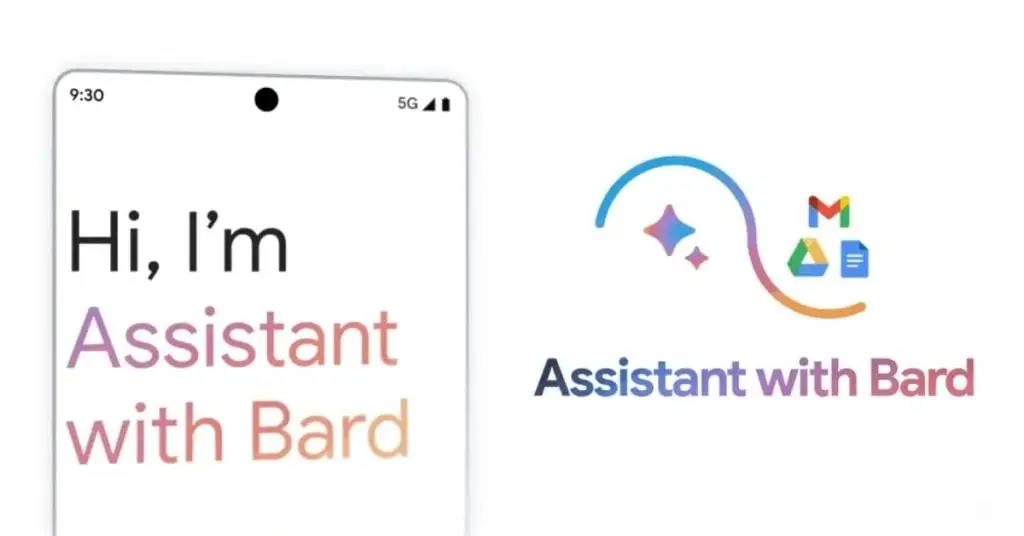
    Google has been hard at work developing a new version of its Assistant, and it's called Bard. Bard is a large language model (LLM) that boasts impressive capabilities such as generating text, translating languages, creating creative content, and providing informative answers to your questions.

    Last year, Google announced its plans to integrate Bard with Google Assistant for Android phones. This integration means that users will soon be able to harness the power of Bard to perform all the tasks that are currently possible with Google Assistant, and much more.

    While an official release date for Assistant with Bard is still unknown, developer Dylan Roussel has given us a glimpse into its interface.

    A User-Friendly Interface

    From the sneak peek shared by Roussel, it is evident that Google has designed Assistant with Bard to be user-friendly. The setup screen provides a clear explanation of how Bard works and the data it accesses. Additionally, users have the option to connect their Google apps, enabling a more personalized experience similar to the current Bard web app's extension functionality.

    Once the setup is complete, users can tap on the arrow icon on the popup, which then reveals a comprehensive interface. This interface offers helpful suggestions and allows users to either type their questions or prompts.

    A World of Possibilities

    The integration of Bard with Google Assistant opens up a world of possibilities. With its language generation capabilities, Bard can assist users in creating various types of content, be it written articles, blog posts, or even creative pieces. Additionally, its translation feature will make communication across languages seamless and effortless.

    Furthermore, Bard's ability to provide informative answers ensures that users can rely on it for accurate and reliable information. Whether you need to know the weather forecast, the latest news, or simply want to learn something new, Assistant with Bard is there to assist you.

    Conclusion

    While we eagerly await the official release of Google Assistant with Bard, the sneak peek into its interface has left us excited about its potential. With its vast range of capabilities, Bard promises to revolutionize the way we interact with our devices and access information. Get ready for a new era of intelligent and creative assistance with Google Assistant and Bard.

  • 220 Million Total Listeners in 2023: Podcasts Strike a Chord with Chinese Youth

    220 Million Total Listeners in 2023: Podcasts Strike a Chord with Chinese Youth

    Podcasts Gain Popularity in China

    Podcasts have become a sensation in China, captivating a significant portion of the internet-savvy population. In 2023, approximately 220 million Chinese internet users out of a pool of nearly 1.1 billion have discovered a new favorite pastime – podcast listening. This surge in popularity is a remarkable development in a country known for its strict online content regulations.

    Youth Demographic Dominates

    The majority of podcast enthusiasts in China are young professionals aged between 24 and 40, residing in the bustling tier-one and tier-two cities. This demographic represents over 60% of podcast listeners, signaling a shift in media consumption habits among the younger, urban population.

    Diverse Range of Topics

    Chinese podcasts cover a wide range of topics, catering to a diverse array of interests. From health and lifestyle to Chinese history and frontier technology, there is something for everyone. However, it is important to note that unlike Western countries where news and politics are popular podcast genres, these topics are conspicuously absent in China due to strict censorship laws. Instead, subjects like fashion, pet care, and sports dominate the Chinese podcast scene, avoiding potentially controversial content.

    Willingness to Pay for Quality

    Chinese consumers have shown a willingness to pay for premium podcast content. Over half of the podcast audience subscribes to premium content, benefiting both content creators and attracting global brands like Coca-Cola and Cadillac who see it as a lucrative advertising platform.

    Generative AI Revolutionizes Podcast Industry

    The rise of generative AI in the podcast industry is an exciting development. Ximalaya, a leading podcast service provider in China, has introduced AI-powered audio tools to enhance content creation and efficiency. This technological advancement is set to revolutionize the way podcasts are produced and consumed, offering a glimpse into the future of digital media in China.

  • ChatGPT Integration on Android with Google Assistant

    ChatGPT Integration on Android with Google Assistant

    Google Assistant and AI-Powered Assistants for Android

    The default choice for many Android devices, Google Assistant, retains its position as the preferred option among Android users owing to its exceptional performance. Google is presently integrating generative AI technology from Bard, a versatile language model adept at text, voice, and image processing, to augment the capabilities of its Assistant.

    Despite Google’s strides, other players are also venturing into developing AI-driven assistants for Android. ChatGPT, renowned for its sophisticated language processing abilities, stands as a prospective new entrant in the Android assistant arena.

    Diversification in the Android ecosystem with third-party assistants isn’t a novel concept. Previously, Microsoft’s Cortana and Amazon’s Alexa attempted to offer alternative assistant experiences. Nevertheless, none have succeeded in toppling Google Assistant from its dominant position.

    With the potential to redefine the current landscape, ChatGPT was recently observed in a fresh activity within the latest Android app version, hinting at forthcoming voice input support through an overlay, akin to Google Assistant. However, this function isn’t operational at this juncture.

    Scrutiny of the app’s code reveals endeavors to establish ChatGPT as the default assistant, evident in the presence of references to an "assistant_interaction_service" and a "supportsAssist" tag. Yet, substantial development efforts are still required for ChatGPT to evolve into a fully functional default assistant.

    In a contrasting move, Microsoft relinquished Bing’s default assistant capabilities upon introducing its GPT-based LLM experience. The prospective transition of ChatGPT to a default assistant status and its accessibility as a complimentary feature remain shrouded in uncertainty. OpenAI, the minds behind ChatGPT, extends additional features through a Plus subscription, with implications that a Quick Settings tile for ChatGPT might exclusively be available behind this payment barrier.

    While encouraging signs hint at ChatGPT’s prospective role as an Android assistant, it’s premature to make definitive forecasts about its trajectory. The evolution of the Android assistant landscape in the approaching months will be influenced by forthcoming developments and disclosures from Google, OpenAI, and the broader Android ecosystem.

    Gallery – Images and Illustrations

    [Placeholder for any related images or visual aids]

  • Cancer Treatment Advancements Enabled by Insilico Medicine’s AI-driven Breakthrough

    Cancer Treatment Advancements Enabled by Insilico Medicine’s AI-driven Breakthrough

    Insilico Medicine Strikes Groundbreaking Deal for Breast Cancer Drug Candidate

    Insilico Medicine, a leading AI-driven drug discovery firm based in Hong Kong, has made waves in the pharmaceutical industry with its recent deal involving a breast cancer drug candidate. The company has partnered with Italy’s Menarini Group in a transaction that could potentially exceed $500 million. This collaboration highlights the growing role of artificial intelligence (AI) in revolutionizing drug discovery.

    The global breast cancer market is expected to reach a staggering $73.68 billion by 2032, making advancements in treatment and research crucial. Insilico Medicine, which is preparing for a public listing in Hong Kong, has received an initial $12 million from Stemline Therapeutics, a subsidiary of Menarini. The deal includes provisions for development, regulatory processes, commercial milestones, and sales royalties. This partnership marks a significant milestone in integrating cutting-edge AI technology into pharmaceutical research and development.

    AI’s Crucial Role in Drug Discovery

    Artificial intelligence plays an increasingly crucial role in drug discovery, offering enhanced efficiency and accuracy. It goes beyond simply speeding up processes; it opens new doors in medical research. The AI-driven drug discovery market is thriving and projected to reach a staggering $7.1 billion by 2030.

    Targeting Hormone-Sensitive Cancers

    The focus of the deal between Insilico Medicine and Menarini is a novel small molecule KAT6A inhibitor designed to treat hormone-sensitive cancers. Breast cancer, the most common and deadly cancer among women globally, stands to benefit significantly from this potential treatment. With the global breast cancer market projected to hit $73.68 billion by 2032, the impact of this collaboration could be immense.

    Pioneering New Treatment Avenues

    Menarini, a major player in the pharmaceutical and diagnostics field, sees this collaboration as an opportunity to pioneer new treatment avenues and potentially revolutionize cancer therapy. Insilico Medicine, led by Dr. Alex Zhavoronkov since its establishment in 2014, boasts a robust pipeline targeting various diseases, highlighting the crucial role of AI in future healthcare advancements.

    Promising Future for AI-Driven Breakthroughs

    With Insilico Medicine’s global presence expanding and its recent influx of funding, including a $95 million series D financing in 2022, the company is positioned for significant growth. This deal not only underscores the power of AI in healthcare innovation but also signals a promising future for more AI-driven breakthroughs in medicine. The integration of AI technology into drug discovery processes holds immense potential for advancements in healthcare and the development of life-saving treatments.

    In conclusion, the groundbreaking deal between Insilico Medicine and Menarini Group for a breast cancer drug candidate showcases the transformative power of AI in drug discovery. With the global breast cancer market on the rise, this collaboration has the potential to revolutionize cancer therapy and pave the way for more AI-driven breakthroughs in medicine.

  • OpenAI Set to Launch GPT Store for AI Fans

    OpenAI Set to Launch GPT Store for AI Fans

    OpenAI’s Unveiling of GPT Store

    OpenAI, the organization responsible for the renowned text generation AI called ChatGPT, is gearing up to introduce a marketplace dedicated to GPTs and personalized applications derived from its AI frameworks. A forthcoming email to registered developers indicates that the store is poised to launch next week.

    Broadening GPT Accessibility

    The introduction of the GPT Store is embedded in OpenAI’s persistent endeavor to enhance the accessibility of their AI models. Through a platform that invites developers to showcase their GPTs on the store, OpenAI aims to broaden its user community and foster the integration of AI in diverse sectors.

    Upholding Responsible Practices

    OpenAI is unwavering in its commitment to the ethical and secure utilization of GPT capabilities. Consequently, the store will enforce preventive measures to deter technology misuse. Developers must acquaint themselves with the revised usage policies and brand directives to ensure alignment with OpenAI’s benchmarks.

    Progression in Artificial Intelligence

    The imminent inauguration of the GPT Store signifies a substantial leap forward in the realm of artificial intelligence. As AI technologies gain increasing prevalence across various sectors, the emergence of a specialized repository for AI models and bespoke applications stands as a noteworthy achievement. It underscores the escalating influence of artificial intelligence in our day-to-day experiences.

    While OpenAI persists in fostering innovation and broadening the reach of their AI models, the GPT Store is anticipated to serve as a pivotal conduit in streamlining the creation and deployment of AI applications across diverse domains.