Category: All News

  • Rollout of ColorOS 14 stable commences for 6 initial devices

    Rollout of ColorOS 14 stable commences for 6 initial devices

    Earlier today, Oppo unveiled ColorOS 14 at its annual developer conference in China. Unlike previous years, the company announced the new version of its mobile software later than expected. However, Oppo has wasted no time and has already started pushing stable builds for the first batch of devices.

    Stable Update Rollout

    According to Oppo, the ColorOS 14 stable update, which is based on Android 14, is currently being rolled out to the following devices in China:

    • Oppo Find N2
    • Oppo Find N2 Flip
    • Oppo Find X6 Pro
    • Oppo Find X6
    • OnePlus 11
    • Oppo Reno 9 Pro

    However, outside mainland China, the update is only available for the Oppo Find N2 Flip and OnePlus 11. For OnePlus 11 users in global markets, the update is called OxygenOS 14.

    Improved Rollout Speed

    Oppo claims that the rollout of ColorOS 14 will be faster than its predecessor, ColorOS 13. The company has been working on improving its software update delivery process each year. As a result, a larger number of devices are already part of the ColorOS 14 beta program compared to last year's ColorOS 13 beta initiative.

    Second to Samsung

    While Oppo couldn't be the first non-Google OEM to release the Android 14 stable update (that honor goes to Tecno), it is expected to be one of the early adopters. Oppo is likely to be second only to Samsung in terms of rolling out the Android 14 update for eligible devices worldwide.

    Learn More and Rollout Timeline

    If you want to learn about all the new features introduced in ColorOS 14, you can check out our coverage on the same. Additionally, you will find the rollout timeline for eligible devices there.

    Stay tuned for more updates on Oppo's ColorOS 14 and the availability of the stable update for more devices.
  • OnePlus 11 finally receives the long-awaited OxygenOS 14 update, ensuring stability

    OnePlus 11 finally receives the long-awaited OxygenOS 14 update, ensuring stability

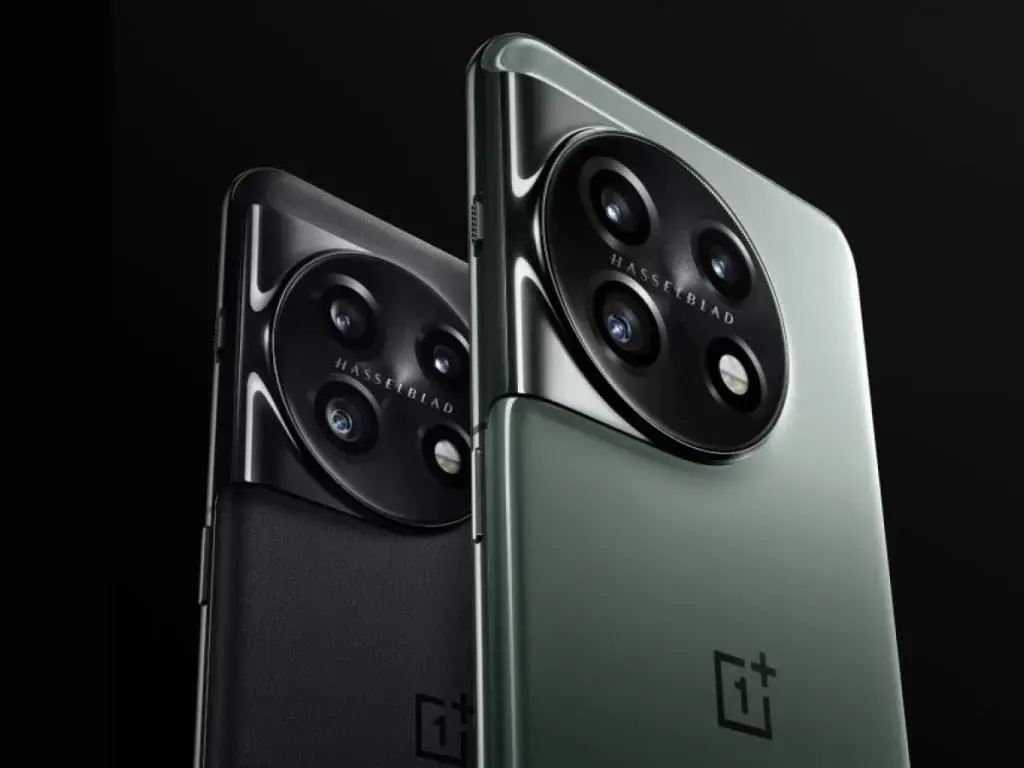
    OnePlus 11 Receives OxygenOS 14 Update

    Following extensive testing in both Closed Beta and Open Beta builds, the highly anticipated OxygenOS 14 update has finally arrived for the OnePlus 11. The update is currently being rolled out gradually to smartphone units in India, with users who are already on the Open or Closed Beta version being the first to receive it. Once the rollout for Beta Program participants is complete, the update will be made available to stable OxygenOS 13 users.

    Exciting New Features and Android 14 Integration

    The firmware version CPH2447_14.0.0.201(EX01) brings along with it a host of exciting new features, as well as incorporating all the features of Android 14. Users can expect an enhanced user experience with improved performance and functionality. However, it is important to note that in order to ensure a smooth installation of OxygenOS 14, it is advised to free up to 5GB of storage and have at least 30% battery capacity on the smartphone.

    OnePlus 11R Solar Red Edition Pricing Revealed

    In other news, OnePlus has recently unveiled the pricing details for the highly anticipated OnePlus 11R Solar Red Edition. Set to launch on October 7, this special edition variant offers a unique and eye-catching design. Priced at [insert pricing details], the OnePlus 11R Solar Red Edition is sure to attract attention from OnePlus enthusiasts and tech enthusiasts alike.

    With the arrival of OxygenOS 14 for the OnePlus 11 and the upcoming launch of the OnePlus 11R Solar Red Edition, OnePlus continues to impress with its commitment to innovation and delivering exceptional products to its loyal customer base.

  • Oppo introduces ColorOS 14: Features, roadmap, and compatible device lineup

    Oppo introduces ColorOS 14: Features, roadmap, and compatible device lineup

    Oppo ColorOS 14: New Features and Rollout Schedule

    Oppo has recently announced the launch of its latest operating system, ColorOS 14, which comes with a range of exciting features and improvements. The stable version of ColorOS 14 is set to be released in mid-November, with the Oppo Find N2 Flip being the first device to receive the update. In this article, we will delve into the details of the features and rollout schedule of Oppo ColorOS 14.

    Oppo ColorOS 14 Rollout Schedule

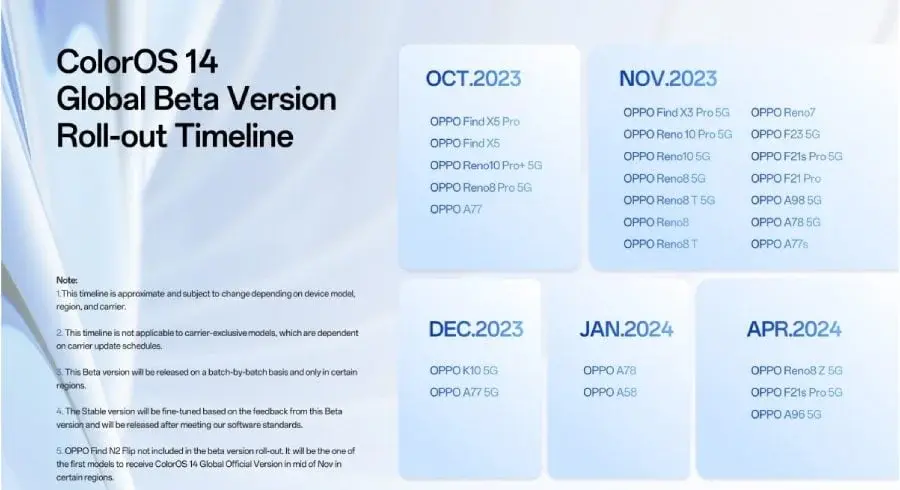
    For those eager to know when they can expect to get their hands on ColorOS 14, here is the detailed roadmap for the global audience:

    [Insert Oppo ColorOS 14 Rollout Schedule]

    Now that we have the rollout schedule out of the way, let's explore the features that ColorOS 14 brings to the table.

    ColorOS 14 Features

    Refined Design and Personalized Experience

    ColorOS 14 introduces a refined and standardized user interface with its new Aqua Dynamic design. This design seamlessly integrates common bubbles, capsules, and panels into the status bar, providing functionality without cluttering the display.

    Additionally, ColorOS 14 employs the Aquamorphic Colouring system, which dynamically adjusts the status bar and on-screen content to match the time of day. This creates a more harmonious visual experience for users.

    To promote eco-consciousness, Oppo has introduced a new Go Green style for the Always On Display. Users can also incorporate Bitmoji stickers that adapt throughout the day based on factors such as location, activities, and weather.

    Performance Boost

    ColorOS 14 comes with an upgraded Trinity Engine, which takes a three-pronged approach to enhance performance and battery life. The three components of the Trinity Engine are:

    1. ROM Vitalization: This feature effectively compresses app and file data, saving up to 20GB of storage on a typical phone.
    2. RAM Vitalization: With improved RAM management, background apps remain in RAM, ensuring smoother multitasking.
    3. CPU Vitalization: By optimizing the balance between chipset performance and power consumption, ColorOS 14 enhances battery life.

    Enhanced Privacy and Smart Features

    ColorOS 14 offers enhanced privacy features and smart functionalities. The Picture Keeper feature adds an extra layer of privacy by requiring additional permission to access specific photos and videos. Meanwhile, the Smart Image Matting feature allows users to crop out multiple people and animals from images and videos.

    With the new Smart Touch feature, users can select text, images, and videos from various apps and store them in the File Dock. This synchronized clipboard is accessible across ColorOS devices, making it easier to manage and share content.

    Snapchat users will also enjoy special benefits with ColorOS 14. They can place a Snapchat shortcut on the lock screen for quick access and utilize a dedicated Snapchat widget on the Shelf. This widget provides instant updates on new messages, statuses, and even the location of nearby friends.

    Overall, Oppo ColorOS 14 brings a range of exciting features and enhancements to enhance the user experience. With its refined design, performance boost, and enhanced privacy features, ColorOS 14 is set to provide a seamless and personalized experience for Oppo users. Stay tuned for the mid-November release to get your hands on this latest operating system.

  • Built-in Microsoft Phone Link support enhances the Cross-device connectivity of OxygenOS 14 and ColorOS 14

    Built-in Microsoft Phone Link support enhances the Cross-device connectivity of OxygenOS 14 and ColorOS 14

    OnePlus and Oppo have taken a cue from their competitors, Samsung and Honor, and have now integrated Microsoft Phone Link for cross-device connectivity. This new feature, available with OxygenOS 14 and ColorOS 14, will greatly benefit OnePlus users who often struggle with file transfers and syncing messages and photos between their Windows machine and phone.

    While support for Phone Link was previously available as a third-party app, it is now seamlessly integrated with OxygenOS 14 and ColorOS 14, offering a more intuitive cross-device experience. This integration aims to redefine how users work on any device, from anywhere.

    To set up the OnePlus device on both new and old Windows PCs, users simply need to scan a QR code. The setup process is quick, taking no more than a minute, and grants users access to enhanced features of the Windows Phone Link app.

    Enhanced Cross-Device Functionality

    In addition to managing photos, notifications, replying to messages, and receiving calls, the integration also allows users to interact with mobile apps using their PC. App mirroring facilitates multitasking, saving users time by eliminating the need to constantly switch between devices. The integration also supports direct display mirroring and cross-device copy-and-paste sync.

    Future Expectations

    In the near future, we can anticipate instant hotspot support for OnePlus devices, similar to what is already available for Samsung Galaxy smartphones.

    OxygenOS 14 and ColorOS 14 Features

    OxygenOS 14 and ColorOS 14 introduce several other noteworthy features to enhance productivity and usability across OnePlus smartphones. These include File Dock, Notes 2.0, and Smart Cutout.

    With the integration of Microsoft Phone Link, OnePlus and Oppo are taking a step towards providing a seamless and efficient cross-device experience for their users. This move will undoubtedly make file transfers and syncing messages and photos a breeze, ultimately enhancing productivity and convenience.

  • Rolls-Royce Achieves Milestone: All Current Engines Now Compatible with 100% SAF Instead of Jet Fuel

    Rolls-Royce Achieves Milestone: All Current Engines Now Compatible with 100% SAF Instead of Jet Fuel

    Rolls-Royce Confirms Compatibility of Engines with Sustainable Aviation Fuel

    Efforts to reduce reliance on fossil fuels have been ongoing for years, and the aviation industry is no exception. As electric vehicle technology gains momentum in the automotive sector, the aviation industry is still heavily dependent on traditional jet fuel. However, Rolls-Royce is taking a step towards a more sustainable future by exploring the use of Sustainable Aviation Fuel (SAF) as an alternative to traditional jet fuel.

    The Rise of Sustainable Aviation Fuel

    Sustainable Aviation Fuel is derived from renewable sources such as waste oils, vegetable oils, and algae. It is considered a promising alternative due to its potential to reduce carbon emissions and its compatibility with existing aircraft engines.

    Rolls-Royce has been testing the use of SAF blended with jet fuel to address concerns about efficiency. However, the company has recently made an exciting announcement – all of its current engines are capable of running on 100% SAF.

    Successful Tests at Rolls-Royce's Facility

    Rolls-Royce conducted a series of tests at its facility in Canada using various aircraft engines, including the Trent 700, 800, 900, 1000, XWB-84, XWB-97, 7000, BR725, and Pearl 700, 15, and 10X. The tests were concluded successfully, demonstrating that these engines can operate efficiently using 100% sustainable aviation fuel.

    Tufan Erginbilgiç, the CEO of Rolls-Royce, expressed his confidence in this alternative fuel, stating, "Announcing that all our currently produced engines are compatible with 100% SAF is a significant step for both Rolls-Royce and the general aviation industry. This is also strong evidence of our commitment to achieving net-zero emissions by 2050 and supporting customers in reaching this goal."

    A Sustainable Future for Aviation?

    While the compatibility of Rolls-Royce engines with 100% SAF is a milestone in the industry, it remains uncertain whether Sustainable Aviation Fuel will become the standard in aviation. The rise of electric aircraft engines may present viable alternatives in the future. As technology continues to advance, electric flying cars and electric aircraft engines may become more feasible options for reducing carbon emissions in air travel.

    In conclusion, Rolls-Royce's exploration of Sustainable Aviation Fuel is a significant step towards a more sustainable future for the aviation industry. By confirming the compatibility of its current engines with 100% SAF, Rolls-Royce is demonstrating its commitment to reducing the environmental impact of air travel and supporting the goal of achieving net-zero emissions. While the future of aviation fuel remains uncertain, the progress made in sustainable alternatives is undoubtedly promising.

  • Enhanced Performance and Efficiency with Graphene Cooling Rumored for Apple iPhone 16

    Enhanced Performance and Efficiency with Graphene Cooling Rumored for Apple iPhone 16

    Apple’s Graphene Cooling Tech to Revolutionize iPhone 16

    Smartphones have come a long way in terms of processing power, thanks to advancements in processor technology. The Snapdragon 8 Gen 3 and Apple A17 Pro have played a significant role in making smartphones more powerful than ever before. Gone are the days when basic menu transitions on these devices were noticeably sluggish. Today, smartphones can rival the performance of modern gaming consoles. In fact, devices like the iPhone 15 Pro and 15 Pro Max can handle demanding PC and console games with ease. However, this increase in performance comes with a downside: overheating.

    Overcoming the Heating Issue

    As smartphones become more powerful, managing temperatures becomes crucial. Users of the iPhone 15 Pro models have reported excessive heating issues, making the devices uncomfortable to hold. Some users have even joked about using their phones as cooking appliances due to the intense heat. While these issues are not common during light tasks like watching Instagram Reels, certain optimization problems in iOS 17 are believed to contribute to the overheating.

    Apple's Solution: Graphene Cooling

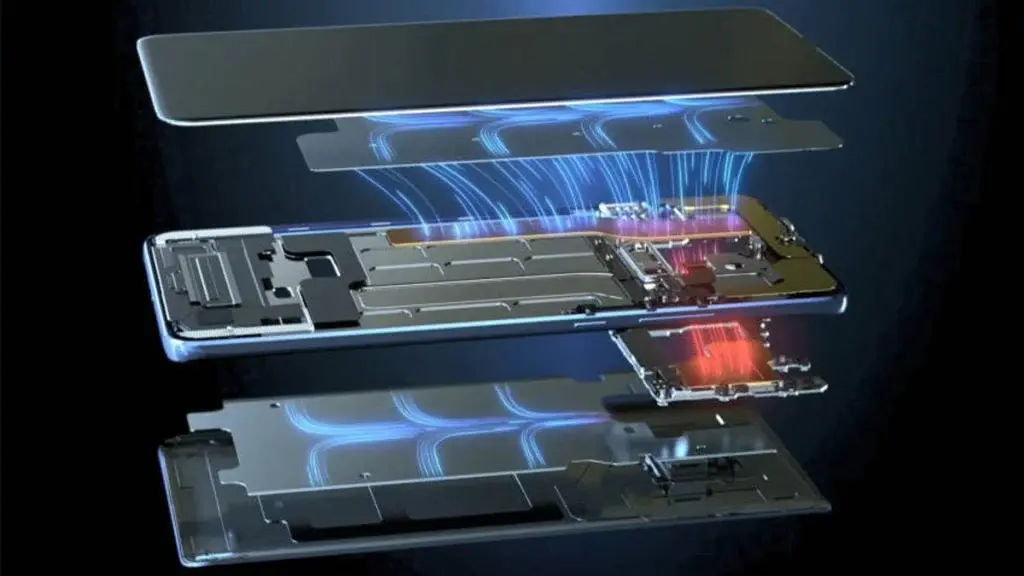
    To address the heating concerns, Apple is actively working on a solution for the upcoming iPhone 16 series. According to leakster KosutamiSan, Apple will incorporate a graphene block into the iPhones to prevent the temperature from getting out of control. It's important to note that Apple will not be using any active cooling technology, such as fan-based cooling. Instead, they will rely on graphene, a material known for its excellent heat conductivity.

    The Power of Graphene

    Graphene is a material with exceptional heat conductivity. At room temperature, graphene has a thermal conductivity of 5000 watts/meter-kelvin, which is about two times that of copper and three times that of silver. By utilizing graphene cooling, Apple aims to effectively manage temperatures and prevent overheating issues in the iPhone 16 series.

    Continued Advancements

    While graphene cooling is a logical solution, Apple is also continuously working on making its processors more powerful and efficient each year. This means that despite the increase in power, the processors consume less energy, resulting in a decrease in heating issues. However, it remains uncertain whether these advancements will be sufficient for the iPhone 16. We will have to wait until September, when the iPhone 16 is expected to be released, to see what Apple has achieved.

    Stay Tuned for Tech Updates

    As we eagerly anticipate the release of the iPhone 16, TeknoBurada will keep you updated with the latest tech news and updates. With Apple's focus on addressing the heating concerns and incorporating graphene cooling technology, the iPhone 16 series is set to revolutionize the smartphone industry.

  • Pixel phone users can now access the Beta 1 version of Android 14 QPR2, as released by Google

    Pixel phone users can now access the Beta 1 version of Android 14 QPR2, as released by Google

    Android 14 QPR2 Beta 1 Released for Pixel Devices

    Google has recently rolled out the first beta build of Android 14 QPR2, which is a quarterly platform release that will eventually become the March 2024 update. This beta build is now available for most Pixel devices, including the Pixel 5a and even some older models.

    Moving on from Android 14 QPR1 Beta 2.2, Google has decided to skip the stable QPR1 build for December and jump straight to QPR2. This decision indicates that Google is actively working on improving the Android experience for users.

    Android 14 QPR2 Beta 1 Release Details

    • Release date: November 15, 2023
    • Build:
      • Pixel 5a devices: AP11.231020.013
      • Pixel 8 and 8 Pro devices: AP11.231020.014
      • All other devices: AP11.231020.013.A1
    • Emulator support: x86 (64-bit), ARM (v8-A)
    • Security patch level: November 2023
    • Google Play services: 23.36.14

    If you are already enrolled in the Android Beta Program, you can expect to receive the update over-the-air today. This means that if you are currently on Android 14 QPR1 2.2, you will be upgraded to the new QPR2 Beta 1 build.

    While Google has not provided a list of new features for this update, they have shared some fixes that are included in Android 14 QPR2:

    1. Fixed issue with package manager crash: Previously, there was an issue that caused the package manager to crash when installing certain apps. This problem has been resolved in this update. (Issue #303849830)

    2. Fixed issue with feedback submission: Users sometimes encountered a problem where they were unable to submit feedback through the Android Beta Feedback app. This issue has been addressed in the QPR2 update. (Issue #307592531)

    3. Fixed issue with 5G network connectivity: Occasionally, devices would have trouble connecting to a 5G network, even when it was available. This issue has been fixed in the latest beta build. (Issue #306294357)

    Although new features have not been disclosed yet, these fixes indicate that Google is actively working on improving the stability and performance of the Android 14 QPR2 release. Users can look forward to a smoother and more reliable experience with their Pixel devices.

    It is worth noting that as this is a beta build, there may still be some bugs and issues present. However, by participating in the Android Beta Program, users have the opportunity to provide feedback and help Google identify and resolve any remaining issues before the official release.

    Overall, the release of Android 14 QPR2 Beta 1 showcases Google's commitment to continuously enhancing the Android platform and delivering a better user experience for Pixel device owners.

  • ChatGPT-Enabled Crossbeats Nexus Smartwatch Available for Purchase in India

    ChatGPT-Enabled Crossbeats Nexus Smartwatch Available for Purchase in India

    Crossbeats Nexus: The Smartwatch with ChatGPT Integration

    Last month, Crossbeats unveiled the Nexus smartwatch in India, and today, the highly anticipated device is officially on sale. What sets the Nexus apart from the majority of smartwatches in India is its integration of ChatGPT technology, providing users with a unique and interactive experience.

    Pricing & Availability

    The Crossbeats Nexus is priced at Rs. 5,999 and can be purchased exclusively on the brand's website. Customers have the option to choose from two stylish color options: Silver and Black. For those who choose to pre-order the smartwatch, exclusive benefits await. Pre-order customers will receive a complimentary merchandise item signed by SKY, along with a free screen guard to protect their Nexus watch. Additionally, pre-ordering unlocks an extended warranty of an extra 6 months at no additional cost, ensuring peace of mind for users. Furthermore, pre-order customers can enjoy a 25% discount on selected True Wireless Stereo (TWS) products valued above Rs. 1999. And on the day of purchase, customers can avail an extra 5% discount on the Nexus watch.

    Crossbeats Nexus Specs & Features

    The Crossbeats Nexus features a 2.1-inch AMOLED display with a resolution of 320 x 384 pixels, providing users with a vibrant and immersive visual experience. With over 500 customizable watch faces, users have the freedom to personalize their smartwatch according to their style and preferences.

    One of the standout features of the Nexus is the integration of ChatGPT technology, allowing users to interact with the smartwatch in a whole new way. This advanced integration enables a more intuitive and conversational experience, making the Nexus a truly smart companion on your wrist.

    In terms of functionality, the Nexus offers a range of practical features. It includes GPS dynamic route tracking and a dynamic island, which are especially useful for outdoor activities and navigation. Additionally, the smartwatch comes with an ebook reader, adding convenience for users who enjoy reading on the go.

    For health monitoring, the Nexus is equipped with advanced sensors that track heart rate, SpO2 levels, sleep patterns, and even provides blood pressure monitoring. These features enable users to keep a close eye on their health and make informed decisions about their well-being.

    Connectivity is seamless with Bluetooth 5.3, ensuring compatibility with both iOS 10 and above, as well as Android 5.1 and above. The Nexus also boasts an impressive battery life of up to 7 days, allowing users to go longer between charges.

    The Crossbeats Nexus is available in two stylish color options: Silver and Black, catering to different styles and preferences.

    With its innovative ChatGPT integration, customizable watch faces, and advanced health monitoring features, the Crossbeats Nexus is a smartwatch that stands out from the crowd. Experience the future of smartwatches and get your Nexus today!

  • Downgraded Specs and Redesigned: Vivo Y36 Makes Debut in China

    Downgraded Specs and Redesigned: Vivo Y36 Makes Debut in China

    Vivo Y36: A New 5G Variant with Downgraded Specs

    Vivo recently launched a new smartphone in China under the name Vivo Y36. While the original Vivo Y36 was available in both 4G and 5G variants, the Chinese version is exclusively a 5G smartphone with some notable downgrades in terms of specifications. Let's take a closer look at what this new device has to offer.

    Design and Display

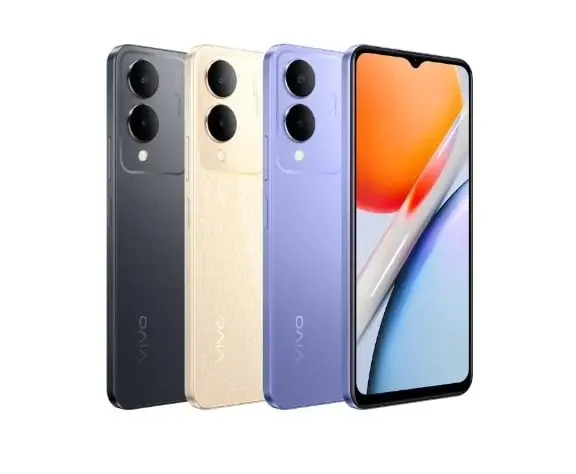
    The Vivo Y36 (China) features a rectangular camera island with circular cameras, similar to its predecessor. However, there is a slight change in the design as the LED flashlight is now positioned below the cameras instead of on the right side. In terms of the display, the Chinese variant comes with a smaller 6.56-inch screen compared to the 6.64-inch display of the global Vivo Y36 5G. The panel also sports a dewdrop notch instead of a centered punch hole.

    Specifications

    While the display size has been reduced, the Vivo Y36 (China) still offers a smooth user experience with its 90Hz refresh rate. It is powered by the MediaTek Dimensity 6020 chip (previously known as Dimensity 700) and is equipped with LPDDR4x RAM and UFS 2.2 storage.

    In terms of camera specifications, the Chinese variant sees a downgrade. The main and selfie cameras are now 13MP and 5MP sensors respectively, compared to the 50MP and 16MP sensors found on the global model. However, the 2MP depth sensor remains the same.

    Other features of the Vivo Y36 (China) include a 3.5mm headphone jack, a side-mounted fingerprint sensor, and the latest Android 13 operating system. The device is backed by a 5,000mAh battery, but the charging speed has been reduced to 15W from the previous 44W.

    Pricing and Availability

    The Vivo Y36 (China) is available in five memory configurations, each with varying storage capacities. Here are the pricing details for each variant:

    • 6GB + 128GB: ¥1,399 (~$195)
    • 8GB + 128GB: ¥1,599 (~$220)
    • 8GB + 256GB: ¥1,799 (~$250)
    • 12GB + 256GB: ¥1,999 (~$275)
    • 12GB + 512GB: ¥2,399 (~$330)

    The device comes in three color options: Space Gray, Galaxy Gold, and Fantasy Purple.

    In conclusion, the Vivo Y36 (China) offers a 5G experience with some downgraded specifications compared to its global counterpart. However, it still packs some impressive features, including a high refresh rate display and a powerful processor. With its competitive pricing, the Vivo Y36 (China) aims to cater to the needs of smartphone users in the Chinese market.

  • Google Pixel 8a Design Revealed in Leaked Dummy Unit Photos

    Google Pixel 8a Design Revealed in Leaked Dummy Unit Photos

    New Leaked Photos Show Google Pixel 8a Smartphone

    Unveiling the successor to Google’s Pixel 7a, leaked images of the Pixel 8a have emerged, offering a sneak peek into the device’s updated design.

    Design Alterations

    The Pixel 8a appears to showcase a more curved design when compared to its forerunner, the Pixel 7a. Early models hint at a slimmer and elongated build, measuring 153.44 x 72.74 x 8.94mm.

    View from the Front and Back

    An examination of the dummy unit’s front indicates that the Pixel 8a will maintain a punch-hole selfie camera while sporting noticeable bezels. Flipping to the back, the camera module, a hallmark of Pixel smartphones, boasts two sensors and a flash unit.

    Recognizable Controls

    The right side of the device exhibits the same familiar power button and volume controls as those observed on previous iterations of Pixel handsets.

    Unveiling Date

    The anticipated release of Google’s Pixel 8a is anticipated to align with the launch timeline set by its A-series predecessors, likely hitting the market in the initial half of 2024. While an exact date for its unveiling remains unconfirmed, further specifics are projected to be unveiled as time progresses.