Category: All News

  • IKEA Launches New LED Lamp with Matter in the US

    IKEA Launches New LED Lamp with Matter in the US

    Key Takeaways

    1. The IKEA Varmblixt LED lamp is a dimmable smart light available in the US, priced at $99.99.
    2. It features a unique donut shape, can be used as a table or wall lamp, and has a lifespan of about 25,000 hours.
    3. The lamp offers both white and colored lighting effects and has dimming capabilities.
    4. It is compatible with the IKEA Dirigera hub and the IKEA Home smart app, allowing users to control multiple smart devices.
    5. The lamp supports Matter-over-Thread, enabling connection with various smart home systems like Google, Apple, and Amazon.


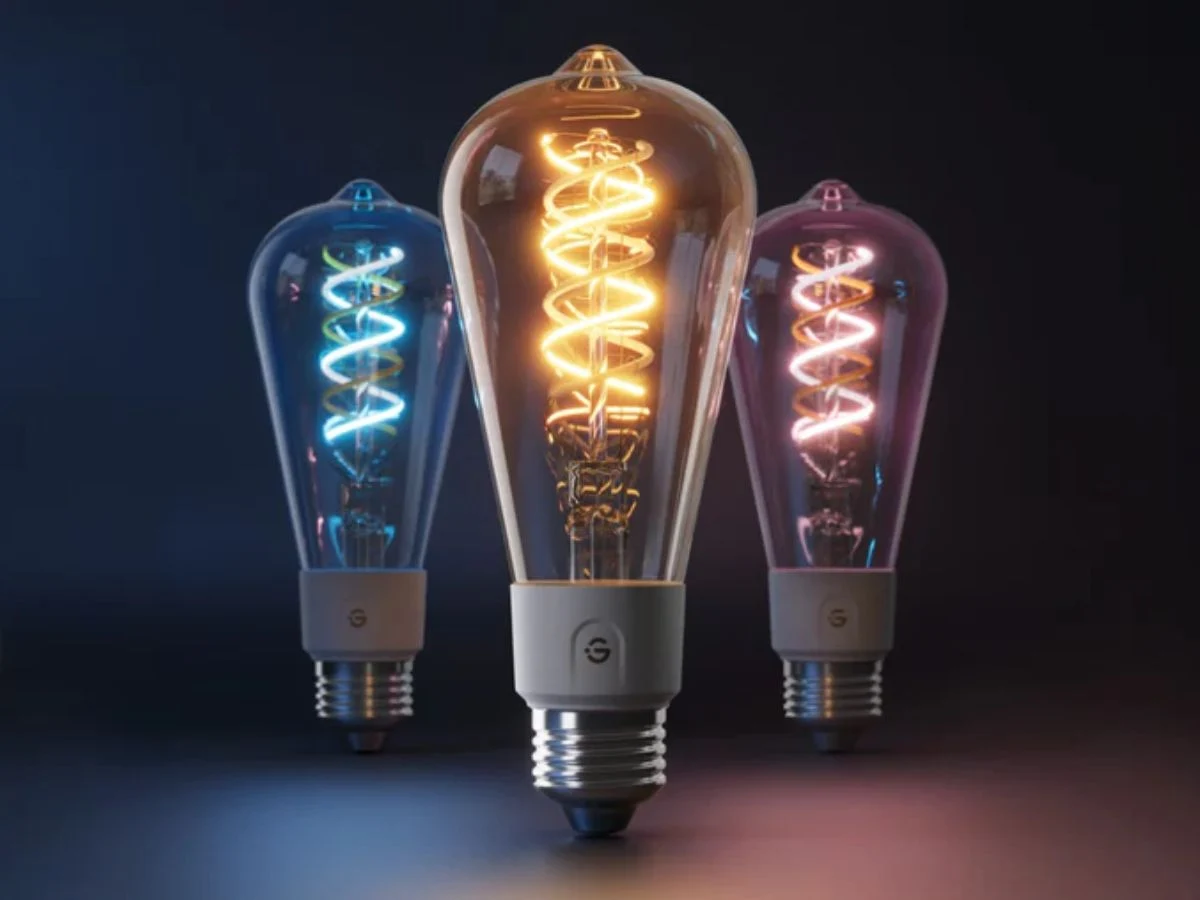
    The IKEA Varmblixt LED table and wall lamp is now up for grabs in the US. This dimmable smart light, featuring a white glass color and white spectrum, measures 12 inches. It was announced in early 2026 and has already hit shelves in several European countries ahead of its planned release in April.

    Design and Functionality

    Similar to the previous IKEA Varmblixt model, this new smart lamp, which has a unique donut shape, can either sit on a table or be mounted on a wall. The lamp offers dimming capabilities and can create both white and colored lighting effects, with an impressive lifespan estimated at around 25,000 hours.

    Smart Home Compatibility

    The lamp works seamlessly with the IKEA Dirigera hub and the IKEA Home smart app. Users are able to modify the lamp’s settings and control various smart home devices all at once through the app. Moreover, the support for Matter-over-Thread means this smart lamp can connect to different smart home systems such as Google, Apple, and Amazon. It also comes with a handy remote control, which is pre-paired and allows for dimming and color adjustments from a distance.

    You can purchase the IKEA Varmblixt LED table/wall lamp, which is dimmable and features a smart white glass color and spectrum, for $99.99 at IKEA’s online store in the US. Additionally, it is stocked at many physical locations of the brand, as confirmed by the store stock checking tool on the product page at IKEA.com.

    Source:
    Link


  • Vivo X300s Surfaces in Benchmark Leak with 16 GB RAM

    Vivo X300s Surfaces in Benchmark Leak with 16 GB RAM

    Key Takeaways

    1. The Vivo X300s and X300 Ultra are set to launch on March 30, but only in the Chinese market for now.
    2. Global launch details for the X300s are currently unavailable.
    3. The X300s features a MediaTek Dimensity 9500 chipset and 16 GB of RAM, promising impressive performance.
    4. The device scores 3,310 in single-core and 10,141 in multi-core tests, competing well with other premium smartphones.
    5. Key specifications include a 6.78-inch AMOLED display with a 144 Hz refresh rate and a 7,100 mAh battery.


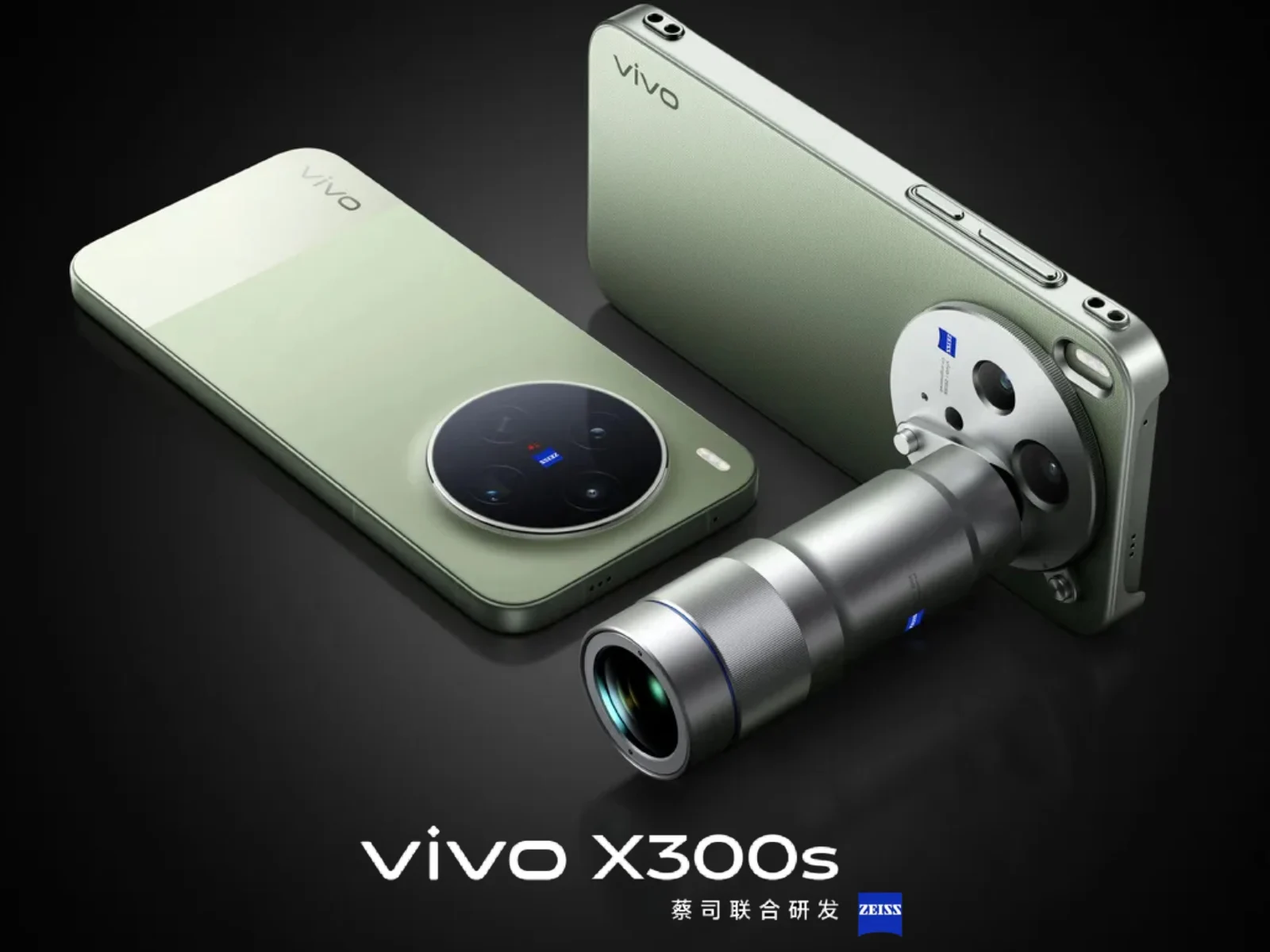
    Vivo has recently revealed when its new X300s smartphone will be released. The X300s is set to launch at the same time as the X300 Ultra, with both devices scheduled for March 30. However, it looks like this date is only meant for the Chinese market at this time.

    Global Launch Still Unclear

    Details about a global launch are still not available. In the meantime, the X300s has appeared on Geekbench under the model number V2548A. Geekbench doesn’t give much information about the device’s chipset, but the model number and CPU setup align with MediaTek’s Dimensity 9500.

    Impressive Performance Expected

    With 16 GB of RAM paired with the Dimensity 9500, the X300s is expected to outshine other premium smartphones such as the Nothing Phone (3), Xiaomi 15T Pro, and OnePlus 15R, which is currently priced at $699 on Amazon. In terms of performance, the Vivo X300s has achieved a single-core score of 3,310, which is similar to the score our Vivo X300 review unit got on the same test.

    On the multi-core front, the X300s scores 10,141, placing it between the X300 and Find X9 Pro on our charts. Additionally, Vivo has confirmed that the X300s will come with a 6.78-inch AMOLED display that boasts a refresh rate of 144 Hz, along with a massive 7,100 mAh battery. Furthermore, the device will feature a USB 3.2 Gen 1-capable Type-C port, a nice upgrade from last year’s Vivo X200s.

    Source:
    Link


  • Asahi Linux Remix 43: New Fedora for Apple Silicon Macs

    Asahi Linux Remix 43: New Fedora for Apple Silicon Macs

    Key Takeaways

    1. Asahi Linux Remix focuses on providing a refined Linux experience specifically for Apple silicon Macs, built on the Fedora distribution.
    2. The latest release, Asahi Linux Remix 43, includes enhancements from Fedora 43 along with additional improvements for Mac users.
    3. A Fedora Server version is available, designed for server tasks and headless setups, as well as a minimal image for customized installations.
    4. Existing users of Asahi Linux Remix 41 or 42 can upgrade using the standard Fedora upgrade procedure, but GNOME Software is not suitable for this process.
    5. The project aims to combine Fedora’s features with Apple-specific enhancements, making it a notable option for optimizing Linux on Apple hardware.


    Asahi Linux has been around for about three years, and it seeks to provide a refined Linux experience on Apple’s silicon Macs. The project, known as Asahi Linux Remix, focuses specifically on the Fedora distribution. This version combines the features enjoyed by all Fedora users with unique code tailored for Apple hardware. Just yesterday, Asahi Linux Remix 43 was released, bringing along all the Fedora 43 enhancements and some additional improvements for Mac users.

    Key Features of Asahi Linux Remix 43

    Besides the main release, Asahi Linux Remix 43 also offers a Fedora Server version, which is designed for server tasks and various headless setups. For those who prefer to tailor their operating system from the ground up, a minimal image is also provided. Users can access the latest and earlier versions through this link.

    Upgrade Path for Existing Users

    If you’re currently using Asahi Linux Remix 41 or 42, you can upgrade following the standard Fedora upgrade procedure (if you’re unfamiliar with this process, check this page for detailed instructions). Unfortunately, the GNOME Software application isn’t suitable for performing the upgrade, meaning you’ll need to use the KDE Plasma Discover software manager or the DNF’s System Upgrade command instead.

    Conclusion

    This release enhances the overall experience and brings new features to those using Fedora on Apple hardware. The unique blend of Fedora’s capabilities with additional Apple-specific enhancements is what makes Asahi Linux Remix 43 a noteworthy option for users looking to optimize their systems.

    Source:
    Link


  • Google Unveils New Health Coach Features for Fitbit Users

    Google Unveils New Health Coach Features for Fitbit Users

    Key Takeaways

    1. Enhanced sleep tracking accuracy improved by 15%, now recognizing naps and sleep interruptions.
    2. New research study “Get care now” launched to evaluate conversational AI in virtual health consultations.
    3. Upcoming feature to link continuous glucose monitors (CGM) for blood sugar insights, available in April 2026.
    4. Users can soon connect medical records to the Fitbit app with secure verification methods.
    5. Personal health coach feature made available to Premium users in several countries, with broader rollout details pending.


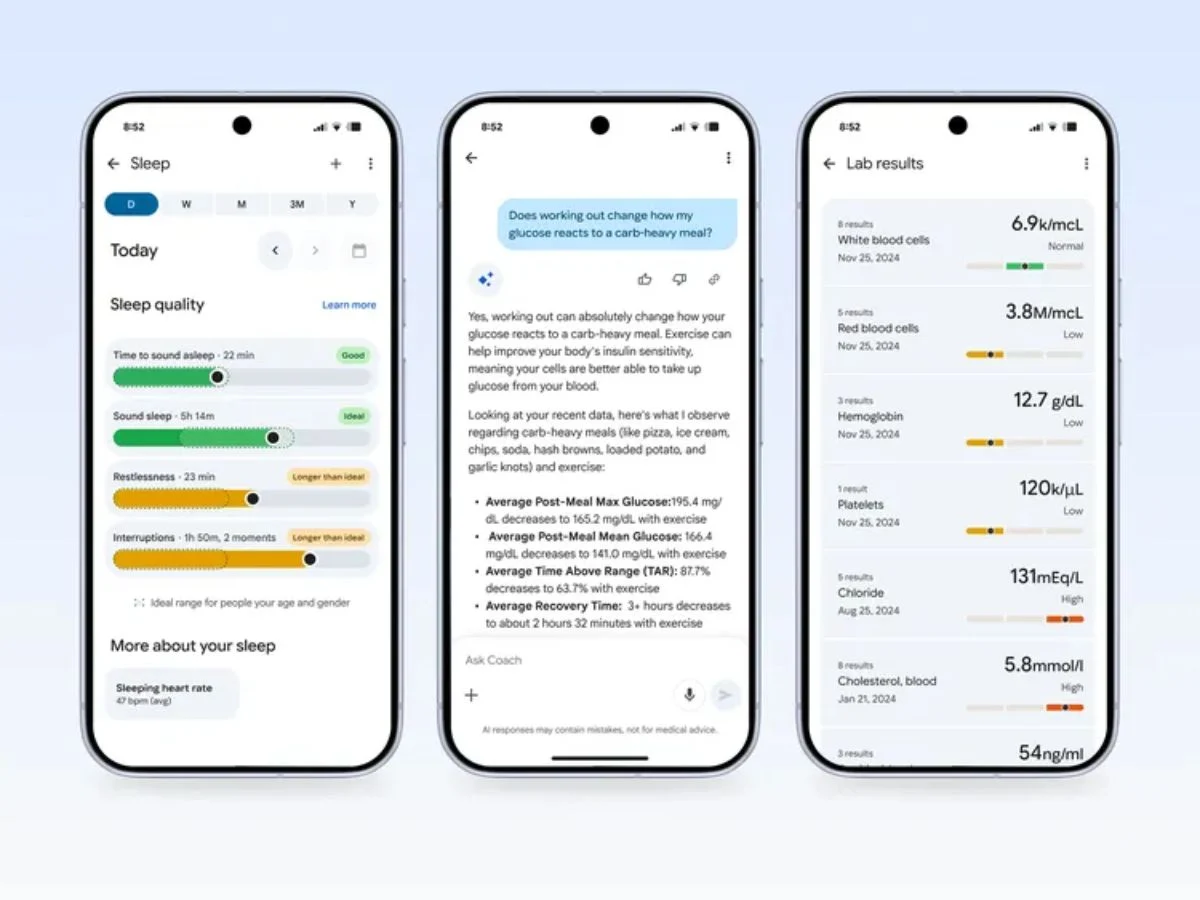
    New updates are coming for some users of the Fitbit app. During the yearly event called The Check Up, organized by Google, the company shared a variety of “significant” upgrades for its personal health coach feature. This tool was introduced in late 2025 as part of a Public Preview for Fitbit Premium users in the United States.

    Enhanced Sleep Tracking

    The newest edition of the Fitbit personal health coach offers better accuracy in tracking sleep stages. Google states that this accuracy has improved by 15%, allowing your device to more effectively monitor when you are awake or asleep. It can now also recognize naps and sleep interruptions. This information is utilized to generate a Sleep Score, along with suggestions on how to enhance your sleep quality. Users in the US who are part of the Public Preview can expect to see these sleep-related features in the upcoming weeks.

    New Research Study and Features

    Moreover, Google announced a new research study called “Get care now” in collaboration with Included Health, a healthcare provider. The goal of the study is to assess how effective conversational AI is during virtual health consultations. In addition, users will soon have the ability to link a continuous glucose monitor (CGM) through Health Connect to gain insights about their blood sugar levels. This feature will be available in Public Preview in the US starting April 2026.

    Linking Medical Records

    Lastly, Google disclosed that users in the US who are part of the Public Preview will soon be able to connect their medical records to the Fitbit app. This service will work with partners such as b. well and CLEAR, and it is designed to be secure, requiring selfie and ID verification. This new feature is also set to launch in April 2026. In mid-February 2026, the personal health coach from Fitbit was made accessible to Premium users in the UK, Canada, Australia, New Zealand, and Singapore. However, it remains unclear when these updates will be available to a broader audience.

    Source:
    Link


  • Govee Launches Vintage-Style Smart Bulbs with Matter Support

    Govee Launches Vintage-Style Smart Bulbs with Matter Support

    Key Takeaways

    1. The Govee Edison Bulb is available in North America as the E26 Smart Edison Light Bulb and in Europe as the E27 Smart Edison Light Bulb, both with a brightness of 500 lumens.
    2. The bulbs have a vintage design with a transparent glass exterior and can produce adjustable white and colored lighting effects, with a color rendering index (CRI) greater than 90.
    3. Users can control the bulbs through the Govee Home app, which offers 64+ preset scene modes, scheduling options, and compatibility with voice commands and third-party apps.
    4. In the U.S., a 4-Pack of Govee Edison Bulbs is priced at $69.99, while a 2-Pack is out of stock until March 22nd; in Europe, prices start at €24.99 for a single bulb.
    5. The Govee Edison Bulb will be available on the Govee online store in Europe starting April 2nd.


    The Govee Edison Bulb has made its debut in North America and Europe. In the United States, it’s known as the Govee E26 Smart Edison Light Bulb 500lm. Meanwhile, in Europe, it’s referred to as the Govee E27 Smart Edison Light Bulb 500lm.

    Design and Features

    Govee’s modern Edison light bulbs sport a charming vintage look, featuring a transparent glass exterior and classic spiral filaments. Each chip on board (COB) strip includes more than 25 LEDs per inch, with the dimmable bulbs providing a brightness of up to 500 lumens. They can produce both white and colored lighting effects for your home, boasting a color rendering index (CRI) greater than 90, with color temperatures adjustable between 2,700 and 6,500K.

    Smart App Control

    Using the Govee Home app, Edison Bulb users can select from 64+ preset scene modes, including options that sync with music. The app allows for the control of multiple smart lights at once and offers scheduling or timer settings. Additionally, users can utilize voice commands or third-party apps for remote control, thanks to Matter compatibility.

    Pricing and Availability

    In the United States, the Govee Edison Bulb 4-Pack is available on Amazon for $69.99. There’s also a smaller 2-Pack available in the brand’s official store, but it’s currently out of stock until March 22nd. In European countries like Germany, the Govee Edison Bulb can be found on Amazon for €24.99 for a 1-Pack and €44.99 for a 2-Pack. This product is set to be available at the Govee online store starting April 2nd.

    Source:
    Link


  • Xiaomi Launches Smart Feature for Air Conditioners

    Xiaomi Launches Smart Feature for Air Conditioners

    Key Takeaways

    1. Xiaomi launched the Mi Home Air Conditioner Smart Health Check feature in China, accessible through the Mi Home app.
    2. The feature detects dirty or blocked filters with 98% accuracy and notifies users via the app.
    3. Users receive step-by-step cleaning instructions and can choose to contact a technician for free cleaning service in China.
    4. The feature is available on specific models, including the Xiaomi Mi Home Air Conditioner Super Energy Saving Pro.
    5. Xiaomi markets two smart air conditioners in Europe, with one model offering similar smart filter cleaning reminders.


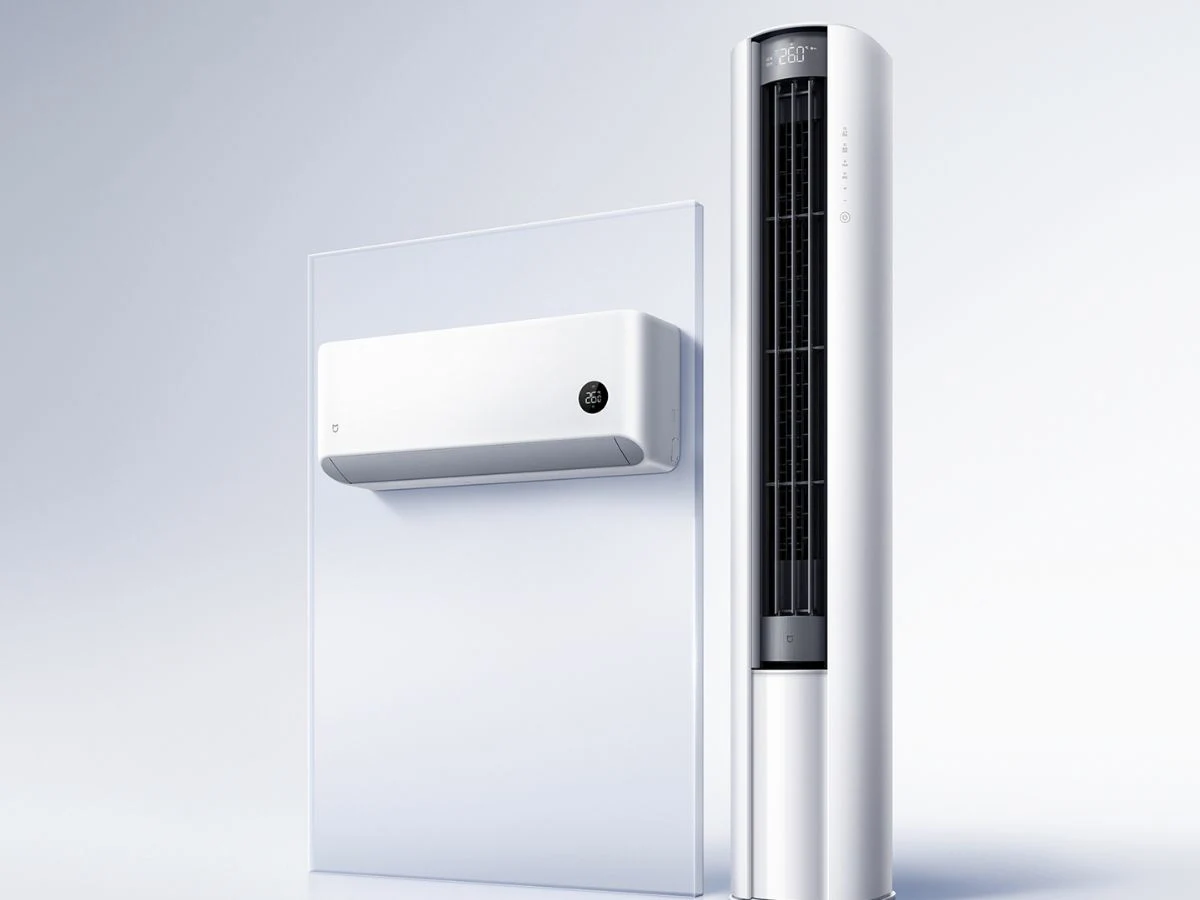
    Xiaomi has introduced a new capability for its smart air conditioners that is currently being made available to users in China. This feature can be utilized through the Mi Home app, also recognized as the Xiaomi Home app internationally.

    New Smart Functionality

    The latest addition from Xiaomi is named the Mi Home Air Conditioner Smart Health Check (as translated by machines). The company states that the device is equipped with sensors that can identify if the filter is dirty or blocked, achieving an impressive accuracy rate of 98%. Such issues could hinder the appliance’s efficiency. When any of these problems are detected, users receive notifications through the brand’s application. Moreover, users have the option to manually inspect the filter’s status whenever they wish.

    Cleaning Assistance

    In addition to alerting users, the Xiaomi Mi Home Air Conditioner Smart Health Check feature also offers step-by-step instructions for cleaning. Alternatively, in China, users have the option to contact a technician to clean the filter, with this at-home service provided at no cost.

    Available Models

    This intelligent feature is available on several models, including the newly launched Xiaomi Mi Home Air Conditioner Super Energy Saving Pro (with Super Energy Efficiency Level 1) and the Mi Home Air Conditioner Ultra Energy-Saving Pro 1.5 HP in China. It’s worth noting that the company presently markets only two smart air conditioners in Europe, one of which is the Xiaomi Mijia Air Conditioner Pro Eco 3.5 kW (currently priced at €699 at Xiaomi Store ES). This model also includes a similar reminder for smart filter cleaning.

    Source:
    Link


  • Asus ROG Xbox Ally X: Portable 3D Scanner for Real-Time Mapping

    Asus ROG Xbox Ally X: Portable 3D Scanner for Real-Time Mapping

    Key Takeaways

    1. Handheld 3D Scanning Setup: The Asus ROG Xbox Ally X and Orbbec Gemini 336L depth sensor create a portable 3D scanning system using Dot3D software on Windows.

    2. Real-Time Mapping: The setup allows for real-time scanning and mapping of indoor spaces, with a live interface showing depth visualization and mesh reconstruction.

    3. Portable Advantage: Unlike traditional bulky scanners, this configuration leverages a handheld gaming PC for mobility and ease of use in 3D scanning.

    4. Cost Considerations: The overall cost includes the scanner at around $379 and a subscription for Dot3D software, making it more suitable for professional rather than casual use.

    5. Accuracy Limitations: While scans are usable, they may lack the precision of dedicated high-end scanning systems, highlighting the trade-off between mobility and accuracy.


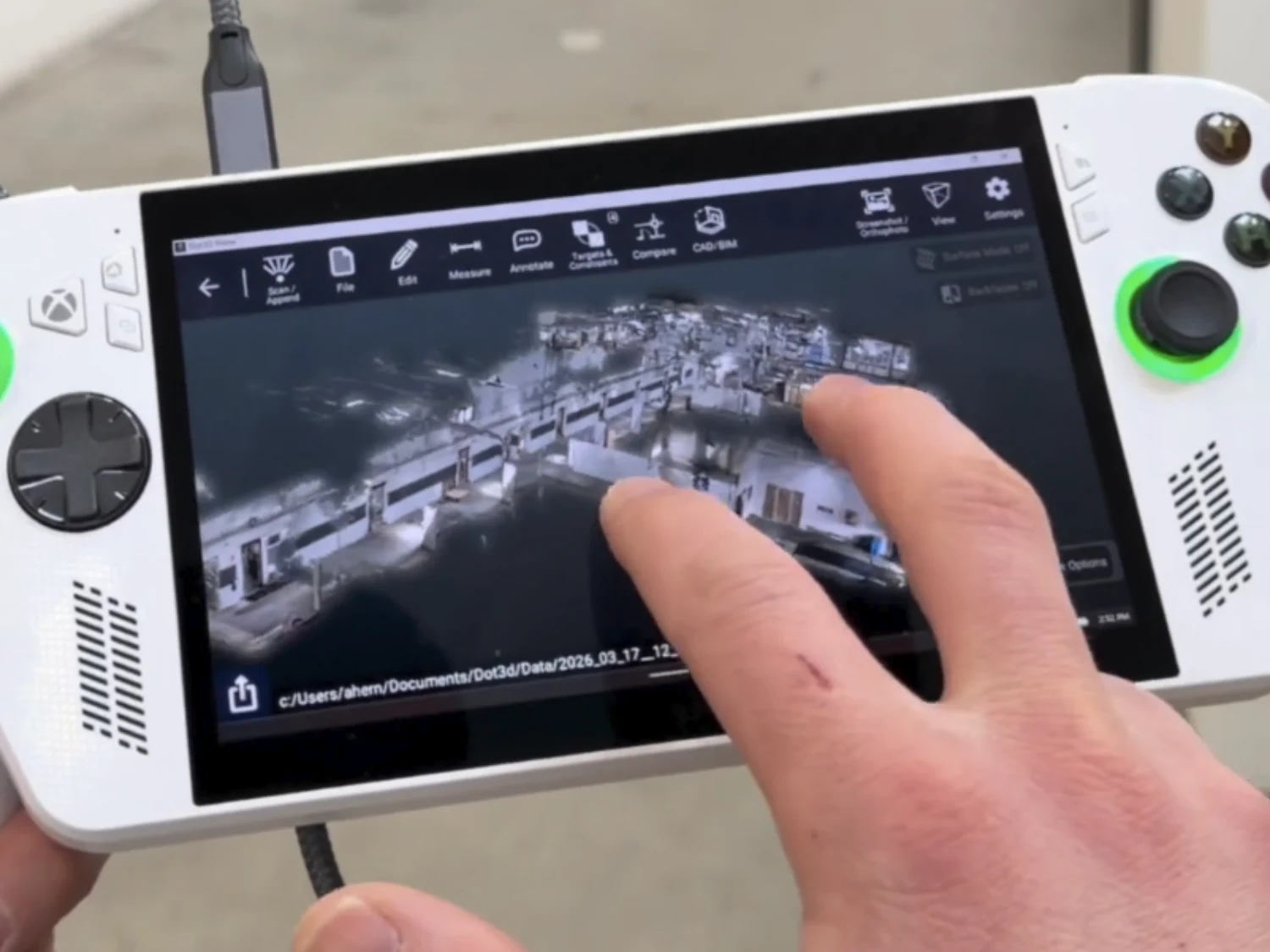
    A recent video shared on Reddit displays a handheld gaming PC being utilized as a portable 3D scanning rig. This setup combines the Asus ROG Xbox Ally X with an Orbbec Gemini 336L depth sensor, operating Dot3D scanning software on Windows. The outcome is a compact system capable of capturing entire indoor spaces while being carried like a gaming console.

    Simple Hardware Setup

    The hardware configuration is straightforward. The Orbbec 336L sensor is attached to the rear of the ROG Ally and linked through USB. The handheld device runs the complete Windows version of Dot3D, managing real-time mapping, capturing, and post-processing. Throughout the demonstration, viewers can notice a live scanning interface displaying depth visualization, mesh reconstruction, and navigation tools. As the user walks through a hallway, the software constructs a 3D model in real-time.

    Detailed Scanning Results

    Another segment shows the finalized scan as a comprehensive floor layout, including hallways, rooms, and structural elements. The mesh can be navigated directly on the handheld device, complete with pinch-to-zoom and rotation features. Nonetheless, there are some artifacts present. Certain surfaces appear noisy or unfinished, particularly around edges and ceilings. Still, the overall structure is suitable for practical applications. Additionally, the creator has shared sample datasets that include compressed models on Sketchfab and full-resolution files via Dropbox, offering a look at much higher detail than what is featured in the video.

    Portable Solutions in 3D Scanning

    While portable 3D scanning is not a new concept, it typically involves bulkier rigs or laptops. Devices like LiDAR-enabled iPads or tripod-based scanners are more common in fields such as real estate and construction. What makes this setup unique is the incorporation of a gaming handheld as the computing unit. The ROG Ally’s Ryzen Z1-series chip seems quite capable of managing real-time processing without needing additional hardware.

    Cost and Complexity Considerations

    From a technical standpoint, the concept is logical. A handheld PC includes a built-in display, battery, and sufficient GPU power to handle depth data processing. The downside is the cost and complexity involved. The scanner, priced at approximately $379, along with the Dot3D software, which is subscription-based and often costs around $999 per year, indicates that this is not just a casual setup—it leans more toward a professional tool. Moreover, there remains a concern regarding accuracy. Although the scans appear usable, they probably won’t reach the precision of dedicated high-end scanning systems.

    Nevertheless, if you’re already using tools like Dot3D, swapping out a laptop for the ROG Ally could certainly enhance the mobility of your workflows, and this video serves as evidence of that.

    Source:
    Link


  • New LEGO Star Wars Sets Unveiled, Fans Disappointed by Features

    New LEGO Star Wars Sets Unveiled, Fans Disappointed by Features

    Key Takeaways

    1. Two new LEGO Star Wars sets, Darth Vader Bust and Yoda Bust, were leaked on social media and Amazon Singapore.
    2. The Darth Vader Bust (set 75439) has 349 pieces, measures 14 cm wide and 18 cm tall, and includes a movable head with impressive detailing.
    3. The Yoda Bust (set 75438) consists of 399 pieces, measures 10 cm wide and 21 cm tall, but has received mixed reactions due to issues with its likeness and detailing.
    4. Both sets will be released on May 1, 2026, with prices of $59.99 for the Darth Vader Bust and $49.99 for the Yoda Bust.
    5. Each set will include a minifigure of the corresponding character, adding collectible value for fans.


    Leaks regarding new LEGO sets are popping up on social media platforms. Recently, after revealing the largest set from the Danish brand with over 12,000 pieces, fans have discovered two new sets related to the Star Wars franchise on Amazon Singapore. Although this might be exciting news, some enthusiasts are feeling let down.

    Details on Darth Vader Bust

    The first set, called 75439 Darth Vader Bust, features the helmet and upper torso of the well-known Sith lord. This set includes 349 pieces and measures 14 cm in width and 18 cm in height, and it has a movable head. The detailing appears to be quite impressive, showcasing various color variations on the armor, which fans have appreciated.

    Fans React to Yoda Bust

    In contrast, the set dedicated to Yoda has drawn mixed reactions. Creating a likeness of this character is quite challenging, and fans have noticed this issue. While many liked the Darth Vader set, they have openly mocked the 75438 Yoda Bust, which consists of 399 pieces and measures 10 cm wide and 21 cm tall. Although the character is somewhat recognizable, the details fall short, especially on the face and eyes. It’s also worth mentioning that the previous 75255 set featuring Yoda faced similar criticism regarding its design.

    Release Date and Pricing

    Both of these sets are set to be released on May 1, 2026, priced at $59.99 and $49.99 respectively. Moreover, each set will come with a minifigure representing the corresponding character, providing an extra collectible for fans.

    Source:
    Link


  • ViewDock Unveils Mini-PC with Display and Wireless Charging Dock

    ViewDock Unveils Mini-PC with Display and Wireless Charging Dock

    Key Takeaways

    1. ViewDock has launched the ViewDock G2 mini-PC with a built-in screen and a wireless charging pad.
    2. The mini-PC supports up to 64 GB of DDR5-5600 RAM and includes dual M.2 slots, a 2.5 Gigabit Ethernet port, and a USB4 port.
    3. Processor options include various AMD Ryzen models, offering different performance levels.
    4. Pricing starts at $639 for early backers on Kickstarter, with higher configurations available at $889, $999, and $1,299.
    5. Shipping for backers is planned for August 2026, but crowdfunding campaigns carry risks of delays.


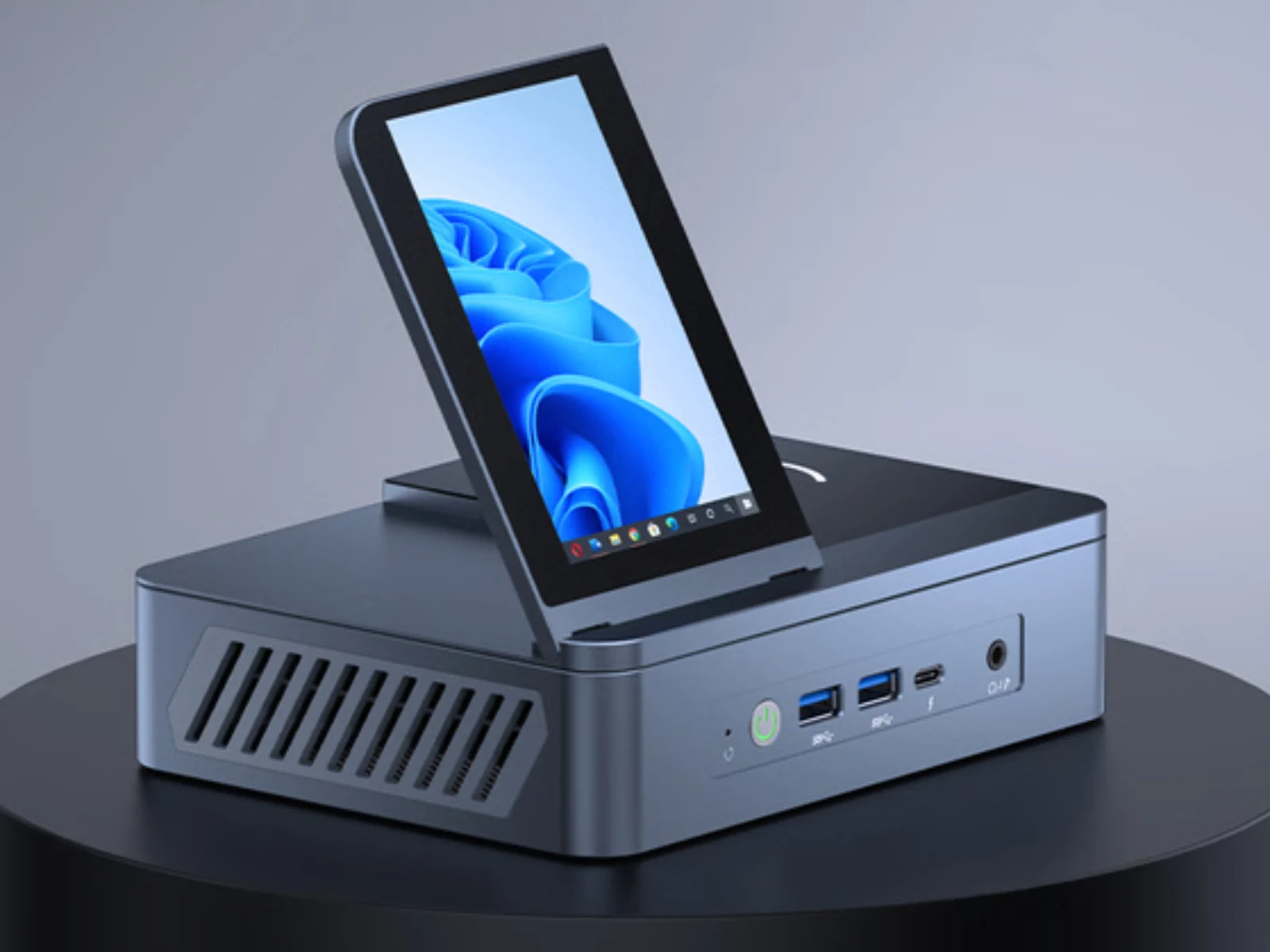
    ViewDock has made a comeback with a new mini-PC that includes a built-in screen and a 15 W wireless charging pad. Just to remind you, the company first introduced the original ViewDock on Kickstarter last year. Now, they’ve returned to the same crowdfunding site with their latest model, the ViewDock G2.

    Specifications and Features

    The ViewDock G2 has dimensions of 175 x 138 x 51 mm, and it supports SO-DIMM slots that allow for a maximum of 64 GB of DDR5-5600 RAM operating in dual-channel mode. Additionally, this mini-PC is equipped with dual M.2 2280 slots, a 2.5 Gigabit Ethernet port, and a USB4 port to connect devices such as eGPUs. Furthermore, the hinged display offers a resolution of 480 x 854 pixels on a 4.5-inch screen.

    Processor Options

    ViewDock states that the ViewDock G2 will come with one of the following AMD processors: Ryzen 9 6900HX, Ryzen 5 7640H, Ryzen 7 7735H, Ryzen 7 7840H, Ryzen 9 7940H, or the Ryzen 7 8845H. The last one is already used in some mini-PCs, like the Minisforum UM870 Slim, which is currently priced at $665 on Amazon. Unfortunately, the company hasn’t provided more details. For context, our performance tests show that there are significant differences in efficiency and performance among these APUs.

    Pricing and Availability

    The starting price for the ViewDock G2 is $639 for the first 200 units that get backed on Kickstarter. Alternatively, they are also offering the mini-PC for $889, which includes 16 GB of RAM and 512 GB of storage. There are 1 TB options available as well, with 16 GB or 32 GB of RAM priced at $999 and $1,299, respectively.

    At the moment, ViewDock plans to start shipping to backers in August 2026. It is worth noting that the company successfully delivered the ViewDock Docking Station last year. However, with any crowdfunding campaign, there is always a chance of delivery delays or even losing funds.

    Source:
    Link


  • Alex Battaglia Critiques DLSS 5 for Distorting Art and Ethics

    Alex Battaglia Critiques DLSS 5 for Distorting Art and Ethics

    Key Takeaways

    1. Digital Foundry faced backlash after their positive review of DLSS 5, leading them to acknowledge flaws in their initial impressions.
    2. Alex Battaglia criticized DLSS 5 for compromising artistic vision, particularly in character portrayals like Grace from Resident Evil Requiem.
    3. DLSS 5 is limited by its reliance on 2D data, resulting in an “AI slop” appearance instead of utilizing 3D face scans for better accuracy.
    4. The significant visual changes introduced by DLSS 5 raise ethical concerns, with some developers reportedly unaware of the visual effects being used.
    5. Nvidia has largely dismissed the criticisms surrounding DLSS 5, with Jensen Huang stating that gamers are mistaken in their concerns.


    The strong reaction after the announcement of DLSS 5 was directed not only at Nvidia but also at Digital Foundry. This was because Digital Foundry had given a very favorable review of DLSS 5. To help ease the tension and reassure their audience, DF admitted that their first impressions of DLSS 5 had flaws while addressing users’ inquiries about it. Although the whole video is worth viewing (linked below), a part where Alex Battaglia shares his thoughts on DLSS 5 is particularly compelling.

    Alex Battaglia’s Insights

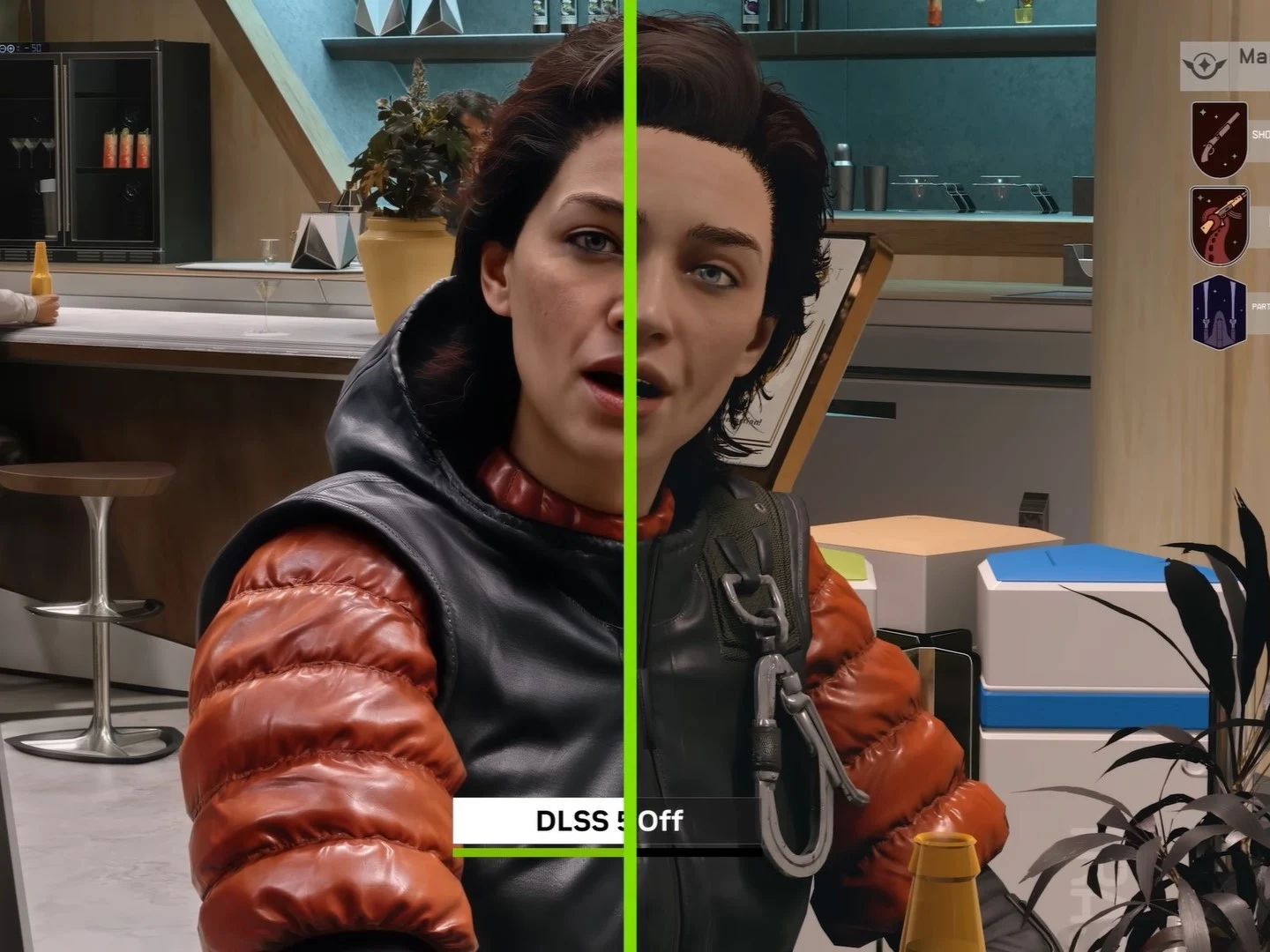
    Alex Battaglia, who is recognized for his thorough analysis of PC game graphics, believes that DLSS 5 tends to “trample on artistic vision in a very hardcore way.” He points out that the portrayal of Grace from Resident Evil Requiem looks like a completely different character due to the altered facial features.

    Technical Limitations

    On the topic of DLSS 5’s technical issues, Alex mentions that it seems to rely solely on 2D data, such as motion vectors, rather than any specialized information like 3D face scans of the game characters. As a result, DLSS 5 is seemingly averaging the outcomes based on its training data, leading to what many have termed the “AI slop” appearance that we’ve all become frustrated with over the last year.

    Ethical Concerns

    Beyond the technical problems, the drastic changes in characters and settings brought by DLSS 5 raises ethical questions, according to Alex. Nvidia asserts that they have received approval from studios for their DLSS 5 demonstrations. However, reports from Insider Gaming indicate that developers at Ubisoft and Capcom were unaware of the actual visual effects, which only heightens Alex’s concerns regarding ethics.

    Sadly, Nvidia has mostly dismissed these worries. Jensen Huang has already stated that gamers are incorrect about their legitimate criticisms of DLSS 5. So while we wish that Nvidia would consider the points raised by Alex Battaglia, only time will show if Team Green is genuinely addressing the issues enough to make necessary changes to DLSS 5.

    Source:
    Link