Category: All News

  • Dave the Diver DLC Live Action Trailer June 18 Release

    Dave the Diver DLC Live Action Trailer June 18 Release

    Key Takeaway

    – Dave the Diver is getting a spin-off titled Bancho the Chef (no release date yet).
    – A new DLC called “In The Jungle” releases on June 18.
    – The DLC features a live-action trailer by The Asylum (Sharknado fame).
    – New content includes a jungle lake, ancient temples, car chase, and mini games.
    – The DLC is available for wishlisting on Steam and other platforms.


    State of Play Reveals New Dave The Diver Content

    During the latest State of Play, it was reveled that the popular video game, Dave The Diver, will be getting a spin-off game based on Bancho, the chef. Titled Bancho The Chef, the game doesnt have a release date yet but can be wishlisted on various platforms. That news from Mintrocket, the publisher and developer of Dave The Diver, has been followed by a trailer for a new DLC that will be released later this month.

    Live-Action Trailer Shows Familiar Faces

    The new DLC, which is titled “In The Jungle”, has gotten a live-action trailer that shows familiar characters from the game such as Dave, Bancho, Cobra, and Dr. Bacon. The trailer was made by The Asylum, a film production company best known for the Sharknado film franchise. This production studio often focuses on low-budget parody flicks, but theyve brought a unique flair to this trailer with over-the-top action sequences and character cameos.

    Gameplay Details and New Environments

    The trailer also includes gameplay from the new DLC showing Dave in a lake filled with new fishes and beasts of varying sizes. The trailer also shows gameplay that takes place in the jungle and ancient temples; a car chase by a giant warthog; and new mini games. These segments appear to expand the base game’s mechanics with jungle traversal and vehicle sections, giving players a reason to dive back into the world of Dave The Diver.

    Release Date and Platform Availability

    The “In The Jungle” DLC was originally supposed to be released in 2025 but was delayed. It will now be released on June 18, and while theres no price yet, you can add it to your wishlist on Steam. When it is released, you will be able to get it on your platform of choice. This means players across PC, Nintendo Switch, and other consoles can look forward to downloading the content once its live, though the exact pricing structure remains unannounced.

    Publisher’s Official Channels

    Mintrocket on YouTube has been the primary source for trailers and updates regarding both the spin-off and the DLC. Fans can subscribe to their channel for future announcements, including possible gameplay reveals or developer diaries. The publisher seems committed to expanding the Dave The Diver universe with Bancho The Chef receiving a seperate release, though no further details about its gameplay systems have emerged yet.
    Sources
  • GTA 6 debate ignites over style vs substance in viral post

    Key Takeaway

    – Concerns that GTA 6 may look spectacular but play like “GTA 5.3” with little gameplay evolution.
    – Rockstar has mostly shown visuals and atmosphere, but little about actual mission design, shooting, or exploration.
    – Fans want more than better graphics—hoping for a noticeable step forward in gameplay depth.
    – Key debate topics include linear mission design, vehicle handling, police AI, NPC behavior, and side activities.
    – Red Dead Redemption 2 cited as evidence Rockstar can push world interactions and immersion far beyond visuals.


    Discussions Around GTA 6 Usually Focus

    Discussions around GTA 6 usually focus on leaks, trailer details or possible release clues. For most fans, the idea that Rockstar’s next open-world blockbuster will be good has long felt like a safe bet – at least until now. The indie developers at The Water Museum, known for Arctic Eggs and IBIS AM, recently sparked debate on X by voicing concern that GTA 6 might look spectacular but essentially play like “GTA 5.3.” The post quickly drew attention and was later picked up on Reddit, where the discussion went viral.

    Amid All The Leaks And Speculation

    Amid all the leaks and speculation, it is easy to forget that Rockstar has so far mostly shown the game’s look and atmosphere. Vice City appears denser, more detailed and more lifelike than ever, but little is known about how missions, shootouts or open-world exploration will actually feel. After more than a decade with GTA 5 (PS5 version currently around $26 on Amazon), many fans are hoping for more than better graphics. They also want a noticeable step forward in gameplay.

    Some Players Wonder Weather Rockstar Will Stick

    Some players wonder whether Rockstar will stick to its traditionally linear mission design, where objectives often have to be completed in one specific way. Others question whether GTA 6 can really push the gameplay depth beyond GTA 5. Vehicle handling, police AI, NPC behavior and side activities are also recurring topics in the debate. The concern is not necessarily that GTA 6 will be bad, but that it might ultimately look more impressive than it feels.

    Many Fans Remain Relaxed However

    Many fans remain relaxed, however. A common counterargument is Red Dead Redemption 2, which already showed how far Rockstar can push world interactions, NPC reactions and immersion. Many therefore expect GTA 6 to offer far more than just a prettier open world. Anyone who would like to share their own opinion on the subject is welcome to do so in the comments section.

    Sources
  • GPD Confirms June 2026 Release, Global Pricing & SKUs

    GPD Confirms June 2026 Release, Global Pricing & SKUs

    Key Takeaway

    – GPD G2 eGPU dock launches on Indiegogo June 15 at 02:00 UTC for $385 (20% off $459 MSRP).
    – GPD Box mini-PC launches on same date, starting at $1,452 with Core Ultra 7 356H, 32GB RAM, 1TB storage.
    – GPD Box also available with Core Ultra X7 358H, but this variant lacks MCIO support.
    – Both devices feature MCIO 8i port, offering higher bandwidth than OCuLink eGPU docks like Minisforum DEG1.


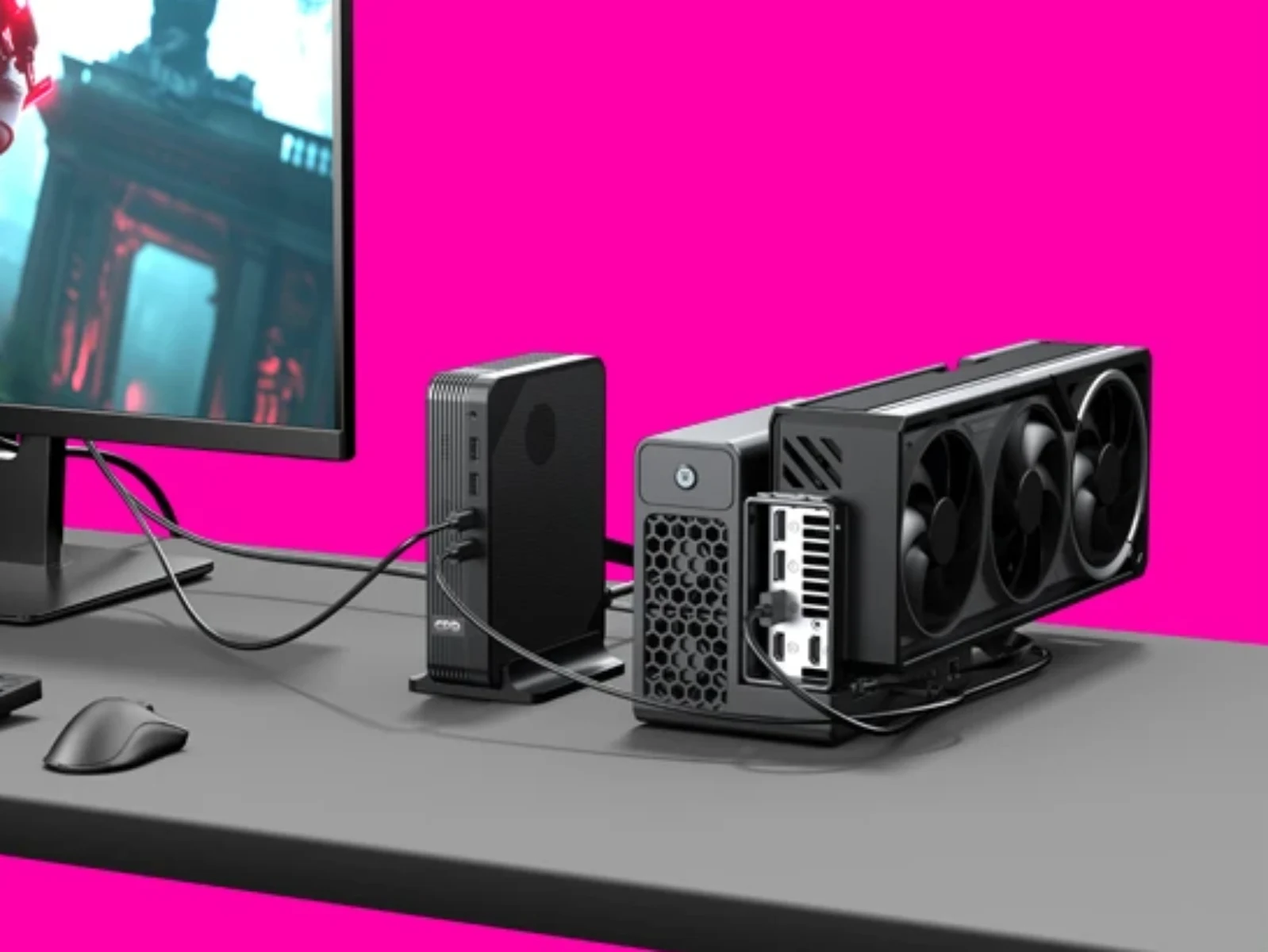
    Around six weeks have passed since GPD unveiled its G2 eGPU dock. At the same time, it announced the GPD Box, which it advertised as the first mini-PC leveraging USB4 V2.0 connectivity. Also, both devices contain MCIO 8i, a port that promises to surpass the bandwidth provided by OCuLink eGPU docks like the Minisforum DEG1 (curr. $109 on Amazon).

    Launch details and crowdfunding campaign

    While GPD shared multiple details about the GPD Box and GPD G2, it decided against confirming when or how they would launch. Now, the company has rectified that by revealing that the pair will reach Indiegogo on June 15 at 02:00 UTC. Not only that, but it has outlined launch pricing, too.

    Pricing and specifications for both models

    On the one hand, the GPD G2 will land on Indiegogo for $385, a 20% saving on its $459 MSRP. On the other hand, the GPD Box will start for $1,452 with a Core Ultra 7 356H processor, 32 GB of RAM and 1 TB of storage. Alternatively, the mini-PC will be available with the Core Ultra X7 358H. This variant will not support MCIO, though.

    • GPD G2 eGPU dock: Indiegogo launch price $385 (MSRP $459)
    • GPD Box mini-PC (Core Ultra 7 356H): Indiegogo start price $1,452 (32 GB RAM, 1 TB storage)
    • GPD Box alternative (Core Ultra X7 358H): does not support MCIO
    • Both devices utilise MCIO 8i and USB4 V2.0 technology


    Sources

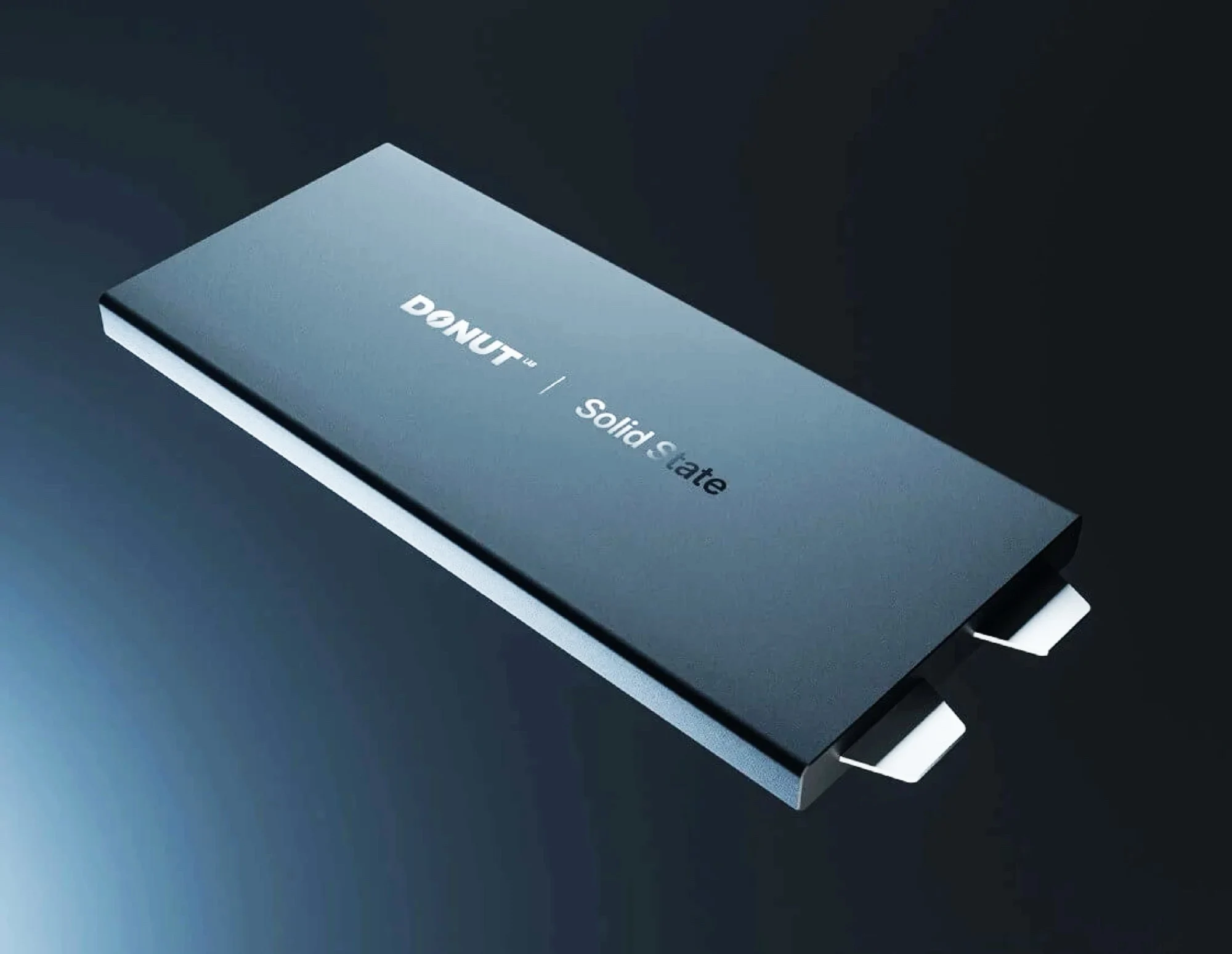
  • Donut Lab’s Miracle Battery: Just Conventional Lithium

    Donut Lab’s Miracle Battery: Just Conventional Lithium

    Key Takeaway

    – Donut Lab’s “miracle battery” is likely a conventional lithium-ion battery, not a solid-state breakthrough.
    – Over 20 independent experts, including from Fraunhofer Institute, confirmed the battery’s voltage curve and physical behavior match standard Li-ion.
    – Advertised energy density of 400 Wh/kg is false; tests show only 298 Wh/kg.
    – Claims of 100,000+ cycles, 5-minute charging, and lower costs are considered misleading or unsubstantiated.
    – Marketing claims, such as installation in mass-produced motorcycles, are contradicted by available evidence.


    The Finnish start-up Donut Lab was founded in August 2024 and already had a valuation of $1.25 billion after CES 2026. The company has so far generated around $25 million in investments, most of which come from small investors. Over the past few months, there have already been several doubts about the miracle battery because the advertised specifications simply seem too good to be true.

    Promised Specs That Raise Eyebrows

    Donut Lab promises an energy density of 400 Wh per kilogram, a service life of over 100,000 charging cycles, a charge from 0 to 80 percent in 5 minutes and even lower costs compared to lithium-ion batteries. Research from the YouTube channel Ziroth reveals numerous other indications that the “miracle battery” is a sham. This is because the marketing is said to be almost entirely false or misleading. For example, the battery from Donut Lab is not installed in any mass-produced motorcycle, although the manufacturer’s website still claims this.

    Expert Consensus Reveals The Truth

    What is particularly damning, however, is that Ziroth’s report consulted over 20 independent experts, including Julian Zanau from the Fraunhofer Institute, and they all came to the conclusion that Donut Lab’s solid-state battery is in fact just a conventional lithium-ion battery. This is because both the voltage curve and the physical changes in the battery when it is charged between 50 and 70 percent are exactly the same as a Li-ion battery.

    Actual Test Results Contradict Claims

    Tests are also said to have shown that the energy density is not 400 Wh / kg as advertised, but only 298 Wh / kg, as would be expected from a lithium battery with high carbon content. Exactly how Donut Lab’s battery is constructed will only become clear when it is shipped. However, there are currently many indications that the manufacturer’s marketing is not entirely accurate.


    Sources

  • Super Stylish Camera: Top-Tier Alternative to iPhone 17

    Key Takeaway

    – Dual 200MP camera setup with Samsung ISOCELL HP9 main sensor (f/1.6, OIS)
    – Inherits 200MP telephoto and ultra-wide cameras from the larger Find X9 Pro
    – Significantly better detail and low-light performance than iPhone 17
    – Telephoto zoom remains impressively usable even at 20x magnification
    – Compact design with flagship-level camera hardware starting at ~$940


    Compact Camera Powerhouse

    The Oppo Find X9s Pro impressively shows in our review how much camera potential a compact smartphone can have and why it is also a top-tier alternative to the Apple iPhone 17 or Galaxy S26. Prices start at around $940 from Trading Shenzhen.

    Dual 200 MP Camera Setup

    Oppo relies on a dual 200 MPix camera setup for its mini flagship, as with the Ultra model. Although it does not use the same sensors as the Find X9 Ultra, the hardware of the smaller Pro model is still impressive. The main camera is Samsung’s ISOCELL HP9 with an f/1.6 aperture and optical image stabilization (OIS).

    Zoom and Ultra-Wide Inherited from Flagship

    The Oppo Find X9s Pro inherits the ultra wide and zoom cameras from the larger flagship Find X9 Prowhich is quite remarkable. This means that the 1/1.56-inch ISOCELL HP5 sensor fpr the 200 MPix telephoto lens is just as large as the main camera of the iPhone 17. By contrast, the Apple smartphone only zooms digitally.

    Real-World Camera Performance

    In real word usage, the Find X9s Pro has significantly better camera hardware and delivers visibly more detail in our review despite its similar dimensions. Especially in the dark, the iPhone 17’s photos are not competitive with Oppo’s mini flagship. The Find X9s Pro’s main camera offers more texture and a better level of sharpness.

    Telephoto Lens Dominance

    However, the Find X9s Pro really plays to its biggest strength when it comes to the telephoto lens. Although Oppo’s mini flagship does not quite reach the level of the Ultra model, the zoom’s photo quality is impressively good for a compact smartphone. Even a 20x magnified shot still looks absolutely usable with the Find X9s Pro and does not look artificial.

    All information and measurement data on the Find X9s Pro can be found in our review of the Oppo phone.

    • Price: around $940 (Trading Shenzhen)
    • Main camera: Samsung ISOCELL HP9, f/1.6, OIS
    • Telephoto: 200 MPix ISOCELL HP5, 1/1.56-inch sensor
    • Ultra-wide: inherited from Find X9 Pro
    • No digital zoom limitation like iPhone
    Sources
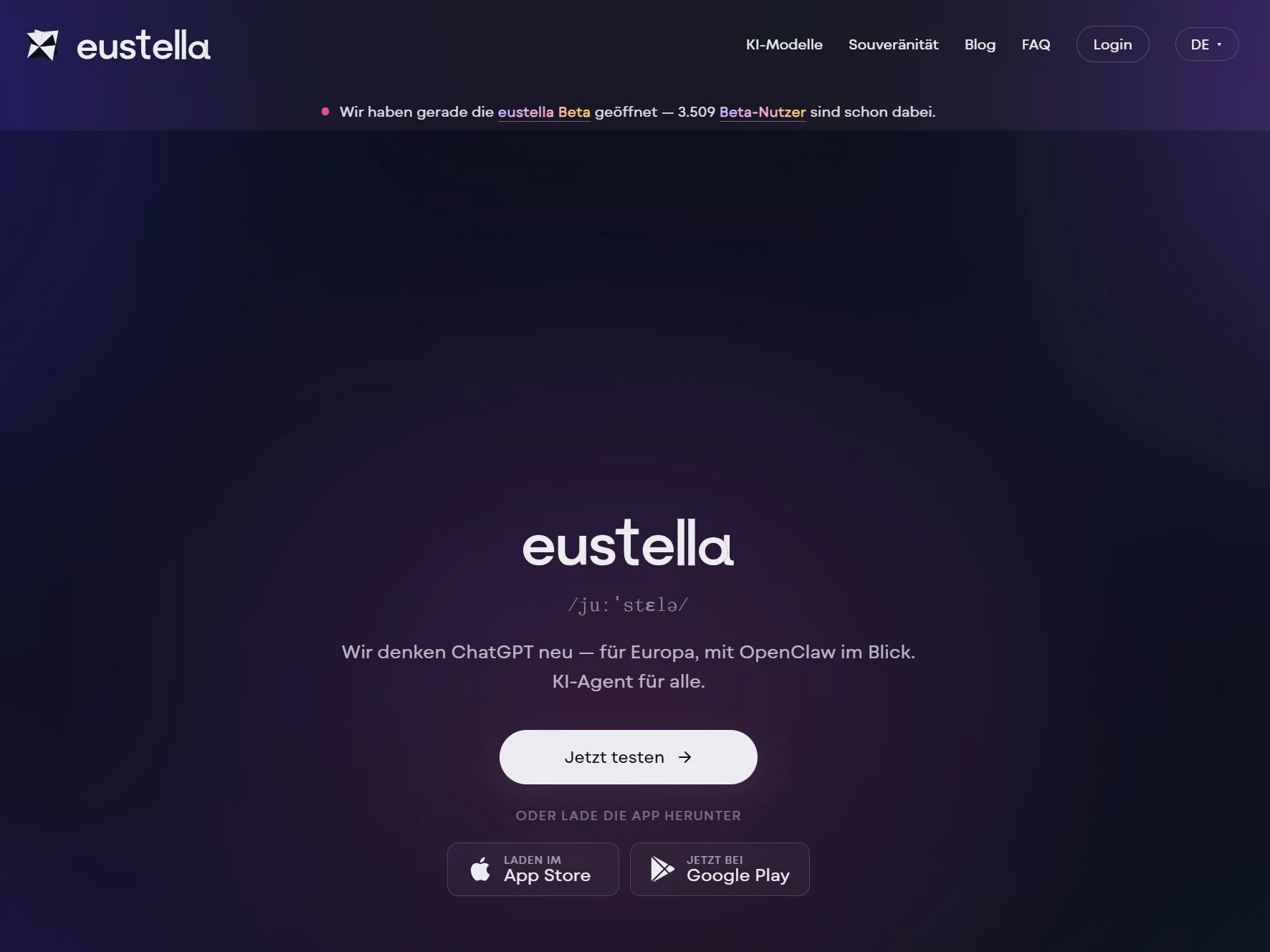
    • Eustella: Vienna’s ChatGPT Alternative Prioritizing Data Privacy

      Eustella: Vienna’s ChatGPT Alternative Prioritizing Data Privacy

      Key Takeaway

      – Positioned as a European, privacy-focused alternative to ChatGPT, Claude, and Gemini.
      – Collects virtually no user data and does not engage in profiling or AI training on personal data.
      – Runs open-source LLMs on German servers (IONOS), with encrypted chats and no US parent company.
      – Only technical metadata (clicks, loading times) is collected via PostHog, hosted in Frankfurt.
      – Still in open beta; pricing and free tier are undecided, pending beta phase evaluation.


      Privacy-First European AI Alternative

      Eustella aims to position itself as a European alternative to ChatGPT, Claude and Gemini. The company behind the service is newsrooms.ai, or AI Newsrooms Technology GmbH, based in Vienna, Austria. The companies core objective is to create an AI infrastructure that adheres to European values of privacy, data sovereingty and control.

      Current Availability and Access

      Currently, the service is in open beta, but the LLM (Large Life Management) platform is already accessible via a web browser and via the app for iOS and Android on the App Store and Play Store. Eustella is aimed at anyone who wants to use chatbots, agents and similar services just like with the major providers, but without having to share there personal data.

      Data Protection Philosophy

      With Eustella, users dont simply feed there data to a European provider; rather, the company claims to collect virtually no data and does not engage in profiling. The AI is hosted on servers belonging to German company IONOS, which has no American parent company. IONOS cannot view the encrypted chat content. Since the website or app hosts one or more open-source models, newsrooms.ai doesnt rely on its own AI training but instead uses the most modern and promising OS LLMs.

      Data Collection Practices

      This means the provider doesnt need to use any personal data for AI training. The only data collected is for product improvement (e.g., loading times, error rates, latency, clicks). There is, in fact, one tool from a US provider in the data processing chain: the PostHog software from the American provider of the same name is used for product analysis. However, it is configured to run only on servers in Frankfurt and only analyzes technical metadata, not chat content.

      Pricing and Model Quality

      Pricing, whether there will be a free tier as usual, and how limited such access will be are currently unknown, as newsrooms.ai intends to evaluate the experiences from the beta phase first. The sole use of open-source models could, of course, lead to a loss of quality in the answers compared to those from major providers. I tested whether this is the case in my next article: I had a travel agent generate tips for a two-day trip to Paris, planned my DSA evening, and coded a small tool using Vibe.


      Sources

    • Poco X8 Pro Max: Invisible Display & Eye Strain Risk

      Key Takeaway

      – The Poco X8 Pro Max uses temporal dithering (FRC) to simulate its advertised 12-bit color depth, rather than natively rendering all gradations.
      – A small subset of users reports symptoms like eye strain, headaches, and dizziness from temporal dithering, though no scientific consensus exists.
      – The device’s high-frequency PWM dimming (3,840 Hz) is considered eye-friendly, but it does not eliminate the potential effects of temporal color modulation.
      – The dithering effect is detectable in original footage but obscured by compression on platforms like YouTube.
      – Most users will not notice any issue, but those sensitive to display flicker should consider this as a potential factor.


      Display tech and what it means for you

      The Poco X8 Pro Max boasts a state-of-the-art AMOLED display featuring a 120 Hz refresh rate, HDR10+, Dolby Vision, 12-bit color depth, and PWM dimming of up to 3,840 Hz. On paper, this places it among the most advanced smartphone displays in its class. However, a technology unfamiliar to most users is increasingly coming into focus with devices like this: temporal dithering.

      The mechanism of temporal dithering explained

      Temporal dithering is used to simulate additional color shades. Instead of displaying a specific color directly, the display – or the mechanism controlling a pixel – rapidly toggles between two similar color values. The human eye perceives this as an intermediate color. This method allows for the creation of exceptionally fine color gradients and an increase in the advertised color depth without requiring the panel to natively render every single gradation.

      Who might feel the effects

      For most people, this process is completely imperceptible. However, a small group of users reports symptoms such as burning eyes, headaches, dizziness, or unusually rapid fatigue when using certain displays. Temporal changes in brightness and color – potentially including temporal dithering alongside PWM flicker – are discussed as possible causes. While there is no scientific consensus on the matter yet, the number of anecdotal reports is rising.

      How the Poco X8 Pro Max handles this

      This distinction is particularly relevant for the Poco X8 Pro Max. The device employs very high-frequency PWM dimming, which is considered relatively easy on the eyes. Nevertheless, this does not rule out the additional use of temporal color modulation. Manufacturers generally do not disclose details regarding this practice. Our testing reveals whether the advertised 12-bit display is achieved entirely natively or is partially supported by Frame Rate Control (FRC) – a form of temporal dithering: it is highly likely that temporal dithering is being used. The effect is difficult to discern in the YouTube video, which is due to the platform’s compression or post-processing. The original footage shows the alternating flickering of the individual subpixels more clearly.

      Final thoughts for sensitive users

      For most users, this issue is of no consequence. However, those sensitive to certain displays should be aware that not only brightness flickering but also subtle color shifts can play a role. The Poco X8 Pro Max exemplifies how modern display technologies enable impressive image quality on the one hand, but on the other hand raise new questions about visual tolerance.

      Sources
    • Buggy Dell, HP software bricking Windows 11 PCs

      Buggy Dell, HP software bricking Windows 11 PCs

      Key Takeaway

      – Dell SupportAssist version 5.5.16.0 causes Blue Screen of Death crashes every 30 minutes.
      – HP BIOS updates break TPM communication, triggering recursive BitLocker recovery loops.
      – Uninstalling Dell SupportAssist or installing hotfix 5.5.16.1 stops the crashes.
      – HP requires emergency BIOS revisions or suspending BitLocker to resolve fleet-wide lockdowns.
      – The crashes are caused by Dell and HP software/firmware, not Microsoft’s Windows 11 updates.


      System Crashes Wreak Havok on Windows 11 Users

      A wave of severe system crashes and infinite reboot loops has left thousands of Windows 11 users unable to access their desktops in the weeks leading up to June’s critical Patch Tuesday deployment. While corporate helpdesks and consumer forums reflexively point fingers at Microsoft’s impending quality updates, deep-dive telemetry diagnostics have completely vindicated Redmond. The actual culprits behind the widespread instability are faulty background software and firmware updates pushed independently by PC manufacturing giants Dell and HP.

      Dell’s SupportAssist Malefunction Causes Kernel Errors

      For Dell hardware owners, the primary source of recent instability is a botched automated update to the proprietary Dell SupportAssist Remediation suite. Specifically, version 5.5.16.0 of the pre-installed device recovery tool triggers a catastrophic kernel error causing an immediate Blue Screen of Death. Affected machines across the XPS, Alienware, and Latitude lines have been hitting a definitive critical process died bugcheck code every thirty minutes, locking systems into a relentless crash-and-reboot cycle. Because the tool runs invisibly as an elevated system component, everyday users are completely unaware that Dell’s own health utility is the engine behind the unending instability, which the vendor has since attempted to address with an emergency version 5.5.16.1 hotfix.

      HP Firmware Updates Disrupt Bitlocker and Secure Boot

      Simultaneously, enterprise IT administrators managing corporate networks have been battling a secondary infrastructure disaster originating from HP. A series of native BIOS updates pushed across enterprise-grade HP EliteBooks, ProBooks, and ZBook workstations has abruptly broken communication with local Trusted Platform Modules. The sudden firmware mismatch prevents the system from verifying its core boot state, instantly triggering recursive BitLocker recovery loops as platforms fail to smoothly process Microsoft’s incoming 2023 Secure Boot keys. The failure has crash-landed directly on top of Microsoft’s broader Secure Boot certificate transition, turning a routine hardware lifecycle patch into a fleet-wide lockdown.

      Immediate Workarounds for Affected Systems

      To prevent widespread endpoint failures ahead of tonight’s global Microsoft update window (10:00 AM PDT / 1:00 PM EDT / 7:00 PM SAST), defenders need to deploy targeted workarounds. For the Dell SupportAssist disaster, completely uninstalling the software or manually pulling Dell’s recently released version 5.5.16.1 hotfix halts the half-hourly crashes instantly. Alternatively, administrators can run an elevated command prompt to manually disable the problematic service to stabilize the system. For impacted HP fleets, administrators are forced to pause all upcoming endpoint distributions until the machines can be flashed with emergency BIOS revisions or have their BitLocker protection temporarily suspended.

      Conclusion: Blame the OEMs, Not Microsoft

      The dual-vendor crisis serves as a stark reminder to tech consumers that while Windows 11 consistently absorbs the public blame for system instability, the real point of failure frequently lies within the unoptimized software ecosystems running quietly in the background.


    • Garmin Mid-Range Smartwatches Get Major Update

      Garmin Mid-Range Smartwatches Get Major Update

      Key Takeaway

      – Garmin released stable Software Version 28.05 for Forerunner 165, 255, 265, 955, and 965.
      – The update includes 7 to 10 changes depending on the model, with the 955 and 965 receiving the most.
      – All models benefit from activity and workout improvements.
      – The rollout has reached about 20% of eligible devices and will expand in coming days.


      New Update lands for Older Garmin Watches

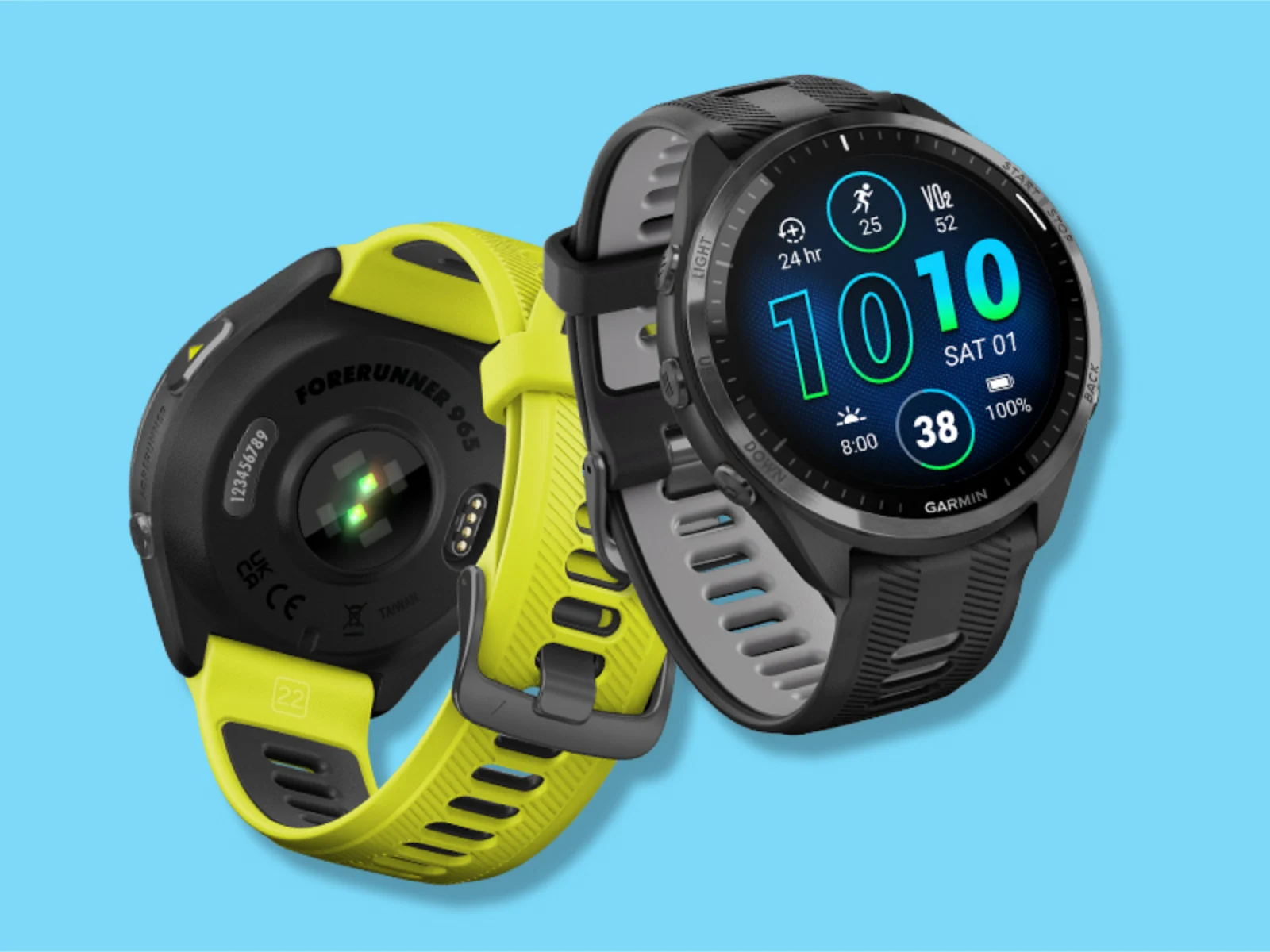
      Garmin has finalised a new stable update for five of its older mid-range smartwatches. To recap, almost four months have passed since the company issued Software Version 27.09 to the Forerunner 165, Forerunner 255, Forerunner 265, Forerunner 955 and Forerunner 965 (curr. $599 on Amazon). In the intervening period, Garmin delivered a solitary v28.xx beta update called Beta Version 28.03.

      Mostly Same Features Across Models

      Nonetheless, it has now pushed ahead with the release of Software Version 28.05 globally. According to Garmin, Software Version 28.05 comes with up to 10 changes. However, this is only true for the Forerunner 955 and Forerunner 965. By contrast, the Forerunner 255 and Forerunner 265 benefit from 8 changes, with the Forerunner 165 dropping further to 7 changes from Software Version 27.09. However, all are said to have recieved activity and workout improvements.

      Currently, Garmin reports that Software Version 28.05 should have reached around 20% of eligible smartwatches. This percentage should change in the coming days, though. The changelogs for Software Version 28.05 are as follows:

      All Forerunner x55 and x65 smartwatches:

      • Fixed an issue where the watch could crash during activity sync
      • Improved heart rate accuracy during high-intensity intervals
      • Resolved a bug where sleep data was not syncing to Garmin Connect
      • Added support for new cycling power meter profiles
      • General system stability improvements
      • Updated translations for multiple languages
      • Fixed a rare issue with the altimeter calibration

      Forerunner 955 & Forerunner 965 specific

      • Improved mapping tile loading speed
      • Added new climb pro data fields
      • Fixed an issue where satIQ mode could drain battery faster than expected

      Forerunner 255, Forerunner 265, Forerunner 955 & Forerunner 965 specific: All four models recieve a fix for race predictor algorithems that were showing incorrect times for some users. Along with this, the update patched a problem with the touchscreen not responding after swimming in salt water.

      Sources
      • HP 14-Inch Laptop Launches Globally: 800 Nit Display, 32GB RAM

        HP 14-Inch Laptop Launches Globally: 800 Nit Display, 32GB RAM

        Key Takeaway

        – HP EliteBook 8 G2i 14 now on sale in Europe, starting at £1,348 / €2,251.
        – Available with Intel Core Ultra 5 and Core Ultra 7 (Panther Lake) processors.
        – Core Ultra 7 355 is the only configuration offering up to 32 GB of RAM.
        – 1200p display standard; 800-nit options exist, but 1600p 120 Hz VRR panel is not yet available.
        – No confirmed release date for other markets, including the US.


        New EliteBook 8 Models Appearing

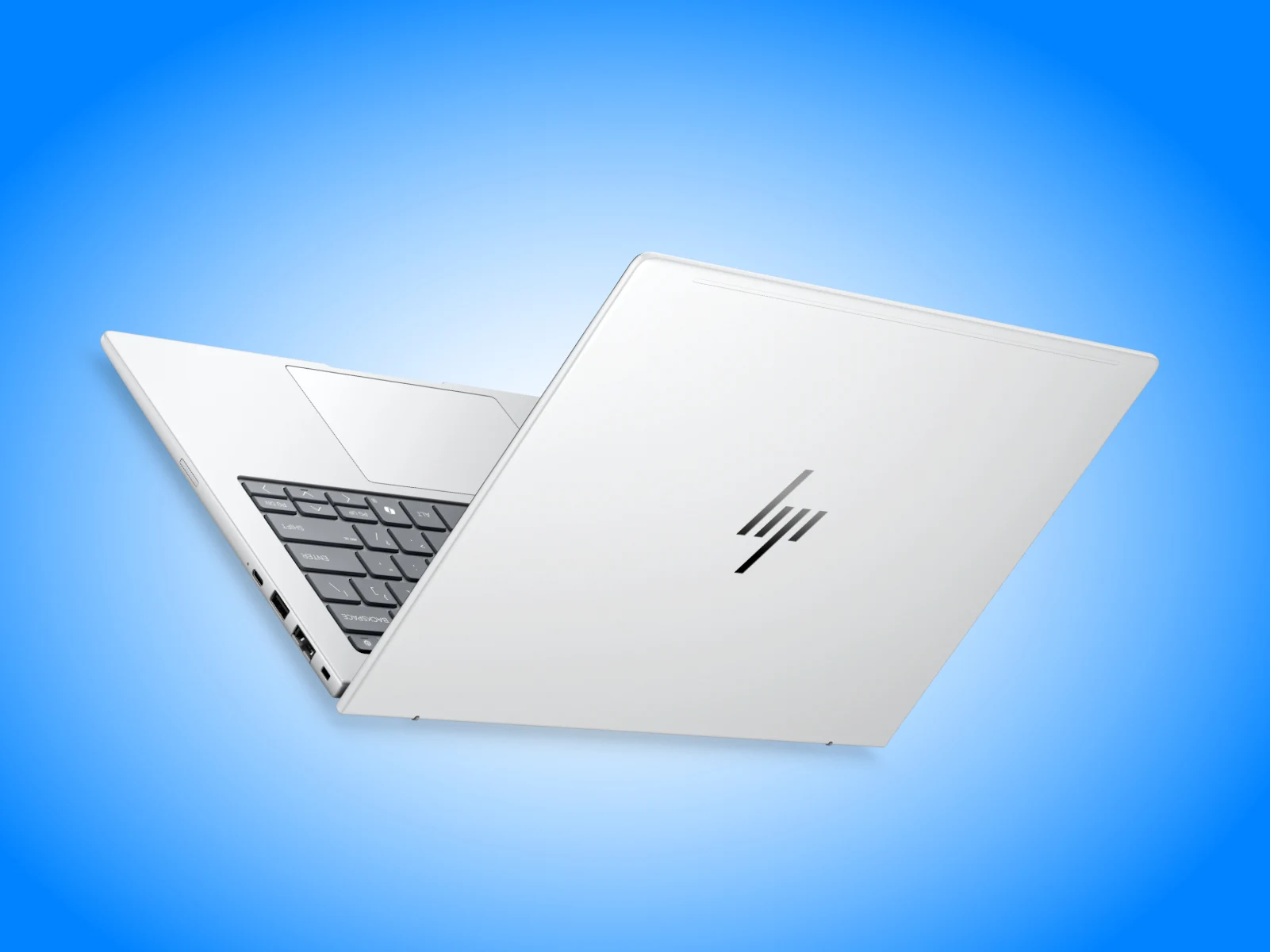
        HP continues to quietly release its latest batch of EliteBook 8 laptops. Presented almost three months ago, the EliteBook 8 G2 range is already available in 13-inch and 13-inch convertible forms with Intel Panther Lake processors. Based on the company’s March announcement, a total of six models will be are coming.

        14-Inch Variant Hits Europe

        Now, HP has started selling the EliteBook 8 G2i 14 across Europe. For context, the new 14-inch laptop replaces the Arrow Lake-based EliteBook 8 G1i ($1,475), rather than the AMD counterpart we reviewed in October 2025. Nonetheless, a new AMD model is on its way to receiving a global release too.

        Pricing and Configuration Details

        In the meantime, the EliteBook 8 G2i 14 starts at around £1,348 in the UK with a Core Ultra 5 325 processor, 16 GB of RAM, 256 GB of storage and a 1200p display backed by a 68 Wh battery. In comparison, HP has priced this configuration at €2,251 in the Eurozone. However, only a Core Ultra 7 355-powered SKU, priced at over €200 more, is orderable at the time of writing.

        UK Options and Display Choices

        Alternatively, the EliteBook 8 G2i 14 is available in the UK with the Core Ultra 5 335. Only the Core Ultra 7 355 is configurable with up to 32 GB of RAM, though. Also, HP sells its new 14-inch laptop with 800-nit displays in some instances, too. Unfortunately, a promised 120 Hz VRR panel with a 1600p resolution is yet to materialise. Likewise, it is unclear when HP will begin selling the EliteBook 8 G2i 14 in other markets, such as the US.

        • Core Ultra 5 325 with 16 GB RAM, 256 GB storage, 1200p display starts at £1,348 (UK) or €2,251 (Eurozone)
        • Core Ultra 7 355 SKU costs over €200 more in the Eurozone
        • Core Ultra 5 335 option available in the UK
        • Only Core Ultra 7 355 can be configured with up to 32 GB RAM
        • 800-nit display avalible in some configurations
        • 120 Hz VRR 1600p panel not yet released

        Future Availability

        Likewise, it is unclear when HP will begin selling the EliteBook 8 G2i 14 in other markets, such as the US. Nonetheless, a new AMD model is on its way to receiving a global release too, so consumers in other regions may have to wait a little longer for the full range.