Category: All News

  • BYD Spins Off Electric Taxi Unit Linghui Offers $2,300 Free Charging

    BYD Spins Off Electric Taxi Unit Linghui Offers $2,300 Free Charging

    Key Takeaway

    1. BYD is outsourcing commercial EV models to its new sub-brand Linghui to differentiate from its consumer vehicles and maintain brand prestige.
    2. The Linghui e7 features advanced technology, including the Blade Battery and Flash Charging System, enabling rapid charging in just nine minutes.
    3. The company offers aggressive pricing and incentives, such as a year of free charging, to attract ride-hailing drivers and compete in China’s EV market.
    4. The move aims to protect BYD’s core brand image while ensuring profitability in its commercial vehicle segment amidst intense market competition.

    Introduction to BYD’s Electric Vehicle Strategy in China

    When you hail a ride in China nowadays, it’s very likely that the vehicle is an all-electric BYD. While this fact shows how successful the brand’s EVs are, it’s also starting to create some complications for BYD. The problem is, when a car brand gets linked with affordable taxis, it can unfortunately reduce its appeal to private customers. That’s making BYD rethink how to position their electric models in the market and maintain their prestige.

    Market Challenges and Brand Realignment

    Other electric car brands such as GAC Aion and Neta already faced shrinking sales as they became too intertwined with commercial use, and now BYD is tackling this by launching a new sub-brand called Linghui. This move is strategic: they are rebranding their commercial electric vehicles under this new label, aiming to separate the taxi fleet from their premium offerings. By doing this, it helps to sustain the image of BYD’s more luxury-oriented and private vehicles, while still catering to commercial needs.

    New Electric Models and Innovations

    • The electric models under Linghui include the e5, e7, and e9 sedans, as well as the M9 plug-in hybrid van.
    • The spotlight is on the Linghui e7, which measures 4.78 meters in length.
    • This vehicle features the second generation Blade Battery and the cutting-edge Flash Charging System that charges from 10 to 97% in just nine minutes — truly impressive.

    Pricing and Incentives in the Chinese Market

    BYD is pulling out all stops to make Linghui attractive in the fiercely competitive Chinese market. They offer an appealing package: buyers of the E7 receive not just the latest tech but also a year of free charging at all Linghui and Didi stations. For drivers with an annual mileage of around 100,000 km, which is typical in ride-hailing, this benefit could save about 16,000 yuan, roughly 2,300 dollars. This significant saving makes the vehicle more profitable for drivers, boosting its appeal.

    Network Expansion and Market Impact

    The charging infrastructure for Linghui models is well-established, covering 127 cities across China. This extensive network supports the strategic move to promote electric taxis while safeguarding the core BYD brand’s image for private customers. In addition, the approach ensures the fleet remains highly profitable for operators and drivers alike. As for international markets, discussions on customs tariffs are still ongoing, but China’s electric vehicle industry clearly demonstrates just how cutthroat this sector has become.

    Sources

  • iQoo 16 May Upgrade to 185Hz 2K Samsung Display from 144Hz

    iQoo 16 May Upgrade to 185Hz 2K Samsung Display from 144Hz

    Key Takeaway

    1. The iQoo 16 may feature Samsung’s new 2K display panels with a high refresh rate of 165 Hz or 185 Hz.
    2. It is expected to be powered by the Snapdragon 8 Elite Gen 5 processor.
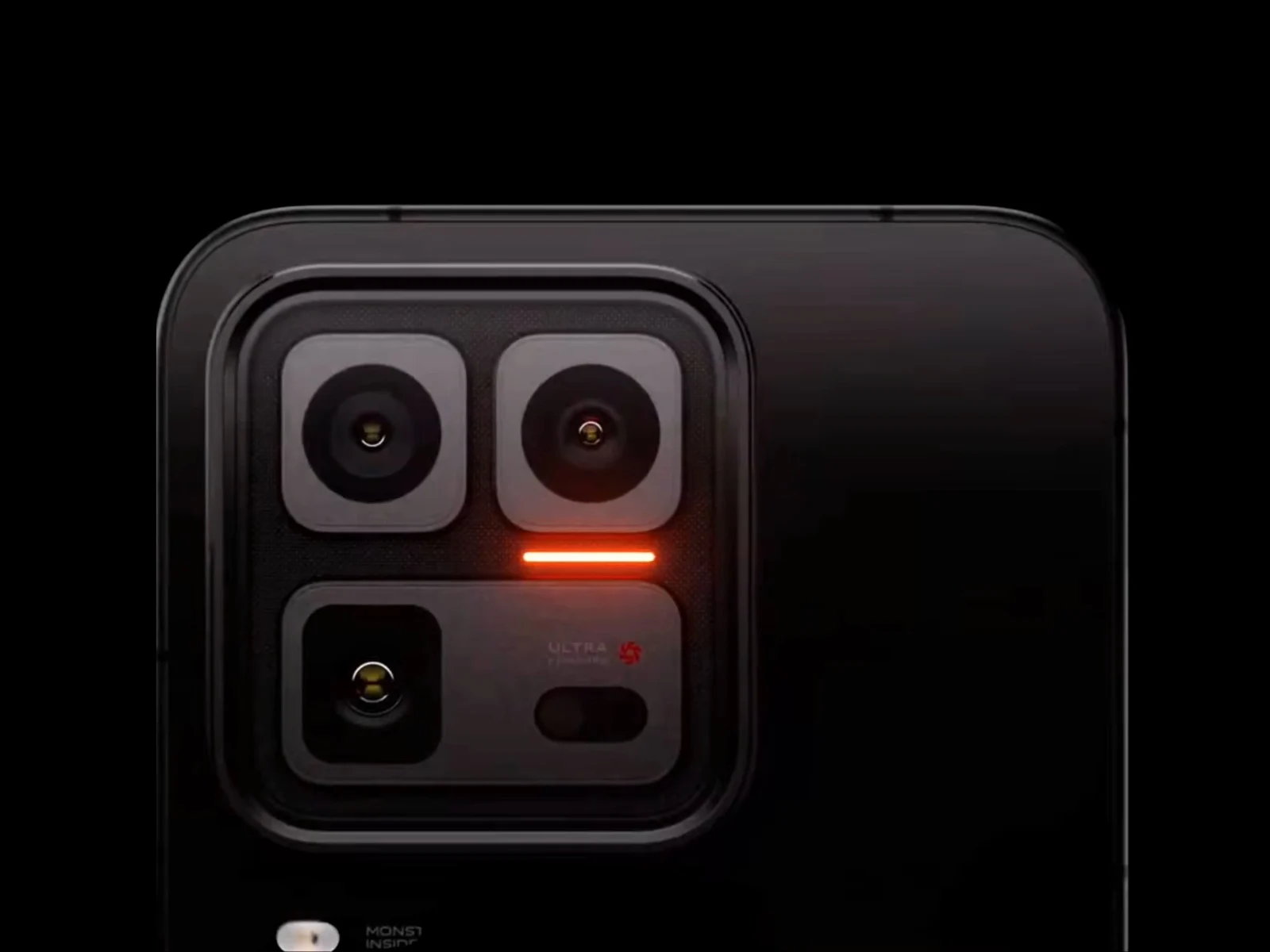
    3. The camera setup includes a 200 MP main camera and a 50 MP periscope telephoto lens, indicating a significant upgrade in photography capabilities.
    4. The phone is anticipated to launch in Q4 2026, with details on memory, battery, and pricing still undisclosed.

    Latest leaks suggest the upcoming iQoo 16 may be one of the first to sport Samsung�s new 2K display panels

    An insightful tipster named Smart Pikachu has shared fresh details about the iQoo 16, which is likely to be a flagship device. There are strong indications that the smartphone will feature Samsung�s latest 2K screen technology, making it stand out from previous models. The revelations came from Chinese social media, where Smart Pikachu has a reputation for revealing accurate information about upcoming gadgets.

    Display details and refresh rate improvements

    The new display might have a refresh rate of between 165 Hz to 185 Hz, which would be a notable upgrade from the 144 Hz on the iQoo 15. The current OLED display on the iQoo 15 measures 6.85 inches and delivers a crisp 2K resolution. The potential upgrade could mean smoother visuals and better responsiveness, particularly appreciated by gamers and multimedia enthusiasts. This move signifies iQoo’s aim to elevate user experience with their flagship model.

    Camera enhancements and overall camera quality

    Smart Pikachu also leaked that the iQoo 16 may include a monstrous 200 MP main camera, paired with a 50 MP periscope telephoto lens. Compared to the iQoo 15, which has a triple-lens setup with a 50 MP primary, 50 MP telephoto, and 50 MP ultrawide, the new model could offer even more advanced photography options. Given the excellent performance of the main camera on the iQoo 15, the new flagship’s camera system is expected to be equally, if not more, impressive, promising sharper, more detailed shots.

    Other features and the launch timeline

    Details regarding things like storage options, battery size, and pricing still remain a mystery. However, there are good reasons to believe that the iQoo 16 will launch sometime in the last quarter of 2026. Fans and tech enthusiasts alike are eagerly waiting for official confirmation and more concrete specifications that could make this device one of the most anticipated releases of the year.

    Sources
  • Zelda Nintendo Switch 2 and Ocarina of Time Remake Launch Together

    Zelda Nintendo Switch 2 and Ocarina of Time Remake Launch Together

    Key Takeaway

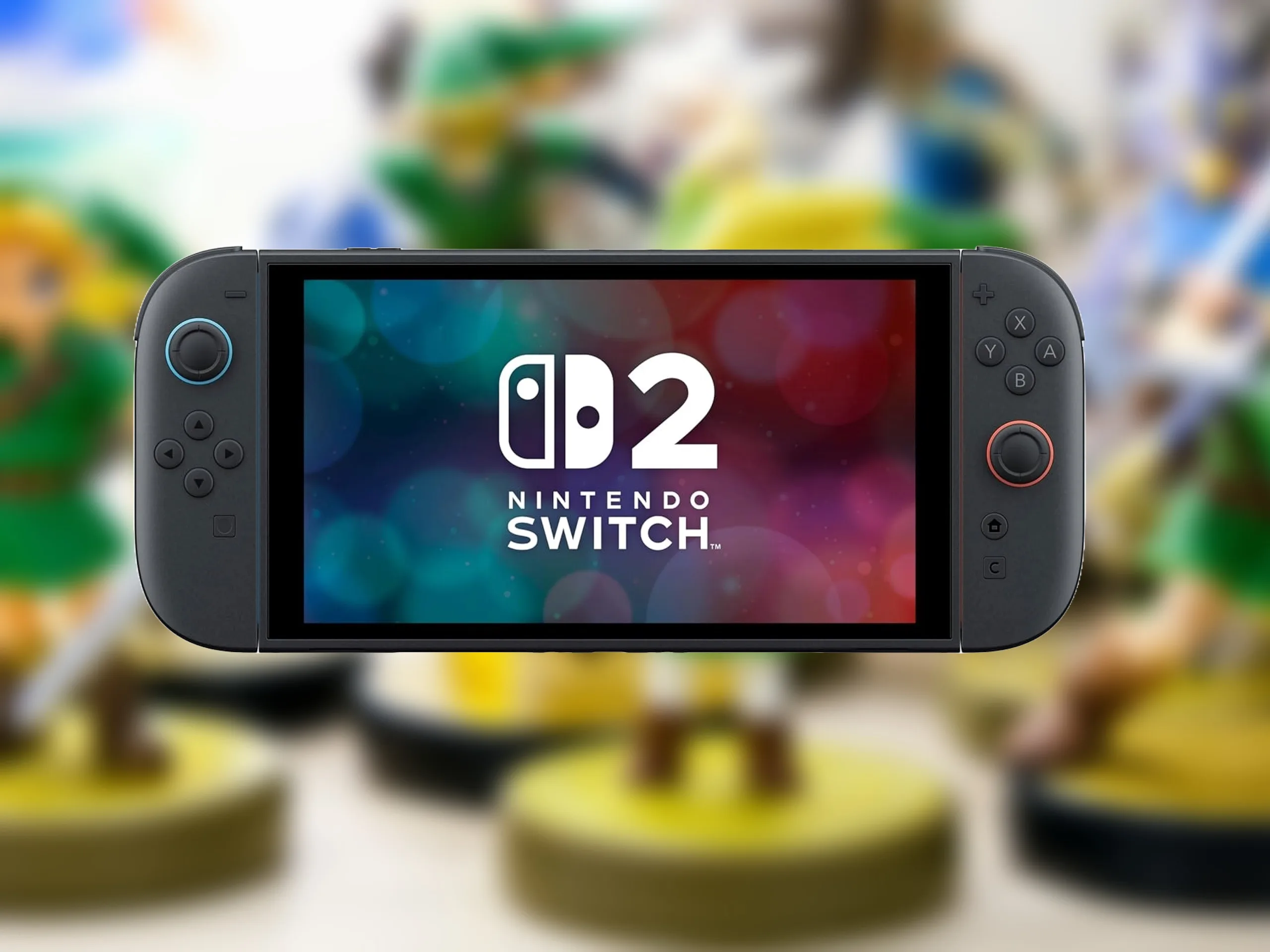
    1. Nintendo is rumored to release a limited edition Zelda-themed Switch 2 alongside the highly anticipated remake of The Legend of Zelda: Ocarina of Time in late 2026.
    2. The Ocarina of Time remake is described as a big-budget reimagining, not just an update with new textures.
    3. The remake is expected to be sold separately from the special edition console, likely resulting in high sales due to its status as a classic game.

    Exciting Rumors for Nintendo Switch 2 in 2026

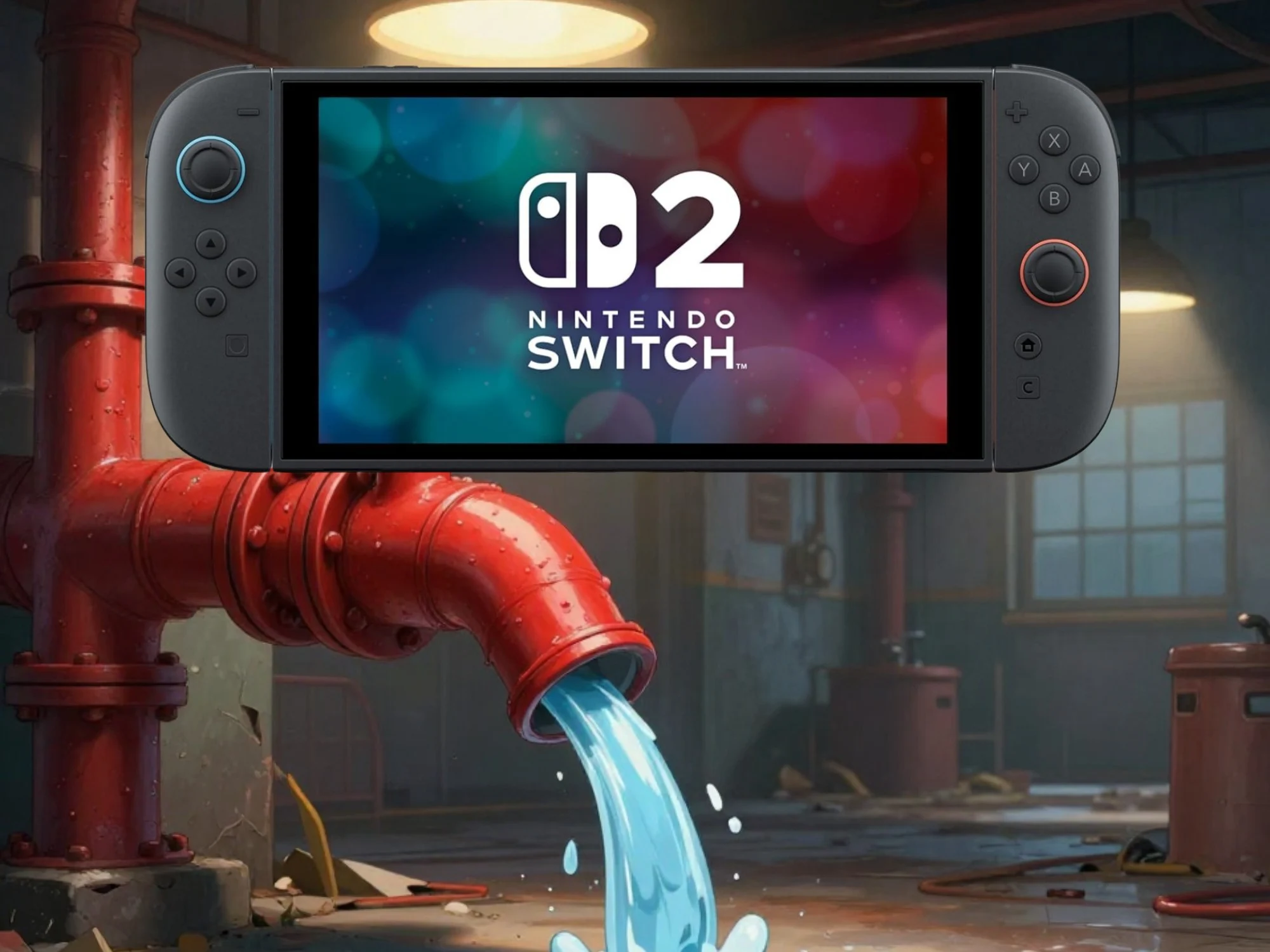
    Players who are fans of Nintendo Switch 2, get ready because it looks like 2026 will be pretty exciting. Rumors suggest that Nintendo is working on a few big projects including a new Super Mario 3D game and a new Zelda adventure. The most buzzworthy of these rumors is about a remake of the classic The Legend of Zelda: Ocarina of Time. Some sources imply that this game might be released alongside a special limited edition Switch 2 console that’s themed after Zelda.

    The Significance of Ocarina of Time

    Ocarina of Time is regarded by many gaming fans as one of the greatest games ever made. It first appeared on the Nintendo 64 and marked the first time the series embraced fully 3D graphics. It set standards for dungeon design, story-telling, and overall atmospheric environment in gaming. The anticipation for a true remake of Ocarina of Time has been building for ages because fans really want a modern take on this legendary game.

    Limited Edition Console and Release Plans

    According to prominent leakster Speshal Nick, Nintendo is preparing a special Zelda-themed Nintendo Switch 2. This could be a limited-edition model meant to celebrate the upcoming release of the Ocarina of Time remake. However, it is still not clear if Nintendo will bundle the game with the console or sell it separately, which is typical for such special editions.

    Game and Console Bundling

    In past, Nintendo has released bundles, like the Mario Kart World Switch 2 package, but for the Zelda themed console, it’s speculated that the game might be sold separately. This way, Nintendo could increase potential earnings, especially since the remake is predicted to be a major hit on the market when it releases. Fans who want the ultimate experience will likely prefer buying the game separately to get the full, revamped adventure.

    The Remake’s Scope and Expectations

    Sources suggest that the remake of Ocarina of Time isn’t just a simple update with some improved visuals. Instead, it is believed to involve a large budget and a complete overhaul of the game from scratch—similar to the high-quality remakes of classics like Demon’s Souls and Shadow of the Colossus by Blue Point Games. This makes it sound like a major project that could redefine how the game looks and feels today.

    For Fans and Newcomers Alike

    If you’ve never played Ocarina of Time but want to experience it now, the Switch 2 version might be the best way to do so. Although there is no official confirmation from Nintendo yet, rumors point to a release date around late 2026, possibly targeting the Holiday season. Whether you’re a long-time fan or new to the series, this remake promises to be a must-play.

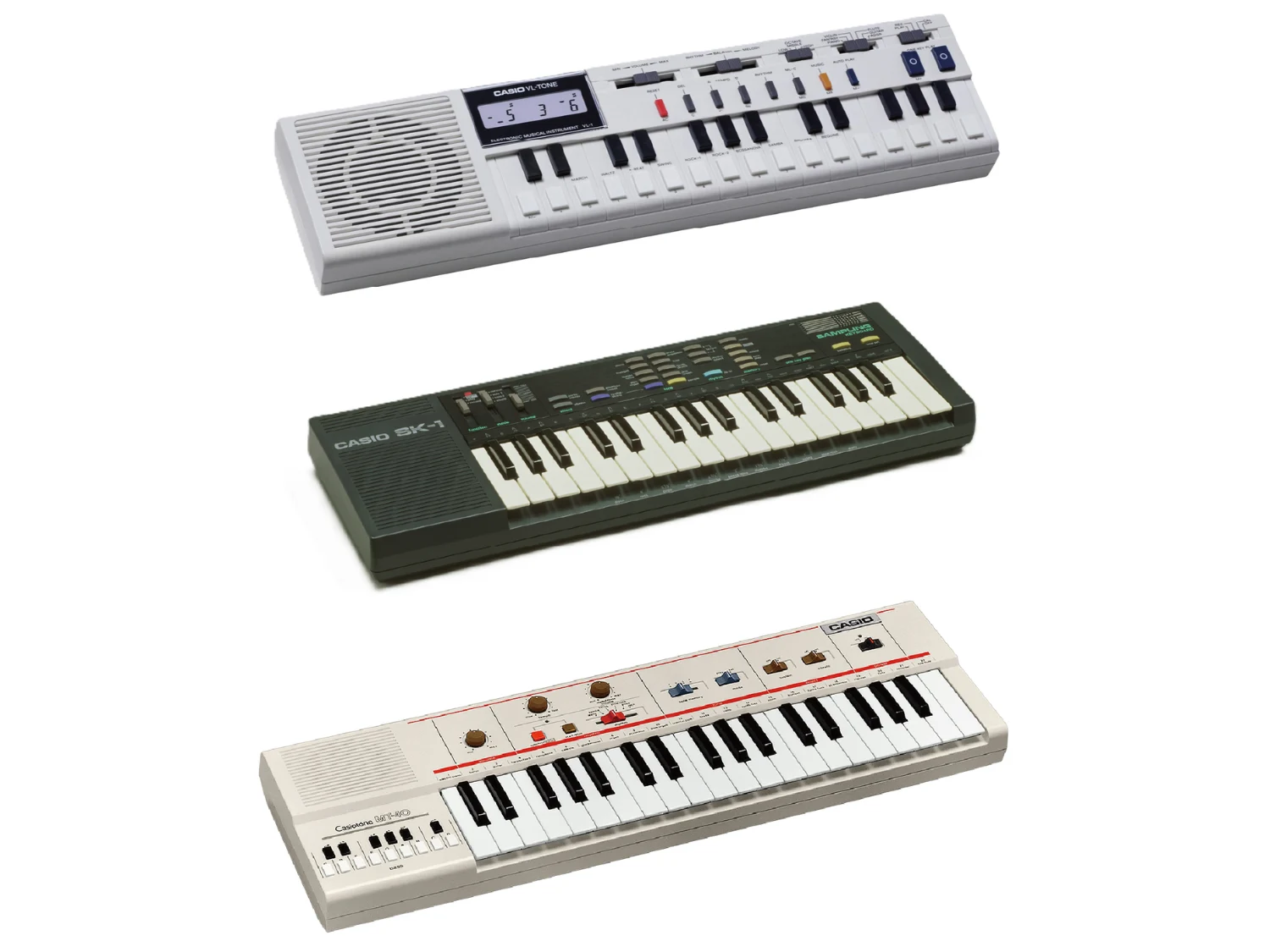
  • Casio Reintroduces VL-1, SK-1, and MT-40 Sound Packs as Digital Downloads

    Casio Reintroduces VL-1, SK-1, and MT-40 Sound Packs as Digital Downloads

    Key Takeaway

    1. Casio has released licensed sound packs from its classic 1980s keyboards (VL-1, SK-1, MT-40) via Waves Place, available for commercial use.
    2. The packs include original tones, rhythms, and samples, replicating the hardware’s authentic sound and functionality.
    3. Pricing varies from ¥1,100 to ¥4,980, targeting users seeking nostalgic, early-digital Casio character for music and sound projects.

    Waves Place Launches Classic Casio Keyboard Sound Sources

    Casio Computer Co., Ltd. has roll out a new feature, offering official sound sources from some of its most iconic 1980s electronic keyboards through Waves Place. This innovative service now permits users to access sounds from the famous Casio VL-1, SK-1, and MT-40, which all went available to grab on March 25. It’s pretty exciting since it blends vintage gear sounds with modern AI technology, giving musicians and producers a easy way to incorporate authentic vintage tones into their work.

    Details of the Sound Packs and Pricing

    The process is pretty simple for users, who can buy and download these original sound sources that are licensed for commercial use. The packs come packed full of built-in tones, rhythmic patterns, and bite-sized one-shot samples that faithfully replicate the hardware’s unique sound. The pricing varies: VL-1 costs ¥1,100 (approximately $), SK-1 is priced at ¥2,180 (about $), and MT-40 is the most expensive at ¥4,980 (roughly $). For example, the VL-1 pack features tones and sequences reminiscent of the calculator-synth’s signature sound. Meanwhile, the SK-1 pack focuses on the sampling keyboard’s versatile sound palette, and the MT-40 pack adds rhythm and looped patterns that was a cornerstone for early digital reggae styles, including the iconic “Sleng Teng” rhythm pattern.

    The Significance of the Vintage Sounds

    These vintage sound packs are more than just nostalgic; they represent a significant chapter in electronic music history. The VL-1 was instrumental in bringing low-cost electronic sound creation into the mainstream during the early 80s. The SK-1 made sampling available to the average user with its affordable price, while the MT-40 became a staple among reggae artists, thanks to its characteristic rhythms. If your aim is to give your tracks or sound designs that cool, authentic early-digital Casio flavor, these packs serve as a legal and easy-to-use solution, compatible with other Waves Place AI Tools like text-to-sound generation.


    Sources

  • Windows 11 KB5079391 Update Rollback Due to Installation Errors

    Windows 11 KB5079391 Update Rollback Due to Installation Errors

    Key Takeaway

    1. Microsoft temporarily paused the rollout of the Windows 11 preview update KB5079391 due to installation errors and missing files.
    2. The update aimed to improve features like File Explorer, monitor display support, Windows Hello, Safe Mode, audio, and Remote Desktop.
    3. No workaround or revised version has been released yet, and affected users must wait for Microsoft to resume distribution or provide a fix.

    Microsoft Temporarily Stops Windows 11 Update KB5079391 Deployment

    Microsoft’s latest update for Windows 11, KB5079391, has been temporarily halted due to problems encountered during installation. This update, meant for versions 24H2 and 25H2, was supposed to bring several improvements, but many users are now unable to install it because of error 0x80073712. The error reports indicate missing or corrupt files that prevent the update from completing successfully.

    Details About The Update and Its Issues

    The update was released on March 26, offering new OS Builds 26100.8116 and 26200.8116. Microsoft quickly responded to reports of installation failures, updating its support document on March 27th to acknowledge the known problems. They’ve temporarily limited its availability while they work on fixes, thus affecting many users trying to improve their system or access new features.

    Current Status and Expected Resolution

    According to Microsoft, users who look for KB5079391 in the optional updates section might not see it, which is because the rollout pause prevents its distribution via Windows Update. This isn’t a problem with individual PCs, but rather a company-wide decision to pause installation until the fault is fixed. Windows Central reported that the update has effectively been pulled back after installation issues surfaced, turning what should have been a straightforward update into a short-lived event.

    What Was Included in the Update?

    • Improvements to File Explorer, especially unblocking downloaded files
    • Support for monitors that can report refresh rates higher than 1000 Hz
    • Fixes for specific error messages during system scans (sfc /scannow)
    • Enhanced reliability of Windows Hello fingerprint recognition on some devices
    • Changes affecting Safe Mode, audio functions, Voice Access, and Group Policy in Start Menu
    • Adjustments to Remote Desktop PowerShell management

    Next Steps and Microsoft’s Guidance

    Currently, Microsoft has no workaround or updated build available for KB5079391. They are focusing on investigating the issue and have paused further distribution. Users affected by this problem will have to wait for Microsoft to resume or publish a corrected update, or incorporate fixes into subsequent cumulative updates. This situation emphasizes the importance of cautious deployment of preview patches and the need for vigilant testing.

    Sources
  • Epic Games layoffs: developer with terminal brain cancer loses life insurance

    Epic Games layoffs: developer with terminal brain cancer loses life insurance

    Key Takeaway

    1. Epic Games’ layoffs caused severe personal consequences, including the loss of life insurance for employees battling critical health issues.
    2. The termination of life insurance due to layoffs directly impacted Michael Prinke, a cancer patient, leaving his family in financial and emotional distress.
    3. The situation highlights the human toll of corporate decisions made in response to business challenges, underscoring concerns about accountability and compassion.

    Epic Games’ layoffs lead to tragic consequences for employee battling cancer

    Recently, the video game industry has seen an increase in layoffs, but the one from Epic Games was especially heartbreaking. The company, famous for Fortnite, laid off about 1,000 staff members because of a significant decline in player activity projected to continue into 2025, which led to higher costs than profits. The CEO Tim Sweeney stated that these layoffs were necessary to keep the business going, offering workers four months of severance and six months of health coverage in the US. Despite these efforts, stories of the impacted employees are emerging, with one family suffering immensely.

    The personal story of Michael Prinke

    Michael Prinke, who had worked as a programmer and technical writer at Epic for nearly seven years, was among those who lost his job. His wife, Jenni Griffin, took to Facebook to explain how the layoffs worsened his already serious health predicament, as he is fighting terminal brain cancer. Because he was employed full-time, he had company-provided life insurance, giving some peace of mind for his family’s future. But, with his job lost, this vital coverage was cut off instantly. She shared heartbreaking details, stating that his pre-existing condition now disqualifies him from getting new life insurance anywhere else, leaving her feeling helpless and overwhelmed.

    The toll of the layoffs on a family

    Jenni Griffin wrote about the grim reality they now face: how to pay for a funeral, keep their home, protect their child, and care for their dogs. She shared a picture of a brain MRI showing an aggressive tumor in the frontal lobe, pleading with Epic’s decision-makers for help. She emphasized that Michael isn’t just another employee; he’s her husband, their child’s father, and a beloved person. Their limited time together makes her desperate to find support, hoping that someone from Epic, who approved the layoffs, would understand the human impact of their decision.

    Epic’s response and hope for support

    While Michael’s health insurance remains active for now, losing his life insurance leaves his family vulnerable, especially during such a critical time. His wife expressed her fears about their future but also shared that, since her post, Epic staff have reached out. An update indicated that discussions are underway with the relevant parties at Epic, with a promise to provide more information soon, likely by Tuesday. She ends with a plea for compassion, wishing the decision-makers recognized how their choices affected real lives and hope that assistance may be forthcoming.

    Sources
  • OnePlus Ace 6 Ultra Leaked Specs: Higher Refresh Rate & Larger Battery

    OnePlus Ace 6 Ultra Leaked Specs: Higher Refresh Rate & Larger Battery

    Key Takeaway

    1. The OnePlus Ace 6 Ultra is expected to feature a significantly larger 8,500mAh battery, up from 6,700mAh in the previous model.
    2. It will have an upgraded 165Hz display refresh rate, compared to 144Hz in the Ace 5 Ultra.
    3. The phone is rumored to be powered by the MediaTek Dimensity 9500 processor.
    4. The device may have similar camera specifications to its predecessor, likely not matching the high-end camera capabilities of other flagship phones with the same processor.

    Upcoming OnePlus Ace 6 Ultra Come June 2023?

    Rumors are circulating about the soon-to-be-announced oneplus device, the Ace 6 Ultra, expected to arrive in April 2023. The anticipation has grown as fresh leaks provide crucial insights into what kind of features this new model might bring to the table. It looks like oneplus is really aiming to grab attention with some major upgrades over previous models. If the leaks are correct, this could be a very exciting release for fans and tech geeks alike.

    Technical Specifications Leaked from Weibo

    An insider on Weibo, known as @PandaVeryBald, shared some images claiming to reveal the key specs of the Ace 6 Ultra. The info covers three main aspects — battery, display refresh rate, and processor. These details suggest the manufacturer is focusing on improving battery life, visual smoothness, and overall performance, which is pretty promising. But, as always, take such leaks with a grain of salt until an official announcement.

    Battery & Display: Massive Improvements

    In terms of battery, the new Ace 6 Ultra allegedly packs an 8500mAh capacity. That’s quite a jump from the 6700mAh found in the previous version, promising longer usage without needing to recharge frequently. The refresh rate is also said to be increased to 165Hz, up from 144Hz, which could translate into much smoother scrolling and gaming experience. Although the screen size and technology weren’t specifically mentioned, chances are it’s an AMOLED panel, possibly with higher brightness output making it brighter and clearer even under direct sunlight.

    Performance & Camera Expectations

    The processor is speculated to be the MediaTek Dimensity 9500. This chip is currently used in high-end devices like the Oppo Find X9 Pro and Vivo X300 Pro, which means this phone could perform admirably in daily tasks and gaming. On the camera side, though, upgrades seem unlikely. Last year’s Ace 5 Ultra featured a 50MP main sensor alongside an 8MP ultrawide — pretty decent but not groundbreaking. The front camera, at 16MP, is typical for selfies and video chats. Thus, while the Ace 6 Ultra might excel in speed and battery, it might not impress much when it comes to photography capabilities.

    Sources
  • New Blood CEO Criticizes NVIDIA DLSS 5: Who Actually Asked For This?

    New Blood CEO Criticizes NVIDIA DLSS 5: Who Actually Asked For This?

    Key Takeaway

    1. Industry figures like David Oshry and David Szymanski criticize Nvidia’s DLSS 5 for blurring lines between traditional upscaling and generative AI, questioning its designation and impact on game quality.
    2. Developers are urged to push back against DLSS 5 commercially and creatively, advocating for higher native hardware performance instead of relying on AI-driven enhancements.
    3. Concerns are raised about the potential negatively affecting game clarity, accessibility, and originality due to the steep tradeoffs associated with the new DLSS technology.

    Industry Leaders Voice Concerns Over Nvidia’s DLSS 5

    Recently, prominent figures in the gaming development world, including New Blood Interactive’s CEO, David Oshry, and David Szymanski, creator of Dusk, have openly criticized Nvidia’s upcoming DLSS 5 technology. They argue that the new feature, scheduled for release this fall with the RTX 50-series GPUs, blurs the lines between traditional rendering and AI enhancement, raising worries about artistic integrity and transparency. The new iteration aims to combine photorealistic levels of lighting and detail, but some developers feel it crosses ethical boundaries they believe previously did not exist.

    Developer Reactions and Concerns

    • New Blood Interactive, known for its indie hits reminiscent of PS1-style graphics such as ULTRAKILL and Gloomwood, strongly oppose the technology. Oshry questioned the necessity and transparency, saying, “Please tell me what generative AI has to do with Deep Learning Super Sampling.”
    • He emphasized transparency by suggesting that if Nvidia had called it “Generative Upscaling,” the backlash might have been different but still problematic. He criticized Nvidia’s branding as misleading, asserting, “We all have working eyes and can see exactly what we think it is.”
    • To counteract DLSS 5, Oshry suggests that developers and players should “vote with our wallets” by boycotting the technology and advocating for hardware improvements, like increased native performance and cost reductions, instead of relying on AI upscaling.
    • He compared current trends to past battles against microtransactions and loot boxes, urging the community to resist what he perceives as exploitative practices in game development.

    Industry Divergence and Support

    Despite the pushback from some developers, others believe Nvidia’s technology will prevail. For example, the director of Kingdom Come: Deliverance 2 stated, “Haters won’t be able to stop this,” signifying confidence that DLSS 5’s adoption is inevitable. This divide highlights ongoing tensions in the industry regarding AI’s role in game graphics.

    Szymanski’s Perspective on Optional Features

    Szymanski voiced concerns that claims of DLSS 5 being optional are misleading. He compared it to real-time global illumination, which is often touted as optional but practically essential in modern games. He commented, “Games are now built to lean on those technologies,” suggesting that AI upscaling is becoming a core feature rather than a choice. While acknowledging DLSS 4.5’s benefits, Szymanski pointed out that these advancements come with significant compromises in clarity and accessibility, impacting the overall player experience.

    The Artistic Future of Gaming

    Oshry further criticized Nvidia’s direction by sarcastically questioning if developers should abandon traditional game art altogether, suggesting an AI-driven art approach could replace human creativity. He questioned the purpose of craftsmanship in game design when AI might generate visuals automatically, reflecting ongoing debates about the future landscape of game art and AI’s role within it.

    Sources
  • Switch 2 Game Leaks Including Star Fox Sorry Nintendo Ex-Employee

    Switch 2 Game Leaks Including Star Fox Sorry Nintendo Ex-Employee

    Key Takeaway

    1. Leaks about unannounced Nintendo projects, especially from credible sources like NateTheHate, significantly impact the company’s marketing plans and frustrate Nintendo’s efforts to keep secrets.
    2. Despite strict legal actions and protections, Nintendo has struggled to prevent leaks, making insiders like NateTheHate difficult to control.
    3. Public reaction is mixed—some fans welcome early leaks for anticipation, while others prefer to wait for official announcements.

    Recent Gaming Leaks Stir Controversy

    Leaks about unannounced projects is somethin that happens all the time in the gaming worlds. Sometimes, it’s just a small annoyance, but other times, it messes up marketing plans for a long time. Recently, on a podcast, a well-known insider, NateTheHate, let slip some info about upcoming Switch 2 games. An ex-Nintendo communication boss thinks that these leaks are not just small problems but a lot more serious for his past employer.

    Inside Look from a Former PR Expert

    Kit Ellis used to be head of marketing at Nintendo for around 13 years. Now, he hosts a podcast with Krysta Yang, who also worked in public relations there. After NateTheHate’s revelations, Kit made a quick YouTube video where he talked about how Nintendo probably feels about all this. His point was that the company must be pretty mad about the leaks, especially given how secretive they try to be.

    Details About Upcoming Games

    The insider shared some pretty exciting info, including when fans might see new games like a Star Fox comeback and a remake of The Legend of Zelda: Ocarina of Time. He even mentioned that by 2027, we could see a new 3D Mario game. Because of how much he revealed, Kit pointed out that “Nintendo is absolutely furious about this,” as they might be worried about spoilers ruining their plans.

    Media and Public Reactions

    What sets this leak apart from others, though, is how the media reacted. Usually, many news outlets don’t spread rumors unless they are confirmed, but NateTheHate has such a good record of predictions that people took his words seriously. He correctly predicted when the Switch 2 would be announced, which made his revelations more credible, and the news went all over.

    Legal and Ethical Concerns

    Kit explains, “Nintendo has a problem with leaks that they just can’t seem to fix.” Even though they are very strict and sue anyone talking about upcoming games or showing unreleased footage, these leaks still happen. Despite all their efforts with lawyers, they haven’t managed to stop one guy from revealing spoilers anymore. It’s kind of a mystery how NateTheHate gets away with it all without getting caught.

    Community’s Mixed Feelings About Leaks

    Fans are divided on whether these leaks should keep happening. Some gamers, who think Nintendo’s next direct is way overdue, are happy about the spoilers because it builds excitement. But others believe fans should wait patiently for Nintendo to officially announce their games, like Star Fox or future Mario adventures. So, opinions about leaks are pretty split in the community.


    Sources

  • The Sims Creator Continues AI Memory Game Proxi Despite Funding Lapse

    The Sims Creator Continues AI Memory Game Proxi Despite Funding Lapse

    Key Takeaway

    1. Will Wright has dedicated a decade and personal funds to develop “Proxi,” an AI-driven game transforming personal memories into digital avatars, but the project faces significant developmental and financial challenges.
    2. The project aims to explore subconscious connections and create interactive proxies of people from players’ memories, with the potential for avatars to interact across genealogy sites in the future.
    3. Despite innovative aspirations, “Proxi” has struggled with funding, layoffs, and technical hurdles, with Wright continuing to seek new investors while embracing the possibility of failure.

    Creator Will Wright’s Long-Term Vision Falls Into Struggles

    Will Wright, known widely as the mind behind classics such as The Sims, SimCity, and Spore, has dedicated over a decade in pursuit of a personal vision. His recent efforts focus on a very ambitious project, in which he invested millions, that aims to change the way we think about memories and AI. Since co-founding Maxis and reaching peak success with The Sims, Wright pursued a quiet but intense passion project beginning in 2015 called Proxi: Yesterday’s Tomorrow’s You.

    Development Challenges and Funding Woes

    This project was planned to be an innovative AI-driven game, where players could turn their personal memories into a digital universe populated by avatars called Proxies. These proxies would replicate real people, thus creating a digital landscape that explores subconscious connections. But, despite the initial enthusiasm, the journey wasn’t smooth. Wright and his team, which started with about 30 members, struggled as the project faced significant financial hurdles. The developer team was eventually laid off in October 2024 due to lack of funding, leaving only a small nominal staff of unpaid volunteers.

    The Concept of Proxi and Its Exciting Potential

    Proxi intended to be much more than just a game. It was envisioned as an experimental exploration into human psychology, combining storytelling with neuroscience. Wright collaborated with notable veterans such as the co-designer of Carmen Sandiego in Gallium Studios, where discussions about neural patterns and memory sorting took place. At its core, the game would use AI to analyze stored memories, connect unrelated experiences, and generate immersive scenes with proxies representing real people and ancestors.

    Current Status and Future Uncertainty

    Now, the project is in a very tentative phase, with Wright saying that it feels “kind of like Frankenstein,” since the entire concept hinges on the powerful, yet unpredictable, AI engine that forms the “brain” of the Proxies. There’s hope that in the future, these proxies could interact with each other across online platforms, creating a dynamic web of personal connections. Still, the project remains unfinished and lacks consistent funding, with Wright actively searching for new supporters to continue his work. Despite the setbacks, he persists believing that even a failure would be worthwhile if it means pushing the boundaries of understanding human memory and AI.

    Sources