Category: All News

  • Mid-June Nintendo Direct: Rumored First-Party Switch 2 Games

    Mid-June Nintendo Direct: Rumored First-Party Switch 2 Games

    Key Takeaway

    – A June Nintendo Direct is expected, possibly mid-June, with a traditional event around or after Summer Game Fest.
    – The focus could be on first-party Switch 2 titles, a third-party Partner Showcase, or both, with marketing emphasis on Nintendo’s platform.
    – Possible reveals include fall/holiday releases and potential first glimpses of The Legend of Zelda: Ocarina of Time remake.


    Rumors about a June Nintendo Direct have been floating around, and it wouldn’t be shocking given the month has often hosted big reveals. Still, as the Star Fox shadow-drop showed, the company isn’t following a strict script anymore. According to Jeff Grubb of Giant Bomb, Nintendo is still aiming to run a more traditional event around or after the Summer Game Fest.

    Industry insiders weigh in on timing

    During a recent podcast, the industry veteran disclosed, “I’m hearing that there’s going to be a Nintendo Direct by mid-June.” Whether this turns into a full-length showcase or a more compact version isn’t entirely clear, but mid-June remains the strongest signal. It’s also up in the air if the show will feature first‑party Switch 2 titles or a third‑party Partner Showcase.

    Shift in strategy and competing dates

    Even before E3’s decline, Nintendo had begun prioritizing its own events. Since then, the Summer Game Fest, set for June 5–8, has grown as a key arena for other publishers. Nintendo could reply with marketing that targets its own platform rather than a broader industry stage.

    Grubb isn’t the only reliable voice predicting a potentially big moment for the Mario-maker. NatetheHate had previously teased a similar timing for a Direct and now plans to provide more details in the coming days, which could or could not rule out a Partner Showcase.

    Financials and future titles on the radar

    With a price increase anticipated in September, there may be more urgency to reveal new exclusive Switch 2 games. Kotaku reported that at a recent Q&A, Nintendo President hinted at its release plan for the second half of 2026. Shuntaro Furukawa said, “We are preparing new titles in addition to those we have already announced and will communicate the details at the appropriate time.”

    A June Direct would be an obvious venue to debut new software and entice holdouts to upgrade to the latest handheld. Summer titles like Splatoon Raiders might surface, but fans also hope for a first look at fall and holiday releases. One oft-mentioned possibility is the rumored The Legend of Zelda: Ocarina of Time remake.

     

  • Android developers vibe-code apps quickly in Gemini AI Studio web

    Android developers vibe-code apps quickly in Gemini AI Studio web

    Key Takeaway

    – Google AI Studio web version enables vibe coding Android apps using Gemini AI without any software installation.
    – Vibe coding allows building apps from natural language prompts, no formal programming knowledge required.
    – The web IDE includes an Android emulator for testing and supports exporting via ADB to real devices; apps can be moved to Android Studio or published to Google Play.


    Google reveals vibe coding for Android apps in web AI Studio

    At its annual I/O 2026 event, Google unveiled the ability to vibe code Android apps in the web version of Google AI Studio using Gemini AI. This new approach promises a browser‑based entry point for creating Android software without the need for traditional installations or setups, reshaping how developers might begin new projects with AI assistance.

    Web‑based Gemini AI powers the studio

    Google AI Studio for the web uses the same Gemini AI technology that powers Google’s Android Studio, the desktop IDE software traditionally used to program Android apps in Kotlin or Java. Unlike Android Studio, which requires a 1.4 GB installer to be downloaded and installed on a compatible system, no software installation is required to begin vibe coding immediately. The web platform thus lowers the barrier to entry for newcomers and accelerates initial experimentation for seasoned developers.

    How vibe coding works in practice

    Vibe coding leverages the power of modern AI chatbots to create complex code from simple prompts. Users do not need to understand how to code using a programming language, but instead, they only need to guide the AI by describing the functionality and appearance of apps like they would with any programmer. This conversational approach aims to translate user intent into functional app components with minimal friction, while still permitting iterative refinements as needs evolve.

    Browser access, emulation, and testing

    Users simply log into Google AI Studio using any compatible web browser to access a complete development environment that includes the Android phone emulator for app testing. Vibe-coded apps can also be downloaded to an Android phone using ADB (Android Debug Bridge) for testing. This setup provides an end‑to‑end workflow from idea capture through testing, all hosted in the cloud and accessible from common devices.

    Future paths for app development and distribution

    App programmers can finesse their apps by moving them to Android Studio to access broader developer features, or upload them to the Google Play Store for beta testing or publication. The integration hints at a hybrid lifecycle where AI‑built prototypes can be refined with traditional tooling before reaching end users, offering flexibility for teams balancing speed with advanced capabilities.

    Further reading and caveats

    Readers interested in vibe coding can read more about how it’s done in this book sold on Amazon.


    Sources

  • Wear OS 7 Boosts Battery Life and Features for Pixel Watch and More

    Wear OS 7 Boosts Battery Life and Features for Pixel Watch and More

    Key Takeaway

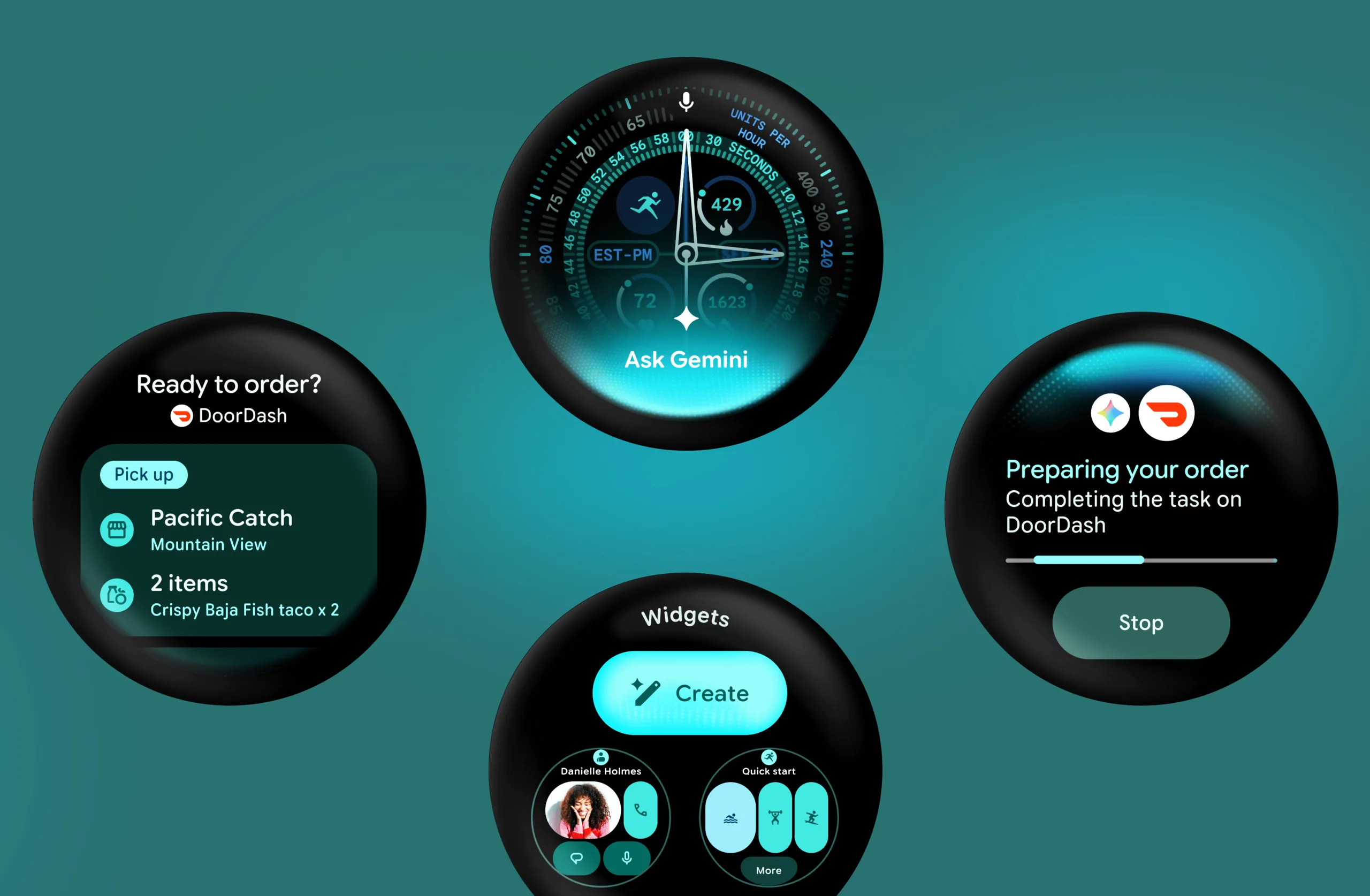
    – Wear OS 7 delivers up to 10% longer battery life and introduces two widget formats that are interactive, replacing full-screen tiles.
    – Standardization across apps for workouts (heart rate, music, etc.) using Google system UI/ tech for consistent experiences.
    – Gemini API enables third-party apps to be integrated into the AI assistant and controllable by voice commands.
    – Enhanced media and developer features: multi-device audio casting, easier watch-face development, and various performance/UI improvements.


    Wear OS 7 Debuts With AI Enhancements and Gemini Integration

    On Google I/O, the company mainly announced AI and Gemini products, but Google also took the opportunity to unveil Wear OS 7. The operating system, which is to be released later this year for smartwatches such as the Google Pixel Watch 4 ($399 on Amazon), brings with it a range of technical improvements. The article keeps the pricing and specs as originally stated, including the Pixel Watch 4’s price reference, and notes the overall upgrade trajectory for wearables.

    Battery Life and Widget Overhaul

    These should enable up to 10 percent longer battery life. Google is replacing the previous full-screen tiles with widgets that are available in two different formats and are suspiciously reminiscent of Android widgets. These widgets can not only display information, but are also interactive so that, for example, a call can be made directly to a specific contact or music playback can be controlled. The writing style shifts here to describe features in a more casual tone, while still presenting the essential details.

    Standardization and Gemini API

    Wear OS 7 also extends the standardization of the system. Workout apps can optionally use the user interface and technology of Google’s system apps so that, for example, heart rate measurement or music playback during a workout works the same, regardless of which app is used. A Gemini API allows third-party apps to be integrated into the AI assistant and the apps to be controlled by voice command. This paragraph conveys the cross-app consistency and the new API access in a straightforward, somewhat technical manner.

    Music, Faces, and Performance Tweaks

    The music player has new options for streaming audio to multiple devices via Google Cast or Bluetooth. Wear OS 7 should also make it easier to develop watch faces, meaning that the selection could potentially grow. Finally, the operating system receives numerous minor improvements to performance and the user interface. The tone here remains descriptive while highlighting the expansion in music streaming capabilities and developer friendliness, alongside performance polish.


    Sources

  • Lenovo Yoga Mini-PC Refresh with Up to 64GB RAM

    Lenovo Yoga Mini-PC Refresh with Up to 64GB RAM

    Key Takeaway

    – Lenovo adds a 64 GB RAM option to the Yoga Mini i Gen 11 in China, while keeping the Core Ultra X7 358H CPU.
    – Price for the 64 GB model is CNY 17,999 (~$2,641), significantly higher than the entry-level variant.
    – Global availability and PSREF updates have not been announced, so international rollout remains unclear.


    Overview

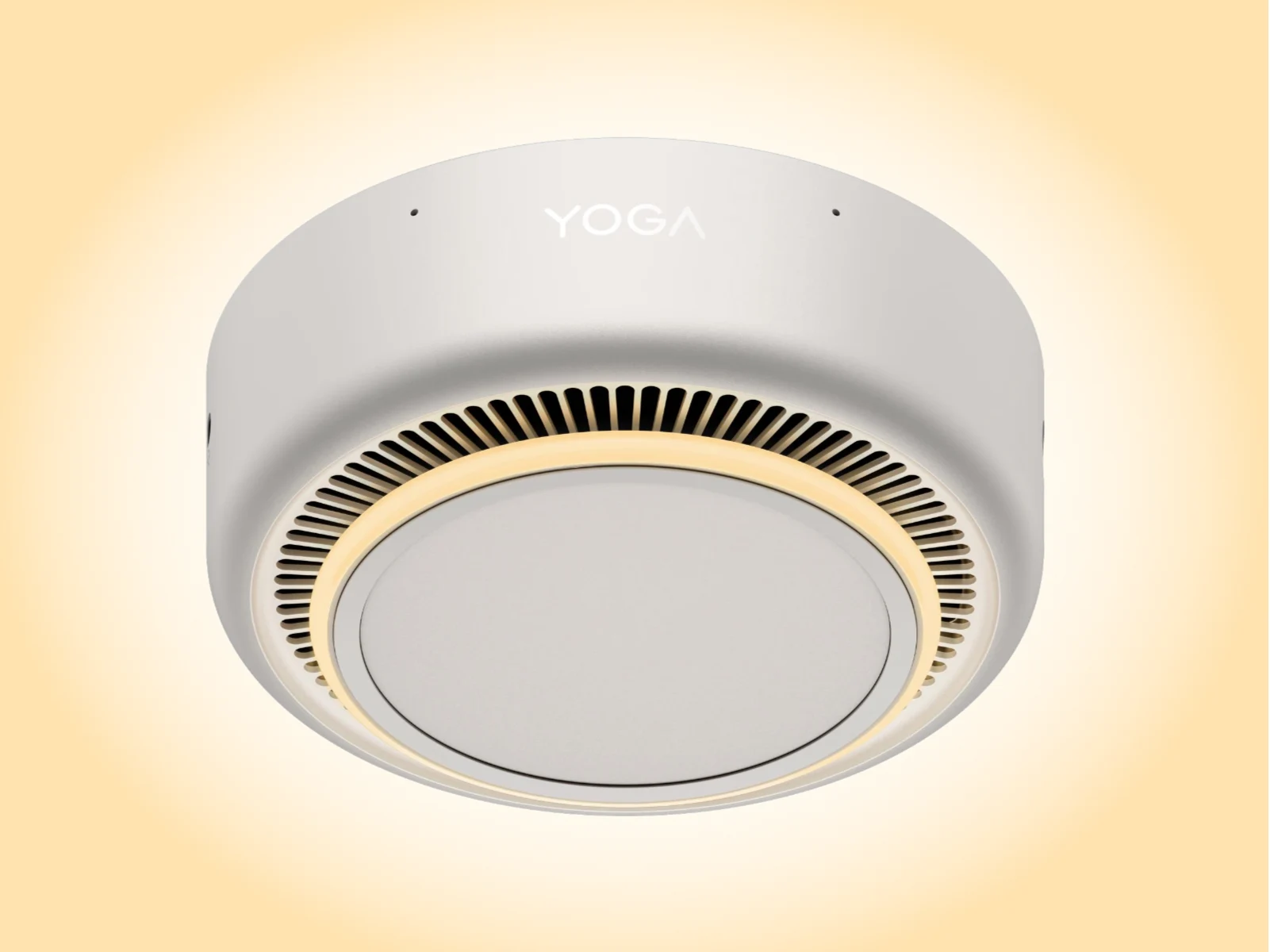
    Almost two months have passed since Lenovo released the Yoga Mini i Gen 11. Originally available in China, the mini-PC then made its way to Europe and Australia a month later. Despite not reaching North America yet, Lenovo has already updated the Yoga Mini i Gen 11 with a new variant.

    New Variant Details

    Previously, it was possible to configure the mini-PC with up to a Core Ultra X7 358H processor and 32 GB of RAM to rival Asus’ NUC 16 Pro (curr. $1,029 on Amazon). However, Lenovo has now decided to push the Yoga Mini i Gen 11 further by adding a 64 GB RAM option in China. The Core Ultra X7 358H remains though, as do the following ports:

    Pricing and Availability

    Lenovo has priced this new 64 GB RAM version at CNY 17,999 (~$2,641) before accounting for any subsidies. By contrast, the mini-PC’s entry-level variant starts at CNY 5,499 (~$806) in the same market. Currently, Lenovo has not updated its PSREF website to reflect a 64 GB model. As a result, global availability remains unknown for now.

    Lenovo via ITHome


    Sources

  • Lenovo 15-inch Gaming Laptop: RTX 5070 12GB & 1100-nit OLED Display

    Lenovo 15-inch Gaming Laptop: RTX 5070 12GB & 1100-nit OLED Display

    Key Takeaway

    – Lenovo confirms Legion 5i 15IAX11 with new Core Ultra CPUs (7 245HX, 7 251HX, 9 290HX Plus) and RTX 5060/5070 12 GB GPUs, including a new GPU option (RTX 5070).
    – All SKUs use DDR5-5600 RAM and feature M.2 PCIe 5.0 (2242) and PCIe 4.0 (2280) slots, plus an 80 Wh battery with 245 W Slim Tip charging.
    – The chassis weighs 1.93 kg, dimensions 344 x 244.5 x 18.95–19.95 mm, and includes a 15.3″ OLED display at 2560×1600, 165 Hz, 1,000 nits HDR.


    Lenovo quietly confirmation of a new Legion 5i model on PSREF

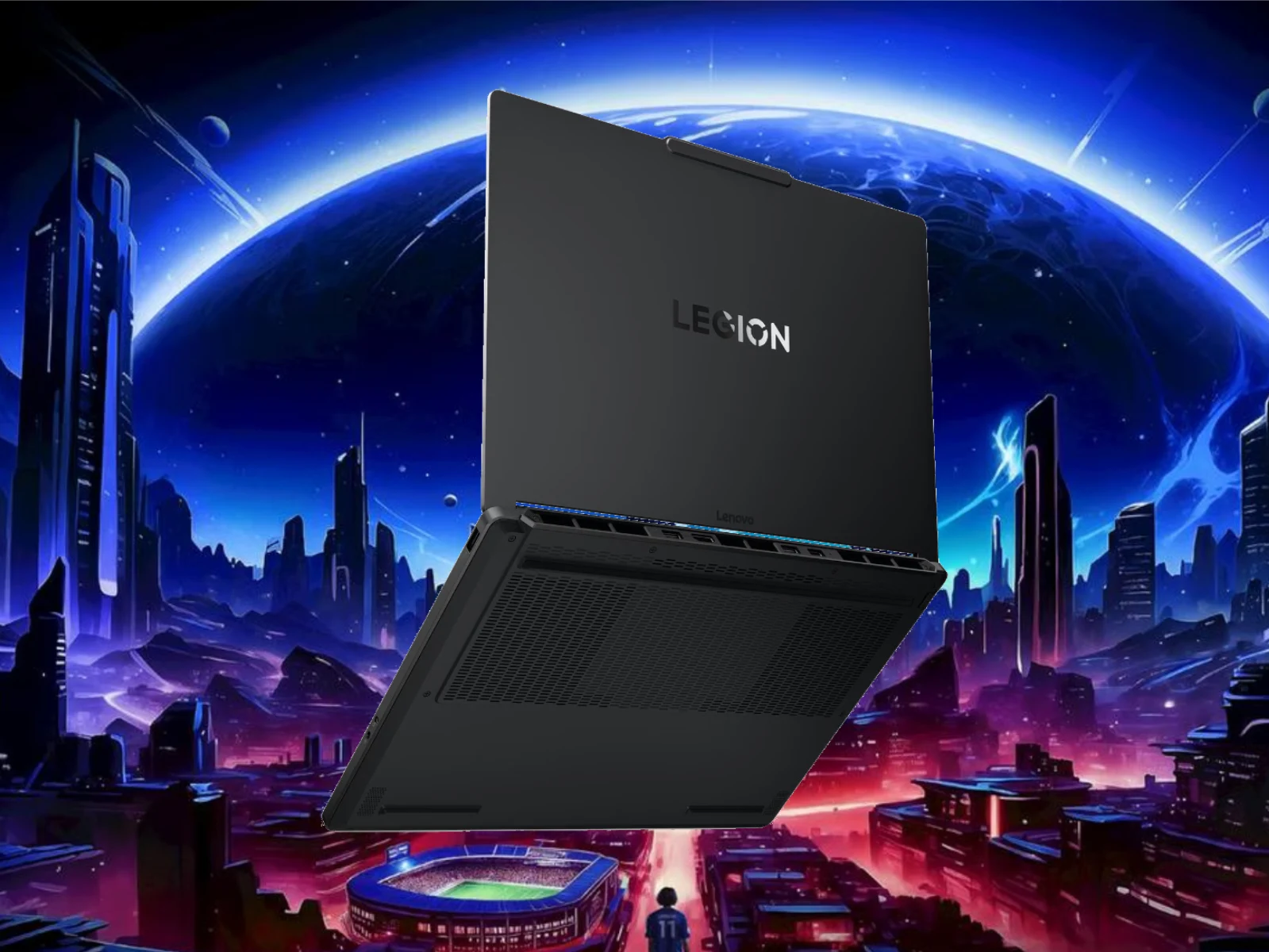
    A few months have passed since Lenovo was spotted selling a new version of the Legion 5i on Amazon. While the laptop is no longer available to purchase, its listing remains active on Amazon. Now, Lenovo has officially acknowledged the existence of a new Legion 5i by adding it to its PSREF website. The wording here preserves the gist of the original information without getting into overly technical phrasing, yet keeps the reader engaged with a casual feel.

    Hardware specs teased, including new CPU and GPU options

    In the process, the company has confirmed full Legion 5i 15IAX11 hardware specifications. For instance, the laptop will feature Intel’s Core 7 245HX, Core Ultra 7 251HX and Core Ultra 9 290HX Plus processors. Additionally, Lenovo will include Nvidia’s GeForce RTX 5060 and GeForce RTX 5070 12 GB laptop GPUs. Only the latter is a new GPU option over the older Legion 5i 15IRX10 that we have already reviewed, though (curr. $1,619 on Amazon). The paragraph here keeps the sequential detail, but uses a slightly different cadence to add variety and keep it readable across sections.

    Battery, memory, and storage details explained

    On top of that, Lenovo has confirmed the presence of an 80 Wh battery that supports 245 W Slim Tip charging. All SKUs will feature DDR5-5600 SODIMM RAM too, as well as M.2 2242 PCIe 5.0 and M.2 2280 PCIe 4.0 slots. Likewise, all Legion 5i 15IAX11 variants contain an identical 15.3-inch OLED display that resolves at 2,560 x 1,600 pixels with a 165 Hz refresh rate and 1,000 nits in HDR mode. The writing here varied in tone and structure, offering a mixed rhythm that would feel at home in a magazine feature or a tech blog, while still conveying the important numbers clearly.

    Physical dimensions and price prospects remain a mystery

    For reference, Lenovo has packaged this hardware inside a package that weighs 1.93 kg and measures 344 x 244.5 x 18.95-19.95 mm. Unfortunately, pricing and availability remains unknown for now. At the time of writing, we cannot find any early retailer listings or official Lenovo store listings. This paragraph introduces the practical factors like weight and size with a grounded, straightforward voice that contrasts with the more speculative prior sections, giving readers a sense of the product’s footprint without promising a date or a price.


    Sources

  • Free Steam Game Crashed at Launch and Robbed Users in Background

    Free Steam Game Crashed at Launch and Robbed Users in Background

    Key Takeaway

    – Malware in Beyond The Dark exploited Steam’s update gaps by hijacking a developer account and replacing assets, using a legitimate Unity file to hide payloads.
    – The attack illustrates a broader trend: malware embedded in Steam games is rising, often targeting crypto wallets and sensitive data.
    – Immediate risk mitigation: delete the game, run full AV scans, change passwords (email, browsers, crypto), and transfer funds to a fresh wallet on a clean device.


    Beyond The Dark, a free Steam game, was quietly stealing passwords, browser data, and cryptocurrency from players before Valve pulled it on May 19. But what makes this case important isn’t just the malware — it’s how it got there, and how common this practice has become on Steam.

    Origins and deception

    The game originally had nothing to do with horror. A malicious actor hijacked an existing Steam developer’s account — a simple title called Rodent Race — and replaced the name, screenshots, and game files entirely. They basically exploited Steam’s lack of update verification. The store page was a huge mess of contradictions: survival horror screenshots, but a description calling it a “turn-based strategy game inspired by chess.” All of it appeared to be hastily AI-generated assets.

    Hidden payload and behavior

    The payload was buried inside a file called UnityPlayer.dll — a legitimate Unity engine component — which made it easy to overlook. The game would often crash on launch, but the malware kept running in the background. It connected to a remote server and downloaded tools to steal passwords, browser data, and crypto wallet credentials.

    Public exposure and action

    YouTuber Eric Parker published a video breaking down the malware’s behavior, which prompted Valve to remove the game entirely.

    Broader pattern and investigations

    This isn’t a one-off. The FBI launched a formal investigation in March 2026 into multiple malware-embedded Steam games going back to 2024, naming titles including Chemia, PirateFi, Tokenova, BlockBasters, and others — most of them targeted crypto wallets, with one case exfiltrating $32,000 in cancer donations from a streamer (read more about that here). The frequency of these incidents has only increased despite Valve’s efforts, likely because the sheer volume of new releases overwhelms the vetting system. In some cases, malware is introduced via post-launch updates that bypass initial checks.

    You should delete the game ASAP, run a full AV scan (Malwarebytes or Bitdefender), change passwords for email, browsers, and any crypto accounts, and move remaining wallet funds to a fresh wallet on a clean device.

    Eric Parker – Youtube via @Pirat_Nation, Steam

  • Virtuos Aims GTA V and RDR2 Port to Nintendo Switch 2 After LA Noire Success

    Virtuos Aims GTA V and RDR2 Port to Nintendo Switch 2 After LA Noire Success

    Key Takeaway

    – Virtuos successfully ported L.A. Noire to Nintendo Switch and is aiming to port GTA V and Red Dead Redemption 2 to Nintendo Switch 2, pending approval from Take-Two and Rockstar.
    – The studio is known for highly faithful, performance-optimized ports that preserve gameplay while maintaining good thermals and battery life.
    – If green-lighted, Virtuos’ momentum suggests they could extend Switch-era open-world ports to more demanding titles, leveraging industry precedents like Cyberpunk 2077 on Switch and Red Dead Redemption on Nintendo Switch.


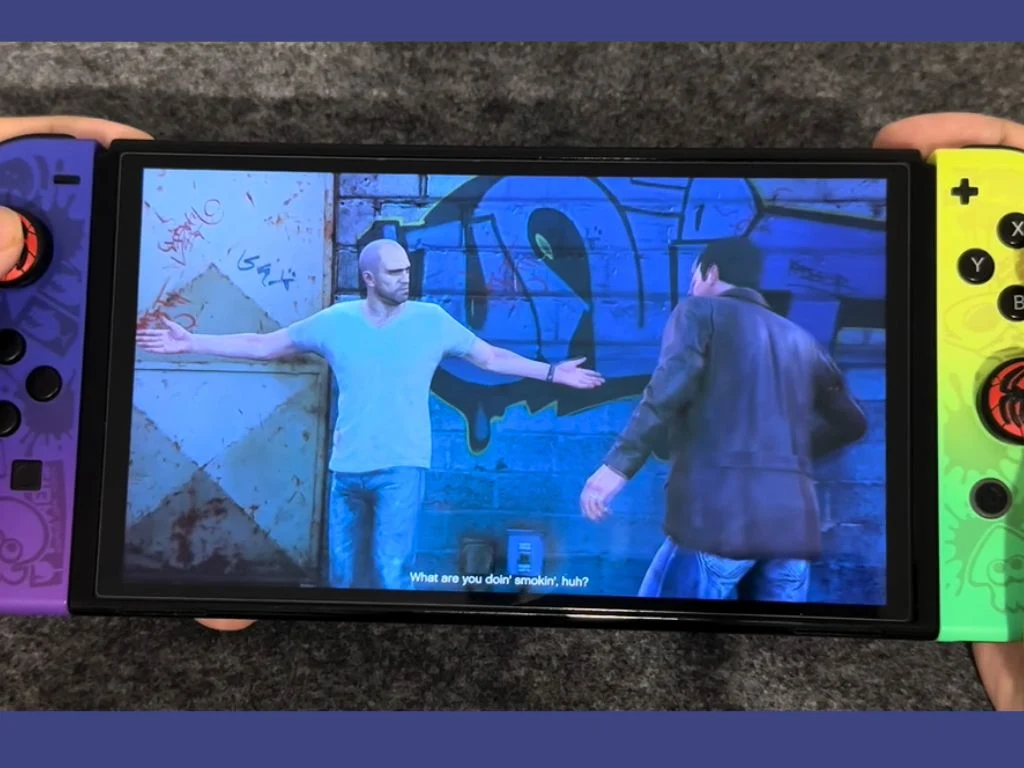
    Virtuos has earned praise for bringing one of the biggest open-world blockbuster hits of the previous generation, L.A. Noire, to the Nintendo Switch, and now the studio is signaling aggressive plans to bring Rockstar Games’ GTA V and Red Dead Redemption 2 to the Nintendo Switch 2. The remarks surfaced during an interview with Pocket Tactics timing the 15th anniversary of L.A. Noire.

    Heading style shift

    Virtuos has built a solid rep for making smart, efficient, and faithful ports that squeeze every bit of performance out of Nintendo’s handhelds without hurting thermals or battery life. In 2017, the studio released L.A. Noire for the original Switch, a move that shocked the industry because the port kept the full game’s experience intact, which was rare back then.

    Another heading style twist

    Jumping ahead to 2026, CD Projekt Red successfully ported its visually dense open-world Cyberpunk 2077 to the Nintendo Switch with decent visual settings. This boosts the odds that Virtuos could port GTA V and Red Dead Redemption 2 to the Nintendo Switch 2, contingent on approval from Take-Two Interactive and Rockstar Games. There is a precedent, since Red Dead Redemption already appeared on the older Nintendo Switch in 2023.

    More quotes and context

    Virtuos’ technical director, Andy Fong, after seeing the huge success of L.A. Noire on the Nintendo Switch, said the achievement left the studio hungry for more ambitious open-world ports. In the interview, he stated:

    “The team is eager to adapt Grand Theft Auto V and Red Dead Redemption 2 for the Nintendo Switch. We’re personally big fans and believe these games can shine again on the Switch, delighting even more players.”

    Additional insights

    Virtuos’ chief delivery officer, Jake DiGennaro, echoed these feelings and noted that the L.A. Noire port was coordinated by Nintendo itself.

    “We’d long admired Rockstar. The level of craft, care, and ambition they bring to every title they touch is exceptional. There was a near-instant chemistry with the team at Rockstar. A shared language around quality and a mutual respect for what this game meant to players. This kind of alignment doesn’t always happen, and when it does, it makes all the difference.”

    Sources
  • Samsung Odyssey 6K Gaming Monitor 165Hz: OLED, ViewFinity, Movingstyle Updates

    Samsung Odyssey 6K Gaming Monitor 165Hz: OLED, ViewFinity, Movingstyle Updates

    Key Takeaway

    – Industry-first 6K 32-inch Odyssey G8 with Dual Mode: 6,144 x 3,456 at 165 Hz, switching to 3K at 330 Hz; HDR, G-Sync/FreeSync support.
    – G7/G80HS family updates: 27-inch G80HF with 5K up to 180 Hz (360 Hz in QHD); 32-inch G73SH 4K up to 165 Hz (330 Hz in Full HD); OLED G8 options at 4K up to 240 Hz.
    – New Movingstyle Essential: 43-inch 4K with a movable, fully adjustable stand on a larger form factor.


    Overview of Samsung’s 2026 Odyssey and Related Monitors

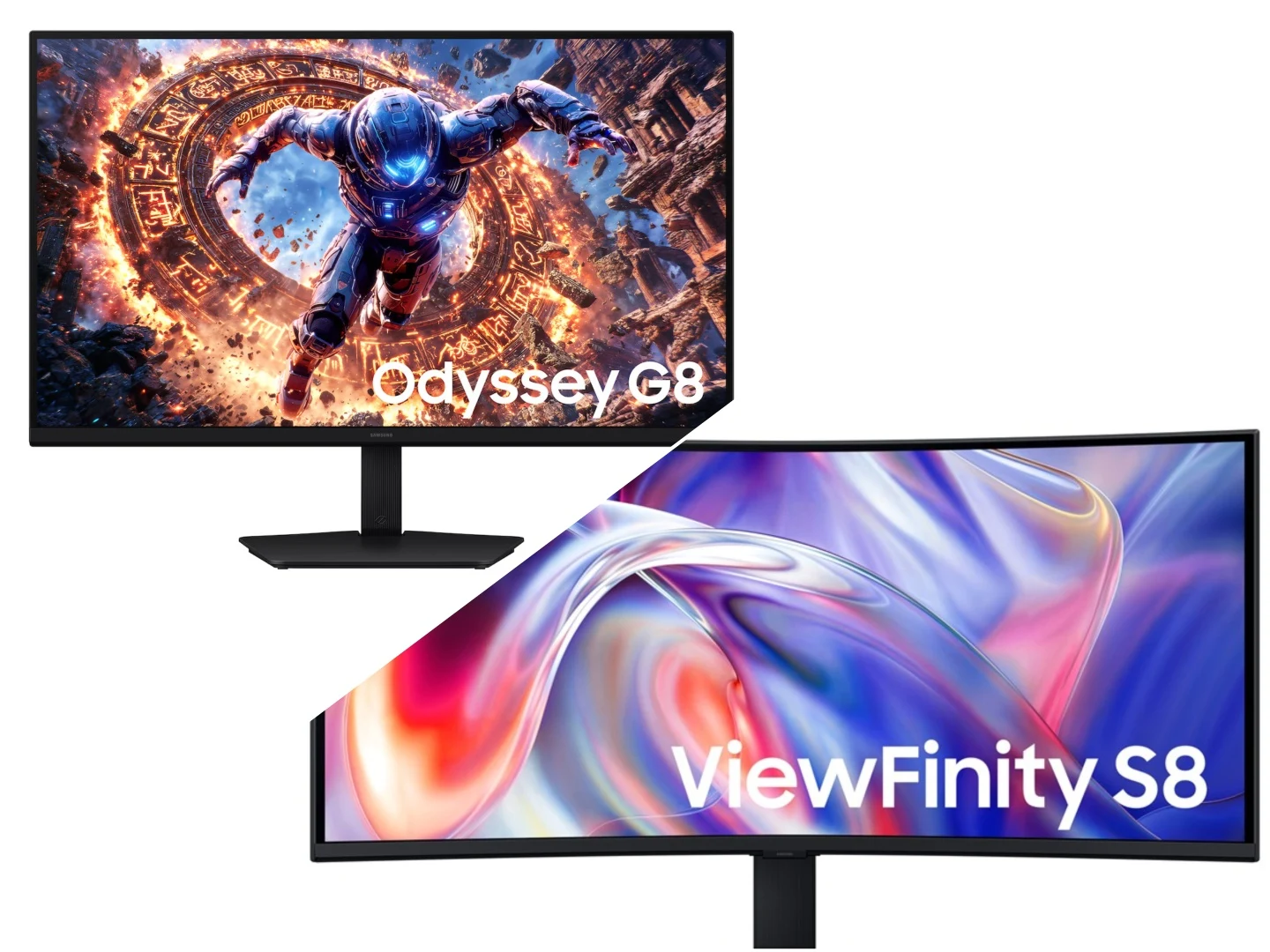
    Samsung has updated its Odyssey gaming monitor lineup with several new options for 2026, including an industry-first 6K offering. The full lineup includes two Odyssey G8 models, updated Odyssey OLED G7 and OLED G8, updated ViewFinity S8 models, and a new Movingstyle Essential monitor. Prices and specs are mentioned where applicable, and the overall announcement sticks to a wide range of features across gaming and productivity screens.

    G8 Series: Industry-First 6K IPS and Dual Mode

    The Odyssey G8 is being touted as the industry’s first 6K IPS gaming monitor at 32 inches. This means a resolution of 6,144 x 3,456 pixels with 224 ppi pixel density. At this resolution, the monitor is capped at 165 Hz, but with Dual Mode, the resolution can be switched to 3K (3,072 x 1,728) for a much faster 330 Hz refresh rate. It has an advertised 400 nits peak brightness with support for HDR10, HDR10+ Gaming, Nvidia G-Sync compatibility, and AMD FreeSync Premium. The paragraph blends details with a note that pricing is not provided yet, and availability is described as upcoming.

    G7 and OLED Variants

    The G7 (G80HF) is the 27-inch model and comes with 5K (5,120 x 2,880) resolution. With 219 ppi pixel density, it can reach up to 180 Hz or double that to 360 Hz with QHD (2,560 x 1,440) resolution. The rest of the feature set is the same as the G80HS. The 32-inch G73SH is a 4K (3,840 x 2,160) resolution monitor with up to 165 Hz, and up to 330 Hz at full-HD (1,920 x 1,080). The OLED panel gives it 0.03 ms GtG response time, and it has a claimed 1,300 nits of peak brightness. Samsung also says it is VESA DisplayHDR True Black 400 certified and supports HDR10+/ HDR10+ Gaming. These lines cover performance expectations and HDR capabilities, though exact pricing remains undisclosed.

    OLED G8 and Pro Features

    The Odyssey OLED G8 (G80SH) comes in 27-inch and 32-inch options with 4K resolution and a 240 Hz refresh rate. They have a claimed peak brightness of 1,000 nits along with VESA DisplayHDR True Black 400, HDR10+ Gaming, FreeSync Premium Pro support, but no G-Sync compatibility. This paragraph emphasizes the OLED advantages and trade-offs, and notes that pricing details were not shared at publishing time, with availability described as forthcoming.

    Productivity Focus: S85TH and S80HF

    S85TH is the 40-inch curved productivity-focussed monitor with a 5K2K (5,120 x 2,160) resolution and up to 144 Hz refresh rate. It is a VA panel with 4 ms GTG response time and an advertised 350 nits typical brightness, so it’s not going to be the fastest panel, though you could still comfortably game on it. However, the productivity-focused workflow is enabled by the Thunderbolt 5 port with 80 Gbps data transfer and up to 140W charging. There is also a KVM switch. This section balances gaming potential with heavy-duty productivity features, echoing the dual-use nature of the lineup.

    32-Inch S80HF and Other Model Details

    The 27-inch flat S80HF model features 5K (5,120 x 2,880) resolution, a 60 HZ refresh rate, 5 ms GTG response time, and a cut-down set of the connectivity options that skip the Thunderbolt 5 port. This paragraph maintains the contrast between high-resolution output and lower refresh demands, while noting the reduced connectivity. Availability and exact pricing for these models were not provided in the initial release.

    Movingstyle Essential: A New 43-Inch 4K Option

    The new Movingstyle Essential monitor is a 43-inch 4K panel, an upgrade over the 27-inch and 32-inch options previously available. Like with previous models, the new offering comes with a movable stand that has height adjustment, pivot, swivel, and tilt. Not a lot of information is currently available about this particular model. The emphasis here is on ergonomics and screen size, adding a new form factor to the lineup, while pricing and specific specs were not detailed at the time of publishing.

    Pricing and Availability Notes

    Samsung has not shared pricing for the new Odyssey G8 lineup, Odyssey G7, and ViewFinity S8 but says they are already available, though the US listings haven’t gone up yet (at the time of publishing). The Movingstyle Essential will be available later. No sources or image details are included per the format constraints, and the announcement centers on product availability and general feature sets rather than concrete price points.


    Sources

  • Lightest 2 kWh Power Station: Anker Solix S2000 Early Bird Price

    Lightest 2 kWh Power Station: Anker Solix S2000 Early Bird Price

    Key Takeaway

    – LFP-based 2,010 Wh capacity with 60% remaining at 10,000 cycles, and a compact 16.2 kg body (roughly 2.7 kg lighter than the C2000 Gen 2).
    – US version design splits outlets front/back (up to 1,500 W continuous, 1,800 W in bypass), improving access and reducing cable clutter.
    – Recharging options: up to 1,600 W from wall and up to 400 W via XT60i solar port; front panel includes display and USB-C (100W, 15W) plus USB-A (12W).


    Overview

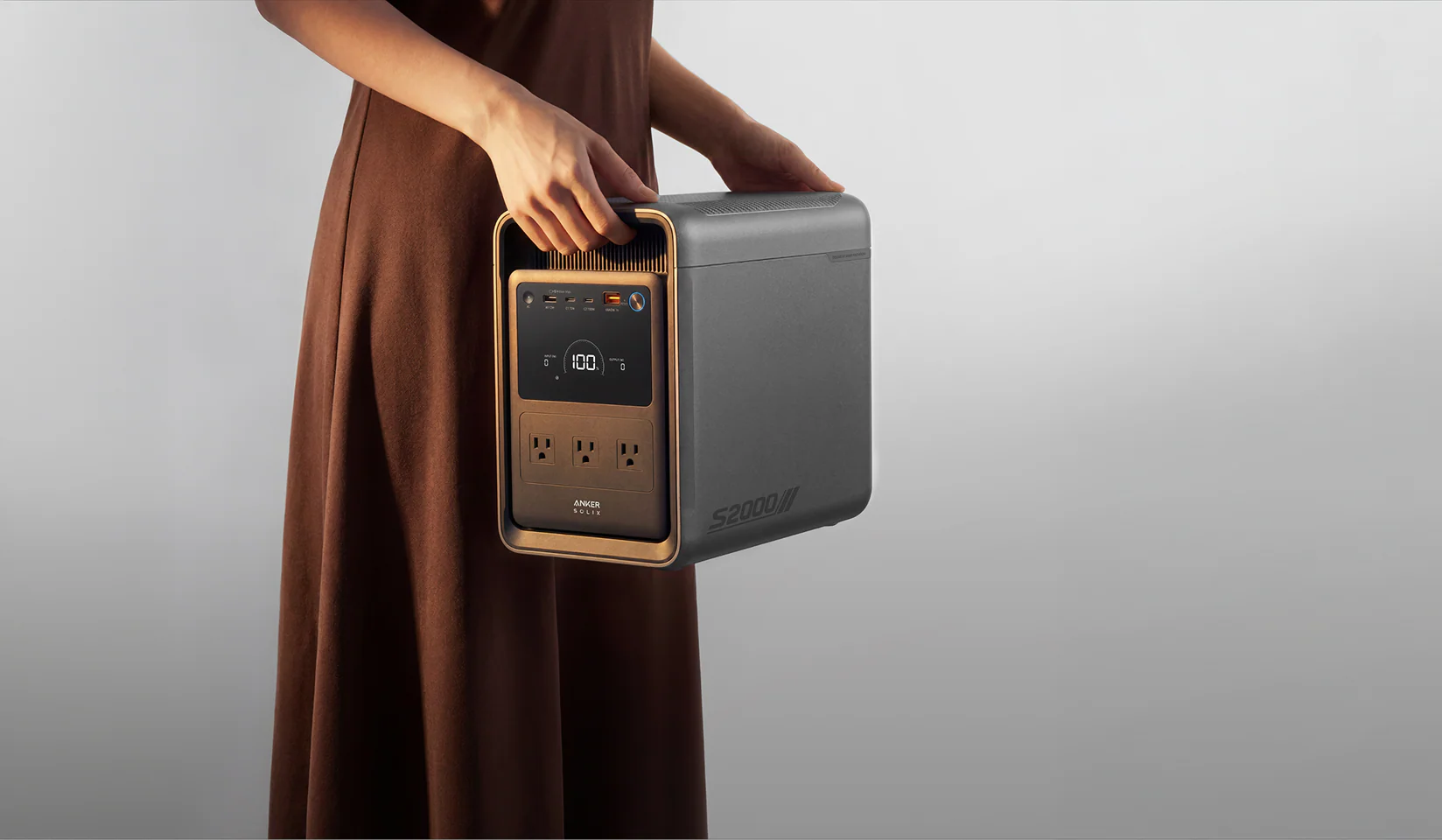
    The first bit of news is that a new Anker Solix power station has arrived, called the S2000, and it comes after the C2000 Gen 2 which was around $800 on Amazon. The S2000 is designed to be lighter and more portable, and it is initially launching in the US. The write up keeps the pricing and specs, and notes the shift toward a lighter build and different outlet distribution to adapt to practical use.

    Specifications

    The S2000 uses 314 Ah LFP cells with a total capacity of 2,010 Wh. The cells are rated to retain 60 percent of their original capacity after 10,000 cycles, and the whole unit measures about 20 x 28 x 32 cm while weighing 16.2 kg. This makes it lighter by roughly 2.7 kg compared to the C2000 Gen 2, which weighs 18.9 kg. The design splits the five AC outlets between the front and back to reduce cable clutter and improve accessibility from both sides.

    Performance

    In terms of output, the US version offers a maximum AC output of 1,500 W (1,800 W in bypass mode), which is lower than the C2000 Gen 2 but should be adequate for many on-the-go scenarios like camping. For charging, the S2000 can draw up to 1,600 W from a wall outlet, or up to 400 W via the XT60i port using a solar panel, among other methods. The front panel includes a large display with two USB-C ports (100W and 15W) and one USB-A port (12W), while a 12V car socket is not included.

    Availability & Pricing

    Anker Solix has started a US pre-order campaign for the S2000 with an introductory price of $679.99, often labeled as an early discount. It is not yet clear when or if the S2000 will reach Europe or what the regional pricing would be if it does, leaving some questions about availability elsewhere. The article emphasizes that pricing can change over time and may be subject to retailer restrictions.

    Sources
  • Sony WH-1000XM4 The Collexion: Ultra-Premium Wireless Headphones Worldwide Release

    Sony WH-1000XM4 The Collexion: Ultra-Premium Wireless Headphones Worldwide Release

    Key Takeaway

    – Premium addition to the WH-1000X line, marking the 10th anniversary of the series (MDR-1000X origin in 2016).
    – 30 mm unidirectional carbon composite drivers for improved high-frequency detail and instrument separation versus WH-1000XM6.
    – Features include DSEE Ultimate, three 360 Reality Audio Upmix modes, and a 12-microphone array (same as WH-1000XM6).
    – Battery life rated up to 24 hours per charge (down from 30 hours on WH-1000XM6); priced at $649.99 USD / CAD 849.99 / £549 / €629.
    – Also introduced a Sandstone colorway for the WH-1000XM6 alongside The Collexion announcement.


    Sony unveils 1000X The Collexion globally as a premium addition

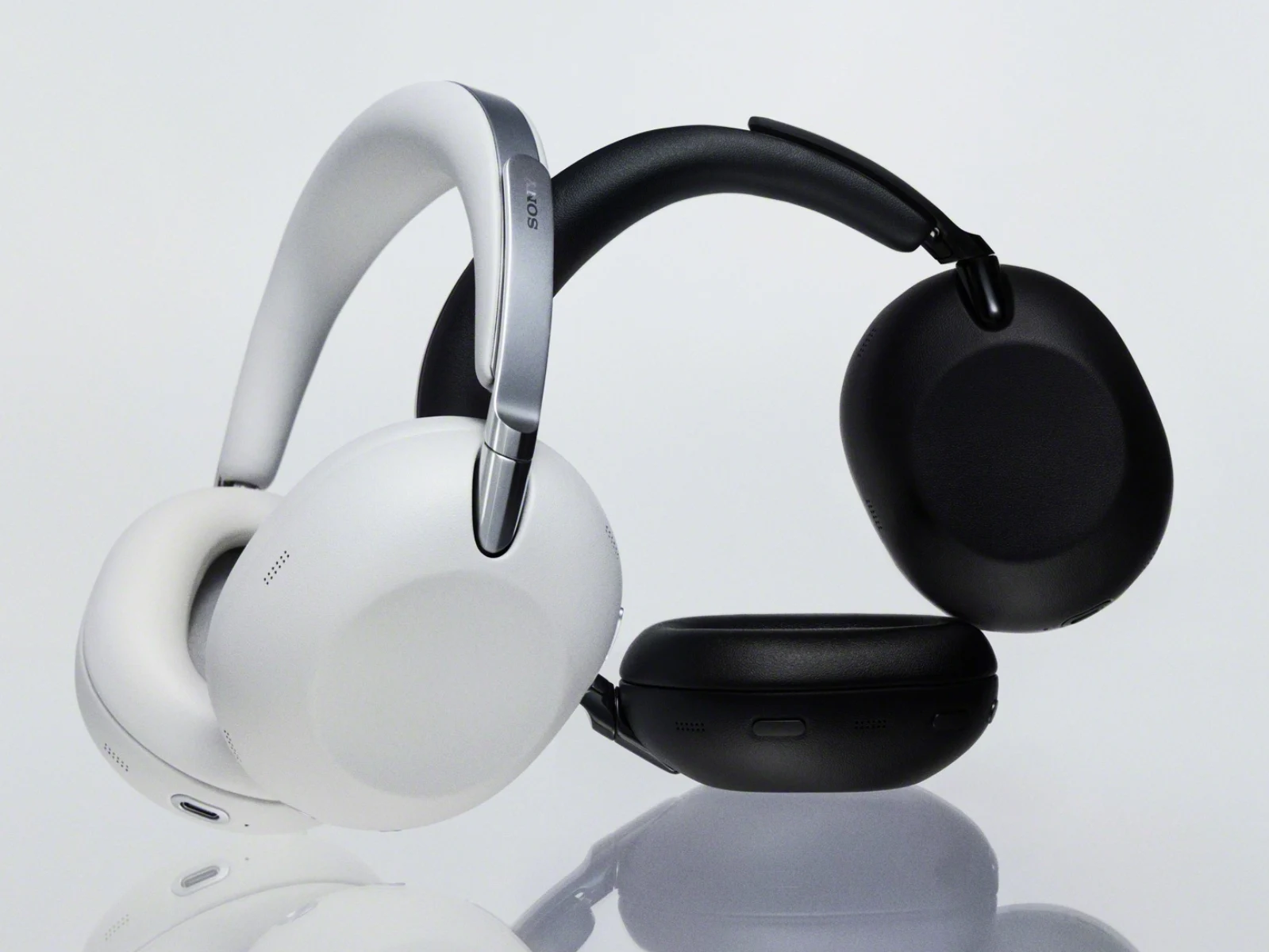
    Sony has finally unveiled ‘1000X The Collexion’ globally. Billed as a more premium addition to its WH-1000X lineup, The ColleXion marks the tenth anniversary of the series since the MDR-1000X debuted in 2016. Accordingly, Sony also refers to headphones as the WH-1000XX. The wording here keeps the focus on nostalgia while promising a refined experience for audiophiles and casual listeners alike.

    Technical highlights and design choices described

    Moreover, the new headphones contain a pair of 30 mm drivers that use a unidirectional carbon composite dome to deliver more detailed high-frequency reproduction and cleaner instrument separation than on the WH-1000XM6. On top of that, The Collexion supports DSEE Ultimate, three 360 Reality Audio Upmix modes and the same twelve-microphone array found in the WH-1000XM6. These specs emphasize enhanced sound fidelity and smarter audio processing, though real-world performance could vary with usage.

    Battery life and availability specifics

    Allegedly, The Collexion lasts up to 24 hours between charges, down from 30 hours for the WH-1000XM6. Sony is selling its new headphones for $649.99 in the US, CAD 849.99 in Canada, £549 in the UK and €629 in the Eurozone. This pricing places it squarely in the premium segment, with expectations of top-tier features and build quality that justify the higher price tag for many buyers.

    Market context and related notes

    Incidentally, The Collexion has been joined by a new Sandstone colourway of the WH-1000XM6 (curr. $398 on Amazon), full details of which we have covered separately. Such color options often appeal to buyers who want a distinct style without waiting for a refresh, while keeping the core experience consistent across models.

    Sources