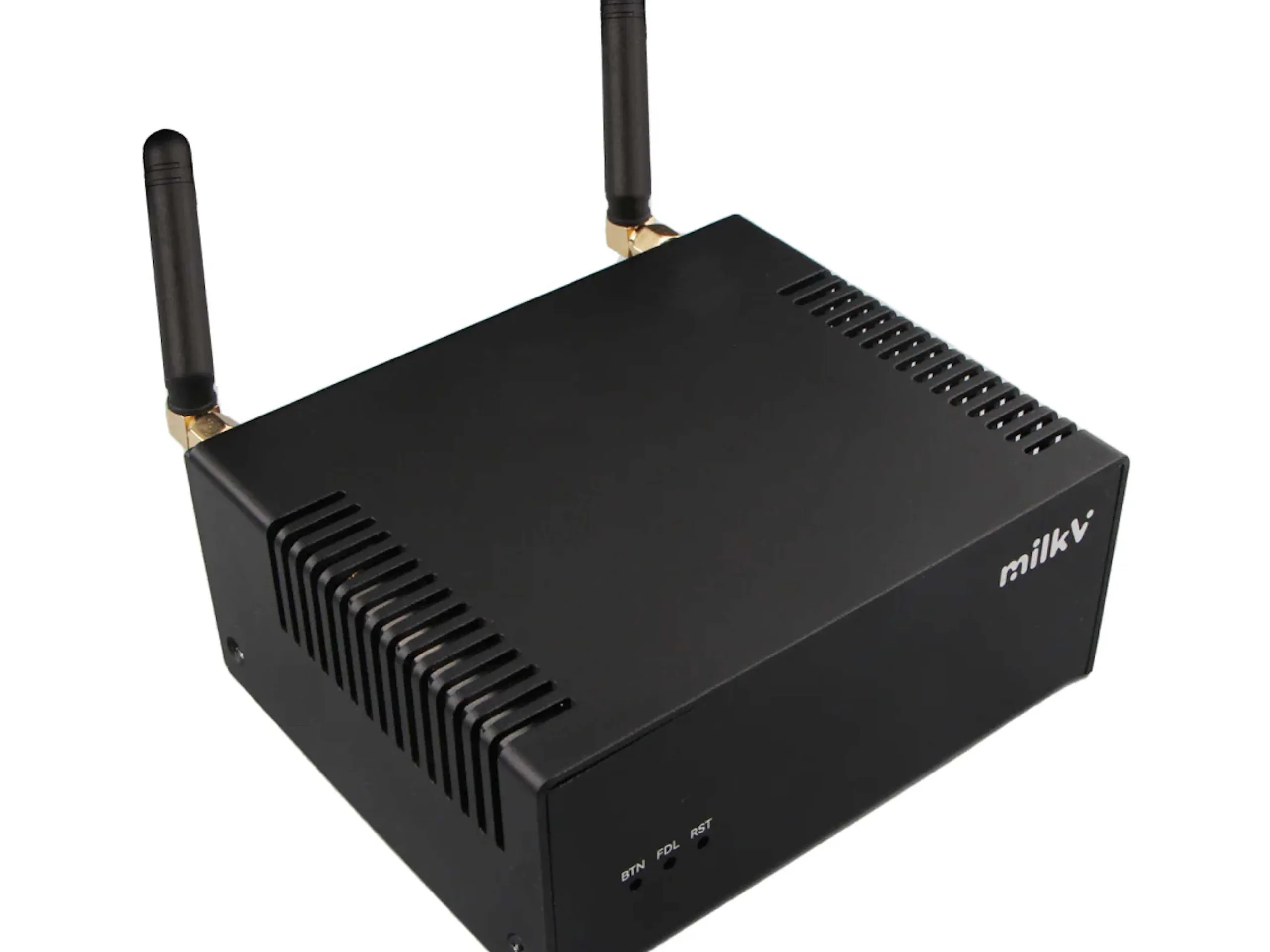
– Robust developer-focused mini PC with AI capability: Spacemit K3 SoC (eight A100 cores) offering up to 60 TOPS AI performance and RVA23 support, suitable for local AI workloads.
– Strong connectivity and expansion: SFP+ 10 Gbps, Gigabit Ethernet, WiFi 6, Bluetooth 5.2, UFS, M.2 2280 SSD over PCIe 3.0 x4, USB-C with 4K60 DP Alt Mode, and optional cellular module.
– Flexible display and power options: eDP 2.5K@90Hz, USB-C DP Alt Mode 4K60, USB PD or 12V with ATX pins; Fedora and Ubuntu 26.04 supported.
Overview
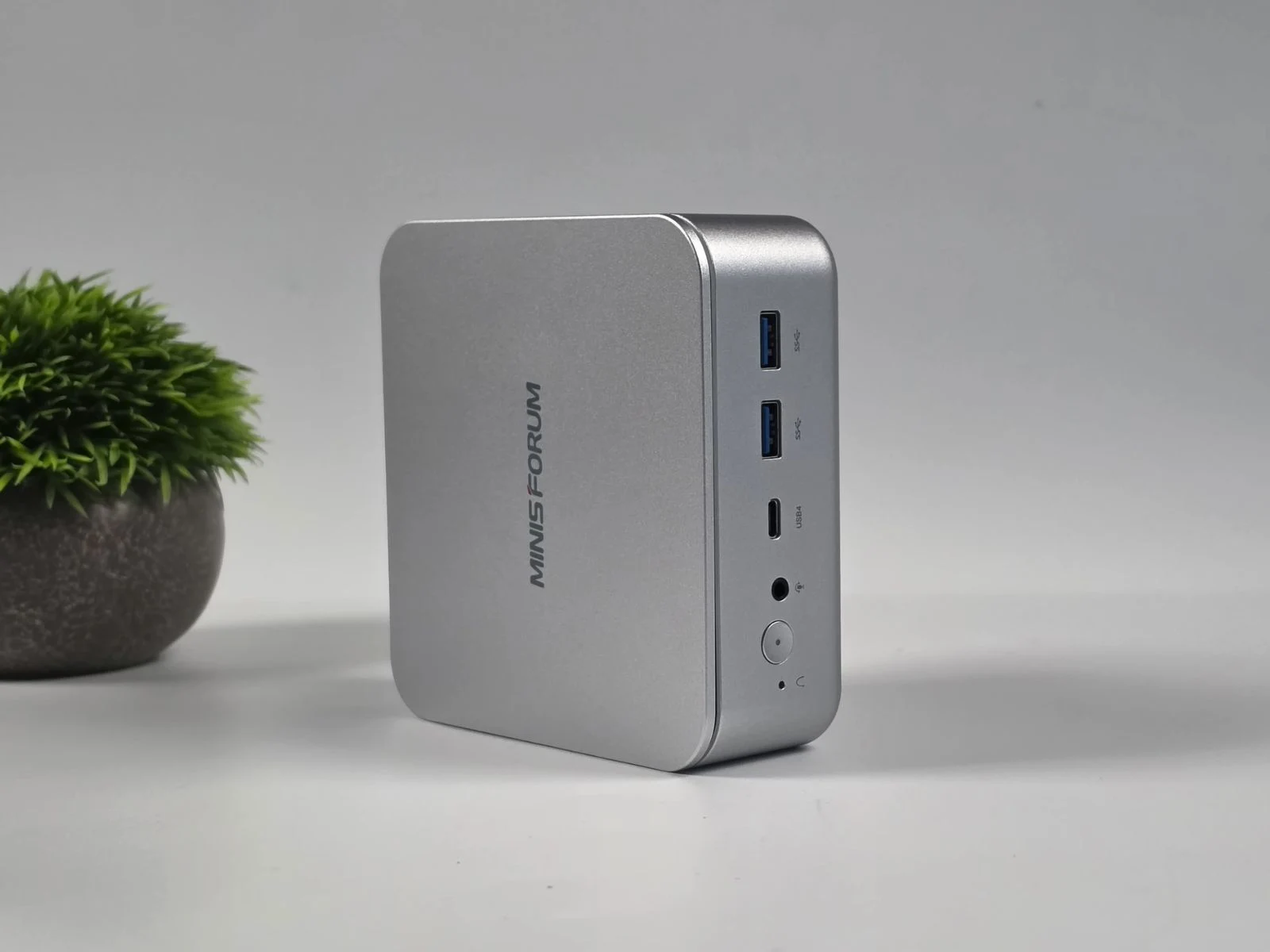
The Jupiter2 is a new mini PC from Milk-V. It is currently available for pre-order from Arace for $300. Customers will therefore still need some patience. “Customers” is already a useful keyword here, since this is unlikely to be a system for typical consumers and is instead more of a developer platform for the RISC-V architecture.
Processor and AI
The SoC is a Spacemit K3, which has eight A100 compute cores. AI performance is listed at up to 60 TOPS, which means AI applications should also be able to run locally. The SoC supports the RVA23 instruction set.
Networking and storage
The configuration is fairly solid, and the networking in particular is very strong. SFP+ supports network connectivity at up to 10 Gbps, which means roughly 1.2GB can be transferred per second. Gigabit Ethernet is also included, while WiFi 6 and Bluetooth 5.2 are supported as well. UFS storage can be used, and an M.2 2280 SSD can be installed. It is connected via four PCIe 3.0 lanes.
Ports and expansion
There is an eDP port that can output 2.5K content at up to 90Hz. There is also a USB-C port, which supports 4K60 output via DisplayPort Alt Mode. A SIM card slot is available, and a cellular module can be added later. The system offers two USB 3.2 Gen 1 ports in USB-C form and four USB 2.0 Type-A ports. Power can be supplied via USB PD or 12 volts, in which case two ATX pins are used. Fedora and Ubuntu 26.04 are also supported as operating systems.
Arace, Milk-V