Category: All News

  • Mageia 10 RC1: New Artwork, Screensavers, and Updates

    Mageia 10 RC1: New Artwork, Screensavers, and Updates

    Key Takeaway

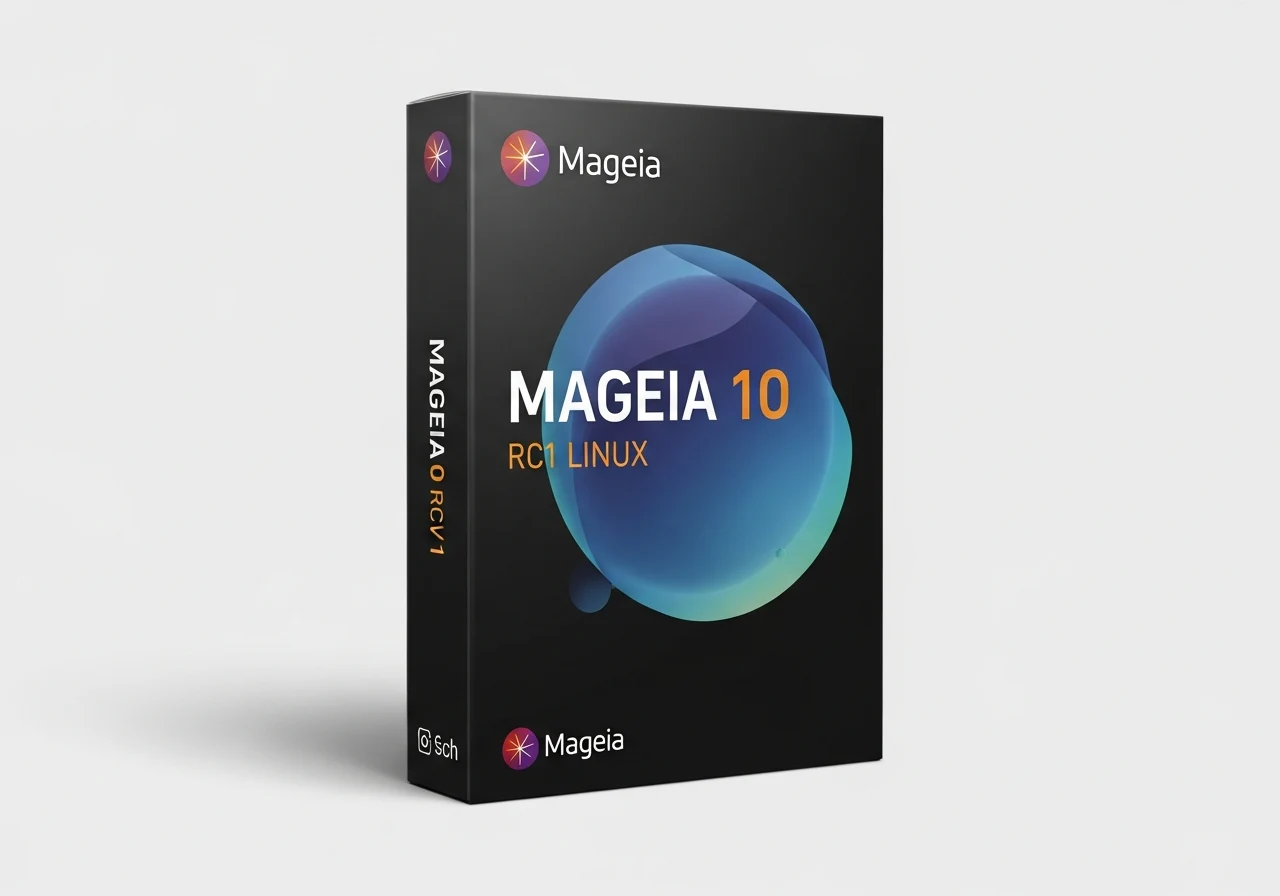
    – Mageia 10 RC1 is available in multiple ISO options (full 5.6 GB, and live images for Plasma, GNOME, and Xfce ~4.5–5.1 GB).
    – Stable Mageia 10 is not released yet; users should check the Mageia 10 Errata before testing.
    – The RC1 edition runs well on ~1.2 GB memory and includes updated apps, packages, and new artwork; post-build updates/fixes were applied to some packages.
    – Testers are urged to report undocumented issues via Bugzilla.


    Mageia 10 RC1 lands in three ISO variants beyond the full size, which weighs in at 5.6 GB, and the live flavors include Plasma, GNOME, and Xfce. The approximate sizes for these three live images are about 5.1 GB, 4.8 GB, and 4.5 GB respectively, to give you a rough idea. Since the stable Mageia 10 release is still ahead, those who wish to test this build should first check the Mageia 10 Errata before proceeding.

    Overview and early impressions

    The RC1 release runs reasonably smooth, using around 1.2 GB of memory during a brief hands-on period, and it performed quite well overall. The official blog post mentions new artwork and a lengthy list of updated apps and packages, signaling ongoing polish and enhancements. The atmosphere around this release is cautiously optimistic, with users eager to see how the final product shapes up.

    Updates and packages

    Following the ISO build, some packages received additional updates and fixes. These updates cover various components and code areas, reflecting ongoing maintenance and refinement in preparation for the eventual stable release. The release notes point to a number of improvements, although not every change is itemized in detail here.

    Bug reporting and community feedback

    Testers are encouraged to report issues that aren’t documented in the referenced page (see the link at the end of the first paragraph) via Bugzilla. This pathway helps collate user experiences, reproduce problems, and track resolutions as Mageia 10 moves toward finalization. Community participation remains a key part of the RC1 lifecycle.

    Mageia Blog (English)

    Sources

  • First IRL Images of Trump Phone T1 Controversial Smartphone

    First IRL Images of Trump Phone T1 Controversial Smartphone

    Key Takeaway

    – The Trump Mobile T1 is a rebranded HTC U24 Pro with mid-range specs, including a Snapdragon 7 Gen 3, 6.78″ AMOLED, 50 MP main cam, 512 GB storage, 5,000 mAh battery, 30 W charging, and a 3.5 mm jack, priced at $499.
    – Shipping has begun for select outlets (NBC News among first), with pre-orders largely fulfilled within weeks; ~590k deposits were made ahead of launch.
    – Design cues include a gold back with triple-camera array and engraved American flag, a black “Trump Mobile” box, and preloaded Truth Social alongside Google apps.
    – The device features a 6.78″ punch-hole AMOLED display, a gold-accent rear finish, and branding on the lock screen and rear panel.
    – The official ship date and branding emphasize “Proudly Assembled in USA” and a limited rollout to media channels as parts of a staged launch.


    Trump Mobile T1 begins shipping to select media outlets

    Reports indicate that the Trump Mobile T1 has started shipping to certain media outfits, with NBC News securing one of the initial devices. The circulating hands-on photos offer the clearest glimpse yet at this contentious smartphone, and the visuals show a device crafted with a bold aesthetic that’s meant to stand out in a crowded market. There are observations about the packaging and the overall presentation that are being debated among observers and enthusiasts alike.

    Unboxing and design details

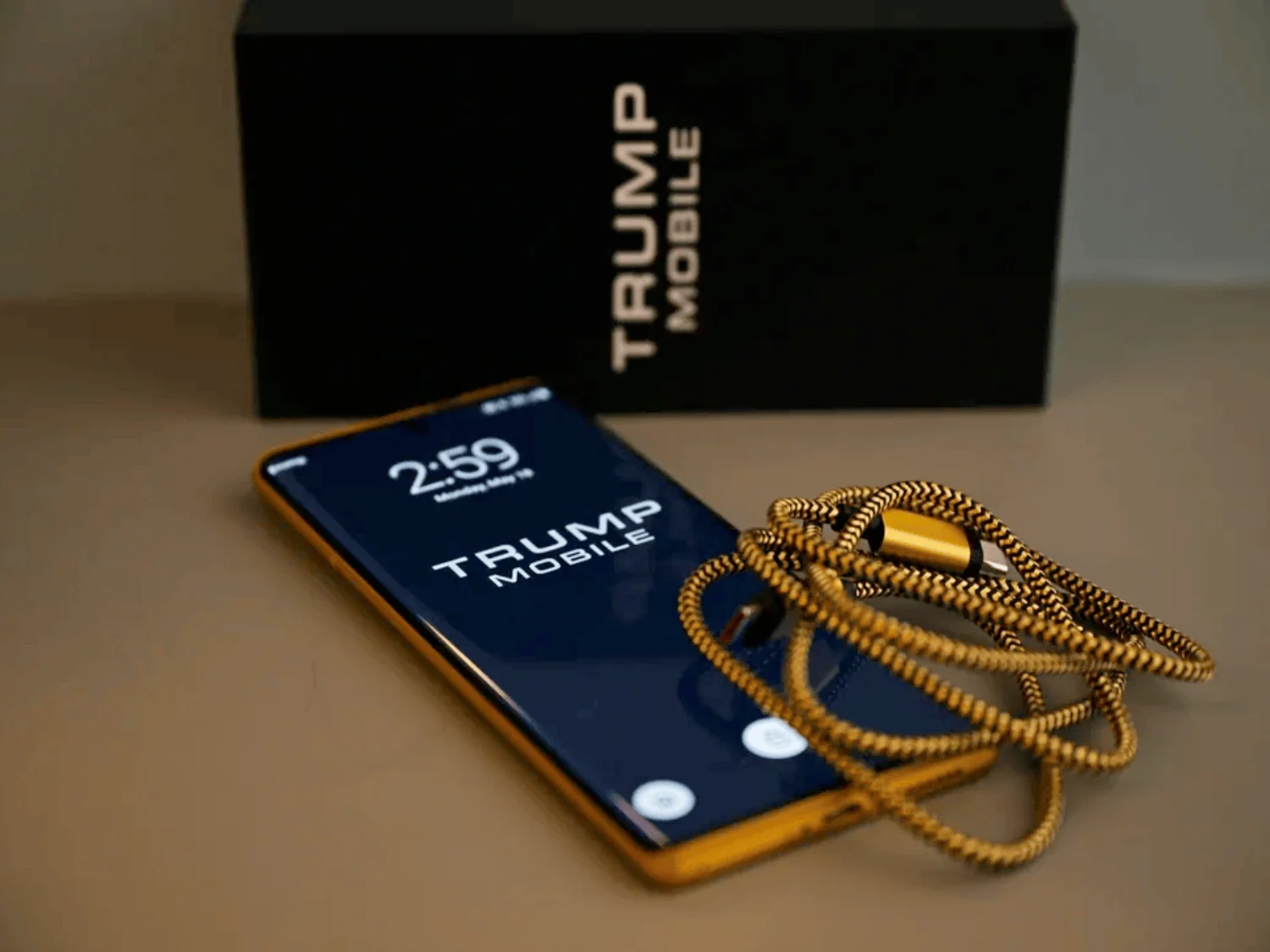
    Inside the black box labeled Trump Mobile, the T1 sits beside a gold braided charging cable. The front of the phone features a punch-hole AMOLED display with slim bezels, while the lock screen proudly displays Trump Mobile branding. On the back, a gold finish hosts a triple-camera array with ring accents, the Trump Mobile logo, and an engraved American flag. Notably, the flag on the rear panel shows 11 stripes, where the standard U.S. flag normally has 13, which has sparked discussions about accuracy and symbolism.

    Software and preloads

    The app drawer reveals Truth Social preinstalled alongside standard Google apps such as Chrome, YouTube, Gmail, and the Play Store. The packaging reiterates a military-style message by reading Proudly Assembled in USA, a phrasing that resonates with supporters and detractors in equal measure. While the device ships with familiar software, the inclusion of Truth Social is a framing choice that shapes initial user impressions and potential usage patterns.

    Specifications and pricing

    Earlier identifications describe the T1 as a rebranded HTC U24 Pro, a mid-range handset that originally launched in 2024. Confirmed hardware includes a Snapdragon 7 Gen 3 chipset, a 6.78-inch AMOLED display, a 50 MP main camera, 512 GB of storage, a 5,000 mAh battery with 30 W charging, and a 3.5 mm headphone jack. The retail price is listed at $499, a figure that sits within mid-range territory for devices with similar specs, though market positioning will likely influence perceived value given the branding and preloaded apps.

    Launch timeline and deposits

    The T1 was first announced in June 2025 with an anticipated ship date in August 2025. About 590,000 customers placed $100 deposits ahead of the launch, signaling strong interest and significant expectations for the product. Shipments began in the week of May 13, 2026, with statements from Trump Mobile asserting that all pre-orders would be fulfilled within a few weeks, a promise that has implications for availability and customer satisfaction as the rollout continues.

    Current reception and context

    The release and early hands-on material have reignited conversations about the device’s branding, design choices, and potential market impact. While some admire the bold aesthetics and familiar hardware under the hood, others question the strategic value of the preloaded app selection and the messaging used in the packaging. As more units and opinions surface, the T1’s reception will likely hinge on real-world performance, software experiences, and ongoing supply timelines.


    Sources

  • Boox Poke 7 and Poke 7 Pro E Ink Readers Redesign Preview

    Boox Poke 7 and Poke 7 Pro E Ink Readers Redesign Preview

    Key Takeaway

    – Poke 7 and Poke 7 Pro share a similar design with a 6-inch, 300 ppi monochrome display and an upgraded front light, both using tempered glass.
    – The devices run Android 11; Poke 7 has 2GB RAM while Poke 7 Pro has 3GB RAM, with 32GB of base storage and support for up to 2TB via microSD.
    – Both models use an unnamed Qualcomm octa-core processor, share the same 1,500mAh battery, thickness (6.7mm), and weight (165g); Poke 7 Pro is priced higher and, at launch, White-only.


    Boox Unveils Poke 7 Series A Day Early

    the first thing that jumps out is that the Poke 7 series isn’t supposed to launch until May 21, yet Boox has decided to unveil the new ereaders a day early. this introduction marks a shift in how they present the lineup, especially since the newer generation now sits alongside the Poke 6 and a cheaper Poke 6s in past wording. readers should note that the timing is unusual and potentially strategic.

    Device lineup and shared design

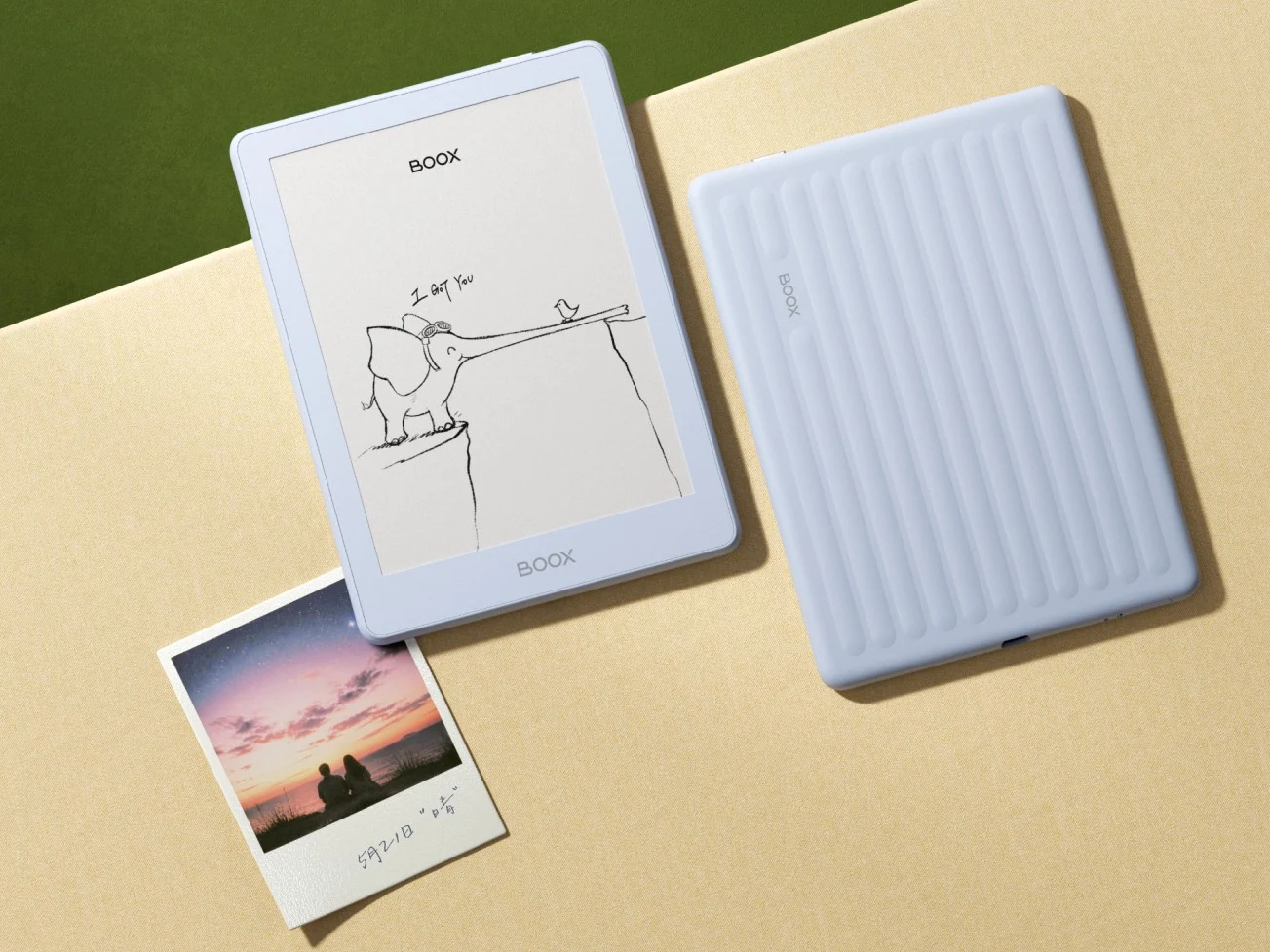
    the Poke 7 and Poke 7 Pro share several features and can even pass for the same device as they have an identical design, which could confuse buyers who expect distinct silhouettes. both ereaders showcase a 6-inch monochrome display at 300 ppi with an improved front light, and the display remains flush under tempered glass, signaling a premium feel despite the grayscale tech.

    internals and storage

    boox says the two devices are powered by an unnamed Qualcomm octa-core processor, though specifics werent disclosed, and while the standard Poke 7 comes with 2GB of RAM, the Poke 7 Pro steps up to 3GB. both units pack 32GB of storage and support microSD expansion up to 2TB via a card slot at the bottom, offering plenty of room for libraries and documents.

    Software and hardware measurements

    the Poke 7 and Poke 7 Pro ship with Android 11 out of the box, mirroring their predecessors, which might influence app compatibility and performance expectations. in terms of size, they share the same 1,500mAh battery capacity, thickness of 6.7mm, and weight of 165g, suggesting similar ergonomics and daily handling for long reading sessions.

    pricing, colors, and launch caveats

    the Boox Poke 7 is priced at ¥1199 (~$176/€152) with color options in Blue, White, and Sand, while the Poke 7 Pro costs ¥1399 (~$205/€177) and is available in White only. product listings on the Boox site indicate buyers who order either model will receive a free case and a stand, though prices shown on those pages currently appear as placeholders. until the official May 21 release, there’s potential for listing corrections.

  • Nothing CMF Phone 3 Pro: Affordable 50 MP Tele Camera Smartphone Q3 Launch

    Nothing CMF Phone 3 Pro: Affordable 50 MP Tele Camera Smartphone Q3 Launch

    Key Takeaway

    – CMF Phone 3 Pro expected in Aug/Sep 2025, with an affordable Nothing Phone launching beforehand.
    – Upgrades: Snapdragon 7s Gen 4, 5,400 mAh battery, 45W fast charging, improved power efficiency.
    – Camera boost: 50 MP telephoto + 50 MP main + 8 MP ultra-wide; flat 120 Hz OLED display, stereo speakers, 16 MP selfie camera; plastic frame.


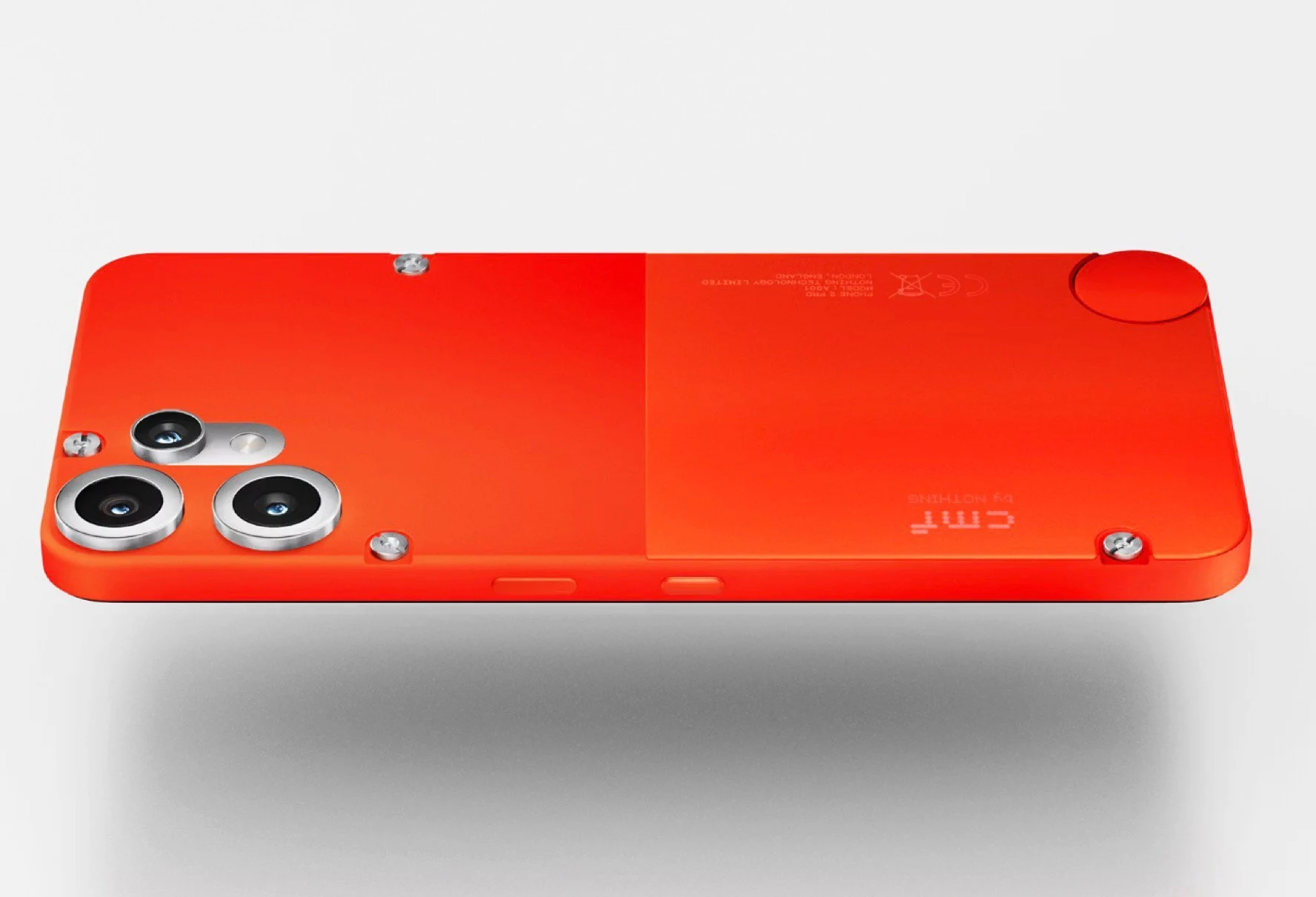
    Nothing is said to be taking a little longer than previously expected until the launch of the CMF Phone 3 Pro. After CMF Phone 2 Pro appeared in May 2025, rumors swirl about what is next, with a mid-range target and a more affordable model unveiled earlier. The latest whispers place the new launch around August or September, though details remain scarce.

    Speculations on the CMF Phone 3 Pro’s Core

    Speculation, as fed by leaks, centers on a Snapdragon 7s Gen 4 replacing the Dimensity 7300 Pro, promising around a 10 percent uplift in CPU speed. Additionally, the quad-core configuration includes four Cortex-A720 performance cores and four Cortex-A520 efficiency cores, which is expected to help with power efficiency. Battery capacity is rumored to grow from 5,000 mAh to about 5,400 mAh, and charging could reach up to 45 watts, marking a notable upgrade in charging speed for this line.

    Display and Imaging Flair

    As with prior Nothing devices, the CMF Phone 3 Pro is anticipated to come with a flat 120 Hz OLED panel, paired with stereo speakers and a 16 MP selfie camera. On the rear, the camera setup is unusually ambitious for its class: a 50 MP telephoto lens, a 50 MP main sensor, and an 8 MP ultra-wide-angle shooter. Yet, there is conflicting chatter about build materials, with one source claiming a plastic frame rather than a metal one, which would deviate from some expectations for a premium mid-range device.

    Uncertain Details Ahead

    Alongside the core specs, leaker chatter suggests an even more approachable Nothing Phone could arrive before the CMF Phone 3 Pro, but the specifics remain under wraps. The overall narrative hints at a strategy of staggered releases, balancing more accessible options with the higher-end mid-range model. Until official confirmation lands, readers should temper expectations about exact configurations and pricing.

    Sources
  • Ayaneo Horizontal handheld: cheaper alternative to Pocket Mini Classic

    Ayaneo Horizontal handheld: cheaper alternative to Pocket Mini Classic

    Key Takeaway

    – Ayaneo is allegedly developing multiple handhelds beyond the Pocket Block, including a horizontal variant and a cheaper vertical option.
    – The new devices may use a 4:3 120 Hz display and a cheaper plastic shell, positioning them as alternatives to Pocket Micro/Classic.
    – A May 21 sharing session is announced for official reveals, with branding cues like Bitwave and Retro Power appearing in leaks.


    Ayaneo reportedly expanding its line with new handheld forms, including a vertical Pocket Block and a horizontal variant. The leaks suggest the Pocket Block could be a cheaper option compared to the Pocket Vert, which currently lists around 369 on major retailers. There’s chatter that Ayaneo is cooking up more than just that model, hinting at additional devices in the works.

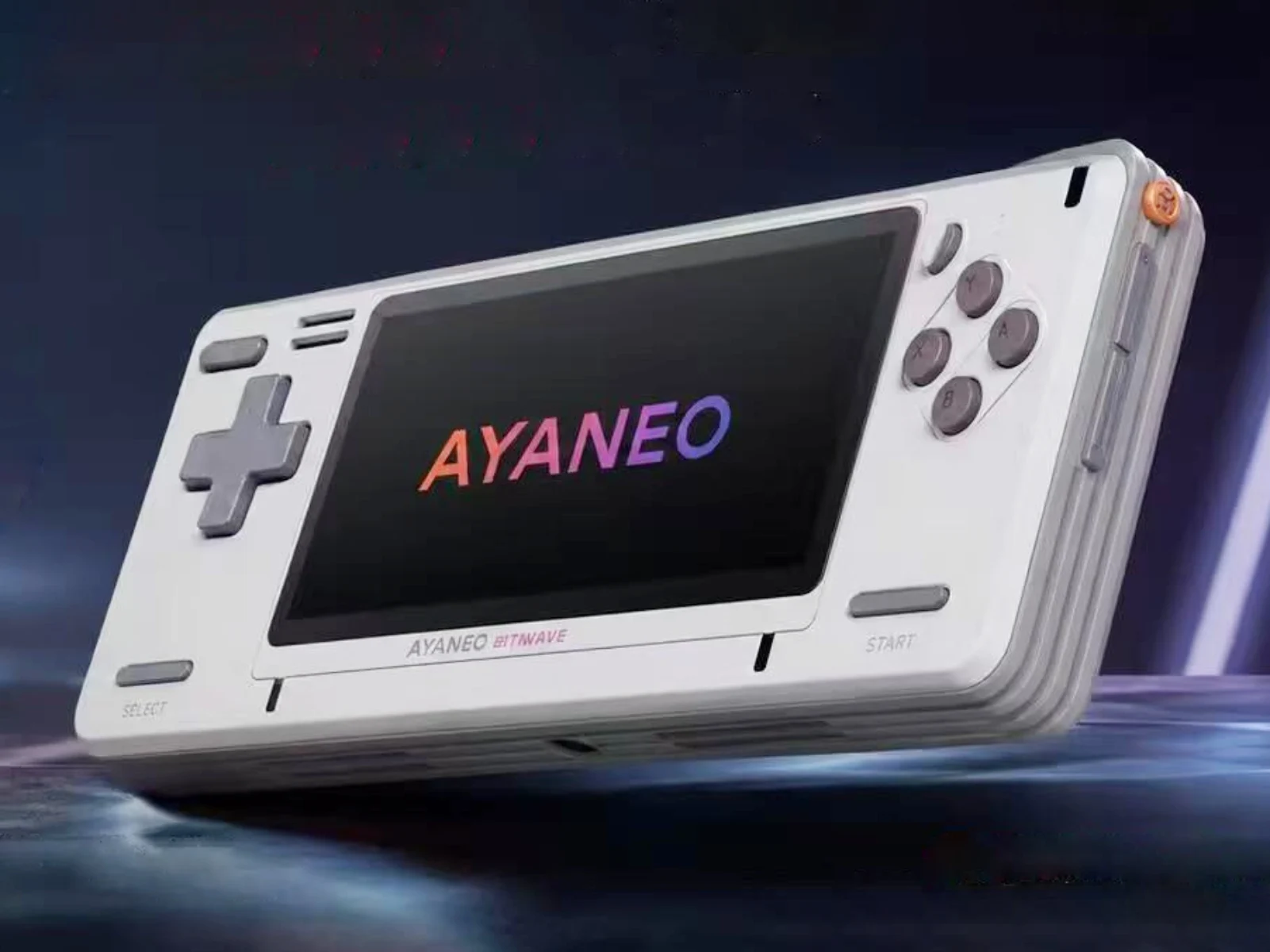
    Ayaneo has also shown indicators of a horizontal alternative to the Pocket Block, and the imagery includes the Bitwave branding alongside Retro Power marks. These tags are familiar from Ayaneo’s catalog across handhelds and accessories, reinforcing the company’s branding ethos. The visuals imply a broader strategy beyond a single device line, potentially signaling multiple launches.

    Footnotes in the leaked material point to a 120 Hz display with a 4:3 aspect ratio, though one control button near the ABXY cluster appears altered in the image. This raises questions about the legitimacy of the render and the final hardware design. If genuine, the shell material seems to lean toward plastic, which would position the device as a more affordable alternative to the Pocket Micro and Pocket Micro Classic, both of which sport glass fronts and metal chassis. A formal reveal was tentatively planned for May 21 during an official session.


  • Sony confirms Wolverine-focused State of Play event

    Sony confirms Wolverine-focused State of Play event

    Key Takeaway

    – Marvel’s Wolverine State of Play set for June 2 with a 60+ minute showcase, potentially revealing more gameplay and other projects.
    – Expect updates on other Sony projects (Insomniac’s Venom, Naughty Dog’s Intergalactic: The Heretic Prophet) and possibly more from first/third-party titles.
    – The event could hint at GTA 6 marketing/pre-orders due to Sony’s quasi-exclusivity deal with Rockstar, signaling a broader reveal window.


    Marvel’s Wolverine Update and the Upcoming State of Play

    With Saros finally out and about, the only major PlayStation exclusive due to drop this year is the highly anticipated Marvel’s Wolverine. While Sony has officially confirmed the game will be playable on September 15, the company hasn’t shown much gameplay. That is set to change on June 2.

    A New State of Play Details

    A new Marvel’s Wolverine-focused State of Play will be broadcast on 14:00 PT/23:00 CEST via Sony’s Twitch/YouTube channels. If you’re impatient, footage of Wolverine already exists thanks to the efforts of some hackers bringing the game to PC well before its PS5 debut. And of course, the hope for a Bloodborne remake/remaster remains eternal.

    What to Expect From the Showcase

    The showcase is said to be over sixty minutes long, meaning we might get a glimpse at numerous other first and third-party projects that Sony is cooking up. Insomniac’s other Marvel game, Venom, is long overdue for a teaser and it would be nice if it got some airtime. Naughty Dog’s ambitious project, Intergalactic: The Heretic Prophet, is likely to get a spot, but Sony will probably have another State of Play dedicated to it.

    Sony’s State of Play Timing and Speculation

    Sony usually announces a State of Play a few days before launch. The two-week hiatus indicates something big might be shown off. Could that be GTA 6? Not entirely implausible because of Sony’s quasi-exclusivity deal with Rockstar Games when it comes to GTA VI marketing. It would be as good a time as any to open up pre-orders.

    Sony

    Sources
  • Baseus 3-in-1 Power Bank with Long Integrated USB-C Cable

    Baseus 3-in-1 Power Bank with Long Integrated USB-C Cable

    Key Takeaway

    – 3-in-1 design powers three devices simultaneously (1 USB-C, 1 USB-A, plus integrated cable) with a max 67W output.
    – Dual-cable setup: retractable USB-C cable (not detachable, 72 cm) and a detachable Type-C lanyard-style cable (20 cm) for versatility.
    – PowerSense NFC app integration with an LED display for battery/status, but no built-in smart screen.


    Overview of the Baseus SuperCharge Pro 3-in-1

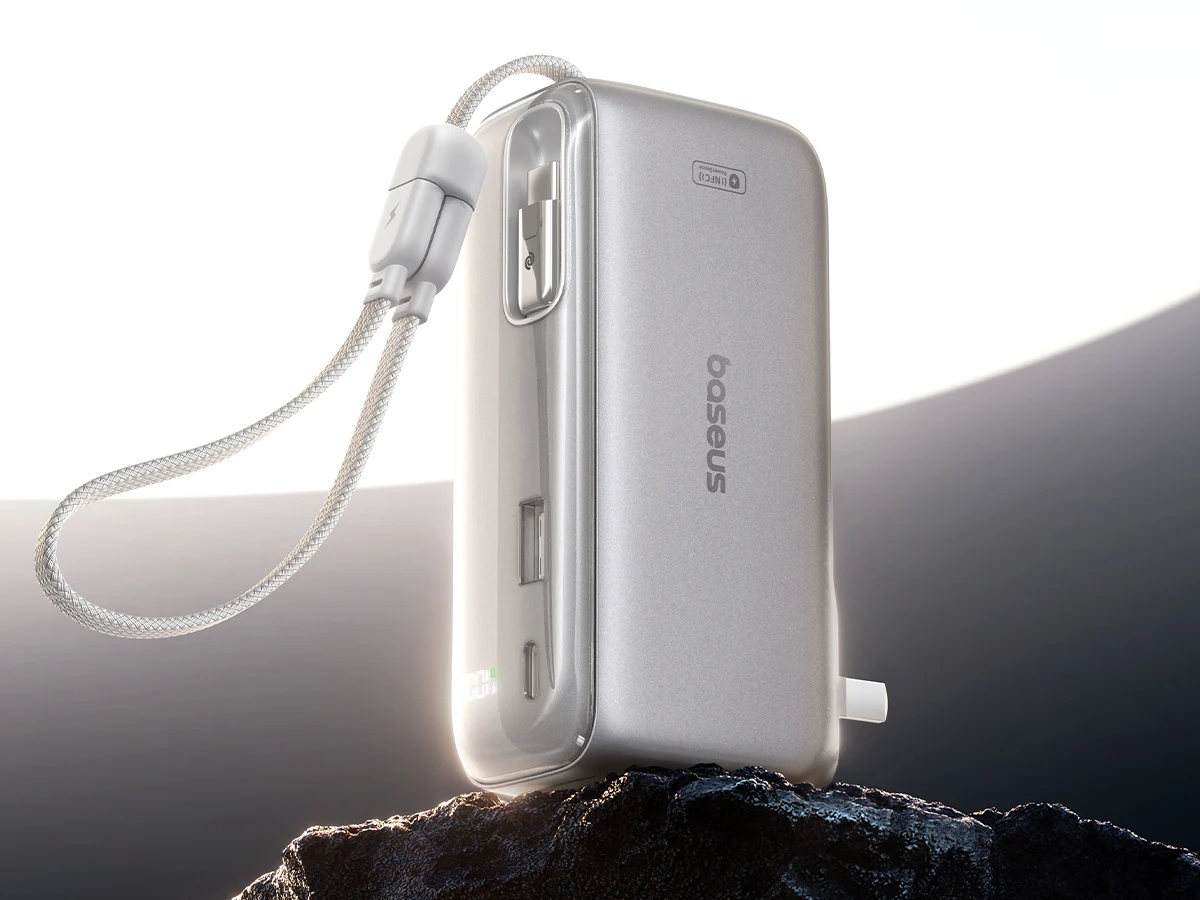
    This portable charger from Baseus is pitched as a versatile compact power source for multiple devices, combining a retractable USB-C cable and a detachable Type-C cable that doubles as a lanyard loop. The description stresses its dual-cable concept and practical design choices, though some details may feel incremental rather than revolutionary. The device is positioned to cater to users who want a single unit capable of powering smartphones, tablets, and even laptops under certain conditions, while keeping portability in mind.

    Cable design and flexibility

    The product emphasizes a retractable USB-C cable that is not detachable and spans 72cm (about 28.3 inches) in length, plus a second Type-C cable that can be detached completely and used as a standard Type-C wire measuring 20cm (about 7.87 inches). This arrangement aims to offer convenient reach and modularity, allowing for different usage scenarios, such as travel or on-the-go charging without carrying extra cords. The write‑up notes how the detachable loop feature can function like a lanyard, potentially aiding in portability and quick access.

    Charging capabilities and specs

    With integrated USB-C, one USB Type-A port, and a second Type-C port, the Baseus SuperCharge Pro 3-in-1 is designed to charge up to three devices simultaneously. The system supports multiple charging protocols including PD, PPS, QC, and AFC, which broadens compatibility across devices ranging from smartphones to laptops. A key caveat mentioned is the 67W maximum output rating, which implies that while it can handle several devices at once, total peak power is limited and may throttle under heavier loads or when used with power-hungry laptops.

    PowerSense features and display

    The device highlights PowerSense NFC, a feature claimed to let users check the overall status of the power bank via a companion smartphone app. Unlike some rivals, there is no separate built-in smart display on the unit; instead, a small LED indicator provides basic information such as the internal battery percentage and current status, serving as a minimal at-a-glance readout.

    Capacity, safety, and form factor

    Equipped with a 10,000mAh rated capacity, the Baseus SuperCharge Pro 3-in-1 is intended to replenish most smartphones more than once on a single charge, depending on device power needs. The manufacturer states that protection features are in place to ensure stable charging under varying conditions, which likely covers common safety checks such as short-circuit and overcharge protections, though exact specifications aren’t spelled out in detail here.

    Pricing and availability

    In its Chinese launch, the Baseus SuperCharge Pro 3-in-1—also referred to as the PicoGo AT31—carried a price tag of CNY 345, roughly $51, with expectations for a global release to follow. For consumers seeking similar multi-connector power banks outside China, alternatives like the Ugreen 3-in-1 65W are already present in markets beyond China, with current pricing noted around $54.99 on Amazon. These pricing cues place the Baseus model in an accessible mid-range segment for portable charging fans.


    Sources

  • Nothing Phone (4a): More Personalized with Nothing Playground

    Nothing Phone (4a): More Personalized with Nothing Playground

    Key Takeaway

    – Nothing Playground personalizes the experience: expanded Glyph LEDs, customizable light patterns, and playful visual cues turn the Phone (4a) into a more interactive, emotional device beyond typical Android skins.
    – Focus on minimalism and control: minimalist widgets, simple menus, monochrome elements, and reduced sensory overload create a calmer, more intentional user experience.
    – Software-driven differentiation: the ecosystem and design philosophy—more than hardware—shape how users interact, making the device feel unique and creative rather than just mid-range specs.


    Nothing Phone (4a): a playful software-first philosophy

    With this device, Nothing keeps its quirky path in the smartphone world, and it shows in a brighter 120Hz OLED screen, a speedy Snapdragon 7s Gen 4 processor, and a notably capable periscope zoom cam. Yet, its real distinctiveness isn’t just the hardware; it’s how the whole experience feels under the hood. This is exactly where the so-called Nothing Playground comes into play.

    Creative software as the draw

    The Phone (4a) acts like a doorway into Nothing’s bespoke software and design world. While plenty of Android makers chase ultra-similar user interfaces, Nothing chooses a far more individualized route. Playground is the embodiment of making phones more personal, playful, and emotional again. Users aren’t just meant to use their device, but to actively shape and feel it.

    The glyphs that blink with intent

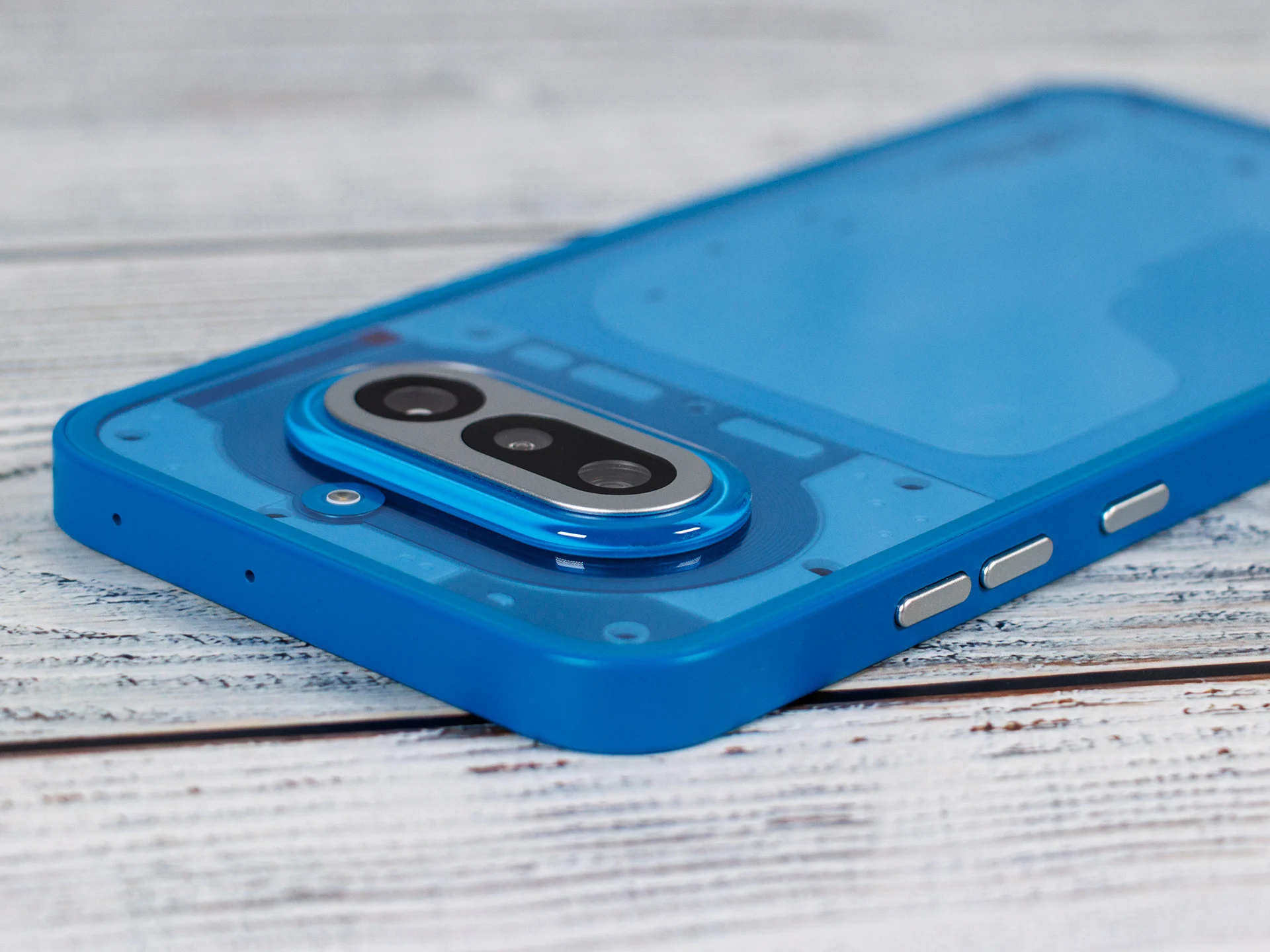
    The focus centers on the familiar Glyph LEDs on the back. On the Nothing Phone (4a), these LEDs are expanded and can be set up more deeply than before. Through Playground, you can tune various light patterns, notification profiles, or visual cues. For instance, the phone can flash for new messages, display timers visually, or signal that recording is happening through special light animations. It creates a unique form of interaction that stands apart from conventional Android devices.

    More than just lights

    But Playground goes further. Nothing leans into minimalist widgets, customizable interfaces, and tiny design experiments meant to make the device feel more purposeful and less cluttered. The aim is to curb the constant sensory onslaught of modern phones and instead craft a clearer, calmer user experience. The clean Nothing OS backs this with simple menus, monochrome elements, and unusually smooth operation.

    In sum, the Nothing Phone (4a) shows how software and design can shape today’s user experience more strongly than hardware alone. Technically, the gadget offers solid mid-range punch, a decent camera, solid battery life, and a up-to-date display. Yet it truly comes alive through Nothing Playground, turning the phone from a everyday tool into a substantially more personalized and creative stage. This is what sets Nothing apart from many other Android makers.

    Sources
    • OpenBSD 7.9 Security Focus: Scheduling Improvements and More

      OpenBSD 7.9 Security Focus: Scheduling Improvements and More

      Key Takeaway

      – OpenBSD 7.9 is the 60th release, adding updates across supported platforms and introducing the new “Diamond in the Rough” song as the first since 7.3.
      – Pre-built packages are available for multiple architectures, including updated GNOME, Chromium, Firefox/Firefox ESR, Python, Sudo, and Xfce versions.
      – The floppy disk remains a boot option, illustrating continued legacy hardware support.


      OpenBSD 7.9 is here as the 60th release of this open-source, security-focused operating system

      OpenBSD 7.9 arrives with a new refresh that introduces a fresh song and a broad array of changes across the multiple platforms it supports. The “Diamond in the Rough” track marks the first new audio since “The Wizard and the Fish” paired with the 7.3 release. Since version 3.0 this tradition has continued, and to date, three audio CDs have been produced with roughly five songs per, though now we shift toward the 7.9 edition itself.

      In addition to the above, many pre-built packages for each architecture are available

      Beyond the core system updates, a variety of pre-built packages for different architectures are provided. Notable inclusions in the package lineup include GNOME 49, Chromium 147.0.7727.101, Mozilla Firefox 150.0 along with ESR 140.10.0, Sudo 1.9.17p2, Python 2.7.18 and 3.13.13, and Xfce 4.20.0, among others. This release also notes that the floppy disk remains a boot option in modern setups, underscoring the system’s compatibility with legacy hardware while pushing forward with current tech.

      OpenBSD 7.9 highlights and platform portability

      The release page lists several noteworthy items as highlights, with emphasis on improved security features and broader platform support. While the details span many areas, the overarching message is one of continued refinement and stability across the ecosystem. The document mentions additional changes across kernels, drivers, and userland tools designed to enhance everyday reliability for administrators and users alike.

      Sources
    • Pixel 11 and Pixel 11 Pro Glow LED Camera Design Revealed Before Launch

      Pixel 11 and Pixel 11 Pro Glow LED Camera Design Revealed Before Launch

      Key Takeaway

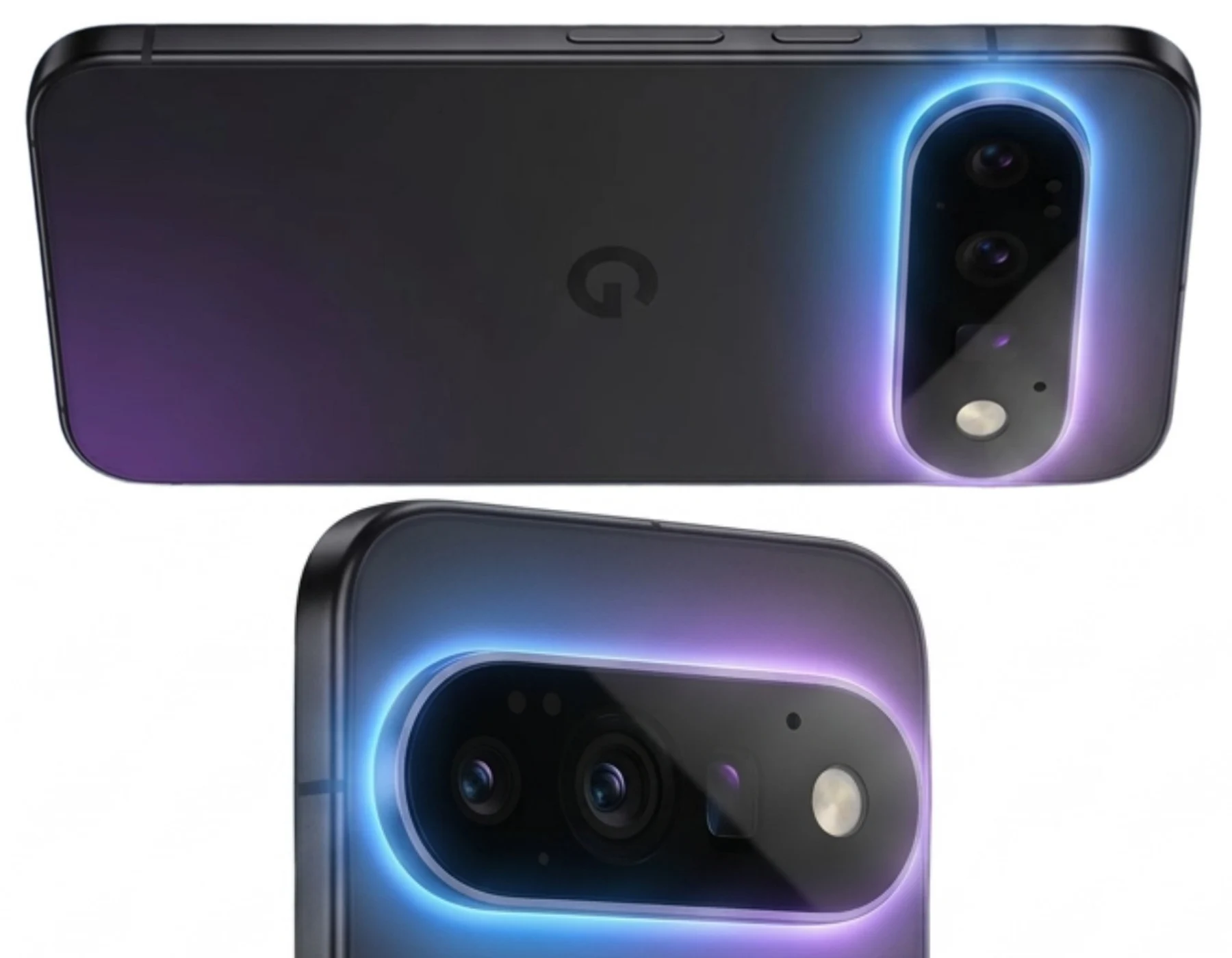
      – Pixel Glow appears to be a neon light ring around the camera housing that also functions as a notification LED when the phone is face-down.
      – It may be limited to the higher-end Pixel 11 Pro/Pro XL, with uncertainty about inclusion on the standard Pixel 11 or mid-range 11a.
      – Expected Pixel 11 series launch is in August 2026, per Google’s typical cycle.


      During a blink-and-you’ll-miss-it demo at Google I/O 2026, the tech giant seemingly revealed one of the rumored design elements of the Pixel 11 series, Pixel Glow. The first glimpse suggested a daring new mood in the line, with a glow that could redefine how people perceive the device’s face. It read like a teaser more than a confirmation, leaving enthusiasts buzzing about what might come next and how it would fit into Google’s broader hardware strategy.

      Neon Ring Feature

      There was an AI-edited video snippet that showcased a phone (presumably the upcoming Pixel 11 Pro) sporting a vibrant, neon-esque light ring around the camera housing, just like the rumored design upgrade we’ve covered before. The style was flashy, yet the practical purpose whispered through as a potential shift from plain camera islands to a living accent that could declare status or alert state with a simple glow, depending on settings and events. The tone of the clip suggested a staged demo, but it was enough to spark questions about execution and user customization.

      Beyond Just Aesthetics

      While the feature appears to be somewhat inspired by the aesthetic popularized by the Nothing Phone, Pixel Glow isn’t just about the cool design. Leaked Android screenshots suggest it will serve as a notification LED, allowing users to stay informed while the device is face-down, perfect for minimizing screen-time distractions without missing notifications. This concept could bring a tangible, at-a-glance cue that blends into the device’s silhouette rather than sticking out as a separate module.

      Who Gets It?

      It’s still unclear if the Pixel Glow camera light strip will remain exclusive to the premium Pixel 11 Pro and Pixel 11 Pro XL, or make its way onto the vanilla Pixel 11 and even the mid-range Pixel 11a. If Google sticks to its traditional release cycle, the Pixel 11 series is expected to officially debut in August 2026. The question of lineup allocation remains open, with fans watching closely for official confirmation and a detailed feature list to accompany pricing and availability specifics.

      Sources