Category: All News

  • Boox Note X6 ePaper Notebook Teased for May 27 Launch

    Boox Note X6 ePaper Notebook Teased for May 27 Launch

    Key Takeaway

    – Boox plans to launch the Note X6, a new Android-powered note-taking E Ink tablet, on May 27 as part of its Note series.
    – The X6 will be a successor to the Note X5 (Note X5 launched July 2025) and is expected to feature a monochrome display with stylus support and a powerful processor.
    – It may compete with the reMarkable Paper Pure and Amazon Kindle Scribe, and is anticipated to have a front light based on the X5 lineage.


    Boox Readies New Note X6 Android-powered E Ink Tablet

    Following the launch of the Poke 7 series, Boox has revealed it has another device scheduled for release later this month. Unlike the Poke 7 and Poke 7 Pro which are ereaders, this new device will launch under the Note series of Android-powered note-taking E Ink tablets. There must be some buzz about what this means for Boox’s lineup, though details are still scant and the public wait continues with a sense of anticipatory intrigue.

    Official Kickoff and Expected Specs

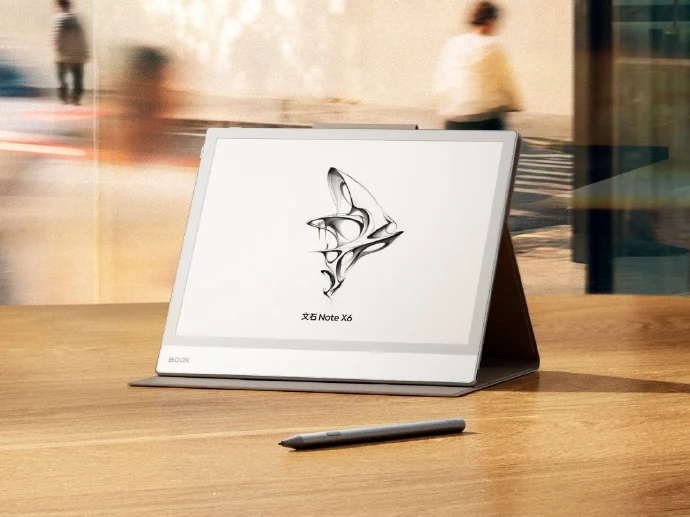
    The new device will launch as the Boox Note X6 on May 27, according to a post on Weibo. It will arrive as a successor to the Note X5 released in July 2025. The post also includes an image that shows the Note X6 will have a monochrome display and stylus support. There’s no info on the technical specifications, but Boox says the Note X6 will have a powerful chip. In the grand scheme of things, such hints suggest a focus on performance for note-taking and general Android tasks, albeit with the expected limitations of E Ink displays in more demanding apps.

    Rivals and Front Light Considerations

    There’s a chance the Boox Note X6 will be going up against devices such as the reMarkable Paper Pure and the Amazon Kindle Scribe without Front Light, although unlike its rivals, we expect it to have a front light since the previous generation has. This positioning could shape buyers’ decisions who value readability in varying lighting and the ability to annotate comfortably during different times of day.

    Note X5 Recap and X5 Mini Details

    Last year’s Boox Note X5 launched with a 10.3-inch Carta 1300 display with a 2480 x 1680 resolution, a Qualcomm processor, 4GB of RAM, and 64GB of expandable storage. The Note X5 also has stylus support, albeit an EMR pen; dual-band Wi-Fi, a speaker, a microphone, and a 3,700mAh battery capacity. The X5 Mini followed with a smaller 7.8-inch display and a 2300mAh battery, sharing the same processor, RAM, and storage, along with stylus support, though no X6 Mini reports have surfaced yet.

    Global Release Prospects and Other Boox Devices

    Whether the Boox Note X6 will get a global release remains to be seen. Just a few months ago, it released the Go 10.3 Gen II series, and while they are not under its note series, they have stylus support and offer note-taking features. The Go 10.3 Gen II series is available in two variants — a Lumi version (read our review) that has dual-tone front light, and a regular version that lacks front light. Both are available on Amazon for $449.99 and $419.99 respectively. This context might influence expectations for distribution, pricing, and feature trade-offs across markets, including potential availability in regions outside of their origin markets.

    Sources
  • Affordable magnetic screen upgrade for Xiaomi 17 Pro style phones

    Affordable magnetic screen upgrade for Xiaomi 17 Pro style phones

    Key Takeaway

    – Magnetic, attachable secondary-screen accessories for Oppo Reno 16 series and Honor 600 series with standalone usability.
    – Oppo’s version weighs 27.5g, is 7mm thin, uses an AMOLED touch display, and includes a 550mAh battery for all-day runtime.
    – Honor’s accessory adds a fill light for better rear-camera use and includes a USB-C charging port for standard charging.


    Oppo Bubble: Magnetic Screen Attachments for Reno 16 Series

    The Oppo Bubble was recently announced as a new accessory that’s set to launch alongside the Reno 16 series on May 25, 2026. More details of the magnetic attachment have been shared, and a similar product from Honor has also surfaced.

    Overview of the Concept

    As we previously covered, these are basically magnetic accessories that can act like a secondary screen when attached to a compatible phone. They can also work on their own, as a standalone piece of accessory, and both Oppo and Honor seem to be working on carrying cases for them. Once attached, the smartphone can get a Xiaomi 17 Pro-like upgrade, and as Oppo has newly shared, the attachment will sport a thin and light design. So, the setup shouldn’t look too odd.

    Key Specs from Oppo

    Oppo says that the magnetic screen weighs 27.5 grams and is as thin as 7mm. The company further shares that the accessory will feature an AMOLED display with touch capabilities, which, again, makes it similar to the secondary screen found on the Xiaomi 17 Pro series phones.

    A 550mAh battery will be powering the internals and the display, and it’s said to offer all-day runtime. There aren’t many details about Honor’s magnetic screen accessory, but as the leaked real-life images show, it has a similar form factor to Oppo’s.

    Honor’s Add-on and Features

    Honor also seems to have integrated an additional feature. Specifically, Honor’s secondary screen attachment comes with a fill light. This, of course, will come in handy when capturing an image through the rear cameras while using the accessory’s display as a viewfinder.

    Connectivity and Compatibility

    The leaked images of the Honor accessory show a USB-C port on the side, meaning that it won’t be relying on a proprietary charging mechanism (3.3-feet 100W USB-C cable curr. $6.39 on Amazon). Compatibility-wise, in addition to the Oppo Reno 16 series and Honor 600 series smartphones, these should also work with phones with magnetic accessory support. There’s still no word on prices, but Fixed Focus Digital, a notable Weibo leaker, adds that Honor’s option will not be expensive.


    Sources

  • 70mai 4K Dash Cam Card-Sized with Screen and GPS Launches

    70mai 4K Dash Cam Card-Sized with Screen and GPS Launches

    Key Takeaway

    – Compact, card-sized design with 4K 30fps front and 1080p/25fps rear video, plus HDR and built-in 4.01-inch screen for instant playback.
    – Dual-channel recording with buffered emergency capture (3:10 before, 0:30 after) and features like collision detection, time-lapse, GPS, 24-hour parking, and 4G.
    – WiFi 6 (5 GHz) for fast transfers and companion app control, plus 70mai Lumi Vision technology for enhanced footage in low light. Price reduced from $149.99 to $89 with a limited-time coupon.


    70mai expands its A-series with the 4K A810 Lite

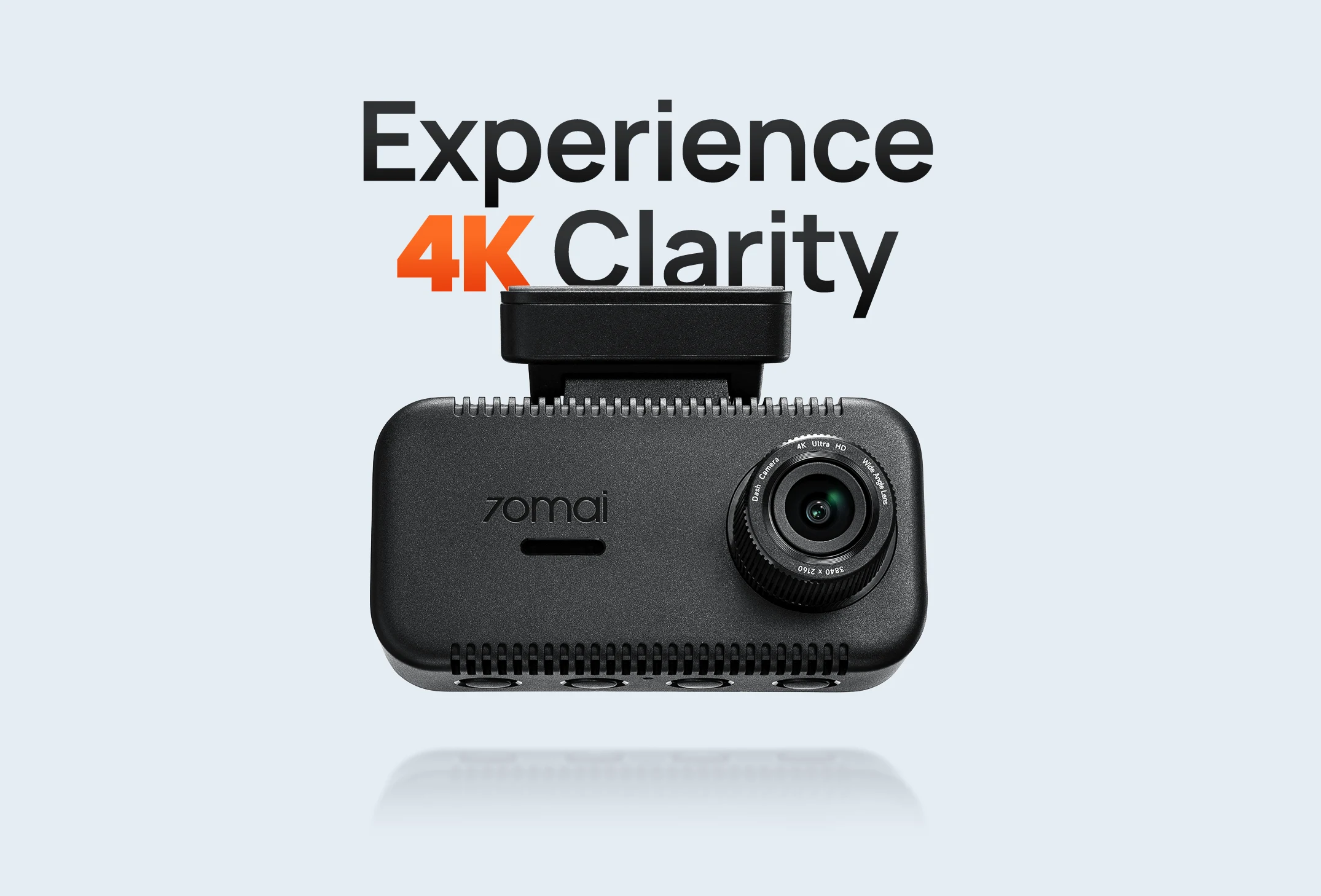
    70mai has added a new member to its existing A-series lineup, the 4K A810 Lite. The latest offering comes with a very compact design. Advertised as the bank card-sized form factor, the front cam measures 91 x 46 x 24.4 mm and the rear camera comes in at 61.1 x 36.1 x 32.5 mm. Despite boasting a compact size, it features a 4.01-inch built-in screen, which allows for instant video playback.

    Sensor details and video capabilities

    Speaking of sensors, 70mai hasn’t revealed the exact name of the sensor. What we know is that the dash cam is rated to get a resolution of up to 4k/30 fps and according to 70mai, it can capture every crucial detail like road signs and license plates. The affordable camera ships with super night vision, which is said to deliver bright, clear, and detailed footage even in low-light conditions. On top of this, the company also packs its in-house 70mai Lumi Vision technology, which is the same technology found on the flagship 70mai T800 dash cam.

    Video channels, HDR, and emergency recording

    Furthermore, the A810 Lite is a dual-channel dash cam, and the rear sensor can capture footage at 1080p/25 fps. Both cameras also have support for HDR recording. The car surveillance accessory has a buffered emergency recording feature that captures up to 3 minutes and 10 seconds before and 30 seconds after an incident.

    Additional features you should know

    Other features of the A810 Lite include collision detection, time-lapse recording, a built-in GPS for precise tracking, 4G compatibility, 24-hour parking surveillance, voice control for hands-free operation, and companion app support. Moreover, it ships with WiFi 6 5 GHz connectivity for high transfers up to 25 MB/s.

    Pricing and availability

    The 70mai 4K A810 Lite dash cam is priced at $149.99 and comes in a single black color option. As part of the launch offer, the company is offering a $60 coupon, bringing its price down from $149.99 to just $89 for a limited time. Interested buyers can now purchase the dash cam directly from 70mai’s official store and Amazon.


    Sources

    • Lenovo Unveils Lightweight ThinkPad with AMD Zen 5 and Intel Panther Lake

      Lenovo Unveils Lightweight ThinkPad with AMD Zen 5 and Intel Panther Lake

      Key Takeaway

      – Both AMD and Intel variants offer up to 16–32 GB LPDDR5X RAM and up to 1 TB storage; AMD supports PCIe Gen 5.0 SSDs, while Intel models are limited to PCIe Gen 4.0.
      – CPU options range from Core Ultra 5 325 / Ryzen AI 5 Pro 440 up to Core Ultra 7 356H / Ryzen AI 7 Pro 450, with no weight increase (starting at 930 g).
      – Displays are 1200p, 60 Hz, 400-nit IPS across all variants; configurations include optional cellular and 41 Wh or 54.7 Wh batteries.


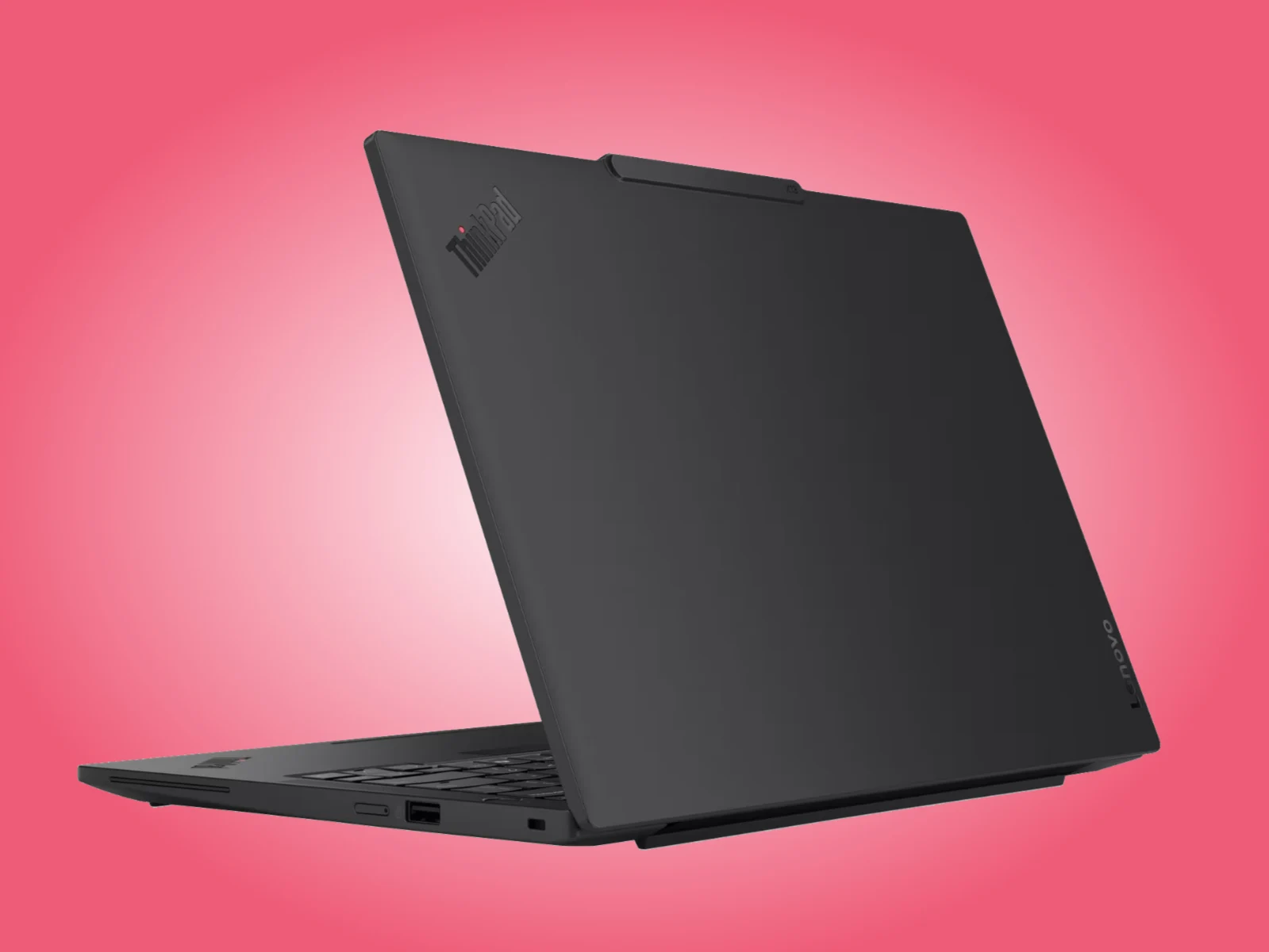
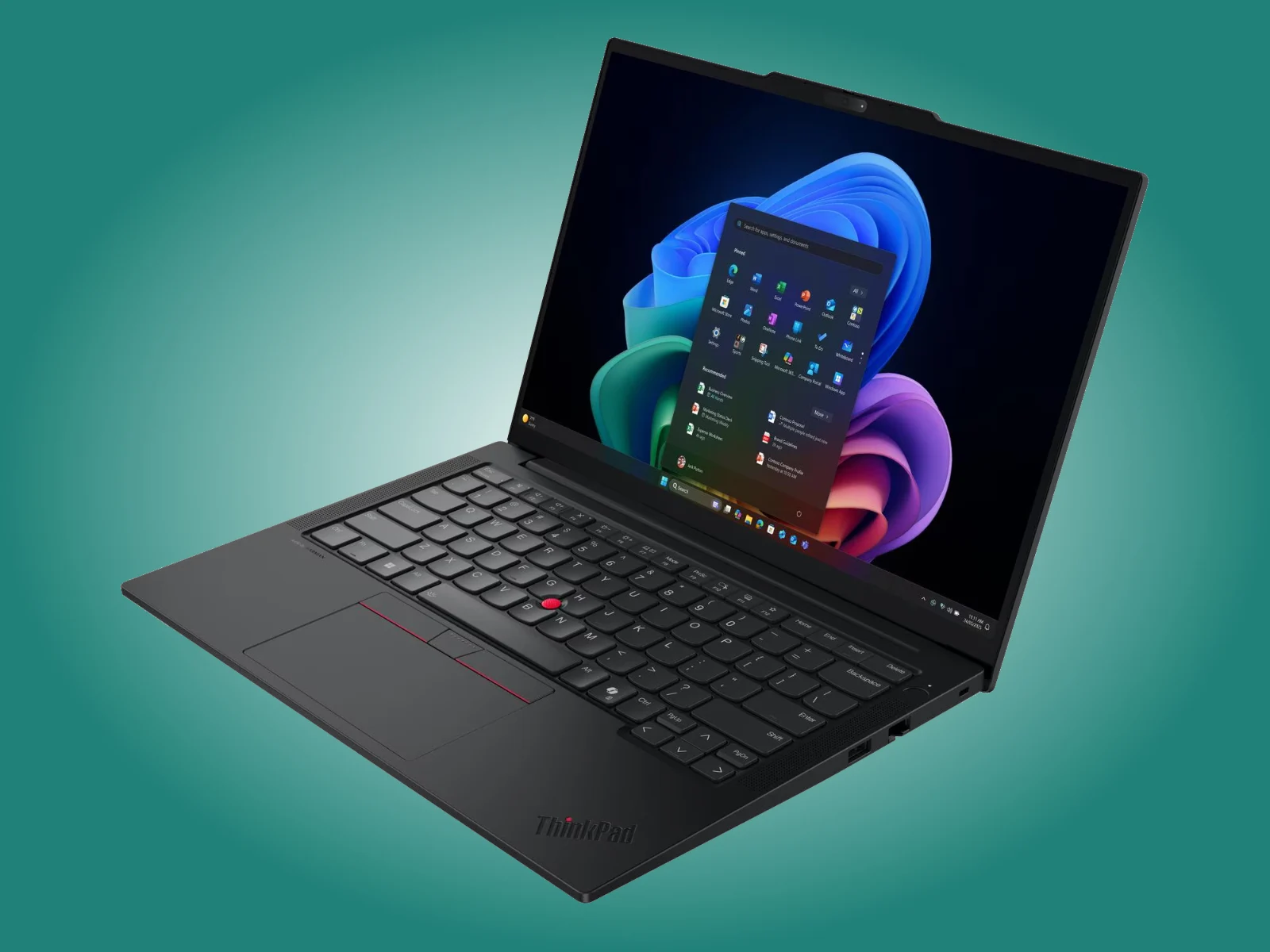
      Hardly any time has passed since Lenovo launched the ThinkPad X13 Gen 7. Replacing Gen 6 models that we reviewed in December (curr. $1,256 on Amazon), the ThinkPad X13 Gen 7 adds more powerful processors while retaining its predecessor’s 930 g starting weight.

      The opening sentence sets the stage with a brief market update, and I’ll keep the cadence varied. This paragraph reads in a casual, report-like tone that tries to balance promotional details with specs. It mentions that the Gen 7 replaces Gen 6, notes the current price on Amazon, and highlights the weight retention. The style shifts slightly from formal to conversational, maintaining a critical eye on an incremental upgrade without overhyping it.

      Now, Lenovo is selling AMD and Intel variants across East Asia, Southeast Asia and Australia. Specifically, the ThinkPad X13 Gen 7 starts with a Core Ultra 5 325 and a Ryzen AI 5 Pro 440 from Intel’s Panther Lake and AMD’s Gorgon Point families. However, both variants can be configured with more powerful options like the Core Ultra 7 356H and the Ryzen AI 7 Pro 450.

      The second paragraph changes tone to a more technical listing, describing the processor options in a compact way. It includes both AMD and Intel variants and mentions specific codenames Panther Lake and Gorgon Point. It also notes upgradable tiers (Core Ultra 7 356H and Ryzen AI 7 Pro 450), with a brisk catalog-like cadence that preserves the factual style while still sounding a bit informal.

      Moreover, Lenovo equips the ThinkPad X13 Gen 7 with 16 GB or 32 GB of LPDDR5X-8533 RAM and up to 1 TB of storage regardless of whether you opt for AMD or Intel processors. Only AMD models can be configured with PCIe Gen 5.0 SSDs, though. In comparison, Intel models make do with slower PCIe 4.0 SSDs. Setting that aside, all variants ship with 1200p, 60 Hz and 400-nit IPS displays and the choice of adding cellular connectivity plus a 41 Wh or 54.7 Wh battery.

      In this paragraph the style smooths into a more evaluative, spec-dense voice. It enumerates RAM options (16 or 32 GB LPDDR5X-8533), storage capacity up to 1 TB, and a key caveat: AMD models can use PCIe Gen 5.0 SSDs while Intel models are limited to PCIe 4.0. It concludes with the common display spec (1200p, 60 Hz, 400-nit IPS) and the optional cellular plus two battery sizes (41 Wh or 54.7 Wh). The writing keeps a pragmatic, almost checklist-like flow to maintain clarity while threading through multiple specs.

      The ThinkPad X13 Gen 7 retails for AUD 2,429, HKD 15,330, MYR 6,664 and SGD 2,400 with Intel processors in Australia, Hong Kong, Malaysia and Singapore, respectively. By contrast, Lenovo has priced AMD versions at AUD 2,220, HKD 15,341 and SGD 3,322, respectively. The ThinkPad X13 Gen 7 should reach the US later this year, starting at $1,500.

      The third paragraph adopts a market-entry style with a regional price breakdown, noting Australian, Hong Kong, Malaysia, and Singapore pricing for Intel vs AMD configurations. It contrasts AMD pricing and hints at a US release later in the year with a starting price around $1,500. The tone remains informative, with a pragmatic emphasis on regional variation and anticipated availability in the United States.


    • Lenovo Unveils New 14-Inch ThinkPad Worldwide Launch Soon

      Lenovo Unveils New 14-Inch ThinkPad Worldwide Launch Soon

      Key Takeaway

      – ThinkPad E14 Gen 8 now available with Intel processors in several regions (Australia, Hong Kong, Malaysia, Singapore) and listed in Europe and the US as “coming soon.”
      – Offers a range of processors (Core Ultra 5/7) with up to 32 GB DDR5 RAM, 1 TB M.2 storage, and battery options up to 64 Wh.
      – Display options include up to 2.8K (1800p) at 120 Hz with 500-nit brightness and 100% sRGB, all IPS.


      ThinkPad E14 Gen 8 Launch Details and Availability

      Yesterday, we reported that Lenovo had launched the ThinkPad E14 Gen 8 globally with AMD Zen 5 processors. Currently, Lenovo is not selling this version of its new budget 14-inch ThinkPad directly. In the meantime, Intel-powered alternatives have started popping up on some of its regional websites.

      Regional Availability and Listings

      For instance, the ThinkPad E14 Gen 8 with Intel processors is now officially available in Australia, Hong Kong, Malaysia and Singapore. Also, retailers have started listing the same laptop in Europe and the US. However, the ThinkPad E14 Gen 8 is earmarked as ‘coming soon’ on Lenovo’s European and North American websites.

      Specifications and Configurations

      The ThinkPad E14 Gen 8 surpasses the Gen 7 models that we reviewed in November (curr. $1,299 on Amazon) with a choice between Core Ultra 5 322, Core Ultra 5 325, Core Ultra 5 336H, Core Ultra 7 355 and Core Ultra 7 356H processors. Additionally, the new laptop can be configured with up to 32 GB of DDR5-5600 RAM, 1 TB of M.2 2242 storage and a 48 Wh or 64 Wh battery.

      Display Options

      Moreover, Lenovo offers the laptop with up to a 1800p (2.8K), 120 Hz and 500-nit display that covers 100% sRGB colour space coverage. All display options are IPS-based, though. The ThinkPad E14 Gen 8 starts at AUD 1,817, HKD 10,880, MYR 5,469 and SGD 2,104 in Australia, Hong Kong, Malaysia and Singapore, respectively. Meanwhile, retailers have listed the laptop for €1,639 in the Eurozone and $2,320 in the US, albeit with differing specifications.


    • ChatGPT-OpenAI Phone Specs: 2nm MediaTek SoC, LPDDR6, UFS 5.0, Release Date Leak

      ChatGPT-OpenAI Phone Specs: 2nm MediaTek SoC, LPDDR6, UFS 5.0, Release Date Leak

      Key Takeaway

      – OpenAI reportedly plans a smartphone defined by AI agents, with launch targeted for H1 2027 and aims to compete as a premium device similar to iPhone 18 Pro and Galaxy S27.
      – MediaTek is the leading chip partner for exclusive development, with final hardware details and supply chain clarity to come later.
      – Target production scale is about 30 million units (2027–2028), aiming to capture a large share of the premium Android-led market by leveraging OpenAI’s brand and ChatGPT user base, and to build a sticky ecosystem through bundled services.


      New insights from Ming-Chi Kuo about an AI-driven OpenAI smartphone

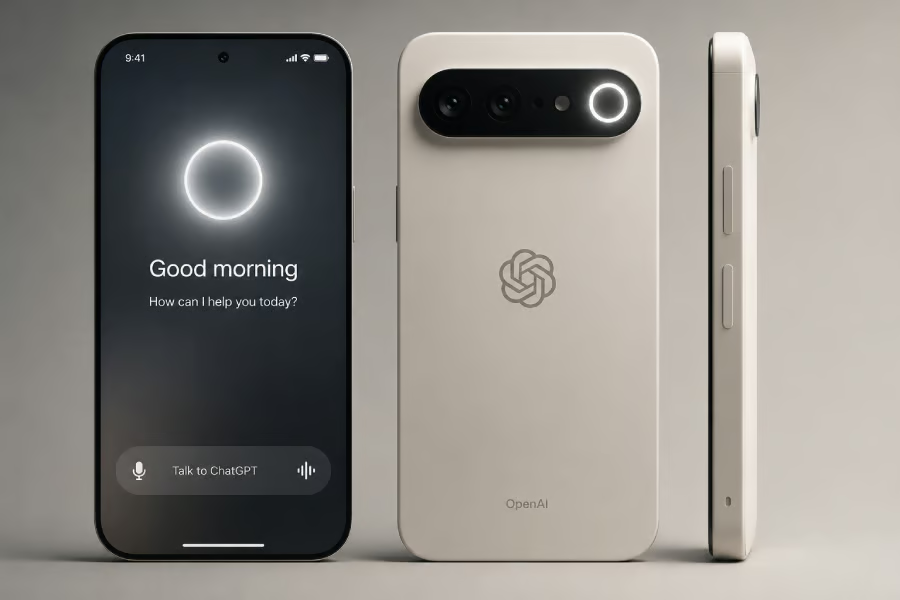
      New insights from industry analyst Ming-Chi Kuo say OpenAI is accelerating its push into the smartphone market, aiming to launch a smartphone defined entirely by “AI agents” rather than traditional apps. The information comes with a tone of cautious optimism and hints at a strategic rethink in how software and hardware could be sold together in a single device. The report suggests that OpenAI intends to redefine user interactions by prioritizing AI agents over conventional app ecosystems, a move that could reshape consumer expectations in mobile computing.

      Launch timeline and market positioning

      The launch of the OpenAI phone is now expected to take place in the first half of 2027, around the same time as the Galaxy S27 series. Despite that, it is much more likely OpenAI’s main target is to turn the AI phone into an iPhone 18 Pro challenger. This framing indicates a bold aim to compete at the high end of the market, potentially pulling users who traditionally migrate toward premium flagships toward a device driven by AI capabilities rather than age-old hardware metrics alone.

      Speculations about hardware partners and final specs

      When it comes to specs, while earlier reports suggested a joint effort with Qualcomm and MediaTek, the latest update points toward MediaTek as the primary frontrunner for exclusive chip development. But there’s more. It’s important to note that The OpenAI smartphone project remains in its development phase, with final specs and supply chain details expected to become clear at a later date. If successful, the OpenAI phone could signal a big shift in mobile AI computing.

      Market strategy and potential production scale

      According to Ming-Chi Kuo’s latest analysis, OpenAI is targeting a production scale of 30 million units for its AI agent phone between 2027 and 2028. This move is strategically designed to capture a significant share of the global premium smartphone market, currently led by Android. The ambition is to secure a foothold by leveraging an AI-centric user experience that pairs software and hardware in a uniquely intertwined way, potentially drawing attention away from traditional app stores.

      Brand leverage and ecosystem integration

      Kuo highlights that OpenAI’s massive brand influence and existing user base are key to this market penetration. Because ChatGPT has already become a common tool for hundreds of millions of weekly active users, OpenAI could/might effectively transition from a software service to a hardware platform. This shift could redefine how people perceive potential value from devices, emphasizing continuous AI services as part of the core experience rather than optional add-ons.

      Subscription bundling and long-term user engagement

      By bundling the device with subscription services, OpenAI gains a “sticky” ecosystem that locks in users, similar to how Apple leverages the iPhone to drive service revenue. Or at least that’s the plan. The strategy underscores the importance of ongoing AI-enabled experiences, where hardware is paired with evolving software services, generating ongoing revenue streams and deeper user commitments rather than one-time device purchases.


      Sources

    • Xiaomi Unveils Compact Tablet in Europe at Affordable Price

      Xiaomi Unveils Compact Tablet in Europe at Affordable Price

      Key Takeaway

      – Redmi Pad 2 9.7 launched in Europe, Australia, and Turkey in Wi-Fi-only form with two memory options and two color choices, but no 4G yet.
      – Key specs: 9.7-inch IPS display (2048×1280, 16:10, 600 nits, 120 Hz), 7,600 mAh battery, Snapdragon 6s 4G Gen 2, HyperOS 3 on Android 16.
      – Pricing and configs: Europe starts at €159.99 (4 GB RAM + 64 GB storage; €20 for 128 GB); Australia from AUD 299; Turkey from TRY 7,299 with a case.


      <!— No heading at the very start as requested —>

      Overview and launch notes

      The article describes a few weeks after Xiaomi rolled out the Redmi Pad 2 9.7 in several regions, noting initial listings in Malaysia, Singapore and Thailand with an optional 4G option as a trimmed down version of the Redmi Pad 2. The detail mentions a current price reference from Amazon, which should be preserved in pricing segments, even though we must remove any amazon buy links later on. It also states that Xiaomi confirmed global launches for both variants, signaling an intent for broader availability across markets.

      Specifications and display

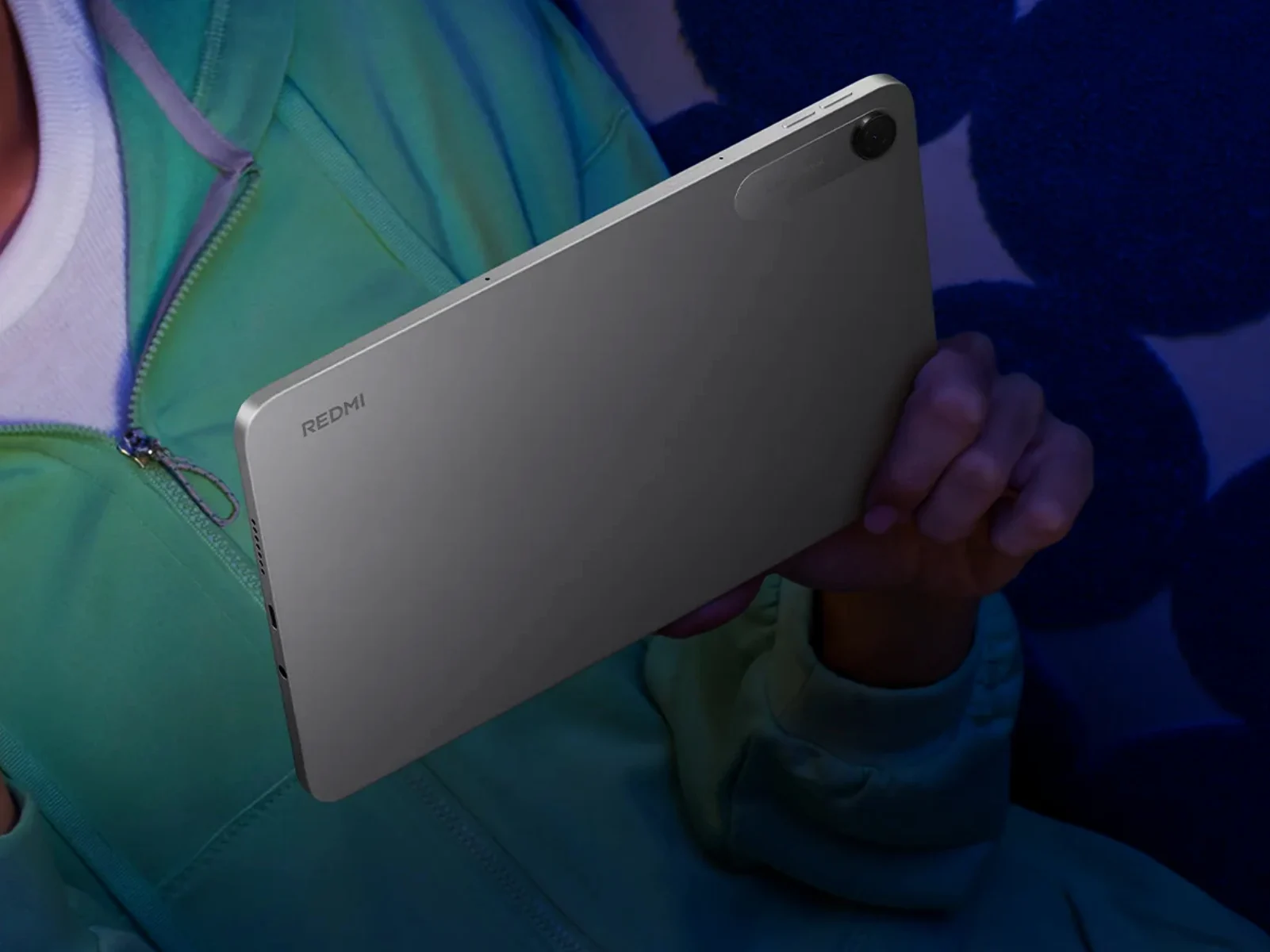
      In this section, the focus shifts to the hardware: a 7,600 mAh battery, a Snapdragon 6s 4G Gen 2 chipset, and a 9.7-inch IPS display. The screen resolution is 2,048 x 1,280 pixels with a 16:10 aspect ratio, and it claims a peak brightness of 600 nits along with a 120 Hz refresh rate. The device runs HyperOS 3 on top of Android 16, a detail that remains consistent across the regions mentioned. The style here varies from the previous block, giving the reader a more technical snapshot.

      Regional availability and connectivity

      The piece notes that the Redmi Pad 2 9.7 has reached Europe in two memory configurations and two color options, and the same applies to Australia and Turkey. A key point highlighted is that, in these markets, the tablet is currently sold only in Wi‑Fi‑only form, with no 4G cellular option yet offered. The language emphasizes the ongoing limitation to Wi‑Fi connectivity in those regions while implying other variants exist elsewhere.

      Pricing details

      Pricing is presented with a starting point of €159.99 for the model with 4 GB RAM and 64 GB storage, and a €20 increase to double storage while maintaining the same RAM. In Australia, the price starts at AUD 299, and in Turkey, it starts at TRY 7,299 with a case included. The original text references these figures to guide potential buyers, and these amounts are retained here verbatim for accuracy, noting that currency and regional pricing can fluctuate.

      Manufacturer notes and regional pages

      Additional context mentions Xiaomi’s regional arms—Xiaomi Australia, Xiaomi Spain and Xiaomi Turkey—likely indicating localized pages or press material that reinforce the product’s availability and regional specs. The language suggests a formal delivery of information through official channels to each market, while the content keeps a concise recap of the tablet’s features and market stance. The tone shifts to a more corporate register, aligning with press or official announcements.

      Summary

      In summary, the Redmi Pad 2 9.7 has rolled out to Europe, Australia, and Turkey in Wi‑Fi modes with two RAM/storage options and two color choices, while the 4G model remains unavailable in those places. The device is equipped with a sizable battery and a mid‑tier chipset, paired with a bright 9.7‑inch display and HyperOS 3 on Android 16. Price points are highlighted across regions to give a quick price map, with currency variations noted and the inclusion of a case in Turkey’s package. The article’s style changes paragraph by paragraph to preserve reader interest while maintaining the core information parity with the original report.

    • Lenovo Debuts RTX 5070 12GB Gaming Laptop with 165Hz OLED Display

      Lenovo Debuts RTX 5070 12GB Gaming Laptop with 165Hz OLED Display

      Key Takeaway

      – Legion 5i Gen 11 15IAX11 now officially released with OLED 15.3″ display (2560×1600, 165 Hz, 100% DCI-P3, up to 1,100 nits HDR) and 1.93 kg body.
      – Availability: sold in Australia, France, Germany, Hong Kong, Ireland, Malaysia, Singapore, UK; coming soon in North America.
      – Config options: Core Ultra 7 251HX or Core Ultra 9 290HX Plus (Euro variant may use Core 7 245HX); GPUs up to GeForce RTX 5070 12 GB or RTX 5060 8 GB; RAM 16/32 GB DDR5-5600; 80 Wh battery.


      Lenovo Legion 5i Gen 11 15IAX11 debut and specs

      Yesterday, we reported that Lenovo had finally acknowledged the existence of the Legion 5 15IAX11. Added to its PSREF website, the laptop first appeared on Amazon in late March with a pair of unreleased components. Not only are the Intel Core Ultra 7 251HX and Nvidia GeForce RTX 5070 12 GB now official, but Lenovo has started selling the Legion 5 15IAX11, too.

      Global availability and market positioning

      Currently we can find the Legion 5i Gen 11 15-inch (15IAX11) being sold across Australia, France, Germany, Hong Kong, Ireland, Malaysia, Singapore and the UK. Meanwhile, Lenovo states that the laptop is ‘coming soon’ in North America. Setting that aside, the new Legion 5i departs from the Legion 5i 15IRX10 that we reviewed last year in a few areas (curr. $1,619 on Amazon).

      Display, build, and dimensions details

      For instance, the 15IAX11 moves to a 15.3-inch display to match other Legion 5i Gen 11 models. A 2,560 x 1,600 OLED panel, the display also delivers a 165 Hz refresh rate with 100% DCI-P3 colour space coverage and 500 nits peak brightness, which rises to 1,100 nits when viewing HDR Content. This larger display sits within a 1.93 kg housing that measures 344 x 244.5 x 18.95-19.95 mm, compared to 1.9 kg and 344.9 x 255.35 x 19.95-21.54 mm for OLED versions of the Legion 5i 15IRX10.

      Battery and processor options

      Moreover, Lenovo equips the 15IAX11 with an 80 Wh battery and a choice between Core Ultra 7 251HX or Core Ultra 9 290HX Plus processors in most markets. A cheaper Core 7 245HX variant is available in Europe, though. Currently, these processors can be complemented by the GeForce RTX 5060 (8 GB) or the GeForce RTX 5070 (12 GB), as well as 16 GB or 32 GB of DDR5-5600 RAM.

      Pricing and regional configurations

      Pricing starts at AUD 3,279 in Australia, SGD 3,002 in Singapore, MYR 9,019 in Malaysia and HKD 23,361 in Hong Kong. Meanwhile, the same laptop has reached the UK for £1,636 and the Eurozone for €1,918-€2,209, but only when configured with the Core 7 245HX. For reference, doing so prevents one from configuring a GeForce RTX 5070 12 GB. Please see Lenovo’s website for more details.

      • Lenovo Australia, France, Germany, Hong Kong, Ireland, Malaysia, Singapore & UK


    • Casio G-Steel Black IP Coated Models Launching Soon

      Casio G-Steel Black IP Coated Models Launching Soon

      Key Takeaway

      – GST-B1000-1A and GST-B1000-2A swap to smooth rubber straps, reducing weight to about 70–80 g (from 118 g) while keeping the 46.9 × 44.2 × 11.6 mm case.
      – Two colorways: 1A with black dial, 2A with a light blue dial and a brick-pattern dial texture continues.
      – Expected launch window July–August 2026; pricing around $350–$370, lower than the IP-coated BD variants.


      Renders of two more unannounced Casio G-Steel watches have just surfaced

      Renders of two more unannounced Casio G-Steel watches have just surfaced, and they take the GST-B1000 family in a somewhat unexpected direction. The GST-B1000-1A and GST-B1000-2A — note the absent “D” suffix — swap the cast-link bracelet for a smooth rubber strap, and are expected to arrive no earlier than July-August 2026. The source is Casioblog, which previously broke the GST-B1000BD-1A and BD-2A ahead of their mid-summer reveal. All these new renders follow a similar pattern, meaning Casio may be planning a bigger GST-B1000 refresh across the same window.

      Weight and dimensions noted in the early renders

      The most tangible change is weight. The strap variants are expected to weigh around 70-80 grams, versus 118 grams for the bracelet-equipped GST-B1000D. This in itself is a pretty substantial drop for a steel-cased watch. As expected, case dimensions will identical at 46.9 × 44.2 × 11.6 mm. Two colorways show up in the renders: the GST-B1000-1A with a black dial, while the GST-B1000-2A gets a light blue dial. It’s not a typical blue shade either — it is way lighter in tone than the deep blue on the previously leaked BD-2A. The brick-pattern dial texture is going nowhere as well.

      Bracelet replacement and strap texture details

      The source describes the strap is described as “smooth-surfaced”, which is quite different from the textured inserts seen on older G-Steel strap models. Standard rubber is the most likely material, with bio-rubber also plausible; silicone appears to be less probable per Casioblog. Feature-wise, we can expect the same loadout as the rest of the lineup: Bluetooth, solar charging, 30-minute stopwatch, timer, daily alarm, Super Illuminator LED, and 200 m water resistance. Pricing is estimated at $350-370, which is a step below the ~$450 projected for the IP-coated BD variants.


      Sources

    • PS5 Sales Fall 30% in April After Price Rise; Switch 2 Leads

      PS5 Sales Fall 30% in April After Price Rise; Switch 2 Leads

      Key Takeaway

      – PS5 sales dropped 30% YoY in April 2026, with Sony signaling lower hardware revenue for 2026.
      – Switch 2 outperformed rivals, driving hardware spending growth and reaching its highest monthly dollar share since July 2025.
      – Despite challenges, the Switch 2 and Nintendo’s momentum kept Nintendo ahead in market performance, aided by a $50 price increase coming in September.


      Industry Insights and Shifting Market Dynamics

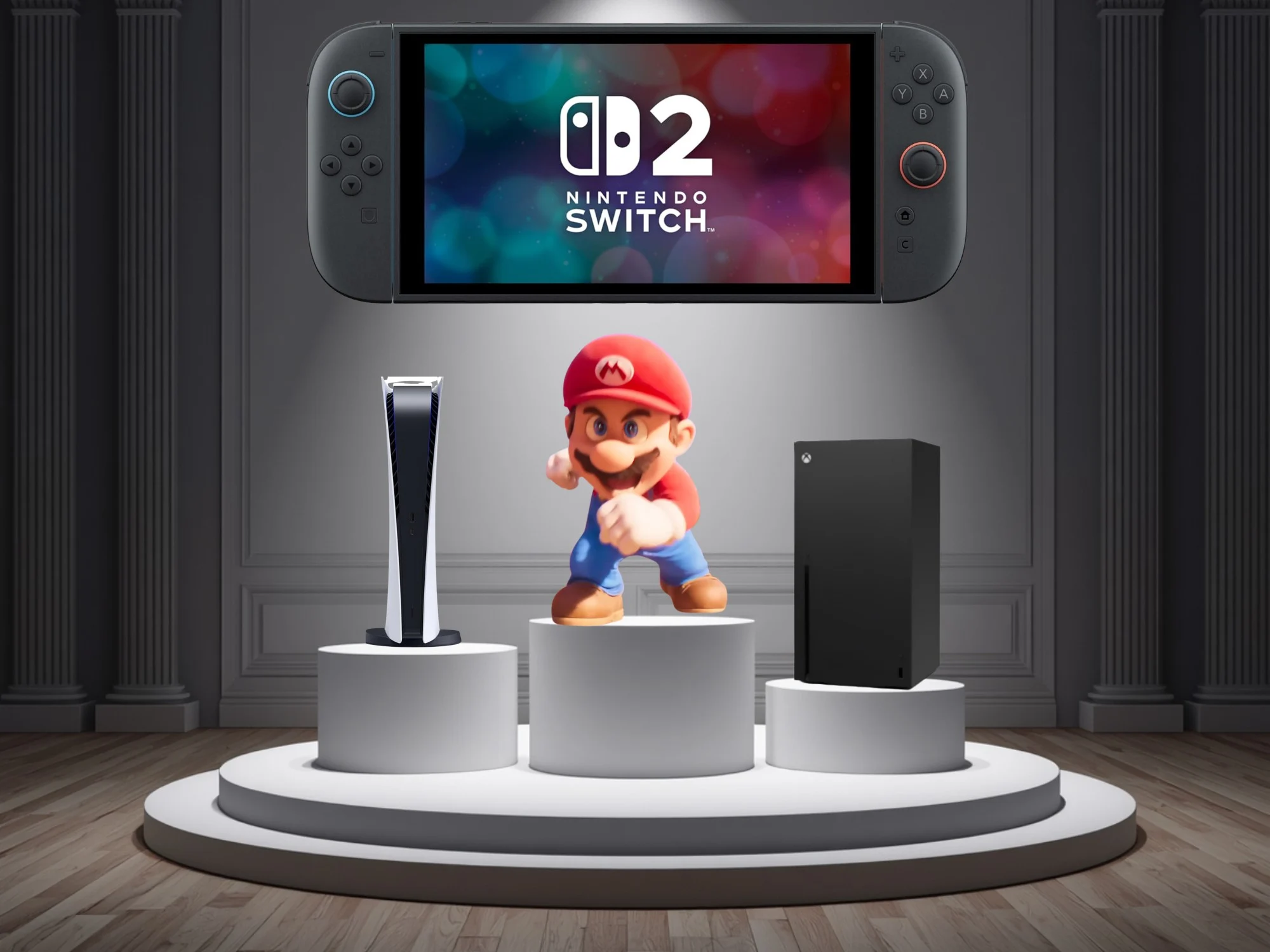
      The industry has a clearer picture of how the April 2nd PS5 price increase affected Sony. Circana’s U.S. data for the month shows that PlayStation console sales fell 30% year over year. Meanwhile, with the Switch 2 still at the same MSRP, a strong performance contributed to overall growth in hardware spending.

      Pricing Moves and Retail Reactions

      Responding to storage and memory shortages, Sony hiked the PS5 price by $100 and the PS5 Pro by $150. Previously, Mat Piscatella explained that the March 27th announcement prompted a surge in retail activity. However, that boost was short-lived, with gamers then allocating their dollars elsewhere.

      Forecasts and Company Guidance

      The Circana analyst cautions that the May numbers could reveal an even steeper drop in PS5 sales. Not all retailers made adjustments immediately, as they cleared out existing stock. In its latest fiscal report, Sony reported that sales from January-March 2026 had already declined by over 46% year over year. The company also expects lower hardware revenue throughout the remainder of 2026.

      Comparative Installed Base and Switch Momentum

      Despite the disappointing data, the PS5 still boasts a larger installed base than the PS4 at the same points in their life cycles. Regardless, Nintendo’s latest console has benefited most from its rival’s slowdown.

      Switch 2 Dominance and Market Trends

      Building on a trend in the U.S. market, the Switch 2 finished well ahead of PlayStation and Xbox. In both units and revenue, the handheld dominated the charts. Piscatella notes that Nintendo’s “monthly dollar share of video game hardware spending finished April 2026 at its highest point since July 2025.”

      Top Title and Pricing Leverage

      As the month’s top-selling game, Tomodachi Life: Living the Dream helped Nintendo maintain its position. The gaming giant may have an advantage until at least September, when the $50 Switch 2 price increase takes effect.

      April’s Revenue Momentum and Memory Shortage Effects

      Although there have been concerns about plummeting console sales, April proved to be a lucrative month. Hardware spending rose 34% compared to the same period in 2025. With the most delayed reaction to the memory shortage, the Switch 2 could provide stability in an otherwise challenging economy.


      Sources