Category: All News

  • Best-Selling RTX 5070 Ti MSI Vector 16 HX AI Gaming Laptop on Sale

    Best-Selling RTX 5070 Ti MSI Vector 16 HX AI Gaming Laptop on Sale

    Key Takeaway

    – Strong value: $1,399 at Walmart for the MSI Vector 16 HX AI with RTX 5070 Ti, 16 GB RAM (expandable), and 1 TB storage is a compelling deal vs higher retail prices.
    – Performance-focused package: The notebook delivers solid gaming performance (Core Ultra 7 255HX + RTX 5070 Ti) but trades off screen quality and includes louder under-load fans.
    – Upgradeable and well-built: Good port selection, per-key RGB keyboard, and RAM/SSD upgradeability; advisable to pair with a better external monitor for best visuals.


    Since the start of the RAM apocalypse that we are right in the middle of, truly good laptop deals have been hard to come by. This includes gaming laptops, where the effect of increased RAM price has not only made memory more expensive but also the GPUs inside the machines. But some good deals are still out there if you are willing to look.

    Deal spotlight: MSI Vector 16 HX AI with RTX 5070 Ti

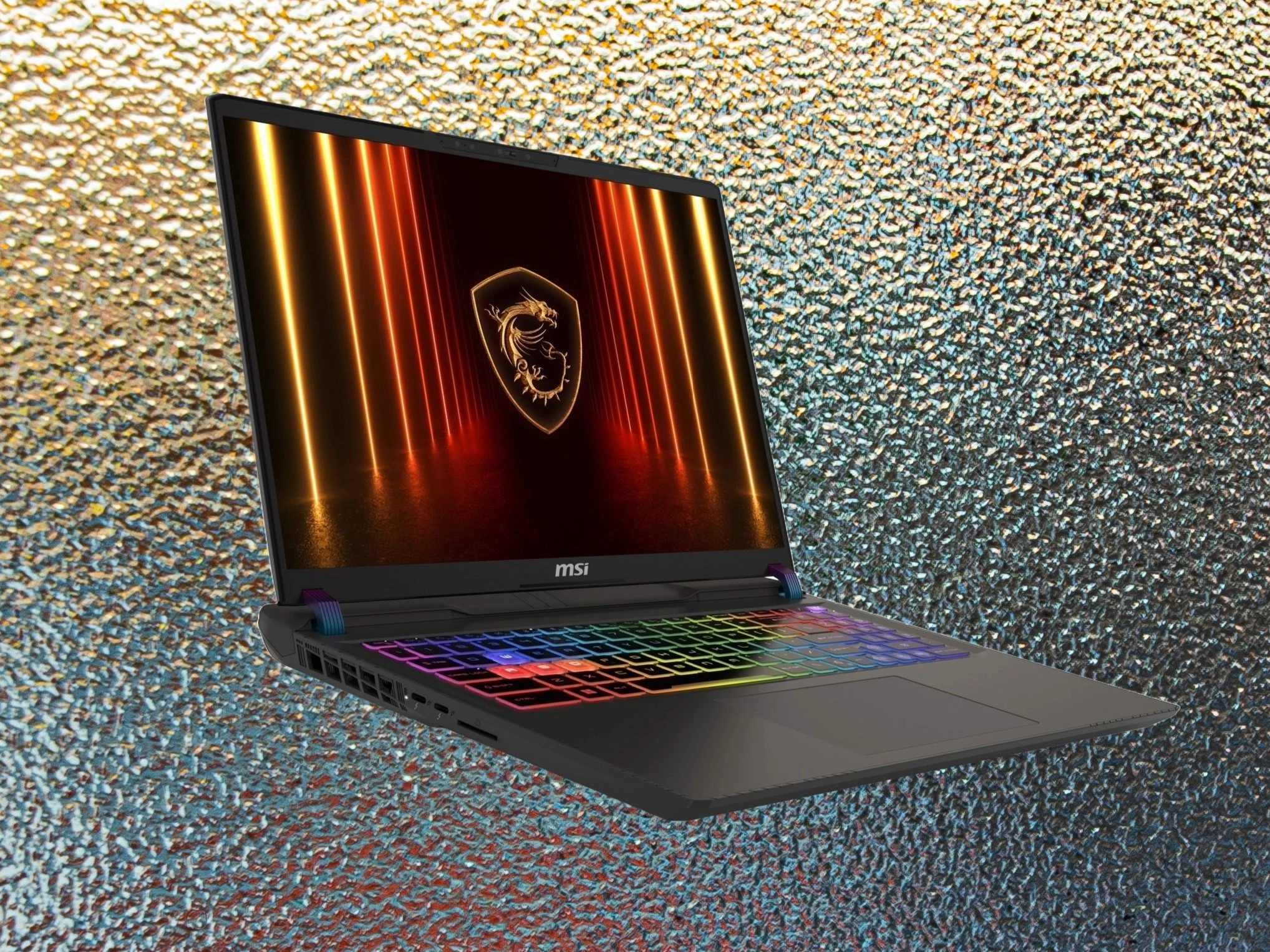
    One such deal is the MSI Vector 16 HX AI with the RTX 5070 Ti laptop card that is now on sale at Walmart for $1,399 (linked at the end). The gaming notebook pairs the RTX 5070 Ti with 16 GB of expandable RAM, 1 TB of expandable storage, and a 20-core Core Ultra 7 255HX CPU. The laptop also carries a 144 Hz FHD+ display.

    Pricing comparison to other sellers

    To put this price into perspective, ExCaliberPC, a reliable retailer of gaming laptops, has the same MSI Vector 16 HX AI on sale for $1,991. Amazon has the MSI Vector 16 HX AI with a Ryzen 9 8940HX, 32 GB RAM, and a 1600p display for more than $2,000. So, the $1,399 price of the MSI Vector 16 HX AI at Walmart is a rather good deal, as shown by the offer’s high rating on Slickdeals.

    What to expect from this model

    Let’s address the elephant in the room first: The MSI Vector 16 HX AI on sale focuses on performance before anything else. This means that the laptop is bulky and has a bad screen. The 16-inch 144 Hz is fast, but it only covers 45% NTSC gamut and is not particularly sharp at FHD+. So, we’ll recommend hooking the laptop up to a dedicated Mini LED or OLED monitor to get the best out of the notebook. There are plenty of cost-effective monitor options on Amazon.

    Hardware notes and upgradeability

    The rest of the Vector 16 HX AI hardware is pretty good. We noted in our review of the Vector 16 HX AI that it is well-made, boasts plenty of ports, has a per-key RGB keyboard, and offers RAM/SSD upgradability options.

    Performance insights

    Performance-wise, the Core Ultra 7 255HX and the 12 GB RTX 5070 Ti perform well. We measured stable output and plenty of frames in demanding titles. Cyberpunk 2077, for instance, ran at 75 FPS at QHD/ultra without DLSS.

    Acoustic considerations

    A consequence of high and stable performance is the fan noise. So, you’ll have to tolerate the audible fan noise under load.

    Bottom line

    All in all, the $1,399 Vector 16 HX AI is among the best RTX 5070 Ti gaming laptops currently on the market. We don’t know when or if we’ll see another such deal anytime soon, considering RAM and GPU prices aren’t expected to drop in the coming months.

    Sources
  • Microsoft mitigates YellowKey BitLocker bypass, patch pending

    Microsoft mitigates YellowKey BitLocker bypass, patch pending

    Key Takeaway

    – Do not rely on this as a patch; apply the interim mitigation now and monitor for a full security update.
    – Disable autofstx.exe in WinRE by mounting the WinRE image, loading the system registry hive, and removing autofstx.exe from BootExecute; also consider TPM+PIN for high-risk devices.
    – Affected: Windows 11 24H2/25H2/26H1 (x64) and Windows Server 2025/Server Core; Windows 10 is not affected; Windows Server 2022 may be affected under certain conditions.


    Overview of the Mitigation Guidance for YellowKey

    Microsoft has rolled out mitigation guidance for YellowKey, the publicly disclosed BitLocker bypass now tracked as CVE-2026-45585, after a working proof of concept was published without coordinated disclosure. No full security update is available yet. The company confirmed it is working on a permanent fix and is urging administrators across affected Windows versions to apply the interim steps immediately.

    Exploit Details and Immediate Risk

    The exploit operates by deleting winpeshl.ini via Transactional NTFS (TxF), which prompts the WinRE recovery environment to spawn an unrestricted shell instead of loading the standard recovery interface. From there, an attacker with physical access gains full, unencrypted visibility into the drive’s contents, requiring no credentials, software installation, or network connection.

    Microsoft’s Interim Mitigation Steps

    Microsoft’s mitigation addresses the issue by disabling autofstx.exe, the FsTx Auto Recovery Utility, within the WinRE image. Administrators must mount the WinRE image on each affected device, load the system registry hive, and remove the autofstx.exe entry from the Session Manager’s BootExecute value. Microsoft also recommends moving high-risk devices from TPM-only BitLocker to TPM+PIN mode, which makes physical exploitation much more difficult.

    Workaround vs Patch Status

    This is a workaround, not a patch. Microsoft has not confirmed when a full update will arrive. Until it does, any machine running an affected Windows version with a USB port and the ability to reboot into recovery mode is a viable target for anyone holding the publicly available exploit code.

    Hazard Scoring and Affected Platforms

    CVE-2026-45585 carries a CVSS score of 6.8 and requires physical access, but Microsoft rates exploitation as “More Likely” given that the proof of concept is already public. Microsoft’s advisory focuses on Windows 11 24H2, 25H2, and 26H1 on x64 systems, along with Windows Server 2025 and Windows Server 2025 Server Core. Windows 10 does not experience issues because of differences in its WinRE configuration. Public technical analyses also flag Windows Server 2022 as potentially vulnerable under specific deployment conditions via the same WinRE recovery path flaw, though Microsoft has not yet addressed it formally in its advisory.

    Developer and Researcher Context

    The researcher behind the exploit, known as Nightmare-Eclipse, released it publicly before Microsoft had issued any guidance. Microsoft called the incident a violation of coordinated vulnerability disclosure practices.

    Sources
  • Ugreen 120Gbps Dock with 8TB Storage for Mac Mini

    Ugreen 120Gbps Dock with 8TB Storage for Mac Mini

    Key Takeaway

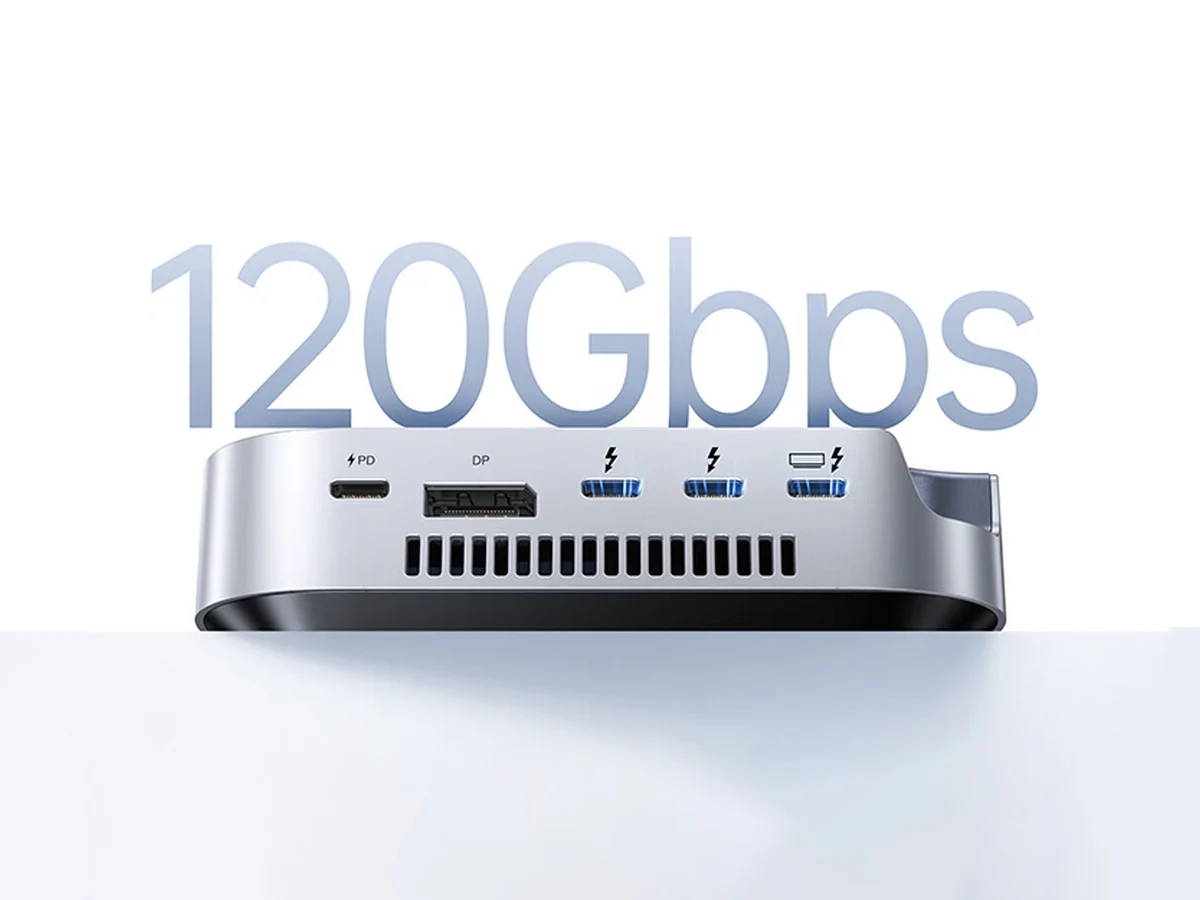
    – Thunderbolt 5 dock for Mac mini M4 (model 85883) with Intel JHL9480 controller delivering up to 120Gbps one-way and 80Gbps bi-directional bandwidth, plus active cooling for stable performance.
    – Integrated M.2 NVMe slot supporting up to 8TB SSDs (2230/2242/2280; B&M and M Key), with PCIe 4.0×4 drive capable of up to 64Gbps transfer speed.
    – Design aligns with Mac mini aesthetics for seamless pairing, and includes a robust selection of ports (specifics not listed in text).
    – Launched in China at CNY 1,555 (~$228) with an international release expected soon.


    Ugreen has rolled out a fresh Thunderbolt 5 dock tailored for the Mac mini M4 series, carrying the model number 85883. It showcases the Intel-certified JHL9480 controller, enabling the accessory to deliver up to 120Gbps of 1-way bandwidth, while the bi-directional speed sits at 80Gbps. this paragraph keeps the specs intact and introduces the core capability in a conversational tone, highlighting the notable bandwidth figures and controller credibility.

    Design and cooling

    Designed specifically for the Mac mini M4 lineup, the top of the dock mirrors the bottom silhouette of the Apple mini PC, creating a cohesive pairing that visually blends with the host device. A built-in cooling system is included to sustain stable performance under heavy workloads, a practical feature that addresses thermal throttling concerns during extended use. The writing here shifts to emphasize form and thermal management, while still noting the design intent and user experience.

    Storage expansion

    One standout aspect is the M.2 slot, capable of housing up to an 8TB SSD, such as the Samsung 990 Pro. When paired with a PCIe 4.0 x4 drive, Ugreen claims transfer speeds can reach as high as 64Gbps. This section keeps the storage expansion details front and center, and clarifies compatibility with 2230, 2242, and 2280 sizes, including B&M Key and M Key SSD formats. the paragraph presents the upgrade path and performance expectations with a hint of real-world applicability.

    Ports and availability

    The docking station offers a robust array of ports to accommodate a range of peripherals and displays, though the exact port list is noted as substantial without enumerating every singular port in this summary. The emphasis is on versatility and the broad connectivity spectrum that users typically require for a desk setup. this paragraph shifts to practicality, pointing to the integration potential rather than cataloging each port.

    Pricing and market rollout

    When it first launched in China, the 120Gbps Ugreen dock carried a price tag of CNY 1,555, which is approximately $228. The company has previously released its Thunderbolt 5 docks to international markets, and expectations are that this new model will follow with a global rollout in due course. The pricing note is preserved to maintain financial context for readers tracking value and availability across regions.


    Sources

  • Google Responds to Concerns About Search Becoming Obsolete

    Google Responds to Concerns About Search Becoming Obsolete

    Key Takeaway

    – Traditional search links remain, with AI Mode additions optional for users who choose them.
    – Publisher traffic and open-web revenue face ongoing strain from AI-driven search shifts and reduced link-clicks.
    – Long-term concerns extend beyond traffic to environmental impact, data-center energy use, and broader labor and sustainability issues.


    In a brisk tech-simmering echo chamber, the web crowd reacts to Google I/O 2026 and its AI Mode, a shift many feel could redefine how we interact with search. The piece below keeps the tone varied while preserving the core facts and pricing/spec details that were present, though it may read with a few creaky pauses to reflect the human-like imperfect narration some readers enjoy.

    AI Mode and the promise of links alongside responses

    The article notes that Google’s update, branded as AI Mode, promises to show AI-generated answers while still displaying traditional blue links on the results page. This dual approach aims to let users choose between a quick synthesized answer and a conventional list of sources. Critics warn that if people trust the AI output without verifying links, site traffic could suffer, hurting publishers who rely on visits and ad revenue.

    Economic tension for open web publishers

    Publishers across the ecosystem worry about revenue streams in a world where AI answers might replace direct clicks. The concern is not just about traffic but about the broader energy and hardware implications tied to data centers supporting AI models. If traffic dwindles, independent guides, niche sites, and benchmarks could become financially fragile or disappear, eroding the diversity of information available to AI models like Gemini, Claude, or ChatGPT in training datasets.

    Google’s stance and user behavior

    TechCrunch highlighted phrases suggesting a move away from simple link lists, which stirred debate on social platforms and news outlets. Google subsequently clarified that traditional search functionality remains—blue links are still visible, and users must actively select AI Mode. The official stance emphasizes that changes are designed to improve the experience for those who want AI-assisted results, rather than to forcibly replace standard search.

    Ambiguities and the long-game for the open web

    While Google asserts continuity in traditional search, the broader implications endure. Accessibility to AI, adoption rates, and how users navigate between AI responses and classic results will shape traffic patterns. The conversation touches environmental health, labor implications, and the cost dynamics for hardware and utilities tied to running large-scale AI systems, creating a multi-faceted debate about the future of the open web.

    • Pricing and specification details remain crucial for stakeholders evaluating the transition.
    • There is ongoing concern about how AI modes influence click-through and revenue.
    • Editors and researchers weigh the impacts on accessibility and reliability of information.
  • HP unveils MacBook Neo rival with Intel Wildcat Lake OLED display

    HP unveils MacBook Neo rival with Intel Wildcat Lake OLED display

    Key Takeaway

    – OLED 14-inch display with 1920×1200 resolution, 60Hz, 16:10 aspect ratio, and 100% DCI-P3 color coverage (peak brightness not disclosed).
    – HP StarBook Plus 14 powered by Intel Core 5 320 (Wildcat Lake) with 6-core CPU and 2-core Xe3 iGPU, 16GB LPDDR5X RAM, and 512GB SSD (upgradeable).
    – Slim, lightweight chassis at ~1.3 kg and 13.7 mm thick, with a rich port selection and a 59Wh battery, plus 65W fast charging. Pricing started at CNY 5,998 (~$882) in China, with a global debut anticipated.


    HP has introduced the StarBook Plus 14 in China with an OLED display

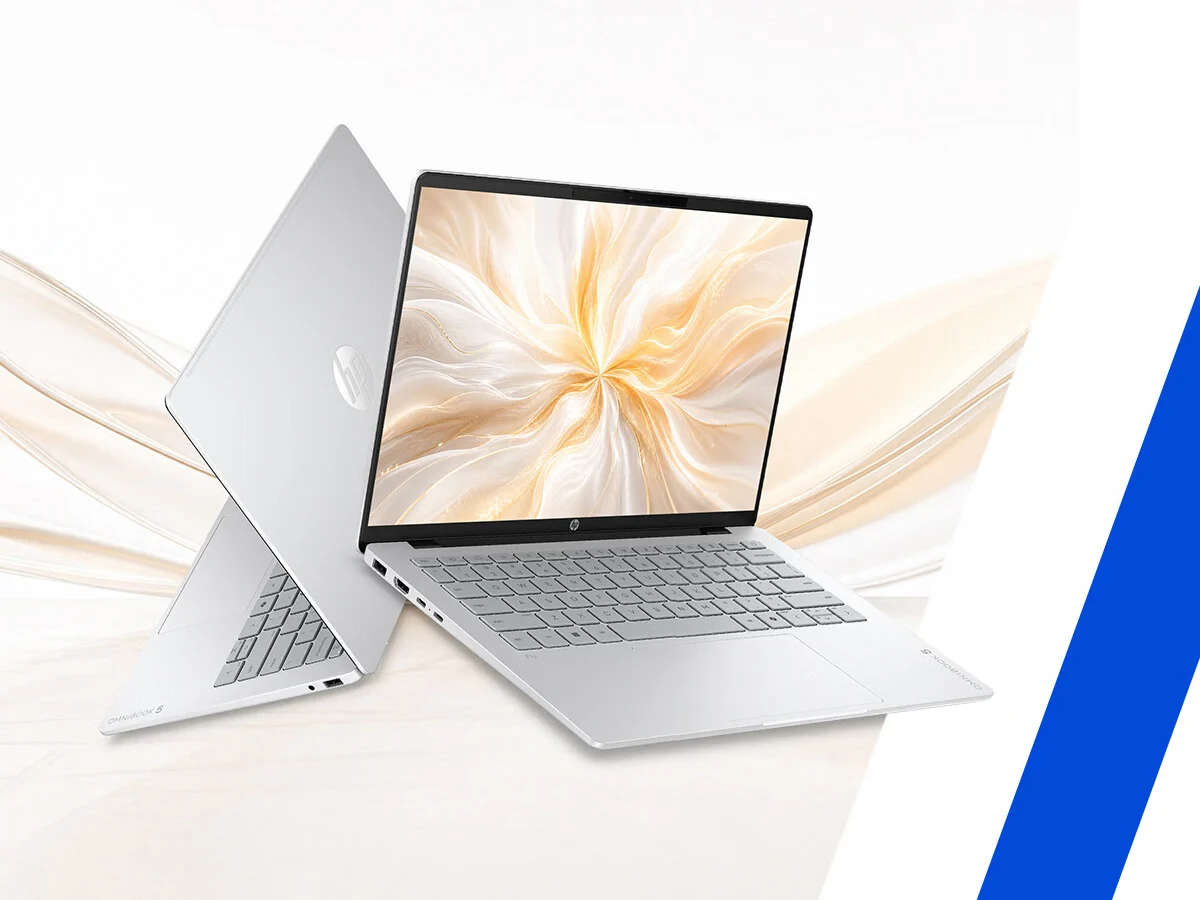
    HP has introduced the StarBook Plus 14, a new Intel Wildcat Lake laptop, in China. It stands as a slightly expensive rival to the MacBook Neo, but it’s worth noting that HP’s offering comes with an OLED display, which is a better option than the IPS display on the Apple laptop.

    Display details and specification notes

    Of course, HP didn’t fully detail the touchscreen OLED display. For instance, the company didn’t specify the peak brightness rating, but it did confirm that it’s a 60Hz screen with a resolution of 1920×1200 pixels and a 16:10 aspect ratio. This 14-inch panel is also said to have a 100% DCI-P3 color coverage. There are some details that could be clearer, yet the core specs remain compelling for those who value color accuracy and a crisp image, even if brightness is still unconfirmed.

    Processor, memory, and storage configuration

    Under the hood, the HP StarBook Plus 14 features the Intel Core 5 320, a mid-range processor from the Wildcat Lake range. It pairs the 6-core CPU with the 2-core Xe3 iGPU, and HP has equipped the laptop with 16GB of LPDDR5X RAM. As for storage, the pre-configured option has a 512GB SSD, which should be upgradeable (1TB Samsung 990 Pro curr. $249.99 on Amazon).

    Build, weight, and ports

    The company further highlights the slim and light build of the laptop. HP says that it weighs 1.3kg (about 2.86lbs) and measures as thin as 13.7mm. While it has a thin form factor, there’s a good number of ports, including: A 59Wh battery, an IR infrared camera with physical shutters, and 65W fast charging support are among the other highlights of the laptop.

    Pricing and market availability

    In China, the HP StarBook Plus 14 launched with an initial price of CNY 5,998, around $882. It’s expected to make a global debut alongside the other Wildcat Lake laptops that were introduced recently.

    HP on JD (machine translated)


    Sources

  • Adata, TeamGroup, Micron raise $880M for NAND DRAM shortages

    Adata, TeamGroup, Micron raise $880M for NAND DRAM shortages

    Key Takeaway

    – Memory chip prices are driving a liquidity squeeze: Taiwan’s SSD/memory firms are raising about NT$28 billion ($880M) to stockpile NAND and DRAM amid rising costs, despite record revenues and demand.
    – Companies are leveraging multiple finance channels: convertible bonds, bank loans, and stock sales are being used to fund inventory expansion (e.g., Adata, Goldkey, TeamGroup, Apacer, Innodisk, Transcend, Silicon Power).
    – Market dynamics are a seller’s market with constrained supply: chip shortages and low NAND/DRAM inventories (three to five weeks) push suppliers to secure more capital to avoid future price spikes and maintain profitability.


    Record-high SSD prices push Taiwanese memory makers to borrow heavily

    Record-high SSD prices have pushed many storage and memory manufacturers to borrow $880 million just to afford sufficient inventory. These companies, which include Adata, TeamGroup, Micron, and many other Taiwan-based chip producers that turn raw DRAM and NAND chips into RAM sticks and SSDs we use in our PCs, laptops, smartphones, and consoles, are collectively raising an estimated NT$28 billion, or $880 million, via bonds, bank loans, and selling stock shares.

    Market demand remains strong despite rising costs

    According to Taiwan Commercial Times, the reason isn’t that Taiwanese manufacturers are struggling to attract customers. Revenues are at an all-time high, and demand is also at an all-time high. The actual problem is the cost of NAND and DRAM chips, which have also skyrocketed due to high demand, raising costs across the board.

    Major players leading the funding push

    Currently, Adata is leading the pack, having already issued NT$2 billion in convertible bonds and secured NT$12 billion in syndicated bank loans. Furthermore, the company is planning to privately sell 30 million new shares. Goldkey Technology has raised NT$4.5 billion, while TeamGroup has raised NT$2 billion through bonds. Apacer added NT$1 billion to the net sum, while Innodisk, Transcend, and Silicon Power are each lining up for hundreds of millions more in the near future.

    Massive capital to buy more NAND and DRAM

    All this money will be invested in buying more NAND and DRAM before memory prices spike again. While most of these Taiwanese memory and storage companies have smashed prior revenue records and tripled sales over the past few months, they’re still in dire need of fresh capital to stay ahead of the competition and the market.

    Executive insights on the supply crunch

    Adata Chairman Simon Chen spoke to the Taipei Times earlier in March and said, “The chip supply crunch has transitioned the market into a seller’s market.” The company was already sitting on NT$30 billion, or $948 million, and was looking to increase its inventory to more than NT$35 billion by the end of March. He further stated that NAND flash producers were seeing their own inventory drop to “an unprecedentedly low level ranging from three to five weeks now.”

    The rationale behind stockpiling via debt

    Module manufacturers like Adata, TeamGroup, Micron, and Transcend, at the end of the day, don’t have any say in how many finished chips they’ll receive in bulk. So, the desperate but reasonable alternative is to stockpile chip supplies through debt to keep their businesses profitable in the long run.

    Sources
  • Pixel 8 refused fix prompts owner to turn it into retro gaming console

    Pixel 8 refused fix prompts owner to turn it into retro gaming console

    Key Takeaway

    – Repurposed a damaged Google Pixel 8 into a mini retro gaming hub with USB-C power, USB hub, wired controllers, mouse, and an active cooling fan.
    – Used the Pixel’s HDMI over USB-C output and EmulationStation Desktop Edition for a console-like, retro gaming experience.
    – Demonstrates a resourceful reuse path for a non-functional display: keep the phone functional via external peripherals and emulation software rather than recycling it.


    From Broken Screen to Mini Gaming Hub

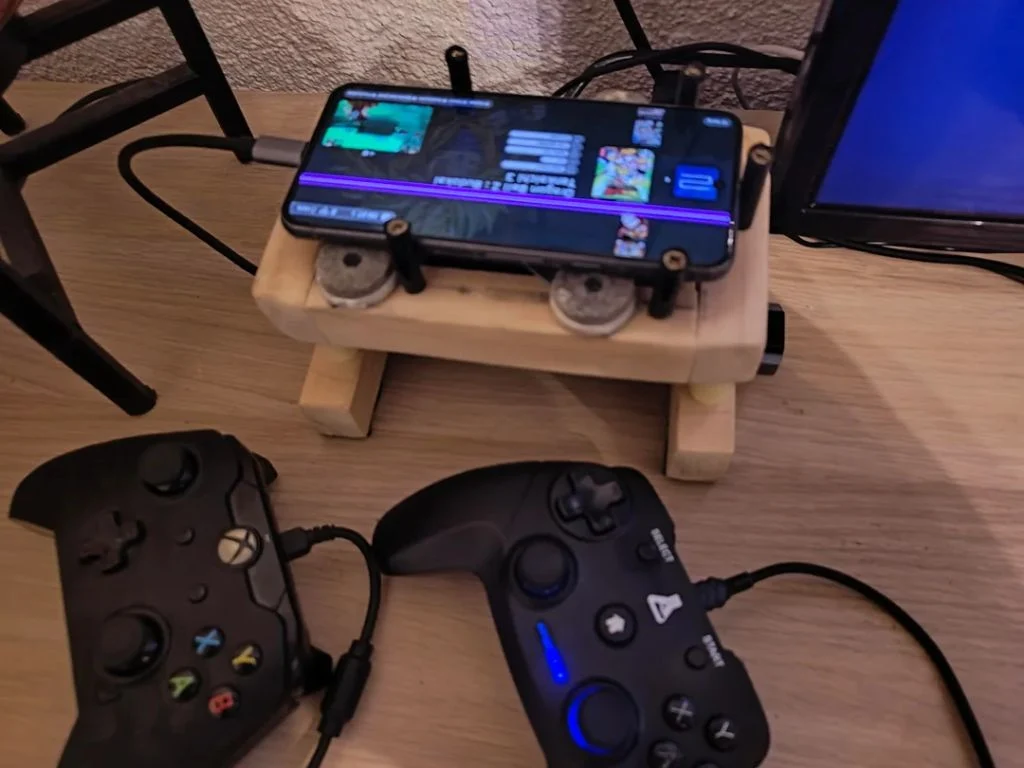
    Average smartphone users might simply replace a broken device, but one inventive owner refused to throw away his Google Pixel and instead repurposed it into a compact gaming setup. The outcome is a quick, mini gaming hub that can be hooked up to a TV with wired controllers, a mouse, and an active cooling system to prevent performance throttling. This narrative demonstrates a creative salvage of a once useless gadget into something surprisingly functional, with a dash of nostalgia for retro titles.

    Retaining Pricing and Specification Details

    The Pixel 8, though afflicted by a stubborn pink vertical stripe, still powers up and drives a display through its USB-C HDMI output. The build leverages a 45W USB-C charger to power both the device and a central 4-port USB hub that feeds two wired controllers, a mouse, and a 50mm PC fan. This setup preserves the original hardware’s core specs while enabling a console-like experience that emphasizes cooling efficiency and controller versatility, all without changing the device’s essential components.

    Retro Vibe, Modern Hardware

    To recreate a nostalgic, console-inspired vibe, the builder installed EmulationStation Desktop Edition, pairing it with ES-DE for a cohesive retro interface. The library is organized by home console emulator, and games are displayed with original box art to enhance the old-school feel. Despite the Pixel 8 being nearly new in daily usage, the damaged screen rendered regular smartphone tasks impractical, pushing the creator to transform the Tensor G3 device into a dedicated retro gaming partner instead.

    Practical Build Details

    The central feature is a budget-friendly 4-port USB hub that sits at the heart of the project. It draws power from a 45W USB-C charger and distributes it to two wired controllers, a mouse, and a 50mm PC fan blowing cool air directly onto the back of the Pixel 8. This unorthodox cooling approach is notable because high-demand tasks like emulation can push Google’s Tensor CPUs to higher temperatures, making active cooling a sensible addition.

    Community and Documentation

    The entire journey was shared by the owner and Redditor Prior_Explanation_52 on r/EmulationonAndroid, who explained the motivation, setup, and improvements along the way. The thread highlights a practical path from a non-functional portion of hardware to a functioning, space-saving gaming hub, providing insights into hardware reuse, cooling strategies, and software choices that keep performance steady during retro play sessions.

    Sources
  • Warhorse Studios Announces New Kingdom Come Game and Open-World LOTR RPG

    Warhorse Studios Announces New Kingdom Come Game and Open-World LOTR RPG

    Key Takeaway

    – Warhorse Studios is developing two major projects: an open-world The Lord of the Rings RPG and a new Kingdom Come game.
    – The LOTR title is described as an open-world RPG with no confirmed gameplay details, release window, or platforms yet.
    – A new Kingdom Come game is in development, with unclear direction—whether it continues Henry’s story or pivots to a different path (notably lacking the “Deliverance” subtitle).
    – The news follows publisher Deep Silver’s mention in a financial report and comes after Kingdom Come: Deliverance II’s strong launch performance.


    Warhorse Studios, best known for the Kingdom Come: Deliverance series, has revealed that it is developing an open-world RPG based on The Lord of the Rings alongside a new Kingdom Come game. The Czech studio shared the news shortly after Kingdom Come: Deliverance II publisher Deep Silver mentioned the projects during its latest financial report.

    Open‑World LotR Project

    The Middle-earth title is described as an open-world RPG, although no gameplay details, release window, or platforms have been announced yet. Rumors suggested the project will feature a large-scale open world and immersive RPG mechanics similar to Warhorse’s previous games. The company has not released specific system requirements or pricing, which leaves fans waiting for more concrete information, yet expectations are running high for the scale and depth promised.

    Kingdom Come Continuation

    At the same time, the studio confirmed that a new Kingdom Come game is already in development. It is currently unknown whether the project will continue Henry’s story of Kingdom Come: Deliverance II or take the series in a different direction. But this is hinted at by the absence of the “Deliverance” subtitle in the name of the new Kingdom Come entry. Details on platforms, release date timelines, and narrative focus remain vague, fueling discussions among supporters about what form the next chapter might take.

    Past Success and Expectations

    Hopes are high for this new project, as Kingdom Come: Deliverance II was a major commercial and critical success for the studio, reportedly selling over 5 million copies within its first year. The strong reception has amplified anticipation for both the Lord of the Rings project and any potential continuation of the Deliverance universe, with fans eager to see how Warhorse might translate its historically grounded design philosophy into epic fantasy settings.


    Sources

  • GTA 6 PS5 Price Shocks at £0.16 After Pre-Order Leak Flops

    GTA 6 PS5 Price Shocks at £0.16 After Pre-Order Leak Flops

    Key Takeaway

    – A GTA 6 pre-order leak appears to be a major error from Best Buy or its affiliate program, with inconsistent or placeholder pricing across retailers.
    – Early listings and search results (including a £0.16 PlayStation Store entry) are unreliable and likely not indicative of the true price or release date.
    – Most analysts expect GTA 6 to cost around $70–$100, with official details (including release timing) still unconfirmed amid ongoing speculation.


    GTA 6 Pre-Order Email Leak and Mixed Signals

    The GTA 6 pre-order email leak appears to have been a colossal mistake by Best Buy or its affiliate program. Unfortunately, not even Google shopping links seem to be a reliable source of information. Further frustrating fans, the search engine listed the PS5 title in stock on the PlayStation Store for just £0.16.

    Social Media Reactions and Early Doubts

    On social media, Saukko505 shared the surprising search result after entering the common phrase. Unsuspecting gamers might have thought the Rockstar Games project was available on Sony’s marketplace. However, the low GTA 6 price immediately raised doubts with savvy buyers. £0.16 or 16 pence converts to 21 cents in U.S. Dollars.

    What Happened Next and Potential Dates

    Not surprisingly, clicking the link only led to more disappointment. Followers are still waiting for clarification on the game’s cost and reassurance of its November 19th release date. That could come ahead of Take-Two Interactive’s May 21st earnings call. On the other hand, Tom Henderson of Insider Gaming speculates that pre-orders and and trailer #3 may not surface until July or August.

    Industry Reactions and Promotional Speculation

    Rockstar will want to be the first to share any updates. Even so, a PlayStation Store leak providing clues is not out of the realm of possibility. Recently, PS4 owners received a message asking them to upgrade their consoles in time for the GTA 6 PS5 debut. Sony is also poised to join the studio in its promotional efforts, complete with a rumored PS5 Pro bundle.

    Pricing Expectations and Retail Listings

    When the crime epic finally arrives, gamers can expect a more realistic GTA 6 price. Most analysts project a cost between $70-100, with Take-Two CEO Strauss Zelnick hinting at a “very reasonable” number.

    Placeholders and Early Pre-Order Confusion

    Adding to the confusion, several retailers have opened pre-orders. The Italian Showgame allowed buyers to reserve a PS5 or Xbox copy for €69.90, before selling out. Meanwhile, the Dutch Gameshop Twente still lists the PlayStation version at €99. These are likely placeholders, not based on official Rockstar communication.

    Sources
  • AMD Ryzen AI Max 400 Series Official: Up to 192 GB RAM

    AMD Ryzen AI Max 400 Series Official: Up to 192 GB RAM

    Key Takeaway

    – AMD’s new Gorgon Halo Pro lineup includes three Ryzen AI Pro APUs with 16/12/8 Zen 5 cores, 5.2/5.0 GHz boosts, and 40–80 MB cache, each paired with a Radeon iGPU (8050S/8065S) and a 50–80 TOPS NPU.
    – Memory capacity is expanded up to 192 GB RAM, with up to 160 GB allocated to the iGPU, signaling a focus on memory-intensive AI workloads.
    – The top model, Ryzen AI Max+ 495 Pro, features 16 Zen 5 cores, 80 MB cache, Radeon 8065S iGPU (40 CUs), and a 55 TOPS NPU; other models are 490 Pro (12C/24T) and 485 (8C/16T).


    AMD introduces Gorgon Halo chips with Pro SKUs

    A previous leak showed one of AMD’s new Medusa Halo chips. The Ryzen AI Max+ 495 Pro showed up on PassMark with the same fundamental specs as its Strix Halo counterpart, with the only notable difference being a new GPU. It has now been officially shown off alongside two other chips. Unlike Strix Halo, which debuted with consumer-grade (read: non-Pro) SKUs, AMD has decided to push out the Ryzen AI Pro models this time, with no indication of non-Pro variants coming anytime soon.

    Top tier Ryzen AI Max+ 495 Pro details

    At the top of the stack lies the Ryzen AI Max+ 495 Pro (yeah, it’s a mouthful) with 16 Zen 5 cores, 32 threads, a boost clock of 5.2 GHz and 80 MB of total cache. It is accompanied by a Radeon 8065S iGPU with 40 CUs. Exactly how it differs from the Radeon 8060S remains unknown. Furthermore, it is the only Gorgon Halo APU that has a 55 TOPS NPU.

    Next up, the Ryzen AI Max 490 Pro is a 12-core/24-thread model with a 5 GHz boost clock and 76 MB total cache. Lastly, the Ryzen AI Max 485 comes with 8 cores, 16 threads, 5 GHz boost and just 40 MB of cache. Both APUs employ a Radeon 8050S iGPU with 32 CUs and a 50 TOPS NPU. AMD hasn’t specified a launch date for either model, simply stating they’ll be coming soon.

    RAM capacity and future prospects

    However, the largest upgrade offered by Gorgon Halo is support for up to 192 GB of RAM, of which 160 GB can be allocated to the iGPU. Interesting choice to make in the middle of a memory crisis, but developers will undoubtedly welcome the extra resource with open arms.

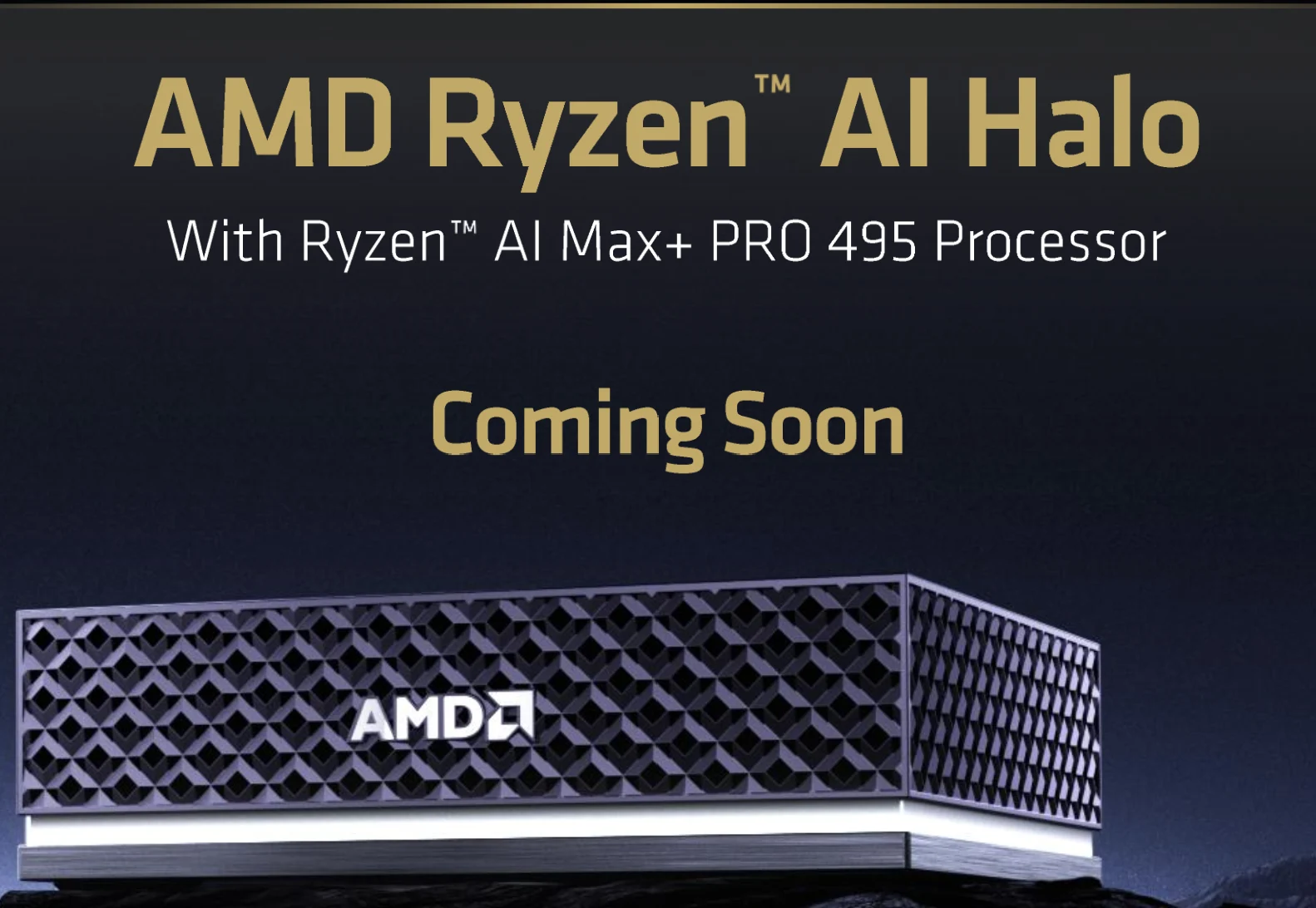
    Unfortunately, that’s all we know about Gogon Halo for now. A Ryzen AI Halo variant with the chips is slated to debut soon, as well. AMD is presumably tight-lipped about Gorgon Halo performance because it is nothing to write home about, as evidenced by the jump between Gorgon Point and Strix Point. Then again, Gorgon Halo is likely a stop-gap solution for memory-hungry workloads, with the real performance boost coming via the next-gen Medusa Halo lineup.


    Sources