Author: GizNews

  • Project Helix Dev Kit News Raises Concerns Over Xbox Release Delay

    Project Helix Dev Kit News Raises Concerns Over Xbox Release Delay

    Key Takeaways

    1. Microsoft’s Project Helix may not launch until 2028 or later due to delays in hardware development and alpha versions not reaching developers until 2027.
    2. AMD’s CEO confirmed a timeline that aligns with speculations of a 2027 release, but concerns remain about developers having enough time to prepare games.
    3. The new Xbox console will run on a version of Windows, allowing support for PC games and emphasizing a shift from previous consoles.
    4. Project Helix aims to feature exclusive Xbox titles and a collection of older games, but potential challenges with development kits and hardware readiness could affect this.
    5. A memory shortage could push the release date further, with some fans now predicting a launch in 2028 or 2029, despite previous timelines suggesting a 2027 holiday release.


    At GDC 2026, Microsoft shared more insights about Project Helix. Yet, some fans are starting to doubt if the new Xbox console will launch as predicted by various insiders. According to Tom Warren, the alpha versions of the hardware won’t be sent to developers until 2027. This timeline suggests that the console may not hit the market until 2028 or possibly later.

    Release Date Speculations

    Among those speculating a 2027 release is Jez Corden from Windows Central. The most credible sign came from AMD’s CEO, Lisa Su, who, back in February, confirmed a similar timeline. However, it’s now uncertain if developers will have enough time to fine-tune Xbox games in time.

    At the GDC event, Microsoft referred to the development tools as alpha hardware instead of dev kits. Though they might serve a similar purpose, the upcoming Xbox console represents a shift from the Series X or PS5. It is expected to operate on a version of Windows, indicating that it will support PC games that are currently in development. In fact, a slide shown during the presentation advised studios to “create for the Xbox on PC.”

    Hybrid Console Features

    Project Helix aims to launch with a vast collection of games ready for its release. Nonetheless, Microsoft has suggested that it will feature Xbox titles that won’t be found on competing consoles. These could include older generation games that function through a compatibility layer or emulation. Conversely, even with a push for cross-platform play, there may be a return to Xbox-exclusive titles.

    If developers need to create projects tailored specifically for the new hardware, having access to development kits on short notice could pose a challenge. Another concern is that the rumored AMD Magnus APU might not be ready until at least 2027. This chip utilizes RDNA 5 architecture, which promises a notable increase in performance.

    Challenges Ahead

    Moreover, a memory shortage could also hinder Microsoft’s plans. Consequently, some fans are now projecting a release for Helix in 2028 or even 2029. However, reports indicate that Series X dev kits didn’t become widely available until early 2020. If history repeats itself, the new Xbox console could still potentially launch in time for the 2027 holiday season.

    Source:
    Link


  • MacBook Neo Outperforms AMD, Intel, Qualcomm in Single-Core Performance

    MacBook Neo Outperforms AMD, Intel, Qualcomm in Single-Core Performance

    Key Takeaways

    1. The MacBook Neo’s A18 Pro chip excels in single-core performance, surpassing most mobile processors and competing closely with Apple’s own M4 and M5 chips.
    2. Benchmark tests indicate the A18 Pro outperforms all x86 processors and recent mobile chips from AMD, Intel, and Qualcomm, except for potentially upcoming Snapdragon X2 chips.
    3. The MacBook Neo offers impressive everyday performance, reinforcing Apple’s choice to use the A18 Pro over the newer A19 Pro.
    4. Budget-friendly Windows laptops are likely to struggle against the MacBook Neo’s performance due to weaker processors.
    5. The MacBook Neo combines strong performance with appealing features, such as a durable aluminum chassis and high-quality display, at a competitive price point, potentially disrupting the budget laptop market.


    When Apple unveiled its latest affordable MacBook Neo, many were curious about how the smartphone chip would perform. After conducting our first set of benchmarks, it’s clear that Apple is playfully competing with AMD, Intel, and Qualcomm. The single-core performance of the MacBook Neo outshines all other mobile processors, except for Apple’s own M4 and M5 chips. And it’s important to note that we’re examining a processor from the year 2024.

    Impressive Benchmark Results

    We ran several benchmarks and found the single-core performance to be quite impressive. Not just in the quick Geekbench test, but also in the Cinebench 2024, where a single-core test lasts around 10 minutes. The A18 Pro uses between 3.5-4 Watts during this test and achieves a score of 147 points. This puts it ahead of all x86 processors in our records, including the Intel Core Ultra 9 285K and AMD Ryzen 9 9950X3D desktop processors. This also indicates that the MacBook Neo surpasses every recent mobile chip from AMD, Intel, and Qualcomm, even though the soon-to-be-released Snapdragon X2 chips may offer slightly better performance. Additionally, the A18 Pro is marginally quicker than Apple’s M3 generation in similar tests.

    Everyday Performance Insights

    Thus, the question regarding everyday performance is mostly settled, which also clarifies why Apple did not opt for the newer A19 Pro from the latest iPhone 17 Pro. This suggests that budget-friendly Windows laptops, which typically come with weaker processors than those in our comparison chart, will struggle to keep up performance-wise. Alongside its other favorable features, such as an aluminum chassis, a bright 500-nit IPS display, and a full sRGB color range, the low price tag—especially considering the software that comes pre-installed with macOS—means the MacBook Neo could truly disrupt the budget laptop market.

  • OnePlus Nord Buds 4 Pro: Enhanced ANC and LHDC Support Coming Soon

    OnePlus Nord Buds 4 Pro: Enhanced ANC and LHDC Support Coming Soon

    Key Takeaways

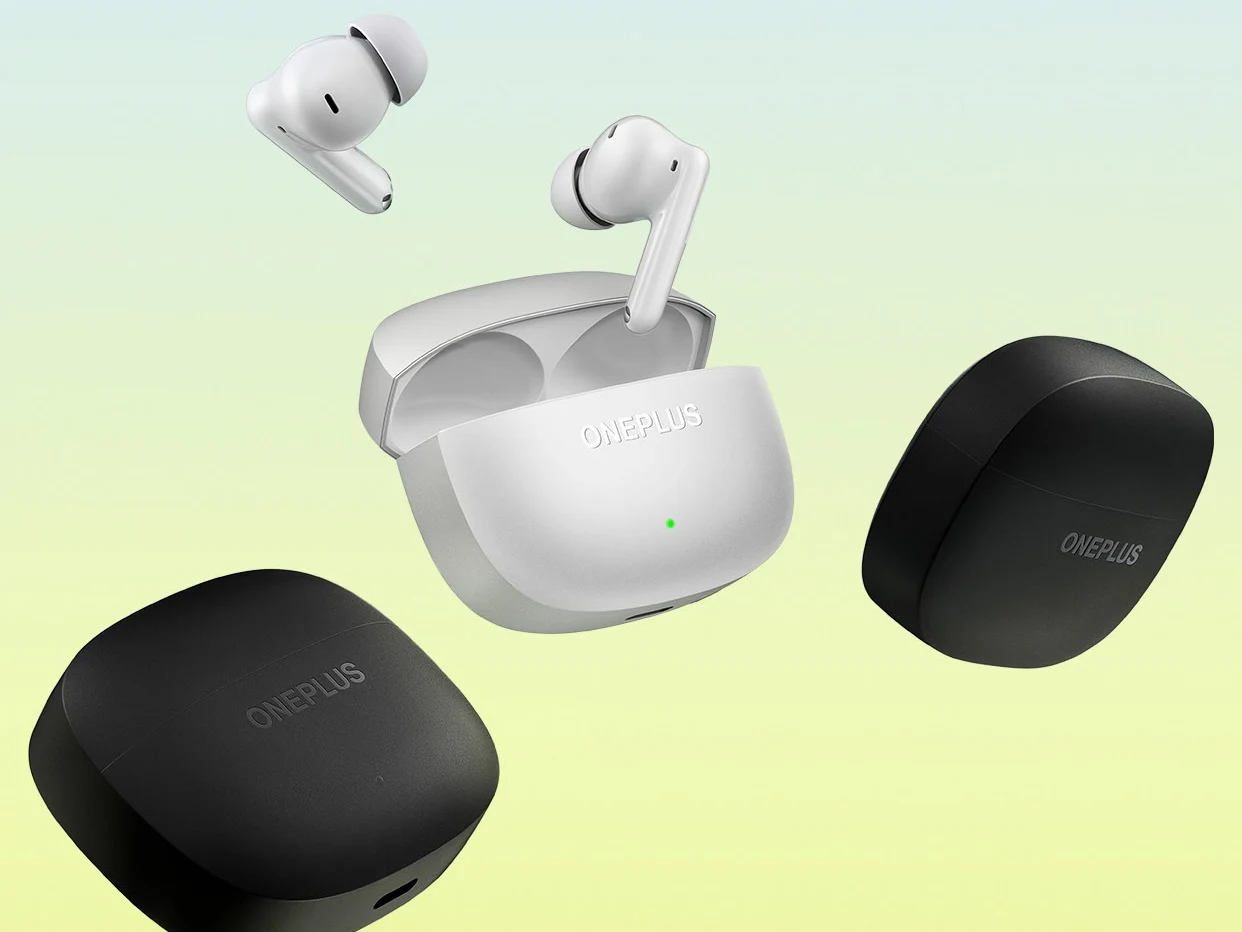
    1. The new earbuds will be called Nord Buds 4 Pro, featuring a revamped design with consistent stem thickness and a longer touch control groove.
    2. The charging case has been redesigned from an oval shape to a squircle design, available in black and white.
    3. The Nord Buds 4 Pro will have 12mm titanium-coated drivers and improved active noise cancellation (ANC) up to 55dB.
    4. New features include Hi-Res Audio Wireless, LHDC codec support, 3D Spatial Audio, and Game Sound Spatial Audio.
    5. The earbuds will have six microphones and utilize AI technology for enhanced noise cancellation during phone calls.


    It has been almost two years since OnePlus introduced the Nord Buds 3 Pro. Now, the company is preparing to launch its successor, and ahead of the release later this month, they have shared some important information regarding the new earbuds.

    New Design Features

    The upcoming earbuds will be known as the Nord Buds 4 Pro. According to a promotional page currently live on Amazon India, OnePlus has completely revamped the design. While the new earbuds maintain the in-ear style of the last generation, the stems feature a consistent thickness throughout. Additionally, the touch control groove has been lengthened, now covering about 40% of the stem’s length.

    Changes to the Charging Case

    Not only have the earbuds seen a redesign, but the promotional images also indicate that the charging case has changed. The previous oval-shaped case has been replaced with a squircle design, which still allows for a vertical storage of the earbuds and opens in a flip manner. From the images, it appears that the Nord Buds 4 Pro will come in both black and white.

    Enhanced Sound and Features

    Regarding specifications, the Nord Buds 4 Pro will feature 12mm titanium-coated drivers. OnePlus claims to have enhanced the active noise cancellation (ANC), now reaching up to 55dB, an upgrade from the 49dB found in the Nord Buds 3 Pro.

    Another notable improvement is the addition of Hi-Res Audio Wireless and LHDC codec support. This is a significant advancement, as the previous model (which is available on Amazon for $74.01) only supported AAC and SBC codecs. The new earbuds will also offer 3D Spatial Audio and Game Sound Spatial Audio. Furthermore, the Nord Buds 4 Pro will be equipped with a total of six microphones and will utilize AI technology for noise cancellation during phone calls.

    There are still numerous details that remain unclear, and while OnePlus may disclose additional information gradually, they might also choose to hold off until the official launch day on March 19.

    Source:
    Link


  • Apple’s $599 MacBook Neo: First Impressions and Review

    Apple’s $599 MacBook Neo: First Impressions and Review

    Key Takeaways

    1. Affordability: The MacBook Neo starts at $599, with a special price of $499 for education, targeting budget-conscious consumers.

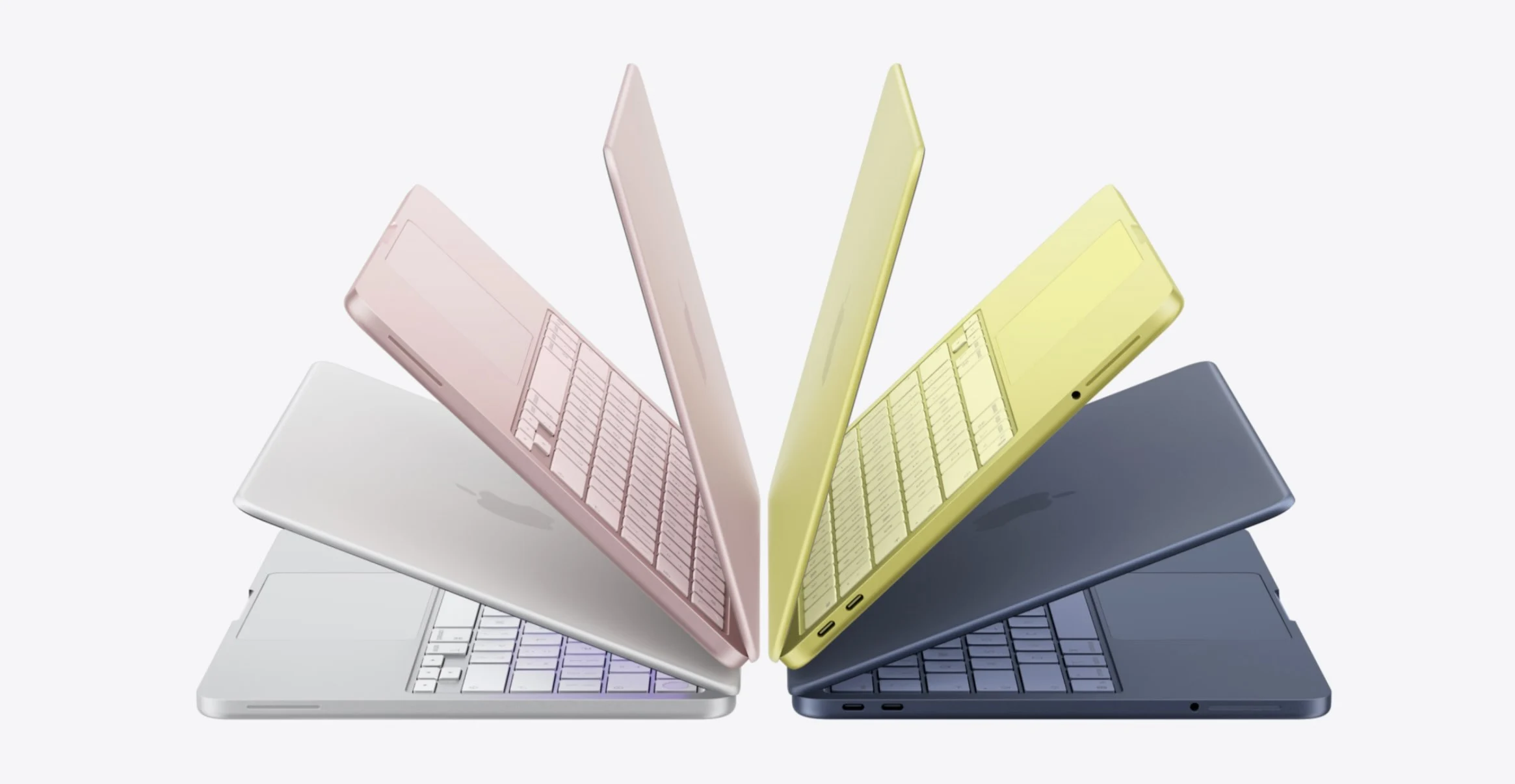
    2. Design Options: Available in various colors including citrus, silver, Indigo, and Blush, with a solid aluminum body and a choice of storage options.

    3. Performance: Equipped with the A18 Pro chip, the MacBook Neo performs well for multitasking and runs smoothly without significant differences compared to the MacBook Air.

    4. Display Quality: The IPS display offers vibrant colors and sharp images, featuring a brightness sensor, which is a notable advantage at this price point.

    5. User Experience: The laptop has a responsive clickpad and a familiar typing experience, though it lacks keyboard backlighting, and operates quietly due to its passive cooling system.


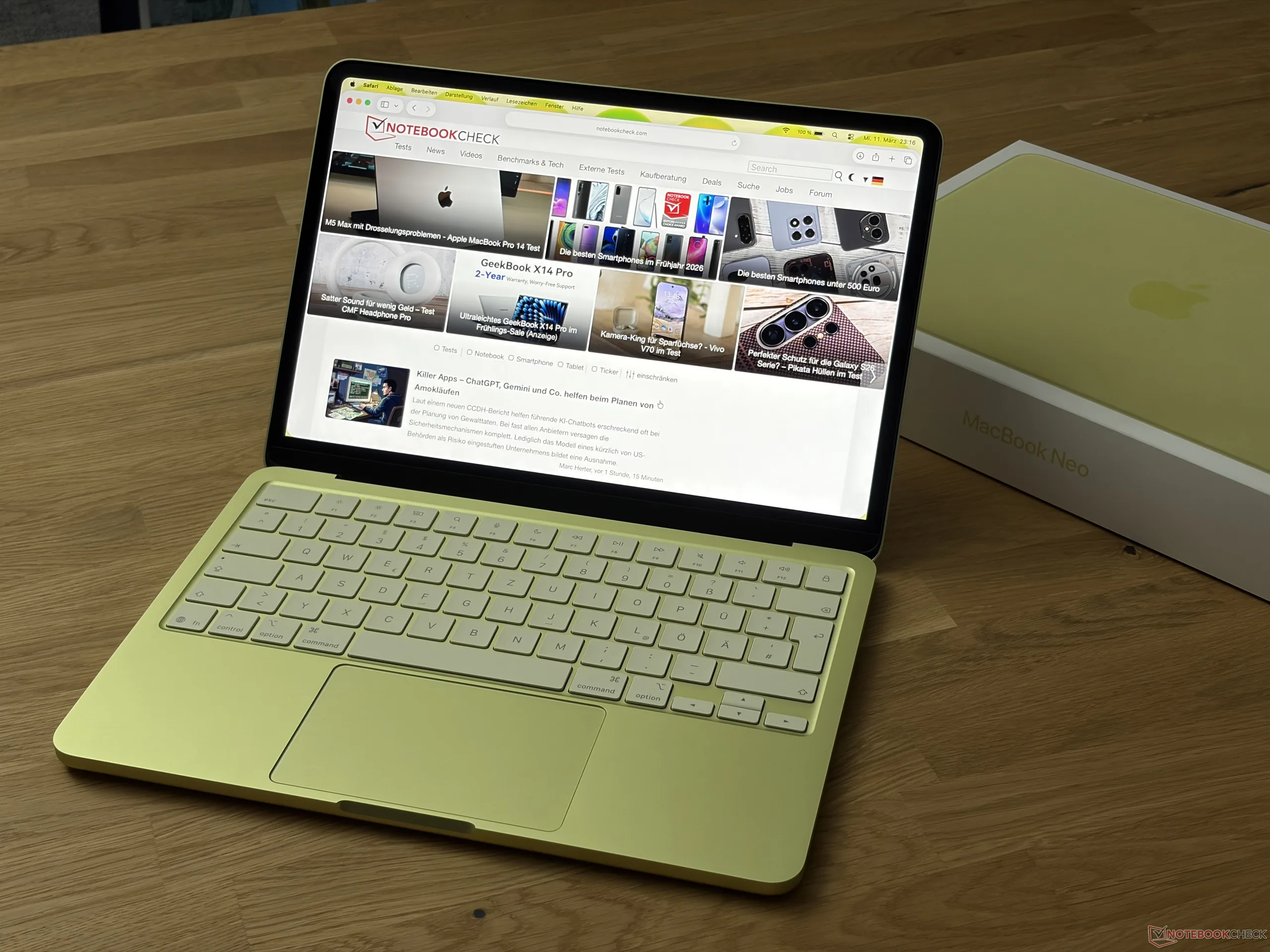
    After checking out Apple’s latest MacBook Air and MacBook Pro models in the past few days, we can now dive into a detailed review of Apple’s newly released budget-friendly MacBook Neo. Starting at a price of $599 (or just $499 for those in education), Apple aims to capture a larger share of the market. This 13-inch device is equipped with Apple’s A18 Pro chip, which is the same processor found in the older iPhone 16 Pro. But does it perform well?

    Design and Colors

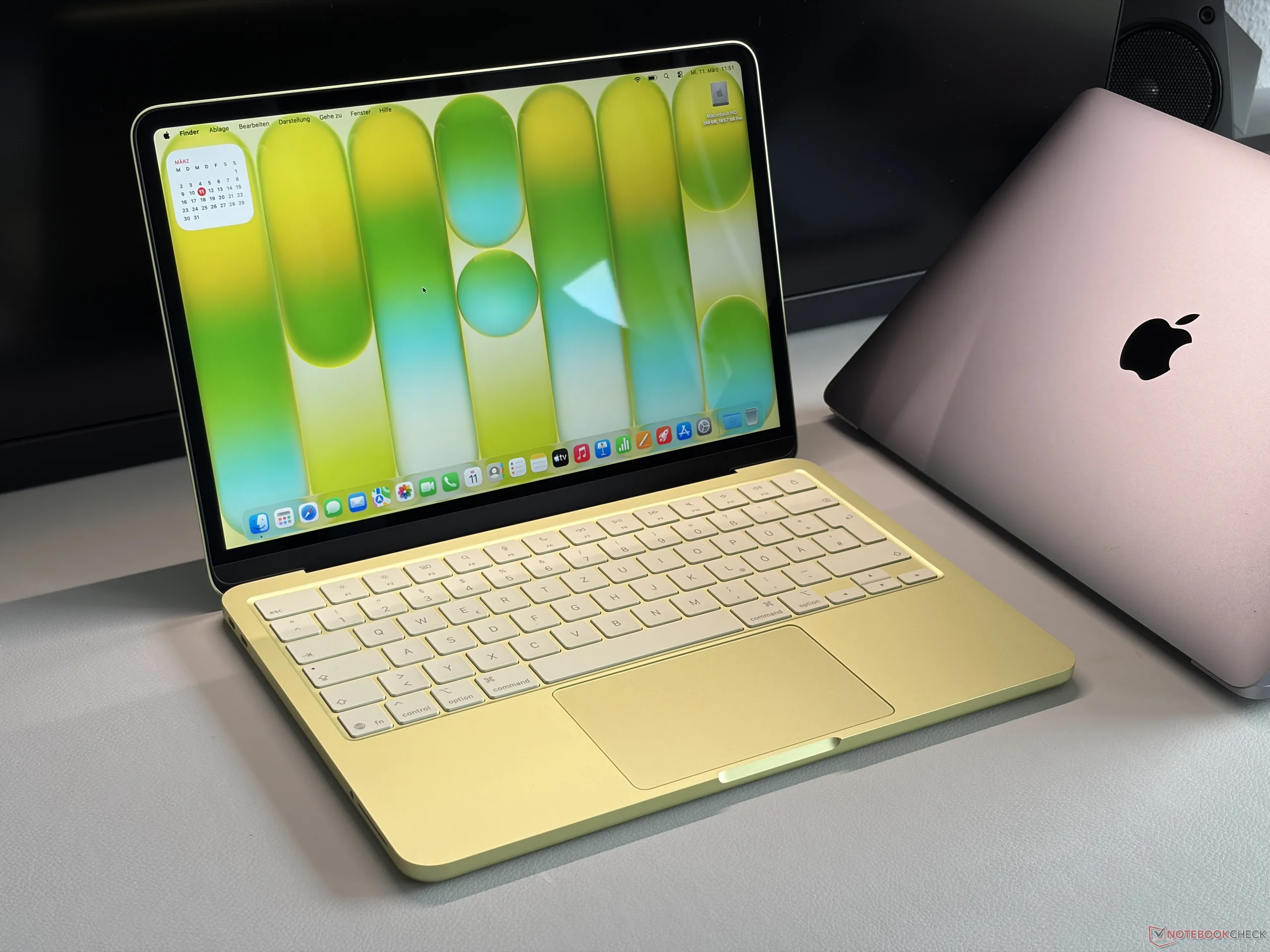
    We take a look at the entry-level version priced at $599, featuring 8 GB of RAM and 256 GB of SSD storage, presented in a bright citrus color that many may find refreshing, although personal taste plays a big role here. It also comes in silver, Indigo, or Blush. For those willing to spend $699, there’s a model that includes a bigger 512 GB SSD and a Touch ID fingerprint scanner.

    Performance and Quality

    Our first thoughts are quite good. The MacBook Neo has the feel of a standard MacBook, boasting a sturdy aluminum body and the typing experience we’ve come to expect. However, one noticeable downside is that it doesn’t have keyboard backlighting. The new clickpad, which is responsive across its entire surface, provides solid feedback, but it is smaller than the one on the MacBook Air. The IPS display maintains the quality Apple is known for, delivering vibrant colors, sharp images, and adequate brightness, complete with a brightness sensor—a feature not common in this price bracket.

    Testing Phase

    While setting up the laptop, we faced no difficulty, and so far, the performance seems really good. Even when multitasking by installing apps from the App Store, downloading files with Safari, and transferring apps from an external SSD, everything ran smoothly. Honestly, we haven’t detected any significant difference when compared to the new MacBook Air 13 up to this point. Plus, due to its passive cooling system, the Neo operates without making any noise.

    We are gearing up to conduct our standard tests and measurements. Please feel free to leave a comment if you have any specific requests or ideas for the review!

  • iPhone 17e Outperforms MacBook Neo: Budget Laptop vs. Phone

    iPhone 17e Outperforms MacBook Neo: Budget Laptop vs. Phone

    Key Takeaways

    1. The MacBook Neo underperformed compared to the iPhone 17e in Geekbench 6 tests, being about 5% slower in both single-core and multi-core performance.
    2. The MacBook Neo uses a modified A18 Pro chip, which is older than the A19 chip in the iPhone 17e, leading to slightly slower CPU performance.
    3. Both the MacBook Neo and the iPhone 17e have similar graphics capabilities in benchmark tests.
    4. Initial feedback on the MacBook Neo is positive, especially regarding its price-to-performance ratio, showcasing the advancement of Apple’s mobile chips.
    5. Future comparisons with similarly priced Windows laptops will provide a clearer picture of the MacBook Neo’s performance, with a detailed review expected soon.


    Apple’s latest MacBook Neo might actually be the slowest device in its current lineup.

    Performance Comparison

    Initial Geekbench 6 results reveal that the MacBook Neo (model Mac17,5) doesn’t perform as well as the iPhone 17e (model iPhone 18,5) in both single-core and multi-core tests. On average, the budget iPhone outperformed its laptop counterpart by about 5% in these benchmarks.

    Chip Specifications

    This result isn’t entirely unexpected, given that the MacBook Neo operates on a modified version of Apple’s A18 Pro SoC, which is the same chip found in last year’s iPhone 16 Pro and 16 Pro Max. When compared to the iPhone 17e’s newer A19 chip, the A18 Pro shows slightly slower CPU performance. However, both chips have similar graphics capabilities, with no distinct advantage for either in the various benchmark tests.

    Positive Feedback

    Early impressions of the MacBook Neo have been generally favorable, particularly regarding its price-to-performance ratio. This highlights how advanced Apple’s mobile chips have become, indicating that even the most affordable iPhone can meet the needs of many users. The initial feedback on the Neo suggests that it should serve most consumers well, which reflects positively on Apple’s current iPhone offerings.

    Future Comparisons

    Naturally, a more accurate assessment of the Neo would involve comparing it to similarly priced Windows laptops, which are still being released. Notebookcheck plans to publish a thorough review of the MacBook Neo soon, which will provide an extensive look at its performance relative to a large collection of laptops.

    Source:
    Link


  • Xbox VP Reveals Project Helix with Major Performance Gains

    Xbox VP Reveals Project Helix with Major Performance Gains

    Key Takeaways

    1. Project Helix is in deep development for the next generation Xbox console, with collaboration from AMD on a custom APU.
    2. Significant improvements in ray tracing performance are expected, leading to more realistic game environments.
    3. Alpha versions of Project Helix will be available to developers by early 2027, with a potential reveal and launch in late 2027 or early 2028.
    4. Xbox mode, previously known as Xbox Fullscreen Mode, will roll out on Windows 11 starting in April in selected regions.
    5. Microsoft emphasizes ongoing investment in Xbox consoles, reinforcing their commitment to the platform’s future.


    Xbox is holding a keynote at GDC where top leaders are discussing what’s next for Xbox and the status of Project Helix. Jason Ronald, the Vice President of Next Generation at Xbox, presented at the event and provided some details about the features of the upcoming Xbox console, Xbox mode, and timelines for developers, among other things.

    Project Helix Development Update

    According to the summary from the keynote on Xbox Wire, Ronald mentioned that the team is “deep in development on our next generation Xbox console, Project Helix.” They are cooperating with AMD to create a custom APU and utilizing FSR to enhance the next generation’s capabilities, including neural rendering, machine learning (ML) upscaling, ML multi-frame generation, and ray regeneration for path tracing.

    Improvements in Ray Tracing

    Ronald further stated that the forthcoming Xbox console will offer a “order of magnitude leap in ray tracing performance and capability” when compared to the current Xbox consoles. This advancement should lead to more lifelike, engaging, and evolving game environments. However, no benchmarks or data were provided to support these claims, which seems a little premature.

    Developer Access and Xbox Mode

    Additionally, alpha versions of Project Helix are expected to be available to developers by early 2027, indicating that game studios will be able to start creating for the next generation Xbox as soon as early 2027. This could imply that a reveal might happen by the end of 2027, with an early 2028 launch still possible.

    During the keynote, Xbox mode was introduced, which is essentially the new name for Xbox Fullscreen Mode. It is set to roll out on Windows 11 starting in April, but only in selected regions initially. The company hasn’t yet provided a specific release date or the list of regions that will receive it first. Another important focus for the next generation of Xbox is “Xbox Play Anywhere,” with the aim of making development tools more user-friendly for better experiences.

    Microsoft wants to stress that Xbox consoles are here to stay and that the company will keep investing in them for the foreseeable future.

    Source:
    Link


  • Apple MacBook Neo 2 May Not Include Touch Support, Says Analyst

    Apple MacBook Neo 2 May Not Include Touch Support, Says Analyst

    Key Takeaways

    1. The MacBook Neo is Apple’s first laptop priced under $600, featuring an A18 Pro chip and a solid build.
    2. It has a 13-inch Retina display with 500 nits brightness, providing a strong visual experience.
    3. Rumors about a touchscreen for the MacBook Neo 2 have been dismissed, according to analyst Ming-Chi Kuo.
    4. The initial touchscreen idea aimed to compete with Chromebooks, which are popular in educational settings.
    5. The MacBook Neo outperforms many Chromebooks in performance, display quality, and desktop application support.


    MacBook Neo Makes Waves

    Recently, the MacBook Neo has captured attention as Apple’s first laptop priced under $600. Powered by the A18 Pro chip, this notebook does come with its share of issues, yet it still boasts a solid build and a 13-inch Retina display with 500 nits brightness, offering a visually pleasing experience.

    Touchscreen Speculations

    After the launch, there were rumors surrounding the upcoming MacBook Neo 2, hinting that it would include a touchscreen display, as suggested by well-known analyst Ming-Chi Kuo. However, a later update from Kuo indicated that the plans for a touch display might be off the table, mentioning “industry checks” as the reasoning behind this shift.

    Competing in the Market

    Kuo pointed out that the initial idea of equipping the next MacBook Neo with a touchscreen was aimed at making it competitive against Chromebooks, many of which come with touch capabilities and are popular in schools. While Kuo didn’t elaborate on why these plans were scrapped, it’s reasonable to think that the costs of components played a significant role.

    When we look at the Apple MacBook Neo (which is priced at $599 on Amazon), it clearly outperforms many Chromebooks in terms of performance, display quality, and it also supports desktop applications fully, setting it apart in the crowded market.

    Source:
    Link


  • Debian-based Volumio Update: Enjoy Music on Low-Spec Hardware

    Debian-based Volumio Update: Enjoy Music on Low-Spec Hardware

    Key Takeaways

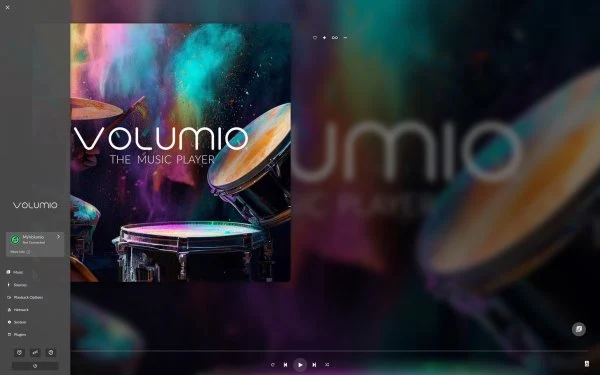
    1. Volumio is a Debian-based software that integrates the open-source Music Player Daemon for high-quality audio streaming.
    2. It supports local music playback and online streaming from services like Spotify, Last.fm, and SoundCloud, with a premium subscription option.
    3. The latest version, 4.096, retains the Openbox desktop environment and offers many features for free that competitors charge for.
    4. Key features include DSD support, AirPlay playback, and compatibility with Raspberry Pi and Odroid 12S DACs.
    5. Volumio’s website provides a section for specialized hardware to enhance the audiophile listening experience.


    When talking about streaming audio with high quality, the software environment has to be both effective and very stable. Volumio, which is based on Debian, seeks to completely integrate the open-source Music Player Daemon into the Linux framework and make it better for the optimal user experience.

    Features and Compatibility

    Not only does it play music stored locally across various hardware setups, but it also supports online streaming from platforms like Spotify, Last.fm, and SoundCloud. Nevertheless, some functionalities are reserved for Premium users, who can try a 14-day free trial. After that, the subscription price is US$79.99 annually.

    Version Updates

    The latest version, 4.096, continues to use the Openbox desktop environment, similar to its predecessor that launched in July last year. Here are some updated package names along with their versions:

    The free version of Volumio includes an extensive array of features that other comparable products typically offer only to their paying clients. These features include DSD support, AirPlay playback, the ability to create and modify custom playlists, and native compatibility with Raspberry Pi and Odroid 12S DACs, among other things. You can find two primary download options: a Raspberry Pi image and one for x86/x64 computers.

    Additional Resources

    Volumio’s website also features a unique section with specialized hardware that audiophiles can purchase to achieve the ideal combination of software and hardware for their listening experience.

    Source:
    Link


  • Turtle Beach Launches Street Fighter II Victrix Pro KO Fight Stick

    Turtle Beach Launches Street Fighter II Victrix Pro KO Fight Stick

    Key Takeaways

    1. Release Information: The Victrix Pro KO Leverless Fight Stick will be available on April 9th and features characters Ryu and Chun-Li.

    2. Compatibility and Pricing: It is compatible with PS4, PS5, and PC, priced at $299.99/€279.99/£249.99, and pre-orders are available.

    3. Leverless Design: The stick uses a leverless setup with 4 buttons for direction and 16 buttons for actions, featuring customizable RGB light rings.

    4. Customization Options: Users can change layouts and swap Cherry MX switches, with the Victrix Control Hub allowing for button remapping and profile storage.

    5. Learning Curve: While it has a steep learning curve, it caters to both esports professionals and casual gamers, supporting various Capcom games.


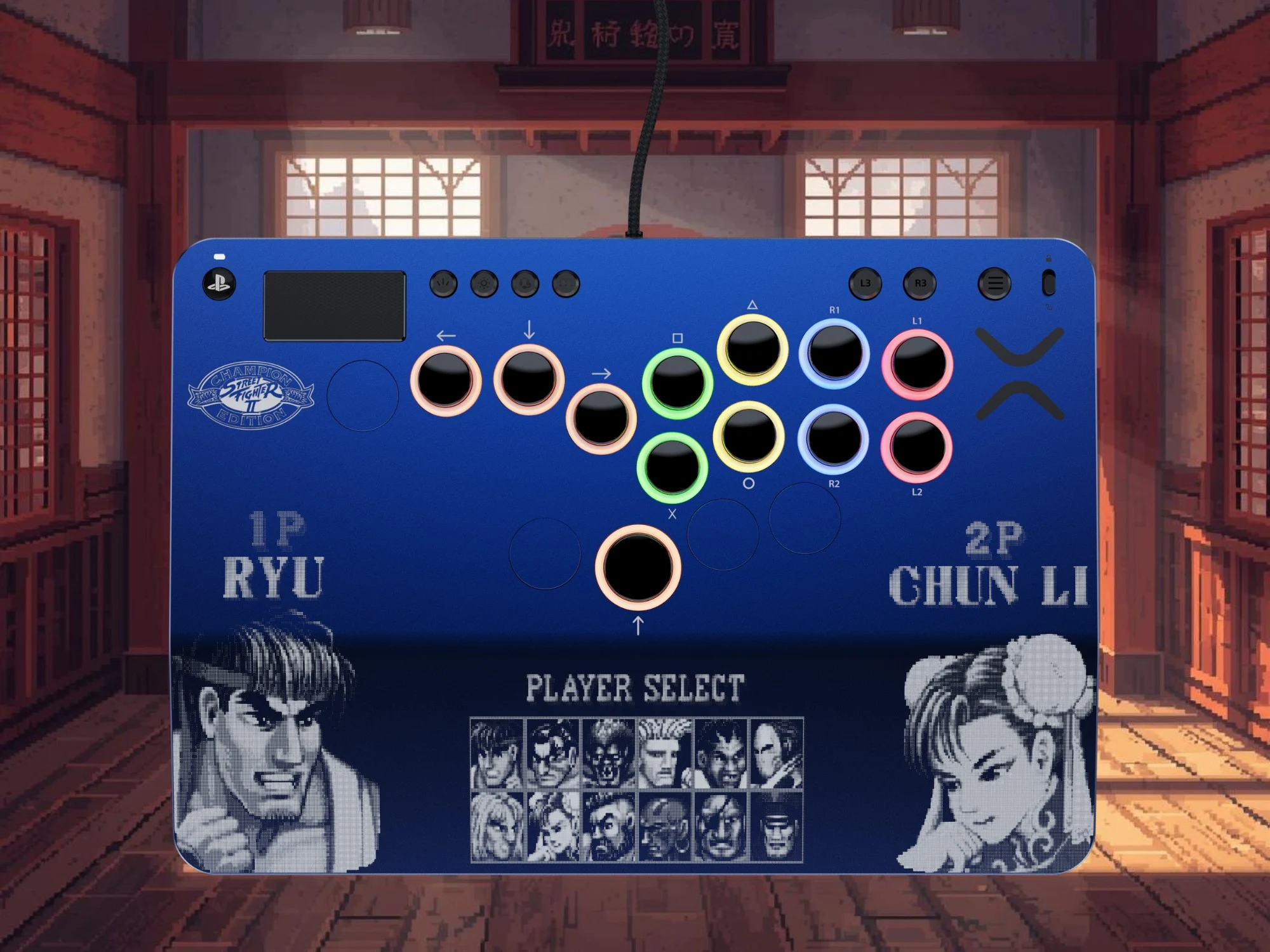
    Fans of fighting games are always looking to personalize their gear. The Victrix Pro KO Leverless Fight Stick Street Fighter II: Champion Edition simplifies this process for gamers. Turtle Beach has revealed that this new accessory, showcasing Ryu and Chun-Li, will be released on April 9th.

    Compatibility and Pricing

    This redesigned Victrix Pro KO works with the PS4, PS5, and PC, and has a launch price of $299.99/€279.99/£249.99. Players can already pre-order the wired device from various retailers, including Amazon.

    Leverless Design

    Leverless fight sticks have seen a rise in popularity as a quicker option. With the Turtle Beach stick, players utilize 4 buttons for directional controls. The 16-button setup incorporates Cherry MX Speed switches to allow for quick punches and kicks. Each RGB light ring around the buttons can be customized to display different colors.

    Customization Options

    The faceplate showcases two beloved characters from Capcom’s iconic fighting game series. Between Ryu and Chun-Li, players will find a Street Fighter II player select screen. Still, those who enjoy customization can adjust the Victrix Pro KO to suit their gameplay.

    The cover of the leverless stick can be removed, giving users the ability to change the button layout. They can also swap the hot-swappable Cherry MX switches for different ones that provide a unique feel. For PC users, the Victrix Control Hub allows for instant button remapping and profile storage.

    Design and Usability

    When compared to the Razer Kitsune, the Victrix Pro KO Leverless Fight Stick Street Fighter II: Champion Edition appears a bit bulkier. However, fighters might find that its angled front offers a more comfortable feel. A detachable 3-meter USB-C cable also makes it easier for transport.

    Learning Curve

    Like all leverless fight sticks, the Turtle Beach model may have a steep learning curve. Still, many esports professionals and casual gamers have come to prefer them. If potential buyers are not dedicated Street Fighter fans, the Victrix Pro still welcomes players of other Capcom games, such as Tekken and Dragon Ball.


    Source:
    Link


  • Zentyal Server 8.1 Released: Improved Features on Ubuntu 24.04 LTS

    Zentyal Server 8.1 Released: Improved Features on Ubuntu 24.04 LTS

    Key Takeaways

    1. Zentyal has been available since 2009 and was originally called eBox Platform.
    2. The latest version, Zentyal Server 8.1, was released in February 2024 and is based on Ubuntu Server 24.04 LTS.
    3. Zentyal Server offers Samba integration, providing native support for Microsoft Active Directory.
    4. It is suitable for managing Windows clients, making it popular among private enterprises and government offices.
    5. The ISO file for Zentyal Server 8.1 is 4,570 MB and can be downloaded directly from their website.


    Open-source email and groupware solution Zentyal, based on Ubuntu Linux, has been available since summer 2009. Initially launched as eBox Platform, it has evolved significantly over the years. The latest version, 8.0, was released in late February 2024, and just this Monday, its new version made a notable entrance.

    Key Features of Zentyal Server 8.1

    Built on an Ubuntu Server 24.04 LTS foundation, Zentyal Server 8.1 offers several impressive features. It stands out as a viable Linux alternative to Windows Server. With Samba integration, it also provides native support for Microsoft Active Directory. This capability allows Zentyal Server to effectively manage Windows clients, making it a popular choice among both private enterprises and government offices for domain and directory services as well as file storage.

    Download and Changelog

    For those who want to see the complete changelog, it’s available on their website. The ISO file size is 4,570 MB and can be easily downloaded by clicking here (direct download link).

    Zentyal Linux Server is a great option for organizations looking for a robust and flexible server solution.

    Source:
    Link