Author: GizNews

  • OnePlus 15T Launch Date Announced for New Compact Flagship Phone

    OnePlus 15T Launch Date Announced for New Compact Flagship Phone

    Key Takeaways

    1. Launch Date: The OnePlus 15T will be launched in China on March 24th at 19:00 local time, with potential for a different name in global markets.

    2. Display Size: The OnePlus 15T features a 6.32-inch display, smaller than the 6.78-inch display of the OnePlus 15, and supports a 165Hz refresh rate.

    3. Processor and Battery: It is powered by a Snapdragon 8 Elite Gen 5 processor and has a large 7,500mAh battery with 100W wired and 50W wireless charging capabilities.

    4. Camera Features: The smartphone includes a periscope telephoto lens that provides 3.5x optical zoom.

    5. Pricing Uncertainty: It remains unclear if the OnePlus 15T will have a higher price than last year’s 13T, which was priced at 3,399 yuan (around $446).


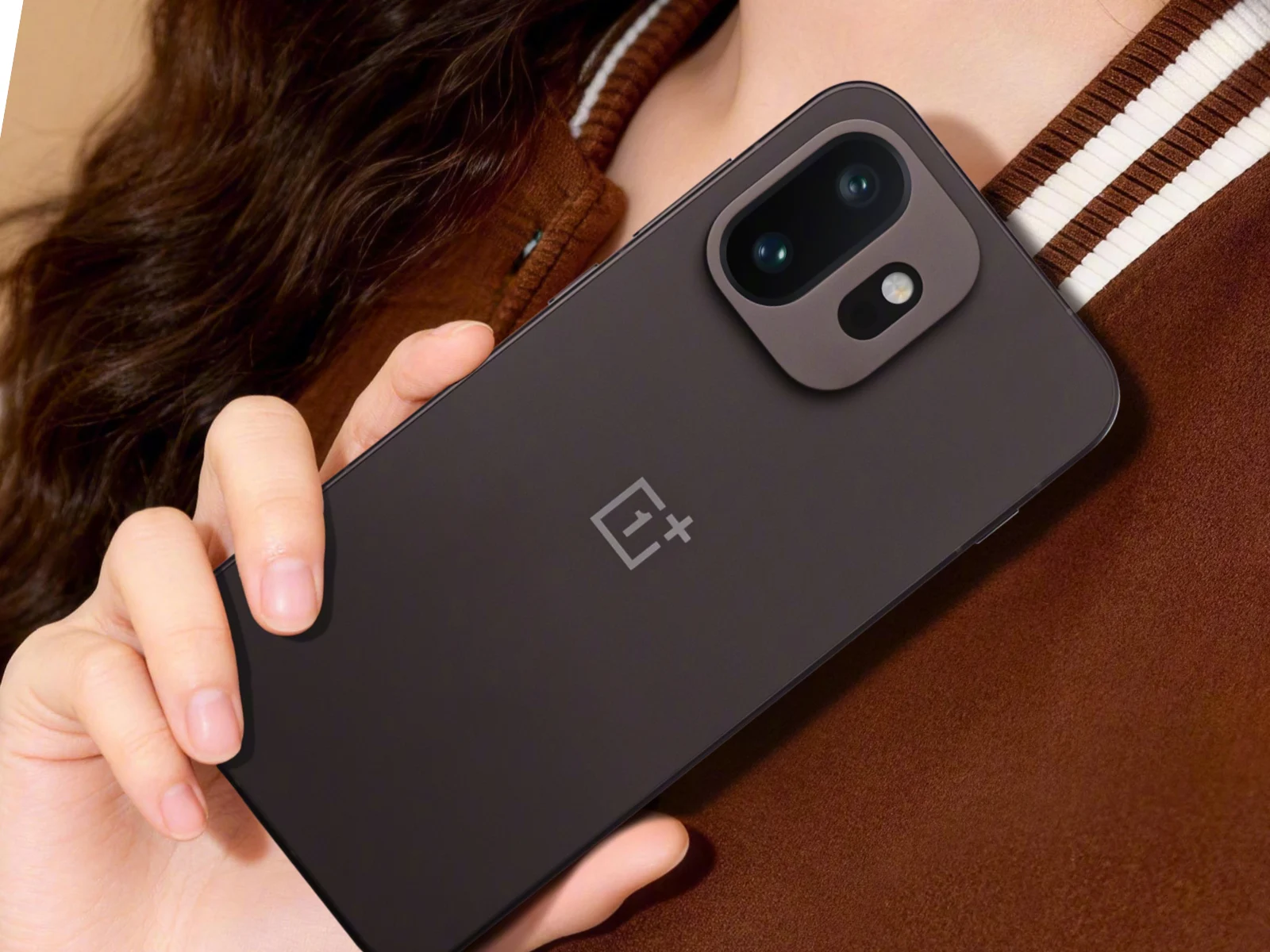
    The OnePlus 15T is a sleek flagship smartphone, taking the place of last year’s OnePlus 13T. Earlier this month, the brand began to hint at important features of the device. Recently, OnePlus China has disclosed the details for the launch event.

    Launch Date Announced

    The launch event for the OnePlus 15T is set to occur in China on March 24th at 19:00 local time. Currently, there’s no official information regarding its availability in other countries. Last year’s 13T was released as the OnePlus 13s in some regions outside of China. Therefore, it’s possible that the OnePlus 15T could be known as the OnePlus 15s when it reaches global markets.

    Key Specifications Revealed

    Many aspects of the new phone have already been highlighted by OnePlus. The most significant change between the standard OnePlus 15 and the 15T is in the display size. The OnePlus 15 (currently priced at $899 on Amazon) features a 6.78-inch display, while the 15T comes with a more compact 6.32-inch screen. Importantly, it supports a 165Hz refresh rate and has 1.1mm symmetrical bezels.

    Performance and Battery Life

    In terms of performance, a Geekbench listing has verified that the OnePlus 15T is powered by a Snapdragon 8 Elite Gen 5 processor. The smartphone is equipped with a substantial 7,500mAh battery that supports 100W wired fast charging along with 50W wireless charging, and it weighs in at 194 grams.

    Additionally, the device includes a periscope telephoto lens that offers 3.5x optical zoom. It remains uncertain whether the 15T will have a price higher than the launch price of the 13T, which was 3,399 yuan (around $446), especially since OnePlus has recently raised prices on some of their devices in China.

    Source:
    Link



  • Nvidia CEO Jensen Huang Challenges Gamers on DLSS 5 Misconceptions

    Nvidia CEO Jensen Huang Challenges Gamers on DLSS 5 Misconceptions

    Key Takeaways

    1. Gamers criticized Nvidia’s DLSS 5 for altering artistic styles, leading to a “yassified” and generic look in games.
    2. Jensen Huang, Nvidia’s CEO, stated that gamers’ concerns about DLSS 5 are “completely wrong” and emphasized the technology’s capabilities.
    3. DLSS 5 combines traditional rendering with generative AI, allowing developers to retain artistic control over their games.
    4. Huang clarified that DLSS 5 operates at the geometry level, not just applying a filter, making it different from traditional generative AI.
    5. The impact of DLSS 5 on game performance and visuals is still uncertain, with its introduction expected in fall 2026.


    Nvidia’s CEO, Jensen Huang, has responded to criticism from gamers regarding the company’s new DLSS 5 technology. Many players have expressed concerns that it changes artistic styles into a generic “yassified” appearance, causing characters in games like Resident Evil Requiem, Starfield, and Hogwarts Legacy to have “uncanny valley” faces. Huang firmly stated that gamers are “completely wrong” about DLSS 5.

    Gamers’ Concerns

    Just after Nvidia revealed DLSS 5 during its GTC 2026 event, players voiced their dissatisfaction. They argued that instead of enhancing visuals and eliminating artifacts, the technology alters the original artistic vision of games, giving them a shiny, photorealistic look. Many users felt that DLSS 5 made everything appear too similar.

    The reaction was particularly strong when players noticed changes in characters like Leon Kennedy and Grace Ashcroft from Resident Evil Requiem. These characters looked notably different and more idealized compared to their original designs, with some likening the changes to trendy Instagram beauty filters or “AI slop.”

    Addressing the Backlash

    During a press Q&A session with Tom’s Hardware at GTC 2026, Huang addressed the negative feedback directly when asked about it by the publication’s editor-in-chief. He expressed that gamers’ concerns were misplaced, stating, “Well, first of all, they’re completely wrong.”

    Huang elaborated on the philosophy behind DLSS 5, explaining that the technology merges control over geometry and textures with generative AI. He emphasized that DLSS 5 doesn’t just apply a filter to the frames. Instead, it works at a detailed geometry level, integrating traditional rendering with AI to enhance lighting, textures, and details while allowing developers to maintain artistic control.

    A New Approach

    Huang clarified, “It’s not post-processing; it’s not post-processing at the frame level. It’s generative control at the geometry level. All of that is directly under the game developer’s control. This is very different from traditional generative AI; it’s content-controlled generative AI. That’s why we call it neural rendering.”

    Gamers are concerned that Nvidia’s DLSS 5 may negatively impact titles like Hogwarts Legacy and Resident Evil Requiem, as all these games are expected to receive updates for DLSS 5.

    Nvidia claims that DLSS 5 is its most significant milestone since ray tracing, with promises of hyper-realistic graphics without sacrificing performance. However, the actual effects on performance and visuals are yet to be determined. DLSS 5 is expected to be gradually introduced in fall 2026.

    In the end, the reaction to DLSS 5 may either fade away or intensify, depending on how developers adapt and incorporate it into their games. Gamers continue to express their concerns about what they see as a growing trend of “AI slop,” even as Nvidia’s GPUs remain scarce, driving up prices for high-end options.

    Source:
    Link


  • Death Stranding 2 PC Features Revealed Before Launch

    Death Stranding 2 PC Features Revealed Before Launch

    Key Takeaways

    1. Launch Date and System Requirements: Death Stranding 2 will launch on PC on March 19, with low system requirements suitable for devices like the Steam Deck.

    2. Enhanced Graphics Support: The game supports AI-driven image upscalers (DLSS, FSR, XeSS), uncapped frame rates, ray-traced reflections, and ambient occlusion, along with ultra-wide monitor compatibility.

    3. DualSense Controller Features: Players using a DualSense controller will experience adaptive triggers and spatial audio, enhancing the console feel on PC.

    4. Exclusive In-Game Rewards: Connecting PlayStation ID with Steam or Epic Games Store accounts grants players a porter suit skin, with additional bonuses for Deluxe Version purchasers.

    5. Creative Gameplay and Storyline: The game features innovative mechanics and a complex storyline, providing a richer experience, especially for those familiar with the first installment.


    Death Stranding 2 is ready to launch on PC on March 19. The game’s system requirements are not overly high, allowing it to operate on devices like the Steam Deck. Kojima Studios and PlayStation have also revealed some unique features for PC gamers in Death Stranding 2. For example, players who own a DualSense controller will experience the full console feel, with adaptive triggers and spatial audio included.

    Enhanced Graphics Support

    The game is compatible with major AI-driven image upscalers, including DLSS, FSR, and XeSS. This, paired with uncapped frame rates, should provide a more enhanced experience compared to the PlayStation 5. Furthermore, Death Stranding 2 features ray-traced reflections and ambient occlusion for improved graphic quality. Ultra-wide monitors with a 21:9 aspect ratio are also supported, and this feature will be available on PlayStation 5 consoles in the future.

    Exclusive In-Game Rewards

    Players who connect their PlayStation ID with their Steam or Epic Games Store accounts will receive a porter suit skin as an in-game bonus. Those who purchase the Deluxe Version will get access to three boost skeletons and a machine gun earlier in the game than in the standard version. You can now pre-order the game on Steam and the Epic Games Store at prices of $59.99 for the Standard edition and $69.99 for the Deluxe edition.

    In our review of Death Stranding 2, we highlighted the game’s creative gameplay mechanics that significantly enhance what the original Death Stranding offered. The storyline is intricate, filled with unexpected twists and turns, which is what fans expect from a Hideo Kojima title. While you can enjoy Death Stranding 2 as a standalone game, playing the first installment will provide a deeper understanding of the narrative.

    Source:
    Link


  • New Test Reveals Harmful DNA-Damaging Chemicals in Cosmetics & Food

    New Test Reveals Harmful DNA-Damaging Chemicals in Cosmetics & Food

    Key Takeaways

    1. Novel Testing Method: Researchers developed a new technique to detect harmful concealed chemicals in everyday items without prior knowledge of their structures.

    2. Low Detoxification Rates: The simulation of human metabolism revealed that the body’s ability to detoxify these harmful substances is unexpectedly low.

    3. Skin Exposure Risks: Harmful chemicals can easily enter the bloodstream through skin abrasions or bleeding gums, highlighting potential health risks.

    4. Efficiency in Laboratory Testing: The new method is five times faster than traditional assessments, reducing manual work and consumable costs by over 99%.

    5. Global Application: A cost-effective, open-source version of the testing system has been created for regulatory bodies and manufacturers to enhance consumer safety worldwide.


    Researchers at Justus Liebig University Giessen have unveiled a groundbreaking testing method that can detect concealed chemicals which might permanently harm human DNA and living cells. Conventional testing approaches often overlook these hazardous substances in complex mixtures, mainly due to solubility challenges or conflicting signals in the lab. To address this issue, the research group created a novel technique that separates individual compounds from everyday items such as teas, fragrances, and cosmetics without needing prior knowledge of their specific chemical structures.

    Human Metabolism Simulation

    Additionally, the team simulated the metabolism of the human liver to study how these chemicals are processed by the body. Their findings showed that the body’s natural detoxification of these substances is surprisingly low. Upon examining various common products, they found harmful compounds in inadequately regulated items like lipsticks, wound ointments, and nipple creams.

    Risks of Skin Exposure

    These results highlight the ease with which these harmful chemicals can penetrate natural protective barriers, entering the bloodstream through small skin abrasions or bleeding gums. The data also supports existing health warnings about red meat and backs recent European Union restrictions on smoke flavorings.

    Advancements in Laboratory Testing

    Apart from revealing hidden risks, this new testing method signifies a major advancement in lab efficiency. In comparison to older safety assessments, this innovative screening process is five times quicker, significantly reduces manual work, and lowers consumable expenses by over 99%. To assist regulatory bodies and manufacturers in enhancing consumer safety right away, the team has developed a cost-effective, open-source, and compact version of the testing system that can be used globally for routine quality checks and environmental water assessments.

    Source:
    Link


  • GMK NucBox K13: Faster CPU Performance Over GPU

    GMK NucBox K13: Faster CPU Performance Over GPU

    Key Takeaways

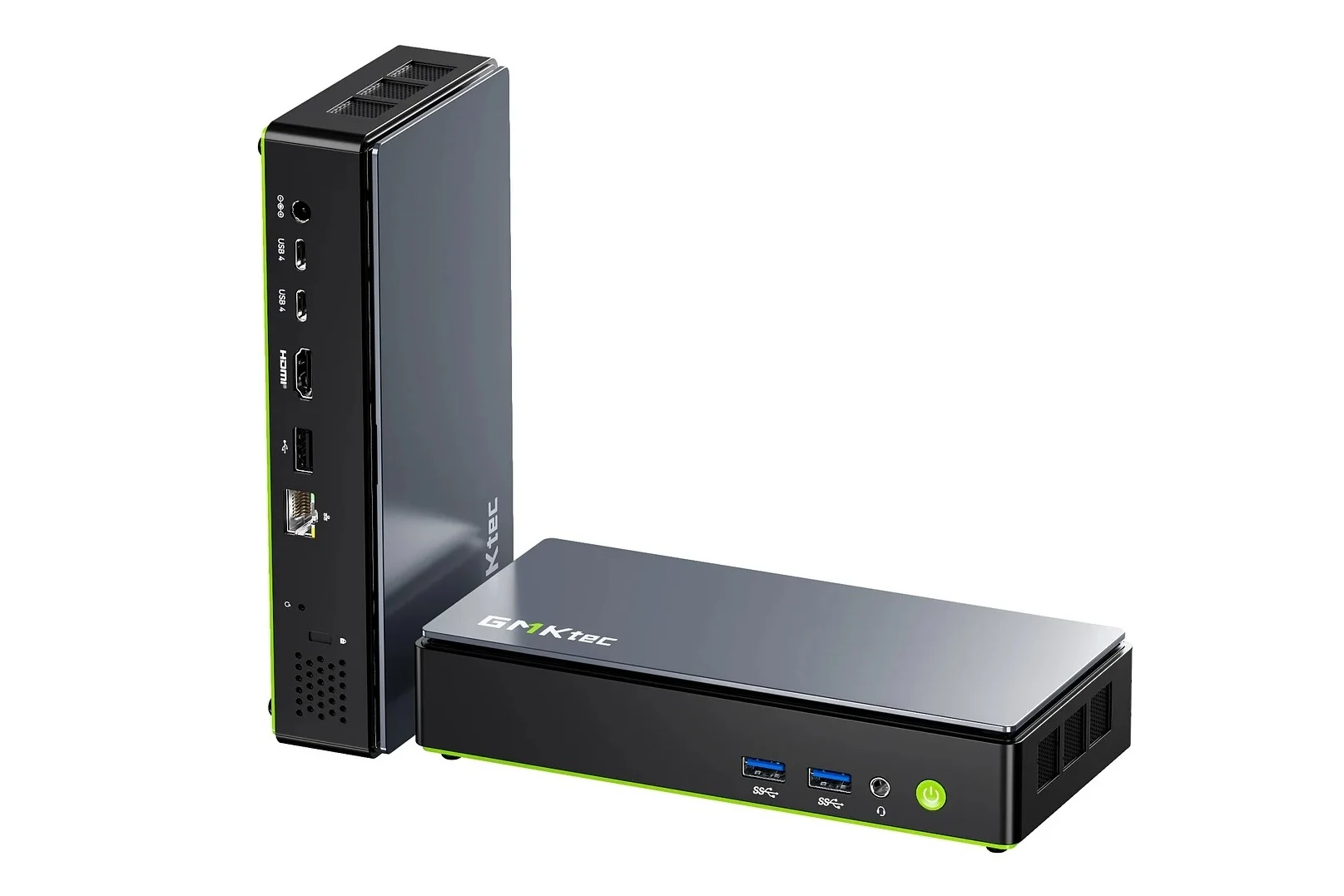
    1. The GMK NucBox K13 is lightweight and offers strong performance with the Core Ultra 7 256V processor, excelling in multi-thread tasks.
    2. It outperforms similar machines in CPU-intensive tasks but has slower graphics performance compared to competitors.
    3. The NucBox K13 can be up to 25% slower in graphics performance than other PCs with the same Arc 140V GPU.
    4. Casual gaming is manageable on the NucBox K13, but it’s not suitable for demanding 3D games.
    5. Switching to Balanced mode in BIOS can improve performance by better allocating power between the CPU and integrated graphics.


    The GMK NucBox K13 has just hit the market, and it’s impressively light yet provides solid performance thanks to the Core Ultra 7 256V processor. When you stack it up against other machines that use the same CPU, the GMK seems to outpace them in multi-thread performance, albeit at the cost of a bit slower graphics performance.

    Performance Insights

    In the performance charts below, you can see how the NucBox K13 compares to six other PCs with the same Core Ultra 7 256V CPU. On average, the GMK system tends to lead in CPU-intensive tasks by a few percentage points, indicating good Turbo Boost sustainability. Interestingly, the Dell 14 Plus lags behind by as much as 20 percent when considering the heavier throttling it experiences compared to the GMK.

    Graphics Performance

    However, the NucBox K13 does have its drawbacks when it comes to integrated graphics performance. The 3DMark benchmarks reveal that this mini PC can be up to 25 percent slower than the average machine equipped with the same Arc 140V GPU. While it can handle casual gaming well, it might not be the ideal option for running the latest 3D games locally.

    To potentially improve performance, you can switch the mini PC to Balanced mode instead of Performance mode through the BIOS settings. This adjustment can help mitigate the performance gaps since Performance mode often allocates higher power limits to the CPU cores, which might come at the cost of lower power limits for the integrated graphics.

    Conclusion

    For further insights, be sure to check our complete review of the NucBox K13, which includes more benchmarks and comparisons with other mini PCs.

  • YouTube Asks Viewers to Spot AI-Generated Content in Ratings

    YouTube Asks Viewers to Spot AI-Generated Content in Ratings

    Key Takeaways

    1. YouTube allows and encourages the use of generative AI in video creation but aims to combat “AI slop” through viewer feedback.
    2. A new rating system is being tested, asking viewers to evaluate the quality of AI-generated content.
    3. Creators can enhance their videos using AI tools, but low-quality uploads risk monetization penalties.
    4. YouTube’s checks for content quality via automated and human evaluations have proven insufficient, with many shorts being flagged as poor quality.
    5. Critics warn that the new system may inadvertently increase “AI slop” and allow the platform to train models that create misleading content.


    YouTube’s relationship with generative AI is quite complex. The platform permits certain videos made by machine learning and even encourages their usage. However, they have also pledged to tackle what they call “AI slop.” A new rating system has been introduced, urging viewers to identify this unwanted content.

    Viewer Engagement with AI Content

    VidIQ is one of the several social media accounts that have spotted pop-ups within the YouTube app. It straightforwardly inquires, “Does this feel like AI slop?” or asks if “low-quality AI” played a role. Responses can range from “Not at all” to “Extremely.” As of now, this new approach seems to be in a limited testing stage.

    Content Creation and AI Tools

    Creators are welcome to utilize generative AI tools to improve their videos without needing to record voice-overs, edit, or design graphics. However, an increasing number of uploads are being made with little human supervision. Even so, they might still be accepted unless they are classified as low-quality. If not, channel operators risk losing their ability to monetize.

    Standards and Oversight

    YouTube checks if a candidate fulfills basic requirements through both automated and human evaluations. However, both methods have shown to be insufficient. A recent study indicated that over 20% of YouTube shorts were poorly made, repetitive, or misleading. This might be the reason the company is incorporating a new feature to the standard like/dislike buttons.

    Potential Issues with Viewer Reliance

    Depending on viewers has its flaws, as some may not be able to recognize sophisticated deepfakes. There is also a subjective factor, where fans of a channel might hesitate to report a video.

    Criticism of the New System

    Some critics argue that the new rating system could actually increase the amount of AI slop instead of reducing it. If these changes are widely adopted, users will generate vast amounts of data. TukiFromKL suggests that the platform might be training its own models to create content that’s trickier to identify. With some outputs more convincing than others, it could learn how to effectively deceive viewers.

    Source:
    Link


  • First Quantum Battery Prototype Promises Instant Charging for EVs

    First Quantum Battery Prototype Promises Instant Charging for EVs

    Key Takeaways

    1. Scientists have created the first working proof-of-concept quantum battery that uses advanced physics for energy storage and release.
    2. The quantum battery can be charged wirelessly with a targeted laser, converting light into electrical current.
    3. Its unique charging mechanism allows larger capacities to recharge faster by synchronizing internal components to absorb energy simultaneously.
    4. Current limitations include a small energy capacity and very brief charge retention, lasting only a few nanoseconds.
    5. Engineers need to enhance the battery’s size and improve energy retention to move from lab prototypes to commercial use.


    Scientists from the Commonwealth Scientific and Industrial Research Organisation have made a big step by creating the first working proof-of-concept quantum battery. Unlike regular batteries that depend on slow chemical reactions, this innovative tech uses advanced physics to both store and release energy. The prototype consists of special tiny layers that capture light, enabling the entire device to be charged wirelessly with a targeted laser, which is then changed into electrical current.

    The Unique Charging Mechanism

    What makes this technology really special is its surprising scaling ability. In standard power units, larger capacities usually take longer to recharge. However, the quantum battery takes advantage of a synchronized physical behavior among its internal parts. When these tiny units come together, they work as a team to absorb energy in a highly parallel manner. Since they share the charging load at the same time, adding more components actually speeds up the overall charging process. Scientists imagine a future where this mechanism could recharge electric cars quicker than filling up a regular vehicle with gas, or even charge a smartphone in an instant.

    Current Limitations

    Even with this impressive achievement, there are still significant barriers that stop the technology from reaching consumers. The current lab prototype has a very small energy capacity and can only keep its charge for a few nanoseconds before natural environmental factors make the stored energy fade away. The fragile, tightly synchronized states necessary for the battery to operate are easily disturbed by everyday conditions.

    To make the leap from lab tests to commercial use, engineers need to find ways to greatly enhance the system’s physical size and improve its energy retention duration. As the research team looks for collaborations with investors and car manufacturers, the main focus is still on stabilizing these tiny systems.

    Source:
    Link


  • OnePlus Pad 3 Pro: New Leak Reveals Upcoming Flagship Tablet

    OnePlus Pad 3 Pro: New Leak Reveals Upcoming Flagship Tablet

    Key Takeaways

    1. OnePlus is developing the Pad 3 Pro, which will keep the 13.2-inch display size of the original Pad 3.
    2. The Pad 3 Pro is expected to feature the Snapdragon 8 Elite Gen 5 processor and improvements in performance.
    3. It may come with 16GB of LPDDR5X RAM and 512GB of UFS 4.1 storage, with potential color options of titanium and green.
    4. OnePlus is also planning a smaller tablet with an 8.8-inch display using the Snapdragon 8 Gen 5 processor.
    5. The launch of the Pad 3 Pro is anticipated first, but there is uncertainty about their global availability.


    The OnePlus Pad 3 made its debut in the international market last year. This flagship tablet boasted a 13.2-inch screen, a Snapdragon 8 Elite processor, and a robust 12,140mAh battery.

    New Developments on the Horizon

    Recent information from the tipster Digital Chat Station indicates that OnePlus is developing the Pad 3 Pro. Reports suggest that this new model will retain the 13.2-inch display size found in the Pad 3. However, significant improvements in performance are anticipated. The Pad 3 Pro is rumored to feature the Snapdragon 8 Elite Gen 5, a chipset also present in OnePlus’s leading smartphone, the OnePlus 15 (currently priced at $899 on Amazon).

    Specifications and Features

    According to the leak, the Pad 3 Pro is expected to be equipped with 16GB of LPDDR5X RAM and 512GB of UFS 4.1 storage. There are also discussions about color choices, including titanium and green. While the leak hints at a substantial battery, its exact capacity has not been disclosed.

    Additionally, OnePlus is said to be working on a smaller tablet that will have an 8.8-inch display. This device will utilize the Snapdragon 8 Gen 5, which is a Qualcomm processor positioned below flagship level. There are also suggestions that it could feature a version with a “soft light” display.

    Launch Timeline and Market Availability

    The information implies that the Pad 3 Pro will be revealed first, followed by the compact tablet. However, there is still uncertainty regarding whether these tablets will be available globally or if they will remain exclusive to China.

    Source:
    Link


  • Xiaomi Poco X8 Pro Launch: Affordable Mid-Range Phone at $299

    Xiaomi Poco X8 Pro Launch: Affordable Mid-Range Phone at $299

    Key Takeaways

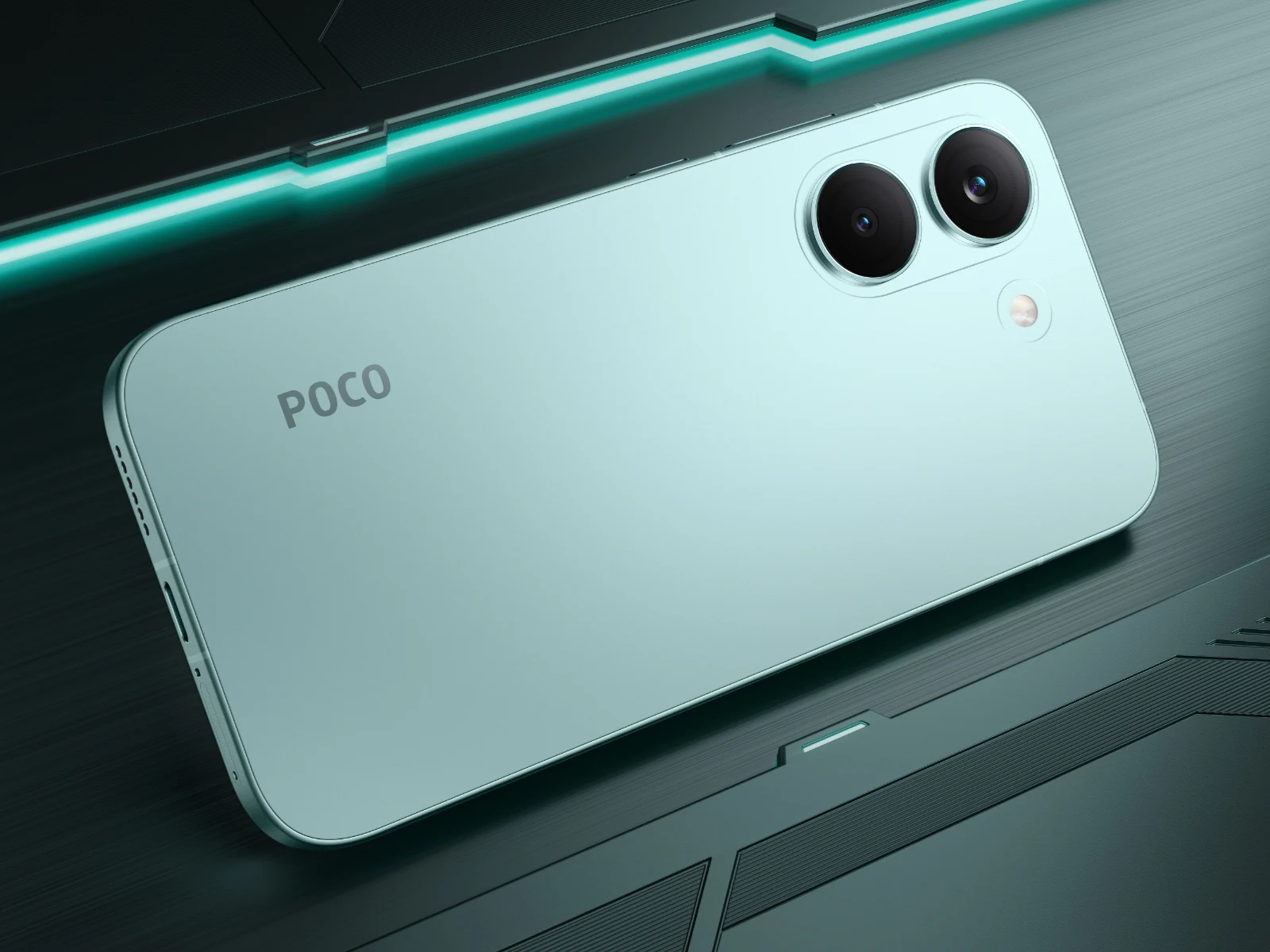
    1. The Poco X8 Pro features a 120 Hz AMOLED display with a resolution of 2,756 x 1,268 pixels and peak brightness of 3,500 nits.
    2. It includes a 50 MP primary camera and an 8 MP ultra-wide-angle camera, along with a large 6,500 mAh battery supporting 100 W wired charging.
    3. The smartphone is powered by a MediaTek Dimensity 8500 Ultra chipset and has an IP68-certified casing.
    4. The Poco X8 Pro is priced at $299 for the 8 GB RAM and 256 GB storage version, with higher prices for 512 GB options.
    5. Color options for the Poco X8 Pro include Black, White, and Mint Green, with prices expected to increase after the Early Bird promotion.


    The Poco X8 Pro is the most affordable of the three new smartphones that Xiaomi has introduced today. To give you some background, the company has also launched the Poco X8 Pro Iron Man Edition and the Poco X8 Pro Max at the same time. Despite this, the Poco X8 Pro has some impressive features that make it a worthy successor to last year’s Poco X7 Pro (curr. $399.99 on Amazon).

    Display and Build

    Xiaomi has packed a 120 Hz AMOLED screen into the Poco X8 Pro, which boasts a resolution of 2,756 x 1,268 pixels and a peak brightness of 3,500 nits (25% APL). The display also incorporates 3,840 Hz PWM dimming along with a 12-bit color depth. To protect the 6.59-inch screen, Xiaomi has used Corning Gorilla Glass 7i, which also shields the 20 MP front-facing camera.

    Camera and Battery

    On the back of the device, there are a 50 MP primary camera (Sony IMX882) and an 8 MP ultra-wide-angle camera. This rear section conceals a substantial 6,500 mAh battery that supports 100 W wired charging (PPS) and 27 W reverse wired charging. Additionally, the Poco X8 Pro is powered by a MediaTek Dimensity 8500 Ultra chipset and is housed in an IP68-certified casing that measures 157.5 x 75.2 x 8.4 mm and weighs 201.5 g.

    Pricing and Availability

    The Poco X8 Pro is available in Black, White, and Mint Green colors. At its launch, Xiaomi is pricing the 8 GB RAM and 256 GB storage version at $299. For those interested in 512 GB options, the starting price is $329 for 8 GB of RAM and $359 for 12 GB of RAM. It’s worth noting that the Poco X8 Pro will eventually be sold for $329, and the prices for the 512 GB models will rise by $40 each after the Early Bird promotion period ends.

  • New Limited Edition Garmin Smartwatches Coming Soon

    New Limited Edition Garmin Smartwatches Coming Soon

    Key Takeaways

    1. Garmin has launched the Instinct 3 Alpine Rush Collection, featuring three new color options for its robust smartwatch.
    2. The collection includes four distinct models: two 45 mm and 50 mm Solar models in Sunburst color, plus a 45 mm AMOLED model in Citrine and a 50 mm AMOLED model in Fern Green.
    3. All watches maintain the same features as previous models, including a metal-reinforced bezel, LED flashlight, multi-band GPS, health tracking, smart notifications, and contactless payments.
    4. The AMOLED models have a battery life of 24 days, while the Solar models can operate indefinitely due to solar cells.
    5. The watches will be available for purchase starting March 20th, with prices beginning at $399.99.


    Garmin has unveiled the new Instinct 3 Alpine Rush Collection watches around the globe. This limited edition series brings forth three fresh color options for the robust smartwatch, which was originally introduced in January 2025.

    Collection Overview

    The Instinct 3 Alpine Rush Collection features four distinct watches. There are two models available with a Sunburst-colored casing paired with a Sunburst/Gray band: the 45 mm Solar and the 50 mm Solar versions of the Garmin Instinct 3. Additionally, the 45 mm AMOLED model is now offered in a new Citrine color, while the larger 50 mm AMOLED model receives a new Fern Green variant.

    Design and Features

    Besides the updated casing and strap colors, these variants of the Garmin Instinct 3 seem to be exactly the same as the previous versions. All the watches come equipped with a metal-reinforced bezel and a built-in LED flashlight. They provide features such as multi-band GPS, health metric tracking, smart notifications, and contactless payments. The AMOLED versions boast an estimated battery life of 24 days under normal use, while the Solar models with a MIP LCD display can operate indefinitely due to their solar cells.

    Availability and Pricing

    The Garmin Instinct 3 Alpine Rush Collection watches are set to be available for purchase starting March 20th through the brand’s online store. Prices start at $399.99/£299.99/€349.99 for the 45 mm Solar variant, with the recommended retail prices aligning with those of the original smartwatch models. It remains uncertain when or if these will be available on the brand’s official Amazon store. You can see the complete price list below.

    Source:
    Link